

Recent Discussions




Both dramas have to do with a parent saving their child within 2 weeks/14 days..


Both Reply 1997 and Hot Young Bloods follow the stories of teenagers in the recent past - Reply 1997 takes place in the 90s, and Hot Young Bloods in the 80s. They both pay careful attention to the aesthetic details of the era. But beyond the fact that they’re both “retro”, they also both portray characters that are normal, relatable teenagers. None of the characters are outrageously rich, celebrities, damsels in distress or alpha heroes… Both female leads are a little on the “strong” side, they’re more assertive than the male leads, that are slightly timid. The male leads, despite being awkward and flawed (and occasionally ridiculous) teenagers, are still attractive. And both this movie and this drama have a nice mix of romance, comedy, and slight notes of sadness, that sums up into good coming-of-age stories!

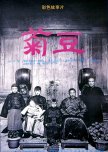
Both stories revolve around a woman falling in love with her husband's servant and having their love challenged by society.
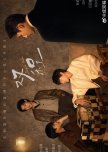

Both To My Shore and Double Helix also include a sometimes toxic relationship, marked by emotional dependence, conflict, and complicated feelings.


The similarities between Teach You a Lesson and Juvenile Justice are mainly:
Bullying and youth violence: Both works shed light on the physical and psychological harm suffered by victims, especially within school environments or among minors.
Focus on consequences: Neither series simply presents crime or bullying; both emphasize the consequences for the perpetrators, the victims, and society.
Serious and realistic tone: They address sensitive social issues in a mature and realistic manner, rather than focusing on comedy or romance.
Advocacy for victims: Both encourage viewers to empathize with victims and reflect on how justice can be achieved for them.
Criticism of social institutions: They raise questions about the role of families, schools, and the legal system in preventing violence and protecting children and teenagers.
The biggest difference is that Teach You a Lesson focuses directly on school bullying and its psychological impact, whereas Juvenile Justice covers a broader range of juvenile crimes through the perspective of a judge handling cases involving minors, not just bullying.
Bullying and youth violence: Both works shed light on the physical and psychological harm suffered by victims, especially within school environments or among minors.
Focus on consequences: Neither series simply presents crime or bullying; both emphasize the consequences for the perpetrators, the victims, and society.
Serious and realistic tone: They address sensitive social issues in a mature and realistic manner, rather than focusing on comedy or romance.
Advocacy for victims: Both encourage viewers to empathize with victims and reflect on how justice can be achieved for them.
Criticism of social institutions: They raise questions about the role of families, schools, and the legal system in preventing violence and protecting children and teenagers.
The biggest difference is that Teach You a Lesson focuses directly on school bullying and its psychological impact, whereas Juvenile Justice covers a broader range of juvenile crimes through the perspective of a judge handling cases involving minors, not just bullying.


I loved Road to Empress Part 2! ? The story gets even more engaging and intense in this continuation. Li Zhi and the Empress are absolutely incredible, with a chemistry and depth that make everything even more emotional. Every scene between them is captivating and keeps you wanting to watch more and more. Without a doubt, this part really raised the quality of the whole story!


Se você assistiu "A noite chegou" você precisa assistir "Se Desejos Matassem"
Ambos são doramas colegiais que estão ligados a celulares e mortes, com o objetivo principal de sobrevivência. Também estão envolvidos com assuntos sobrenaturais, ambos exploram bastante esses dois assuntos.
Ambos são doramas colegiais que estão ligados a celulares e mortes, com o objetivo principal de sobrevivência. Também estão envolvidos com assuntos sobrenaturais, ambos exploram bastante esses dois assuntos.


Se você assistiu Melancia Cintilante, 18 outra vez é definitivamente a escolha correta caso queira algo parecido.
Em melancia cintilante, o personagem principal volta no tempo e começa a conviver com seu pai para evitar uma tragédia, já em 18 outra vez, o pai rejuvenesce aos seus 18 anos e começa a tentar uma nova vida e também começa a interagir com seus filhos. enquanto mais novo.
Um ponto a se falar é que o filho nos dois doramas são feitos pelo mesmo ator (Ryeoun).
O humor de ambos é bem parecido, como personagens caindo parado no tempo. Por mais que seja engraçado, tem seus momentos de drama e momentos reflexivos sobre a vida.
Em melancia cintilante, o personagem principal volta no tempo e começa a conviver com seu pai para evitar uma tragédia, já em 18 outra vez, o pai rejuvenesce aos seus 18 anos e começa a tentar uma nova vida e também começa a interagir com seus filhos. enquanto mais novo.
Um ponto a se falar é que o filho nos dois doramas são feitos pelo mesmo ator (Ryeoun).
O humor de ambos é bem parecido, como personagens caindo parado no tempo. Por mais que seja engraçado, tem seus momentos de drama e momentos reflexivos sobre a vida.


A very calm and mature romance, with internal thoughts and a realistic daily life like yumi
Very nice chemistry and light, comfortable personalities.
Very nice chemistry and light, comfortable personalities.


The similarity between Phantom Lawyer and Move to Heaven is not in the storyline itself, but in the spirit and deeper messages of each drama.
1. Deep human element
Both dramas focus on emotional, human-centered stories.
Move to Heaven explores people’s lives after death through their belongings and memories.
Phantom Lawyer (as a legal drama) highlights the stories of people who are wronged or unheard.
2. Revealing hidden truths
Both share the theme of uncovering the truth:
In Move to Heaven, untold stories are revealed after a person’s death.
In Phantom Lawyer, the truth is uncovered through legal cases and investigations.
3. Emotional impact
Both dramas aim to deeply move the audience—through sadness, empathy, and reflection.
Move to Heaven leans toward quiet, emotional storytelling.
Phantom Lawyer blends tension and drama with touching moments.
4. Justice and closure
In Phantom Lawyer, justice is legal and direct.
In Move to Heaven, justice is emotional and symbolic—giving the deceased a voice.
Conclusion:
While the genres differ (legal vs. life/human drama), both shows connect through one key idea: revealing hidden sides of people’s lives and giving them a sense of justice or peace.
1. Deep human element
Both dramas focus on emotional, human-centered stories.
Move to Heaven explores people’s lives after death through their belongings and memories.
Phantom Lawyer (as a legal drama) highlights the stories of people who are wronged or unheard.
2. Revealing hidden truths
Both share the theme of uncovering the truth:
In Move to Heaven, untold stories are revealed after a person’s death.
In Phantom Lawyer, the truth is uncovered through legal cases and investigations.
3. Emotional impact
Both dramas aim to deeply move the audience—through sadness, empathy, and reflection.
Move to Heaven leans toward quiet, emotional storytelling.
Phantom Lawyer blends tension and drama with touching moments.
4. Justice and closure
In Phantom Lawyer, justice is legal and direct.
In Move to Heaven, justice is emotional and symbolic—giving the deceased a voice.
Conclusion:
While the genres differ (legal vs. life/human drama), both shows connect through one key idea: revealing hidden sides of people’s lives and giving them a sense of justice or peace.


Mesmo diretor, o que é bem visível pelos visuais A história é interessante, e tem elementos semelhantes, mas não são iguais. Também tem vários atores iguais. Ambas tem uma OST linda.


If you liked Ando Lloyd, Terminator to koi Shichattara offers a similar mix of romance and sci-fi centered on a human-android relationship. Both feature emotional bonds, but Ando Lloyd leans more heavily into action and complex potlines. In contrast, Terminator has a lighter tone, focusing more on humor and heartfelt moments.

The two drama explore the relationship between a human and android, blending romance with elements of sci-fi. While Q10 has a lighter, more youthful tone, the other lean more into action and drama, with higher emotional stakes. Still, they share the same core appeal of an artificial being learning about human emotions through connection.

helping lost/dead souls
? emotional backstories
? mystery + light fantasy
? teamwork with great chemistry
? emotional backstories
? mystery + light fantasy
? teamwork with great chemistry
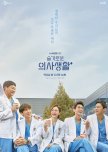

No fantasy, but amazing friendships
Focus on doctors’ daily lives
Warm,
emotional,
and realistic
Focus on doctors’ daily lives
Warm,
emotional,
and realistic


