

Recent Discussions




Se você curtiu "Weak Hero Class" 1 e 2, acho que vai gostar de "One: High School Heroes". As duas histórias têm bastante em comum no início: um ambiente escolar pesado, cheio de bullying, e protagonistas que, à primeira vista, são quietos e focados nos estudos, mas que acabam sendo arrastados para situações violentas.
Os dois protagonistas, inclusive, lembram muito um ao outro: têm esse jeito mais fechado, antissocial, que passam a maior parte do tempo na deles focando em seus estudos. Só que, quando são provocados ou ultrapassam o limite da paciência, eles não hesitam em revidar e lutar até o fim.
Os dois protagonistas, inclusive, lembram muito um ao outro: têm esse jeito mais fechado, antissocial, que passam a maior parte do tempo na deles focando em seus estudos. Só que, quando são provocados ou ultrapassam o limite da paciência, eles não hesitam em revidar e lutar até o fim.


Se você assistiu "Study Group", acho que vai gostar muito de Brave Citizen. Os dois têm uma pegada parecida: violência escolar, gangues que parecem intocáveis e personagens que decidem enfrentar tudo isso de frente.
O que me chamou atenção é como os dois lembram bastante um ao outro até na fotografia e no clima das salas de aula. Assim como em Study Group, as cenas de luta são intensas e cheias de energia, não muito realistas às vezes, mas envolventes.
O que me chamou atenção é como os dois lembram bastante um ao outro até na fotografia e no clima das salas de aula. Assim como em Study Group, as cenas de luta são intensas e cheias de energia, não muito realistas às vezes, mas envolventes.


Se você gostou de "Twinkling Watermelon", recomendo muito "Hear Me: Our Summer". As duas histórias falam de surdez, de comunicação através da língua de sinais, de sonhos e de sentir que seu lugar no mundo é válido. Mas Hear Me acrescenta a beleza de um personagem atleta surda, de um romance gentil e bem construído, e de um protagonista que aprende que amar também é escutar, mesmo em silêncio.
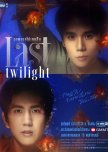
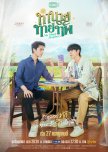
Se você gostou de Last Twilight, vai se apaixonar por My Magic Prophecy. JimmySea entrega novamente química, emoção e cenas memoráveis, com romance e fantasia que funcionam muito bem juntos.

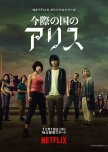
Se você gostou de Alice in Borderland, provavelmente vai se interessar por Night Has Come. Ambos compartilham semelhanças marcantes: os personagens precisam encarar jogos mortais, acompanhados de celulares que trazem informações misteriosas, enquanto tentam sobreviver e descobrir quem está controlando tudo por trás das cortinas.

Se você assistiu Squid Game e gostou da tensão dos jogos de sobrevivência, recomendo bastante Alice in Borderland. A série traz desafios igualmente intensos, cheios de estratégia e perigo, além daquela mesma atmosfera de “sobreviver a qualquer custo”, que te mantém preso do começo ao fim.
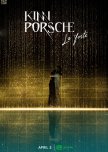

If you loved KinnPorsche: The Series (2022), then Anata wo Korosu Tabi (2025) is definitely worth checking out. Both series offer mature BL themes, intense romance, and high-stakes action, set in dangerous worlds while KinnPorsche takes place in the Thai mafia underworld, Anata wo Korosu Tabi is set in the Japanese yakuza scene.
Both series explore complex relationships, loyalty, and moral dilemmas, but in slightly different ways. KinnPorsche combines cinematic action, melodrama, and intense emotional romance with a flashy, high-energy style. Anata wo Korosu Tabi, on the other hand, leans more toward psychological suspense and emotional intensity, offering a darker, more introspective experience
Both series explore complex relationships, loyalty, and moral dilemmas, but in slightly different ways. KinnPorsche combines cinematic action, melodrama, and intense emotional romance with a flashy, high-energy style. Anata wo Korosu Tabi, on the other hand, leans more toward psychological suspense and emotional intensity, offering a darker, more introspective experience
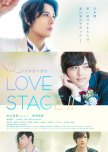
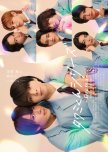
In both Takumi-kun Series: Drama and Love Stage!!, the protagonists face insecurities and internal struggles that make forming a relationship difficult. Takumi fears physical closeness due to past trauma, while Izumi in Love Stage!! struggles with self-confidence and familial expectations.
The similarity lies in the slow-burn romance, emotional support, and tender moments that help the characters grow together. Both stories emphasize patience, understanding, and the small gestures that make love meaningful, making them appealing to fans of heartfelt and realistic BL relationships.
The similarity lies in the slow-burn romance, emotional support, and tender moments that help the characters grow together. Both stories emphasize patience, understanding, and the small gestures that make love meaningful, making them appealing to fans of heartfelt and realistic BL relationships.
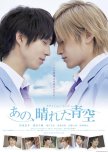
Takumi-kun Series 5: That, Sunny Blue Sky is the fifth installment in the series following Takumi Hayama and Giichi “Gii” Saki, and it stands out for portraying their relationship in a more mature and nuanced way. While the earlier films focused on discovering love and overcoming personal emotional struggles, this one delves into how Takumi and Gii navigate challenges that test the trust, understanding, and intimacy they’ve built over the years.Unlike previous installments, this film is more contemplative, reflecting on personal choices, the future, and how small gestures can have a profound impact on a relationship. Takumi and Gii are no longer just a couple learning to be together—they face situations that demand patience, empathy, and honest communication.
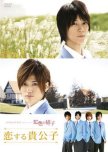
Takumi-kun Series 2: Rainbow Colored Glass continues the story from And The Spring Breeze Whispers, diving deeper into the relationship between Takumi Hayama and Giichi “Gii” Saki. While the first film introduces their romance and Takumi’s journey to overcome his emotional trauma, this second installment explores new emotional challenges, the strengthening of trust, and the growth of their bond.
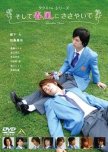
Both Takumi-kun Series: Drama and Takumi-kun Series 1: And The Spring Breeze Whispers are adaptations of Shinobu Gotoh’s first novel in the Takumi-kun series, introducing Takumi Hayama, a shy and emotionally scarred student at Shid? Academy, and his caring roommate Giichi “Gii” Saki. Both focus on the same core story: Takumi learning to trust and open up emotionally, and the gradual development of a tender romantic relationship between him and Gii.


Why it’s worth watching the Acoustic version of the BL series Shine ???
1. A more intimate and condensed narrative
The Acoustic version airs on Channel 7HD with 45-minute episodes, compared to the 60 minutes of the Orchestric version on WeTV. This shorter cut creates a different rhythm: more focused, more essential, highlighting details and moments that might otherwise be overshadowed by the broader editing.
2. Visual and acting details that stand out more clearly
In the Acoustic format, thanks to the reduced duration and tighter structure, you feel closer to the characters. Those glances, those micro-expressions between Mile (??????????? Trin) and Apo (?????? Thanwa) emerge with greater intensity — you catch emotional details that feel more authentic.
3. A complementary, not redundant, experience
The series is designed as two complementary experiences: Orchestric for a broad, cinematic view, and Acoustic for the heart of the story. It’s like looking at the same kaleidoscope from two different angles — one wide and expansive, the other close and personal. The result? You see more than what first meets the eye.
4. A chance to perceive the story differently
Shine unfolds in a turbulent historical period, full of hope, ideals, and both social and inner conflicts. The Acoustic version emphasizes the intimacy between the protagonists within that context: their relationship and their tensions feel vivid and tangible.
In short:
The reason why it’s worth watching the Acoustic version is that it gives you a closer, more sensitive look. If the Orchestric version immerses you in the big historical frame and the social contrasts, the Acoustic version lets you feel inside the characters’ hearts, almost as if they were speaking directly to you.
It’s not an “extra,” it’s something that truly completes the experience.
1. A more intimate and condensed narrative
The Acoustic version airs on Channel 7HD with 45-minute episodes, compared to the 60 minutes of the Orchestric version on WeTV. This shorter cut creates a different rhythm: more focused, more essential, highlighting details and moments that might otherwise be overshadowed by the broader editing.
2. Visual and acting details that stand out more clearly
In the Acoustic format, thanks to the reduced duration and tighter structure, you feel closer to the characters. Those glances, those micro-expressions between Mile (??????????? Trin) and Apo (?????? Thanwa) emerge with greater intensity — you catch emotional details that feel more authentic.
3. A complementary, not redundant, experience
The series is designed as two complementary experiences: Orchestric for a broad, cinematic view, and Acoustic for the heart of the story. It’s like looking at the same kaleidoscope from two different angles — one wide and expansive, the other close and personal. The result? You see more than what first meets the eye.
4. A chance to perceive the story differently
Shine unfolds in a turbulent historical period, full of hope, ideals, and both social and inner conflicts. The Acoustic version emphasizes the intimacy between the protagonists within that context: their relationship and their tensions feel vivid and tangible.
In short:
The reason why it’s worth watching the Acoustic version is that it gives you a closer, more sensitive look. If the Orchestric version immerses you in the big historical frame and the social contrasts, the Acoustic version lets you feel inside the characters’ hearts, almost as if they were speaking directly to you.
It’s not an “extra,” it’s something that truly completes the experience.


In both series, the older brother has to take care of the younger brother as the parents are absents. Death is a big theme in both series too and there is a strong emphasis on the brother relationship throughout the series.
As a result, if you liked Melo movie, you’ll most likely also enjoy Move to Heaven.
As a result, if you liked Melo movie, you’ll most likely also enjoy Move to Heaven.


Mesmo universo, abordagem diferente. Lindamente feito, com cenários de arrepiar e uma história muito emocionante. Te faz se perguntar como exatamente eles se cruzam e dá mais ansiedade por uma continuação de "Moving"


...then you might like
A protagonista morre, viaja no tempo e tenta corrigir os erros do passado, voltando para quem realmente a ama.


