

Recent Discussions


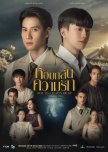
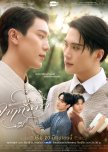
Both series are historical BL romances set in the early 20th century.
Thee (Memoir of Rati) and Yai (I Feel You Linger in the Air) have very similar personalities; gentle, kind, and understanding young men from wealthy families that fall in love with someone considered lower class.
Both series also share similar themes such as the mistreatment of servants and the lives of wealthy families living in homes along canals or rivers.
Thee (Memoir of Rati) and Yai (I Feel You Linger in the Air) have very similar personalities; gentle, kind, and understanding young men from wealthy families that fall in love with someone considered lower class.
Both series also share similar themes such as the mistreatment of servants and the lives of wealthy families living in homes along canals or rivers.

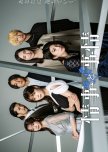
Both talks about infidelity and cheating, also friends with facade appearance.
The kenja has some revenge story which is the core of the whole thing but still both somehow have the same vibes of messy relationships
The kenja has some revenge story which is the core of the whole thing but still both somehow have the same vibes of messy relationships


Very strong and determined female and male characters in both dramas. Here, the main character seeks revenge, but in her relentlessness and vindictiveness, the heroine is no less than him. A love relationship that begins with a lie.
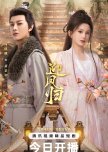
In both series, the central focus is on the heroine seeking vengeance for the injustices she has endured. Each female lead is sharp-witted, carefully devises her strategy for retribution, and pursues it with relentless determination.

In both dramas, the main theme is the heroine’s revenge for the wrongs she has suffered. Both female characters are intelligent, meticulously plan their retaliation, and show ruthless determination in carrying it out.


it has geo political vibes with the main plot theme around south Korea and north Korea , it also involves family background of the characters on political level.


Also similar story - good friends who have been together for years and now one has a terminal illness. They spend the last days together.

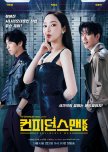
Both are a similar vibe comedy dramas about genius con artists and their teams, fighting against criminals.
(Jung Woong In acts as a villain in both shows too)
(Jung Woong In acts as a villain in both shows too)
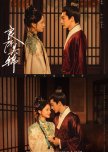

Liang Chen Mei Jin is a female-centered historical drama set in the Ming Dynasty, following the story of Gu Jin Chao, a resilient woman who is given a second chance at life through rebirth. After a tragic past, she awakens in her younger body, determined to rewrite her fate and take control of her destiny. Surrounded by multiple male leads with varying loyalties and intentions, Gu Jin Chao navigates a web of palace intrigue, family conflict, and emotional entanglements. With her intelligence and inner strength, she rises against the constraints of a patriarchal society, challenging not only her enemies but the expectations placed upon women of her time. The drama blends romance, revenge, and political power plays, all set against the backdrop of lavish costumes and the intricate beauty of the Ming court. Ideal for fans of strong female protagonists and reincarnation narratives, Liang Chen Mei Jin promises a gripping tale of empowerment, love, and second chances.


I really thought I was watching the same drama at times. I mean... the entire premise of these two is SO similar:
- The ML's "disability" doesn't apply ONLY to the FL
- The ML finds out about the "false pretense" under which he met and fell in love with the FL, and has a crash out about it
- The FL feels horrible that she cannot tell the truth nor her true feelings to the ML, and
- The ML is part of a big company whom others want thrown out off, so they try to use his "disability" to do so
"I'm not a robot" is definetely more intense and dramatic than "The secret life of my secretary" (and, between you and me, the ML, of the former, takes the "lie" of the FL a little TOO hard, and acts a little toxic towards her), but I liked both each for their own reasons (I did like "I'm not a robot" more, I guess because I'm obviously a masochist! I cried my EYES out with it, something that, thankfully, didn't happen with "The secret life of my secretary", but... to each their own).
Definetely recommend both!
- The ML's "disability" doesn't apply ONLY to the FL
- The ML finds out about the "false pretense" under which he met and fell in love with the FL, and has a crash out about it
- The FL feels horrible that she cannot tell the truth nor her true feelings to the ML, and
- The ML is part of a big company whom others want thrown out off, so they try to use his "disability" to do so
"I'm not a robot" is definetely more intense and dramatic than "The secret life of my secretary" (and, between you and me, the ML, of the former, takes the "lie" of the FL a little TOO hard, and acts a little toxic towards her), but I liked both each for their own reasons (I did like "I'm not a robot" more, I guess because I'm obviously a masochist! I cried my EYES out with it, something that, thankfully, didn't happen with "The secret life of my secretary", but... to each their own).
Definetely recommend both!
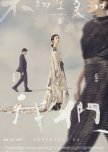
Circling around jealousy, detachment, desire, fear, suppressed rage, yearnings of women. Both late stage works, miniature epics in their own ways


similar trope of ML asking our other ML for how he can get the "girl of his dreams", only to be a guy of his dreams ? ?
in Hidden Agenda, the girl is an ex of the guy our ML seeks advice from
in Secret Lover, well, read tHe bIO pPlLlL
in Hidden Agenda, the girl is an ex of the guy our ML seeks advice from
in Secret Lover, well, read tHe bIO pPlLlL


Both dramas are different, but they have many similarities.
-Both set during the 20th century and in the countryside
-Both leads are married, but SB is an arranged marriage, and WLGYT is a love marriage
-Both FL in-laws don't like FL, but the ML always defends FL
-Both ML family is low working class
-Both ML will work hard for their FL
Korea has Gwanshik, but China has Shengfeng, BOTH ML ARE WHOLE FOREST
-Both set during the 20th century and in the countryside
-Both leads are married, but SB is an arranged marriage, and WLGYT is a love marriage
-Both FL in-laws don't like FL, but the ML always defends FL
-Both ML family is low working class
-Both ML will work hard for their FL
Korea has Gwanshik, but China has Shengfeng, BOTH ML ARE WHOLE FOREST


Both share strong female leads, supporting their families and managing businesses.
Both are female-centered dramas, showing hardships of women in history, especially regarding marriage.
Both explore different genres, from daily life to palace mysteries, through court and family drama.
Both explore family dynamics, with wholesome relationships.
Perfect Match is supposedly more historically accurate, depicting life in the Song Dynasty, and is more on the funnier side compared to Blossoms in Adversity.
Both are female-centered dramas, showing hardships of women in history, especially regarding marriage.
Both explore different genres, from daily life to palace mysteries, through court and family drama.
Both explore family dynamics, with wholesome relationships.
Perfect Match is supposedly more historically accurate, depicting life in the Song Dynasty, and is more on the funnier side compared to Blossoms in Adversity.
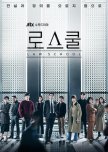

- Both Beyond the Bar and Law School are legal dramas that use the courtroom and law-related settings as the backbone of the story.
- They explore the professional growth of young lawyers/law students under high-stakes conditions.
- Both lean into melodrama/human drama, showing the emotional weight of law on people’s lives — whether it’s students dealing with academic pressure (Law School) or a rookie lawyer confronting personal setbacks (Beyond the Bar).
- They mix mystery/thriller elements into the legal framework — Law School with its central murder case, Beyond the Bar with its suspense around high-risk litigation and secrets at the firm.
- They explore the professional growth of young lawyers/law students under high-stakes conditions.
- Both lean into melodrama/human drama, showing the emotional weight of law on people’s lives — whether it’s students dealing with academic pressure (Law School) or a rookie lawyer confronting personal setbacks (Beyond the Bar).
- They mix mystery/thriller elements into the legal framework — Law School with its central murder case, Beyond the Bar with its suspense around high-risk litigation and secrets at the firm.


