

Recent Discussions




Both leads reside in the same apartment but at different point of time. By some strange force, their two worlds overlap. One must solves the mysterious of the other's disappearance.


-both has ml who lost passion for their sport but the passion has been sparked by the fml
-both is revolved around sports
-both is revolved around sports


Well they are stories of two people deeply in love but the obstacles are put on their path by the closest people to them! They keep missing each other, the timing is always wrong! So they throw in a nice time skip (3 to 5 years) and magically everything is sorted out i the last minutes of the last episode!
If you are in the mood for a misery ride with incredible chemistry between the leads, watch this!
If you are in the mood for a misery ride with incredible chemistry between the leads, watch this!


This too is a father-daughter love. Both have excellent actors that can move us to tears. In Miracle in Cell No. 7, it's the father who is specially challenged.
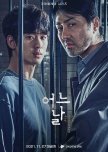

As Mouse discusses serial killers in Korea, a college student who was involved in a murder case is mentioned. He was implicated, no one believed him, and he was imprisoned until his innocence was established. Are you curious about the true murderer? Check out One Ordinary Day


These two might be set in the same universe since we saw some of the my school president cast play as pat and prans juniors in bad buddy along with p'aof being involved in the production of both of the series and they have similar vibes


Both show an individual who is extremely remorseful for the accident they caused. Despite doing everything they can to seek forgiveness from the family, it is never enough. They are harassed by the family to the point where we, as the audience, must ask ourselves who is in the right and who is in the wrong? The vengeful family? Or the remorseful perpetrator?


Both movies show a family who is grief-stricken by a horrible incident involving their child. A young man who is connected to that incident begins to work for the family. The endings are very similar in scenery and writing.


Both are set in a historical royal kitchen with delicious-looking food, and both feature a romance (gender inverted) between a poor chef and a royal.


Aizawa Naoya is happily married to his colleague Natsuna but faces temptation to cheat on his wife when a new employee Tachibana Noa joins his branch and seduces him repeatedly with all sorts of antics.
Adapted from the manga series "Anata Wa Watashi Ni Otosaretai" written by Miyaguchi Jun and illustrated by Umesuzu (??).
Adapted from the manga series "Anata Wa Watashi Ni Otosaretai" written by Miyaguchi Jun and illustrated by Umesuzu (??).

Aizawa Naoya is happily married to his colleague Natsuna but faces temptation to cheat on his wife when a new employee Tachibana Noa joins his branch and seduces him repeatedly with all sorts of antics.
Adapted from the manga series "Anata Wa Watashi Ni Otosaretai" written by Miyaguchi Jun and illustrated by Umesuzu (??).
Adapted from the manga series "Anata Wa Watashi Ni Otosaretai" written by Miyaguchi Jun and illustrated by Umesuzu (??).
Aizawa Naoya is happily married to his colleague Natsuna but faces temptation to cheat on his wife when a new employee Tachibana Noa joins his branch and seduces him repeatedly with all sorts of antics.
Adapted from the manga series "Anata Wa Watashi Ni Otosaretai" written by Miyaguchi Jun and illustrated by Umesuzu (??).
Adapted from the manga series "Anata Wa Watashi Ni Otosaretai" written by Miyaguchi Jun and illustrated by Umesuzu (??).

Aizawa Naoya is happily married to his colleague Natsuna but faces temptation to cheat on his wife when a new employee Tachibana Noa joins his branch and seduces him repeatedly with all sorts of antics.
Adapted from the manga series "Anata Wa Watashi Ni Otosaretai" written by Miyaguchi Jun and illustrated by Umesuzu (??).
Adapted from the manga series "Anata Wa Watashi Ni Otosaretai" written by Miyaguchi Jun and illustrated by Umesuzu (??).

Both these films offer moral dilemmas that ask the audience to examine the nature of forgiveness. We see an ex-con go through many hardships in their search for acceptance back into society. These films also explore the relationship between a perpetrator who seeks forgiveness and a victim who must decide whether or not to give it.
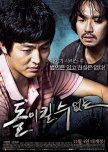
Both films show an ex-con who can't catch a break. Even though they have reformed and are trying to get on with their lives, they are haunted by their past crimes. They seek forgiveness, but it always seems to elude them. Society treats them horribly no matter how much they repent, and they are continuously ostracized. These films also beg the question: do these ex-cons deserve such treatment? At what point do the 'good' people become bad from their unwillingness to forgive?


