

Recent Discussions


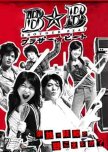

The older brother steps up to take responsibility. Both are stories about siblings. In Brother Beat, the mother is still alive. Brother Beat has more comedic tone.
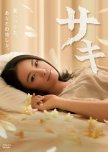
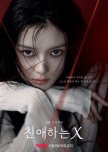
- Both have FLs who are morally grey, crazy, and manipulate various men for their advantage.
- Edge of the seat and unpredictable
- Edge of the seat and unpredictable
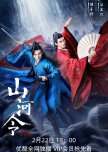
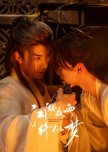
Both are wuxias and bromances or censored BLs. Both have similar weapons - fans and a flexible sword - and fight scenes. Both MLs have similar personalities - one is an assassin since young who plays a flute, the other, in order to leave some place, took a punishment which will shorten his life, devastating the other ML when he finds out.

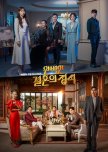
SPOILERS!
Similarities:
- Cinderella inspired
- Han I Ju (Perfect Marriage Revenge) and Eun Ha Won (Cinderella's and the Four Knight) are both fl who get mistreated by their family
- Both fl's have a mother and sister who isn't their blood relative, but lives with them regardless
- Han I Ju (Perfect Marriage Revenge) and Eun Ha Won (Cinderella's and the Four Knight) are given small bedrooms
- Both fl's fall inlove with men from rich families
- Han Yu Ra (Perfect Marriage Revenge) and Park Hye Ji (Cinderella and the Four Knights) are the jealous step-sister's
- Lee Jeong Hye (Perfect Marriage Revenge) and Park Su Gyeong (Cinderella and the Four Knights) are the evil stepmother's
- Romance Dramas
- South Korean Dramas
Difference:
- Han I Ju (Perfect Marriage Revenge) is an adopted daughter
- Eun Ha Won's (Cinderella's and the Four Knight) father thought she wasn't his biological daughter, and thought her mother had an affair
- Seo Do-guk (Perfect Marriage Revenge) isn't your typical cold man like Ji Un (Cinderella's and the Four Knight)
- Eun Ha Won (Cinderella and the Four Knights) has three love interests
- Han I Ju (Perfect Marriage Revenge) has only one, but if you count Yoo Se Hyeok (Former lover) then that makes two love interests
- Perfect Marriage Revenge has a business setting, while Cinderella's and the Four Knight has a school setting
- Han I Ju (Perfect Marriage Revenge) is a neglected adopted child that gets revenge on her family
- Eun Ha Won (Cinderella and the Four Knights) is a high schooler who had her family mistreat her, and ends up having three cousins fall inlove with her, while she is a live in housekeeper
Similarities:
- Cinderella inspired
- Han I Ju (Perfect Marriage Revenge) and Eun Ha Won (Cinderella's and the Four Knight) are both fl who get mistreated by their family
- Both fl's have a mother and sister who isn't their blood relative, but lives with them regardless
- Han I Ju (Perfect Marriage Revenge) and Eun Ha Won (Cinderella's and the Four Knight) are given small bedrooms
- Both fl's fall inlove with men from rich families
- Han Yu Ra (Perfect Marriage Revenge) and Park Hye Ji (Cinderella and the Four Knights) are the jealous step-sister's
- Lee Jeong Hye (Perfect Marriage Revenge) and Park Su Gyeong (Cinderella and the Four Knights) are the evil stepmother's
- Romance Dramas
- South Korean Dramas
Difference:
- Han I Ju (Perfect Marriage Revenge) is an adopted daughter
- Eun Ha Won's (Cinderella's and the Four Knight) father thought she wasn't his biological daughter, and thought her mother had an affair
- Seo Do-guk (Perfect Marriage Revenge) isn't your typical cold man like Ji Un (Cinderella's and the Four Knight)
- Eun Ha Won (Cinderella and the Four Knights) has three love interests
- Han I Ju (Perfect Marriage Revenge) has only one, but if you count Yoo Se Hyeok (Former lover) then that makes two love interests
- Perfect Marriage Revenge has a business setting, while Cinderella's and the Four Knight has a school setting
- Han I Ju (Perfect Marriage Revenge) is a neglected adopted child that gets revenge on her family
- Eun Ha Won (Cinderella and the Four Knights) is a high schooler who had her family mistreat her, and ends up having three cousins fall inlove with her, while she is a live in housekeeper
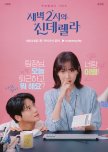
SPOILERS!
Similarities:
- Cinderella inspired
- Both FL have had the ML's family pay them
- Both ML's come from rich families
- Both Romance and Comedy Dramas
- South Korean Dramas
Difference:
- Ju Won (Cinderella at 2am) and Ji Un (Cinderella and Four Knights) don't show the same type of affection towards the fl, also their personalities are completely different
- Eun Ha Won (Cinderella and the Four Knights) has three love interests, while Ha Yun Seo (Cinderella at 2am) has only one
- Ha Yun Seo (Cinderella at 2am) was paid by Ju Won's family to leave him
- Eun Ha Won (Cinderella and the Four Knights) had her first year of university tuition paid and got a bonus by the Chairman who is part of the ML's family
- Ha Yun Seo (Cinderella at 2am) is a team leader, who broke up with her Ju Won for money, and gave up on the idea of love, while Ju won tried to win her back
- Eun Ha Won (Cinderella and the Four Knights) is a high schooler who had her family mistreat her, and ends up having three cousins fall inlove with her, while she is a live in housekeeper
Similarities:
- Cinderella inspired
- Both FL have had the ML's family pay them
- Both ML's come from rich families
- Both Romance and Comedy Dramas
- South Korean Dramas
Difference:
- Ju Won (Cinderella at 2am) and Ji Un (Cinderella and Four Knights) don't show the same type of affection towards the fl, also their personalities are completely different
- Eun Ha Won (Cinderella and the Four Knights) has three love interests, while Ha Yun Seo (Cinderella at 2am) has only one
- Ha Yun Seo (Cinderella at 2am) was paid by Ju Won's family to leave him
- Eun Ha Won (Cinderella and the Four Knights) had her first year of university tuition paid and got a bonus by the Chairman who is part of the ML's family
- Ha Yun Seo (Cinderella at 2am) is a team leader, who broke up with her Ju Won for money, and gave up on the idea of love, while Ju won tried to win her back
- Eun Ha Won (Cinderella and the Four Knights) is a high schooler who had her family mistreat her, and ends up having three cousins fall inlove with her, while she is a live in housekeeper
SPOILERS!
Similarities:
- Both Ml's are son's from a rich family who owns a comapny
- Seo Do-guk (Perfect Marriage Revenge) and Ju Won (Cinderella at 2am) have siblings
- Involves business related things
- Both fl's have former lovers
- Both Dramas feel like a verison of Cinderella, where the fl is Cinderella in their own ways
- Romance Dramas
- South Korean Dramas
- Ju Won (Cinderella at 2am) and Seo Do-guk (Perfect Marriage Revenge) are green flagged men
- Ml's are show the same type of affection towards the fl
- Family pressures
Differences:
- Han I Ju (Perfect Marriage Revenge) is an adopted painter, who decided to get revenge on those that have wronged her
- Ha Yun Seo (Cinderella at 2am) is team leader who get paided to leave with Ju Won and believes love is unrealistic while having Ju Won trying to win her back
- Han I Ju (Perfect Marriage Revenge) has a former lover, but doesn't get back with him
- Ha Yun Seo (Cinderella at 2am) does have a former lover, and gives him a second chance
- Cinderella at 2am has a Boss x Employee realtionship, but that doesn't happen in Perfect Marriage Revenge
- Cinderalla at 2am had more comedy then Perfect Marriage Revnge does
- Han I Ju (Perfect Marriage Revenge) goes back in time and restarts life, while Ha Yun Seo (Cinderella at 2am) doesn't
Similarities:
- Both Ml's are son's from a rich family who owns a comapny
- Seo Do-guk (Perfect Marriage Revenge) and Ju Won (Cinderella at 2am) have siblings
- Involves business related things
- Both fl's have former lovers
- Both Dramas feel like a verison of Cinderella, where the fl is Cinderella in their own ways
- Romance Dramas
- South Korean Dramas
- Ju Won (Cinderella at 2am) and Seo Do-guk (Perfect Marriage Revenge) are green flagged men
- Ml's are show the same type of affection towards the fl
- Family pressures
Differences:
- Han I Ju (Perfect Marriage Revenge) is an adopted painter, who decided to get revenge on those that have wronged her
- Ha Yun Seo (Cinderella at 2am) is team leader who get paided to leave with Ju Won and believes love is unrealistic while having Ju Won trying to win her back
- Han I Ju (Perfect Marriage Revenge) has a former lover, but doesn't get back with him
- Ha Yun Seo (Cinderella at 2am) does have a former lover, and gives him a second chance
- Cinderella at 2am has a Boss x Employee realtionship, but that doesn't happen in Perfect Marriage Revenge
- Cinderalla at 2am had more comedy then Perfect Marriage Revnge does
- Han I Ju (Perfect Marriage Revenge) goes back in time and restarts life, while Ha Yun Seo (Cinderella at 2am) doesn't

Similarities:
- Boss x Employee relationship
- Business setting
- Comedy and Romance Dramas
- South Korean Dramas
Difference:
- Cinderella at 2am already had the leads dating prior, but Her Private Life doesn't do that with the leads
- Cinderella at 2am has the fl being older then the ml, which doesn't happen in Her Private Life
- Ryan Gold (Her Private Life) is a Museum Director, while Seo Ju Won (Cinderella at 2am) is the son of the chaebol family running the company
- Seong Deok Mi (Her Private Life) is an art gallery curator who is a devoted fan girl
- Ha Yun Seo (Cinderella at 2am) is a confident and respected team leader who believe love is unrealistic yet has her ex-boyfriend trying to win her back
- Boss x Employee relationship
- Business setting
- Comedy and Romance Dramas
- South Korean Dramas
Difference:
- Cinderella at 2am already had the leads dating prior, but Her Private Life doesn't do that with the leads
- Cinderella at 2am has the fl being older then the ml, which doesn't happen in Her Private Life
- Ryan Gold (Her Private Life) is a Museum Director, while Seo Ju Won (Cinderella at 2am) is the son of the chaebol family running the company
- Seong Deok Mi (Her Private Life) is an art gallery curator who is a devoted fan girl
- Ha Yun Seo (Cinderella at 2am) is a confident and respected team leader who believe love is unrealistic yet has her ex-boyfriend trying to win her back
Similarities:
- Both series involve art galleries
- Maybe it's just me but Seo Du Guk (Perfect Marriage Revenge) reminds me of Ryan Gold (Her Private life)
- Han I Ju's mother (Perfect Marriage Revenge) also remind me of Um So Hye (Her Private life)
- Both South Korean Dramas
- Both Romance and Business Dramas
- Both fl's are mistreated by a female character who is older then them
- Han I Ju (Perfect Marriage Revenge) and Seong Deok Mi (Her Private Life) get trampled on because they are too nice/obedient
- Both fl are betrayed by people they've trusted
- Both ml's work in the creative side of the industry
Difference:
- Perfect Marriage Revenge has a fantasy element, since the fl has a second chance at life through going back in time
- Her Private Life isn't a fantasy drama, but a comedy drama
- Han I Ju (Perfect Marriage Revenge) is a neglected adopted child that gets revenge on her family
- Seong Deok Mi (Her Private Life) is a mistreated art gallery curator who is a devoted fan girl
- Han I Ju (Perfect Marriage Revenge) falls inlove with a CEO while Seong Deok Mi (Her Private Life) falls inlove with a Museum director
- Han I Ju (Perfect Marriage Revenge) does get her revenge unlike Seong Deok Mi (Her Private Life) who doesn't get her revenge on anyone
- Both series involve art galleries
- Maybe it's just me but Seo Du Guk (Perfect Marriage Revenge) reminds me of Ryan Gold (Her Private life)
- Han I Ju's mother (Perfect Marriage Revenge) also remind me of Um So Hye (Her Private life)
- Both South Korean Dramas
- Both Romance and Business Dramas
- Both fl's are mistreated by a female character who is older then them
- Han I Ju (Perfect Marriage Revenge) and Seong Deok Mi (Her Private Life) get trampled on because they are too nice/obedient
- Both fl are betrayed by people they've trusted
- Both ml's work in the creative side of the industry
Difference:
- Perfect Marriage Revenge has a fantasy element, since the fl has a second chance at life through going back in time
- Her Private Life isn't a fantasy drama, but a comedy drama
- Han I Ju (Perfect Marriage Revenge) is a neglected adopted child that gets revenge on her family
- Seong Deok Mi (Her Private Life) is a mistreated art gallery curator who is a devoted fan girl
- Han I Ju (Perfect Marriage Revenge) falls inlove with a CEO while Seong Deok Mi (Her Private Life) falls inlove with a Museum director
- Han I Ju (Perfect Marriage Revenge) does get her revenge unlike Seong Deok Mi (Her Private Life) who doesn't get her revenge on anyone
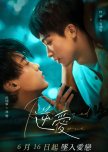
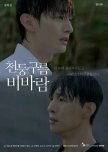
Both are BL dramas that are a bit dark and messy with an obsessive main love interest. Revenged Love is a Chinese BL while Thundercloud Rainstorm is a Korean BL.

Both are BL dramas that are a bit dark and messy with an obsessive main love interest. To My Shore is a Chinese BL while Thundercloud Rainstorm is a Korean BL.
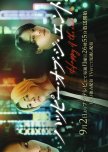
Both are BL dramas that's a bit toxic whereby one character bullies the other and they have a co-dependent relationship.
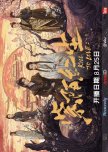
Very obsessive male leads, and more of if I can't have you noone can. Difference is that this one is a historic drama that is bl unlike most that are bro-mance


Singles lost in paradise, but make it bi. Love X promises an even more suspenseful dating competition since there can be male-male and female-female partners and more. In Love X, singles compete for shells that they can use to buy food, dates, and private time in Loveland.
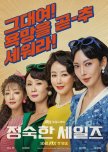
female empowerment
motherhood
female friendship
cheating husband
balancing career and motherhood
motherhood
female friendship
cheating husband
balancing career and motherhood

Both of these shows feature a ML that was raised by his grandfather, both MLs have to deal with death/grave illness of said grandfathers. Both shows are healing journeys that help MLs transform into better people.
While Merman is more funny and Grocery Store is more serious, both have a similar vibe
While Merman is more funny and Grocery Store is more serious, both have a similar vibe


