









 1
1




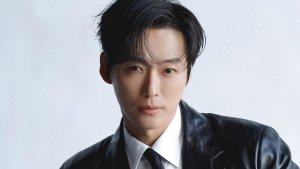 Namkoong Min will reportedly lead a new romance thriller K-drama!
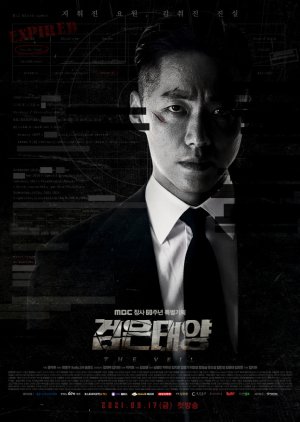
 Ji Hyuk, un asso del reparto servizi segreti stranieri del NIS, non ha mai fallito una missione. Ma durante una missione a Liaoning, in Cina, lungo i confini tra Cina e Corea del Nord, finisce disperso. Dopo un anno, Ji Hyuk, classificato come morto, improvvisamente appare al consolato coreano a Shenyang, Cina, in un stato orribile, e non ricorda nulla di quello che gli è successo nell'ultimo anno. Senza memoria, Ji Hyuk viene assegnato a una squadra con compiti minori. Nella sua squadra conosce Je Yi, fragile ed empatica, ma con un passato doloroso. Per la prima volta, Ji Hyuk viene assegnato al salvataggio delle persone. Mentre si rapporta alle storie di quelle persone, affronta i suoi ricordi. Sarà in grado di scoprire tutti gli indizi e ricordare l'anno trascorso mentre risultava scomparso? (Fonte: Viki) Modifica la Traduzione
- Italiano
- 한국어
- 中文(简体)
- Burmese
- Titolo Originale: 검은 태양
- Conosciuto Anche Come: Black Sun , El Velo , Geomeun Taeyang , Geomeuntaeyang , O Véu , The Black Sun , Завіса , Чёрное солнце , 黑色太阳 , 검은태양
- Regista: Kim Sung Yong
- Sceneggiatore: Park Seok Ho
- Generi: Azione, Thriller, Mistero, Poliziesco
Dove Guardare The Veil
Cast & Ringraziamenti
-
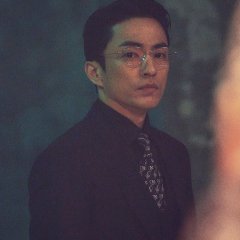
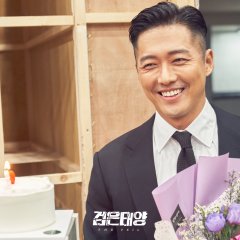
") Nam Goong MinHan Ji HyukRuolo Principale
Nam Goong MinHan Ji HyukRuolo Principale -
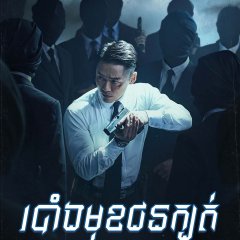
") Park Ha SunSeo Soo YeonRuolo Principale
Park Ha SunSeo Soo YeonRuolo Principale -
") Kim Ji EunYoo Je IRuolo Principale
Kim Ji EunYoo Je IRuolo Principale -
") Jang Young NamDo Jin Suk [NIS overseas division deputy director]Ruolo di Supporto
Jang Young NamDo Jin Suk [NIS overseas division deputy director]Ruolo di Supporto -
") Kim Jong TaeKang Pil Ho [NIS overseas division director]Ruolo di Supporto
Kim Jong TaeKang Pil Ho [NIS overseas division director]Ruolo di Supporto -
") Kim Do HyunHa Dong Gyun [NIS crime info integration center team 1]Ruolo di Supporto
Kim Do HyunHa Dong Gyun [NIS crime info integration center team 1]Ruolo di Supporto
Recensioni

Quando l'attore è più grande del drama, e lo sguardo del protagonista vale più della trama
“The Veil” è una serie coreana alla quale – per associazione - il primo pensiero riconduce inevitabilmente a Namgoong Min, colonna portante del drama. L'attore, noto per i brillanti ruoli sfaccettati in “Stove League” e “Chief Kim”, oltre al meraviglioso “My dearest”, si trasforma qui in Han Ji Hyuk, un'agente d'élite dell'NIS - National Intelligence Service - che sembra sparire improvvisamente nel nulla durante un’operazione e ricompare inaspettatamente dopo un anno, privo di memoria e ossessionato dall'idea di scoprire la talpa che ha fatto fallire la sua missione. La sua dedizione è fisica, quasi animalesca: dieci chili di muscoli guadagnati con mesi di allenamento, stunt eseguiti in prima persona e uno sguardo che passa dal vuoto glaciale all'esplosione di rabbia in un istante. Namgoong Min non interpreta Ji Hyuk: lo vive. Come fa sempre con i personaggi che interpreta, in modo eccellente, senza sbavature. Una bravura che lo rendono il mio attore coreano preferito in assoluto. E questo, per i primi cinque o sei episodi, basta a tenere lo spettatore allo schermo.La regia e la fotografia sono all'altezza del budget faraonico (15 miliardi di won, pari a circa 8 milioni di euro). Gli inseguimenti notturni, le sparatorie nei vicoli umidi, i corpi a terra ripresi senza pudore. La violenza è cruda, non censurata, e la colonna sonora – specialmente "Reason" di Yoari – infila un'ansia perfetta sottopelle. Il primo episodio è una sequenza di adrenalina pura che ricorda il primo capitolo della trilogia statunitense “The Bourne Identity”. Peccato che, dopo un inizio accattivante e dal ritmo serrato, dove i colpi di scena stupiscono per davvero, il drama inizi a inciampare nel suo stesso complesso intreccio.
La tensione inizia a calare proprio dopo la metà della serie, intorno all’ottavo episodio. La trama, che inizialmente è un elegante gioco di scatole cinesi tra memoria, tradimento e doppio gioco, diventa farraginosa. Vengono introdotti a getto continuo nuovi personaggi – un agente cinese, un ex informatore, un capo sezione ambiguo – che si accumulano senza che si riesca a svilupparne la profondità. Diventa difficile e impegnativo anche solo tenere il filo della narrazione. La sensazione è che gli autori, per paura di semplificare troppo, abbiano invece complicato la trama fino a renderla un labirinto di pedine intercambiabili.
Nonostante alcune scene d'azione notevoli - l'assalto al laboratorio, il finale con l'EMP - non riesce a replicare l'urgenza emotiva dei primi episodi. La relazione tra Ji Hyuk e la sua partner Yoo Je Yi – intepretata da una discreta Kim Ji Eun - rimane troppo superficiale, e il personaggio di Seo Soo Yeon , che prometteva molto, viene a conti fatti un po’ sprecato. La rivelazione finale del vero villain – Baek Mo Sa - aggiunge una nota tragica e malinconica che riporta il drama sul piano della riflessione etica: chi è il mostro, alla fine? Chi ha messo la propria umanità da parte per servire lo Stato? L'ultima sequenza, con Ji Hyuk che torna al lavoro dopo cinque anni, è un piccolo capolavoro di sobrietà. Ma il viaggio per arrivarci è stato troppo altalenante.
In definitiva, un drama meritevole nella prima parte ma carente nella seconda metà, pur con una prova eccezionale dell’attore protagonista. Ne vale la pena, ma non senza qualche sospiro di noia. Consigliato a chi ama le spy-story cupe e non ha paura di perdersi in un labirinto, purché sappia che uscirne richiederà pazienza.
Questa recensione ti è stata utile?

Questa recensione può contenere spoiler
Captivating spy thriller, intelligently questioning the philosophy and ethics of secret services
"The Veil" is a really exciting, all-round first-class KDrama in the secret service milieu. The world of spies, the unconditional obedience to orders and professional ethics as well as the swampy terrain surrounding ´right´ vs. ´wrong´ / ´good´ vs. ´evil´ is not only extremely exciting, but also multi-layered and downright critical. (With "Moebius: The Veil", the makers provide background information on some of the central characters of the series in an equally gripping 2-part prequel.)
At the center of the "The Veil" is an excellent agent of the National Intelligence Service (NIS), who suddenly reappears out of nowhere one year after his mission had gone wrong. He has no memory of the past year whatsoever, but is determined to find the cause of failure at that time.
The international title of the KDrama refers to the veil of the protagonist's memory that is lifted in the course of the story. At the same time, it also refers to the veils within the NIS behind which many secrets are kept hidden, and what happens when someone wants to lift them. In the original, however, the title is translated "Black Sun" and refers (no less symbolically) to the phenomenon of the solar eclipse.
MBC spared no expense or effort in the production of "The Veil". With this series, the station is celebrating its 60th birthday in 2021 in a successful way that is well worth seeing. Not only excitement and action are guaranteed, but also an intelligent story that is up to date. (See side note below.) The gripping script is multi-layered with numerous characters who repeatedly move back and forth between the poles of good and evil - eventually, in this intelligence service profession it is neither clear who is who, nor is it unambiguous why...
The overall first-class cast has proven itself altogether through their strong, convincing presence. Namkoong Min in particular gives everything here. He is hardly recognizable compared to e.g. "Stove League" from 2019. For "The Veil" he had trained intensively and gained 10 kilos of muscle mass. He impresses with his powerful physicality, which gives his role even more weight. In that sense, he also performed all the stunts himself.
(Apropos stunts.... this KDrama has its bloody, brutal side, too... for some it could be a bit challenging at times...)
Right down to the camera, light and music, everything is of the highest standard. Since both the characters and the story are so sophisticated and complex with many details, the KDrama is also suitable for re-watch - even if you know how it ends...
"The Veil" is a captivating spy thriller of international caliber that intelligently questions the philosophy, mission and ethics of the secret services from multiple angles. The story also deals with recent history and political past, with present and future ´NIS´ of South Korea.
------------------ SIDE NOTE: --- political/historical context of the NIS ---
The NIS has only had this title since 1999 - and not anymore since July 2020, to be precise. (The story is from 2018 though.) The history of South Korea's intelligence agency is paved with some abuse of power over its own people on South Korean soil.
The South Korean intelligence service originally goes back to the KCIA (Korean Central Intelligence Agency) from 1961, which General Park Chung-hee had initiated. The responsibilities included overseeing and coordinating both international and national intelligence operations and investigations by public and military agencies. The power to get involved in political events (unsolicited and without permission) was correspondingly great. With all this, the KCIA is also one of the elite of Asian secret services in terms of the demanding training.
Following the end of the military dictatorship by General Park Chung-hee, who was assassinated in 1979 by the then head of the KCIA, the KCIA was purged and operated as ANSP (National Security Planning Agency) from 1981. Their most important tasks included spying on North Korean activities and, for example, the suppression of political activists of the pro-democracy movement in their own country.
In 1999 ANSP became NIS. For its part, the NIS actively intervened in domestic politics in favor of Park Gyun-hye (daughter of the former dictator) during the presidential election in 2012, prompted by the head of the intelligence service, Won Sei-hoon. In fact, that NIS campaign against Moon Jae-in resulted in him narrowly losing the election. Meanwhile, Park Gyun-hye has been in prison since 2016 on serious corruption charges, and Moon Jae-in has officially been in office since 2017 (-2022) as the 12th President of South Korea.
In 2020, the government, the presidential office and the ruling Minjoo party agreed that the state secret service NIS should stay out of domestic politics in the future. In connection with corresponding reforms, the NIS was renamed "External Security and Intelligence Service". Illegal actions by secret service employees, abuse of power or interference in domestic politics will from now on be subject to severe penalties.
Questa recensione ti è stata utile?