A Delight To The Senses, Must See Film
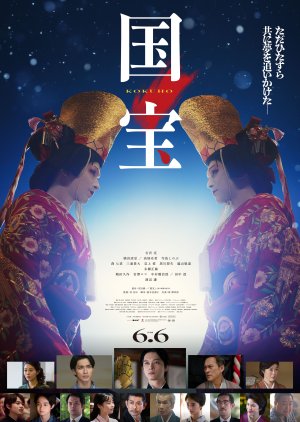
This film is one you will remember for the rest of your life. Guaranteed. A timeline tale of how arrogance can change fortunes, set with stunning detail across a film that will hold you captivated. The entire cast and crew have done an outstanding job of transporting audiences back to Old Japan, and across the decades of cultural change.Stunning, intricate costumes with time period settings and scenery, even the colour grading is matched to resemble the relevant decades. The story is a powerful one that will leave you thinking for hours about fame, fortune and ego.
If ever there is a stage or TV adaptation, recommend Kazuya Kamenashi for the ML. While watching this film, it seemed to present potential to create a vehicle with smaller stories across multiple timelines. Enjoy.
Viewed at the Japanese Film Festival in Brisbane, Australia, Nov 2025.
Was this review helpful to you?

You can tell the makers believed in the art of Kabuki to make it all looks so outstanding. The story is simple, tackles some issues such as how nepotism can ruin talented individuals but what makes the movie good is it's immersive nature. I couldn't look away from the screen. I think that was the point because it's a story about actors who do everything to look beautiful and so was this film was like that.
Our protagonist is flawed, he does dirty things but that is because dirty things have been done to him. But the movie never uses that to justify his action, instead reprimands him but you cannot help not feel bad for him as well. That's when you know you are seeing a nuanced character because he's so humane.
Of course, the acting by the two main leads was wonderful. I lowkey watched this for my boy Soya.
9/10
Was this review helpful to you?

This review may contain spoilers
This isn’t a film about success. It’s a film about the cost.
When I started watching Kokuho, I thought I was about to see a classic “rise to the top” story. But when the film ended, what I felt wasn’t triumph it was deep sadness. Because what it really tells isn’t about reaching the summit, but about what a person loses from themselves while climbing it.The kabuki scenes look incredible the costumes, the makeup, the slow, deliberate movements… all of it is mesmerizing. But the moment we move backstage, the atmosphere changes completely. It becomes colder, more distant, more lonely. I felt that contrast very clearly.
The protagonist’s arrival at the master’s side and his step-by-step rise is truly impressive. Yet at some point, you realize that as he rises, his humanity diminishes. He becomes more withdrawn, more silent. The tension between him and the master’s biological son was, in my opinion, the most painful part of the film. There isn’t any open hostility just a quiet comparison. It sounds fair that not the one with blood ties but the one who truly deserves it should rise. But for the one left behind, it doesn’t feel that way. Watching that character slowly get crushed, begin to feel worthless, and eventually collapse was deeply unsettling. I think there’s also a critique of the system there: tradition polishes and elevates the best, but disregards the other.
The love story was one of the parts that affected me the most. His scenes with the woman he loved were simple, yet very real. With her, he wasn’t performing he was truly himself. But he didn’t choose that life. He chose art. In that moment, I thought: maybe that was the point of no return for the character. Because when someone willingly gives up the possibility of an ordinary life, they begin transforming into something else entirely.
The final scene hits hard. The moment he is declared a “National Treasure,” everyone applauds it’s a great honor, a great achievement. But there’s almost nothing on his face. No pride, no joy. It’s as if he’s been hollowed out. The performance is perfect, but you’re left wondering what remains of him as a human being. I think the film strikes like a slap right there: society creates a symbol, but fails to see the human inside it.
The pacing is slow, yes. But I didn’t get bored. On the contrary, that slowness made me feel the character’s inner world more deeply. After the film ended, I honestly sat there for a while, just staring. Because what it tells isn’t only about kabuki or Japanese culture; it’s about ambition, expectations, the pressure to be perfect… things we all recognize in some way.
For me, Kokuho isn’t just a visually stunning art film it’s a deeply heartbreaking human story. It’s beautiful, but not an easy watch. Afterward, it lingers in you.
Was this review helpful to you?

 1
1AN ODE TO KABUKI THEATRE
I will say that I expected something completely different. A story about two rivals that compete with each other. Something darker, more brutal and tense. However, in the end this was a tale about brotherhood, wrong -and right- decisions, art, love, passion, loneliness and ambition. It was a masterpiece with painfully beautiful music and splendid costumes. An ode to Kabuki theatre; and it was beautiful for what it is.The last scene is simply perfect and reminded me of the reason why I love cinema so much.
Was this review helpful to you?

Not what I expected, but in the best way possible. Kokuho is truly stunning.
I went into Kokuho thinking it might feel similar to Farewell My Concubine, but it actually turned out to be a completely different experience.While both stories revolve around traditional performance arts and the lives of performers, Kokuho has its own unique tone and emotional depth. Instead of trying to imitate that classic film, it focuses more on the dedication, discipline, and quiet struggles behind the stage. The world it portrays feels intimate and intense at the same time.
What impressed me the most was how powerful and beautifully crafted the film is. The performances, the atmosphere, and the storytelling all come together to create something truly captivating. It’s the kind of movie that pulls you into its world and makes you appreciate the artistry behind every moment on stage.
I expected something similar to Farewell My Concubine, but Kokuho surprised me in the best possible way. It’s absolutely brilliant and definitely worth watching.
Was this review helpful to you?

This review may contain spoilers
Goosebumps Every Time Kabuki is Played
The story is quite straightforward, with a constantly evolving plot. It depicts the main characters' sacrifices and efforts to achieve their dreams, while selfishness takes over.Yoshizawa Ryo and Ryusei Yokohama portray their characters masterfully. Each of their kabuki roles evokes a sense of pain and heaviness, befitting the kabuki theme they portray. The audience is drawn into and immersed in their roles.
The music in this film is sumptuous and dramatic, but it's a bit of a shame that many plot points could have been explained further, particularly regarding Akiko's fate, the fate of Shunsuke child, and so on. It's certainly not entirely plot sensitive, considering the film's length.
Was this review helpful to you?

Damn!
An authentic celebration of culture, a light, so warm and gentle and raw and so so infatuated beaming right behind the curtains of an art form that transcend times and genders. This was a love declaration, pure and simple. This was pride and study of humans and hard work. An absolute ovation for the actors, an Oryo that took my breath and made my heart miss a few beats, a Ryusei that broke my soul. Truly stunning cinematography, iconic traditional scores, beautiful theatrical pieces that made me so curious and eager for more. Perfect movie, imho, it has everything I loved.Beautiful, just beautiful.
I highly recommand.
Was this review helpful to you?

Se per diventare immortali bisogna sacrificare la propria umanità, vinci o perdi?
Kokuho – Il maestro di kabuki, può essere facilmente scambiato, nei suoi primi minuti, per un racconto tradizionale sull’ascesa di un artista. La struttura sembrerebbe quella familiare: un ragazzo proveniente da un mondo lontano dall’arte, un talento naturale, l’incontro con un maestro, la disciplina, il sacrificio e infine il riconoscimento. Una storia di conquista.Lee Sang-il però usa questa aspettativa come proemio: Kokuho non è veramente un film su come si raggiunge la grandezza, bensì un film su cosa la grandezza pretende in cambio.
La storia segue Kikuo Tachibana, figlio di un membro della yakuza che, dopo la morte del padre, viene accolto nella casa di un celebre interprete kabuki. Lì cresce insieme a Shunsuke, figlio biologico del maestro. Entrambi vengono educati alla tradizione degli *onnagata*, gli attori maschi specializzati nell’interpretazione di ruoli femminili nel teatro kabuki.
Fin dall’inizio il film costruisce un conflitto affascinante perché evita la strada più semplice. Kikuo e Shunsuke non sono nemici nel senso convenzionale del termine. La loro relazione vive in uno spazio molto più doloroso: quello tra fratellanza e competizione. Sono due persone che condividono lo stesso amore, lo stesso linguaggio artistico e lo stesso bisogno di essere riconosciute ma il sistema in cui vivono sembra volere concedere l’immortalità solo a uno dei due.
Uno dei temi più potenti del film è infatti il rapporto tra talento ed eredità. Il kabuki è un’arte profondamente legata alla trasmissione familiare, al nome, alla discendenza. Kikuo rappresenta l’elemento di rottura: qualcuno che non possiede il sangue ma possiede il dono. Shunsuke invece porta sulle spalle una condanna opposta: appartiene a quel mondo per nascita, ma deve continuamente dimostrare di meritare ciò che tutti pensano dovrebbe spettargli naturalmente.
Lee Sang-il non prende una posizione comoda in cui vince il talento, anzi, mostra anche la violenza nascosta dentro questa meritocrazia assoluta. Perché scegliere il migliore può sembrare giusto visto dall’esterno, ma cosa succede alla persona che viene giudicata insufficiente? Quanto della sua identità viene distrutto?
La tragedia di Shunsuke nasce proprio qui. Non dalla gelosia superficiale, ma dal lento sgretolarsi dell’immagine che aveva costruito di sé.
Dal punto di vista tecnico, *Kokuho* è uno dei lavori più interessanti del cinema giapponese contemporaneo. La fotografia di Sofian El Fani non si limita a registrare la bellezza del kabuki, ma costruisce due mondi visivi separati:
- il palcoscenico è il luogo dell’eternità, ogni immagine sembra composta come un dipinto: colori saturi, costumi elaboratissimi, trucco bianco che trasforma il volto umano in una maschera simbolica, movimenti studiati fino al millimetro. La macchina da presa rispetta la lentezza del kabuki, non cerca di modernizzarlo con tagli frenetici o movimenti inutili. Lascia respirare il gesto.
È una scelta fondamentale, perché il kabuki vive proprio nell’attesa. Una mano che si solleva lentamente, uno sguardo trattenuto, una posa mantenuta qualche secondo più del naturale: tutto diventa narrazione.
- Quando il film lascia il palco cambia completamente registro. I camerini, le case, gli spazi privati sono più freddi, più vuoti. La fotografia sembra togliere progressivamente calore alla vita reale dei personaggi mentre aumenta la magnificenza della loro vita artistica.
È quasi un paradosso visivo: più Kikuo diventa splendido davanti al pubblico, meno colore sembra rimanere nella sua esistenza privata. Anche il montaggio lavora in questa direzione. Con una durata di quasi tre ore, il film sceglie un ritmo lento, contemplativo, molto distante dalla narrazione occidentale convenzionale. Le ellissi temporali fanno percepire il passaggio degli anni non come semplice avanzamento della trama, ma come erosione. Non vediamo soltanto cosa Kikuo conquista: vediamo cosa il tempo porta via.
Particolarmente interessante è il lavoro degli attori. Ryo Yoshizawa non interpreta la trasformazione di Kikuo attraverso grandi esplosioni emotive, lavora in sottrazione. Il suo personaggio sembra perdere qualcosa scena dopo scena: spontaneità, leggerezza, possibilità di mostrarsi vulnerabile.
È un’interpretazione costruita sul controllo del corpo. E questo dialoga perfettamente con il kabuki stesso, un’arte in cui il corpo non esprime semplicemente emozioni, ma viene disciplinato fino a diventare uno strumento.
Ryusei Yokohama offre invece un contrappunto più fragile e umano. Shunsuke è forse il personaggio attraverso cui il pubblico percepisce maggiormente la crudeltà del sistema. Non è privo di talento, non è indegno, semplicemente vive accanto a qualcuno destinato a brillare più forte.
Anche il comparto sonoro merita attenzione. Il film utilizza il silenzio come elemento narrativo. I momenti più dolorosi raramente sono accompagnati da melodramma musicale: spesso sono vuoti, trattenuti. È una scelta coerente con personaggi abituati a trasformare ogni emozione in rappresentazione artistica invece che comunicarla direttamente, in linea con lo stile del racconto asiatico.
La dimensione sentimentale aggiunge un altro livello alla tragedia. La relazione amorosa di Kikuo mostra forse l’unico spazio dove lui potrebbe esistere senza dover essere “il grande artista”. Lì non deve raggiungere la perfezione, non deve incarnare un ideale, non deve dimostrare nulla ma è costretto a rinunciarvi, non è semplicemente scegliere il lavoro invece dell’amore. È scegliere definitivamente di appartenere più all’arte che alla propria vita.
Una riflessione interessante emersa anche da molti spettatori riguarda proprio il finale: il momento in cui Kikuo raggiunge il massimo riconoscimento e diventa un “Tesoro Nazionale”. In una storia classica sarebbe la scena della vittoria. Qui invece ha qualcosa di profondamente malinconico.
L’applauso arriva, il mondo riconosce il genio, la tradizione ha trovato il suo simbolo. Ma cosa rimane dell’uomo che ha dovuto trasformarsi in quel simbolo?
Una delle letture più efficaci del film è proprio questa: la società celebra il capolavoro, ma spesso dimentica la persona che ha dovuto consumarsi per crearlo. Kokuho non vuole farci applaudire semplicemente un artista arrivato in cima. Vuole farci guardare il prezzo della scalata.
Ed è questo che rende il film universale. Non serve conoscere il kabuki per comprenderlo, perché sotto i costumi magnifici e la tradizione giapponese racconta qualcosa di molto umano: il desiderio di essere eccezionali e la paura che, nel tentativo di diventarlo, si possa perdere proprio ciò che rendeva quella grandezza significativa, se stessi.
Kokuho è un film sulla perfezione, ma soprattutto sulle crepe nascoste dietro la perfezione. Una celebrazione dell’arte che ti lascia con una domanda scomoda: se per diventare immortali bisogna sacrificare la propria umanità, vinci o perdi?
Non per tutti!
DOVE L'HO VISTO?
https://mydrama.altervista.org/kokuho-sub-ita-2025/
Was this review helpful to you?