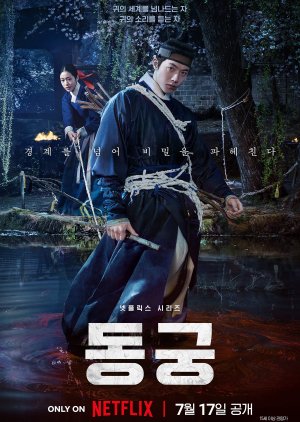
The East Palace and Oh My Ghost both blend supernatural elements with romance, but they approach those themes in different ways. In both dramas, ghosts are not simply there to frighten people—they have unfinished business, hidden stories, and emotional connections that drive the plot. Each series features protagonists who can interact with the spirit world, leading them to uncover mysteries while gradually developing a romantic relationship. Both also balance eerie supernatural moments with humor, heartfelt character development, and emotional storytelling rather than relying on horror alone. However, the biggest difference is their setting and tone. The East Palace is a dark historical fantasy set in the Joseon era, revolving around a cursed royal palace, palace intrigue, and dangerous spirits tied to the royal family’s past. In contrast, Oh My Ghost is a modern romantic comedy in which the supernatural is used to explore personal growth, romance, and comedy through ghost possession and everyday life. While The East Palace leans heavily into mystery, folklore, and suspense, Oh My Ghost places greater emphasis on romance and lighthearted moments, making the two dramas similar in premise but distinct in execution.
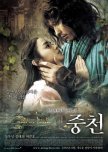
The East Palace and the 2006 fantasy film The Restless share a number of striking similarities in their supernatural world-building and emotional storytelling. Both are set in historical Korea and center on skilled warriors who battle malevolent spirits while crossing the boundary between the human world and the spirit realm. Rather than treating ghosts and demons as simple monsters, both stories explore themes of lingering resentment, unfinished destinies, sacrifice, and the emotional weight carried by the dead. Visually, the two works emphasize atmospheric fantasy, featuring haunting landscapes, ethereal spirit worlds, sword combat against supernatural enemies, and richly stylized historical settings. Romance also plays an important role in both narratives, unfolding against a backdrop of danger and the supernatural. The key difference is that The Restless is primarily an epic fantasy romance and action film centered on a ghost hunter’s journey through the mystical realm of Midheaven, whereas The East Palace is a mystery-driven historical series focused on unraveling a deadly royal curse within a haunted palace, blending palace politics with horror and occult investigation.
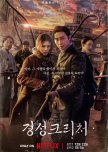
The East Palace and Gyeongseong Creature are both historical Korean dramas that combine supernatural horror with mystery, action, and emotional storytelling, but they explore those elements in different ways. Both series follow protagonists who confront terrifying, otherworldly threats while uncovering long-buried secrets that endanger many lives. They feature richly detailed historical settings, cinematic visuals, intense action sequences, and a blend of suspense with character-driven relationships. In both stories, the supernatural is more than just a source of scares—it serves as the catalyst for uncovering hidden truths and exposing the darkness lurking beneath society. However, their central conflicts differ significantly. The East Palace is rooted in Korean folklore and the spirit world, centering on a cursed royal palace, vengeful ghosts, and a spirit-catcher who teams up with a court lady who can hear the dead to unravel a decades-old royal curse. In contrast, Gyeongseong Creature is a historical creature thriller set during the Japanese occupation of Korea, where monstrous beings are created through horrific human experimentation, making its horror deeply connected to the brutality of history and human greed rather than ghosts or curses. While The East Palace leans into occult mystery and palace intrigue, Gyeongseong Creature emphasizes survival, conspiracy, and bio-horror against the backdrop of colonial oppression.
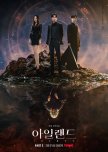
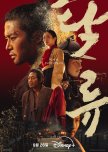
East Palace is similar to Takryu (The Murky Stream) in that both are set in a harsh Joseon-era world shaped by danger, corruption, and hidden power, focus on characters forced into perilous roles beyond ordinary life, and build tension through mystery, moral struggle, and survival, with the series emphasizing atmosphere, character-driven development, and the cost of confronting overwhelming forces rather than light romance or idealized heroism.