
 Editorials




This review may contain spoilers
Slow and motives are confusing without context (understanding Korean corruption in the 80s)
My Rating: 8/10
Review
This is a good but not great crime drama. It features a serial killer element that will appeal to fans of those types of stories, along with some romantic moments, though it’s not a romance—it’s primarily focused on justice and current crimes. I would recommend it to anyone interested in court dramas, especially those involving a killer on the loose. People familiar with certain Korean history, particularly events that occurred in the 1980s, will likely find it particularly interesting, as they are more likely to understand some of the nuances. Fans of the lead actors will appreciate their strong performances. I wouldn’t watch it again, as it felt a bit slow and confusing at times.
What I Liked
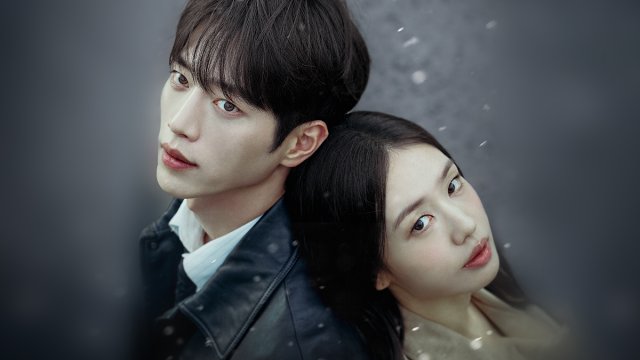
I really enjoyed the two main characters: Noh Chak-Hee (public defender, formerly corporate lawyer) and Jwa Si-Baek (public defender). Jwa Si-Baek was always very serious, which made complete sense given what he had gone through. Lee Kyu-hyung did a great job portraying that almost flat, emotionless but still kind type of character.
I loved Noh Chak-Hee’s character development. She started out extremely immoral, selfish, and corrupt as a high-powered lawyer, but humbling herself as a public defender helped her find her human side. Jwa Si-Baek played a big part in that, and I really liked their interchanges—they felt authentic, like two people who would naturally banter and complement each other. Other viewers have echoed this, appreciating how their dynamic drives the story.
The deeper dive into legal, social, and political themes added layers that made it more engaging for me (in my 50s) than for my daughter (who is in her 30s and rated it closer to a 7/10, finding much of it dry and boring).
What I Didn’t Like
I was disappointed when Noh Chak-Hee suspected Jwa Si-Baek of killing her grandfather. By that point, she should have known him better, especially given the timeline of one particular night that would have made it virtually impossible for him to have been the serial killer. Since he was tortured, and they knew that by then, she should have known it was the serial killer. The police officer saw through it more readily as she doubted Jwa Si-Baek's guilt despite his confession. But Noh Chak-Hee remained deeply suspicious and didn’t initially look for other possibilities. I know she was grieving initially but, in giving the other side evidence, she crossed some thick ethics lines. I thought she had progressed past that. I also wished there had been more development around why he confessed (a discussion explaining to her) and just a deeper conversation between them in general.
After she learned it wasn’t him, they didn’t really talk about it—no real expression of remorse from her for how harshly she treated him, even though she had viewed her grandfather as family and later discovered the horrible things he had done. She was blaming the victim. And I thought she should have acknowledged that. Especially finding out he wasn't the one who killed the grandfather. That missing emotional payoff felt like a letdown. Their relationship did not feel fully heeled from the hurt they caused each other.
The historical and political context (drawing from real Korean history where authorities targeted people for political or social reasons, using torture and false accusations) helped explain some otherwise confusing lack of clear motives. Once I looked that up, the story clicked more, but I shouldn’t have needed external research for it to fully make sense. Other viewers have noted similar confusion around the motives without that background.
There was so much potential for romance between Noh Chak-Hee and Jwa Si-Baek, but her suspicions seemed to kill a lot of that momentum toward the end. They implied some reconciliation, and he probably understood her reactions, but I was disappointed we didn’t get more from it. They were actually a very believable couple. And I enjoyed their interactions. I did miss their being a romance with them.
Noh Chak-Hee didn’t fully break out as a standout lawyer after becoming a public defender. There were a few impressive moments, but overall it didn’t feel like she truly shone in that new arena. She was so fixated on going back. Even after she saw how immoral and unethical some of her past actions had been she was still so tied in with that law firm. It still seemed like her ultimate goal.
The ending was not very satisfying. There was little emotional payoff—no real discussion between the leads about what they thought of each other, where she might have gone wrong, or where he might have. The trial resolution felt implied rather than shown, and while public opinion turning helped, it lacked a bigger rewarding payoff (like some form of justice or closure). It left me wanting more resolution overall.
Review
This is a good but not great crime drama. It features a serial killer element that will appeal to fans of those types of stories, along with some romantic moments, though it’s not a romance—it’s primarily focused on justice and current crimes. I would recommend it to anyone interested in court dramas, especially those involving a killer on the loose. People familiar with certain Korean history, particularly events that occurred in the 1980s, will likely find it particularly interesting, as they are more likely to understand some of the nuances. Fans of the lead actors will appreciate their strong performances. I wouldn’t watch it again, as it felt a bit slow and confusing at times.
What I Liked
I really enjoyed the two main characters: Noh Chak-Hee (public defender, formerly corporate lawyer) and Jwa Si-Baek (public defender). Jwa Si-Baek was always very serious, which made complete sense given what he had gone through. Lee Kyu-hyung did a great job portraying that almost flat, emotionless but still kind type of character.
I loved Noh Chak-Hee’s character development. She started out extremely immoral, selfish, and corrupt as a high-powered lawyer, but humbling herself as a public defender helped her find her human side. Jwa Si-Baek played a big part in that, and I really liked their interchanges—they felt authentic, like two people who would naturally banter and complement each other. Other viewers have echoed this, appreciating how their dynamic drives the story.
The deeper dive into legal, social, and political themes added layers that made it more engaging for me (in my 50s) than for my daughter (who is in her 30s and rated it closer to a 7/10, finding much of it dry and boring).
What I Didn’t Like
I was disappointed when Noh Chak-Hee suspected Jwa Si-Baek of killing her grandfather. By that point, she should have known him better, especially given the timeline of one particular night that would have made it virtually impossible for him to have been the serial killer. Since he was tortured, and they knew that by then, she should have known it was the serial killer. The police officer saw through it more readily as she doubted Jwa Si-Baek's guilt despite his confession. But Noh Chak-Hee remained deeply suspicious and didn’t initially look for other possibilities. I know she was grieving initially but, in giving the other side evidence, she crossed some thick ethics lines. I thought she had progressed past that. I also wished there had been more development around why he confessed (a discussion explaining to her) and just a deeper conversation between them in general.
After she learned it wasn’t him, they didn’t really talk about it—no real expression of remorse from her for how harshly she treated him, even though she had viewed her grandfather as family and later discovered the horrible things he had done. She was blaming the victim. And I thought she should have acknowledged that. Especially finding out he wasn't the one who killed the grandfather. That missing emotional payoff felt like a letdown. Their relationship did not feel fully heeled from the hurt they caused each other.
The historical and political context (drawing from real Korean history where authorities targeted people for political or social reasons, using torture and false accusations) helped explain some otherwise confusing lack of clear motives. Once I looked that up, the story clicked more, but I shouldn’t have needed external research for it to fully make sense. Other viewers have noted similar confusion around the motives without that background.
There was so much potential for romance between Noh Chak-Hee and Jwa Si-Baek, but her suspicions seemed to kill a lot of that momentum toward the end. They implied some reconciliation, and he probably understood her reactions, but I was disappointed we didn’t get more from it. They were actually a very believable couple. And I enjoyed their interactions. I did miss their being a romance with them.
Noh Chak-Hee didn’t fully break out as a standout lawyer after becoming a public defender. There were a few impressive moments, but overall it didn’t feel like she truly shone in that new arena. She was so fixated on going back. Even after she saw how immoral and unethical some of her past actions had been she was still so tied in with that law firm. It still seemed like her ultimate goal.
The ending was not very satisfying. There was little emotional payoff—no real discussion between the leads about what they thought of each other, where she might have gone wrong, or where he might have. The trial resolution felt implied rather than shown, and while public opinion turning helped, it lacked a bigger rewarding payoff (like some form of justice or closure). It left me wanting more resolution overall.
Was this review helpful to you?


