

This review may contain spoilers
My Prisoners Beauty ?
Welcome to my review of Prisoners of Beauty.
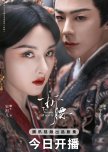
The story follows our protagonists, with Xiao Qiao (Man Man) being forced to marry the Lord of Wei in order to repair the betrayal of the past and reconcile the two families. The drama has many strengths and a few weaknesses, so I’ll start with the positives.
* Story:
The story is genuinely engaging. Every state is competing for water, resources, and territory. The State of Wei captures several cities, including the one it lost years ago because of the Qiao family. Afterwards, Wei Shao marries Man Man to secure Panyi and establish a reliable water supply for the entire state. At the same time, multiple factions plot against Wei because it has become too powerful both economically and militarily.
I really enjoyed the political premise. Wei Shao’s vision of sharing the water supply among all the states and building canals was a refreshing idea. It created a believable path toward temporary peace and gave the ending a satisfying sense of closure. The many conspiracies from different factions also made the world feel alive. Every kingdom had its own goals, ambitions, and memorable characters, making the setting feel large and believable.
* Acting:
The acting was absolutely phenomenal. In fact, I think this might be the best overall acting performance I’ve ever seen in a C-drama.
At first, I honestly didn’t find Man Man particularly beautiful, and I wondered whether she could truly portray the legendary beauty of the Qiao family. However, her acting completely changed my perception. She was so expressive and convincing that I eventually found her incredibly beautiful because of the way she brought the character to life. Her performance is easily one of the best I have ever watched.
The rest of the cast deserves just as much praise. The four Wei brothers had incredible chemistry, and their friendship felt genuine and deeply convincing. Every antagonist was portrayed brilliantly as well. Whether it was Lady Lou or the other villains, each one had understandable motivations that made them feel believable rather than simply evil.
The only performance that didn’t fully convince me was Man Man’s cousin. To be fair, I don’t think the actress is the problem. I think she did a decent job, but the character itself was simply poorly written and difficult to like.
* Comedy:
Even though this is mainly a historical romance, the comedy was surprisingly enjoyable. I laughed far more often than I expected.
My favorite comedic scene was when the uncle challenged Shao to a fight, only for Wei Qu to suddenly kill him from behind, almost as if he was saying, “Enough talking.” It caught me completely off guard and was hilarious.
The drama had many fun moments that helped balance the heavier emotional scenes.
* Visuals & Music:
There isn’t much to criticize here. The world was beautifully designed, and the soundtrack was very enjoyable. While neither the visuals nor the music reached the incredible level that Pursuit of Jade achieved for me, they were consistently good throughout the series.
* Warfare:
This is where my biggest criticism begins.
The battles early in the drama were fairly well executed, but unfortunately they became weaker as the story progressed. Near the end, characters constantly talked about armies of 50,000 to 150,000 soldiers, yet on screen we rarely saw more than fifty extras.
One example is the final attempt to capture Panyi. The attacking army is simply allowed into the city so the story can create an emotional one-on-one duel between Wei Shao and his brother-in-law. While it was clearly intended as a dramatic climax, it felt unrealistic and extremely careless from a military perspective.
The same issue appears in several battles. I was especially excited for the siege of Wei’s homeland, but almost the entire conflict was skipped. A siege involving 100,000 attackers against 60,000 defenders should have felt massive and unforgettable, yet we barely saw any of it. I expected something much larger and far more epic.
* Highlights:
Strangely enough, the drama lacked those unforgettable goosebump moments that stay with you long after you’ve finished watching.
The pacing was consistently good, and there were very few boring episodes, but I kept waiting for a scene that would completely blow me away.
My personal highlight was the moment in Panyi near the beginning when Man Man has to choose between her former fiancé and Wei Shao. When she runs toward Wei Shao and he immediately tries to protect her, that became the emotional peak of the entire series for me. Ironically, it remained the only moment that truly gave me chills.
* Politics:
Although the series included many political schemes, I still felt that the political world itself was underdeveloped.
Wei Shao never truly felt like the ruler of a major state. Normally, a lord would govern alongside numerous ministers, noble families, and senior officials. Instead, almost every meeting consisted only of the four generals and a handful of officials who rarely contributed anything meaningful. Court politics and the aristocracy were almost entirely absent.
Another thing that felt strange was the military structure. Where were the generals’ personal armies? Historically, each high-ranking general would normally control territory, own a large estate in the capital, have a substantial income, command thousands of soldiers, and be supported by numerous officers and family members.
Instead, the four Wei generals spent nearly the entire series traveling together without their own armies or officers. While this made their brotherhood easier to portray, it also made the military feel far less believable. Under normal circumstances, generals responsible for tens of thousands of soldiers wouldn’t simply travel together all the time—they would be defending borders and managing their own forces.
The same applies to their finances. It felt odd that Wei Liang had to save money just to buy a house. Someone of his rank should realistically own a large estate and enjoy considerable wealth. These details were clearly simplified so the drama could focus more on the characters, but they still stood out to me.
* Final Thoughts:
Overall, I had a fantastic time watching Prisoners of Beauty. Despite my criticisms, I believe this is one of the best C-dramas I have ever seen.
If you’ve watched the drama as well, I’d love to hear your thoughts. Feel free to leave a comment if you agree, disagree, or think I overlooked something.
Thank you to everyone who took the time to read my review, and I hope you all have a wonderful day! 🎆🌸
The story follows our protagonists, with Xiao Qiao (Man Man) being forced to marry the Lord of Wei in order to repair the betrayal of the past and reconcile the two families. The drama has many strengths and a few weaknesses, so I’ll start with the positives.
* Story:
The story is genuinely engaging. Every state is competing for water, resources, and territory. The State of Wei captures several cities, including the one it lost years ago because of the Qiao family. Afterwards, Wei Shao marries Man Man to secure Panyi and establish a reliable water supply for the entire state. At the same time, multiple factions plot against Wei because it has become too powerful both economically and militarily.
I really enjoyed the political premise. Wei Shao’s vision of sharing the water supply among all the states and building canals was a refreshing idea. It created a believable path toward temporary peace and gave the ending a satisfying sense of closure. The many conspiracies from different factions also made the world feel alive. Every kingdom had its own goals, ambitions, and memorable characters, making the setting feel large and believable.
* Acting:
The acting was absolutely phenomenal. In fact, I think this might be the best overall acting performance I’ve ever seen in a C-drama.
At first, I honestly didn’t find Man Man particularly beautiful, and I wondered whether she could truly portray the legendary beauty of the Qiao family. However, her acting completely changed my perception. She was so expressive and convincing that I eventually found her incredibly beautiful because of the way she brought the character to life. Her performance is easily one of the best I have ever watched.
The rest of the cast deserves just as much praise. The four Wei brothers had incredible chemistry, and their friendship felt genuine and deeply convincing. Every antagonist was portrayed brilliantly as well. Whether it was Lady Lou or the other villains, each one had understandable motivations that made them feel believable rather than simply evil.
The only performance that didn’t fully convince me was Man Man’s cousin. To be fair, I don’t think the actress is the problem. I think she did a decent job, but the character itself was simply poorly written and difficult to like.
* Comedy:
Even though this is mainly a historical romance, the comedy was surprisingly enjoyable. I laughed far more often than I expected.
My favorite comedic scene was when the uncle challenged Shao to a fight, only for Wei Qu to suddenly kill him from behind, almost as if he was saying, “Enough talking.” It caught me completely off guard and was hilarious.
The drama had many fun moments that helped balance the heavier emotional scenes.
* Visuals & Music:
There isn’t much to criticize here. The world was beautifully designed, and the soundtrack was very enjoyable. While neither the visuals nor the music reached the incredible level that Pursuit of Jade achieved for me, they were consistently good throughout the series.
* Warfare:
This is where my biggest criticism begins.
The battles early in the drama were fairly well executed, but unfortunately they became weaker as the story progressed. Near the end, characters constantly talked about armies of 50,000 to 150,000 soldiers, yet on screen we rarely saw more than fifty extras.
One example is the final attempt to capture Panyi. The attacking army is simply allowed into the city so the story can create an emotional one-on-one duel between Wei Shao and his brother-in-law. While it was clearly intended as a dramatic climax, it felt unrealistic and extremely careless from a military perspective.
The same issue appears in several battles. I was especially excited for the siege of Wei’s homeland, but almost the entire conflict was skipped. A siege involving 100,000 attackers against 60,000 defenders should have felt massive and unforgettable, yet we barely saw any of it. I expected something much larger and far more epic.
* Highlights:
Strangely enough, the drama lacked those unforgettable goosebump moments that stay with you long after you’ve finished watching.
The pacing was consistently good, and there were very few boring episodes, but I kept waiting for a scene that would completely blow me away.
My personal highlight was the moment in Panyi near the beginning when Man Man has to choose between her former fiancé and Wei Shao. When she runs toward Wei Shao and he immediately tries to protect her, that became the emotional peak of the entire series for me. Ironically, it remained the only moment that truly gave me chills.
* Politics:
Although the series included many political schemes, I still felt that the political world itself was underdeveloped.
Wei Shao never truly felt like the ruler of a major state. Normally, a lord would govern alongside numerous ministers, noble families, and senior officials. Instead, almost every meeting consisted only of the four generals and a handful of officials who rarely contributed anything meaningful. Court politics and the aristocracy were almost entirely absent.
Another thing that felt strange was the military structure. Where were the generals’ personal armies? Historically, each high-ranking general would normally control territory, own a large estate in the capital, have a substantial income, command thousands of soldiers, and be supported by numerous officers and family members.
Instead, the four Wei generals spent nearly the entire series traveling together without their own armies or officers. While this made their brotherhood easier to portray, it also made the military feel far less believable. Under normal circumstances, generals responsible for tens of thousands of soldiers wouldn’t simply travel together all the time—they would be defending borders and managing their own forces.
The same applies to their finances. It felt odd that Wei Liang had to save money just to buy a house. Someone of his rank should realistically own a large estate and enjoy considerable wealth. These details were clearly simplified so the drama could focus more on the characters, but they still stood out to me.
* Final Thoughts:
Overall, I had a fantastic time watching Prisoners of Beauty. Despite my criticisms, I believe this is one of the best C-dramas I have ever seen.
If you’ve watched the drama as well, I’d love to hear your thoughts. Feel free to leave a comment if you agree, disagree, or think I overlooked something.
Thank you to everyone who took the time to read my review, and I hope you all have a wonderful day! 🎆🌸
Was this review helpful to you?


