

 77
77 333
333 10
10 1
1 5
5 1
1 13
13 1
1 2
2 3
3 1
1 2
2 1
1 1
1 5
5 11
11 1
1 1
1 2
2 1
1 2
2 1
1 1
1 3
3 2
2 1
1 2
2 2
2 1
1 2
2 1
1 8
8


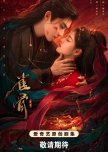
The Emperor With No Clothes
Once upon a time in Nanye, the Northern Qin barbarians are at the gate! At the border, the Beifu army, led by Xiao Wuyi, heir of Prince Jing'an, is all that keeps the invaders at bay. At the capital Jiankang, the emperor is ailing, and internal strife and sabotage result in compromised military crossbows that cost a devastating loss of 30,000 soldiers at the battlefront. Yet Wuyi manages to seize victory from the jaws of defeat and returns to the capital to demand an accounting. His investigations lead him to the Grand Tutor's daughter, Xie Jiayu, a brilliant Mohist engineer who finds herself a pawn in the machinations of powerful men. Jiayu jolts Wuyi like an unexpected shot in the butt—a fleeting sting accompanied by the heady rush of adrenaline and a warm, throbbing ache. Intrigued, he reels her in as he draws out the real hidden foes. Jiayu is surprised and dismayed to find herself ordered by imperial edict to marry this diabolical young warlord with a ruthless, slightly unsavory reputation. She soon discovers there is more to his household than meets the eye. Thus begins their breathtaking journey from the mistrust of an arranged marriage to a strategic alliance that forges a bond tested by hidden identities, high-stakes diplomacy, internal political conspiracies, multiple betrayals, and war.
Sparrow Bone (雀骨 / Què Gǔ), English title Key to the Phoenix Heart, is a plot-heavy story that surprised and delighted me. I thought I would drop this—I only intended to catch a few scenes of Ai Mi in her first lead role. But the plot reeled me in from the start, and the unexpected humor tickled my funny bone. Before I knew it, I was out of episodes and eager for more. I really haven't been so compelled to chase a drama of this genre for quite some time. For what is on the surface just a fluffy romance, the stakes are high, and the fast-paced plot is propulsive. Characters that initially appear archetypal make surprising choices that reveal unexpected layers and complex motivations. Intricate familial ties and inherited grudges shape character motivations and the concealed agendas of key players. There are no cartoon villains; the main antagonists simply have different loyalties or agendas. The narrative explores the abuse and limits of imperial privilege and whether the ends justify the means. It is a story about how the emperor with no clothes can achieve more than one with all the trappings of a monarch.
The romance in this drama is tastefully conveyed in a way that respects Ai Mi's young age at the time of shooting. I was never a fan of Hou Minghao's acting, but I enjoyed his genuine chemistry with Ai Mi. I also noticed a marked improvement in his acting that impressed me. Both actors rose to the challenge of conveying how their feelings for each other evolved without the need for heavy physical displays of emotion. As someone who isn't a fan of the romance genre, I was enthralled by how charming an old-school approach can be—the meaningful sidelong glance, a tiny secret smile, a small silent hand squeeze, that inability to look away, and the depth of longing in an embrace. Ai Mi brilliantly captures the shattering depth of youthful betrayal and the dazzling radiance of a young girl falling in love for the first time. She effortlessly delivers the authenticity of blossoming youth that long ago eluded older actors who routinely try to attempt teenage roles.
Where this drama missed the mark for me was Wang Yilun's portrayal of Prince Qi. This is a terrific role—arguably the most interesting one in the drama. Unfortunately, this actor doesn't even come close to capturing the complexity of a character who struggles with his own worst instincts and insecurities. He made the character look bipolar and sleepwalked lethargically through some terrific scenes with dead eyes and a pasted-on crooked smirk. I feel Merxat's Eagle King was just as interesting and so much better acted that he should have been better explored instead.
The finale had a bit of everything: action, both victory and defeats, some heart-wrenching losses, and far-reaching consequences amid a fantastic action sequence. The drama does give in to unnecessary melodrama at the very end that could have been better spent extending the fantastic final battle scene or more fully wrapping up all the side characters I cared about. Nonetheless, I had a blast with this and am happy to rate it 8.5/10.
Sparrow Bone (雀骨 / Què Gǔ), English title Key to the Phoenix Heart, is a plot-heavy story that surprised and delighted me. I thought I would drop this—I only intended to catch a few scenes of Ai Mi in her first lead role. But the plot reeled me in from the start, and the unexpected humor tickled my funny bone. Before I knew it, I was out of episodes and eager for more. I really haven't been so compelled to chase a drama of this genre for quite some time. For what is on the surface just a fluffy romance, the stakes are high, and the fast-paced plot is propulsive. Characters that initially appear archetypal make surprising choices that reveal unexpected layers and complex motivations. Intricate familial ties and inherited grudges shape character motivations and the concealed agendas of key players. There are no cartoon villains; the main antagonists simply have different loyalties or agendas. The narrative explores the abuse and limits of imperial privilege and whether the ends justify the means. It is a story about how the emperor with no clothes can achieve more than one with all the trappings of a monarch.
The romance in this drama is tastefully conveyed in a way that respects Ai Mi's young age at the time of shooting. I was never a fan of Hou Minghao's acting, but I enjoyed his genuine chemistry with Ai Mi. I also noticed a marked improvement in his acting that impressed me. Both actors rose to the challenge of conveying how their feelings for each other evolved without the need for heavy physical displays of emotion. As someone who isn't a fan of the romance genre, I was enthralled by how charming an old-school approach can be—the meaningful sidelong glance, a tiny secret smile, a small silent hand squeeze, that inability to look away, and the depth of longing in an embrace. Ai Mi brilliantly captures the shattering depth of youthful betrayal and the dazzling radiance of a young girl falling in love for the first time. She effortlessly delivers the authenticity of blossoming youth that long ago eluded older actors who routinely try to attempt teenage roles.
Where this drama missed the mark for me was Wang Yilun's portrayal of Prince Qi. This is a terrific role—arguably the most interesting one in the drama. Unfortunately, this actor doesn't even come close to capturing the complexity of a character who struggles with his own worst instincts and insecurities. He made the character look bipolar and sleepwalked lethargically through some terrific scenes with dead eyes and a pasted-on crooked smirk. I feel Merxat's Eagle King was just as interesting and so much better acted that he should have been better explored instead.
The finale had a bit of everything: action, both victory and defeats, some heart-wrenching losses, and far-reaching consequences amid a fantastic action sequence. The drama does give in to unnecessary melodrama at the very end that could have been better spent extending the fantastic final battle scene or more fully wrapping up all the side characters I cared about. Nonetheless, I had a blast with this and am happy to rate it 8.5/10.
Was this review helpful to you?


