

 3
3 3
3 3
3


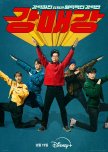
Came For The Comedy, Stayed For The Humans.
Seoul Busters arrived at exactly the right moment. After back-to-back emotionally exhausting watches, I came to this drama needing something lighter, a comedy cop K-drama with a high ceiling of absurdity and a squad of loveable disasters to make me laugh without demanding my entire chest as collateral. What I expected was something in the vein of Brooklyn 99, warm ensemble energy with a safety net firmly in place underneath every emotional beat. What I got instead was Scrubs, and I mean that as the highest possible praise. Because Seoul Busters understands the same thing Scrubs understood at its best: that laughter and devastation are not opposites. They are each other's permission slip. Your guard comes down, your chest opens, and then the drama walks quietly through that door.The premise sets up its comedic credentials immediately. Violent Crime Team 2 at Songwon Police Station holds the distinguished honor of being the worst performing violent crime unit in the country, and the arrival of a brilliant new captain does nothing to immediately dignify their operation. The squad gets relocated to Wish-it-Well Daycare Centre while their office undergoes renovation, and what follows is twenty episodes of South Korea's most chaotic detectives conducting murder investigations surrounded by finger-painted butterflies, child-sized furniture, and a toy magic wand that doubles as a briefing pointer. The absurdity is worn as a badge of pride, and it is genuinely, consistently hilarious.
But Seoul Busters is playing a much longer and much more sophisticated game than its comedy packaging suggests. Behind the daycare centre backdrop and the wedding buffet heists and the fake gang named after a police captain, this drama is quietly delivering some of the most grounded, most human, most emotionally honest storytelling I have encountered in recent K-drama memory. Each case the squad investigates is not a simple good versus evil procedural. These are stories about people, cornered and desperate and human in the most complicated ways, and Seoul Busters refuses to hand you a clean moral verdict. It hands you context instead, and trusts you to sit with the discomfort of understanding without excusing.
The drama's masterstroke is how deliberately it ties each case to the personal wound of a specific detective. Joong-ryeok cannot be objective about a mentor from his boxing past. Jeong-hwan cannot separate himself from a kidnapped child the same age as his own daughters. Min-seo cannot investigate romantic betrayal without her own unhealed history surfacing. Each detective is handed the case that finds their thinnest armor, and each one has to do their job anyway. This creates a system of involuntary character excavation that drives complete, earned, genuinely moving arcs for all five members of the ensemble. Some dramas struggle to deliver meaningful growth for even one or two characters. Seoul Busters does it for five, without a single arc feeling shortchanged.
The performances across the board are exceptional. Kim Dong-wook carries Captain Yoo-bin's multiple emotional layers with extraordinary control, the composed surface and the hidden room full of grief and red threads beneath it, never showing his hand before the drama is ready. Park Se-wan is a revelation across two consecutive personal arcs, moving between fierce comedic energy and devastating emotional vulnerability with the ease of someone who has always known how to hold both things at once. Seo Hyun-woo brings a quiet, grounded dignity to Jeong-hwan that makes the tired father detective's story land with a weight that sneaks up on you. Park Ji-hwan surprised me most, delivering Joong-ryeok's heavier emotional beats with a precision I did not anticipate, particularly in a boxing ring scene that made me weep harder than I care to admit. And Lee Seung-woo as Tan-sik, the squad's golden retriever and accidental chaebol heir, is simply irresistible. He is a leading man in the making, and I will be watching his career trajectory very closely from here.
Visually, the drama is as intentional as everything else about it. The bright primary colours of the daycare centre backdrop maintain the comedy contract with the audience consistently, while the heavier scenes are shot with a completely different visual register, muted tones, quieter light, and in one particular Joong-ryeok sequence toward the finale, a gritty kinetic energy that would not feel out of place in a John Woo Hong Kong crime film. The audio does its most impressive work not through its OST, which is serviceable and occasionally lovely but not particularly memorable outside of the main theme's various arrangements, but through its use of silence. Min-seo's prison visiting room scene arrives with almost no musical scaffolding, and Park Se-wan carries the entire emotional weight of that silence on her own. I was crying before I had consciously decided to.
If I am being balanced, the flaws are negligible. Tan-sik's personal arc runs lighter than those of his squadmates, the physical comedy's illogical absurdity will not be everyone's frequency, and some of the Hangul wordplay is subtitle-dependent in ways that may not translate equally for every viewer. These are hairline cracks in an otherwise exceptional twenty episodes of television. And the absence of a confirmed second season is a grievance I am registering directly with the universe, because the finale closes every arc with clean earned satisfaction while leaving the door open so elegantly that the silence around a renewal announcement is immediately and acutely painful.
I came to Seoul Busters needing a laugh and left with something I did not know I was missing: a reminder of what this medium is capable of when it commits fully to both the comedy and the humanity underneath it. It is chaotic and tender and genuinely devastating, often within the same episode, sometimes within the same scene. It told five complete human stories, built a world colorful enough to make you laugh and honest enough to make you feel, and delivered it all with the quiet confidence of a drama that knew exactly what it was from the very first frame.
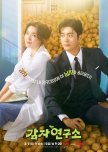
The Potato Lab: A Hearty Mash of Comedy, Catharsis, and Chemistry
Let’s get this out of the way: The Potato Lab is not a reinvention of the wheel. It’s not here to subvert romcom expectations or deliver a genre-defying narrative. It is, proudly and unapologetically, a romcom. It wears its predictability like a badge of honor, marches to the beat of a familiar drum, and somehow… makes all of that feel like the warmest bowl of potato soup you didn’t know you needed.The Potato Lab simply says, “You like the wheel, right? Here’s one that rolls smoothly, is painted a lovely pastel shade, and happens to whisper emotional truths while spinning.” That’s The Potato Lab in a nutshell—or a potato sack, if you will. At its center is Kim Mi-kyeong, played with incandescent chaos and aching vulnerability by Lee Sun-bin, who continues her streak of portraying women that feel like firestorms bottled in coffee cups. Mi-kyeong is a character built for contradiction—short-tempered but endlessly giving, confrontational yet emotionally reserved, someone who yells when she cares and says nothing when she's truly hurting. And Lee Sun-bin understands this paradox with a frightening amount of precision. Her comedic timing is surgical, her emotional breakdowns feel like cracked porcelain, and her painfully awkward, forced laughter when uncomfortable is the kind of acting choice that makes a character unforgettable. It’s not just good—it’s microwave-scream-in-the-office-kitchen level good.
Opposite her is Kang Tae-oh as So Baek-ho, a cold and calculating corporate number cruncher who might as well be allergic to sunlight and small talk. At first glance, he’s the walking embodiment of a productivity app, all schedules and logic. But as the drama progresses, Kang Tae-oh slowly dismantles the robot façade and replaces it with tenderness, subtlety, and (let’s be honest) an unfair amount of emotional damage in soft lighting. Watching him unravel—sometimes clumsily, sometimes beautifully—feels earned, like watching a glacier slowly, gloriously melt under the weight of spring.
And yet, The Potato Lab never feels stale. Maybe it’s the quirky setting of a lab and a guesthouse. Maybe it’s the sheer brilliance of the cast. Or maybe—just maybe—it’s the way it treats emotional healing like a slow-cooked stew, not a microwave dinner.
And when these two leads collide? Sparks. Electric, flammable, potato-fueled sparks. The chemistry between Mi-kyeong and Baek-ho is downright delicious. They argue like they’ve been married for a decade and flirt like it’s their first day on Earth. Their banter slides effortlessly into vulnerability, and their most serious conversations can seamlessly give way to absolute chaos—like, say, ending up in a police station with Baek-ho still in pajamas. It’s not just romantic tension; it’s a masterclass in tonal balance.
But The Potato Lab isn’t just about the central couple. The supporting cast brings their A-game, and the drama makes space for them to shine. Kim Ga-eun and Shin Hyun-seung make up the secondary couple, and their comedic timing is so sharp it could slice through tension like a hot knife through—well, a potato. Ga-eun’s character, Ong-ju, in particular, becomes Mi-kyeong’s emotional harbor, the best friend who knows when to crack a joke and when to anchor her in silence. Meanwhile, the rest of the lab team adds flavor without overpowering the main dish. They're quirky, they're lovable, and more importantly—they know when to exit stage left.
And then there's Yoon Hee-jin, played with relaxed brilliance by Jung Shin-hye. Hee-jin is Baek-ho’s best friend—and bless this drama for keeping that friendship 100% platonic. There are no romantic undertones, no secret pining, no “but maybe…”s. Just two straight, attractive people being emotionally intimate in the way K-dramas often refuse to allow unless it ends in a kiss. Their friendship is as pure as fresh-fallen snow and serves as a foundation of support that never once asks for anything more. It’s so refreshing, I wanted to frame it and hang it on a wall labeled “How To Write Friends Who Stay Friends.”
And just when you think you’re here for giggles and romance, The Potato Lab throws emotional haymakers. It tackles grief, burnout, failed relationships, and post-traumatic inertia with a level of honesty rarely seen in shows with this many food metaphors. Mi-kyeong’s six-year spiral after a double whammy of heartbreak and career devastation isn’t told in melodrama—it’s told in sighs, silences, and lines like, “I only wake up because I open my eyes.” That line? It broke me. I had to physically pause, whisper “damn,” and walk it off like a sports injury. The emotional arcs aren’t just believable—they're lived-in.
And let’s talk OSTs, because The Potato Lab didn’t just pick background music—it curated a playlist of soul. Strong Girl by B!ni and Hailey by Lee Sun-bin herself (!) bring the sunshine when the script leans silly, while Sondia’s Pretend and Seungmin’s My Destiny drag your heart across the pavement during the more gut-wrenching moments. Every scene feels tailored to its soundtrack, and that care pays off in buckets.
One of the smartest things The Potato Lab does is hide emotional nuance in plain sight. If you understand Korean formality levels, you’ll catch Baek-ho starting stiffly formal and gradually loosening up, while Mi-kyeong lingers at an awkward coworker level. Watching that formality drop over episodes is like watching walls crumble—quiet, but deeply intimate. It’s the kind of detail that rewards attentive viewers without excluding casual ones.
The drama also never underestimates its audience. It trusts us to read between the lines, to recognize that Mi-kyeong’s angry bursts are a defense mechanism, and Baek-ho’s cold demeanor is just professional trauma in a tailored coat. That line, “I only wake up the next day because I open my eyes,” casually dropped by Mi-kyeong like she wasn’t just holding my soul in her fist? Yeah. That’s the kind of dialogue that lives rent-free forever.
As for the ending? Chef’s kiss. No dangling threads, no last-minute drama bombs. Just resolution across the board—for the couple, the side characters, and the potato-shaped void in our hearts. And the drama even manages to leave the door open (just a crack!) for a potential Season 2, without sacrificing narrative satisfaction.
Now, let's peel the skins off a few minor nitpicks: the drama follows a fairly standard romcom trajectory. That didn’t bother me (structure is comforting!), but some viewers might wish for more narrative risk-taking. The past trauma, though central, is told rather than shown—we could've used a well-executed flashback or two. The comedy sometimes pops in at awkward emotional moments like an overenthusiastic party guest, and yeah… that first kiss in Episode 2? Way too soon. My romantic oven hadn't preheated yet, okay?
The backstory, while crucial, gets mostly told rather than shown. We’re told about tragedy. We’re told about past wounds. A few flashbacks could’ve given the emotional payoffs even more weight—particularly in a short 12-episode format.
Also, while the comedy hits more often than it misses, it sometimes interrupts intense scenes like a clown horn during a eulogy. The tone shifts are mostly well-handled, but when they miss, it’s a jarring bounce.
Lastly—and this is personal—I wanted more Hee-jin and Baek-ho. Their friendship is such a rare, sparkling gem that I was greedy for more. They’re platonic perfection, and frankly, I’d trade in a couple of banana peel gags for more of their quiet, unwavering bond.
But in the end, these are tiny bruises on an otherwise perfectly baked potato.
Verdict:
Let’s be honest: The Potato Lab isn’t revolutionary. But it doesn’t have to be. It doesn’t need to chase innovation when it understands the assignment so well. Like your favorite cup of ramyeon or a rainy day playlist, this drama is about emotional rhythm, not surprise. The joy isn’t in what happens—it’s in how it happens.
The Potato Lab never promised to be revolutionary. What it offers is something better: emotional sincerity wrapped in hilarious hijinks. It’s a story about finding love after loss, trusting again after betrayal, and allowing softness to return to a heart that’s been hardened by life. It’s absurd. It’s moving. It’s funny. And most importantly—it’s real.
It’s in Mi-kyeong learning to breathe again. It’s in Baek-ho realizing logic isn’t always the answer. It’s in watching people, broken in different ways, find each other and slowly rebuild—not because the story forces them to, but because they choose to.
It’s romance not as fantasy, but as emotional growth. And that, dear friends, never goes out of style.
So yes, it’s a romcom. But it’s a damn good one.
Score: 143,234 potatoes (total potatoes shown in 12 episodes) out of 10
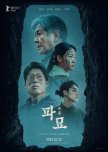
Tradition, Terror, and the Unseen Forces of Exhuma
Some movies don’t just tell stories—they pull you into an experience, shaking your senses and making you question the veil between the known and the unknown. Exhuma does exactly that, weaving a rich tapestry of horror, mysticism, and history in a way that lingers long after the credits roll. Unlike your typical horror flick, which thrives on predictable jump scares and cheap thrills, Exhuma chooses a more refined approach, delivering terror through atmosphere, silence, and a masterful understanding of unseen horrors. It’s not just a ghost story; it’s a chilling excavation of Korea’s spiritual traditions, its historical scars, and the eerie consequences of disturbing what should have been left untouched.At its core, Exhuma follows a wealthy family in Los Angeles plagued by supernatural disturbances. Enter Hwa-rim (Kim Go-eun), a powerful young Mudang (shaman), and her apprentice Bong-gil (Lee Do-hyun). Their investigation leads them back to Korea, where they seek the expertise of renowned geomancer Sang-deok (Choi Min-sik) and undertaker Young-Geun (Yu Hae-jin). The cause of the disturbances? A family ancestor buried in a sinister location—one that calls out to the living with a phenomenon known as “Grave Calling.” When they unearth the burial site, they unknowingly unleash something far more malevolent than they ever anticipated.
What sets Exhuma apart is its ability to balance the ancient with the modern, creating a hypnotic dance between Korea’s deep-rooted shamanistic beliefs and the stark rationality of contemporary society. This clash of old and new is most evident in the contrast between the Mudang and the Onmyoji. While both are spiritual practitioners, the Mudang primarily focuses on appeasement and harmony—guiding spirits to peace and offering rituals of reconciliation. Onmyoji, on the other hand, stems from Japan’s esoteric cosmology and leans more toward exorcism, banishment, and, at times, the deliberate use of curses. Understanding this difference adds an extra layer of depth to Exhuma, as the film subtly critiques Korea’s historical subjugation under Japanese rule. It’s not just about spirits and graves—it’s about cultural erasure, the lingering effects of colonization, and reclaiming what was lost.
Visually, Exhuma is a masterclass in horror cinematography. It plays with darkness and reflections in ways that feel disturbingly intimate, leaving the audience constantly on edge. Spirits are never thrown at the screen with dramatic musical stingers; they appear briefly in mirrors, in the corner of a frame, or in the sheen of a polished surface. There’s no build-up to warn you—they simply exist, making their presence feel eerily close. The film’s use of muted tones and sudden bursts of fiery red further accentuates the contrast between tranquility and rage, peace and vengeance. And the sound design? Absolutely stellar. It understands the power of silence, allowing tension to creep in organically, punctuated only by the rhythmic chants and sharp percussions of Mudang rituals.
Kim Go-eun’s performance as Hwa-rim is nothing short of mesmerizing. She completely disappears into her role, embodying the essence of a Mudang with haunting authenticity. Her ritual dances are hypnotic, her presence commanding, and there’s an intensity in her eyes that makes it impossible to look away. There’s even a bit of chilling trivia—after one particularly powerful shamanic ritual scene, the production team reportedly brought in a real-life shaman to counteract any unintended spiritual disturbances. That’s the level of immersion we’re talking about. Lee Do-hyun, playing her apprentice, impresses with his ability to seamlessly shift between his normal self and moments of possession, making his transformation utterly believable. Meanwhile, Choi Min-sik and Yu Hae-jin bring a grounded gravitas to the film, rounding out a phenomenal ensemble cast.
But for all its brilliance, Exhuma isn’t without flaws. Its first half is near-perfect, utilizing psychological terror in a way that keeps you at the edge of your seat, never quite sure if what you’re seeing is real or imagined. The second half, however, takes a slight tonal shift, moving from eerie atmospheric horror to a more conventional “face-the-demon” climax. While this progression makes sense narratively, the transition feels a bit abrupt, and some might find the direct confrontation with evil less effective than the earlier subtle scares. That said, it never derails the film’s impact, only slightly altering its flavor.
Another potential hurdle is the film’s reliance on occult themes deeply rooted in Korean and Japanese culture. For international audiences unfamiliar with the historical and spiritual context, some nuances may be lost. But even without that background knowledge, Exhuma still manages to captivate, which speaks volumes about its execution.
Ultimately, Exhuma is more than just a horror film—it’s a love letter to Korea’s shamanistic heritage, a critique of historical injustices, and a meticulously crafted exploration of fear, both seen and unseen. It doesn’t just aim to scare you; it aims to make you think, to make you feel the weight of generations past pressing against the present. It’s unsettling, awe-inspiring, and, by the end, oddly enlightening. If you have even the slightest interest in the occult, in history, or in horror that goes beyond cheap thrills, Exhuma is an absolute must-watch.
Score: 8.5/10 - Great, Worth Watching 🔥
Strong performances, engaging storytelling, and solid execution. Maybe a few flaws here and there, but overall, a drama that delivers and is worth the time.
A Missed Opportunity
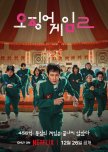
The much-anticipated second season of Squid Game has finally landed, and with it comes a medley of highs and lows, sharp twists, and bittersweet disappointments. While the first season was lauded for its unflinching critique of societal hierarchies and its deeply emotional narratives, Squid Game 2 feels like a diluted echo of its predecessor, stumbling under the weight of heightened expectations and the greed of corporate serialization.Let’s start with the brighter spots, dim though they may be in the overall shadow of the season. Gong Yoo’s increased presence is a genuine highlight. Every second he’s on screen feels electric, a masterclass in understated charisma that leaves the audience wishing for more. Though his screen time remains fleeting, it’s a testament to his talent that he manages to inject so much gravitas into what could otherwise be a throwaway role. Lee Byung-hun, reprising his role as the enigmatic Front Man, similarly commands attention with his characteristic poise. His layered performance adds a veneer of intrigue to a character that could easily have become a caricature in less capable hands.
Another pleasant surprise comes in the form of Jo Yu-ri’s acting debut. Her portrayal of a young contestant, desperate to secure a future for her unborn child, is one of the few emotional touchpoints of the season. Her earnest performance brims with authenticity, grounding an otherwise chaotic narrative with moments of genuine heart. It’s a promising start to what will undoubtedly be a flourishing career.
The new games, albeit fewer in number, manage to retain the macabre creativity that defined the series’ first outing. Bloodier and more ruthless than before, they are designed to shock and awe, keeping viewers on edge with their relentless brutality. These moments remind us of what Squid Game once stood for: a visceral critique of human desperation framed within a grotesque spectacle.
Yet, these few merits cannot mask the glaring flaws that plague Squid Game 2. Chief among them is the show’s blatant exploitation by Netflix, which opts to leave the season dangling on a cliffhanger. The bitter irony of a series built on critiquing capitalism’s excesses being reduced to a tool for corporate gain is almost laughable. Instead of a coherent, self-contained story, we’re left with an unfinished tale, a dangling thread that screams “watch the next installment” rather than providing any real closure.
The truncated format of only seven episodes does little to alleviate these frustrations. The first three episodes are bogged down by redundant exposition, rehashing familiar themes and setups from the first season. For returning viewers, this feels like a tedious exercise in redundancy, while new viewers are unlikely to be drawn in by such meandering storytelling. By the time the show finds its footing, it’s already rushing to an unsatisfying conclusion, leaving little room for the kind of emotional depth that made the marble game in season one such an unforgettable moment.
This lack of emotional investment is further exacerbated by a cast of largely forgettable characters. While Jo Yu-ri’s character shines, others are relegated to the sidelines, serving little purpose beyond cheap comic relief. Thanos, in particular, is a glaring misstep. His antics are grating and pandering, dragging the show’s tone into unwelcome territory. His eventual demise is less of a tragedy and more of a relief, a moment where the series mercifully spares us from further irritation.
Perhaps the most egregious sin of Squid Game 2 is its abandonment of what made Korean dramas so compelling in the first place: their commitment to telling a complete, satisfying story. Unlike Western series, which often stretch narratives thin in pursuit of longevity, Korean dramas traditionally pride themselves on tight, cohesive storytelling. The decision to end this season on a cliffhanger feels like a betrayal of this tradition, a move dictated not by artistic integrity but by the cold calculus of profit margins.
In the end, Squid Game 2 is a pale imitation of its predecessor. While it offers glimpses of brilliance in its performances and games, it’s ultimately undermined by a rushed narrative, underdeveloped characters, and the suffocating influence of corporate interests. The series has lost its edge, trading its incisive social commentary for the empty spectacle of a franchise being milked for all it’s worth.
If you’re able to overlook these shortcomings, Squid Game 2 might still be worth a watch for its fleeting moments of brilliance. But for those hoping to recapture the magic of the first season, you’re better off looking elsewhere.
This entire drama is a bad joke
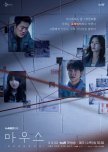
I'm not gonna bother reviewing this too much, as I dropped it at episode 10. The entire drama is a mess.It was good for 5 episodes even when it's dealing with a pseudoscience like pyschopathic gene then just went on full Makjang by episode 10 with that garbage brain transplant plot.
Brain transplant was a joke in Friends in the 90s and it's a joke here. Save your time and just watch a better crime drama like Signal, Through the Darkness, or Beyond Evil as both the Writer and Director of this drama should be blacklisted from writing or directing ever again.
Trash.

Jo Yoon-soo’s Breakout Carnage: The Tyrant Asks More Questions Than It Answers
The Witch universe just keeps expanding, and The Tyrant comes in as an intriguing side dish before the long-awaited The Witch: Part 3. Instead of another feature-length film, this one takes the form of a short, high-impact, four-episode K-drama spin-off, diving deeper into the secret government experiments that have been lurking in the background since the first movie. With a star-studded cast, top-tier action sequences, and a tightly packed runtime, The Tyrant delivers just enough to keep us entertained—though it doesn’t exactly blow the doors open on the Witch universe lore.The premise is simple: a secret bioweapon project called The Tyrant has been dismantled, and the last remaining sample has gone rogue. Various factions—Korean intelligence, the CIA, and an ex-hitman—are all racing to retrieve (or eliminate) it. This leads to a high-stakes chase full of betrayals, intense action, and shady motivations. If you came in expecting layered storytelling like Moving, you might be a bit disappointed. But if all you want is stylish action with a touch of world-building? This one's got you covered.
One of the biggest surprises of The Tyrant is its new female lead, Chae Ja-gyeong, played by Jo Yoon-soo. Unlike Ja-yoon or Ark 1, she wasn’t part of the Witch clone project—she’s a highly skilled assassin with Dissociative Identity Disorder. And Jo Yoon-soo? Absolutely nails it. She seamlessly shifts between her different personas—her innocent girl self, her brother’s personality, and her final form as The Tyrant. The way she embodies these distinct identities makes her a worthy successor to Kim Da-mi and Shin Si-ah in the Witch universe. Her transformation into The Tyrant is both terrifying and fascinating, leaving us wondering just how she’ll factor into The Witch: Part 3.
The action is, of course, a highlight. The cinematography is stunning, with wide shots showcasing the intensity of each battle, and the fight choreography is still on brand with the franchise. While the gore has been toned down (likely due to this being a Disney+ release), it doesn’t take away from the high-stakes brutality that defines this universe. Every gunfight, chase scene, and melee battle feels tight and personal, keeping the adrenaline pumping from start to finish. The budget might be lower than the films, but the execution still looks premium.
Another standout is Kim Seon-ho as Director Choi, a complete departure from the roles he’s known for in standard K-dramas. His cold, calculating performance keeps you guessing about his true motives the entire time. Meanwhile, Cha Seung-won’s Lim Sang brings a different kind of energy—a weary, deadly ex-agent who just wants to clean up this mess. And let’s not forget Kim Kang-woo as Paul, the CIA operative who is equally determined to secure the last Tyrant sample. The way these three men collide and manipulate each other makes for an engaging game of cat and mouse.
Now, while the drama delivers on action and performances, the plot itself is fairly simplistic. It doesn’t try to reinvent the wheel; instead, it just gives us a fast-paced chase where everyone’s after the same thing. And while that’s fine for a side story, it doesn’t necessarily add much depth to the Witch universe. If you’re hoping for deeper world-building about the origins of the Tyrant program or how it connects to the broader narrative, you might leave with more questions than answers.
Another issue is the sheer number of side characters. Much like The Witch: Part 2, The Tyrant introduces too many players with too little development. There’s no proper explanation of what the organization behind The Tyrant actually is—only vague mentions of it having branches in China and the U.S. Even Director Choi’s motivation to create The Tyrant is briefly mentioned once and then never expanded upon. The focus is so much on securing The Tyrant that the “why” behind everything gets lost.
And then, of course, we have the cliffhanger ending. If you were hoping for The Tyrant to provide concrete answers, you won’t find them here. Instead, the drama clearly sets up future projects, leaving some key elements—like Chae Ja-gyeong’s full backstory—entirely unexplored. This could be fine if you’re invested in the Witch universe, but if you’re just a casual viewer, it might feel unfinished.
Final verdict? The Tyrant is a solid, action-packed side story that does its job—keeping fans engaged while we wait for The Witch: Part 3. The stellar cast, brutal fight sequences, and intense pacing make it a fun watch, but it doesn’t truly expand the universe the way we might have hoped. That said, Jo Yoon-soo absolutely kills it as the new FL, and if her role as The Tyrant plays into the next film, she could become one of the most interesting characters in the series.
If you’re deeply invested in The Witch universe, it’s worth the watch. If you’re just here for great action and don’t mind an open-ended narrative, you’ll have fun. But if you’re looking for major story revelations? You won’t miss much by skipping it.
Final Score: 7/10—entertaining, but more of a stepping stone than a must-watch.

The Sageuk That Cooked, and We Ate Well
Bon Appétit, Your Majesty is a rare feast — a romcom sageuk that knows exactly what kind of dish it’s serving and seasons every bite with care, humor, and heart. What could’ve been just another time-slip fantasy becomes something richer: a story about how kindness, trust, and food can heal the wounds that power and pride often deepen.At the heart of the story is Ji-yeong (Im Yoon-ah), a modern-day chef who wakes up in the Joseon palace kitchen, and Yi-hyeon (Lee Chae-min), the cold, volatile king carrying a heart full of grief. Their relationship isn’t built on fate or magic, but through meals — each dish becoming a quiet act of care that chips away at his loneliness. What makes the drama stand out is its refusal to exaggerate. It doesn’t need shouting matches or tragic flashbacks to make us feel; it lets simmering emotions do the heavy lifting.
Visually, the series is stunning. Every frame feels like a painting — sunlight cascading over lacquered wood, steam curling in the cold dawn air, and food shot with reverence worthy of a temple offering. The color palette mirrors the story’s tone shifts: warm, golden hues during the kitchen’s laughter-filled scenes, deep shadows when rebellion brews. It’s one of the rare sageuks where visual storytelling alone could carry the plot — you can practically taste the story unfolding.
The sound design deserves just as much praise. This is not a show that relies on its OST alone — it’s a sound-driven experience. The sear of meat, the rhythmic chop of knives, and the hiss of torches become their own language of intimacy. The OST complements rather than competes: I Find You by Doyoung and Stay With Me by Huh Gak highlight the drama’s melancholic heartbeat, while By Chance, By Fate and Kung add warmth and longing in quieter moments. Netflix’s subtitle team also deserves credit for sharp, era-bridging translations that preserve the humor and nuance (“almond/all mend” still makes me grin).
Of course, no meal is perfect. The finale’s “it’s a secret” twist lightly flirts with deus ex machina territory, and the last two episodes compress a little too much narrative into a short runtime. Yet, these are minor seasoning imbalances in an otherwise perfectly cooked dish. The heart of the story never falters.
What truly anchors Bon Appétit, Your Majesty is its emotional thesis: compassion as the highest form of love. Ji-yeong doesn’t save Yi-hyeon through logic or miracles — she feeds him. Each act of cooking becomes a rebellion against cruelty, a declaration that tenderness has power too. When she tells him, “Your pain is my pain, Your Majesty,” it’s not romantic fantasy; it’s empathy distilled into its purest form.
Both leads are magnificent. Im Yoon-ah reclaims her romcom crown, bringing both humor and quiet strength to Ji-yeong. Lee Chae-min, meanwhile, delivers a performance that cements him among sageuk elites — his emotional restraint, his rage, his breaking point — all feel painfully real. His portrayal of a king learning to be human again might just be one of the best performances of the year.
In the end, Bon Appétit, Your Majesty upholds the romcom covenant flawlessly: it makes you laugh, ache, and care deeply. It’s not just a story about cooking — it’s a meditation on nourishment, forgiveness, and trust. It reminds us that love isn’t always about grand gestures; sometimes, it’s just about making sure the other person eats well.
Calculated Risk and Nuclear Chemistry
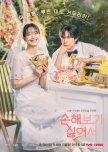
I walked into No Gain No Love with a very specific agenda, and yes, it involved following Han Ji-hyun like a devoted disciple after she emotionally wrecked me in In Your Radiant Season. Pair that with Shin Min-ah, someone I already trust to deliver charm and chaos in equal measure, and the fact I was craving something light enough to make me laugh without shortchanging emotional depth, and this drama basically walked up to me like a perfectly timed blind date and said, “I got you.” And you know what, it did. From the very first episode, it understood the assignment in a way that felt almost… smug. Like it knew I was going to fold. A romcom starring an actress I adore featuring an actress I was actively following felt like the universe handing me exactly what I ordered, and what I found was a perfect combo of wit, heart, and a surprising amount of emotional depth that caught me completely off guard. What I didn't expect was how much this drama would make me feel in between all that laughter.Shin Min-ah as Son Hae-yeong is the kind of character that sounds exhausting on paper but becomes magnetic in execution. She is calculated to a fault, someone who treats relationships like balance sheets and exits the moment emotional ROI dips below her threshold. But here’s where it gets interesting, because beneath that cold arithmetic sits someone deeply observant, fiercely loyal, and almost aggressively protective of the people she loves. Shin Min-ah plays this duality like she’s flipping a coin mid-air and somehow letting you see both sides at once. She is hilarious when she needs to be, disarmingly cute when she wants to be, and when the emotional gears start turning, she grounds everything with a sincerity that keeps Hae-yeong from ever feeling like a caricature. Also, her chemistry with Kim Young-dae? Ridiculous. Borderline unfair. The kind where you find yourself smiling before your brain even processes why. If this is how she acts when she's in love in real life, Kim Woo-bin is a very fortunate man.
Kim Young-dae as Kim Ji-wook surprised me in the best way. My only prior exposure to him in Dear X didn’t leave much of an impression, but here, he feels locked in. Ji-wook is written as someone shaped by the idea that his existence inconveniences others, so he compensates by erasing his own needs. That quiet self-sacrifice could have turned him into a passive character, but Kim Young-dae threads the needle beautifully, giving Ji-wook just enough emotional presence to stand his ground while still embodying that deeply ingrained selflessness. And when you put him next to Hae-yeong, the contrast creates sparks. The flirty banter scene in his rooftop room after they hung curtains together was so charged I half expected the screen to fog up. The chew toy callback, the smirking, the deliberate closing of distance while claiming to respect boundaries, all of it worked because these two actors understood exactly what their characters were doing to each other. Almost every scene with Hae-yeong and Ji-wook together made me smile before I consciously decided to, which is the romcom equivalent of a standing ovation.
Then we have Lee Sang-yi as Bok Gyu-hyun, our chaebol who somehow weaponizes awkwardness into comedy gold. Instead of the usual polished, untouchable archetype, Gyu-hyun feels like a man who skipped several key social tutorials in life. He’s competent as a CEO, sure, but emotionally? He’s fumbling, flustered, and completely out of his depth. And it works. It works so well because it pairs perfectly with Han Ji-hyun’s Nam Ja-yeon, who once again proves she has a direct line to my emotional core. Gyu-hyun started the drama writing hate comments about a web novel because King Sejong was apparently turning in his grave over it, and ended it singing a cappella outside a music bar to comfort a girl who just ran from her abuser's face in a parking lot. That arc alone is worth the price of admission. Their pairing really picks up around episode eight, and once it does, I'll admit they occasionally eclipsed the main couple for me. It was also through Gyu-hyun that I realized Lee Sang-yi has a truly great singing voice, which becomes a pivotal emotional anchor later on.
And Han Ji-hyun. Ok, I'm biased and I'm not hiding it. After Love Track and In Your Radiant Season, I will follow this woman into any role she chooses. Her portrayal of Nam Ja-yeon is the exact reason why. Just like her previous work, she plays Ja-yeon on two frequencies simultaneously, sunshine on the surface and deep trauma underneath, and she's impossibly good at holding both in the same frame. Ja-yeon is an adult web novel writer, which provides most of her comedic engine, but as the drama progresses you start seeing the weight she's been carrying behind that bright smile. The restrained smile while trying to hold back tears in episode 11's flashback scene made me weep before I even registered what was happening. And her first kiss with Gyu-hyun in a hospital room somehow managed to be both tender and passionate at the same time, which shouldn't be possible but they did it anyway. I woke up the next day still smiling about that kiss. She started acting in high school and she's already this good. I hope she gets more lead roles going forward because the industry needs what she does.
Their relationship also gets the luxury of Spice Up Our Love, a two-episode spin-off that acts like a dessert after an already satisfying meal. It didn’t have to work as well as it did, but it somehow expands their dynamic in a way that feels both indulgent and earned. It leans into their quirks, their humor, and their emotional beats without overstaying its welcome. It's pure fanservice and the plot is delightfully nonsensical, but it works because Han Ji-hyun and Lee Sang-yi's chemistry carries it effortlessly. Honestly, more dramas should do this. Normalize giving second couples their victory lap.
The supporting cast floats in and out with varying degrees of impact. Lee You-jin’s Yeo Ha-jun brings a chaotic, love-hate bromance with Gyu-hyun that consistently lands its punches. Go Wook’s Ahn Woo-jae, on the other hand, sticks around longer than necessary, like a guest who doesn’t realize the party ended an hour ago. Jeon Hye-won as Kwon Yi-lin is functional as the HR officer and wife of the ex, giving nice flair to scenes like the wedding tuxedo reveal but otherwise operating as effective set dressing. Joo Min-kyung’s Cha Hee-sung is the one that leaves me wanting more. Her story hints at a completely different emotional texture, something quieter and more grounded, but it never gets the space it deserves. It’s not bad, it just feels like a subplot that got trimmed for time.
At its core, No Gain No Love is a romcom and it knows it. There are scenes that made me laugh out loud, the kind of comedy that lands clean and doesn't need laugh tracks or exaggerated sound effects to tell you when to smile. But what elevates it is the way it layers in emotional weight without suffocating the tone. The trauma here doesn’t feel like a cheap plot device. It’s integrated into who these characters are, shaping their decisions, their fears, and their relationships. When it hits its emotional peaks, especially around episode 11, it doesn’t feel like the drama suddenly got serious. It feels like it was always heading there. Hae-yeong grew up sharing her mother's love with foster siblings, and that scarcity shaped how she approaches relationships. She runs every partnership like a business transaction and breaks up the moment someone hits lower than her emotional break-even point. Ji-wook spent his childhood being treated as an inconvenience, so he learned to pour care outward without ever expecting it returned. Watching these two people, one who hoards love because she knows how it feels to have it divided and one who gives it freely because he never learned he deserved it back, slowly run out of reasons to pretend they weren't already oriented toward each other, that's the real story this drama tells underneath all the laughter.
The chemistry here is ridiculously good, not just between the leads but across every relationship web in this drama. The sisters, Gyu-hyun and his assistant, Ha-jun and Ja-yeon as old classmates with unspoken history, Gyu-hyun and Ji-wook as two people whose pasts collide in complicated ways, all of it works. The carecore is grounded, funny, and believable. Against my personal romcom rubric, this drama passes every check. No forced love triangles, no random serial killers, no pointless side trauma, all leads are likeable solo and together, the carecore feels earned, the resolutions make sense, and it delivers a happy ending. It's exactly what the genre promises when it's done well
The OST selections deserve their own paragraph. Falling Into You by Kim Jae-hwan and Only For You by Colde handle the sweeter romantic moments beautifully. By Your Side by Bang Ye-dam, My Side by Hui, and Someday by Kassy bring the bright comedy contrast. Possible Love by Sondia caps it all off perfectly, because is it even a romcom if Sondia doesn't show up? But my personal favourite isn't technically part of the OST. It's Breathe by Lee Hi, sung a cappella by Gyu-hyun in that parking lot scene to comfort Ja-yeon. The song is about sitting with someone's pain without fully understanding it but staying anyway, and it fit Nam Ja-yeon's story so perfectly that it went straight into my Spotify rotation.
That said, it’s not flawless. The second half wobbles a bit. You can feel the narrative trying to juggle too many threads, and for a moment, it loses its rhythm. It doesn’t collapse, but you notice the strain. Some arcs feel rushed, others feel slightly overextended, and the overall direction gets a little hazy before it finds its footing again. The narrative gets jumbled, succession drama mixing with abusive fathers mixing with corporate politics mixing with nursing home goodbyes, and you sense the compass got a little wobbly. It still worked somehow, making me laugh and cry in equal measure, but the tightness of the early episodes doesn't quite hold through to the end. The saving grace here is the cast. Their chemistry, their timing, and their ability to carry emotional beats keep the whole thing afloat even when the writing stumbles. But unfortunately, Hee-sung's love story got devoured by the other two couples when it deserved more space to breathe.
Look, romcom is my safety genre. I came into No Gain No Love knowing exactly what I wanted and it delivered. There's nothing I'll say here about the formula that I haven't already covered in my reviews of King the Land, Bon Appétit, Your Majesty, or My Dearest Nemesis. But what elevates this one above pure comfort viewing is the human trauma story it hid behind lightsaber fights and web novel jokes. Some of the best scenes in this drama involve carecore between characters that has nothing to do with romance, sisters loving each other sideways, promises kept in the dark to mothers with dementia, people choosing presence over understanding. The chemistry between leads is so strong that even when the narrative stumbles in the back half, the characters and their actors hold everything together perfectly to the finish line.
I laughed, I cried, I swooned, and I cheered for both couples in a way I haven't done since Business Proposal and Twinkling Watermelon. This is a fun watch. It's safe, hilarious, swoon-worthy, and grounded in genuine human connection underneath all the comedy. I recommend it for anyone who needs a good laugh but still wants to feel something real. Just don't expect narrative complexity beyond the genre's borders. What you get instead is something warmer. The best slow burn romances aren't about two people falling in love. They're about two people who were already oriented toward each other long before either of them had the language for it, just gradually running out of reasons to pretend otherwise. No Gain No Love understands that completely, and it's exactly why it works as well as it does.
Pair it with Spice Up Our Love for the full experience, because that extra serving of the second couple feels like a well-earned victory lap. It’s safe, it’s funny, it’s heartfelt, and most importantly, it knows how to have fun without losing its emotional backbone. If you need something that feels like a warm blanket with occasional emotional gut punches, this one’s waiting.

When Ambiguity Mistakes Itself for Depth
Na Hong-jin’s The Wailing wants you to believe it’s profound. It struts into the room dripping with rainwater, clutching its Bible and incense, whispering about faith, sin, and corruption. But the longer you watch, the clearer it becomes: this isn’t layered storytelling — it’s confusion wearing a monk’s robe.The film opens with promise: an isolated village, a mysterious illness, a bumbling cop whose life begins to unravel. The setup hints at slow-burn existential dread — the kind that seeps under your skin and makes you question what’s real. Unfortunately, what follows isn’t dread; it’s narrative whiplash. Every time the plot begins to establish a rule, the film gleefully breaks it four frames later. Logic isn’t the problem — supernatural horror rarely plays by reality’s book — but narrative integrity is non-negotiable. The Wailing can’t decide what story it’s telling, so it keeps changing the rules instead of deepening the mystery.
The result is a three-hour séance of red herrings sprinting in circles. One moment the Japanese stranger is the villain; then he’s not. Then he is again. Then maybe the shaman’s evil, or the mysterious woman in white, or possibly everyone. Instead of tension, we get fatigue. Instead of insight, we get “gotcha!” twists that feel less like revelations and more like the director repainting the chessboard mid-game.
Worse, the tone stumbles all over itself. The early sections flirt with slapstick — villagers arguing, the cop tripping over corpses — as if we’ve wandered into a dark comedy. Later, the film demands we take its metaphysical angst seriously. The clash isn’t clever; it’s incoherent. Parasite and Memories of Murder managed tonal balance because their humor served the horror. Here, the comedy undercuts it.
By the final act, when the exorcism drums reach fever pitch and the symbolism tries to masquerade as profundity, I was less terrified than tired. The Wailing doesn’t earn its ambiguity; it hides behind it. The film wants you to mistake opacity for depth, confusion for complexity, and exhaustion for awe.
It’s beautifully shot — I’ll give it that. The mountains drip atmosphere, the rain feels alive, and the performances are strong. But visuals alone can’t patch a story that keeps rewriting its own theology. Horror thrives on internal logic: once the rules are set, the fear of watching them play out is what gets under your skin. The Wailing refuses to play fair, and so nothing means anything.
I came for existential horror and found narrative gaslighting. For all its chanting and thunder, The Wailing has the spiritual weight of a wet script.
A two-and-a-half-hour ghost story where the scariest thing is the runtime. The Wailing is for people who like their horror mysterious because even the director doesn’t know what’s happening.
Started strong, then just dropped completely.
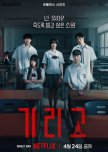
Alright, I went into If Wishes Could Kill with the kind of optimism you reserve for a fresh mango at peak ripeness. You know the feeling. You’re already mentally tasting it before you even cut it open. Eight episodes? Easy binge. Supernatural horror? My nonsense tolerance is high. I am ready to forgive things if the vibe hits. This drama looked me straight in the eye and said, “I will waste your time efficiently.” And to its credit, it absolutely delivered on that promise. We finished it in a day. Not because it was good. Because it felt like ripping off a bandage you accidentally glued to your skin.The first couple of episodes? Not bad. There was a setup. There was intrigue. There was even a faint whisper of atmosphere trying to form, like the show briefly remembered what good Asian horror feels like. You know the kind, where dread creeps in through silence, where negative space does the heavy lifting, where your brain fills in the horror before the screen even shows it. That delicate tension? Gone by episode three. Fully evicted. What replaced it was a chaotic parade of “boo!” moments like the show discovered jump scares and decided to build an entire identity around them.
And look, jump scares are fine. They’re seasoning, not the whole meal. This show took the salt shaker, unscrewed the cap, and dumped it directly into your mouth. Every time tension tried to build, it got interrupted by another loud noise and a ghost popping into frame like it missed its cue in a haunted house attraction. At some point, I stopped reacting. I wasn’t scared. I wasn’t tense. I was mildly annoyed, like someone repeatedly tapping my shoulder while I’m trying to watch something better.
What hurts more is the wasted potential. There are ideas here that could have worked. The premise has teeth. The early tone hinted at something unsettling, something that could linger. Instead, the story starts unraveling at an impressive speed, like it actively resents coherence. Characters make decisions that feel less like human behavior and more like the writer throwing darts at a board labeled “plot progression.” Emotional beats land with the impact of a wet paper towel. You can see where the story wants you to feel something, but it never earns it.
And the horror logic. Oh, the horror logic. I give supernatural stories a wide pass. You want to bend rules? Fine. You want ghosts operating on vibes instead of physics? Sure. But at least stay consistent within your own nonsense. This drama treats its own rules like optional suggestions. Things happen because the script needs them to happen, not because they make sense within the world. It turns tension into confusion, and confusion into apathy. Once you stop trying to understand, the show becomes background noise with occasional loud interruptions.
By the second half, it stops even pretending. Plot threads get dropped, character motivations evaporate, and what’s left feels like a speedrun to the ending. Not a satisfying sprint, more like someone tripping over the finish line and calling it a victory. You sit there thinking, “Wait, that’s it?” Not in a shocked way. In a “you’ve got to be kidding me” way.
And the biggest crime? It completely ignores what makes Asian horror shine. The genre thrives on restraint. On what you don’t see. On that slow, creeping unease that settles into your bones. This show replaces all of that with noise and cheap tricks. It’s like watching someone try to recreate a haunting melody using only a car horn.
So yeah, if you need a quick horror fix and your standards are currently on vacation, this will fill the time. It’s short. It moves fast. It ends before you have too much time to process how little it gave you. But if you were hoping for something atmospheric, something smart, something that respects your brain even a little bit, this ain’t it.
I went in expecting a carefully ripened mango. I got one that looked perfect on the outside and turned out mushy and overripe the second I cut into it. Technically edible. Deeply disappointing. If your alternative is staring at a wall or scheduling a root canal, sure, queue it up. Otherwise, your time deserves better.
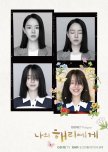
Dear Hyeri: A Disaster Redeemed Only by Shin Hye-sun’s Brilliance
Every so often, a K-drama arrives like a glittering promise, armed with all the ingredients to create something unforgettable. Dear Hyeri had them all—an intriguing premise rooted in mental health struggles, a leading actress in Shin Hye-sun known for her nuanced, soul-deep performances, and a director with enough pedigree to spin gold from good intentions.But what we got instead was fool’s gold. Pretty from a distance, but the moment you draw closer, the flaws crack wide open like fault lines. What could have been a masterpiece ends up as something you can only admire from afar, like a painting smeared over by clumsy hands.
And yet, even in the chaos of that messy canvas, Shin Hye-sun shines like a beacon. As Joo Eun-ho, a news announcer fractured by trauma and societal indifference, she threads her performance with an aching tenderness and fire so tangible it feels like it could light a dark room. When she slips into her alter ego, Hye-ri, she radiates with a childlike vibrancy and warmth. Watching her perform is like seeing a virtuoso play a symphony while the orchestra behind her fumbles with their instruments. It’s breathtaking and infuriating all at once.
If only the writing had been worthy of her brilliance.
Instead, the script falters and flails, stumbling over its own ambition. What begins as a promising exploration of mental illness, emotional scars, and fractured relationships quickly devolves into a toxic romance that stifles any potential for genuine healing or growth. It’s as if the writers were handed a Stradivarius and chose to beat it against a rock.
Jung Hyun-oh, played by Lee Jin-wook, is meant to be a complicated love interest with his own set of emotional wounds. In reality, he’s about as engaging as a brick wall. His character is controlling, possessive, and somehow painted as romantic. For a man who supposedly broke Eun-ho’s heart with a brutal breakup that shattered her psyche, his return to her life feels less like a redemption arc and more like an unwanted guest barging through the front door. Lee Jin-wook’s performance doesn’t help matters—his delivery is as flat as week-old soda, all fizz gone with nothing but a bitter aftertaste.
What makes this dynamic even more unbearable is the deeply toxic nature of their relationship. Hyun-oh’s character is controlling, prone to jealousy, and perpetually invasive. Let us not forget that his decision to end their eight-year relationship was the catalyst for Eun-ho’s mental breakdown. And yet, he has the audacity to reinsert himself into her life under the guise of concern, all while displaying the emotional maturity of a teenager. The script’s insistence on portraying this relationship as redemptive or romantic is not just misguided; it’s outright insulting to the audience’s intelligence.
As if the main romance weren’t enough of a travesty, the plot’s resolutions are equally asinine. After endless episodes of Eun-ho struggling to reclaim her agency and vowing not to repeat past mistakes, she inexplicably returns to Hyun-oh, who—miraculously and without justification—is suddenly ready for marriage. It’s the kind of narrative sleight-of-hand that leaves viewers questioning whether the writers were as emotionally invested in these characters as they expected us to be.
The supporting cast offers some reprieve, albeit not enough to salvage the series. Kang Hoon’s portrayal of Kang Ju-yeon, the secondary romantic lead, is magnetic. His understated performance imbues the character with depth and vulnerability, and his interactions with Hye-ri provide some of the show’s most heartfelt moments. Similarly, Jo Hye-joo’s turn as Baek Hye-yeon is a breath of fresh air. Her character’s bright, comedic energy and genuine warmth often overshadow the main storyline, to the point where her romance with Ju-yeon becomes infinitely more engaging than the supposed central plot. If only the drama had leaned into this secondary storyline more—perhaps it could have salvaged some dignity.
Instead, we are subjected to some of the most aggravating side characters ever to grace the small screen. Yoon Joo-man’s portrayal of Jeon Jae-yong, a returning veteran reporter, is particularly egregious. Meant to provide comic relief, his antics are neither amusing nor endearing. Rather, they are a masterclass in how to derail a scene and test the viewer’s patience. It’s as though the writers were determined to pad the runtime with filler material, no matter how irritating or inconsequential.
Ultimately, the blame lies at the feet of screenwriter Han Ga-ram, who fumbled an intricate premise with the grace of a clumsy juggler. What could have been a deep dive into trauma and recovery instead feels like a soap opera with none of the satisfying melodrama. The tonal inconsistency leaves viewers adrift, struggling to latch onto a story that seems unsure of its own identity.
And yet, there is Shin Hye-sun. Steady, luminous, and unflinchingly present. Watching her navigate this mess of a script is like witnessing an artist paint masterpieces on scraps of torn paper. Her brilliance is the only thing that keeps Dear Hyeri from collapsing entirely under the weight of its own failings.
Dear Hyeri is a masterclass in how to waste potential. It is a drama that promised depth but delivered shallowness, that teased complexity but settled for clichés. For Shin Hye-sun fans, it is a painful reminder of what happens when a luminous star is forced to shine in a black hole of mediocrity. For everyone else, it is a cautionary tale: not all that glitters is gold.
Verdict: Dear Hyeri had the potential to be a riveting character study, but instead, it buckles under the strain of its clumsy writing and misplaced priorities. Shin Hye-sun’s performance is a diamond buried in the wreckage—radiant, invaluable, but ultimately wasted on a drama that didn’t deserve her.. For Shin Hye-sun’s sake, let us hope her next project is worthy of her immense talent.
Score: 5/10
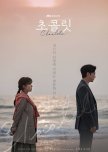
A drama that healed me quietly, relentlessly, and without ever raising its voice.
I went into Chocolate with the simplest of intentions: “Hey, Yoon Kye-sang was great in The Winning Try, let’s see what else he’s done.” I did not expect this show to grab me by the heart in episode one and escort me, gently but firmly, through sixteen hours of emotional excavation. Three days after finishing it; two sleeps, stable nervous system, hormones at factory settings, I was still emotionally hollowed out in that peaceful way only truly healing stories can do. That was when I knew Chocolate had earned its spot beside My Mister in my personal Hall of Fame.Chocolate doesn’t dazzle you loudly. It doesn’t lure you with melodramatic bait or whip-lash plot twists. Instead, it flows like a river that has known its course long before you stepped into it. Lee Kyung-hee writes with a kind of narrative patience I rarely see anymore: scenes breathe, silences speak, characters evolve without fanfare, and emotions bloom in those little pockets of unspoken understanding. The show trusts you to feel. It trusts its actors to carry subtleties. And it trusts its own heartbeat enough to never rush.
At its core, Chocolate is a story about two people who have spent their whole lives being kind to everyone except themselves. Lee Kang (Yoon Kye-sang) and Moon Cha-young (Ha Ji-won) are tethered to their goodness in ways that feel both admirable and suffocating , the kind of people who pour so much of themselves outward that they forget they’re allowed to keep some warmth for themselves. The drama follows their slow journey toward self-acceptance and emotional clarity, where choosing happiness stops being framed as selfishness and starts being recognized as survival.
And then there’s grief, the ever-present companion in this story. But unlike many dramas that weaponize death for shock value, Chocolate treats it with reverence. Grief becomes a teacher. Memory becomes a compass. Every patient at the hospice, every brief story thread, every seemingly minor character adds another tile to the mosaic. This is where one of my favourite arcs resides: Moon Tae-hyeon, whose unexpected depth hit me hardest by the end. His line, spoken after losing Hui-na, “Cherish your day, as today is the tomorrow that people who don't have it dreamt of yesterday”, cracked me open. It’s simple, earnest, and devastatingly fitting for a show where tomorrow isn’t guaranteed to everyone.
The writing is astonishingly meticulous. I counted at least 32 narrative webs woven through the drama: supporting characters, patients, families, flashbacks, cross-generational echoes, and every single one concludes satisfyingly. Nothing is wasted. No one is thrown in just to fill space. It’s narrative craftsmanship at its most deliberate, the kind where you can feel the care poured into every character, no matter how briefly they stay.
Visually, Chocolate isn’t a spectacle-driven drama, it lets its actors carry most of the emotional weight. But the cinematography knows exactly when to step forward and when to lean back. The color palette is especially thoughtful: the early episodes are a muted blend of cool and warm tones, reflecting the emotional dissonance of Lee Kang’s life in Seoul contrasted with his childhood memories. As the characters slowly choose healing, the palette shifts, warmer, softer, almost like that moment in late spring when you realize summer is about to unfold. By the end, the visuals subtly echo acceptance, especially through the Wando arc, which becomes a visual metaphor for cleansing and return.
But where the show truly shines is food. If you think this drama is going to give you pretty cooking scenes just because it can — absolutely not. Food here is memory, apology, longing, history, forgiveness. Every dish has a story, often devastating, and the cinematography treats each cooking sequence like an emotional ritual. Close-ups, soft filters, gentle ambient sound, it’s never aesthetic fluff. It’s storytelling.
The soundtrack? Flawless. Truly flawless. Chocolate has one of the most carefully curated OSTs I’ve heard in years. The upbeat “Sweetest Thing” by SEVENTEEN keeps brighter scenes buoyant, while the melo tracks: “Alone” by Hui, “Greeting” by Kassy, “I’ll Be Going” by Jiwoong Ha, wrap the heavier moments in something tender rather than manipulative. Romance gets its own sonic heartbeat with “Just Look for You” by Ailee, “Always Be Here” by Hajin, and “Special” by Yubin. The OST never overpowers a scene; it sits beneath it like quiet breath. Episode 13’s ending, where silence gives way to a perfectly timed musical swell, is seared into my memory.
And yes, even with all this praise, I still approach reviews with balance. Chocolate has a glacial pace, intentionally so, but not universally appealing. Some secondary arcs feel slightly stretched. And the romance may confuse viewers who prefer overt expression over subtle emotional evolution. But none of these break the drama. At most, they ask you to meet the story halfway, to pay attention to both what’s said and what isn’t. This drama rewards the patient.
Ha Ji-won and Yoon Kye-sang deserve their own applause. She is luminous here, effortlessly warm, expressive, and heartbreakingly human. Her smile alone could power a small town. He, on the other hand, turns Lee Kang into one of the most quietly compelling male leads I’ve seen in a while: brittle yet kind, restrained yet vulnerable, someone who feels real in a way that makes you soften your voice around him.
By the time the finale arrived, I realized Lee Kyung-hee had composed this story like an orchestra, every memory, every meal, every character arc a note. And together, they form not a perfect symphony, but a deeply human one. That’s why Chocolate stands beside My Mister for me. Not because they’re similar, but because both dramas achieve greatness not by being flawless, but by being honest.
This is my second Perfect 10 of 2025, right after Doubt, and it earns that crown with quiet, unwavering certainty.
If you’d like the full, in-depth byrei.ink review, you can read it over on my site.
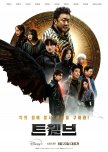
Star Power Can’t Save Twelve From Becoming a Black Hole of Boredom
Did… did they just blow the entire budget on the actors’ fees and leave nothing for production or writing? Because I’m genuinely flabbergasted at how Twelve managed to fumble so catastrophically when its premise practically wrote itself.This is a high fantasy Kdrama about the twelve Chinese Zodiac signs living as humans to battle a literal devil, played by none other than Park Hyung-sik. Let me repeat that: Park Hyung-sik, with all his charisma and range, is cast as the ultimate villain — and somehow the show still manages to be mind-numbingly dull. That’s not just wasted potential; that’s malpractice.
On paper, this premise should be unstoppable. It’s epic. It’s mythic. It’s the kind of setup that demands spectacle, rich worldbuilding, and pulse-quickening stakes. Instead, what we get is the narrative equivalent of lukewarm soup: bland, watery, and inexplicably boring.
And boring is the biggest crime of all.
Fantasy doesn’t have the luxury of being dull. Slice-of-life dramas can coast on vibes; fantasy needs momentum and awe. Twelve delivers neither. Two episodes in, and I’m not even remotely hooked. That’s a red flag for an 8-episode series, when you’ve already burned 25% of your runtime and still can’t convince me to care, it’s over.
The pain stings sharper because of the star-studded cast. You don’t assemble names like this and then wrap it in what feels like a film student’s summer project. That’s the vibe here: all the gloss of big casting announcements, but the execution of something thrown together on a shoestring, hoping the actors’ charisma alone would carry it. It’s jarring, like watching A-list actors perform Shakespeare in a high school gym with folding chairs for props.
Even the supposed central hook (Zodiac warriors versus the Devil) feels smothered under bad pacing and directionless storytelling. When your audience is asking by episode two, “Wait, are we getting pranked?” you’ve lost the plot. Literally.
I went into Twelve hyped, expecting a late-summer action fantasy to sink my teeth into. Instead, I’m left gnawing on disappointment. The production feels cheap, the writing lifeless, and the direction uninspired. It’s the uncanny valley of K-dramas: all the big pieces are there, but the soul is missing.
To put it bluntly, Twelve is such a mess it somehow made The 8th Show look like Citizen Kane. And that’s saying something, because The 8th Show was my first and only 1/10 drama. Yet compared to this, even The 8th Show feels like it at least tried to be something. Twelve is just… there. A hollow shell of what could have been, a drama so devoid of energy it manages to turn Park Hyung-sik’s devil into a snore.
If the devil in Twelve is supposed to represent ultimate evil, then maybe the real villain here is X+U Studio, for daring to waste this cast, this premise, and my time.
Final verdict: Twelve is proof that not all star-studded fantasies are worth chasing. Sometimes, the constellation is nothing but burned-out stars.
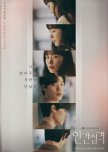
Lost: The Quiet Collapse of a Drama That Could’ve Been Great
In a sea of K-dramas trying to outdo one another with grand gestures, heart-fluttering tropes, and tearjerking orchestral swells, "Lost" dares to whisper instead of scream. It’s not a drama that asks for your attention—it quietly waits for you to notice it, like a painting hanging in a dim hallway, revealing its details only to those who stop and stare long enough. And for the most part, the patience pays off. But sometimes, the hallway’s too dark."Lost" is a beautifully bleak tale of two people at the edge—of youth, of hope, of the invisible line that separates "existing" from "living." At forty, Lee Bu-jeong (played by Jeon Do-yeon) is adrift, her once-promising literary future buried under layers of emotional debris. Kang-jae (Ryu Jun-yeol), at twenty-seven, is technically still young, but already watching the clock run out on dreams that never had a real chance. The plot promises a slow descent into introspection, but what it delivers is closer to an emotional Rorschach test—you’ll either see something profound, or nothing at all.
Visually, the drama is nothing short of a masterpiece. Every frame is carefully composed like a photograph hung in an art gallery. Lighting becomes its own character, especially during the night scenes, which glow with such purposeful brightness they feel like metaphors for trying to find clarity in the dark. The stargazing scene is so breathtakingly framed, it nearly convinces you that you’re witnessing something holy. Unfortunately, the audio fails to match the visual splendor. Aside from the haunting use of Jeff Buckley’s "Hallelujah," the rest of the OSTs feel like an afterthought. Serviceable, yes, but utterly forgettable. It’s like wearing a designer suit and pairing it with gym socks.
The casting is equally ambitious. Ryu Jun-yeol and Jeon Do-yeon give individual performances that deserve standing ovations—when they’re apart. Together, they’re like oil and water that someone tried to mix with a spoon and gave up halfway. There’s no chemistry, no magnetism, no sense of inevitable collision that makes slow-burn romances worth the wait. But perhaps that was the point. Because here’s where the drama gets sneaky. Bu-jeong, for all her central placement in the story, feels like she was written to be disliked. She is a character-shaped void. Her depression is unexplained, her actions unjustified, her emotional infidelity irritating. And yet, what if that’s the point? What if Bu-jeong isn’t the protagonist, but the black hole around which the real stars revolve?
Because to talk about its emotional impact, we must talk about its emotional absence. Bu-jeong. Oh, Bu-jeong. She's the emotional equivalent of a black hole—every feeling thrown at her gets swallowed, never to be seen again. And it’s tempting to write her off as a poorly written character, an exhausting cipher who walks around like a permanent sigh. But if you look closer, there's a method in the melancholy. Her emotional unavailability isn’t a bug; it’s the feature. The writer didn’t want you to root for her. They wanted you to recoil. Her selfishness, her detachment, her emotional infidelity—they are framed deliberately, not as flaws to forgive, but as voids that highlight the light around her. She is not the flame; she is the darkness that makes other candles visible.
Enter Kang Min-jung (Son Na-eun) and Lee Sun-joo (Yoo Soo-bin). If Bu-jeong is a door permanently ajar to an empty room, these two are a window flung open to spring air. Their chemistry is instant and sparkling, like champagne fizzing over the brim. Son Na-eun’s ability to be mischievous without being cheap is remarkable, and Yoo Soo-bin plays the flustered golden retriever with such sincerity you want to pat his head and hand him a snack. Their scenes feel like little stolen moments from a completely different drama—one that decided not to punish its audience for wanting warmth. When their love finally blooms in a beautifully underplayed exchange about spending money together, it feels more intimate than any dramatic “I love you.” She wasn’t asking him to save her; she was asking if they could build something together. It was romantic in the way real love is romantic—quiet, mutual, and rooted in the mundane.
Kang Min-jung and Lee Sun-joo don’t just steal the show—they commit a full emotional heist. Their chemistry is electric in the most grounded way. She flirts with a glint in her eye that could topple empires, and he responds with the kind of wholesome panic that makes your heart squeeze. Their arc turns from casual banter to soul-wrenching vulnerability in such an organic flow that you forget you were watching a tragedy. Their final confession isn't even a confession—it's a proposal masked as a question: "Do you want to build a life together?" It doesn’t use the words "I love you," because it doesn’t need to. Every syllable between them already screamed it.
Oddly enough, the same can be said for Bu-jeong’s husband, Jin Jung-soo (Park Byung-eun), and his ex, Kyung Eun (Kim Hyo-jin). Their rekindled connection carries more emotional weight than the central pairing. The drama gives them a full backstory, moments of honesty, and a kiss that feels justified rather than scandalous. While Bu-jeong’s silence suffocates, Jung-soo and Kyung Eun’s pain is laid bare. You may not agree with their choices, but at least you understand them.
The irony is that in a drama built around Bu-jeong’s emotional descent, the heart of the story lies in the warmth of its side characters. Park Byung-eun’s portrayal of Bu-jeong’s husband, Jin Jung-soo, deserves its own quiet applause. He tries—really tries—to reach her across the chasm she’s dug between them. When he reconnects with his ex, it doesn’t feel like cheating; it feels like survival. Their kiss lands with context, history, and emotional symmetry. It’s a moment of two people reaching back for the versions of themselves that knew how to feel.
Which brings us to the elephant in the room: Bu-jeong. If her character wasn’t intended as a vessel of emotional void, then this is simply one of the worst-written leads in recent memory. For fifteen episodes, she sulks, avoids, and alienates. Her pain is shown, not explained. We’re told she’s suffering, but never given the tools to care. This isn’t emotional mystery; it’s emotional hostage-taking. By the time the curtain starts to lift on her backstory, it’s too late—we’ve moved on, emotionally adopted Kang Min-jung and Sun-joo, and stopped checking in on Bu-jeong altogether. We’re done unpacking her suitcase when we don’t even know what she’s running from.
Supporting characters orbit in and out of the narrative with varying degrees of success. Bu-jeong’s father (played with gentle charm by Park In-hwan) provides some of the most quietly touching moments. His relationship with his daughter and son-in-law hints at the love languages we forget: patience, shared silence, and small acts of grace. But aside from him, most supporting characters feel like background extras in a dream you’re only half-invested in. Unlike My Mister, where every character etched themselves into your memory, Lost lets most of its side cast fade into static.
The show’s slowburn structure isn’t inherently flawed. Many great dramas tread gently. But Lost mistakes withholding for depth. Pain without context isn’t profound—it’s just tiring. And while some viewers may appreciate the ambiguity, others will find themselves yelling at the screen, “Just tell us why you’re like this!” The drama leans so hard into the mystery of Bu-jeong’s suffering that it forgets to earn our empathy. It’s not that audiences can’t handle emotional weight—we just need to know what we’re carrying.
And yet, maybe it’s not a failure. It’s a contradiction. Because once you mentally sideline Bu-jeong’s character—treat her not as the protagonist but as the black backdrop to highlight the color—Lost becomes a vastly more rewarding watch. The narrative reorients itself, almost as if by accident, into something hopeful in its quiet subplots. Love, however tentative. Connection, however fragile. It’s a mosaic built from broken tiles, and sometimes, you just have to stop trying to fix it to see the beauty.
Ironically, what saves Lost from itself is everything around the central plot. The blooming love between Min-jung and Sun-joo. The quiet heartbreak of a husband who tried too long. The accidental beauty of side characters who briefly flicker to life. These moments paint the grayscale world of Lost with unexpected color. And in doing so, they unintentionally make Bu-jeong’s void even more frustrating.
Verdict:
Lost is a drama that dares to be disliked, dares to be uncomfortable, and somehow finds meaning in the emotional wreckage it leaves behind. It’s not for everyone. But for those willing to dig through its shadows, it offers small, hard-won glimmers of light—and sometimes, that’s enough. It starts as a quiet meditation on loneliness and disillusionment but ends up getting lost in its own fog. Depending on how you frame it, it could be either a genius piece of subversive writing or a case study in wasted potential. But one thing is clear: if you erase Bu-jeong’s storyline and focus solely on the supporting narratives, there’s a rich, emotionally rewarding drama hidden within. Take that however you will.
Final score: 5/10, generously buoyed by the delightfully warm story of Kang Min-jung and Lee Sun-joo, who deserve their own spin-off and all the sunshine that Bu-jeong refused to let in.
A Spectacle of Disappointment
Rarely does a television program manage to deliver such an unrelenting assault on the senses as The 8 Show. Marketed as a groundbreaking series promising innovation and thrilling entertainment, it instead reveals itself to be an insufferable amalgamation of lazy writing, uninspired performances, and downright baffling production choices. By the end of its interminable runtime, one is left questioning not only the judgment of those who greenlit this disaster but also their own decision to endure it.The most glaring flaw of The 8 Show is its sheer lack of identity. What does it want to be? A drama? A comedy? A surreal experiment in avant-garde storytelling? It attempts all of these without mastering any, resulting in a tonal Frankenstein’s monster that lumbers aimlessly from scene to scene. The plot – or what one generously calls a plot – is an incoherent mess riddled with gaping holes and unresolved threads. Characters are introduced only to be discarded moments later, and any semblance of a central narrative is buried under layers of needless subplots that go nowhere. Watching it feels less like following a story and more like wandering through a labyrinth designed by someone actively trying to get you lost.
Adding insult to injury, the acting is uniformly atrocious. It’s as if the casting team deliberately sought out performers with the least charisma and emotional range. Lead actor - whatever his name was - delivers his lines with the enthusiasm of someone reading a grocery list, while the supporting cast alternates between overacting and looking visibly confused about what they’re supposed to be doing. Chemistry between characters is nonexistent, which is especially damning in a show that tries (and fails) to rely on relationships and interpersonal drama as its core.
The show’s visual and auditory design does nothing to salvage the experience. The cinematography oscillates between pretentious slow-motion shots and amateurishly framed scenes that look as if they were filmed on a whim. Lighting choices are often inexplicably harsh, lending everything a cheap, soap-opera aesthetic.
Perhaps the most infuriating aspect of The 8 Show is its pretension. It struts around as though it’s the pinnacle of artistic achievement, but beneath its flashy exterior lies a hollow core. The dialogue is riddled with pseudo-intellectual drivel that attempts profundity but only achieves self-parody. Its "bold risks" are less daring leaps and more missteps into creative quicksand, dragging the entire production down with them.
The 8 Show is not just bad – it’s offensively bad. It’s the kind of entertainment black hole that sucks time, energy, and goodwill from anyone unfortunate enough to encounter it. There’s nothing redeemable here, no silver lining to be found. For the sake of your sanity, avoid this calamity at all costs. Just do yourself a favour and skip this garbage.
Final score: 1/10. Even that feels generous.


