
 Editorials

 2
2 2
2 1
1



This review may contain spoilers
They Wanted Power, Until They Learned Its Price
In recent years, the costume romance market has become increasingly repetitive. Many dramas depend on familiar tropes, exaggerated characters, forced romance, and easy victories to keep the audience interested. After watching so many of them, it is easy to feel tired. That is why The Road to Splendor felt different to me. It begins like a story about household politics and a fallen noblewoman, but slowly grows into something much bigger: a journey about survival, ambition, power, class, love, and the painful cost of changing one's fate.
The drama is adapted from a classic historical romance novel, and one of its strengths is that the adaptation seems to understand what should be kept and what should be changed. The heart of the characters and the main story remain, while some parts are adjusted to fit the screen better. More importantly, the drama does not feel like it changes people just to create shocking moments. The characters are allowed to grow through their experiences, and that makes their journey feel more natural.
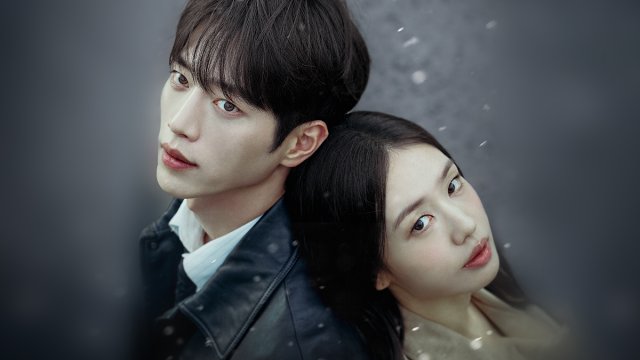
At first, the story is built around Fu Tingyun, a noble young woman whose life is destroyed by a false accusation. What struck me was that the drama does not make her a perfect heroine who can solve everything with intelligence alone. She is smart, but she is also inexperienced. She understands the value of status and wealth because she was born into that world, and after losing everything, she still wants to climb back up. At times, she even sees Zhao Ling as a way to reach a higher place again. But this is also why I found her growth meaningful. She does not begin the story as a completely selfless and mature woman. Life teaches her what power really means, what it costs, and what kind of person she wants to become.
Her journey is especially interesting because she is pushed out of the safe world she once knew. She goes from being a noble lady to living as a refugee, running through dangerous places, facing hunger, violence, and death. The physical journey becomes a journey of identity as well. She can no longer survive only as "Fu Ninth Miss." She has to ask herself who she is when her family name, status, and protection are gone.
And then there is Zhao Ling.
Honestly, his character became one of the strongest parts of the drama for me. He is not introduced as the usual powerful prince or cold genius male lead. He is a salt smuggler from the bottom of society, someone who has learned how to survive in a cruel world. He can be rough, suspicious, clever, and sometimes impossible to deal with. But beneath that, he has a strong sense of justice. Even when he is involved in the illegal salt trade, he cannot ignore the suffering of ordinary people. The contrast between his rough way of living and the kindness he still carries inside makes him feel much more human than a perfect male lead.
The most interesting thing about the main couple is that they do not begin with love. They begin with need.
At first, their relationship is based on convenience and survival. They depend on each other because they have no better choice. They pretend to be a couple, protect each other, argue, doubt each other, and sometimes even use each other for their own goals. But as they travel together and face one hardship after another, that relationship slowly changes. Trust comes before love. Dependence comes before understanding. And finally, love grows from everything they have survived together.
This is why I liked their romance so much. It is not built on instant attraction or endless sweet scenes. Their feelings are hidden in small actions: protecting each other, returning for each other, trusting each other with their lives, and slowly becoming the one person the other cannot easily leave behind. Zhao Ling falls first, but their relationship eventually becomes something much deeper than romance. They become witnesses to each other's entire transformation—from people with almost nothing to people standing close to the center of power.
But this is also where the story becomes painful.
The Road to Splendor is, in many ways, a zero-to-hero story. Fu Tingyun wants to regain the life and status she lost. Zhao Ling rises from being a salt smuggler to becoming a high-ranking official involved in fighting corruption. At first, power looks like freedom. It looks like the answer to everything they suffered before. But after finally reaching that world, they begin to see its other side: betrayal, political games, cruelty, and the way powerful people can use others as tools.
For me, the cruelty of power became one of the strongest themes of the drama.
The Crown Prince initially appears to be someone I could understand and even support. Giving Zhao Ling a chance is useful for both of them. Zhao Ling gets the opportunity to change his fate, while the Crown Prince gets a capable man to help him. At that point, it feels like a fair exchange. But later, after becoming Emperor, things change. Zhao Ling is no longer simply a useful ally. He becomes a blade in the ruler's hand.
That part was difficult to watch.
Zhao Ling finally gets the power and status he once could never have imagined, but the higher he rises, the more he loses. He is forced to carry responsibilities and make decisions he does not always want to make. Sometimes he has to bear everything alone in order to protect Fu Tingyun, and this creates misunderstandings between them that genuinely drove me crazy. There were moments when I wanted to shake both of them and tell them not to become fools. But at the same time, I understood why the story was taking them there. Power does not simply make their lives better. It changes their relationship with the world and with each other.
I have watched hundreds of historical dramas, so I am familiar with political cruelty, ruthless rulers, people being used as pieces in a larger game, and the terrible things done in the name of power. None of this was new to me. But somehow, even when I know these stories and scenes so well, they still leave a weight in my heart.
And The Road to Splendor gave me that feeling strongly.
There is something painful about watching two people who once had almost nothing struggle so hard to rise, finally reach a position of great power, and then discover how cold and inhuman that world can be. After seeing the pain of being powerless, they want power. After finally gaining power, they experience its cruelty. And after seeing what it can do to people, they begin to want to leave it behind—but by then, leaving is not so easy.
That is what made the story feel heavier to me than a simple rise-to-power drama.
Visually, I also loved the contrast between the different stages of their journey. The northwestern parts, with the sandy deserts, harsh weather, refugees, battlefields, and endless roads, had a stronger impact on me. Those scenes carried the feeling of struggle and survival. Then the story moves toward the prosperous capital, where everything changes: beautiful clothes, poetry gatherings, luxurious homes, elegant manners—and hidden conspiracies behind all of it. The change in costumes, makeup, settings, and atmosphere also reflects how far the characters have travelled. But the higher they rise, the more dangerous their world becomes.
I also appreciated that the drama does not present success as something free. Their rise comes with losses. Fu Tingyun loses her family name and the security of her old life. Zhao Ling has to give up parts of the life and freedom he once had. Together, they face family structures, corruption, class prejudice, political struggles, and people who are always ready to use them. Every step upward demands something from them. That is why their success does not feel completely easy or empty.
Of course, the drama was not perfect for me. There were times when the misunderstandings became frustrating, especially when the characters tried to carry everything alone instead of trusting each other. Some parts were stressful enough that I genuinely wanted to stop and tell them to just talk to each other. But even those frustrations came from the fact that I was deeply invested in their journey.
In the end, I think what stayed with me most was not simply the romance, the political struggles, or the rise of the two leads. It was their transformation.
Fu Tingyun grows from a noblewoman who sees status as security into someone who begins to understand life, courage, and the meaning of leaving something behind. Zhao Ling grows from a salt smuggler fighting to survive into a man who reaches the highest levels of power, only to learn how much pain that power can bring. They start as two people using each other because they need to survive. They become companions, partners, lovers, and eventually the people who understand the full journey the other has taken.
Their love is beautiful because it survives all those changes.
They knew each other when they had nothing. They knew each other when they were hungry, afraid, and running for their lives. They knew each other when they wanted power. And they knew each other after they had seen the darkest side of that power. Somewhere along the way, the relationship that began as a transaction became unconditional.
The Road to Splendor was sometimes stressful, sometimes frustrating, and at times emotionally heavy. But I am genuinely glad I watched it. I think it would have been a loss if I had skipped this drama. Beneath the romance and rise-to-power story is a journey that asks a painful question: after spending your whole life fighting to reach the top, what happens when you finally get there and realize that the world you wanted was never as beautiful as you imagined?
For me, that was the real weight of this story.
The drama is adapted from a classic historical romance novel, and one of its strengths is that the adaptation seems to understand what should be kept and what should be changed. The heart of the characters and the main story remain, while some parts are adjusted to fit the screen better. More importantly, the drama does not feel like it changes people just to create shocking moments. The characters are allowed to grow through their experiences, and that makes their journey feel more natural.
At first, the story is built around Fu Tingyun, a noble young woman whose life is destroyed by a false accusation. What struck me was that the drama does not make her a perfect heroine who can solve everything with intelligence alone. She is smart, but she is also inexperienced. She understands the value of status and wealth because she was born into that world, and after losing everything, she still wants to climb back up. At times, she even sees Zhao Ling as a way to reach a higher place again. But this is also why I found her growth meaningful. She does not begin the story as a completely selfless and mature woman. Life teaches her what power really means, what it costs, and what kind of person she wants to become.
Her journey is especially interesting because she is pushed out of the safe world she once knew. She goes from being a noble lady to living as a refugee, running through dangerous places, facing hunger, violence, and death. The physical journey becomes a journey of identity as well. She can no longer survive only as "Fu Ninth Miss." She has to ask herself who she is when her family name, status, and protection are gone.
And then there is Zhao Ling.
Honestly, his character became one of the strongest parts of the drama for me. He is not introduced as the usual powerful prince or cold genius male lead. He is a salt smuggler from the bottom of society, someone who has learned how to survive in a cruel world. He can be rough, suspicious, clever, and sometimes impossible to deal with. But beneath that, he has a strong sense of justice. Even when he is involved in the illegal salt trade, he cannot ignore the suffering of ordinary people. The contrast between his rough way of living and the kindness he still carries inside makes him feel much more human than a perfect male lead.
The most interesting thing about the main couple is that they do not begin with love. They begin with need.
At first, their relationship is based on convenience and survival. They depend on each other because they have no better choice. They pretend to be a couple, protect each other, argue, doubt each other, and sometimes even use each other for their own goals. But as they travel together and face one hardship after another, that relationship slowly changes. Trust comes before love. Dependence comes before understanding. And finally, love grows from everything they have survived together.
This is why I liked their romance so much. It is not built on instant attraction or endless sweet scenes. Their feelings are hidden in small actions: protecting each other, returning for each other, trusting each other with their lives, and slowly becoming the one person the other cannot easily leave behind. Zhao Ling falls first, but their relationship eventually becomes something much deeper than romance. They become witnesses to each other's entire transformation—from people with almost nothing to people standing close to the center of power.
But this is also where the story becomes painful.
The Road to Splendor is, in many ways, a zero-to-hero story. Fu Tingyun wants to regain the life and status she lost. Zhao Ling rises from being a salt smuggler to becoming a high-ranking official involved in fighting corruption. At first, power looks like freedom. It looks like the answer to everything they suffered before. But after finally reaching that world, they begin to see its other side: betrayal, political games, cruelty, and the way powerful people can use others as tools.
For me, the cruelty of power became one of the strongest themes of the drama.
The Crown Prince initially appears to be someone I could understand and even support. Giving Zhao Ling a chance is useful for both of them. Zhao Ling gets the opportunity to change his fate, while the Crown Prince gets a capable man to help him. At that point, it feels like a fair exchange. But later, after becoming Emperor, things change. Zhao Ling is no longer simply a useful ally. He becomes a blade in the ruler's hand.
That part was difficult to watch.
Zhao Ling finally gets the power and status he once could never have imagined, but the higher he rises, the more he loses. He is forced to carry responsibilities and make decisions he does not always want to make. Sometimes he has to bear everything alone in order to protect Fu Tingyun, and this creates misunderstandings between them that genuinely drove me crazy. There were moments when I wanted to shake both of them and tell them not to become fools. But at the same time, I understood why the story was taking them there. Power does not simply make their lives better. It changes their relationship with the world and with each other.
I have watched hundreds of historical dramas, so I am familiar with political cruelty, ruthless rulers, people being used as pieces in a larger game, and the terrible things done in the name of power. None of this was new to me. But somehow, even when I know these stories and scenes so well, they still leave a weight in my heart.
And The Road to Splendor gave me that feeling strongly.
There is something painful about watching two people who once had almost nothing struggle so hard to rise, finally reach a position of great power, and then discover how cold and inhuman that world can be. After seeing the pain of being powerless, they want power. After finally gaining power, they experience its cruelty. And after seeing what it can do to people, they begin to want to leave it behind—but by then, leaving is not so easy.
That is what made the story feel heavier to me than a simple rise-to-power drama.
Visually, I also loved the contrast between the different stages of their journey. The northwestern parts, with the sandy deserts, harsh weather, refugees, battlefields, and endless roads, had a stronger impact on me. Those scenes carried the feeling of struggle and survival. Then the story moves toward the prosperous capital, where everything changes: beautiful clothes, poetry gatherings, luxurious homes, elegant manners—and hidden conspiracies behind all of it. The change in costumes, makeup, settings, and atmosphere also reflects how far the characters have travelled. But the higher they rise, the more dangerous their world becomes.
I also appreciated that the drama does not present success as something free. Their rise comes with losses. Fu Tingyun loses her family name and the security of her old life. Zhao Ling has to give up parts of the life and freedom he once had. Together, they face family structures, corruption, class prejudice, political struggles, and people who are always ready to use them. Every step upward demands something from them. That is why their success does not feel completely easy or empty.
Of course, the drama was not perfect for me. There were times when the misunderstandings became frustrating, especially when the characters tried to carry everything alone instead of trusting each other. Some parts were stressful enough that I genuinely wanted to stop and tell them to just talk to each other. But even those frustrations came from the fact that I was deeply invested in their journey.
In the end, I think what stayed with me most was not simply the romance, the political struggles, or the rise of the two leads. It was their transformation.
Fu Tingyun grows from a noblewoman who sees status as security into someone who begins to understand life, courage, and the meaning of leaving something behind. Zhao Ling grows from a salt smuggler fighting to survive into a man who reaches the highest levels of power, only to learn how much pain that power can bring. They start as two people using each other because they need to survive. They become companions, partners, lovers, and eventually the people who understand the full journey the other has taken.
Their love is beautiful because it survives all those changes.
They knew each other when they had nothing. They knew each other when they were hungry, afraid, and running for their lives. They knew each other when they wanted power. And they knew each other after they had seen the darkest side of that power. Somewhere along the way, the relationship that began as a transaction became unconditional.
The Road to Splendor was sometimes stressful, sometimes frustrating, and at times emotionally heavy. But I am genuinely glad I watched it. I think it would have been a loss if I had skipped this drama. Beneath the romance and rise-to-power story is a journey that asks a painful question: after spending your whole life fighting to reach the top, what happens when you finally get there and realize that the world you wanted was never as beautiful as you imagined?
For me, that was the real weight of this story.
Was this review helpful to you?


