I agree. I think the writer has been pretty consistent in showing this side of the ML. He’s flawed—especially…
Yes, he has his flaws, but I still believe that many of them were shaped by the decisions and influence of his elders. He is a good brother and a good son to his mother. However, his love life is where things become complicated, largely because of the choices his elders made for him. Of course, that doesn't excuse his flaws, but it does make us feel sorry for him. 😔
Actually, he was supposed to marry Shen's granddaughter, but in the end, he had to marry Zhou's granddaughter instead. I think he still felt guilty toward the Shen family at that time. I don't believe he was an unfair person by nature; rather, he was caught in circumstances beyond his control. But that marriage brought him so much suffering.
Now, I think he deeply regrets what happened and is afraid of losing someone he loves and having to go through that kind of suffering all over again. 💔
Looking back, I've been thinking about him quite a bit these past few days. Like, excuse me?! An EIGHT-YEAR-OLD kid beating his own father to the ground with a wooden staff?! 😂😭 What kind of childhood training did this little menace go through? His father really got humbled by his own son! 🤣 That old bastard really deserves it.
Whenever I see our main CPL, I get butterflies flying all over my body. Ahhh, I’m really going crazy over them! 😂🦋 This couple looks absolutely gorgeous together, and our man is somehow so funny when he’s dealing with his wife’s anger. 😂
Actually, I thought today he would get another slap for that wine, too. 🤣🍷
There was some jealousy earlier between sisters but now we are good 😊
They had some jealousy between them, but they never really ploted against each other. Compared to many other historical dramas, they didn't actually hate each other to the point of becoming enemies.
Most of their conflicts are more like sibling competition, coming from their immaturity and occasional stupidity. 😂
Jin Qi seriously has the best brother-in-law. 😂 Whenever Jin Qi has a bunch of requests that Grandpa would never agree to, he simply brings his dear brother-in-law along and presents all those requests to Grandpa right in front of him. 😭😂
And what can Grandpa do at that point? He has no choice but to agree! 🤣
Jin Qi has basically figured out the ultimate cheat code: “If Grandpa says no, just bring my brother-in-law.” 😂👏
Compared to a lot of other historical dramas, I think this is one of the best things about this drama. 🥹 In this household, the siblings don’t constantly plot against or betray each other. Instead, they actually support one another and work together. ❤️
It’s honestly so refreshing to see siblings in a noble family who can put their differences aside and stand together instead of turning everything into an endless power struggle. 😭❤️
So I watched til episode 20 and ITS TOTALLY WORTH ITTT. This is the first drama after pursuit of jade that has…
yeah love like the galaxy is a great drama. i recommend you to watch the sword and the brocade. It has some similarities to this drama. It is my fav drama from her.
I said the same thing. I love his mother. She and the grandfather are the only people in that family is smart.
Yes, exactly. I often thought she should had married someone much smarter. 😂 But luckily, she has a son who inherited her intelligence. 😌 At least she passed her brains on to the next generation! 😂🧠
She’s really a pretty good mom all things considered (relatively speaking). But she completely sucks at finding…
Okay, she is smart, but she only really understands the intrigues of the inner court, not the imperial court. 😂
The first time, she honestly had no other option but Zhao. The second time, she thought she had chosen a refined and refined one… 😭😂 But that family just acted a trick 🤣
Our man seriously has the worst luck when it comes to the wedding night. 😭 He has gotten married twice, and BOTH times his own wife rejected him! 😂💀 And both times, he had to leave the bridal chamber in the middle of the night.
At this point, the bridal chamber itself is his biggest enemy. 😭😂 Bro gets married and immediately gets evicted from his own wedding night! 💀
Ohh man… I really feel sorry for him. 😭😂 Two weddings, zero wedding-night luck. Someone, please protect this man from this curse! 🙈

 Editorials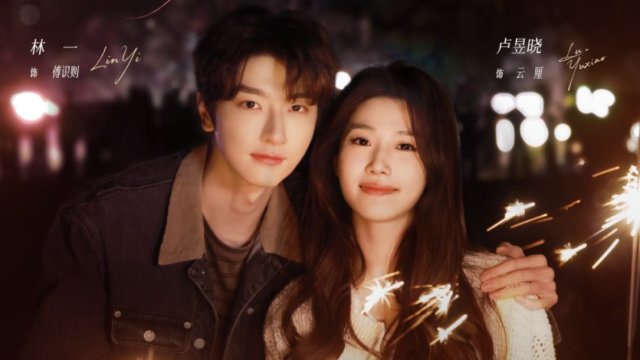

 2
2  2
2  1
1 


Actually, he was supposed to marry Shen's granddaughter, but in the end, he had to marry Zhou's granddaughter instead. I think he still felt guilty toward the Shen family at that time. I don't believe he was an unfair person by nature; rather, he was caught in circumstances beyond his control. But that marriage brought him so much suffering.
Now, I think he deeply regrets what happened and is afraid of losing someone he loves and having to go through that kind of suffering all over again. 💔
Second Bro - Jin Qi already broke one arm
Third Bro - I'll break the other one
These brothers are indeed blood-related. 🤣🤣
And this man starts taking off his clothes as fast as he possibly can. 😭🤣
Meanwhile, my brain: “WAIT… am I actually going to witness his abs today?!” 👀🫣
My cheeks are getting pinker and pinker. Ohhh gosh, I’m blushing too! 😭😂🦋
Actually, I thought today he would get another slap for that wine, too. 🤣🍷
Most of their conflicts are more like sibling competition, coming from their immaturity and occasional stupidity. 😂
And what can Grandpa do at that point? He has no choice but to agree! 🤣
Jin Qi has basically figured out the ultimate cheat code: “If Grandpa says no, just bring my brother-in-law.” 😂👏
It’s honestly so refreshing to see siblings in a noble family who can put their differences aside and stand together instead of turning everything into an endless power struggle. 😭❤️
The first time, she honestly had no other option but Zhao. The second time, she thought she had chosen a refined and refined one… 😭😂 But that family just acted a trick 🤣
At this point, the bridal chamber itself is his biggest enemy. 😭😂 Bro gets married and immediately gets evicted from his own wedding night! 💀
Ohh man… I really feel sorry for him. 😭😂 Two weddings, zero wedding-night luck. Someone, please protect this man from this curse! 🙈