



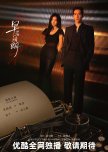

Both dramas feature an addictive dynamic between a sharp, demanding boss and a hardworking female rookie surviving a high-pressure professional world. Just like in My Boss, the female lead faces intense workplace adversity and a cynical male superior but fiercely proves her capabilities to earn his respect entirely through merit. The core tension relies on a high-stakes shift from strict professional boundaries into deep personal attraction, showing how the independent heroines learn to master their craft while the guarded male leads learn to soften their rigid boundaries.
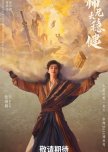
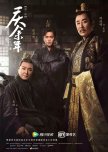
Joy of Life (???) is another perfect match, masterfully blending a male-centric transmigration premise with sharp comedy and high-stakes political warfare. Much like the leads in Pull Strings and The Guardians of Dafeng, Zhang Ruoyun’s Fan Xian is a modern man reborn into an ancient, dangerous fantasy world who initially wants nothing more than a peaceful, quiet life. However, his genius intellect, modern perspective, and hidden background force him to become an accidental mastermind, constantly thinking ten steps ahead to outmaneuver corrupt factions and deadly secret agencies. The drama thrives on this exact balance of brilliant, puppet-master strategy and witty, genre-subverting humor.
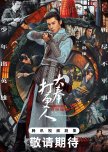
Pull Strings (?????) and The Guardians of Dafeng (?????) are both high-energy, comedic fantasy dramas adapted from massive web novels about modern men transmigrating into dangerous ancient worlds. Both series abandon standard romance tropes in favor of witty survival, pitting highly intelligent, genre-savvy underdogs against massive political and magical conspiracies. While Dylan Wang’s proactive constable in Dafeng uses modern forensics and bold charm to solve crimes, Ao Ruipeng’s hyper-cautious cultivator in Pull Strings thrives on absolute secrecy and hiding his true power—making both shows a perfect match for fans who love brilliant masterminds, sharp comedy, and high-stakes world-building.

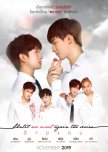
they share several thematic and structural similarities rooted in their emotional depth and production origins:
Supernatural Elements & Spiritual Themes: Both series explore the mystical. While Until We Meet Again centers on reincarnation and the "red thread of fate", Fourever You Part 2 introduces a character, Shooting Star (Dao), who has the ability to communicate with spirits.
Deep Emotional Trauma & Secrets: Both dramas lean heavily into "emotional baggage." Until We Meet Again deals with the trauma of a past-life suicide and family disapproval. Similarly, Fourever You Part 2 focuses on characters navigating painful secrets, such as Phoon’s deep emotional struggles and the grief of Art, who seeks his deceased mother's ghost.
Supernatural Elements & Spiritual Themes: Both series explore the mystical. While Until We Meet Again centers on reincarnation and the "red thread of fate", Fourever You Part 2 introduces a character, Shooting Star (Dao), who has the ability to communicate with spirits.
Deep Emotional Trauma & Secrets: Both dramas lean heavily into "emotional baggage." Until We Meet Again deals with the trauma of a past-life suicide and family disapproval. Similarly, Fourever You Part 2 focuses on characters navigating painful secrets, such as Phoon’s deep emotional struggles and the grief of Art, who seeks his deceased mother's ghost.


