

 19
19 38
38 8
8 1
1 1
1 1
1 1
1 1
1 6
6 2
2 3
3 1
1 1
1 1
1 3
3 1
1 3
3


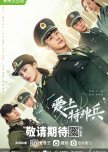
When the Plot Goes AWOL
My Dear Guardian tells the story of a soft hearted military doctor and a famously cold special forces officer whose lives keep colliding between missions, hospitals, and shared living spaces. Was it the dramatic rescue from danger or the everyday closeness that slowly broke down their walls? Love shows up quietly, right in the middle of duty and chaos. Xia Chu is a surgeon trained to stay steady when lives hang by a thread, while Liang Mu Ze is a battle hardened officer who has survived countless missions and locked his heart away because of past scars.My Dear Guardian is the kind of drama I put on while eating or multitasking, and honestly, that is not an insult. It is an easy watch, very chill, very brain off, and sometimes very cringe. What pulled me in at first, aside from Huang Jingyu doing his military guy thing, was the classic soldier and doctor setup. I am a sucker for uniforms and emergency rooms, so this drama caught my attention.
The first half is where the magic lives. Watching Xia Chu train in the military environment was genuinely fun, and her early interactions with Liang Mu Ze felt natural and entertaining. Their meetings in the army base and hospital had that spark, and once they started living under the same roof, the drama leaned into cute acts of service and subtle care moments. Those scenes carried a lot of warmth and honestly did most of the emotional heavy lifting. The rescue moments were predictable but still satisfying, like comfort food you already know the taste of.
One of the biggest pleasant surprises was Liang Shao Xue. She started off as loud, rebellious, and low key exhausting, but her character growth was solid. Watching her mature into a more grounded and thoughtful person felt earned. Her relationship development with Tian Yong was also one of the more emotionally engaging parts of the story, which made their arc stand out even more compared to the main couple at times.
Now for the not so fun parts. Xia Chu’s cutesy voice and behavior tested my patience more than once. There were moments when her intelligence as a doctor seemed to vanish for plot convenience, and those irrational decisions pulled me right out of the story. The cringe factor was strong in certain scenes, especially when the drama tried too hard to be cute instead of letting emotions flow naturally. Tian Yong’s death hit hard, but not in a satisfying storytelling way, more like a why did this need to happen way. The entire Zhuo Ran and Pei Yu plot also felt annoying, too dramatic for my taste.
Pacing is where this drama struggles the most. The first half was engaging and smooth, but the middle to end dragged badly. There were many scenes that added little value, making it obvious the story was stretching itself to fit a long episode count. Tighter writing or fewer episodes would have helped a lot, because the potential was definitely there.
Is My Dear Guardian groundbreaking? Not really. Compared to other military and medical dramas like Descendants of the Sun, it falls short in impact and polish. Still, I finished it, which says something. It is predictable, light, occasionally frustrating, but also comforting in its own way. Overall, it is an okay drama, perfect for casual viewing when you want something easy, familiar, and not too emotionally demanding.
Was this review helpful to you?
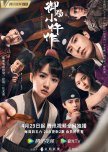
An Accidentally Great Mystery
I went into The Imperial Coroner with absolutely zero expectations. One bored evening, nothing to watch, clicked play on a whim. And then whoops. I got hooked. What I thought would be background noise turned into a full on binge, and I ended up having way more fun than expected.The story unfolds during the Tang Dynasty under Emperor Xuanzong, a time when the court was basically a political tug of war. Eunuchs held alarming power thanks to their control over the imperial guards, emperors were trying to claw authority back, and succession was anything but smooth. All of this historical messiness actually matters, because it fuels the motivations, secrets, and long running grudges that drive the plot forward.
Chu Chu is a young coroner from the quiet corners of Qianzhou who heads to Chang’an to earn her credentials. She is earnest, idealistic, and very serious about dead bodies. Her sharp observations catch the attention of Prince An, Xiao Jinyu, the head of the Three Judicial Offices. What starts as routine casework slowly connects to an old unsolved mystery tied to a missing person from decades earlier, and from there the story snowballs into a conspiracy with roots buried deep in the past.
Despite the title, this drama is not solely Chu Chu’s show. Jinyu is really the mastermind who ties everything together, and the narrative leans heavily on his intelligence and intuition. Some viewers might struggle with Chu Chu’s wide eyed innocence and limited range of expressions, which sometimes clash with how brilliant she is supposed to be.
This is a plot first drama, so most characters are not deeply layered, but they are all competent and useful, which I loved. Jinli and Lengyue handle the physical side of things and bring military and Jianghu knowledge. Jingyi plays investigator, errand runner, and comic relief all at once. The cast is young and a bit green, yet their chemistry is strong enough to carry the show. The real scene stealers, though, are the eunuchs Qin Luan and Sun Mingde. Qin Luan in particular is deliciously clever and manipulative, easily one of the most entertaining characters. He honestly could go toe to toe with any legendary schemer. I also find his obsession with mustache to be quirky, weird, yet oddly hilarious.
One of the drama’s biggest strengths is how it visualizes complex ideas. Autopsies, hidden messages, chess games, riddles, and codes are all presented in ways that are easy to follow without feeling dumbed down. You are not really invited to solve the mysteries yourself, but watching Jinyu unpack each detail is still satisfying. That said, the overarching mystery stumbles near the finish line. While all the threads do come together neatly, the main villain is revealed too early and without much impact. Instead of feeling like a brilliant chess match, it feels like the antagonist suddenly starts making sloppy choices. A character built up as highly intelligent ends up panicking, exposing themselves, and handing over clues that are far too easy to decode. The final stretch lacks tension, and after a certain major reveal involving a witch doctor, everything that follows feels progressively less exciting.
Even with those flaws, I genuinely enjoyed this drama. What started as a boredom watch turned into something clever, charming, and consistently engaging. It is not perfect, but it is one of the stronger plot driven Chinese dramas out there, and well worth your time if you like smart mysteries with a likable team at the center.
Was this review helpful to you?

This review may contain spoilers
Playing Roles Catching Feelings
Xiao Zhi Yu and Hu Xiu first cross paths inside a murder mystery game, where they slip into Republic of China era roles and play out fictional identities and scripted drama. While pretending to be someone else, they slowly become intrigued by who the other person might be outside the game. Fate then steps in and brings them together in real life, blurring the line between performance and reality. As the story moves between the world of the game and their everyday lives, emotions grow, truths surface, and the question becomes whether what starts as pretend can turn into something real.Love Between Lines pulled me in almost immediately, mainly because it looks ridiculously good. From the costumes to the hair and makeup, both leads are visually stunning. Chen Xing Xu in particular looks like he was handcrafted for this role because this is honestly his peak. The architecture featured throughout the drama is beautiful and thoughtfully framed, and everything from the sets to the CGI, if there even is any, screams high budget quality. Even the intro sequence is gorgeous. The color grading, lighting, and overall palette create this warm, inviting atmosphere that makes the drama feel cozy and premium at the same time. Visually, this drama is doing a lot of heavy lifting and doing it well. That said, the OSTs appear a bit too often. They are good songs, but the frequency was excessive and sometimes distracted me from the moment instead of enhancing it.
Going in, I genuinely thought the drama would lean heavily into the murder mystery game setting based on the synopsis and trailers. Surprisingly, the story quickly shifts its focus toward architecture and real life development instead. The dual narrative is still there, but it feels more like a backdrop rather than the main driver. I did not hate this choice, but it did catch me off guard. The pacing, however, is great. The story moves smoothly without dragging, and the gradual unveiling of the characters’ backgrounds kept me hooked. I was especially invested in uncovering their pasts and motivations.
Xiao Zhi Yu starts off extremely aloof and cold, then warms up to Hu Xiu almost instantly. While I loved the soft side of him, I do think the transition could have been handled better with a stronger buildup. Still, once the chemistry kicks in, it really kicks in. Their scenes gave me full fangirl adrenaline. I was screaming, kicking air, and replaying moments because the tension was just that good. I am fully convinced Xiao Zhi Yu fell first, and watching him slowly soften and get jealous was painfully cute. His knight in shining armor behavior did not feel cringe either. Yes, it is cliché, but it was executed in a way that felt comforting rather than embarrassing. As someone perfectly said in an IQIYI comment, this drama is a cliché but not a cliché.
That said, the fate agenda was a bit much. The coincidences stacked on top of each other to the point where I had to suspend disbelief extra hard. Hu Xiu also moved on from her broken engagement surprisingly fast. Being stood up like that should leave deeper emotional scars, yet she was still functioning, smiling, and falling for Xiao Zhi Yu quite quickly. It did not completely ruin the story for me, but it did make her emotional recovery feel a little too convenient.
Lu Yu Xiao continues to shine in roles like this. She is excellent at portraying an innocent, bubbly, slightly clumsy woman with her signature soft voice. Chen Xing Xu, on the other hand, completely won me over. This is the first drama of his that I watched, and he officially made it onto my list of actors I will always keep an eye on. His cold yet gentle gaze, his dependable presence, and the way he looks at Hu Xiu had me swooning nonstop. Yes, I screamed and kicked air multiple times. No shame. Pei Zhen was a fantastic addition. He added tension, humor, and emotional spice to the main couple’s dynamic. His progression from finding Hu Xiu interesting, to using her to annoy Xiao Zhi Yu, to genuinely developing a soft spot for her because of her bluntness and kindness was so enjoyable to watch. I screamed more than once because his sweet moments hit unexpectedly hard.
I also really loved how the female characters are written in this drama. Hu Xiu and Zhao Xiao Rou are both strong, decisive, and unapologetic. Hu Xiu is never afraid to make the first move, hates unclear situations, and prefers taking control rather than waiting around. She has her own values and sticks to them, while still being affectionate and caring. Zhao Xiao Rou is honestly a breath of fresh air. Zhao Xiao Rou and Wang Guang Ming gave me constant anxiety. They looked happy but extremely fragile, like something was always about to go wrong. The calm before the storm vibe was strong, especially with Wang Guang Ming’s interactions with other women. When she realizes her husband is entertaining another woman to secure a project, she processes it and then immediately divorces him. It might not be outright cheating, but his cowardly behavior and willingness to play along made him look weak. I absolutely support Zhao Xiao Rou’s decision and I am very interested in her friendship, possibly more, with Gong Huai Cong. They were adorable. Gong Huai Cong being completely inexperienced at dating while Zhao Xiao Rou confidently takes the lead was such a fun dynamic.
The romance between Hu Xiu and Xiao Zhi Yu is undeniably cute. Xiao Zhi Yu is the mature anchor, while Hu Xiu is clingy and needy, yet they balance work, love, and friendship surprisingly well. The kiss scenes deserve special mention because they were intense in the best way. You can feel the affection, tension, hunger, and emotion. It felt real, almost like watching a mukbang. I also liked that Hu Xiu is usually the one taking initiative, from game rivals to real life colleagues to lovers.
However, this drama is not without its logic holes. When Pei Zhen entered the game, he realistically should have noticed Xiao Zhi Yu’s character, so I was confused about why Hu Xiu still felt the need to warn him. The VR system also did not make sense. The game is supposed to require VR glasses, yet Hu Xiu could see everything clearly without wearing them. These inconsistencies were distracting, especially for a drama that otherwise pays close attention to detail.
Episode 26 was a mixed bag. The fire scene honestly frustrated me. Hu Xiu had zero survival instinct. She regained her consciousness early, yet spent all her time banging on a door she knew would not open. As an architect, she could have assessed escape routes, broken a window, or at least tried something else. Instead, she fully leaned into damsel in distress mode, which was annoying. At this point in the story, I started to dislike Hu Xiu a little. She felt weaker compared to the strong, determined woman we met at the beginning. Thankfully, episodes 27 and 28 pulled me back. She is still career oriented, still ambitious, and still knows when to ask for space to focus on her work. Yes, she remains a bit of a damsel in distress, but I appreciated that her career never disappeared just because she fell in love.
The confrontation between Xiao Zhi Yu and Pei Kang Hua also felt anticlimactic and oddly cringe. Pei Kang Hua had been built up as this dark, intimidating figure, yet when exposed, he came off pathetic and weak. For a revenge subplot, justice came far too easily.
One of my favorite moments was when Xiao Zhi Yu openly respected Hu Xiu as an architect. When he said she is special and capable of succeeding on her own without anyone watching over her, that genuinely gave me butterflies. It felt earned and sincere. I also loved the attention to small details, like the video call scene where the call actually looked like a real call instead of an awkwardly edited phone screen. These little things explain why this drama earned its S+ status.
The final stretch of the drama was pure happiness. I really appreciated getting two full episodes of a happy ending. It gave proper closure and allowed the characters to simply exist in love without chaos. I smiled nonstop, to the point where I kept touching my lips like an idiot while fangirling. The ending was perfectly balanced, not overly dramatic, not painfully realistic, just right. And the epilogue returning to the game setting was the cherry on top.
Overall, Love Between Lines is visually stunning, emotionally satisfying, and filled with well executed clichés that somehow feel fresh. It has flaws, logic gaps, and moments that made me sigh, but it also made my heart flutter more times than I can count. If you enjoy beautiful visuals, strong chemistry, capable women, and romances that make you scream into your pillow, this one is absolutely worth the watch.
Was this review helpful to you?
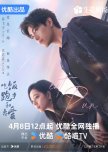
This review may contain spoilers
Eat Run Miscommunicate
Ding Zhi Tong is all about the grind and getting paid, with zero interest in romance until Gan Yang barges into her life with sunshine energy and relentless charm. Despite coming from very different worlds, they fall hard for each other. But reality hits when money problems and social pressure start pulling them apart. Hiding the truth about his family’s failing business, Gan Yang makes the painful choice to end things, leaving Ding Zhi Tong hurt and bitter. Years later, fate brings them back together as accomplished professionals, forcing them to work side by side, face new challenges, and confront the love they never really let go of.Eat Run Love is the kind of drama that constantly puts you on edge. Not the thriller kind, but the emotional kind. You are either smiling like an idiot, sighing deeply, or yelling at your screen asking why everyone refuses to communicate properly.
Story and Vibes
One thing this drama does exceptionally well is atmosphere. The early episodes especially feel cinematic. The airport scene where Ding Zhi Tong and Gan Yang keep almost meeting, the switching of books, the company near miss, the convenience store moment where Gan Yang quietly takes the paper crane she made. All of these almost encounter moments felt intentional and beautifully framed. Add in the split screen scene showing their apartments, their lifestyles, and their similar habits, and it really sells the idea of two people orbiting each other without fully colliding yet. I loved that.
This drama also heavily leans into symbolism and repeated patterns. People leaving as others arrive, missed timing, reflections, and visual metaphors everywhere. Sometimes it works, sometimes it makes you laugh unintentionally. Like in episode 17, after Gan Yang sees Ding Zhi Tong in a wedding dress and hears she loves Feng Sheng, we suddenly get his reflection in a broken mirror. Where did that mirror come from. They were literally in a wedding dress shop. I was confused and amused at the same time.
Ding Zhi Tong as a Female Lead
I really love Ding Zhi Tong as a character. She is career driven, money focused, and very clear about her priorities. Even though I do think it was love at first sight for her too, she never lets romance derail her goals. She is not a love fool and I respect that deeply. She knows what it means to struggle financially and she refuses to romanticize poverty. Honestly, I relate to her a lot, which is probably why I defend her even when she frustrates me.
I know some viewers find her annoying or cold, but I understand where she is coming from. Money ruined her relationships with her own blood relatives, so growing up, she learned to rely only on herself. To her, money is not just money. It is something that can destroy bonds. That fear informs almost every decision she makes. That said, she does have flaws. One big issue is her tendency to stereotype situations. After hearing her coworker’s long distance relationship horror story, she immediately assumes the same will happen to her and Gan Yang. Same with money. Since money ruined her family, she assumes it will inevitably ruin her romantic relationship too. It is understandable, but still frustrating to watch.
Gan Yang and the Relationship Dynamic
Gan Yang, coming from much stronger financial footing, is generally mature and sensitive in how he treats Ding Zhi Tong. He tries to understand her frugal habits, never mocks them, and quietly supports her without pressuring her. I appreciated how patient he was, especially early on. However, his biggest flaw is his obsession with not wanting to burden her. This mindset singlehandedly destroys their relationship. His refusal to include her in his hardships is not selfless. It is selfish. By hiding his struggles, he robs Ding Zhi Tong of the chance to understand him, support him, and appreciate his sincerity. Their breakup could have been completely avoided if both of them were just honest. Ding Zhi Tong constantly talks about herself and misses obvious signs that something is wrong with Gan Yang. Gan Yang, meanwhile, keeps choosing silence over trust. Watching this unfold was incredibly frustrating.
The Infamous Apartment Argument
The argument over the apartment is one of the most frustrating yet realistic moments in the drama. Ding Zhi Tong annoyed me so much here. I understand her trauma. I really do. But she refused to explain her reasons, refused to listen, and shut Gan Yang down immediately. Gan Yang was also bad at handling this. Saying he just wants the best for her and that money is not an issue is the worst possible explanation for someone as frugal as Ding Zhi Tong. That only made her feel more pressured. Both of them were trying to protect each other, and in doing so, completely failed at communicating. Ding Zhi Tong wants to present the best version of herself to Gan Yang. Gan Yang hides his efforts so she does not feel burdened. The result is mutual misunderstanding and resentment.
Editing, Logic, and Production Issues
This drama unfortunately has quite a few technical misses. There are editing issues, like in episode 3 during Ding Zhi Tong’s video call with Gan Yang. Some transitions felt awkward and unfinished. The story sequence also suffers from logical jumps. One moment Ding Zhi Tong is back at her dorm holding flowers, then suddenly they are picking plums with no clear transition. Later, they go from eating fried rice in the city to stargazing on a hill that looks like it is back in the mountains. The lack of spatial continuity was very noticeable.
Set mistakes were also distracting. Ding Zhi Tong’s room in her Shanghai apartment with Gan Yang and her own Shanghai apartment is clearly the same set. In the airport scene where Gan Yang chases after her, you can clearly see people filming him with their phones. Also, I am still confused about how they lived in the same apartment complex but somehow did not realize their apartments face each other until much later. And please explain to me why Gan Yang is driving a Porsche while accepting financial help from friends and even investors’ personal savings. Sir, sell the car first.
Acting and Emotional Payoff
Zhuang Da Fei did a great job, especially in emotional scenes. Her crying in episode 16 felt raw and real. She did not shy away from looking messy, pale, and broken, and that made it convincing. Chen Fei Yu, on the other hand, disappointed me in emotional scenes. He is great at acting aloof and in love, but when it comes to sadness, guilt, or heartbreak, his expressions felt bland. The breakup scene should have been devastating, but his lack of emotional intensity made it fall flat.
This problem becomes even more obvious in episode 26 when Gan Yang finds out what Ding Zhi Tong went through after their breakup. That should have been a gut punch. Instead, his reaction felt so muted that it unintentionally minimized her tragedy. I did not feel guilt, devastation, or regret from him, and that was a huge letdown. Also, Ding Zhi Tong’s mother’s death made absolutely no sense. She tripped, did not hit her head, did not struggle, and just died. That was pure nonsense.
Post Breakup Tension and Second Chances
Episode 18 or 19 had me yelling at my screen when Ding Zhi Tong almost touched Gan Yang’s face while he was asleep. GIRL. Why did you fold so easily. I know first love is powerful, but after what he did, that felt too soon. Then his secretary tells him about it and he smiles and suddenly wants to investigate her life in Hong Kong. I was so annoyed. But then episode 19 redeemed Ding Zhi Tong for me. When Gan Yang confronts her about still having feelings and she shuts him down by saying she did everything for the Trainer Box deal, that was satisfying. I loved that she did not soften up easily. Learning that her mother died shortly after the breakup made everything hurt more. Being abandoned by someone you love during the hardest period of your life, even unknowingly, is devastating. At that point, I genuinely thought she deserved someone new. Which is why the tiny part of me enjoyed Wang Shen showing interest in her. I honestly wish we got more of that dynamic.
Second Couple and Side Stories
The second couple, Ming Mei and Mr. Qin, really needed more backstory. The buildup was not strong enough to justify him waiting six years and proposing even after knowing about her illness. On the flip side, I appreciated that Ming Mei married someone else in the US. Six years is a long time and waiting without promises is unrealistic.
Late Episodes and Final Thoughts
Episode 23 did a great job playing with expectations. Just when I thought they were reconciling, Ding Zhi Tong pulls back and suggests being friends instead. Her conversation with her best friend made it painfully clear why. She does not have the courage to go through that kind of loss again. Episode 26 almost lost me with that sudden make out scene. It escalated so fast I was ready to skip. Thankfully, she stopped it before it went further. The last few episodes were honestly too cringe for my taste, so I skipped through some scenes. That said, I appreciate that the ending gave closure to everyone.
Final Verdict
Eat Run Love constantly pushes you to the brink of frustration, then pulls you back with emotional payoff. It is flawed, messy, and sometimes illogical, but it also captures the fear of loving when money, trauma, and pride are involved. Ding Zhi Tong remains one of the most headstrong and divisive female leads, and I genuinely loved that she made it hard for Gan Yang to earn his way back. Watch this if you enjoy slow burn romance, flawed characters, and yelling at your screen while still being weirdly invested.
Was this review helpful to you?
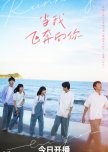
Eyes Locked, Hearts Stolen
In the fall of 2012, Su Zai Zai spots the mysterious Zhang Lu Rang at a convenience store. Their eyes meet, and though no words are exchanged, she’s instantly hooked. When she discovers they attend Yucai High School, she decides to pursue him, sparking the beginning of something special. On the surface, Zhang Lu Rang seems to have it all, top grades, a privileged life, but behind the scenes, he struggles with self-doubt and lives in the shadow of his genius younger brother. His quiet, controlled world starts to open up thanks to Su Zai Zai’s cheerful energy and their circle of friends Gu Ran, Guan Fang, and Jiang Jia. Together, they chase dreams, support each other, and navigate the messy, sweet chaos of first love, proving that sometimes the right people can help you find your true self.When I Fly Towards You is a warm, nostalgic trip back to the highs, lows, and secondhand embarrassment of teenage love. From the very first scenes and credits, I was hooked. The retro, sentimental vibe immediately sets the tone for a story that’s as charming as it is heartwarming.
The drama kicks off with Su Zai Zai spotting the aloof Zhang Lu Rang at a convenience store. No words are exchanged, but the sparks fly. Once she finds out they go to the same Yucai High School, she goes full-on pursuit mode. Su Zai Zai can be a bit cringey at times—hello, secondhand embarrassment—but it’s endearing and very much part of the charm. Her puppy-like persistence slowly grows on you, especially as we see how genuinely wise and caring she is beneath all the chatter. She’s practically a psychologist with how effortlessly she comforts others, uses the right words, and even melts Zhang Lu Rang’s icy exterior. What surprised me is how much her character grows on you. Despite her endless yapping and puppy-love antics for Zhang Lu Rang, she’s actually wise, thoughtful, and remarkably positive. I expected her to be hard-headed, maybe even force her way into East China University just to be near him, but instead she listened to Mr. Lin’s advice, applied to another university as a backup, and worked hard to maintain her grades so she could still attend the same university as Zhang Lu Rang. Her mix of determination, maturity, and optimism makes her much more than a silly, love-struck heroine. She’s genuinely lovable and surprisingly relatable.
Speaking of him, Zhang Lu Rang is a breath of fresh air. Unlike the typical aloof, cold male leads who push the heroine away, he’s approachable, attentive, and quietly kind. He never gets annoyed with Su Zai Zai’s schemes, corrects misunderstandings when necessary, and doesn’t mind her being around. Watching him smirk at her antics? Embarrassing for Su Zai Zai, but absolutely adorable. His eventual confession and taking the lead in their relationship gave me literal flutters. The “she fell first, he fell harder” dynamic works so well here, and seeing their cozy, hand-holding moments is just heart-melting.
The drama also shines because it doesn’t focus solely on the main couple. The ensemble cast, including Gu Ran, Jiang Jia, and Guan Fang, gets ample screen time and development. Gu Ran’s mix of playful bickering and genuine, heartfelt moments makes him irresistible. His subtle confession to Jiang Jia and unwavering support for her shows a maturity that’s both swoon-worthy and realistic. Jiang Jia’s arc had its ups and downs, though I found her plot twist in episode 23 a bit anticlimactic. Guan Fang, on the other hand, is hilariously the fifth wheel in the friend group, and I can’t help but feel for him.
The drama is light and easy to watch, but it’s the little details that make it memorable. I couldn’t stop noticing small gestures, like Zhang Lu Rang casually handing Su Zai Zai a bottle of water. A tiny scene continuity issue aside, moments like this highlight his growing warmth and subtle affection. Even the ending felt slightly rushed, leaving me wishing for just a few more cozy, lingering scenes.
Overall, When I Fly Towards You is a sweet, nostalgic ride full of heart-fluttering romance, quirky friendships, and genuine character growth. It’s a drama that makes you laugh, cringe a little, and then sigh happily at the warmth of it all. Perfect for anyone who loves first love done right, a realistic aloof male lead, and a friend group that feels like your own.
Was this review helpful to you?
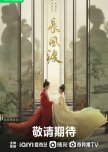
A Cinderella Story with Ledgers, Love, and War
Destined begins as a marriage born from misunderstanding, but slowly unfolds into a story about growth, partnership, and finding warmth in the most unexpected places. While the drama stumbles in its political ambitions, its emotional core and character relationships make it a rewarding watch.Liu Yu Ru is the legitimate daughter of a once-prosperous cloth merchant, yet her life is anything but comfortable. Trapped in a household that treats her and her mother as burdens rather than family, she survives through quiet endurance. A single misunderstanding alters her fate when she is suddenly married off to Gu Jiu Si, the infamous, pleasure-seeking son of Yangzhou’s wealthiest family, known more for indulgence than responsibility. Their marriage begins on shaky ground. Gu Jiu Si assumes Liu Yu Ru is calculating, while Liu Yu Ru braces herself for yet another life defined by patience and restraint. However, upon entering the Gu household, she is met not with cruelty, but warmth. Under the guidance of her gracious mother-in-law, she begins learning business, and over time, the emotional distance between husband and wife slowly dissolves. Just as their bond begins to bloom, war and political unrest descend upon Yangzhou. The Commissioner’s reign of terror forces the Gu family into unimaginable hardship, and through loss, chaos, and sacrifice, Liu Yu Ru and Gu Jiu Si transform from reluctant partners into devoted companions, proving that destiny is often forged through adversity.
Visually, Destined is a pleasure to watch. The sets are well-rendered and effective in showcasing the Gu family’s immense wealth and influence, while also emphasizing Liu Yu Ru’s Cinderella-like journey. Watching her rise from a mistreated daughter to a woman who seemingly “hit the jackpot” is deeply satisfying. What stood out most was the contrast between the Liu and Gu households. Where the Liu family felt cold and oppressive, the Gu family was warm, humble, and kind despite their riches. Every member of the Gu family felt genuinely likable, adding a comforting and familial atmosphere to the story.
At its heart, Destined thrives on the relationship between Liu Yu Ru and Gu Jiu Si. Their dynamic develops naturally, moving from petty tricks and misunderstandings to genuine partnership and trust. I loved the subtle storytelling choices, such as how the physical space between them while sleeping gradually closes, mirroring their emotional closeness. Gu Jiu Si’s attentiveness whenever his wife wants to speak is quietly endearing, and their relationship feels layered and realistic. They are friends, partners, lovers, and family all at once, bickering in one moment and fiercely caring in the next.
One of Destined’s strongest points is its lead performances, especially Bai Jing Ting as Gu Jiu Si. He delivers an outstanding portrayal, capturing Gu Jiu Si’s evolution from a mischievous and immature rich boy into a more grounded and responsible man. His comedic expressions are perfectly timed, never excessive, and blend seamlessly with the female lead’s softer, more naive demeanor. Episode 14 stands out as a turning point. Bai Jing Ting’s expressions during the traumatic events left a lasting impact, and the deaths of major ensemble characters were heartbreaking yet realistic. While it was painful to lose them early, their absence added emotional weight and consequence to the story.
However, the drama faltered when it came to its antagonists. The villains, especially Luo Zishang, felt randomly inserted into the story. His entrances lacked impact, his disappearances were frequent, and his role as a major antagonist never felt fully realized. His backstory was confusing, his motivations underdeveloped, and his supposed fixation on Liu Yu Ru was unconvincing given their limited childhood interactions.
The political plot toward the later episodes felt unnecessary and padded, as though new conflicts were introduced simply to fill the episode count. There were noticeable plot holes, particularly surrounding Luo Zishang’s family background and Emperor Fan’s rise to power. Emperor Fan’s sudden transformation from a hardened war figure into a frail, near-death ruler was unintentionally amusing rather than dramatic. Another weak point was the repetitive “starting from the bottom” trope. While their initial sacrifice made sense, repeatedly giving up all their assets felt unrealistic and increasingly cringey. The drama also made earning money seem far too easy, which undermined the gravity of those sacrifices.
The vow renewal and shared cup scene between Gu Jiu Si and Liu Yu Ru was visually beautiful, though it could have been more emotionally impactful. The ending itself was satisfying, with characters receiving what they deserved, but the sequence could have been stronger. Personally, I would have preferred the Gu family’s conclusion to be shown last for a more emotionally resonant finish.
Despite its flaws, Destined remains a heartfelt drama with a strong central romance, excellent performances, and a warm family dynamic. While the political elements were messy, the emotional core of the story carried the drama through and made it a memorable watch.
Was this review helpful to you?
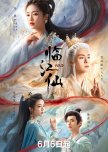
I Was Ready to Hate This Drama, Until I Didn’t
In a mesmerizing, fairytale-like realm, Li Qing Yue, a powerful immortal favored by the Four Spirits, crosses paths with Bai Jiu Si, the highly respected master of Dacheng. A tragic misunderstanding drives them into a painful conflict that ultimately leads to their deaths. Yet fate is unwilling to let their story end there. Given a second chance at life, they confront their past, repair their fractured bond, and reunite as allies. Together, they stand as protectors of the innocent, facing a growing threat that endangers the world.As someone who hates misunderstanding and memory loss plots, I was shocked to find myself watching this nonstop in one sitting. Feud is a drama driven by a major misunderstanding, with revenge, justice, memory loss, and compassion as supporting themes. Honestly, I thought I was going to hate this drama, but I was proven wrong. I was completely engrossed and hooked, eager to see how the story would unfold, and that is thanks to the strong storyline.
I believe the charm of this drama lies in the way viewers experience everything alongside the characters. This is a drama that takes you on a journey and places you in a state of understanding similar to that of the characters themselves. You will misunderstand, then feel guilty for misunderstanding. You will trust, then feel betrayed. Essentially, you go through exactly what the characters go through. The drama follows a recurring formula of one point of view, the consequences that follow, revenge, the truth being revealed, and then another set of consequences. It is surprising that this repeated structure never became tiring. Instead, it kept me seated and fully invested. Although the story becomes a bit chaotic toward the end, overall it was well written and well paced. The misunderstanding and memory loss plots that I usually dread were handled so smoothly that they never made me feel exhausted.
I had a genuinely fun experience watching this drama. At first, I questioned whether Hua Ru Yue’s motives toward Bai Jiu Si were strong enough to justify her hatred and determination for revenge. Then, after seeing what truly happened, I began to sympathize with her. Soon after, I was shown Bai Jiu Si’s point of view and found myself sympathizing with him as well. Experiencing the emotional shifts alongside the characters was incredibly engaging. Despite my positive experience, the drama is not without its flaws.
One major pet peeve of mine is the use of comedy. Given how heavy the storyline is, the comedic choices often felt unsuitable. The use of exaggerated sound effects to highlight certain moments, such as Zhang Suan’s heartbreak, felt forced and out of place. Additionally, the music arrangement was awkward at times. There were moments when the background music would abruptly stop just to emphasize a comedic beat, which disrupted the immersion. Overall, the comedy felt unnatural and did not blend well with the emotional depth of the story. Fortunately, the comedic elements within the script itself were generally acceptable.
Bai Lu’s dual performance as Li Qing Yue and Hua Ru Yue was outstanding. As expected of her, she brought both characters to life beautifully. Her expressions were top tier. I cried when she cried and smiled when she smiled. For Li Qing Yue, I did feel that her early costumes as a gate guard did not quite match Bai Lu’s naturally elegant and mature visuals. However, this did not affect my overall experience and was simply a minor observation. Aside from that, Bai Lu’s visuals, aura, and expressions were perfectly suited for both characters, and the contrast between them was very clear. She also excelled at portraying Hua Ru Yue’s complex emotions through subtle expressions and body language, especially in the later episodes when her feelings toward Bai Jiu Si became increasingly conflicted.
Joseph Zeng’s portrayal of Bai Jiu Si was very appealing. His visuals were striking. He brought the aloof and reserved Bai Jiu Si to life convincingly, although I personally found the white hair somewhat unfitting for his youthful face. Joseph Zeng’s eyes and lips naturally carry a sense of sadness and longing, which suited his character well. While I do not vividly remember every expression, I believe his overall performance was strong. His portrayal during Bai Jiu Si’s memory loss arc left a particularly deep impression on me, as it showed a complete shift in personality. This contrast convinced me that Joseph Zeng truly understood and nailed the role, as he successfully depicted Bai Jiu Si across all stages of his character development.
The chemistry between Bai Lu and Joseph Zeng was excellent. It is clear that they are comfortable with each other, likely due to their real-life friendship. Visually, they complement each other very well. Bai Jiu Si’s chemistry with both Li Qing Yue and Hua Ru Yue felt natural and convincing. Their characters were well written, and the depth of their love and hatred felt justified and emotionally grounded.
The ensemble cast was also memorable. All the actors performed well in their respective roles. The side characters surrounding Bai Jiu Si, Li Qing Yue, and Hua Ru Yue left a strong impression. I grew fond of Li Mo, Cang Tu, Ning Yan, Yin Tong Zi, and Fan Ling Er and found myself rooting for them. However, Long Yuan consistently annoyed me, as he seemed to embody impulsive rage and unchecked anger. Unlike some ensemble characters whose arcs evolve over time, my frustration with him remained until the very end.
One aspect that could have been handled better, though it did not significantly affect my overall experience, was the ending. I found the use of the time artifact, as well as Bai Jiu Si and Hua Ru Yue’s reunion, confusing. I did not fully understand how Hua Ru Yue’s first attempt at using the time artifact differed from her next attempt. I have a general idea, but I am not confident in my interpretation. Additionally, I am unclear about why Bai Jiu Si was inside the frozen water. While the ending left me with many questions, it ultimately did not diminish my enjoyment of the drama.
Overall, Feud surprised me in the best way possible. Despite relying heavily on tropes I usually dislike, it managed to deliver an emotionally immersive experience through strong writing, compelling character perspectives, and excellent performances. While it has its flaws, particularly in its use of comedy and a somewhat confusing ending, the drama’s ability to make viewers feel, question, and empathize alongside its characters is what truly sets it apart. Feud is not a perfect drama, but it is a memorable and engaging one that proves even the most overused tropes can shine when executed with care and depth.
Was this review helpful to you?
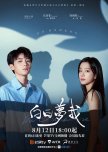
Not Perfect, but Felt Real
After her parents’ divorce, Lin Yu Jing is forced to start over in a new city, where she crosses paths with the aloof and hot-tempered Shen Juan. Though circumstances pull them apart, fate brings them together again in university. Supported by her stepfamily and friends, Lin Yu Jing grows into her new life, while Shen Juan confronts his lingering family trauma and begins to heal—with her by his side. Along the way, both learn to move forward and find their own paths.This was the first Chinese drama I’ve ever watched, and I started it after seeing a clip of Lin Yu Jing and Shen Juan’s first meeting on the street. As a K-pop and K-drama lover, that two main leads immediately reminded me of Winter from aespa and Beomgyu from TXT. On top of their similar visuals, the overall mood of the scene gave off a “good girl, bad boy” angsty vibe, which instantly piqued my interest.
Once I started the drama, I was immediately hooked and ended up binge-watching all of it in just two days. The story was not as simple or cliché as I initially expected. It explored various forms of trauma and numerous issues faced by the characters, including family problems, loss, betrayal, jealousy, loneliness, and more. Within 30 episodes, these themes were packed especially well into the first half of the drama, effectively building curiosity about what really happened.
The first half also did a great job establishing the dynamics between Lin Yu Jing, Shen Juan, Wang Yi Yang, and He Song Nan as they faced challenges together. Alongside their friendship, the romance between Lin Yu Jing and Shen Juan was introduced. Since they were still in high school and likely each other’s first love, their relationship developed subtly and slowly. It felt like a friendship sprinkled with heart-fluttering moments. During this time, He Song Nan acted like their love sidekick, while Wang Yi Yang remained completely clueless.
After the happy moments came the first storm. Lin Yu Jing was forced by her mother to return to her hometown to finish high school. I was frustrated by the separation and angry at her mother for being so controlling. Thankfully, this phase passed quickly before it became too exhausting. I was happy to see Lin Yu Jing’s firm decision to return to Puheung and reunite with everyone. Her reunion with Shen Juan was even cuter — watching them transition from friends to lovers, learn to trust each other, and maintain a sense of innocence in their relationship was genuinely heartwarming.
Unfortunately, the story and pacing began to falter in the second half of the drama, especially after Lin Yu Jing’s mother arrived in the city. The plot became a repetitive cycle of problem, revelation, and solution, which quickly became tiring. Everything also felt messy and all over the place, making this a drama best watched in one sitting so details aren’t forgotten.
The introduction of whales near the ending also felt abrupt. While they were meant to symbolize freedom, Lin Yu Jing suddenly drawing them felt random and hard to connect with emotionally. Additionally, the plot involving Nie Xing He and the uncle became confusing in the latter half. For such a serious issue, its resolution felt rushed and anticlimactic.
One thing I truly disliked was the ending. It felt incomplete, as if the writer simply forgot to write a proper conclusion. I actually swore when I realized that was how the drama ended. Fortunately, the special episode provided some closure, though not much. It felt realistic — so realistic that it left me feeling bittersweet. It reflected how high school can be the happiest, most carefree time of life, followed by college, where life-altering decisions begin, and then adulthood, where everyone walks their own path and goodbyes become inevitable. Still, the message that everything will eventually be okay and goodbyes are just a step towards a better reunion left me in a melancholic mood.
Sabrina Zhuang did a good job portraying Lin Yu Jing. She embodied an intelligent, cool-girl aura that suited the character well. Expression-wise, she mostly maintained a straight or smiling face, which worked given Lin Yu Jing’s calm charisma and blend of tomboyish and feminine traits. While her outfits were cute, her hairstyle and makeup were underwhelming. The only look that really stood out was when she wore a ponytail with a denim-on-denim sleeveless outfit at Shen Juan’s basketball match. Her red lipstick often made her look older and occasionally reminded me of her mother. I also found it distracting when her eyes appeared under different lighting compared to the rest of her face in later episodes.
Zhou Yi Ran was excellent as Shen Juan, especially in terms of expressions. I did find his messy “bird’s nest” hairstyle annoying, though I expected a change when he entered college — unfortunately, it stayed mostly the same. That aside, Shen Juan’s character was well-written. His unexpected talents, like shooting, along with his growth from being hot-tempered to more patient, made him very appealing.
Apart from the friendship and romance in this drama, I really enjoyed seeing Lin Yu Jing and Fu Ming Xiu’s sibling chemistry. Despite being step-siblings with no blood relation, they come across as each other’s most reliable family member. Although they had a rough start, their bond and care for one another gradually grew over time, which I found very heartwarming.
What I particularly appreciated was the drama’s commitment to realism. Every character’s choices felt grounded and personal. Unlike many dramas, love and friendship were not the sole driving forces behind major life decisions. Instead, each character chose what they believed was best for themselves. The monologues at the end of each episode were also effective in helping me better understand Lin Yu Jing and Shen Juan’s thoughts and emotions.
Overall, this drama was entertaining despite its flaws. While the second half and ending were far from perfect, the strong first half, realistic character portrayals, and emotionally grounded relationships made the journey worthwhile. It’s a drama that captures the bittersweet process of growing up—learning to love, letting go, making difficult choices, and moving forward even when things don’t turn out as expected. As my first Chinese drama, it set a good starting point, reminding me that sometimes a story doesn’t have to be perfect to feel real and memorable.
Was this review helpful to you?
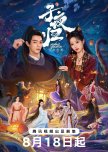
Purr-fect Vibes, Not-So-Purr-fect Pacing
Wu Zhen is a notorious playgirl in Chang’an, born into power as the Duke of Henan’s daughter and the Empress’s sister. Known for wearing men’s clothes and causing trouble with other nobles, she hides a secret: she can see spirits. After surviving a near-death accident, she inherits demonic powers and becomes the new Cat Master, secretly ruling Chang’an’s hidden Demon City and keeping supernatural beings in check. Mei Zhu Yu is a Taoist prodigy who also sees spirits. Raised in a Taoist temple, he quietly becomes one of the most powerful Daoists of his time. Though he keeps a low profile, he serves as Wu Zhen’s most reliable ally. Together, they form an unexpected but balanced pair, navigating a world where humans and spirits coexist, blending mystery, romance, and lighthearted moments as they protect the unseen realm.I was a bit overwhelmed when I first read the plot, but I decided to give it a try anyway because of Tian Xi Wei and Xu Kai (and also because I was bored and didn’t know what to watch). The story was confusing at first, especially with Wu Zhen’s double life and the whole demon–human world setting. However, as I continued watching, I found myself enjoying it. Since the story felt unfamiliar to me, I was curious and kept anticipating how everything would unfold.
Overall, I think the script was decent, but the pacing was uneven. Just when things started to pick up, the story would suddenly slow down. Some moments felt like they were building toward big revelations, only for them to fall a bit flat. It didn’t completely ruin my viewing experience, but better pacing would have made the drama stronger. The ending also felt a bit rushed for my taste, and it wasn’t as climactic as I expected.
One thing I really liked about this drama was the set design. It gives off strong Halloween vibes, especially in the demon world. Unlike the usual dark and ominous demon realms in Chinese dramas, this one feels quirky, peculiar, and even cute, with a comedic touch. It reminded me of an old-school Disney Halloween set—slightly theatrical and very nostalgic. The costumes and makeup in the demon world also fit the overall vibe perfectly. The human world sets were beautifully done as well. Wu Zhen’s house was especially memorable, and the palace set with the tree surrounded by shallow water was visually striking.
Tian Xi Wei and Xu Kai were purr-fect for the kitty vibe of this drama! One of the main reasons I was drawn to it was their striking visuals, especially how cat-like they appeared. I truly can’t imagine a better actress to play Wu Zhen than Tian Xi Wei. She was a total femme fatale in this role. She perfectly captured Wu Zhen’s cat-like beauty, charisma, femininity, allure, playfulness, and flirtatiousness. Through this drama, Tian Xi Wei became Wu Zhen. On top of that, Wu Zhen was a well-written character, and Tian Xi Wei added even more depth through her expressive acting. She really left a lasting impression on me.
Unlike Wu Zhen, Mei Zhu Yu’s character felt underwritten. He came across as bland and didn’t leave much of an impact—if not for Xu Kai’s visuals, he might have been forgettable. I’m not sure whether this was due to weak writing or Xu Kai’s limited expressions, but the character just didn’t stand out. Mei Zhu Yu was simply… there. Without Wu Zhen steering the story, I might even forget he existed. The chemistry also felt off. At times, I could see it, but other times it felt like Wu Zhen was in love with a statue. I also didn’t understand why there were so many secrets between them, especially when they were about to get married. I understand Wu Zhen hiding her identity because of her responsibilities, but Mei Zhu Yu’s secrecy made little sense to me.
I actually found the ensemble cast and their dynamics more entertaining. Their relationships with one another—and with the main characters—were fun to watch, whether it was love-hate, rivalry, or loyalty. While the drama didn’t have many fight scenes, the ones it did have felt grand. Combined with the music, they really elevated the excitement.
All in all, despite its flaws, the drama was entertaining enough for me to give it a 7/10. Tian Xi Wei truly stood out as Wu Zhen, and the drama’s Halloween-like vibe is definitely something to look forward to.
Was this review helpful to you?
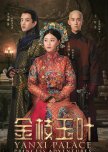
A Shadow of Its Former Glory: When the Spin-Off Fails to Deliver
Yanxi Palace: Princess Adventures tells the story of a resolute Qing dynasty princess who faces palace conspiracies and a family vendetta while navigating the perils of love. Like its predecessor, the drama revolves around revenge, harem intrigues, and romance.Despite featuring the original cast, OSTs, and high production values, Yanxi Palace: Princess Adventures fails to live up to the original series, mainly due to weak writing, uneven acting, and flawed execution. The story begins with Princess Zhao Hua attempting to win over the aloof Prince Lhawang Dorji, aided by Fuheng's son, Fu Kang An, who harbors his own personal vendetta. To be fair, the spin-off consists of only six episodes, but I still wish the writing and pacing had been stronger to make the most of the limited runtime.
The story feels immature, and the pacing is rushed, jumping abruptly from hate and indifference to love and sympathy. Character development often feels jumbled and questionable, while the over-the-top camera shots and dramatic effects, intended to create intensity, instead made me chuckle.
While the original cast delivers solid performances, some of the younger actors were less convincing. Rain Wang and Xu Xiao Nuo, playing Princess Zhao Hua and Princess Si Wan, did well portraying their characters, and Wang Yi Zhe was competent as Fu Kang An. Unfortunately, poor writing sometimes made Fu Kang An’s character remind me of Eunuch Yuan, which was unintentionally cringeworthy. Worst of all was Wang Yu Wei as Prince Lhawang Dorji—his expressions were stiff and unnatural, with certain scenes, like his “surprised” reactions, unintentionally funny.
If you loved Story of Yanxi Palace, it’s best to stop there. If you decide to watch this spin-off, do so at your own discretion. I recommend watching it at a faster speed while having a meal and not overthinking the plot.
Was this review helpful to you?
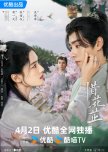
When Women Lead: The Inspiring Story of Blossoms in Adversity
A tragedy strikes the Hua family where the men were sent to exile and their properties confiscated, leaving the women and children struggling to survive. Hua Zhi, the brave and intelligent young lady of the family steps up to lead them in overcoming and bouncing back from adversity, eventually freeing the men and rebuilding the Hua family's honor. Along the journey, she meets Gu Yan Xi, Commander of the Security Bureau. As they spend time together, love blossoms and they become each other's greatest allies.Blossoms in Adversity is a drama that explores themes of hope, family, love, friendship, gender inequality, business acumen, politics, and even disability. It presents an inspiring story centered on the struggles of women who are forced to step up and take control of their family in the absence of adult male family members. The drama highlights how deeply women relied on men during that period.
The narrative critiques the patriarchal ideology that portrays women as weak or incapable without male presence. This is evident at the beginning of the drama, when the women of the Hua family feel utterly hopeless after their husbands are sent into exile. Believing they have no reason to continue living, some even contemplate suicide. Beyond the Hua family, society also views them as vulnerable due to the absence of men, as shown by people attempting to deceive them and seize what little wealth they have left. It is particularly ironic that the Hua women initially doubt Hua Zhi when she offers to lead the family, yet place their trust in outsiders solely because they are men. This reflects the internalized patriarchal beliefs held by the women themselves. It is frustrating to witness how women come to perceive themselves as less capable than men, despite their own potential and resilience.
Although it was frustrating to see how the women of the Hua family acted at the beginning, there is no doubt that the family shares a close-knit bond. They prioritize family above everything else, including wealth. They are considerate of one another’s feelings and communicate openly. Despite their initial arrogance and differing personalities, the Hua family eventually becomes a compassionate household that is courteous, polite, and respectful toward others. It is especially moving to see the Hua family grant their servants freedom, as well as how the common people come to treat them with sincerity and respect as the story progresses.
I found myself deeply moved by both the emotional triumphs and struggles of this flawed yet endearing family and their servants. On more than one occasion, the story brought me to tears. I was particularly struck by the funeral of a supporting character, made even more powerful by the appearance of an unexpected but significant figure. Throughout the drama, I frequently smiled and celebrated the family’s hard-earned achievements. Despite the family’s harsh circumstances, Blossoms in Adversity ultimately tells a story of hope, illustrating how different women define hope in diverse ways—through independence, divorce, marriage, and love, even when these paths are imperfect and far from ideal.
On top of everything, it was especially inspiring to see the ways in which Hua Zhi led the family to bounce back from adversity—the way she saw opportunities in the simplest of things, the way she encouraged the women and children of the family to participate and work together, and the way she, as a young lady, stepped up to conduct business with experienced businessmen. Everything she did was inspiring. She volunteered to bear all the burden on her small shoulders and took on the role traditionally held by men in leading the family.
Casting Zhang Jin Yi as Hua Zhi was an excellent choice. She brings the youthful yet charismatic charm that perfectly suits the character. Hua Zhi embodies a heroic figure, exemplifying perseverance, steadfast integrity, and diligence. However, as the character with the least amount of growth, she is not without flaws. Her sharp tongue toward the emperor, for instance, brought her family their second adversary.
Zhang Jin Yi truly brought Hua Zhi to life. Her expressive eyes, petite frame, and sharp features perfectly captured the determined young woman Hua Zhi was. Unlike other members of the Hua family, who grew up pampered and spoiled, Hua Zhi possesses a feminine yet tomboyish charm—something Zhang Jin Yi portrayed impressively throughout the series. Her simple, light-colored costumes and makeup further enhanced the character, demonstrating careful attention to detail. I particularly liked the white bracelet Hua Zhi wore; it felt fitting for a young woman who almost singlehandedly restored the Hua family to prosperity.
Another character who grew on me—almost surprisingly—was Gu Yan Xi. As the Commander of the Security Bureau and nephew of the emperor, Gu Yan Xi is intelligent, charismatic, vigilant, and highly skilled in combat, particularly hand-to-hand fighting, which is uncommon in Chinese costume dramas that typically emphasize swordplay.
Hu Yi Tian was excellent in the role. Although his stoic expression left me unimpressed at first, I was gradually won over as it grew on me over time. His tall, fit physique perfectly suits the character of Gu Yan Xi, and his curly hair tied into a ponytail, combined with his puppy-like eyes, adds a soft, almost endearing touch to an otherwise formidable character. I blushed when I saw his large hand gently cover Zhang Jin Yi’s back during their kiss. Despite his stoicism, the chemistry between Gu Yan Xi and Hua Zhi was cute, mature, peaceful, and healthy, making me want to root for them.
Aside from the main characters, the ensemble cast also left a lasting impression on me. I couldn’t help but feel what they were going through, and they made me want to root for them as well. Among them, Shao Yao, Gu Yan Xi's sister, played by Lu Yu Xiao, stood out. Lu Yu Xiao did an excellent job portraying the young, innocent, naive, yet intelligent Shao Yao, who lives with a disability after experiencing trauma.
Apart from the story and characters, the OSTs also played a significant role in the drama. Lonely Flower Amidst Thorns by Curley Gao often accompanies scenes where the family works together toward triumphs, evoking heartfelt joy. Night and Day by Liu Zhijia and Baby.J also left a lasting impression. Additionally, the OST Cloudy Green by Zhang Yunjia and Zhang Lejia, which plays at the end of the episodes, is so cute! It adds a warm, familial touch to the drama.
That is not to say that this drama is without flaws. One of my biggest production gripes was the overuse of dramatic sound effects. Every time a character said something impactful, an exaggerated echo would play, which felt cheesy and distracting rather than enhancing the scene. Similarly, the show occasionally froze the frame on multiple characters’ faces during climactic moments, as if turning them into still photographs for dramatic effect—another choice that came off as overly theatrical.
Overall, Blossoms in Adversity is a captivating and heartfelt drama that leaves a lasting impression. Despite some over-the-top production choices, the story, characters, and performances shine brilliantly. The journey of Hua Zhi and her family is both inspiring and emotionally resonant, showcasing resilience, love, and hope in the face of immense adversity. The chemistry between the main characters, the depth of the ensemble cast, and the thoughtfully chosen OSTs all contribute to making the drama a rich and immersive experience. At its core, Blossoms in Adversity is a celebration of courage, family bonds, and the quiet yet powerful ways women can lead, support, and transform their world—even in a society that often underestimates them. It is a drama that moves, entertains, and inspires long after the final episode ends.
Was this review helpful to you?
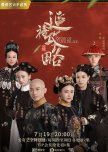
Behold! The Mother of Revenge Has Entered the Palace!
Story of Yanxi Palace follows Wei Ying Luo, a young lady who enters the palace as an embroider to investigate the truth and seek revenge over her older sister's death. When her investigation leads to imperial guard, Fuca Fu Heng as the prime suspect, Wei Ying Luo decides to approach his sister, Empress Fuca Rong Yin, where she eventually starts working as her maid. The kindhearted empress then teaches her how to read and write. In the meantime, Fuca Fu Heng also develops feelings towards Wei Ying Luo and aids her in her investigation. After finding the real perpetrator and avenging her sister, her journey continues on in the palace as she navigates harem's conspiracies and eventually climbing her way up to power.This drama features the intricate stories and conspiracies of the Forbidden City's harem during Emperor Qian Long's reign. Back then, it was no surprise that an emperor, or any able man of that time, would have multiple wives and concubines, inciting jealousy and rivalry among the women. It was interesting to see the schemes that the ladies came up with, as well as the devious incitements from third parties in the harem, all done for their own gains. I often question how they came up with such conniving ideas. The harem conspiracies in this drama are like a chain of conflict and retribution. Still, the never-ending conspiracies are well-paced and well-written enough not to drag the story out. All the conflicts are always solved right before it starts to wear you down. Not to mention, every devious scheme would always end with a sweet and painful payback, leaving you with a sense of relief. Compared to the many themes in this drama, the revenge plot definitely stood out and make you anticipate how it will all unfold. Despite the many conspiracies, this drama was well-written until the end, leaving no room for unanswered questions. On top of the well-written story, the characters also played a huge part in the success of this drama.
Wei Ying Luo is the embodiment of revenge. She is unlike any other women in the harem. Wei Ying luo is intelligent, witty, sharp-tongued, fearless, courageous, loyal, and playful. She refuses to accept injustice and always gives back what is given to her. If someone wrongs her, then she will hurt them back. If someone is nice to her, then she will do everything she can to protect them. Seeing her in this drama would give you a sense of relief. Although the conspiracies and schemes never ends, with Wei Ying Luo there, there is nothing to worry about! On the contrary, during the parts of the story when Wei Ying Luo is away, the effects of the conspiracies would leave you anxious, although it won't be long until injustice would be avenged. Wei Ying Luo is definitely the smartest most badass woman in the history of costume Chinese dramas. She is a character that empowers women. Although true, she also comes with some flaws that I find ironic.
[Spoiler]
I find Wei Ying Luo as a selfish character. She is a self loving character who, at the end of the day, always makes decisions that would benefit herself. Despite knowing Empress Fuca Rong Yin's love towards the emperor, as well as the emperor's romantic interest towards her, she still decides to seek protection from him by becoming his concubine after her death, which makes her come off as such a hypocrite considering the sincere bond she has with the empress. Her flirtatious and push and pull behavior towards the emperor makes me cringe at times to the point that it almost wears me out. In addition, the way she always take advantage of the emperor's affection towards her irks me in a way that I always remember Empress Fuca Rong Yin at the back of my mind whenever I see those scenes. Still, it is a relief to see how Wei Ying Luo does not fully give in to the emperor and always leaves him hanging whenever he tries to confirm her feelings towards him.
[Spoiler ends]
I can't imagine a better actress than Wu Jin Yan for the role of Wei Ying Luo. Wu Jin Yan's physique was befitting for the young and playful Wei Ying Luo. She possesses a different kind of beauty compared to other women in the harem. With her small figure, small face, round eyes, and plump lips, she was able to display the youthful and doll-like beauty of Wei Ying Luo that is different from the more mature, elegant, and poised beauty of other women in the harem. This, topped with her witty and sharp-tongue, easily catches the eyes of many people in the harem. Not to mention, Wu Jin Yan has always been great at teasing and acting flirtatious in her roles, to the extent that it would get annoying from a female audience perspective. Although Wei Ying Luo's personality remain constant, she did become more poised and elegant in the way she handles things and make decisions, which Wu Jin Yan did great at portraying as well. Wei Ying Luo's growth as a character was evident throughout the drama.
Compared to Wei Ying Luo, Emperor Qian Long is a character I dread watching the most. It got to the point that I had to take a break and almost dropped this drama because I felt so disturbed whenever he appears. He is by far the greatest hypocrite I have seen in all the costume Chinese dramas that I have watched. Emperor Qian Long is a hard-working and powerful ruler who is very masculine and strict. Just like many other emperors, Emperor Qian Long believes that he can get everything he wants. As a ruler, he sees the need to have many wives and concubines in order to guarantee a successor and for political alliances. However, I believe that these are just reasons to mask his sexual addiction.
[Spoiler]
Emperor Qian Long interest and affection towards Wei Ying Luo was very disturbing. Not only was Wei Ying Luo 16 years younger than him, but she also had mutual affection with Fuca Fu Heng. Noticing that her husband's growing interest, the Empress Fu Rong Yin even asked him for one dying favor, which is to leave Wei Ying Luo alone. Despite his wife's request and knowing that his brother-in-law, and trusted aid, was in love with Wei Ying Luo, Emperor Qian Long still sabotage their relationship by arranging another marriage to Fuca Fu Heng under the pretense that Wei Ying Luo is not good enough for him even degrading her status. While he constantly speaks ill of Wei Ying Luo to Fuca Fu Heng, it was distasteful to see that in the same time, he would pursue Wei Ying Luo, even enforcing himself on her and talking her into being with him. He was the embodiment of hypocrisy. It doesn't end there. Emperor Qian Long is a notorious womanizer indeed. Although the facts are unclear, Emperor Qian Long spent a night with Fuca Fu Heng's wife, which got me nauseous. Moreover, after making Wei Ying Luo his concubine, Emperor Qian Long's possessive and clingy behavior towards Wei Ying Luo was very hard to watch. The way he hugs her and goes to bed with her was so disturbing, considering their characters' age gap and how he snatched her away from Fuca Fu Heng.
[Spoiler ends]
Despite his capabilities in managing political affairs, he was nonchalant, persuadable, and rather naive when it comes to the harem. It often seems that he has no backbone when dealing with his many wives and concubines. He was easily persuaded and would easily soften up when it comes to dealing with his women's rants and antics. This was annoying considering that he was the one who brought all these women together to the Forbidden City. At least, take responsibility! Not to mention, it was sickening every time the women of the harem would do things to curry favor with the emperor. Nie Yuan was great at portraying Emperor Qian Long. Aside from his mature visuals that fits the 16 years age gap with Wei Ying Luo, he also exudes the charisma, vigor, and masculinity befitting for the role of Emperor Qian Long. His expressions were also above par in a way that it sends a chill down your spine whenever he expresses interest in a woman. It was satisfying to see how Nie Yuan's posture and gait would also support his role as Emperor Qian Long by imposing masculinity and vigor, even showing how he is in his prime.
In a place full of deceit, the Fuca siblings deserves better. Fuca Fu Heng is one of the most pitiful man I've seen in costume Chinese dramas. He got everything taken away from him and his life controlled by Emperor Qian Long. He even has to be responsible for a child that is not his. Yet, as expected from the kindhearted Fuca Fu Heng, he remains loyal to Emperor Qian Long as his most trusted aid. He is a character that you would root for the most. I wish he had a better ending, especially after everything he went through. Casting Xu Kai for the role was the right decision. Aside from his attractive face, his posture and built is perfect for the role of imperial guard, Fuca Fu Heng. He looks young, vigorous, strong, and dependable. Xu Kai was also great at displaying the lovesick side of Fuca Fu Heng towards Wei Ying Luo. He is the type of character that many would fall for in the harem. Aside from the revenge plots, I loved Fuca Fu Heng and Wei Ying Luo's scenes the most. Their chemistry was definitely special and would make you blush! His older sister, Empress Fuca Rong Yin, was a scene stealer in the drama. Empress Fuca Rong Yin is a character I loved seeing in this drama. Qin Lan's beauty surprised me as it tops all the other actresses playing this drama. Qin Lan exudes the elegance, maturity, and charm befitting for the role of Empress Fuca Rong Yin. She was the perfect actress to play Emperor Qian Long's first and probably, greatest love. She was perfect in every way.
Aside from the great casting, this drama is definitely in a league of its own with its production quality. The set was beautiful and iconic. The set of Yanxi Palace was surprisingly well-made. It was well suited for Wei Ying Luo's playful personality and it was unlike any other palace sets I have seen before. The costumes in this drama were also beautiful and graceful. Even the costumes of supporting characters were styled aesthetically. In addition, I love the color grading. As a 2018 release, the visuals of this drama made it seem like it's a new release. The color grading fits the overall setting of 18th century Beijing without making it look old but rather realistic. The colors of the costume and set also compliments one another, which adds to its aesthetic appeal.
Story of Yanxi Palace is a drama that tops other dramas when it comes to revenge theme. The conflict does not drag and the payback is sweet, so sweet that Wei Ying Luo deserves to be called, Mother of Revenge! This drama is a must-watch for those looking to see some satisfying revenge. However, do be aware that there are some disturbing age gap plots and hypocrisy going on.
Was this review helpful to you?
A Chain of Face Swaps
While looking for her sister, Shi Qi woke up to find her face swapped with Shen Qin using a dark magic and blackmailed by Shen Qin to take her place in marrying the powerful general, Xiao Han Seng.Despite the peculiar plot of face swaps, there is an ample amount of suspense, romance, humor, and mystery to keep you hooked. The story was well-written and well-paced with a mind-boggling yet comedic plot twist in the end. Compared to other short web series, this one definitely stood out! The chemistry between the leads were also full of passion. Cheng Lei and Ke Ying delivered indeed. Cheng Lei stole the spotlight for me with his micro-expressions. I do wish they did Cheng Lei's hairstyle and makeup differently though.
A Familiar Stranger definitely made it to the top of my list in terms of short web dramas. This drama is the type of drama that you would start with no expectations but leave you hooked and engaged. A surprising find indeed!
Was this review helpful to you?
This review may contain spoilers
One of the Best CGI in Chinese Dramas
Love of the Divine Tree is about Su Yi Shu a talented cultivator who met Mu Qing Ge who tricks him into becoming her disciple. Su Yi Shu then fell in love with her as she gave him a 'home'. She was then presumed dead leaving Su Yi Shu heartbroken. With Su Yi Shu's efforts, Mu Qing Ge managed to reincarnate as Xue Ran Ran eighteen years later. Su Yi Shu and Xue Ran Ran met and have their master-disciple roles swapped.This is the first xianxia drama that I was able to watch until the end. After reading the synopsis, I was not convinced to watch it, however after seeing the reviews and having people recommend it to me, I decided to give it a try, and I am glad I did. The story immediately got me hooked with its 'he fell first, he fell harder' and an 'I changed him' trope. Not to mention, I also love a strong and independent female lead, which is why I became such a big fan of Mu Qing Ge and I wanted her to have a happy ever after with Su Yi Shu. However, after her reincarnation as Xue Ran Ran, I felt anxious because Xue Ran Ran was so different than Mu Qing Ge. I then got even more anxious when Su Yi Shu and Xue Ran Ran fell in love despite knowing that Mu Qing Ge and Xue Ran Ran are the same person. I just love Mu Qing Ge's personality for Su Yi Shu. I also find Mu Qing Ge's character to be way more appealing and interesting than Xue Ran Ran who in my opinion, is rather boring. I do wish we could see more of Mu Qing Ge. I really like the revelation scene when Mu Qing Ge said jokingly, "how dare you make your master a disciple?!" that gave me a relief and a major fangirl moment. I also love the ending scene when it shows Mu Qing Ge/Xue Ran Ran and Su Yi Shu's little family with their kids. Such a cute closure for me as an audience.
My first thought when watching this drama was "wow, what a visual!" The CGI was impeccably done, the set, costume, makeup was beautiful, and the visual of the actors stunning. I particularly applaud Xiang Han Zhi's makeup and styling for both Mu Qing Ge and Xue Ran Ran. The makeup and styling for both characters were so different yet so iconic in representing both character's unique personalities. On that note, the actors did incredibly well in this drama, especially Xiang Han Zhi and Deng Wei.
Playing two characters with two very different personalities, Xiang Han Zhi did an amazing job. I would even think they are two different people if not for the same face. As mentioned before, the makeup and styling were also so different. Mu Qing Ge has a bolder makeup compared to Xue Ran Ran and she often wears red. Xue Ran Ran, with a softer makeup, often wears more lively colors. Mu Qing Ge exudes charisma, elegance, beauty, intelligence, maturity, power, and a reliable aura. Definitely befitting for a female master. On the other hand, we can clearly see a difference with Xue Ran Ran being more youthful, cute, cheerful, immature, just like a teenager. Xiang Han Zhi did an amazing job at bringing the two characters to life. Aside from Xiang Han Zhi, Deng Wei also did an incredible job at portraying Su Yi Shu as a person with a past and later grows into a mature, kindhearted, powerful, intelligent master. We can clearly see Su Yi Shu's character development and transformation throughout this drama. The chemistry between the leads were also great! It was very clear how different Su Yi Shu's relationship and chemistry with Mu Qing Ge and Xue Ran Ran was.
After failing to finish my first xianxia drama, I admit I had my doubts with this being another xianxia drama. However, I instantly got hooked on the story and even got more surprised with the CGI, as well as the character development. In my opinion, this drama is a hit or miss. Despite so, I would still recommend it as an option for those looking to watch a xianxia drama.
Was this review helpful to you?

This review may contain spoilers
One Cozy Costume Chinese Drama
This female-centric show was so warm and cozy. It had the perfect mixture of comedy, familial relationship, romance, business, politics, sad moments, happy moments.. everything!This drama features the story of Mrs. Li as she settles down with her family in Bianjing and seeks suitors for her 4 (or 5) unmarried daughters. The story was well-written and well-paced with several episodes allotted to focus on the story of each daughter.
The first part of this drama focuses on the third daughter's story, which includes the second daughter's marriage problems, as well as the Li family settling down and building a business in Bianjing. The second part of this drama focuses on the first daughter's marriage followed by the third part focusing on the fourth daughter's marriage. Then comes the story of the youngest daughter's marriage. Lastly, we get to see how the Li family's adopted daughter gets her happily ever after with a twist in the end.
I love how each woman in the Li family has their own unique personalities and we can see clearly how their stories connect in this drama. My favorite scene in this drama is when the Li sisters or the Li son-in-laws would meet to discuss their game plan or confide with one another. The Li sisters scenes are definitely empowering and gives me a pump of adrenaline because I always look forward to the creative ideas they have to solve their problems. Whereas the Li son-in-laws scenes are hilarious (even when the story is actually sad) because they're so soft for their wives and they bond over the Li women domineering traits.
One thing I wish they could've improved is to add more scenes of the growing Li family in the end. This drama closes with the family celebrating Madam Li's birthday and a new storefront sign for the Li business. I wish they could add more scenes of the grandchildren playing around and the big family celebrating together instead of only showing Madam Li, the daughters, son-in-laws, one granddaughter, and staffs just staying still celebrating the birthday and the new signage. However, this was just something good to have as the ending of this drama was already pleasant and cozy.
I have to also give credits for the production. The color grading, set, outfit, hairdo, makeup, sfx, everything was done flawlessly. The producers also did a very great job at the casting because each actor suits their characters so well! The actors also did a great job at bringing their characters to life. Ni Hong Jie was definitely hilarious as Madam Li. The actors playing the Li daughters and son-in-laws each did a great job at portraying their respective character's unique personality. Not to mention, other supporting actors also did a great job as well. I am quite surprised that Zeng Shun Xi played the emperor though. The casting was definitely high-quality!
All in all, this was one cozy, heartwarming, and funny drama that I personally enjoyed a lot. Definitely recommended for those wanting to watch a rather light family drama over food or while snugging in your favorite blanket.
Was this review helpful to you?


