

 1
1 3
3


A great start only to be foiled by a disappointing finish
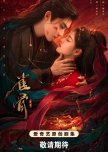
This series started with the promising premise of a love triangle that kept pulling viewers back and forth for most of its run. Woven into that were political intrigues, betrayals, and plenty of deaths. Like many Chinese dramas, it features beautiful songs that elevate key romantic and emotional moments. However, it also falls into one of the genre’s most common pitfalls: the excessive and repetitive use of music during endless flashbacks. Had the flashbacks been trimmed, the series could easily have been shortened by two episodes without losing anything of value.
The costumes and production values were top-notch, as expected from a cast of this caliber. The supporting actors performed their roles beautifully, and the opening battle sequences were both dramatic and visually impressive.
The storytelling maintained a steady pace that kept me looking forward to each new episode as the twists and revelations unfolded. Even so, it was always apparent that the protagonist remained in control of the situation. After all, he is Crown Prince Wendi. Part of me wished he had ultimately claimed the throne, considering how many people sacrificed their lives to keep him alive. Instead, the writers chose the more heroic, selfless ending, placing love above power. Since his wife clearly despised palace life, it was obvious where the story was headed. From that point on, the ending became fairly predictable, although the continued twists were enough to keep the story engaging.
That said, the series is not without its flaws. The biggest issue is the premise that the son of a Grand Tutor, disguised as a prince, ultimately becomes Emperor or perhaps merely serves as Regent for life. Does the reigning Emperor really have no other relatives with a legitimate claim to the throne? If not, isn’t this technically a coup?
I was also puzzled by the decision to have Xiao Wuxi join the Eagle King when we eventually learn it was all an elaborate ruse. The amount of suffering inflicted on his own soldiers and even his wife simply to make the deception convincing felt unnecessarily extreme. This is where I think the writers became too enamored with constantly misdirecting the audience instead of telling a more believable story.
Then there are the battle tactics. There were so many episodes on the three ore mines used to develop the fireballs only to have a very brief moment near the end. And why unleash devastating fireballs while your own army is fighting on the same battlefield? The collateral damage would have been enormous. If they possessed that kind of firepower, why not trap the enemy in a valley and rain destruction from a safe distance?
This is classic C-drama writing: an excellent setup with compelling characters and strong momentum, only for the final act to lose its way. I’m sure many viewers will disagree because we naturally want our heroes and lovers to follow the path our hearts prefer rather than the one common sense dictates. After all, that’s part of the fantasy these dramas are meant to deliver.
The costumes and production values were top-notch, as expected from a cast of this caliber. The supporting actors performed their roles beautifully, and the opening battle sequences were both dramatic and visually impressive.
The storytelling maintained a steady pace that kept me looking forward to each new episode as the twists and revelations unfolded. Even so, it was always apparent that the protagonist remained in control of the situation. After all, he is Crown Prince Wendi. Part of me wished he had ultimately claimed the throne, considering how many people sacrificed their lives to keep him alive. Instead, the writers chose the more heroic, selfless ending, placing love above power. Since his wife clearly despised palace life, it was obvious where the story was headed. From that point on, the ending became fairly predictable, although the continued twists were enough to keep the story engaging.
That said, the series is not without its flaws. The biggest issue is the premise that the son of a Grand Tutor, disguised as a prince, ultimately becomes Emperor or perhaps merely serves as Regent for life. Does the reigning Emperor really have no other relatives with a legitimate claim to the throne? If not, isn’t this technically a coup?
I was also puzzled by the decision to have Xiao Wuxi join the Eagle King when we eventually learn it was all an elaborate ruse. The amount of suffering inflicted on his own soldiers and even his wife simply to make the deception convincing felt unnecessarily extreme. This is where I think the writers became too enamored with constantly misdirecting the audience instead of telling a more believable story.
Then there are the battle tactics. There were so many episodes on the three ore mines used to develop the fireballs only to have a very brief moment near the end. And why unleash devastating fireballs while your own army is fighting on the same battlefield? The collateral damage would have been enormous. If they possessed that kind of firepower, why not trap the enemy in a valley and rain destruction from a safe distance?
This is classic C-drama writing: an excellent setup with compelling characters and strong momentum, only for the final act to lose its way. I’m sure many viewers will disagree because we naturally want our heroes and lovers to follow the path our hearts prefer rather than the one common sense dictates. After all, that’s part of the fantasy these dramas are meant to deliver.
Was this review helpful to you?


