

 1
1 1
1 1
1



Both works contain Khitan characters and show ethnic conflicts/tensions between Liao Dynasty, Song Dynasty, and Western Xia Dynasty.
Both dramas contain Khitan characters and show ethnic conflicts/tensions between Liao Dynasty and Song Dynasty.

Both dramas contain Khitan characters and show ethnic conflicts/tensions between Liao Dynasty, Song Dynasty, and Western Xia Dynasty.
Both works contain Khitan characters and show ethnic conflicts/tensions between Liao Dynasty and Song Dynasty.
Both dramas feature a central romance between a Han character and a Khitan (Liao Dynasty) character.
The original novel of Empresses in the Palace heavily plagiarized War and Beauty. In the TV drama version, the plot is very similar.
Both take place during the same era, with a plot revolving around the same male lead, Emperor Yongzheng (Aisin-Gioro Yinzhen).
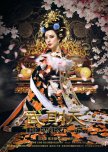
Both shows focus on the rise of an extremely intelligent female protagonist within the treacherous world of the imperial palace. The main character navigates intense court intrigue, political rivalries, and emotional entanglements, gradually transforming from a naive young woman into a powerful, strategic figure. The shows combine personal ambition with complex relationships, highlighting the intertwining of love, betrayal, and authority.
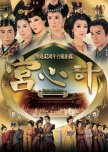
Taking place in different time periods, both are harem dramas where our kind-hearted main character struggles to survive in the royal palace where it is full of jealousy, betrayal, and bloodshed.
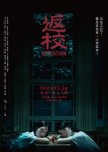
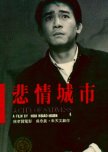
Both take place during the White Terror era of Taiwan, where the main character struggles to survive in an environment deep in censorship and tragedy.
Both take place during the White Terror era of Taiwan, where the main character struggles to survive in an environment deep in censorship and tragedy.

Both works are based on the same historical event (Musha Incident), and contain the same main characters.


