

 1
1 1
1 1
1


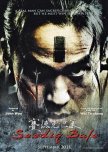
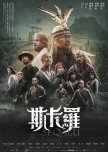
Both works show Taiwanese aborigines fighting against invaders. Also, everyone speaks their native language instead of Mandarin, making the show realistic and immersive.
Both works feature a Taiwanese aborigine character who, shaped by discrimination and trauma, rejects his heritage for a time but ultimately chooses to reclaim it.
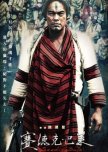
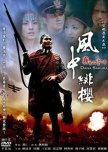
Both works are based on the same historical event (Musha Incident), and contain the same main characters.
Both works show Taiwanese aborigines fighting against invaders. Also, everyone speaks their native language instead of Mandarin, making the show realistic and immersive.
Both works feature a Taiwanese aborigine character who, shaped by discrimination and trauma, rejects his heritage for a time but ultimately chooses to reclaim it.
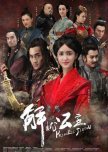
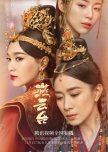
Both tell a heartbreaking love story where FL is forced to marry the king, when her true love is the ML.
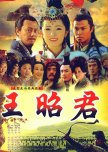
Both are about an ethnic-Han princess who is married off to a nomadic nation and her struggles with adapting to the lifestyle.
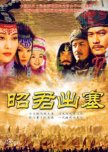
Both are about an ethnic-Han princess who is married off to a nomadic nation and her struggles with adapting to the lifestyle.
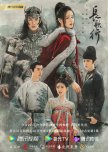
Both contain an ethnic-Han princess who is married off to a nomadic nation and her struggles with adapting to the lifestyle. One is a Han dynasty princess married into the Wusun kingdom, and the other is a Sui dynasty princess married into the Ashina Tribe of the Gokturks.

Both are about a princess marrying off to a foreign country. They also show nomadic ethnic groups living in the northern grasslands and desert.
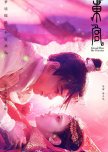
Both are about a princess marrying off to a foreign country. They also show nomadic ethnic groups living in the northern grasslands and desert.
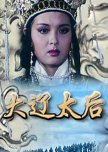
Both dramas follow Xiao Yanyan as she marries the Liao Emperor and assists him in governing their country and settling wars with the neighboring Song dynasty.


