
 Editorials



This review may contain spoilers
Quando o Amor Explode em Dois Episódios (e consolida em Um Abraço)
Sabe aquele drama que mais parece uma enrolação estendida artificialmente para caber na grade de episódios? Pois é. Esse aqui tinha todos os ingredientes para funcionar muito melhor como um filme — ritmo mais enxuto, foco onde importa e, quem sabe, até um final com alguma coerência emocional. Mas não: optaram por empurrar 16 episódios, sendo que o amor épico e avassalador do casal secundário brota do nada em dois míseros episódios, enquanto o casal principal, com anos de história, reafirmam seu “amor lendário” com um abraço constrangido na Áustria. Dá pra acreditar? Drama esquecível, desses que a gente mal termina e já tá limpando da memória pra abrir espaço pra coisa melhor.Was this review helpful to you?
This review may contain spoilers
Qual é o grau de ingenuidade do 456?
Se a primeira temporada já se destacava pelo embate moral entre o idealismo de 456 e o cinismo de 001, a segunda eleva essa tensão a um patamar ainda mais marcante. Aqui, o discurso cruel e pragmático de 001 ganha terreno, consolidando-se como a perspectiva dominante — o mundo é cruel, egoísta e imutável, como ele sempre acreditou. O roteiro, porém, mantém um fio de esperança: será que o mundo empático e igualitário sonhado por 456 tem alguma chance de prevalecer? Essa pergunta, com toda a sua complexidade, fica nas mãos do roteirista, que agora carrega a responsabilidade de dar substância a essa visão utópica.Quanto à execução, esta temporada beira a excelência. O texto é afiado, a direção cênica é primorosa e as atuações impressionam em todos os níveis. Kang Ae-sim, em especial, brilha como a mãe coreana por excelência, uma figura protetora que encarna a força e a resiliência de maneira sublime — já podemos esperar que ela domine as premiações para atriz coadjuvante. No entanto, nem tudo é louvor: 456 se mostra surpreendentemente ingênuo ao não perceber quem 001 realmente é, o que, além de frustrante, adiciona um elemento de fragilidade à narrativa. Mesmo assim, o conflito entre essas visões de mundo mantém a temporada irresistivelmente instigante.
Was this review helpful to you?
This review may contain spoilers
O maior amor de todos é: Amar a si mesmo!
Antes de qualquer coisa, é preciso reconhecer: os atores mirins chineses são os melhores do mundo, ponto. Não importa se são crianças ou adolescentes, o nível de entrega e talento é algo fora do comum. Agora, vamos ao que interessa.O drama em questão tem uma pegada bem infanto-juvenil, e isso transborda também para o romance, que ficou restrito ao nominal. Os protagonistas, que já haviam trabalhado juntos antes e têm uma química de dar gosto, limitam-se aqui a declarações de amor que nunca se concretizam. No máximo, um abraço tímido ou um beijo na testa. Sou alguém que espera um romance cheio de pegação? Claro que não, mas quando o sentimento apresentado é tão gélido na tela, fica impossível ignorar a oportunidade desperdiçada de um casal que funciona tão bem junto.
E falando neles, é preciso um parágrafo à parte para Esther Wu. Teste de paciência e saúde mental, essa é a definição perfeita para a atuação infantilizada dela aqui e em outros dramas. O que me irrita é saber que ela pode muito mais. Quem assistiu My Journey To You sabe que Esther Wu entregando uma atuação séria e madura é outro nível, algo realmente irretocável. Já Ding Yuxi, por outro lado, faz o que sempre faz: apresenta uma atuação sólida e consistente, algo que me agrada bastante.
No conjunto da obra, o drama cumpre sua proposta e, se emociona, é porque tem algo a dizer. A mensagem central, sobre se amar primeiro para poder proteger e amar quem está ao nosso redor, é bonita e bem trabalhada, culminando na cena final da sessão de autógrafos. Ali, o roteiro finalmente brilha com uma criatividade de alto nível, encerrando a história de uma forma única e memorável. O sucesso do drama na China é merecido, ainda que existam tropeços no caminho.
Was this review helpful to you?
This review may contain spoilers
THE DRAMA LIVED UP TO ITS NAME
There’s a bittersweet irony in how a title can so accurately encapsulate the fate of a story. This drama, which started with promises of intensity and twists, ended in a lukewarm sigh, as if exhausted by its own ambitions. It’s impossible to overlook the detail no one seems eager to talk about: the poison that killed Mei Li was given by Jinghe and had a one-year expiry. Yes, he regretted it, sought a cure, and perhaps even redeemed himself in the eyes of many. But the facts remain unchangeable — he killed her, full stop. There’s no softening that truth.The pacing, on the other hand, completely unraveled after the crown prince’s death. It was as though the plot lost its emotional and narrative anchor. From that point on, every attempt to inject life into the story felt like a tired, sluggish effort, which, unsurprisingly, reflected in the lukewarm reception it received in China. Not even the chemistry between the leads could salvage what quickly turned into an exercise in monotony. It’s a shame because both actors are talented and delivered solid performances — but talent alone doesn’t make for a memorable story.
In the end, it’s the kind of production that fades from memory as easily as it entered. The aesthetics were beautiful, and the beginning held promise, but ultimately, it lacked substance. This is a drama I’m already starting to forget as I write this review.
Was this review helpful to you?
This review may contain spoilers
O Destino Além de Beili: Aventuras e Mistérios que Persistem
Confesso que comecei a assistir a este drama por acidente. Explico: estava à procura de um drama chinês com um nome parecido e, pensando que era esse, comecei a assistir. E bem, aqui estou após quarenta episódios vistos. Primeiramente, preciso elogiar o ritmo aventureiro da série, onde o romance fútil e fugaz é quase inexistente, talvez até imperceptível. Em segundo lugar, é impressionante como a trama conseguiu sustentar sua qualidade por 40 episódios sem perder o rumo ou se arrastar, tudo foi cuidadosamente conduzido até o ponto em que chegamos.O final é fechado, mas deixa uma sensação de que a história poderia ter desdobramentos futuros. Afinal, além de Beili, há outros reinos, outros príncipes, e dilemas típicos desse tipo de drama. Como Chong conseguirá se manter como imperador, tendo um irmão mais poderoso e querido do que ele? Esse é apenas um dos conflitos intrigantes. E, claro, todos sabem que Xiao Se possui a lendária espada do imperador. Estou ansioso pela segunda temporada, que já foi confirmada.
Também quero destacar a excelência técnica da produção. A equipe de maquiagem, figurino e cabelo merece todos os elogios, algo que frequentemente me incomoda em dramas coreanos e japoneses, mas aqui foi tratado com excepcional cuidado.
Assisti ao episódio extra e lá há uma surpresa que eu esperava ver apenas na segunda temporada, mas que acabou sendo revelada. Sobre as atuações, destaco o ator que interpretou Lei Wu Jie. Senti falta dele em determinados momentos, não apenas por ser um bom ator, mas também por seu carisma. Quanto ao protagonista, confesso estar dividido. Tenho sentimentos mistos, com críticas e elogios ao seu desempenho, mas isso só aumenta minha curiosidade para a próxima fase da história.
Was this review helpful to you?
IS IT OVER? OK...
At various moments watching this drama, I thought I was watching "The Killing Vote" again. They are dramas with very distinct synopses, but with the same purpose: to punish those who are spared by the law. The execution was very good and the choice of cast only shows how much Disney invested. Jin Woong, playing the protagonist police officer, had a reasonable performance. It seemed like he was on autopilot, but his lack of mobility to walk and run was embarrassing, it seemed like it was torture for him to do either of these two things. Now, we have to praise and applaud the high-level performance of veteran Yoo Jae Myung, playing the social scum of GukHo.The drama left openings for a second season. I am neither for nor against, I am indifferent. If there is one, I will watch; otherwise, life goes on.
Was this review helpful to you?
This review may contain spoilers
APENAS AGRADÁVEL
É uma história um tanto clichê, mas bem conduzida e dinâmica. As atuações foram muito boas, e gostei da sublimidade e sutileza ao abordar a provável homossexualidade de Ri Hyeong Sang. A forma como ele se sentia sufocado ao seguir o rígido padrão do regime norte-coreano foi bem transmitida, especialmente ao mostrar sua disposição em carregar esse fardo a qualquer custo. Na visão dele, Gyu Nam também deveria suportar esse peso.Outro destaque foi a atuação de Hong Xa Bin, que interpretou o imaturo e inconsequente soldado Dong Hyeok. Para mim, o drama transmitiu claramente a mensagem de que a Coreia do Sul está aberta aos desertores do norte, com um viés político e humanitário intrínseco.
Já notei que em dramas sul-coreanos há uma tendência a estereotipar outras etnias e culturas, exagerando em alguns aspectos e, por vezes, cometendo equívocos. No filme, todos os norte-coreanos são retratados como extremamente pardos, com suor exagerado nos rostos.
No geral, é um bom filme, porém, não memorável.
Was this review helpful to you?
This review may contain spoilers
BOM DRAMA, MAS COM FALHA DE CONTINUIDADE…
Nota: O profissional de continuidade, também conhecido como supervisor de script, tem a função de garantir que os detalhes visuais e narrativos permaneçam consistentes ao longo das filmagens de um drama ou filme.O drama teve uma boa escalação de elenco e um bom dinamismo em seus quatorze episódios. Temos que elogiar a escalação do elenco adolescente, que tem fisionomias muito parecidas com seus correspondentes adultos. A morte do garoto espancado e queimado foi o “efeito borboleta” de todos os envolvidos, direta e indiretamente.
Sobre a falha de continuidade mencionada no título da resenha: em um dos últimos episódios, o presidente confronta Tae Jin e diz que sabia que ele traficava drogas. Tae Jin ficou em choque ao saber que o presidente estava ciente. Contudo, nas cenas finais do episódio final, fica evidente que o presidente sabia que o promotor era um traficante e o promotor sabia que o presidente sabia há muito tempo antes, tanto que confabularam para matar Jun Seo.
Outra coisa que me deixou perplexo foi eles comemorarem a descoberta da senha verdadeira e do dinheiro que ganharam, mas o dinheiro em questão não era proveniente do tráfico de drogas que Tae Jin e Jun Seo iniciaram?
Enfim, não vou detalhar mais. Bom drama e seguimos para o próximo.
Was this review helpful to you?
PODERIA SER MELHOR? SEM DÚVIDAS…
Logicamente, esta terceira temporada foi significativamente superior à famigerada segunda temporada, que é bastante esquecível. Na realidade, não haveria necessidade de duas temporadas; ambas poderiam ter sido condensadas em uma só.A entrada de Lee Do Hyun foi determinante, e ele consegue maximizar a atuação dos colegas de cena. É algo mágico e evidente. Song Kang, que frequentemente é criticado por seus dotes cênicos, teve um desempenho notável nas cenas com Do Hyun. Presto atenção a detalhes, e o narrador final do drama foi o próprio Do Hyun, encerrando com as palavras “sweet home”.
Apesar de alguns diálogos longos e enfadonhos, a terceira temporada foi bem elaborada e teve um bom fechamento. Sinceramente, espero que não haja uma hipotética quarta temporada.
Was this review helpful to you?

What a waste of time!
This is a drama that should never have had a second season, it had no appeal for it and no interesting plot for it. A crappy and poorly written script with very hammy and exaggerated performances. Few things there were believable and thoughtful for a text that didn't stray from the contemporary.In the end, those scoundrels had specific regrets and served sentences with laughable time, I believe I wasted my time watching two seasons of this, but the curiosity to know what the final point would be was greater, but I don't regret it, I like to start things and end them too.
It's a drama to forget and to understand it with any kind of mockery.
Was this review helpful to you?
This review may contain spoilers
Há necessidade para uma Terceira Temporada ?
O enredo da segunda temporada, ao meu ver, foi melhor do que o da primeira; entretanto, a primeira tinha um ritmo melhor e mais concentrado. Nesta temporada, as coisas ficaram mais morosas e, em alguns momentos, eu me distraía com outras coisas. As relações familiares de Fang Yi Ren deram um tom realista e necessário para mostrar como está sua vida após os acontecimentos da primeira temporada. Só achei curioso a crise de dúvidas que Hai Yin teve em relação ao seu namoro com ele, visto que ela o conheceu exatamente assim; ele nunca mudou e sempre continuou com esse estilo de vida.O final deixou brechas para uma terceira temporada, mas pelo visto teremos uma superorganização criminosa ou algo semelhante. Fico pensando em como integrar isso ao escopo do drama, onde as vítimas não são escolhidas de forma aleatória; tudo tem uma ação e reação
Was this review helpful to you?
Unique and comforting experience.
I have serious reservations about Chinese dramas, most of them have plot flaws, caricatured performances, and clearly the low budget is evident. However, "The Double" is an exceptional case where everything worked well, from the casting of the cast to the quality of set design, costumes, makeup, and landscapes, that is, YOUKU believed in the project and invested financial and intellectual resources for the drama to work and conquer not only the Chinese audience but also the Western one.About the drama, I realize that the villains had a lamentable life due to their own weaknesses, as well as the weaknesses and bad character of those around them. I found the final scenes very delicate, coherent, and subliminal.
Was this review helpful to you?
DRAMA CONTUDENTE
Ultimamente sou fã das produções taiwanesas e todas que vi até agora gostei, desde da história, roteiro e condução de onde a história começa e como chegamos naquele final. Essa primeira temporada teve episódios excelentes, mas esse último episódio foi lento e um pouco entediante, mas entendi que foi necessário para nos mostrar de que maneira chegamos àquele clímax e como tudo será conduzido na segunda temporada. Pelo trailer, criei altas expectativas para a próxima temporada.Acho que a atuação do protagonista em algumas cenas foi um tanto caricata e fiquei constrangido, mas em outras ele dominou a cena e deu emoção e frieza ao seu personagem quando foi preciso.
Was this review helpful to you?
This review may contain spoilers
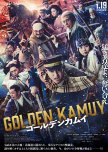
JAPAN RESPECTS THE QUALITY OF ITS PRODUCTIONS...
I didn't know the story and, consequently, not even the manga on which this film was based, but we have to praise that the screenwriters knew, in a simple and intelligent way, how to show us who the characters are and their characteristic profiles. In the post-credits scenes, they showed us the new characters that will come in future sequels.One thing I miss in the vast majority of Chinese and Korean productions is the quality of CGI, costumes, and makeup that we find in almost all Japanese productions. I didn't feel embarrassed by any scene or dialogue, on the contrary, the quality of everything was great. I didn't know the "Golden Kamuy" universe, but I feel satisfied with what was presented here and I look forward to the continuation.
Was this review helpful to you?
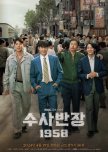
A BEAUTIFUL TRIBUTE
The actor who played the elderly YoungHan is the same one who played YoungHan in the series of the same name in the 70s and 80s. Another situation that moved me was that the actors who played YoungHan's companions in the 1971 series have already passed away.It was a drama with perfect setting, costumes consistent with the 50s and 60s, and we had a text with a more traditional and assertive humor. I found few episodes, I believe they could have easily had 16 episodes.
Moreover, I found the participation of actor Choi Bool Am delicate and sensitive, portraying the lonely YoungHan in 2024 and waiting for the moment to meet his companions.
Was this review helpful to you?


