

Discussões Recentes




It has the same actors.The story is making choices between love and religious. It a beautiful story.


“My Boss, My Rules” is basically “Love and Leashes” in a vertical format, so that means it’s also similar to “Sadistic Beauty”. All three explore gender role reversals where the female lead is the dominant one in the BDSM arrangement, while the male lead is the submissive one.


Both dramas focus on a romantic relationship shaped by misunderstandings, emotional struggles, and strong feelings between the main characters.
The couples face challenges that separate them, but their deep connection brings them back together and helps them rediscover their genuine love for each other.
The couples face challenges that separate them, but their deep connection brings them back together and helps them rediscover their genuine love for each other.

Both dramas feature a romantic relationship that develops unexpectedly between two people who initially have different personalities and circumstances.
As they spend more time together, they gradually overcome misunderstandings, support each other, and develop genuine feelings.
Both stories also combine romance, comedy, and emotional moments.
As they spend more time together, they gradually overcome misunderstandings, support each other, and develop genuine feelings.
Both stories also combine romance, comedy, and emotional moments.


It is also based on a revenge plot with an ingenious male lead that plans and executes his plans precisely with the help of a strong female lead that is proficient in martial arts. This premise is similar to Zang Hai at a higher level


RomCom Family movies about a main character that is hiding a secret/or multiple secrets - one of them being a child from a past fling - from their current love interest.


Both dramas are about the customs officers working as a team to protect the dangerous items from smuggling into or out of the country.


Both shows feature the same kind of setup where good friends platonically cohabitate and share meals daily


If you think you like red-flag MLs and thought, “Surely it can’t get any worse than this” while watching The Early Spring…….hold your horses. ??
If you’re enjoying this ML’s red flags, then Love’s Ambition might be right up your alley. ????????????
The ML in Love’s Ambition is definitely a walking red flag in his own right, but after The Early Spring, you might actually find yourself thinking, “Oh…….he’s not THAT bad.” lol
But hey, as long as there’s a character growth arc, right?
If you’re enjoying this ML’s red flags, then Love’s Ambition might be right up your alley. ????????????
The ML in Love’s Ambition is definitely a walking red flag in his own right, but after The Early Spring, you might actually find yourself thinking, “Oh…….he’s not THAT bad.” lol
But hey, as long as there’s a character growth arc, right?


It involves youngsters making films with no budget but lots of passion. There is a related time element as well. Time Traveller is not as funny and is more dramatic.


Both are emotional dramas about adults whose lives are turned upside down. Both are about healing, finding yourself again and learning to move forward. They also have a strong hurt/comfort aspect, with the characters finding love and support from new people who come into their lives.
The tone is also quite similar. Both deal with some heavy topics, but balance them with lots of comedy, warmth and heartwarming moments.
They're very different in story though. Kill Me Heal Me follows an ML with multiple personalities caused by childhood trauma, while Wonder Women follows an FL rebuilding her life after her husband cheats on her and leaves their family. Wonder Women also focuses more on female independence and finding your own strength.
The tone is also quite similar. Both deal with some heavy topics, but balance them with lots of comedy, warmth and heartwarming moments.
They're very different in story though. Kill Me Heal Me follows an ML with multiple personalities caused by childhood trauma, while Wonder Women follows an FL rebuilding her life after her husband cheats on her and leaves their family. Wonder Women also focuses more on female independence and finding your own strength.

Both are character-driven dramas about adult life, relationships, loss and starting over. Both explore family, friendship and romance, with a strong focus on personal growth and healing.
The loss comes in very different forms though. Life After Death follows two pairs of leads, with the ML and FL dealing with the loss of their spouses after a tragic accident. Wonder Women follows a woman rebuilding her life after her husband cheats on her and leaves her and their son. It also has a stronger focus on female independence and finding your own strength.
Both have plenty of emotional, heartwarming and relatable moments.
The loss comes in very different forms though. Life After Death follows two pairs of leads, with the ML and FL dealing with the loss of their spouses after a tragic accident. Wonder Women follows a woman rebuilding her life after her husband cheats on her and leaves her and their son. It also has a stronger focus on female independence and finding your own strength.
Both have plenty of emotional, heartwarming and relatable moments.


Both are mystery/crime dramas that follow different cases and uncover the truth behind them. Both go beyond solving the cases, exploring the people involved, their lives, relationships and personal struggles.
Both balance mystery with emotional and character-driven stories, while also exploring the leads' own struggles and inner thoughts.
They're quite different though. Unnatural follows a forensic pathologist investigating unnatural deaths, while Murder Diary follows a police officer with multiple personalities, with his different identities working together to investigate cases. Murder Diary is darker and more psychological, with a stronger focus on the characters' inner worlds and romance.
Both balance mystery with emotional and character-driven stories, while also exploring the leads' own struggles and inner thoughts.
They're quite different though. Unnatural follows a forensic pathologist investigating unnatural deaths, while Murder Diary follows a police officer with multiple personalities, with his different identities working together to investigate cases. Murder Diary is darker and more psychological, with a stronger focus on the characters' inner worlds and romance.

Both are dark mystery thrillers about investigating crimes and uncovering the people behind them. The deeper the MLs investigate, the more they uncover and the more they get pulled into the mystery themselves.
Both explore the mysteries from different perspectives, with plenty of twists and questions about who can really be trusted.
They're quite different though. Adamas focuses on one main mystery, with twin brothers investigating it from different sides. Murder Diary follows many different cases, with the ML's different identities working together to investigate them. It also has more focus on psychology and romance.
Both explore the mysteries from different perspectives, with plenty of twists and questions about who can really be trusted.
They're quite different though. Adamas focuses on one main mystery, with twin brothers investigating it from different sides. Murder Diary follows many different cases, with the ML's different identities working together to investigate them. It also has more focus on psychology and romance.
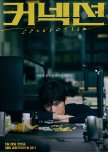
Both are dark mystery thrillers about uncovering the truth behind a major case. The deeper they dig, the more secrets and connections to the past come out, and the MLs find themselves getting pulled deeper into the mystery.
Both have plenty of twists and questions about who can really be trusted. Ji Sung plays the ML in both, and it's fun to see how different his characters are, especially since he plays twins in Adamas.
They're quite different though. Connection follows a police officer investigating a drug-related case, while Adamas follows twin brothers investigating the same mystery from different sides. Adamas focuses more on conspiracy, while Connection is more of a crime/police thriller.
Both have plenty of twists and questions about who can really be trusted. Ji Sung plays the ML in both, and it's fun to see how different his characters are, especially since he plays twins in Adamas.
They're quite different though. Connection follows a police officer investigating a drug-related case, while Adamas follows twin brothers investigating the same mystery from different sides. Adamas focuses more on conspiracy, while Connection is more of a crime/police thriller.


