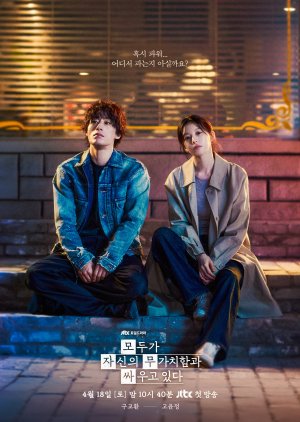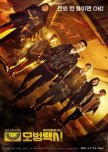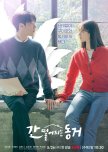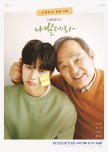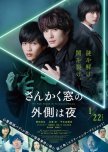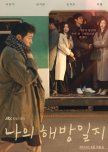
If you liked the quiet and comforting vibe of We Are All Trying Here, I'd recommend My Liberation Notes. Both dramas feel very real and relatable, with characters who are just trying their best to get through life. It's slow-paced, emotional, and beautifully written.
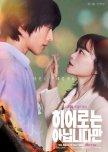
Those who like "We Are All Trying Here" descibe it as atypical.
So I think this recommendation is just fitting. The leads of both dramas are not the most likeable heroes in dramaland. This was more of a journey rather than a destination feel of drama. If you can tolerate flaws, and not bothered by "corrupt" in your main characters, then you will enjoy both dramas.
The atypical is more romance focused, a good news for those who wants more of dong man and eun a being lovely dovey. Hahahaa.
So I think this recommendation is just fitting. The leads of both dramas are not the most likeable heroes in dramaland. This was more of a journey rather than a destination feel of drama. If you can tolerate flaws, and not bothered by "corrupt" in your main characters, then you will enjoy both dramas.
The atypical is more romance focused, a good news for those who wants more of dong man and eun a being lovely dovey. Hahahaa.

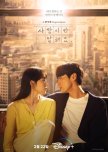
Both We Are All Trying Here and Call It Love are deeply atmospheric "healing melodramas" for a grounded, slow-burn exploration of human exhaustion and loneliness. They are stylistically similar in their use of muted cinematography and a deliberate pace to mirror the internal burnout of their protagonists. The romance in both series is characterized by a quiet, observational intimacy where love is expressed through shared silences and small acts of protection rather than grand gestures. Ultimately, both dramas share a core emotional theme.

I dragged recommending this. As i rewatched musume wa kareshi ga dekinai, I felt the chaos is at par with we are all trying here. But it took me 6 episodes on the rewatch to finally submit a recommendation.
If you are imoressed with the writing of the korean one, you will get a lot of that in japanese. They are thoroughly words based. Even in manga versus webtoons. A page of a manga is filled with bubbles, be it conversation or monologues. Webtoon has more spaces in between and sceneries that convey. So in this case, we are all trying here feels so japanese. Hwang Dong Man and his million of words reminds me so much of being straight out of japanese manga panels.
The characters in musume are so complex too.
Spoiler : we have stalker and victim tandem, a doctor that is stuck with his elementary classmate, old man x college age student. Dad mom and musume is a bit odd too if you think much about it.
But the writing makes them so much of a humane that it is enjoyable. You think it is fantasy but also, it is convincing that such characters live somewhere in real japan.
Both are unique and wholesome and definitely a watch!!!
If you are imoressed with the writing of the korean one, you will get a lot of that in japanese. They are thoroughly words based. Even in manga versus webtoons. A page of a manga is filled with bubbles, be it conversation or monologues. Webtoon has more spaces in between and sceneries that convey. So in this case, we are all trying here feels so japanese. Hwang Dong Man and his million of words reminds me so much of being straight out of japanese manga panels.
The characters in musume are so complex too.
Spoiler : we have stalker and victim tandem, a doctor that is stuck with his elementary classmate, old man x college age student. Dad mom and musume is a bit odd too if you think much about it.
But the writing makes them so much of a humane that it is enjoyable. You think it is fantasy but also, it is convincing that such characters live somewhere in real japan.
Both are unique and wholesome and definitely a watch!!!
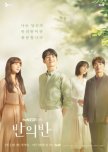
The professor from Notes From the Last Row reminded me of Hwang DongMan in the beginning, not personality-wise but in their career standing as writers. They both dream of making a name for themselves or wants to prove that they exist. These dramas are so different in the direction they are taking however similar that they are rooted to humanity, maybe it evil or good. The cast of both dramas have good actors so both are a good use of time when you need a slice-of-life or mystery filled drama.
Both tells the story of the struggles of writing. And they both made me wish to be a writer so bad.
Kakenai is more on the comedy side - a funny take on the pain of writing. While We are all trying here is more on the serious side of writing but still journeyed us with the pain of it.
Both are enjoyable, thought provoking and a fun ride :)
Kakenai is more on the comedy side - a funny take on the pain of writing. While We are all trying here is more on the serious side of writing but still journeyed us with the pain of it.
Both are enjoyable, thought provoking and a fun ride :)
Lee Yeo Reum, a young woman with a promising career and a happy relationship, faces a sudden downfall when her mother dies in an accident and her boyfriend breaks up with her. Overwhelmed, she quits her job and retreats to the seaside village of Angok to recover. There, she meets An Dae Beom, a former physics prodigy now working as a librarian after a fall from grace. As they bond, they both seek healing in the quiet of the village, but can "doing nothing" truly help them move forward?
the vibe is really similar when i first saw an edit of WAATH the atmosphere just felt really similar the storyline are really different and i think the fls are really similar whilst the mls are quiet different but the vibe and everything is pretty much identical to each other i think if you liked the slice of life and melodrama of IYRS youll love WAATH theyre both also newer releases just check it out