
 Editorials

 4
4 6
6 1
1 1
1 3
3 1
1



Two Minds, One Unspoken Connection
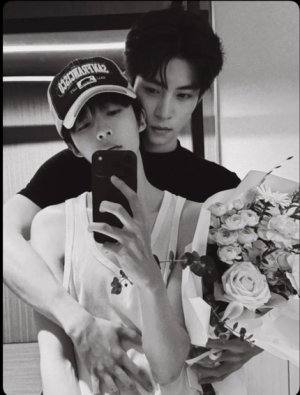
Eclipse of the Lost City is a decent short form series that relies heavily on tension, mystery, and, most importantly, the evolving bond between its two leads, Lu Ye and Shen Tian Bai. What begins as an unintentional partnership gradually develops into something far more complicated, as the two are forced to work together while simultaneously questioning each other’s motives, intelligence, and loyalty.
The story follows Lu Ye and Shen Tian Bai as they attempt to uncover the truth behind the many mysteries surrounding their lives. Their partnership initially feels more like a competition than genuine cooperation. What starts as a scheme quickly becomes a game of intelligence, with each constantly trying to determine who is one step ahead. One of the most interesting aspects of their dynamic is how observant they both are. They pay close attention to details, body language, and subtle changes in behavior, allowing them to manipulate the people around them and use situations to their advantage.
This similarity is also what makes their relationship so compelling. Both characters are intelligent and capable, yet they have enough differences to create a sense of balance between them. They understand what the other is capable of, which naturally creates a level of distrust. At the same time, that distrust is ironically what brings them closer. They are constantly anticipating each other’s moves, yet underneath all of that suspicion is an undeniable level of trust neither of them is willing to acknowledge.
Their bond is particularly effective because the series does not rely on direct declarations of affection. Instead, it communicates their feelings through their actions, expressions, and the way they instinctively protect one another. They may repeatedly insist that they do not trust each other, but their actions tell a completely different story. The way they look at one another, the risks they are willing to take, and the lengths they go to in order to protect each other make it obvious that their connection runs much deeper than either of them wants to admit.
I also appreciated how the series used flashbacks to show the history behind their relationship. Seeing how their connection developed as they grew older gave their present day dynamic more emotional weight. The strongest indication of how much they mean to one another is that they only allow themselves to show vulnerability around each other. For two characters who constantly claim they cannot trust one another, they ultimately become the only people capable of seeing each other at their weakest.
The jealousy displayed in Episode 18 also adds another interesting layer to their relationship, pushing their connection beyond what could simply be described as brotherhood. There is an emotional intensity between them that the series deliberately leaves beneath the surface, allowing the audience to interpret their relationship in their own way.
From a storytelling perspective, the plot is relatively easy to follow, with many of the questions introduced in an episode receiving answers within that same episode. This creates a sense of clarity and prevents the mystery from becoming unnecessarily complicated. Considering that the episodes are only around 10–15 minutes long, the pacing is handled fairly well. The series manages to move the story forward without making it feel completely overwhelming.
One of the weaker aspects was the use of AI-generated elements. I could somewhat overlook them because they were primarily used as transitions between scenes rather than being central to the storytelling.
The supernatural element introduced toward the end was another questionable choice. It felt somewhat random compared to the direction the story had established previously. However, despite feeling out of place, it was surprisingly entertaining and added an unexpected twist to the final stretch. The ending itself was probably the weakest part of the series. While it was somewhat underwhelming, it still provided enough closure to leave the story feeling reasonably complete.
Visually, the cinematography is not particularly spectacular, but there are moments where it shines. Certain shots effectively capture the atmosphere and tension of the story, particularly during scenes involving the two leads. The soundtrack also deserves credit for how effectively it complements the narrative. The music helps build tension and emotion within key scenes, enhancing the overall viewing experience rather than simply serving as background noise.
Overall, Eclipse of the Lost City is a fun and enjoyable watch that successfully balances mystery, drama, action, corruption, and bromance within its short runtime. Its biggest strength is undoubtedly the relationship between Lu Ye and Shen Tian Bai. Their complicated combination of rivalry, distrust, loyalty, jealousy, and unspoken care gives the series an emotional layer that makes it more engaging than the plot alone might suggest. It may have its flaws, particularly toward the ending, but the chemistry and dynamic between its leads make it worth watching.
The story follows Lu Ye and Shen Tian Bai as they attempt to uncover the truth behind the many mysteries surrounding their lives. Their partnership initially feels more like a competition than genuine cooperation. What starts as a scheme quickly becomes a game of intelligence, with each constantly trying to determine who is one step ahead. One of the most interesting aspects of their dynamic is how observant they both are. They pay close attention to details, body language, and subtle changes in behavior, allowing them to manipulate the people around them and use situations to their advantage.
This similarity is also what makes their relationship so compelling. Both characters are intelligent and capable, yet they have enough differences to create a sense of balance between them. They understand what the other is capable of, which naturally creates a level of distrust. At the same time, that distrust is ironically what brings them closer. They are constantly anticipating each other’s moves, yet underneath all of that suspicion is an undeniable level of trust neither of them is willing to acknowledge.
Their bond is particularly effective because the series does not rely on direct declarations of affection. Instead, it communicates their feelings through their actions, expressions, and the way they instinctively protect one another. They may repeatedly insist that they do not trust each other, but their actions tell a completely different story. The way they look at one another, the risks they are willing to take, and the lengths they go to in order to protect each other make it obvious that their connection runs much deeper than either of them wants to admit.
I also appreciated how the series used flashbacks to show the history behind their relationship. Seeing how their connection developed as they grew older gave their present day dynamic more emotional weight. The strongest indication of how much they mean to one another is that they only allow themselves to show vulnerability around each other. For two characters who constantly claim they cannot trust one another, they ultimately become the only people capable of seeing each other at their weakest.
The jealousy displayed in Episode 18 also adds another interesting layer to their relationship, pushing their connection beyond what could simply be described as brotherhood. There is an emotional intensity between them that the series deliberately leaves beneath the surface, allowing the audience to interpret their relationship in their own way.
From a storytelling perspective, the plot is relatively easy to follow, with many of the questions introduced in an episode receiving answers within that same episode. This creates a sense of clarity and prevents the mystery from becoming unnecessarily complicated. Considering that the episodes are only around 10–15 minutes long, the pacing is handled fairly well. The series manages to move the story forward without making it feel completely overwhelming.
One of the weaker aspects was the use of AI-generated elements. I could somewhat overlook them because they were primarily used as transitions between scenes rather than being central to the storytelling.
The supernatural element introduced toward the end was another questionable choice. It felt somewhat random compared to the direction the story had established previously. However, despite feeling out of place, it was surprisingly entertaining and added an unexpected twist to the final stretch. The ending itself was probably the weakest part of the series. While it was somewhat underwhelming, it still provided enough closure to leave the story feeling reasonably complete.
Visually, the cinematography is not particularly spectacular, but there are moments where it shines. Certain shots effectively capture the atmosphere and tension of the story, particularly during scenes involving the two leads. The soundtrack also deserves credit for how effectively it complements the narrative. The music helps build tension and emotion within key scenes, enhancing the overall viewing experience rather than simply serving as background noise.
Overall, Eclipse of the Lost City is a fun and enjoyable watch that successfully balances mystery, drama, action, corruption, and bromance within its short runtime. Its biggest strength is undoubtedly the relationship between Lu Ye and Shen Tian Bai. Their complicated combination of rivalry, distrust, loyalty, jealousy, and unspoken care gives the series an emotional layer that makes it more engaging than the plot alone might suggest. It may have its flaws, particularly toward the ending, but the chemistry and dynamic between its leads make it worth watching.
Was this review helpful to you?


