
 Editorials

 4
4 6
6 1
1 1
1 3
3 1
1



This review may contain spoilers
When ‘Yes’ Takes Too Long: A Love Story in Hesitation
“Countdown to Yes” presents a heartfelt exploration of love, timing, and emotional vulnerability, anchored by a compelling friends-to-lovers premise. The story follows Minato and Wataru, two childhood best friends who reunite after three years apart, only to confront feelings that had quietly grown beneath the surface during their time away from each other.At its core, the series thrives on the emotional authenticity of its characters. Minato emerges as the more self-assured of the two, open-hearted, decisive, and ready to embrace the possibility of love without hesitation. His journey is grounded in clarity; he knows what he wants and isn’t afraid to pursue it. In contrast, Wataru is defined by his internal conflict. While he clearly reciprocates Minato’s feelings, he is paralyzed by the fear of change specifically, the risk of losing what they already have should a romantic relationship fail. This tension between desire and fear becomes the emotional backbone of the narrative.
The chemistry between the leads is one of the show’s strongest assets. Their dynamic feels natural and lived-in, with small, quiet moments,lingering glances, unspoken understanding, and subtle shifts in body language, conveying just as much as the dialogue. The series does an excellent job of illustrating that their connection goes beyond friendship; it’s in these understated interactions that the depth of their affection truly resonates. Additionally, the inclusion of flashbacks that reveal when their feelings first began to change adds an extra layer of emotional weight, allowing viewers to fully appreciate the gradual evolution of their bond.
However, while the emotional foundation is strong, the pacing ultimately undermines the story’s impact. The central conflict, Wataru’s indecisiveness, is stretched far longer than necessary, causing the narrative to feel stagnant at times. What could have been a nuanced exploration of fear and vulnerability instead becomes repetitive, with the same hesitation revisited without significant progression. This overextension detracts from the overall momentum and leaves the latter half of the series feeling less satisfying than it could have been.
The show also succeeds in weaving together themes of friendship, romantic relationships, and family dynamics, creating a well-rounded emotional landscape. Each element contributes to a broader understanding of the characters and their motivations. That said, the storytelling occasionally lacks refinement, particularly in how conflicts are introduced and resolved. Given the relatively short runtime, there was a missed opportunity to streamline the narrative and focus more on the development of Minato and Wataru as a couple once their feelings were fully acknowledged.
Visually, the series delivers a mixed experience. While certain scenes are beautifully framed and enhanced by a thoughtfully curated soundtrack, the overall cinematography falls short of expectations, especially considering the characters’ shared passion for photography. This aspect could have been used more intentionally to reflect their perspectives and emotional states, adding a richer visual dimension to the storytelling.
Despite its shortcomings, “Countdown to Yes” remains an enjoyable and emotionally resonant watch. The performances are sincere, the central relationship is engaging, and the portrayal of love, particularly the fear that can accompany it, feels grounded and relatable. Ultimately, while the series effectively captures the tenderness of falling in love with someone you’ve always known, it leaves viewers wishing for a more concise narrative and a deeper exploration of life after the long-awaited “yes.”
Was this review helpful to you?
A Stylish Blend of Crime, Comedy, and Mystery
Confidence Queen delivers an entertaining blend of crime, comedy, and clever storytelling, making it a thoroughly enjoyable watch from start to finish. The series follows three con artists, Yoon Yi-rang, James, and Myung Gu-ho, who operate as a tightly coordinated team. However, they are not typical swindlers. Rather than targeting innocent victims, their elaborate schemes are aimed at corrupt and morally questionable individuals. This “con the bad guys” premise adds a satisfying sense of justice to the story and makes their actions feel more like vigilantism than simple deception.One of the series’ greatest strengths lies in how well the central trio is written. Each character plays a distinct role within the group, and the narrative carefully highlights their individual talents while emphasizing how effectively they work together. Their dynamic feels natural and engaging, often resembling that of siblings who have grown to rely on each other through shared experiences. This bond adds emotional depth to the show and makes their partnership feel genuine rather than purely strategic.
The cases they tackle throughout the series are cleverly constructed and thoughtfully executed. Each episode presents a new scheme or challenge, with plans that unfold through a mix of careful planning, quick thinking, and deception. These missions are brought to life through a lively combination of comedy, action, adventure, and crime elements, keeping the storytelling consistently engaging while preventing the plot from becoming overly heavy.
Another compelling aspect of the narrative is the underlying personal story surrounding Yoon Yi-rang. While she leads the team in orchestrating their various cons, she is also quietly pursuing answers connected to a mystery from her childhood. The series skillfully weaves this personal storyline into the episodic cases, allowing it to develop gradually without overshadowing the main premise. As the show moves toward its final episodes and the truth begins to surface, the tension increases significantly. The writers do an excellent job creating the impression that everything is beginning to unravel, which makes the eventual reveal both dramatic and satisfying.
A particularly fun detail throughout the series involves the wardrobe choices for Yoon Yi-rang, played by Park Min-young. Many of her outfits appear to pay homage to characters she portrayed in her past roles, almost functioning as subtle Easter eggs for longtime fans. Whether intentional or simply coincidental, these stylistic nods add an extra layer of enjoyment and personality to the show. For viewers familiar with her previous work, spotting these references becomes an entertaining little game throughout the series.
If there is one area where the show falters slightly, it is in the resolution involving the primary antagonist. After investing considerable time building up the conflict, the outcome feels somewhat underwhelming. The punishment faced by the villain does not quite match the scale of their wrongdoing, and the narrative appears to take a shortcut in resolving this thread. While this doesn’t ruin the overall experience, it does leave a slight sense that the conclusion could have been more impactful.
Despite this minor drawback, Confidence Queen remains a highly enjoyable series. The pacing is steady, the storytelling is engaging, and the chemistry between the three leads carries much of the show’s charm. Their sibling-like dynamic, combined with cleverly executed schemes and an ongoing personal mystery, creates a series that is both fun and memorable.
Was this review helpful to you?
This review may contain spoilers
Mystery, Moms, and Missed Potential
Salon De Holmes begins with a promising premise and an engaging first episode that quickly draws viewers into its world. The series introduces a unique concept: a group of mothers who come together to solve various mysteries within their community. The opening episode effectively establishes the tone and dynamic of the group, creating anticipation for how these amateur detectives will tackle the cases that come their way.However, as the series progresses, the way each case is handled becomes somewhat formulaic. Nearly every episode follows a similar structure in which the group encounters a new mystery and quickly works toward solving it. While the episodic format has the potential to keep the narrative fresh, many of the cases feel overly simplified and are resolved too conveniently. This sometimes diminishes the tension and complexity that a mystery-driven story typically thrives on.
Among the ensemble cast, Chu Kyeong-ja stands out as the most memorable character. Her storyline is arguably the most compelling, offering layers of emotional depth and personal development that make her journey particularly engaging. Close behind is Jeon Ji-hyeon, whose character adds another interesting dimension to the group dynamic.
Bak So-hee, on the other hand, feels underutilized. While she plays a role within the team, her presence throughout the series is inconsistent. She frequently fades in and out of the narrative to the point where her absence can go unnoticed until the group reconvenes. This lack of continuity makes it difficult for viewers to fully connect with her character or understand her role within the larger story.
Another central figure, Gong Mi-ri, brings strong investigative instincts to the group. Her sharp attention to detail and ability to connect clues are key assets when it comes to solving cases. However, her personality can sometimes overshadow these strengths. Her controlling nature and frequent harshness toward her husband make certain scenes uncomfortable to watch. That said, their relationship does provide a realistic portrayal of a marriage struggling with communication. Both characters contribute to the tension in their relationship, highlighting how misunderstandings and unspoken frustrations can shape a partnership.
From a broader storytelling perspective, the overall plot feels somewhat uneven. The narrative has interesting ideas but does not always explore them to their fullest potential. One of the show’s biggest issues lies in its inconsistent character presence. Several characters disappear and reappear without much explanation, which disrupts the flow of the story and weakens the continuity of the ensemble dynamic.
The reveal of the main villain is another aspect that ultimately feels underwhelming. Given the buildup throughout the series, the final reveal lacks the impact and complexity one might expect from a mystery-focused narrative. It leaves the impression that the show had the opportunity to deliver a more satisfying and intricate conclusion.
Despite these shortcomings, the ending clearly sets the stage for a potential second season. With its intriguing concept and strong core characters, Salon De Holmes still has the foundation to evolve into something much stronger. If a second season does move forward, there is significant opportunity to refine the storytelling, deepen the mysteries, and ensure greater consistency in character development and screen presence.
With improved narrative focus and more carefully constructed cases, the series could easily elevate itself from an entertaining but uneven watch into a truly compelling mystery drama.
Was this review helpful to you?

A Hilarious Ride from Start to Finish
MuTeLuv: Diva Deva Mata is one of the funniest shows I’ve watched in quite some time, consistently delivering laughs throughout every episode. The series follows Nevia, Ingky, Fews, and Kat, a group of friends and influencers whose once-popular channel has hit a plateau. In a desperate attempt to revive their fame, they turn to the goddess Dalop, setting off a whirlwind of chaos, unexpected twists, and comedic moments.What stands out about the show is how skillfully it highlights each character’s strengths and flaws, allowing their personalities to shine while creating natural, humorous tension among the group. The storyline is tightly constructed, with clever pacing that keeps viewers engaged and builds effectively toward a satisfying conclusion.
Overall, MuTeLuv: Diva Deva Mata boasts a talented cast that delivers impeccable comedic timing and chemistry, making it an entertaining and memorable series. Whether you’re drawn to character-driven humor or absurd, chaotic situations, this show offers a delightful mix that will keep you laughing from start to finish.
Was this review helpful to you?

Great Action, Strong Characters, but Villains That Fall Flat
Study Group opens with a strong first episode that immediately sets the tone for a fun and entertaining series. One of the aspects I enjoyed most was the recruiting process for the study group, which added an engaging dynamic to the story. The show also does a good job highlighting how people sometimes find themselves in situations where they must do things they may not necessarily want to do, simply because they feel they have no other choice.Each member of the study group serves a clear purpose, and the series does a solid job of giving the characters moments to shine. Their development throughout the show contributes to the overall appeal and keeps the story engaging.
My main criticism lies with the villains. Unfortunately, I found them to be somewhat bland and one-dimensional. They lacked the uniqueness or depth that could have made them more memorable antagonists.
That said, the show still delivers where it matters most. The action sequences are well executed, the cinematography is impressive, and the character growth throughout the series is satisfying to watch. While the soundtrack has its moments, there were a few tracks that did not resonate with me as much as others.
Overall, I enjoyed the show. It’s important to approach it as a series meant purely for entertainment rather than something to take too seriously, just sit back and have fun with it.
Was this review helpful to you?

This review may contain spoilers
When Strangers Become Lifelines, Finding Light in the Dark
Trapped in Osaka is a charming and emotionally engaging short series. The story centers on Chen Xi, adrift in life and feels lost and on the verge of giving up, whose path crosses with Hao Yu, a debt collector. What begins as a charged and uneasy dynamic gradually evolves into a nuanced relationship as the two get to know each other, revealing a deeper connection that neither expected.Though brief, the series effectively conveys the tenderness and care that develops between them. Their final embrace is poignant, leaving a lingering sense of warmth, yet also a yearning for more. This story would greatly benefit from an extended adaptation with the same cast, allowing for richer character development and a more detailed exploration of how both leads, especially Hao Yu on how they found themselves in their respective circumstances.
Overall, Trapped in Osaka exceeded my expectations. It was intimate, well acted and paced well with the run time it was given. This proves even the shortest stories can resonate long after the credits roll.
Was this review helpful to you?

Heesu in Class 2: When a Strong Webtoon Becomes a Weak Drama
The live-action adaptation of Heesu in Class 2 strays so far from its source material that it could easily be mistaken for an entirely different show. Characters like Hui Su and Seung Won, who should have been central, are reduced to supporting roles with minimal screen time. In contrast to the webtoon, where character dynamics felt natural and emotionally resonant, the series suffers from lifeless interactions, awkward silences, and stilted dialogue that undermines any sense of chemistry or connection.Seung Won’s character, in particular, is almost unrecognizable. While he’s portrayed as socially awkward, the adaptation handles it so poorly that it feels more like a caricature. The changes to his demeanor and behavior strip away all the depth and relatability found in the webtoon.
Though the storyline attempts to build romance, it leans heavily into tired tropes of miscommunication without any real payoff. The lack of meaningful interactions between the leads makes the romance feel forced, and at times, lacking any real connection/chemistry. The one thing that is clear is who is meant to like whom, but even that is buried beneath clumsy writing and the screenwriters choices.
It’s important to note that the actors did there best with what was given to them. Which was a weak script and misguided direction. Unfortunately, their efforts couldn’t salvage a show that stripped away much of what would’ve made it special. Instead of embracing its BL roots, the adaptation pivots toward a more heteronormative angle, leaving viewers with little more than two fleeting minutes of any meaningful connection between the supposed main characters.
In the end, Heesu in Class 2 had the potential to be a heartfelt and engaging series, but poor adaptation choices rendered it dull, disconnected, and disappointing.
I usually try not to compare when adaptations make changes, but this one was so poorly handled that I couldn’t help it.
Was this review helpful to you?

Dominant Yakuza and Wimpy Corporate Slave
2 people found this review helpful
A Promising Romance Held Back by Its Short Runtime
Ore-sama Yakuza to Hetare Shachiku: Kuni wo Koeta Jingi Naki Dekiai is a charming series, but it definitely feels like it needs more time to fully develop. The cast does a great job with what they're given, but the short episode lengths leave many questions unanswered and key moments underexplored. While the chemistry between the characters is evident, the brevity of the episodes prevents it from truly shining. A re-adaptation of the show would be a great solution and keeping the same talented cast. . With the episode count remaining at 10 but extending the runtime to at least 30-45 minutes per episode. That would allow for a deeper exploration of the story and relationships, making it a more rewarding and fulfilling experience.Was this review helpful to you?
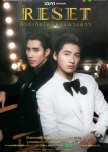
A Gripping Journey Through Time, Love, and Consequences
Reset is a captivating series that blends striking cinematography with a well crafted script. The narrative follows Armin’s compelling journey as he attempts to navigate and ultimately change his future. While his extended sequences of internal dialogue occasionally slowed the pacing (and was slightly annoying), they also served as a thoughtful device to reveal his process of piecing together the truth and why the people from his past played an important role with all the events that transpired. His repeated references to future events/slang/things felt like his subtle way of signaling to Thada that he truly came from that time, so when those moments eventually unfolded he would see what he’s been saying is true.All the characters are richly developed, each serving a distinct purpose that adds emotional depth and narrative weight to the story. The progression is well paced, skillfully weaving together events from the future and the past, tying up most loose ends and addressing lingering questions. The conclusion felt satisfying and emotionally resonant, providing a strong sense of closure.
That being said, a few questions remain unanswered:
1. What became of Ren, was he ever found? I know he said he wanted to be an actor only, but with all he did what path did he end up on?
2. Was Lilly ever held accountable for her what she was doing to the talents?
3. Did Achi ever break away from Lilly? And if not, did he manage to distance himself from Lilly and come to realize that she had been using him all along?
Overall, Reset is a gripping, emotionally charged experience. It kept me on edge, evoked laughter and tears, and delivered moments of genuine shock. Without question, it stands among the best BL dramas to emerge in 2025.
Was this review helpful to you?

This review may contain spoilers
A Heartfelt Blend of Comedy and Trauma
Love You Teacher starts off strong by effectively introducing each character and establishing the relationships and dynamics between Pobmek, Solar/Sun, Jee, and Sodchuen. From the beginning, the series creates a believable and engaging friendship between the group, while also laying the emotional foundation for the story ahead.One of the show’s greatest strengths is its use of flashbacks. I appreciated how these moments were used to explain the emotional significance behind certain objects, memories, and interactions instead of overexplaining situations through dialogue alone. Since the series begins with Pobmek and Solar already in a relationship, the flashbacks become essential in showing how their bond developed over time. Small details, such as the meaning behind Pobmek’s umbrella, are given emotional depth through these scenes. They were beautifully shot and executed in a way that made the moments feel both heartfelt and endearing.
Solar’s transition into Sun also brought much of the show’s comedic relief, which helped balance the heavier emotional themes throughout the series. His nickname for Pobmek, “Uncle Kidnapper,” in the beginning added several genuinely funny and memorable moments. However, what stood out most to me was that Solar did not immediately want to erase Sun as quickly as everyone else did. Instead, the series gives him an honest and emotional conversation with Pobmek where he explains how he truly feels. By helping Pobmek understand Sun’s importance, the story also helps the audience understand why Solar continued reverting back to him.
I also really liked how the show incorporated objects, physical touch, conversations, and specific events as emotional triggers connected to memory and trauma. It realistically demonstrates how ordinary things in life can unexpectedly trigger memories and emotions tied to past experiences.
Pobmek trauma stems from his overbearing and controlling mother. The resolution between Pobmek and his mother did feel somewhat rushed, but considering the events that unfolded, I interpreted her sudden change as the realization of what she could potentially lose. After everything that transpired, it seemed as though she finally realized how much she stood to lose if she continued controlling her son’s life. Her decision to step back and attempt to understand him felt less like a sudden personality change and more like a realization brought on by fear, regret, and love, which finally allowed her to let her son live life on his own terms.
As for Solar, his trauma being rooted in childhood experiences made his behavior and emotional struggles understandable. His tendency to revert back to Sun was his subconscious mind attempting to process and remember painful memories he had suppressed for years. While there were still certain situations and details that could have been explained more clearly, the emotional reasoning behind his actions remained believable and consistent throughout the story.
I also think some criticism surrounding Solar “simply needing therapy” overlooks the complexity of trauma and healing. While I do believe therapy could have helped him significantly, the reality is that not everyone is emotionally prepared or willing to seek professional help, regardless of how beneficial it may be. Healing is deeply personal, and people cope with trauma in different ways. You cannot force someone into healing before they are emotionally ready
Regarding Pobmek teaching without a teaching license, the show does provide context for this situation. He may have been able to secure the position because of his mathematics degree. It is also implied that he was actively working toward obtaining his teaching license, as the series mentions he had not yet completed all the necessary requirements. Sodchuen’s only issue was forgetting to apply for a sponsor waiver, which was eventually approved after Ms. Peng was shown proof of his dedication to the job.
What makes Love You Teacher particularly effective is how well it balances serious subject matter with moments of humor and warmth. The series conveys the idea that life is filled with both hardships and joyful moments, and that healing does not require someone to constantly live in sadness or isolating oneself in darkness. Life continues even while people struggle with trauma, and moments of joy, humor, and connection can coexist alongside pain. The show emphasizes the importance of balance, acknowledging pain without allowing it to completely consume you, while still making an effort to heal and move forward.
Overall, I genuinely enjoyed Love You Teacher. The soundtrack and cinematography were used effectively to elevate many of the show’s emotional moments and strengthen the atmosphere of key scenes.
Was this review helpful to you?

Haunted by the Past, Saved by Connection
Goddess Bless You from Death is a thoughtfully crafted series that remains engaging from beginning to end. The story follows Thup, a young man burdened with the ability to see the dead, whose life takes a pivotal turn when he is drawn to a mysterious case. There, he encounters Singha, a pragmatic police inspector leading the investigation. Their partnership forms the emotional and narrative core of the series.What makes their dynamic particularly compelling is the contrast in their worldviews. Singha is grounded in logic and tangible evidence, relying solely on what he can prove, while Thup operates in a realm shaped by the supernatural, holding crucial insight into the case, yet struggling to make others believe him. This tension is handled effectively, creating both conflict and gradual understanding. Singha’s trust issues, hinted at early on, are later explored with satisfying depth, adding emotional weight to his character. Meanwhile, Thup’s desire to remain close to Singha, after realizing that his presence offers protection from the spirits that haunt him, adds a layer of vulnerability and dependency to their relationship.
The progression of their relationship is one of the show’s strongest elements. It unfolds naturally, moving through stages of mutual concern, jealousy, emotional pain, and ultimately love. The writers allow these developments to feel earned rather than forced, making their bond resonate on a deeper level.
The supporting cast also plays a significant role in enriching the narrative. Sey and Darin, who work as forensic specialists and share a complicated past as former partners, bring an additional emotional subplot that intertwines with the main investigation. Their ability to maintain professionalism despite unresolved feelings adds nuance, though their backstory could have benefited from further exploration. Mek, Singha’s trusted colleague, serves as an important bridge between the two leads. His willingness to listen to Thup, even when the situation seems implausible, helps foster trust and ultimately strengthens the central relationship.
King, however, is a more divisive character. While his motivations, balancing familial expectations and career ambitions, are understandable, his decisions often lead to frustration. His failure to communicate openly and his tendency to handle issues independently ultimately damage both his personal and professional relationships. Although his desire for redemption feels realistic, his delayed honesty and assumption that he could easily regain what he lost come across as presumptuous. That said, his arc does contribute to the overall drama and serves as a cautionary element within the story, illustrating the consequences of poor judgment and lack of transparency.
The series also handles its supernatural elements effectively, incorporating them into the narrative in a way that enhances both the mystery and emotional stakes. There are several well-executed jump scares that add tension without feeling excessive. However, certain plot points lack sufficient explanation, leaving some aspects, particularly the secondary character arcs, feeling underdeveloped. The storyline could have been more tightly constructed, with certain elements feeling superfluous and detracting from the overall narrative cohesion.
The reveal of the antagonists may feel somewhat predictable, as their identities become apparent early on. Nevertheless, the deeper motivations behind their actions provide an element of surprise that adds complexity to the storyline.
From a technical standpoint, the show excels in its cinematography. The visual composition and atmosphere significantly elevate key moments, enhancing both the emotional impact and the suspense. The soundtrack, while fitting, is less memorable and does not stand out as strongly as other elements of production.
Overall, Goddess Bless You from Death is an enjoyable and well-executed series that blends supernatural intrigue with emotional storytelling. Despite a few shortcomings in character development and predictability, its strong central relationship, solid performances, and engaging atmosphere make it a worthwhile watch.
Was this review helpful to you?

A Cleverly Crafted Enemies-to-Lovers Romance
MuTeLuv: Love Me if You Swear stands out as one of the strongest entries in the MuTeLuv series. This four-episode drama masterfully balances comedy, romance, drama, and even a touch of action, delivering an engaging and satisfying narrative within a concise runtime.One of the show’s greatest strengths is its execution of the classic “enemies-to-lovers” trope. The progression of Tum and Oh’s relationship is handled with care and precision, allowing the audience to witness their gradual emotional connection before the characters themselves fully acknowledge their feelings. Moments of subtle humor are woven seamlessly into the romance, viewers can see the characters’ growing affection through their actions and interactions, even when they are oblivious to their own feelings.
A particularly memorable scene occurs when Tum and Oh rent another room together. Oh confidently insists that “nothing is going to happen,” only for the events that follow to humorously contradict his statement, culminating in Tum’s priceless smirk, a moment that perfectly encapsulates the show’s charm and comedic timing.
Despite its brevity, the series is exceptionally well-paced, ensuring that every scene contributes to character development and plot progression. MuTeLuv: Love Me if You Swear demonstrates that a concise format can still deliver a complete, satisfying story with a strong emotional payoff. Overall, this entry is a testament to the series’ ability to blend humor, romance, and drama into a cohesive and entertaining experience.
Was this review helpful to you?
This review may contain spoilers
When Love Refuses to Disappear
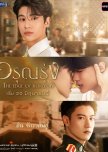
The Edge of Horizon is a beautifully shot and deeply emotional series that tells a love story shaped by social class, duty, sacrifice, and the desire to be free. At its heart is the relationship between Prince Thinnakon and Phopthi, a servant who eventually rises to become a commander. They come from two completely different worlds, yet they find themselves drawn to one another in a way neither can easily explain or escape.What makes their relationship particularly effective is how much of their love is communicated through visual storytelling rather than dialogue. Their lingering glances, subtle touches, body language, and the simple happiness they experience when they are in each other’s presence say more than words ever could. Even when they are trying to hide their feelings, the way they look at one another makes it painfully obvious that there is something deeper between them. It becomes increasingly clear that Thin and Phob have harbored feelings for each other for a long time. However, their different social positions make acting on those feelings nearly impossible. The more they try to conceal their emotions, the more obvious their love becomes. Their inability to openly be together only makes their longing more intense.
One character I found particularly frustrating is Nual, Phob’s mother her unwavering devotion to the royal family ultimately clouds her judgment. Because the royal family took care of her and her family, she feels deeply indebted to them, and that loyalty becomes more important to her than her own son’s feelings. She places her duties and obligations above everything else, to the point where it sometimes feels as though she has very little affection or understanding for Phob himself. Rather than taking the time to listen to her son or understand what he is experiencing, she is often quick to judge, criticize, and place the blame on him. I can understand that, in her mind, she believes she is protecting Phob from the consequences that could come from going against the royal family. However, the way she goes about it feels less like a mother trying to protect her child and more like someone projecting her own resentment and fear onto him. Her inability to step back, assess situations properly, and understand her son before reacting became increasingly frustrating to watch. Her loyalty to the royal family is understandable, but when that loyalty comes at the expense of her relationship with her own child, it becomes difficult to view her actions as purely motivated by love or concern.
While I didn’t particularly sympathize with Prince Chat, I could understand how he became the person he was. His lack of genuine support, affection, and encouragement throughout his upbringing clearly played a role in shaping his insecurities. Constantly being compared to his brother and made to feel as though he was never good enough, intelligent enough, or capable enough undoubtedly deepened the bitterness he carried. However, I also believe that even if Chat had received the love and support he desperately wanted, there were other aspects of his personality that may have still prevented him from becoming a better person. His tendency to look down on those beneath him because of their social status shows that his behavior wasn’t solely the result of how he was treated. There was a sense of entitlement within him that made it difficult for him to recognize his own shortcomings. Chat did make attempts to improve himself, but it often felt as though he wanted the results without putting in the effort required to achieve them. As the story progressed, he became increasingly willing to do terrible things to get what he wanted, regardless of the consequences or who might be hurt in the process. Eventually, I reached a point where it no longer felt like Chat was genuinely trying to change. Instead, his actions began to feel almost like a desperate attempt to gain attention and validation, whether that attention came from love, approval, or even hatred.
Prince Vasin, Chat and Thin’s father, was a character who initially came across as fairly likable, which made his eventual transformation into one of the biggest sources of pain in the series even more impactful. While I can understand the immense expectations placed upon him as a member of the royal family, he ultimately allowed his obsession with power, reputation, and tradition to overshadow his responsibilities as a father. Instead of trying to understand his children and allowing them to make their own choices, Vasin became consumed by what he believed they were supposed to be. His treatment of Thin after discovering his relationship with Phob was especially disturbing. He was willing to do whatever it took to separate them, whether through manipulation, threats, or abuse. At that point, protecting his family’s reputation mattered more to him than his own son’s happiness or well-being. What made Vasin particularly frustrating was that he seemed to measure his children by their usefulness and value to the royal family. Thin was expected to fulfill his role regardless of what he wanted, while Chat was constantly made to feel as though he was inadequate. Neither son was truly given the freedom to simply be themselves. Instead, they were treated almost like pawns whose purpose was to strengthen and preserve the family’s position. His actions ultimately showed that his love for his children was conditional. As long as they fulfilled his expectations and contributed to the family’s status, they had value. But the moment they failed to serve that purpose, they were treated as though they were a disappointment or a burden. Vasin represents one of the most damaging aspects of the series, the idea that tradition, power, and social status can become so important that people lose sight of the human beings they are supposed to love and protect.
In contrast Patthamapriya, Thin’s grandmother, was one of the characters I appreciated most. I got the impression that she had already recognized that the bond between Thin and Phob was more intimate than a simple friendship. Her acceptance of them being together made me feel that she wasn’t necessarily unaware of their relationship, she simply needed confirmation. What I especially appreciated was how quickly she chose to support them once everything was revealed. She didn’t allow their social positions, expectations, or the opinions of others to change the way she viewed them. Instead, she approached the situation with understanding and compassion. Throughout the series, she often became a voice of wisdom, offering perspective when others allowed pride, status, or personal resentment to cloud their judgment. Her willingness to accept their love without immediately condemning it made her stand out among the members of the royal family. In a story filled with characters trying to control Thin and Phob’s lives, Patthamapriya was one of the few people who seemed willing to simply let them choose their own happiness.
As the story progressed, watching Thin and Phob beg, fight, sacrifice, and endure both the mental and physical hardships placed in front of them in the hope of having a future together was beautifully devastating. Their relationship is anything but easy, and the series doesn’t shy away from showing just how much they have to lose in order to hold on to each other. They experience moments of happiness, heartbreak, separation, and uncertainty, yet somehow, they continue finding their way back to one another. One of the most powerful moments for me was their reunion after being separated for eleven years. They didn’t need a long conversation or an elaborate declaration of love. The look they shared and the smallest touch between them said everything. After all those years apart, there was still an undeniable familiarity between them, as if the passage of time had changed everything around them except what they felt for each other. It was a beautiful reminder that their love had survived years of separation and circumstances that should have been enough to destroy it. Thin’s journey was particularly heartbreaking because of how much he was willing to sacrifice for the sake of everyone else. By following his father’s orders and allowing himself to be manipulated through the pain of the past, he essentially forced himself to suppress his own feelings. It showed how deeply he cared about the people around him and how badly he wanted to do what he believed was best for everyone. But at the same time, it highlighted one of his greatest flaws: he constantly put everyone else’s happiness and well-being before his own, even when he deserved the opportunity to choose himself. Phob’s journey, on the other hand, felt like a transformation from someone who was powerless to someone who finally had the ability to fight for his own future. After changing his social position and rising significantly in life, he returned with a purpose. He wasn’t simply returning to revisit the past, he was returning because he had finally reached a point where he could fight for what he wanted. I also appreciated that the series didn’t portray every decision either of them made as completely right or wrong. Some of Phob’s actions weren’t necessarily perfect, but understanding the circumstances surrounding both characters made their choices easier to understand. To fully appreciate their journey, you have to understand both perspectives and recognize the impossible position they were placed in. Ultimately, their fight became about more than simply being together. Their relationship came to represent something larger, the desire for equality, freedom, and the right to choose who you love without being condemned because of your social position. Their love became a form of resistance against a system that tried to dictate who they could be and what they could have. After everything they endured, seeing the story finally bring their journey full circle was incredibly satisfying. The series managed to resolve its major conflicts, tie up its loose ends, and give their story the emotional conclusion it deserved. In the end, Thin and Phob’s relationship wasn’t powerful because they struggled, it was powerful because, despite everything that tried to separate them, their feelings continued to find a way back to each other.
And I have to give an honorable mention to Phob’s comebacks whenever he confronted Vasin. His words were delivered with so much conviction. He wasn’t afraid to express what he felt, and there was always an underlying sense of love and determination behind his words. Those moments were incredibly satisfying to watch.
Overall, I genuinely loved this series. Everyone involved delivered a remarkable performance, and I appreciated how deliberate the storytelling felt. Almost every action had a purpose, and even the smaller moments contributed to the larger narrative. Nothing felt out of place.
What The Edge of Horizon does particularly well is explore corruption, hatred, love, sacrifice, and redemption without making any of them feel overly simplistic. The series also does an excellent job balancing romance, drama, and comedy. It’s never trapped in one tone, which made the world and its characters feel much more believable. The lighter moments gave the audience room to breathe before the story returned to its heavier emotional conflicts.
The cinematography is another major strength. The series is visually breathtaking, with so many scenes that feel carefully composed to communicate emotion. The camera doesn’t simply capture what is happening; it often becomes part of the storytelling. The subtle expressions, physical distance between characters, framing, lighting, and use of space all contribute to the emotional weight of the story. And the soundtrack complements everything beautifully. The music enhances the emotional impact of the major moments without overpowering them, making the already powerful scenes feel even more memorable.
The Edge of Horizon is more than just a beautiful BL romance. It’s a story about two people who refuse to let social status, expectations, and the decisions of others completely define the life they deserve.
For me, this is easily one of the strongest BL series of 2026 and quite possibly my favorite.
Was this review helpful to you?

This review may contain spoilers
A Refreshing Drama That Leaves You Wanting More
Please note that the following contains a minor spoiler"Top Form" is a highly engaging series that truly stands out for its refreshing approach to storytelling. Unlike many dramas that rely on prolonged misunderstandings or unnecessary conflict to drive the plot, this series avoids that common pitfall, keeping things tight and focused. (Although, to be fair, I do appreciate a bit of misunderstandings when it's executed well!) That being said, the show’s one flaw is that it feels too short. This is one of those rare instances where I actually wished for longer episodes (over an hour or more) because it would have allowed the story to breathe and given more space to explore the characters and their arcs, especially the supporting cast like Jade, Johnny, and Naru. As it stands, there are a few unanswered questions, leaving me wanting more. Additionally, I’m left eagerly needing an update on Akin's decision and what the outcome would be for his future if he chooses to accept the offer he was given.
I genuinely hope we get a season 2 or, at the very least, a special 5-episode mini-series to tie up some loose ends and give the characters the resolution they deserve.
Was this review helpful to you?

Royal Bonds and Personal Battles
The Next Prince” is a beautifully crafted series that combines stunning cinematography with a well curated soundtrack, elevating the viewing experience from start to finish. The pacing is balanced, allowing each character the space to grow and fulfill their individual arcs in a meaningful way.The series blends romance, drama, action, and a touch of mystery. One of its standout strengths is how it portrays the struggles within each royal lineage, emphasizing their efforts to challenge tradition and drive change. From Khanin’s determination to reform, Ava’s powerful representation of female strength and equality, to Ramil’s journey of self-discovery and independence, each storyline feels purposeful and engaging.
The chemistry among the characters is undeniable. Khanin’s subtle pursuit of Charan was charming and heartfelt, while Ramil and Paytai’s fiery dynamic added a compelling contrast. Their emotional reconciliation toward the end was especially impactful. Ramil’s eventual stand against his father was a long awaited moment of growth that added depth to his arc. Calvin and Jay’s limited screen time was appreciated, though it left me wishing we had seen more from them, especially with Ava, whose presence deserved greater exploration. But they are supporting actors/actress so I expected nothing less.
The set design/costume designs and choice of locations were exceptional, adding richness and authenticity to the narrative. Overall, the series concluded on a satisfying note, resolving conflicts, mending relationships, and giving each love story the space to blossom naturally.
Was this review helpful to you?


