

 1
1




"Revenge of Others" and "Sweet Home" differ significantly in their genres and themes, but there are some slight similarities.
1. **Themes of Revenge and Struggle**: Both dramas explore themes of revenge, struggle, and survival. In "Revenge of Others," the protagonist seeks vengeance against bullies, while in "Sweet Home," characters fight for their lives against monstrous creatures.
2. **Dark and Intense Atmosphere**: Both shows create a dark and intense atmosphere. "Revenge of Others" delves into the psychological impact of bullying, while "Sweet Home" combines horror and suspense ¹².
3. **Character Development**: Both dramas focus on character development. In "Revenge of Others," we witness the transformation of the main character as they seek justice. Similarly, "Sweet Home" portrays characters evolving as they adapt to their new reality.
4. **School Setting**: While "Revenge of Others" primarily takes place in a school setting, "Sweet Home" is set in an apartment complex. However, both explore the dynamics of human interactions within confined spaces ¹
Remember that while they share some thematic elements, the execution and overall tone of these dramas differ. If you enjoyed one, you might appreciate aspects of the other! ??
Source: Conversation with Copilot, 8/7/2024
1. **Themes of Revenge and Struggle**: Both dramas explore themes of revenge, struggle, and survival. In "Revenge of Others," the protagonist seeks vengeance against bullies, while in "Sweet Home," characters fight for their lives against monstrous creatures.
2. **Dark and Intense Atmosphere**: Both shows create a dark and intense atmosphere. "Revenge of Others" delves into the psychological impact of bullying, while "Sweet Home" combines horror and suspense ¹².
3. **Character Development**: Both dramas focus on character development. In "Revenge of Others," we witness the transformation of the main character as they seek justice. Similarly, "Sweet Home" portrays characters evolving as they adapt to their new reality.
4. **School Setting**: While "Revenge of Others" primarily takes place in a school setting, "Sweet Home" is set in an apartment complex. However, both explore the dynamics of human interactions within confined spaces ¹
Remember that while they share some thematic elements, the execution and overall tone of these dramas differ. If you enjoyed one, you might appreciate aspects of the other! ??
Source: Conversation with Copilot, 8/7/2024


Certainly! ? Both "Something in the Rain" (SITR) and "Encounter" share some similarities, making them captivating K-dramas. Let's explore:
1. "Something in the Rain" (SITR):
- Genre: Melodrama, romance.
- Plot: A heartwarming story of a woman in her 30s who falls in love with her best friend's younger brother. It delves into societal norms, age gaps, and family dynamics.
- Emotions: Intense, raw, and realistic portrayal of love and challenges.
- Acting: Son Ye-jin and Jung Hae-in deliver exceptional performances.
- Themes: Love, societal expectations, and personal growth.
- Note: Some viewers found the pacing slow but appreciated the emotional depth¹.
2. "Encounter":
- Genre: Noona romance (older woman, younger man).
- Plot: A CEO and a hotel employee from different backgrounds fall in love. It explores societal pressures, personal freedom, and love overcoming obstacles.
- Emotions: Tender, genuine, and heartfelt.
- Acting: Park Bo-gum and Song Hye-kyo create a beautiful chemistry.
- Themes: Authenticity, sacrifice, and finding one's path.
- Recommendation: If you enjoyed SITR, you'll appreciate the mature romance and character-driven storytelling in "Encounter" as well¹.
Remember, both dramas offer unique perspectives on love and relationships. Happy watching! ???
1. "Something in the Rain" (SITR):
- Genre: Melodrama, romance.
- Plot: A heartwarming story of a woman in her 30s who falls in love with her best friend's younger brother. It delves into societal norms, age gaps, and family dynamics.
- Emotions: Intense, raw, and realistic portrayal of love and challenges.
- Acting: Son Ye-jin and Jung Hae-in deliver exceptional performances.
- Themes: Love, societal expectations, and personal growth.
- Note: Some viewers found the pacing slow but appreciated the emotional depth¹.
2. "Encounter":
- Genre: Noona romance (older woman, younger man).
- Plot: A CEO and a hotel employee from different backgrounds fall in love. It explores societal pressures, personal freedom, and love overcoming obstacles.
- Emotions: Tender, genuine, and heartfelt.
- Acting: Park Bo-gum and Song Hye-kyo create a beautiful chemistry.
- Themes: Authenticity, sacrifice, and finding one's path.
- Recommendation: If you enjoyed SITR, you'll appreciate the mature romance and character-driven storytelling in "Encounter" as well¹.
Remember, both dramas offer unique perspectives on love and relationships. Happy watching! ???
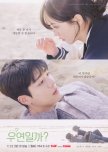

"Serendipity's Embrace" and "Twinkling Watermelon" share some similarities in their romantic themes and emotional storytelling. Here's a brief comparison:
1. **"Serendipity's Embrace"**:
- **Genre**: Time-travel romance.
- **Plot**: A top star and his fan, who was also his high school crush, experience love across different timelines.
- **Emotions**: Explores deep feelings and connections.
- **Audience**: Receives immense love from viewers¹.
2. **"Twinkling Watermelon"**:
- **Genre**: Romance drama.
- **Plot**: Former classmates, now doctors, reunite during challenging moments in their lives, sparking a new romance.
- **Similarities**: Both involve rekindled connections and emotional bonds.
- **Unique Aspect**: Set in the medical field.
- **Recommendation**: If you enjoyed "Serendipity's Embrace," you might like "Twinkling Watermelon" as well¹.
Remember, while they share common themes, each K-drama has its own unique twists and character dynamics. Enjoy your binge-watching! ???
Source: Conversation with Copilot, 8/7/2024
1. **"Serendipity's Embrace"**:
- **Genre**: Time-travel romance.
- **Plot**: A top star and his fan, who was also his high school crush, experience love across different timelines.
- **Emotions**: Explores deep feelings and connections.
- **Audience**: Receives immense love from viewers¹.
2. **"Twinkling Watermelon"**:
- **Genre**: Romance drama.
- **Plot**: Former classmates, now doctors, reunite during challenging moments in their lives, sparking a new romance.
- **Similarities**: Both involve rekindled connections and emotional bonds.
- **Unique Aspect**: Set in the medical field.
- **Recommendation**: If you enjoyed "Serendipity's Embrace," you might like "Twinkling Watermelon" as well¹.
Remember, while they share common themes, each K-drama has its own unique twists and character dynamics. Enjoy your binge-watching! ???
Source: Conversation with Copilot, 8/7/2024
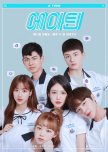
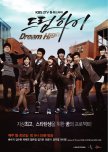
"Dream High" and "A-Teen" share several similarities:
1. **High School Setting**: Both dramas are set in a high school environment, focusing on the lives, relationships, and personal growth of students.
2. **Youth and Ambition**: They explore themes of youth and ambition. "Dream High" follows students striving to become successful performers, while "A-Teen" deals with the everyday experiences and dreams of high school students.
3. **Friendship and Romance**: Both series highlight the importance of friendships and romantic relationships. They depict how these connections influence the characters' personal development and high school experiences.
4. **Coming-of-Age**: Each drama features coming-of-age themes, addressing the challenges and milestones of adolescence, including self-discovery, identity, and navigating personal goals.
These similarities make both dramas appealing for viewers interested in stories about teenage life and the pursuit of dreams and relationships during high school years.
1. **High School Setting**: Both dramas are set in a high school environment, focusing on the lives, relationships, and personal growth of students.
2. **Youth and Ambition**: They explore themes of youth and ambition. "Dream High" follows students striving to become successful performers, while "A-Teen" deals with the everyday experiences and dreams of high school students.
3. **Friendship and Romance**: Both series highlight the importance of friendships and romantic relationships. They depict how these connections influence the characters' personal development and high school experiences.
4. **Coming-of-Age**: Each drama features coming-of-age themes, addressing the challenges and milestones of adolescence, including self-discovery, identity, and navigating personal goals.
These similarities make both dramas appealing for viewers interested in stories about teenage life and the pursuit of dreams and relationships during high school years.
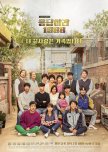
"A-Teen" and "Reply 1988" share several similarities:
1. **Youthful Focus**: Both dramas center around the lives of teenagers and young adults, exploring their friendships, romantic relationships, and personal growth during their formative years.
2. **Nostalgic Elements**: "Reply 1988" is set in the late 1980s and evokes nostalgia for that era, while "A-Teen" captures the everyday experiences of contemporary high school students, creating a sense of nostalgia for the high school years.
3. **Strong Friendships**: Both series highlight the importance of friendships and the dynamics within friend groups. They showcase how these relationships influence the characters' lives and development.
4. **Coming-of-Age Themes**: Both dramas focus on the coming-of-age journey, dealing with themes such as self-discovery, love, and the challenges of growing up.
These similarities make both dramas relatable and engaging for viewers interested in stories about youth, personal development, and the impact of friendships and romance.
1. **Youthful Focus**: Both dramas center around the lives of teenagers and young adults, exploring their friendships, romantic relationships, and personal growth during their formative years.
2. **Nostalgic Elements**: "Reply 1988" is set in the late 1980s and evokes nostalgia for that era, while "A-Teen" captures the everyday experiences of contemporary high school students, creating a sense of nostalgia for the high school years.
3. **Strong Friendships**: Both series highlight the importance of friendships and the dynamics within friend groups. They showcase how these relationships influence the characters' lives and development.
4. **Coming-of-Age Themes**: Both dramas focus on the coming-of-age journey, dealing with themes such as self-discovery, love, and the challenges of growing up.
These similarities make both dramas relatable and engaging for viewers interested in stories about youth, personal development, and the impact of friendships and romance.


"Nevertheless" and "More Than Friends" are similar in several ways:
1. **Romantic Themes**: Both dramas focus on complicated romantic relationships. They explore the challenges and dynamics of love, featuring characters who navigate intense emotional connections and personal dilemmas.
2. **Youthful Characters**: Each series centers on younger protagonists dealing with modern relationship issues. They portray the intricacies of romantic feelings and personal growth within contemporary settings.
3. **Complex Relationships**: Both shows highlight complex, often turbulent relationships where characters face difficulties in their romantic interactions. The dramas delve into the conflicts and emotional struggles that arise from these relationships.
4. **Emotional Depth**: Both "Nevertheless" and "More Than Friends" provide a deep emotional experience, exploring the highs and lows of romantic involvement and personal discovery.
These similarities make both dramas resonate with viewers who appreciate nuanced and emotionally charged love stories.
1. **Romantic Themes**: Both dramas focus on complicated romantic relationships. They explore the challenges and dynamics of love, featuring characters who navigate intense emotional connections and personal dilemmas.
2. **Youthful Characters**: Each series centers on younger protagonists dealing with modern relationship issues. They portray the intricacies of romantic feelings and personal growth within contemporary settings.
3. **Complex Relationships**: Both shows highlight complex, often turbulent relationships where characters face difficulties in their romantic interactions. The dramas delve into the conflicts and emotional struggles that arise from these relationships.
4. **Emotional Depth**: Both "Nevertheless" and "More Than Friends" provide a deep emotional experience, exploring the highs and lows of romantic involvement and personal discovery.
These similarities make both dramas resonate with viewers who appreciate nuanced and emotionally charged love stories.

"Autumn in My Heart" and "The Smile That Has Left Your Eyes" both center on poignant love stories involving deep emotional struggles and personal sacrifice. Each drama features protagonists who grapple with intense romantic dilemmas and complex family or personal issues. They share themes of tragic romance and explore how past traumas and secrets impact their relationships and emotional well-being.
"Autumn in My Heart" and "The Snow Queen" both explore intense romantic dramas marked by emotional depth and tragedy. Each series features complex love stories where the protagonists face significant personal and relational obstacles, leading to profound emotional experiences. Both dramas are characterized by their melodramatic elements and focus on characters undergoing substantial emotional growth and personal sacrifice.
"Autumn in My Heart" and "Snowdrop" share several similarities despite their different settings and historical contexts:
1. **Emotional Depth**: Both dramas delve into intense emotional experiences, exploring themes of love, sacrifice, and personal hardship. They evoke deep feelings through their melodramatic storytelling and complex character relationships.
2. **Romantic Drama**: Central to both series is a poignant romance that faces significant obstacles. In "Autumn in My Heart," the romance is complicated by familial secrets and tragic circumstances, while "Snowdrop" features a romance set against a backdrop of political turmoil and personal sacrifice.
3. **Tragic Elements**: Both dramas include elements of tragedy and heartache. "Autumn in My Heart" is known for its tear-jerking narrative and melodramatic twists, while "Snowdrop" incorporates historical and political tensions that add layers of drama and difficulty to the love story.
4. **Character Struggles**: In both series, characters face significant personal and external challenges that impact their relationships. Their journeys are marked by emotional growth and resilience in the face of adversity.
1. **Emotional Depth**: Both dramas delve into intense emotional experiences, exploring themes of love, sacrifice, and personal hardship. They evoke deep feelings through their melodramatic storytelling and complex character relationships.
2. **Romantic Drama**: Central to both series is a poignant romance that faces significant obstacles. In "Autumn in My Heart," the romance is complicated by familial secrets and tragic circumstances, while "Snowdrop" features a romance set against a backdrop of political turmoil and personal sacrifice.
3. **Tragic Elements**: Both dramas include elements of tragedy and heartache. "Autumn in My Heart" is known for its tear-jerking narrative and melodramatic twists, while "Snowdrop" incorporates historical and political tensions that add layers of drama and difficulty to the love story.
4. **Character Struggles**: In both series, characters face significant personal and external challenges that impact their relationships. Their journeys are marked by emotional growth and resilience in the face of adversity.

"Autumn in My Heart" and "Uncontrollably Fond" are similar in their focus on intense melodrama and poignant love stories. Both dramas feature complex emotional journeys where the protagonists deal with significant personal and romantic struggles. In "Autumn in My Heart," the narrative revolves around tragic romance and familial secrets, while "Uncontrollably Fond" explores a heartfelt love story complicated by illness and past relationships. Both series highlight themes of enduring love and the impact of personal challenges on romantic relationships.

"Autumn in My Heart" and "Twenty Five Twenty One" share similarities in their exploration of deep emotional connections and personal growth through romantic relationships. Both dramas depict intense, heartfelt stories where characters navigate complex emotions, societal pressures, and personal struggles. While "Autumn in My Heart" focuses on melodramatic romance and family secrets, "Twenty Five Twenty One" combines nostalgia with a coming-of-age narrative, showcasing how love and personal experiences shape the characters' lives.

The 2019 Japanese film "Snow Flower" and the 2002 Korean television series "Winter Sonata" share thematic and emotional similarities despite their different formats and specific narratives. Here’s how they align:
1. **Themes of Love and Memory**: Both stories explore themes of love and the impact of past events on present relationships. "Snow Flower" deals with complex family relationships and emotional ties, while "Winter Sonata" focuses on a poignant love story affected by memory and past traumas.
2. **Emotional Depth**: Both works emphasize deep emotional experiences. "Snow Flower" examines the intricate dynamics within a family, while "Winter Sonata" is known for its melodramatic portrayal of romance and the characters' emotional struggles.
3. **Cultural Reflections**: Each story reflects aspects of its cultural context, presenting how personal relationships are influenced by societal and familial expectations. While "Snow Flower" is set in Japan and "Winter Sonata" in Korea, both reflect how cultural backgrounds shape the characters' experiences and relationships.
Despite these similarities, the specific plots and settings of the two works differ, with "Snow Flower" focusing more on familial issues and "Winter Sonata" centering on a romantic narrative with significant melodramatic elements.
1. **Themes of Love and Memory**: Both stories explore themes of love and the impact of past events on present relationships. "Snow Flower" deals with complex family relationships and emotional ties, while "Winter Sonata" focuses on a poignant love story affected by memory and past traumas.
2. **Emotional Depth**: Both works emphasize deep emotional experiences. "Snow Flower" examines the intricate dynamics within a family, while "Winter Sonata" is known for its melodramatic portrayal of romance and the characters' emotional struggles.
3. **Cultural Reflections**: Each story reflects aspects of its cultural context, presenting how personal relationships are influenced by societal and familial expectations. While "Snow Flower" is set in Japan and "Winter Sonata" in Korea, both reflect how cultural backgrounds shape the characters' experiences and relationships.
Despite these similarities, the specific plots and settings of the two works differ, with "Snow Flower" focusing more on familial issues and "Winter Sonata" centering on a romantic narrative with significant melodramatic elements.


