

 1
1


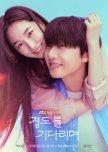

How both are similar in themes of complicated love, reunion, and the things that surround them that makes their journeys so tough.
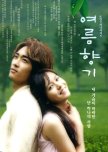
Both tragic themes of their own, talks about issues of first love and how the season primarily revolves around summer
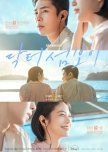

Both Are Set in the Medical World
• Resident Playbook revolves around first-year OB-GYN residents at Jongno Yulje Medical Center, showing the day-to-day of hospital life, patient care, and the pressures of residency training.
• Doctor on the Edge — from early cast info and description — appears to be a medical drama/rom-com that focuses on doctors on the brink (suggesting high-stress medical environments).
• Resident Playbook revolves around first-year OB-GYN residents at Jongno Yulje Medical Center, showing the day-to-day of hospital life, patient care, and the pressures of residency training.
• Doctor on the Edge — from early cast info and description — appears to be a medical drama/rom-com that focuses on doctors on the brink (suggesting high-stress medical environments).

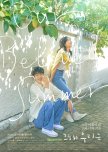
A Hundred Memories and Our Beloved Summer share several similarities in theme, tone, and emotional storytelling. Here are the key points of similarity in sentence format:
1. Both explore the lingering feelings of first love. The central characters in both series deal with unresolved emotions from a past relationship, navigating how time, distance, and personal growth affect love that never quite faded.
2. They use a past-vs-present narrative structure. The stories jump between past and present timelines, allowing viewers to see how the characters’ youthful innocence contrasts with their matured, more complicated adult selves.
3. They emphasize emotional realism. Instead of relying on melodrama, both shows highlight small, quiet moments of heartbreak, longing, and reconnection, making the emotions feel deeply authentic and relatable.
4. The protagonists are flawed but deeply human. Both shows portray characters who are imperfect—misunderstandings, pride, and emotional baggage create the obstacles they must overcome to grow and reconnect.
5. Art and creativity play central roles. In Our Beloved Summer, the characters are tied by a documentary and illustration; in A Hundred Memories, themes of photography, music, or other creative expression often carry emotional weight, showcasing how art reflects personal history.
6. They are visually soft and introspective. Both series use warm, nostalgic cinematography with a subtle and aesthetic approach to capture mood and memory, enhancing the emotional undertones of the story.
7. The stories revolve around healing and second chances. At their core, both shows are about how time changes people and how love can evolve or be rediscovered when both individuals have grown.
1. Both explore the lingering feelings of first love. The central characters in both series deal with unresolved emotions from a past relationship, navigating how time, distance, and personal growth affect love that never quite faded.
2. They use a past-vs-present narrative structure. The stories jump between past and present timelines, allowing viewers to see how the characters’ youthful innocence contrasts with their matured, more complicated adult selves.
3. They emphasize emotional realism. Instead of relying on melodrama, both shows highlight small, quiet moments of heartbreak, longing, and reconnection, making the emotions feel deeply authentic and relatable.
4. The protagonists are flawed but deeply human. Both shows portray characters who are imperfect—misunderstandings, pride, and emotional baggage create the obstacles they must overcome to grow and reconnect.
5. Art and creativity play central roles. In Our Beloved Summer, the characters are tied by a documentary and illustration; in A Hundred Memories, themes of photography, music, or other creative expression often carry emotional weight, showcasing how art reflects personal history.
6. They are visually soft and introspective. Both series use warm, nostalgic cinematography with a subtle and aesthetic approach to capture mood and memory, enhancing the emotional undertones of the story.
7. The stories revolve around healing and second chances. At their core, both shows are about how time changes people and how love can evolve or be rediscovered when both individuals have grown.
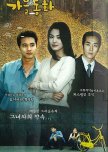
A Hundred Memories and Autumn in My Heart share a melancholic, emotionally rich tone that revolves around love, fate, and the passage of time. While A Hundred Memories leans more toward nostalgia and reflection, both dramas evoke that same bittersweet feeling of cherishing moments that can never return.
Like Autumn in My Heart, A Hundred Memories explores the fragility of youth and love, portraying relationships marked by longing, sacrifice, and emotional depth rather than lighthearted romance. Both shows use quiet pacing and atmospheric cinematography—soft lighting, gentle music, and nature-infused visuals—to emphasize emotion over dialogue.
They also share a deep sense of inevitability—a feeling that time, circumstance, or destiny will separate the people we love, leaving only memories behind. The emotions are heightened not through dramatic twists, but through the quiet tragedy of growing up, losing innocence, and realizing that some love stories exist only in memory.
Like Autumn in My Heart, A Hundred Memories explores the fragility of youth and love, portraying relationships marked by longing, sacrifice, and emotional depth rather than lighthearted romance. Both shows use quiet pacing and atmospheric cinematography—soft lighting, gentle music, and nature-infused visuals—to emphasize emotion over dialogue.
They also share a deep sense of inevitability—a feeling that time, circumstance, or destiny will separate the people we love, leaving only memories behind. The emotions are heightened not through dramatic twists, but through the quiet tragedy of growing up, losing innocence, and realizing that some love stories exist only in memory.
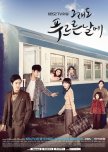
A Hundred Memories and In Still Green Days share several key similarities in tone, themes, and emotional storytelling, making them resonate in a very similar way.
Both dramas are deeply nostalgic—they capture the feeling of looking back on one’s youth with warmth, regret, and affection. Each focuses on ordinary people and everyday moments rather than grand plotlines, finding beauty in small, human experiences like friendship, first love, and growing up in simpler times.
Like In Still Green Days, A Hundred Memories unfolds at a gentle, reflective pace, allowing viewers to absorb the emotions behind every glance, silence, and smile. Both are coming-of-age stories set against a past era, using that time period to heighten the sense of longing and innocence lost.
Visually, both share a soft, naturalistic look—warm lighting, muted colors, and a sense of stillness that mirrors memory itself. They also highlight family and community ties, showing how the people around us shape who we become.
Ultimately, the two dramas are similar because they both explore the bittersweet beauty of growing up and remembering what time has taken away, inviting viewers to reflect on their own memories with tenderness.
Both dramas are deeply nostalgic—they capture the feeling of looking back on one’s youth with warmth, regret, and affection. Each focuses on ordinary people and everyday moments rather than grand plotlines, finding beauty in small, human experiences like friendship, first love, and growing up in simpler times.
Like In Still Green Days, A Hundred Memories unfolds at a gentle, reflective pace, allowing viewers to absorb the emotions behind every glance, silence, and smile. Both are coming-of-age stories set against a past era, using that time period to heighten the sense of longing and innocence lost.
Visually, both share a soft, naturalistic look—warm lighting, muted colors, and a sense of stillness that mirrors memory itself. They also highlight family and community ties, showing how the people around us shape who we become.
Ultimately, the two dramas are similar because they both explore the bittersweet beauty of growing up and remembering what time has taken away, inviting viewers to reflect on their own memories with tenderness.
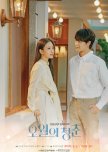
It’s set in 1980 and focuses on the love, dreams, and friendships of young people living in turbulent times — it balances romance and nostalgia without losing the emotional core
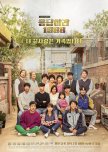
Both A Hundred Memories and Reply 1988 share a warm, nostalgic tone that captures the beauty of ordinary life and the passage of time. Each tells a story rooted in community, friendship, and growing up, showing how everyday moments become precious memories.
Like Reply 1988, A Hundred Memories focuses on tight-knit relationships—neighbors or friends who feel like family—and highlights the joy and pain of youth through subtle, heartfelt storytelling rather than dramatic twists. Both use soft visuals, period music, and a reflective mood to evoke a deep sense of nostalgia.
Ultimately, the two dramas explore similar themes: love, family, and the bittersweet realization that time changes everything, yet some memories remain timeless.
Like Reply 1988, A Hundred Memories focuses on tight-knit relationships—neighbors or friends who feel like family—and highlights the joy and pain of youth through subtle, heartfelt storytelling rather than dramatic twists. Both use soft visuals, period music, and a reflective mood to evoke a deep sense of nostalgia.
Ultimately, the two dramas explore similar themes: love, family, and the bittersweet realization that time changes everything, yet some memories remain timeless.
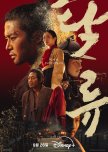
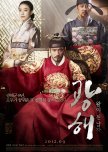
• Both are set in the Joseon era, using history as a stage for bigger questions about power, corruption, and human nature.
• They both dive into political intrigue and corruption — Masquerade focuses on palace officials plotting in the royal court, while The Murky Stream shows corruption flowing through merchants, officials, and society at large.
• At the heart of both stories is the idea of an ordinary or underestimated figure being pushed into a position of leadership, and how that changes them.
• Themes of identity and hidden selves are central: masks, secrets, or hidden pasts drive the drama forward.
• Both works explore how empathy and moral courage can transform leadership, even in dark, cynical times.
And tying it together even more: they share the same director, Choo Chang-min. That’s why you’ll notice a similar tone — elegant but intense, heavy on moral dilemmas, and visually rich with Joseon-era detail.
• They both dive into political intrigue and corruption — Masquerade focuses on palace officials plotting in the royal court, while The Murky Stream shows corruption flowing through merchants, officials, and society at large.
• At the heart of both stories is the idea of an ordinary or underestimated figure being pushed into a position of leadership, and how that changes them.
• Themes of identity and hidden selves are central: masks, secrets, or hidden pasts drive the drama forward.
• Both works explore how empathy and moral courage can transform leadership, even in dark, cynical times.
And tying it together even more: they share the same director, Choo Chang-min. That’s why you’ll notice a similar tone — elegant but intense, heavy on moral dilemmas, and visually rich with Joseon-era detail.
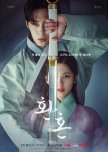
• Fantasy-historical blend: Both shows are not just standard sageuks (historical dramas) — they weave in magic, curses, and supernatural beings alongside Joseon-style backdrops.
• Fate-driven storytelling: In both, the main characters are bound by destiny and forces beyond their control — whether it’s divine curses (Lovers of the Red Sky) or soul-shifting sorcery (Alchemy of Souls).
• Romance with a twist: The central relationships in each drama are charged with romantic tension complicated by supernatural circumstances — love is both a source of strength and danger.
• Identity struggles: Alchemy of Souls leans into literal soul-swapping and hidden identities, while Lovers of the Red Sky uses blindness, curses, and divine possession — but both dramas play with “who am I really?” as a core theme.
• Political intrigue: Neither show sticks to just love and magic — they fold in court politics, rival factions, and power struggles that test loyalty and create high-stakes conflicts.
• Fate-driven storytelling: In both, the main characters are bound by destiny and forces beyond their control — whether it’s divine curses (Lovers of the Red Sky) or soul-shifting sorcery (Alchemy of Souls).
• Romance with a twist: The central relationships in each drama are charged with romantic tension complicated by supernatural circumstances — love is both a source of strength and danger.
• Identity struggles: Alchemy of Souls leans into literal soul-swapping and hidden identities, while Lovers of the Red Sky uses blindness, curses, and divine possession — but both dramas play with “who am I really?” as a core theme.
• Political intrigue: Neither show sticks to just love and magic — they fold in court politics, rival factions, and power struggles that test loyalty and create high-stakes conflicts.
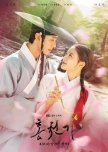
• Historical setting: Both dramas pull you into Joseon-era Korea, where the backdrop of rigid hierarchies, royal courts, and societal rules adds weight to every decision the characters make.
• Fate and destiny: In Lovers of the Red Sky, the leads are bound by supernatural destiny and divine forces. In The Murky Stream, the “destiny” comes more from bloodlines, family ties, and merchant class politics, but in both, the characters’ lives are steered by forces bigger than themselves.
• Court and political intrigue: While Lovers of the Red Sky uses palace drama and royal manipulations, The Murky Stream uses corrupt officials and merchant power struggles. Either way, the storylines hinge on backroom deals, hidden motives, and people trying to outwit those in power.
• Personal struggles: Both dramas ground their larger-than-life elements with deeply human stories—love, ambition, betrayal, loyalty. The protagonists face heavy choices that test not only their morals but also their relationships with the people they love.
• Fate and destiny: In Lovers of the Red Sky, the leads are bound by supernatural destiny and divine forces. In The Murky Stream, the “destiny” comes more from bloodlines, family ties, and merchant class politics, but in both, the characters’ lives are steered by forces bigger than themselves.
• Court and political intrigue: While Lovers of the Red Sky uses palace drama and royal manipulations, The Murky Stream uses corrupt officials and merchant power struggles. Either way, the storylines hinge on backroom deals, hidden motives, and people trying to outwit those in power.
• Personal struggles: Both dramas ground their larger-than-life elements with deeply human stories—love, ambition, betrayal, loyalty. The protagonists face heavy choices that test not only their morals but also their relationships with the people they love.
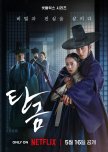
• Both are historical period dramas set in Joseon.
• Both dive into merchant families and power struggles.
• Both center on hidden truths/identities driving the story.
• Both explore corruption and injustice in society.
• Both have a mix of personal revenge + larger political intrigue.
• Both dive into merchant families and power struggles.
• Both center on hidden truths/identities driving the story.
• Both explore corruption and injustice in society.
• Both have a mix of personal revenge + larger political intrigue.


