

 1
1




Spans late 1990s into early 2000s; shows growth, dreams, how historical & economic events affect personal lives. Nostalgic, hopeful, character?driven.

Nostalgia at the Heart
Both A Hundred Memories and 20th Century Girl are rooted in nostalgia. A Hundred Memories takes us to the 1980s, while 20th Century Girl is set in 1999, right at the turn of the millennium. Despite the different decades, both dramas recreate the feel of their eras with vivid detail — from school uniforms and old music to analog friendships and innocent first love. The setting isn’t just background; it shapes the characters’ lives and brings a strong wave of longing for a simpler time.
Youth, Friendship, and First Love
At their core, both stories explore youth through the lens of heartfelt friendship and quiet romance. In A Hundred Memories, the relationship between Go Young-rye and Seo Jong-hee is central — two girls chasing dreams, working hard, and finding their place in the world. Similarly, 20th Century Girl tells the story of Na Bo-ra and her selfless friendship, even as she navigates young love and heartbreak. Both works show how friendships during youth can be beautiful, messy, and unforgettable.
Emotional Honesty and Bittersweet Vibes
Neither drama is overly dramatic or flashy — instead, they rely on sincere storytelling. The emotions are raw but grounded: the ache of longing, the joy of small moments, the sting of missed chances. 20th Century Girl hits you with an emotional twist that reframes everything, and A Hundred Memories hints at deeper stories and pain beneath the surface, making you want to keep watching. Both remind us that youth is fleeting, but its memories stay with us forever.
Ordinary Girls, Quiet Strength
Young-rye and Bo-ra aren’t perfect heroines. They’re regular girls—sometimes bold, sometimes unsure, but always real. They carry family burdens, navigate emotional dilemmas, and face hard choices, all while holding onto their dreams. Their quiet strength is what makes them unforgettable.
Both A Hundred Memories and 20th Century Girl are rooted in nostalgia. A Hundred Memories takes us to the 1980s, while 20th Century Girl is set in 1999, right at the turn of the millennium. Despite the different decades, both dramas recreate the feel of their eras with vivid detail — from school uniforms and old music to analog friendships and innocent first love. The setting isn’t just background; it shapes the characters’ lives and brings a strong wave of longing for a simpler time.
Youth, Friendship, and First Love
At their core, both stories explore youth through the lens of heartfelt friendship and quiet romance. In A Hundred Memories, the relationship between Go Young-rye and Seo Jong-hee is central — two girls chasing dreams, working hard, and finding their place in the world. Similarly, 20th Century Girl tells the story of Na Bo-ra and her selfless friendship, even as she navigates young love and heartbreak. Both works show how friendships during youth can be beautiful, messy, and unforgettable.
Emotional Honesty and Bittersweet Vibes
Neither drama is overly dramatic or flashy — instead, they rely on sincere storytelling. The emotions are raw but grounded: the ache of longing, the joy of small moments, the sting of missed chances. 20th Century Girl hits you with an emotional twist that reframes everything, and A Hundred Memories hints at deeper stories and pain beneath the surface, making you want to keep watching. Both remind us that youth is fleeting, but its memories stay with us forever.
Ordinary Girls, Quiet Strength
Young-rye and Bo-ra aren’t perfect heroines. They’re regular girls—sometimes bold, sometimes unsure, but always real. They carry family burdens, navigate emotional dilemmas, and face hard choices, all while holding onto their dreams. Their quiet strength is what makes them unforgettable.
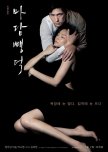
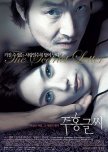
Both "The Scarlet Letter" (2004) and "Scarlet Innocence" (2014) are Korean erotic thrillers that explore complex emotional relationships and the darker sides of human nature. They both revolve around themes of infidelity and deception. "The Scarlet Letter" follows a detective who leads a double life with his wife and mistress, while "Scarlet Innocence" involves a university professor who has an affair with a small-town woman, leading to tragic consequences. Additionally, both films contain explicit sexual content and explore eroticism. The characters in both movies are complex and morally ambiguous. Lastly, both films received critical acclaim but also sparked controversy due to their explicit content.
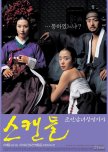
Both "The Scarlet Letter" (2004) and "Untold Scandal" (2003) are Korean films that delve into complex emotional relationships and explore the darker sides of human nature. They both revolve around themes of infidelity and deception. "The Scarlet Letter" follows a detective who leads a double life with his wife and mistress, while "Untold Scandal" involves a manipulative noblewoman who challenges her cousin to seduce a young woman of great virtue. Additionally, both films contain explicit sexual content and explore eroticism. The characters in both movies are complex and morally ambiguous. Lastly, both films received critical acclaim but also sparked controversy due to their explicit content.
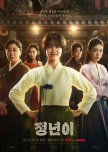

Although the theme and setting contrasts between the two dramas, they have similarities in terms of rivalries in the industry.
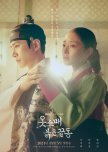
"Jeong Nyeon: The Star Is Born" and "The Red Sleeve" share several similarities that make them appealing to fans of historical K-dramas:
1. **Historical Setting**: Both dramas are set in historical periods, with "Jeong Nyeon" taking place in the 1950s post-Korean War era, and "The Red Sleeve" set during the Joseon Dynasty¹².
2. **Strong Female Leads**: Both series feature strong, determined female protagonists. In "Jeong Nyeon," Kim Tae-ri plays a young vocal prodigy striving to become a top traditional theater actor¹. In "The Red Sleeve," Lee Se-young portrays a court lady who navigates palace life and her relationship with the king².
3. **Themes of Personal Growth and Ambition**: Both dramas explore the personal growth and ambitions of their main characters. Jeong Nyeon faces intense competition and personal challenges in her journey to stardom¹, while Seong Deok-im in "The Red Sleeve" strives to live life on her own terms despite the constraints of court life².
4. **Complex Relationships**: The relationships in both dramas are intricate and deeply emotional. "Jeong Nyeon" highlights the protagonist's rivalry and mentorship dynamics¹, while "The Red Sleeve" focuses on the romantic and political complexities between the king and his consort².
5. **Directed by Jung Ji-in**: Both dramas share the same director, Jung Ji-in, which brings a similar storytelling style and visual aesthetic to the series¹.
1. **Historical Setting**: Both dramas are set in historical periods, with "Jeong Nyeon" taking place in the 1950s post-Korean War era, and "The Red Sleeve" set during the Joseon Dynasty¹².
2. **Strong Female Leads**: Both series feature strong, determined female protagonists. In "Jeong Nyeon," Kim Tae-ri plays a young vocal prodigy striving to become a top traditional theater actor¹. In "The Red Sleeve," Lee Se-young portrays a court lady who navigates palace life and her relationship with the king².
3. **Themes of Personal Growth and Ambition**: Both dramas explore the personal growth and ambitions of their main characters. Jeong Nyeon faces intense competition and personal challenges in her journey to stardom¹, while Seong Deok-im in "The Red Sleeve" strives to live life on her own terms despite the constraints of court life².
4. **Complex Relationships**: The relationships in both dramas are intricate and deeply emotional. "Jeong Nyeon" highlights the protagonist's rivalry and mentorship dynamics¹, while "The Red Sleeve" focuses on the romantic and political complexities between the king and his consort².
5. **Directed by Jung Ji-in**: Both dramas share the same director, Jung Ji-in, which brings a similar storytelling style and visual aesthetic to the series¹.

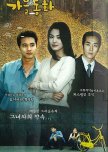
“Autumn in My Heart” and “What’s Wrong with Secretary Kim” are both popular South Korean dramas, but they differ in several ways. Let’s explore their similarities and differences:
Romantic Relationships:
“Autumn in My Heart”: This 2000 drama revolves around the tragic love story of childhood friends Joon-suh and Eun-suh. They are separated due to family circumstances and later reunite, facing emotional turmoil.
“What’s Wrong with Secretary Kim”: In this 2018 drama, a narcissistic CEO, Lee Young-joon, realizes his dependence on his hard-working secretary, Kim Mi-so. Their relationship evolves as they uncover traumatic childhood memories.
Emotional Depth:
Both dramas delve into emotional depth. “Autumn in My Heart” is known for tear-jerking moments, while “What’s Wrong with Secretary Kim” balances romance, humor, and character growth.
Fate and Coincidence:
Both series emphasize fate and coincidence. In “Autumn in My Heart,” characters’ lives intersect unexpectedly. In “What’s Wrong with Secretary Kim,” the protagonists’ shared past trauma plays a crucial role.
Heartfelt Confessions:
In “Autumn in My Heart,” Joon-suh and Eun-suh express their feelings despite challenges.
In “What’s Wrong with Secretary Kim,” Young-joon’s heartfelt confession adds depth to the story.
Wedding Scenes:
Both dramas feature memorable wedding scenes. “Autumn in My Heart” portrays a bittersweet wedding, while “What’s Wrong with Secretary Kim” delivers a fairy-tale ending.
Romantic Relationships:
“Autumn in My Heart”: This 2000 drama revolves around the tragic love story of childhood friends Joon-suh and Eun-suh. They are separated due to family circumstances and later reunite, facing emotional turmoil.
“What’s Wrong with Secretary Kim”: In this 2018 drama, a narcissistic CEO, Lee Young-joon, realizes his dependence on his hard-working secretary, Kim Mi-so. Their relationship evolves as they uncover traumatic childhood memories.
Emotional Depth:
Both dramas delve into emotional depth. “Autumn in My Heart” is known for tear-jerking moments, while “What’s Wrong with Secretary Kim” balances romance, humor, and character growth.
Fate and Coincidence:
Both series emphasize fate and coincidence. In “Autumn in My Heart,” characters’ lives intersect unexpectedly. In “What’s Wrong with Secretary Kim,” the protagonists’ shared past trauma plays a crucial role.
Heartfelt Confessions:
In “Autumn in My Heart,” Joon-suh and Eun-suh express their feelings despite challenges.
In “What’s Wrong with Secretary Kim,” Young-joon’s heartfelt confession adds depth to the story.
Wedding Scenes:
Both dramas feature memorable wedding scenes. “Autumn in My Heart” portrays a bittersweet wedding, while “What’s Wrong with Secretary Kim” delivers a fairy-tale ending.

Tragic Love: Both dramas explore heart-wrenching love stories. In “Autumn in My Heart,” childhood friends are separated by family circumstances and later reunite. Similarly, “Crash Landing on You” portrays the love between a South Korean woman and a North Korean army officer.
Fate and Coincidence: Both series emphasize fate and coincidence. In “Autumn in My Heart,” characters’ lives intersect unexpectedly. In “Crash Landing on You,” the female lead crash-lands in North Korea, leading to an unlikely romance.
Emotional Impact: Both dramas evoke strong emotions. “Autumn in My Heart” is known for tear-jerking moments, while “Crash Landing on You” combines romance, humor, and heartwarming scenes.
Fate and Coincidence: Both series emphasize fate and coincidence. In “Autumn in My Heart,” characters’ lives intersect unexpectedly. In “Crash Landing on You,” the female lead crash-lands in North Korea, leading to an unlikely romance.
Emotional Impact: Both dramas evoke strong emotions. “Autumn in My Heart” is known for tear-jerking moments, while “Crash Landing on You” combines romance, humor, and heartwarming scenes.

Tragic Love: Both dramas explore heartbreaking love stories. In “Autumn in My Heart,” childhood friends Joon-suh and Eun-suh are separated due to family circumstances, only to reunite years later. Similarly, “Youth of May” portrays the love between Hae-ryong and Myeong-hee during the turbulent events of the Gwangju Uprising.
Fate and Coincidence: Both dramas emphasize fate and coincidence. In “Autumn in My Heart,” the characters’ lives intersect unexpectedly after years apart. In “Youth of May,” Hae-ryong and Myeong-hee meet during a time of political upheaval, highlighting the role of destiny.
Emotional Intensity: Both series evoke strong emotions. “Autumn in My Heart” is known for its tear-jerking moments, while “Youth of May” also tugs at viewers’ heartstrings with its poignant storytelling.
Fate and Coincidence: Both dramas emphasize fate and coincidence. In “Autumn in My Heart,” the characters’ lives intersect unexpectedly after years apart. In “Youth of May,” Hae-ryong and Myeong-hee meet during a time of political upheaval, highlighting the role of destiny.
Emotional Intensity: Both series evoke strong emotions. “Autumn in My Heart” is known for its tear-jerking moments, while “Youth of May” also tugs at viewers’ heartstrings with its poignant storytelling.
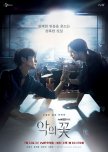

The K-dramas “Flower of Evil” and “The Glory” share several thematic and contextual similarities:
Revenge and Justice: Both dramas center around the theme of revenge. In “Flower of Evil,” the protagonist’s dark past and hidden identity lead to a quest for truth and justice. Similarly, “The Glory” follows a woman seeking revenge against those who wronged her in the past.
Complex Characters: Both series feature deeply complex characters with intricate backstories. The protagonists in both dramas have endured significant trauma, which shapes their actions and motivations throughout the series.
Psychological Depth: Both dramas delve into the psychological aspects of their characters, exploring how their past traumas affect their present lives and relationships. This adds a layer of emotional depth to the storytelling.
Suspense and Mystery: Both “Flower of Evil” and “The Glory” are filled with suspense and mystery, keeping viewers engaged with unexpected twists and turns. The intricate plots and the gradual revelation of secrets make for a thrilling viewing experience.
Strong Female Leads: Both dramas feature strong female leads who play crucial roles in uncovering the truth and driving the narrative forward. Their determination and resilience are central to the storylines.
Revenge and Justice: Both dramas center around the theme of revenge. In “Flower of Evil,” the protagonist’s dark past and hidden identity lead to a quest for truth and justice. Similarly, “The Glory” follows a woman seeking revenge against those who wronged her in the past.
Complex Characters: Both series feature deeply complex characters with intricate backstories. The protagonists in both dramas have endured significant trauma, which shapes their actions and motivations throughout the series.
Psychological Depth: Both dramas delve into the psychological aspects of their characters, exploring how their past traumas affect their present lives and relationships. This adds a layer of emotional depth to the storytelling.
Suspense and Mystery: Both “Flower of Evil” and “The Glory” are filled with suspense and mystery, keeping viewers engaged with unexpected twists and turns. The intricate plots and the gradual revelation of secrets make for a thrilling viewing experience.
Strong Female Leads: Both dramas feature strong female leads who play crucial roles in uncovering the truth and driving the narrative forward. Their determination and resilience are central to the storylines.

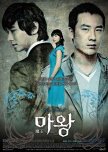
1. **Revenge and Justice**: Both dramas revolve around themes of revenge and justice. In "Lucifer," Ju Ji-hoon’s main character seeks to avenge his brother's death, while in "Time Between Dog and Wolf," Lee Joon Gi’s main character is driven by the desire to avenge his mother's murder.
2. **Complex Characters**: The characters in both dramas are deeply complex and undergo significant development. They face moral dilemmas and personal struggles that add depth to the narrative.
3. **Undercover Operations**: Both series feature protagonists who go undercover to achieve their goals. In "Lucifer," the protagonist uses his legal expertise to manipulate situations, while in "Time Between Dog and Wolf," the main character infiltrates a criminal organization under a new identity.
4. **Psychological and Emotional Depth**: Both dramas delve into the psychological and emotional aspects of their characters, exploring how their past traumas and current missions affect their mental states and relationships.
5. **Action and Suspense**: Both series are filled with action and suspense, keeping viewers on the edge of their seats. The intricate plots and unexpected twists make for a thrilling viewing experience.
2. **Complex Characters**: The characters in both dramas are deeply complex and undergo significant development. They face moral dilemmas and personal struggles that add depth to the narrative.
3. **Undercover Operations**: Both series feature protagonists who go undercover to achieve their goals. In "Lucifer," the protagonist uses his legal expertise to manipulate situations, while in "Time Between Dog and Wolf," the main character infiltrates a criminal organization under a new identity.
4. **Psychological and Emotional Depth**: Both dramas delve into the psychological and emotional aspects of their characters, exploring how their past traumas and current missions affect their mental states and relationships.
5. **Action and Suspense**: Both series are filled with action and suspense, keeping viewers on the edge of their seats. The intricate plots and unexpected twists make for a thrilling viewing experience.
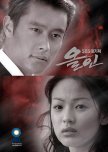
1. **Revenge and Redemption**: Both dramas delve deeply into themes of revenge and redemption. In "Lucifer," the protagonist seeks vengeance for his brother's death, while in "All In," the main character's life is shaped by his quest for revenge and his subsequent journey towards redemption.
2. **Dark and Intense Atmosphere**: Both series have a dark and intense atmosphere, with intricate plots that keep viewers on the edge of their seats. "Lucifer" is more of a psychological thriller, whereas "All In" combines elements of romance and action with its dramatic storyline.
3. **Complex Characters**: The characters in both dramas are multi-dimensional and undergo significant development. They face moral dilemmas and personal struggles that add depth to the narrative.
4. **Tragic Elements**: Tragedy plays a significant role in both dramas. The male protagonists (Lee Byung-Hun and Ju Ji-hoon) experience profound losses and hardships, which drive the story forward and evoke strong emotional responses from the audience.
2. **Dark and Intense Atmosphere**: Both series have a dark and intense atmosphere, with intricate plots that keep viewers on the edge of their seats. "Lucifer" is more of a psychological thriller, whereas "All In" combines elements of romance and action with its dramatic storyline.
3. **Complex Characters**: The characters in both dramas are multi-dimensional and undergo significant development. They face moral dilemmas and personal struggles that add depth to the narrative.
4. **Tragic Elements**: Tragedy plays a significant role in both dramas. The male protagonists (Lee Byung-Hun and Ju Ji-hoon) experience profound losses and hardships, which drive the story forward and evoke strong emotional responses from the audience.


