


 2
2 1
1 1
1


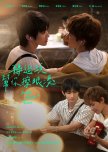
Smile After Tears — Beautiful Ideas, Missing Emotions
Taiwan has produced some of my favorite BLs over the years. Whether it's We Best Love, See Your Love, Plus & Minus, Be Loved in House: I Do, or The On1y One, Taiwanese productions have a unique way of making emotions feel genuine. That's exactly why I was looking forward to Smile After Tears. The premise had everything I enjoy: first love, music, fantasy, grief, and a director, Chiang Ping Chen, whose previous BLs I have loved. Unfortunately, this is one of those rare Taiwanese BLs that left me emotionally disconnected. The story itself was never the problem. A romance interrupted by death, with one character trying to help the person he loves move on from the afterlife, is a beautiful concept. It's also a theme we've seen in several BLs before. Whether through reincarnation, ghosts, or unfinished goodbyes, many series have explored the idea that love can continue after death. Smile After Tears doesn't reinvent that formula, but it didn't need to. What mattered was making me feel the loss.
Sadly, that's where the series struggled the most. Death should completely change the emotional atmosphere of a story. Here, it almost feels like another plot point. The characters cry very little, the grief comes and goes incredibly quickly, and before I had time to process what happened, the story had already moved on to the next scene. Instead of allowing silence, sadness and absence to settle, the editing constantly pushes the narrative forward. As a result, I never truly felt the weight of losing one of the main characters.
Brian Cheng's character also made that emotional journey more difficult for me. I understand why he exists in the story. Loving someone since childhood while knowing that person loves someone else could have added another layer to the grief. Instead, I often found his presence frustrating. Rather than helping me experience Jun Jia's loss, his storyline repeatedly pulled my attention away from the emotion I was supposed to be feeling. That also affected Chang Junjia's performance. At first, I wondered if he simply wasn't expressive enough. But the more I watched, the more I realised I don't think the acting was the real issue. I actually believe the problem came from the directing and especially the editing.
There are moments where Chang Junjia clearly shows pain. He cries, he breaks down, and you can see the emotion is there. The problem is that those moments rarely last. The series cuts away so quickly that the audience never has time to stay with his grief. A few minutes later, he's smiling again, continuing his daily life, and the emotional impact almost disappears. Because of that, the title itself started to lose its meaning for me. A smile after tears should feel earned. It should represent healing after a long journey through grief. Here, the smile often arrived before I believed the tears had even ended. Instead of seeing someone slowly learning to live again, I sometimes felt as if Jun Jia simply accepted everything far too easily. He kept telling us how much he missed Yan Kai, but I rarely felt that longing through the way the story was edited.
Ironically, that's what disappointed me the most. This wasn't a script problem. The ideas were all there. The fantasy element works, the relationship between the leads is sweet, and the music naturally connects the different stages of their story. Even the production remains beautiful from beginning to end, something I've come to expect from Chiang Ping Chen's work. Considering he previously directed series such as Be Loved in House: I Do, Plus & Minus, See Your Love and Secret Lover, I honestly expected the emotional pacing to be much stronger.
Final Thought
Smile After Tears isn't a bad BL. In fact, I actually liked it. It has a touching premise, a lovable cast, beautiful cinematography and several genuinely heartfelt moments. But when a story is built around love, loss and learning to smile again, the audience needs time to grieve alongside the characters. Unfortunately, the series never allowed me to stay in those emotions long enough. Instead of making me cry with its characters, it simply showed me that they were sad before quickly asking me to move on. That's why, despite enjoying the story overall, I never connected with it as deeply as I hoped I would.
Sadly, that's where the series struggled the most. Death should completely change the emotional atmosphere of a story. Here, it almost feels like another plot point. The characters cry very little, the grief comes and goes incredibly quickly, and before I had time to process what happened, the story had already moved on to the next scene. Instead of allowing silence, sadness and absence to settle, the editing constantly pushes the narrative forward. As a result, I never truly felt the weight of losing one of the main characters.
Brian Cheng's character also made that emotional journey more difficult for me. I understand why he exists in the story. Loving someone since childhood while knowing that person loves someone else could have added another layer to the grief. Instead, I often found his presence frustrating. Rather than helping me experience Jun Jia's loss, his storyline repeatedly pulled my attention away from the emotion I was supposed to be feeling. That also affected Chang Junjia's performance. At first, I wondered if he simply wasn't expressive enough. But the more I watched, the more I realised I don't think the acting was the real issue. I actually believe the problem came from the directing and especially the editing.
There are moments where Chang Junjia clearly shows pain. He cries, he breaks down, and you can see the emotion is there. The problem is that those moments rarely last. The series cuts away so quickly that the audience never has time to stay with his grief. A few minutes later, he's smiling again, continuing his daily life, and the emotional impact almost disappears. Because of that, the title itself started to lose its meaning for me. A smile after tears should feel earned. It should represent healing after a long journey through grief. Here, the smile often arrived before I believed the tears had even ended. Instead of seeing someone slowly learning to live again, I sometimes felt as if Jun Jia simply accepted everything far too easily. He kept telling us how much he missed Yan Kai, but I rarely felt that longing through the way the story was edited.
Ironically, that's what disappointed me the most. This wasn't a script problem. The ideas were all there. The fantasy element works, the relationship between the leads is sweet, and the music naturally connects the different stages of their story. Even the production remains beautiful from beginning to end, something I've come to expect from Chiang Ping Chen's work. Considering he previously directed series such as Be Loved in House: I Do, Plus & Minus, See Your Love and Secret Lover, I honestly expected the emotional pacing to be much stronger.
Final Thought
Smile After Tears isn't a bad BL. In fact, I actually liked it. It has a touching premise, a lovable cast, beautiful cinematography and several genuinely heartfelt moments. But when a story is built around love, loss and learning to smile again, the audience needs time to grieve alongside the characters. Unfortunately, the series never allowed me to stay in those emotions long enough. Instead of making me cry with its characters, it simply showed me that they were sad before quickly asking me to move on. That's why, despite enjoying the story overall, I never connected with it as deeply as I hoped I would.
Was this review helpful to you?


