

 2
2 2
2 1
1


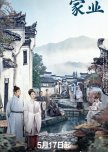
A Drama That Masterfully Crafts Ink, Betrayal, and the Weight of Legacy, What Finally Became a Shit
I just finished the drama, and honestly… this drama's start surprised me in ways I never expected and i started to love it. But the second half was just a piece of shit with AI generated script🍂
I had no expectations going in. When I first saw the premise—a drama about the 𝘪𝘯𝘬 𝘪𝘯𝘥𝘶𝘴𝘵𝘳𝘺 in Ming Dynasty China—my honest reaction was: "𝘞𝘩𝘢𝘵? 𝘐𝘯𝘬? 𝘏𝘰𝘸 𝘮𝘶𝘤𝘩 𝘥𝘦𝘱𝘵𝘩 𝘤𝘢𝘯 𝘵𝘩𝘦𝘳𝘦 𝘱𝘰𝘴𝘴𝘪𝘣𝘭𝘺 𝘣𝘦?" I expected a dry, niche period piece about a craft I knew nothing about. But somewhere along the way, this story starts with something far more compelling.
Because beneath its beautiful cinematography, intricate ink-making sequences, and family clan politics, 𝘛𝘩𝘦 𝘏𝘦𝘪𝘳 is actually about 𝗿𝗲𝘀𝗶𝗹𝗶𝗲𝗻𝗰𝗲, 𝗯𝗲𝘁𝗿𝗮𝘆𝗮𝗹, 𝘁𝗵𝗲 𝗰𝗼𝘀𝘁 𝗼𝗳 𝗮𝗺𝗯𝗶𝘁𝗶𝗼𝗻, 𝘁𝗵𝗲 𝘄𝗲𝗶𝗴𝗵𝘁 𝗼𝗳 𝗳𝗮𝗺𝗶𝗹𝘆 𝗹𝗲𝗴𝗮𝗰𝘆, 𝗮𝗻𝗱 𝘁𝗵𝗲 𝗾𝘂𝗶𝗲𝘁 𝘄𝗮𝗿 𝘄𝗼𝗺𝗲𝗻 𝗳𝗶𝗴𝗵𝘁 𝘁𝗼 𝗯𝗲 𝘀𝗲𝗲𝗻 𝗮𝘀 𝗲𝗾𝘂𝗮𝗹𝘀 𝗶𝗻 𝗮 𝘄𝗼𝗿𝗹𝗱 𝘁𝗵𝗮𝘁 𝗰𝗼𝗻𝘀𝘁𝗮𝗻𝘁𝗹𝘆 𝗱𝗶𝘀𝗺𝗶𝘀𝘀𝗲𝘀 𝘁𝗵𝗲𝗺. And what surprised me most is how emotionally invested I became—until the second half, when the writing began to unravel.
🖋️ 𝗙𝗜𝗥𝗦𝗧 𝗜𝗠𝗣𝗥𝗘𝗦𝗦𝗜𝗢𝗡𝗦 — 𝗔 𝗙𝗥𝗘𝗦𝗛 𝗣𝗥𝗘𝗠𝗜𝗦𝗘 𝗧𝗛𝗔𝗧 𝗗𝗘𝗟𝗜𝗩𝗘𝗥𝗦 (𝗔𝗧 𝗙𝗜𝗥𝗦𝗧)
The drama opens with a genuinely fascinating hook. The tribute ink competition between the Li, Luo, Chen, and Pan families establishes a world where ink-making is not a humble craft but a 𝗵𝗶𝗴𝗵-𝘀𝘁𝗮𝗸𝗲𝘀 𝗽𝗼𝗹𝗶𝘁𝗶𝗰𝗮𝗹 𝗯𝗮𝘁𝘁𝗹𝗲𝗴𝗿𝗼𝘂𝗻𝗱. The detail is immersive: pine soot vs. lacquer soot, the "Five Hues of Ink" test, the difference between "bone" and "soul" in a single ink stick. I learned more about traditional ink-making than I ever expected to care about—and I 𝘥𝘪𝘥 care.
Young Li Zhen's childhood introduction—boldly stepping forward at the competition, befriending the rival Luo Wenqian, identifying ink sticks by scent alone—immediately establishes her as someone special. The tragedy that follows (the tribute boat fire, her father's death, the Eighth Branch's exile) sets up genuine emotional stakes.
The first half of this drama is 𝗴𝗲𝗻𝘂𝗶𝗻𝗲𝗹𝘆 𝘀𝘁𝗿𝗼𝗻𝗴.The pacing is tight, the conflicts feel earned, and Li Zhen's journey from exiled outcast to independent ink-maker is beautifully constructed. Her blindfolded lampblack demonstration remains one of the most thrilling sequences I've watched in any period drama. 👏
🖤 𝗟𝗜 𝗭𝗛𝗘𝗡 — 𝗔 𝗙𝗘𝗠𝗔𝗟𝗘 𝗟𝗘𝗔𝗗 𝗪𝗢𝗥𝗧𝗛 𝗥𝗢𝗢𝗧𝗜𝗡𝗚 𝗙𝗢𝗥 (𝗠𝗢𝗦𝗧𝗟𝗬)
Li Zhen became one of the more compelling female leads I have watched this year. Yang Zi's acting is 𝘂𝗻𝗱𝗲𝗻𝗶𝗮𝗯𝗹𝗲—no matter how frustrating the writing became later, she never stopped delivering.
What makes Li Zhen special is that her intelligence is 𝗲𝗮𝗿𝗻𝗲𝗱, not announced. She observes, learns, adapts, and survives. She fails repeatedly—her early attempts at recreating the ancient lacquer-soot ink are described as "mediocre" and "fragile." She doesn't magically succeed; she works, fails, and works again.
𝗛𝗲𝗿 𝗱𝗲𝗳𝗶𝗻𝗶𝗻𝗴 𝗺𝗼𝗺𝗲𝗻𝘁 comes not when she succeeds, but when she 𝘤𝘩𝘰𝘰𝘴𝘦𝘴 to leave. After being framed for leaking the ink recipe, publicly humiliated, and watching her own family turn against her, she walks away. She refuses to sign the contract. She opens Xiao Li Ink Workshop on her own terms. That scene—her turning her back on the toxic Li household—is quiet but devastating. 💪
However—and this is a significant 𝘩𝘰𝘸𝘦𝘷𝘦𝘳—the writing does her a disservice in the second half. She transforms from a vulnerable, learning protagonist into something approaching a 𝘀𝘂𝗽𝗲𝗿𝘄𝗼𝗺𝗮𝗻. Problems that once took episodes to solve are resolved in single scenes. Obstacles appear and disappear with mechanical regularity. The emotional nuance of her early journey gets buried under repetitive "family schemes → Li Zhen saves the day" cycles. Yang Zi deserves better than what the script gave her 🥀
🐍 𝗧𝗜𝗔𝗡 𝗕𝗘𝗡𝗖𝗛𝗔𝗡𝗚 — 𝗧𝗛𝗘 𝗠𝗢𝗦𝗧 𝗗𝗘𝗩𝗘𝗟𝗢𝗣𝗘𝗗 𝗖𝗛𝗔𝗥𝗔𝗖𝗧𝗘𝗥 (𝗔𝗡𝗗 𝗡𝗢𝗧 𝗜𝗡 𝗔 𝗚𝗢𝗢𝗗 𝗪𝗔𝗬)
I'm going to say something controversial: 𝗧𝗶𝗮𝗻 𝗕𝗲𝗻𝗰𝗵𝗮𝗻𝗴 𝗶𝘀 𝘁𝗵𝗲 𝗺𝗼𝘀𝘁 𝗰𝗼𝗺𝗽𝗹𝗲𝘅 𝗰𝗵𝗮𝗿𝗮𝗰𝘁𝗲𝗿 𝗶𝗻 𝘁𝗵𝗲 𝘀𝗲𝗰𝗼𝗻𝗱 𝗵𝗮𝗹𝗳 𝗼𝗳 𝘁𝗵𝗶𝘀 𝗱𝗿𝗮𝗺𝗮 And I don't think the writers intended that. 😬
He starts as a somewhat sympathetic figure — 𝘢 𝘺𝘰𝘶𝘯𝘨 𝘮𝘢𝘯 𝘧𝘳𝘰𝘮 𝘢 𝘧𝘢𝘮𝘪𝘭𝘺 𝘰𝘧 𝘧𝘰𝘳𝘮𝘦𝘳 𝘴𝘦𝘳𝘷𝘢𝘯𝘵𝘴, desperate to prove himself, genuinely in love with Li Zhen. But his desperation curdles into obsession. The drama shows his transformation: from the man who publicly humiliated Li Zhen by conspiring to steal her family's recipe, to the 𝘳𝘶𝘵𝘩𝘭𝘦𝘴𝘴 𝘣𝘶𝘴𝘪𝘯𝘦𝘴𝘴𝘮𝘢𝘯, who burns Luo Wensong alive, to the calculating villain who sells his own sister for political connections and eventually turns to illegal foreign trade.
Is he 𝘰𝘯𝘦-𝘥𝘪𝘮𝘦𝘯𝘴𝘪𝘰𝘯𝘢𝘭? Yes, eventually. His schemes become repetitive. His motives become cartoonish. But at least he has motives. At least the drama tries to explain why he becomes what he becomes — the humiliation of being a servant's son, the rejection by Li Zhen, the pressure from his father, the corrupting influence of power.
By contrast, Luo Wenqian is 𝘢 𝘣𝘭𝘢𝘯𝘬 𝘴𝘭𝘢𝘵𝘦. I know more about why Tian Benchang hates than why Luo Wenqian loves. That is 𝘢 𝘴𝘵𝘳𝘶𝘤𝘵𝘶𝘳𝘢𝘭 𝘧𝘢𝘪𝘭𝘶𝘳𝘦. 🧱 I've seen this exact villain before. The "frustrated ex-lover with an inferiority complex and psychotic obsession" is not original—it is a 𝘁𝗲𝗺𝗽𝗹𝗮𝘁𝗲. And 𝘛𝘩𝘦 𝘏𝘦𝘪𝘳 never breaks that template. 😔
⚔️ 👤 𝗧𝗛𝗘 𝗠𝗔𝗟𝗘 𝗟𝗘𝗔𝗗 — 𝗪𝗛𝗔𝗧 𝗠𝗔𝗟𝗘 𝗟𝗘𝗔𝗗?
Let me be blunt:𝗟𝘂𝗼 𝗪𝗲𝗻𝗾𝗶𝗮𝗻 / 𝗤𝗶 𝗝𝗶𝘂 𝗶𝘀 𝗻𝗼𝘁 𝗮 𝗺𝗮𝗹𝗲 𝗹𝗲𝗮𝗱 𝗶𝗻 𝗮𝗻𝘆 𝗺𝗲𝗮𝗻𝗶𝗻𝗴𝗳𝘂𝗹 𝘀𝗲𝗻𝘀𝗲. 🚩
His entire existence serves one purpose: to be a romantic interest for Li Zhen and to check that box for the target audience. His backstory — the surviving son of the destroyed Luo family, hiding under an alias, seeking revenge against the Tian family — should be 𝘥𝘳𝘢𝘮𝘢𝘵𝘪𝘤 𝘨𝘰𝘭𝘥. Instead, it's barely developed.
He spends most of the second half standing in the 𝘣𝘢𝘤𝘬𝘨𝘳𝘰𝘶𝘯𝘥, offering occasional support, and then suddenly disappearing for episodes at a time. His "𝘮𝘢𝘴𝘵𝘦𝘳 𝘱𝘭𝘢𝘯" to bring down the Tian family? I genuinely cannot tell you what it was beyond vague gestures and off-screen investigations. When he's finally arrested, I felt... 𝘯𝘰𝘵𝘩𝘪𝘯𝘨. Because the drama never made me care about his revenge. It never showed me his pain beyond a few flashbacks. 🥱
Compare him to Tian Benchang — the 𝘰𝘣𝘴𝘦𝘴𝘴𝘪𝘷𝘦, 𝘭𝘰𝘷𝘦-𝘴𝘤𝘰𝘳𝘯𝘦𝘥 𝘷𝘪𝘭𝘭𝘢𝘪𝘯 with an inferiority complex — and it's genuinely difficult to tell who the drama considers more important. Tian Benchang gets emotional breakdowns. He gets scenes with his sister, his father, and his brother. He has motivations, contradictions, and an increasingly unhinged psychology.
Luo Wenqian gets... pining looks at Li Zhen. That's it. This is not a male lead. This is a 𝘳𝘰𝘮𝘢𝘯𝘵𝘪𝘤 𝘢𝘤𝘤𝘦𝘴𝘴𝘰𝘳𝘺. And that is a waste of a potentially compelling character.
🏛️ 𝗧𝗛𝗘 𝗪𝗥𝗜𝗧𝗜𝗡𝗚 — 𝗦𝗧𝗥𝗢𝗡𝗚 𝗦𝗧𝗔𝗥𝗧, 𝗖𝗔𝗧𝗔𝗦𝗧𝗥𝗢𝗣𝗛𝗜𝗖 𝗦𝗘𝗖𝗢𝗡𝗗 𝗛𝗔𝗟𝗙
Here is where I need to be direct.
The first half of 𝘛𝘩𝘦 𝘏𝘦𝘪𝘳 are 𝗴𝗲𝗻𝘂𝗶𝗻𝗲𝗹𝘆 𝗴𝗼𝗼𝗱. The ink-making sequences are fascinating. The family dynamics feel real. Li Zhen's struggles are compelling. The pacing is tight. Sometime around Episode 20, the writing falls off a cliff. 📉
𝗪𝗵𝗮𝘁 𝘄𝗲𝗻𝘁 𝘄𝗿𝗼𝗻𝗴?
𝟭. 𝗥𝗲𝗽𝗲𝘁𝗶𝘁𝗶𝗼𝗻 𝗯𝗲𝗰𝗼𝗺𝗲𝘀 𝘁𝗵𝗲 𝗲𝗻𝘁𝗶𝗿𝗲 𝗽𝗹𝗼𝘁. The pattern becomes: Tian family schemes → Li family faces crisis → Li Zhen solves it → small victory → repeat. There are 𝘢𝘵 𝘭𝘦𝘢𝘴𝘵 five variations of the "fish gelatin sabotage" storyline. The pine timber seizure. The isinglass crisis. The strike instigation. The false imprisonment. Each plays out almost identically.
𝟮. 𝗕𝘂𝘀𝗶𝗻𝗲𝘀𝘀 𝗮𝗻𝗱 𝗶𝗻𝗸-𝗺𝗮𝗸𝗶𝗻𝗴 𝘃𝗮𝗻𝗶𝘀𝗵 𝗮𝘀 𝘁𝗵𝗲𝗺𝗲𝘀. In the second half, the drama stops being about ink and becomes about 𝗽𝗲𝘁𝘁𝘆 𝗳𝗮𝗺𝗶𝗹𝘆 𝘀𝗰𝗵𝗲𝗺𝗲𝘀. The Nanjing arc is especially guilty of this—the "Twelve-Season Inksticks" solution is clever, but the journey to get there is endless scenes of Tian Benchang bribing officials.
𝟯. 𝗟𝗲𝗴𝗮𝗹 𝗹𝗼𝗴𝗶𝗰 𝗯𝗲𝗰𝗼𝗺𝗲𝘀 𝗻𝗼𝗻𝘀𝗲𝗻𝘀𝗲. Tian Benchang frames his brother as the scapegoat for the contraband ink scheme. The prefect accepts this. This would 𝘯𝘦𝘷𝘦𝘳 happen under ancient Chinese law—the entire family would be implicated. The writers 𝘬𝘯𝘦𝘸 this (they used the same principle earlier in the drama) but ignored it for convenience. 📜
𝟰. 𝗧𝗵𝗲 𝘃𝗶𝗹𝗹𝗮𝗶𝗻𝘀 𝗮𝗿𝗲 𝘂𝗻𝗯𝗲𝗮𝘁𝗮𝗯𝗹𝗲 𝘂𝗻𝘁𝗶𝗹 𝘁𝗵𝗲𝘆 𝘀𝘂𝗱𝗱𝗲𝗻𝗹𝘆 𝗮𝗿𝗲𝗻'𝘁. Tian Jiangyue schemes for 30 episodes with zero consequences. She finally faces accountability in Episode 28—and Li Zhen 𝘭𝘦𝘵𝘴 𝘩𝘦𝘳 𝘨𝘰 𝘵𝘰 𝘢 𝘷𝘪𝘭𝘭𝘢. This is not mercy; it is the writers refusing to let a character face meaningful consequences.
𝟱. 𝗣𝗹𝗼𝘁 𝗮𝗿𝗺𝗼𝗿 𝗶𝘀 𝘀𝘂𝗳𝗳𝗼𝗰𝗮𝘁𝗶𝗻𝗴. Li Zhen faces crisis after crisis, but she never 𝘳𝘦𝘢𝘭𝘭𝘺 loses. She never suffers a setback that costs her something permanent. Her brother stole the recipe? She tears it up and walks away. The isinglass is sabotaged? She magically has a reprocessed ink solution ready. She is arrested? Fifteen days to prove innocence—and she does. Each "crisis" follows the same arc: problem appears → Li Zhen is worried → Li Zhen solves it effortlessly → celebration → repeat.
💎 𝗪𝗛𝗔𝗧 𝗧𝗛𝗘 𝗗𝗥𝗔𝗠𝗔 𝗗𝗢𝗘𝗦 𝗪𝗘𝗟𝗟 (𝗔𝗡𝗗 𝗜𝗧 𝗗𝗢𝗘𝗦 𝗦𝗢𝗠𝗘 𝗧𝗛𝗜𝗡𝗚𝗦 𝗩𝗘𝗥𝗬 𝗪𝗘𝗟𝗟)
Despite my frustrations, I cannot pretend 𝘛𝘩𝘦 𝘏𝘦𝘪𝘳 has no merits. It has several.
𝗧𝗵𝗲 𝗰𝘂𝗹𝘁𝘂𝗿𝗮𝗹 𝗮𝘂𝘁𝗵𝗲𝗻𝘁𝗶𝗰𝗶𝘁𝘆 𝗶𝘀 𝘀𝘁𝘂𝗻𝗻𝗶𝗻𝗴. 🖌️
The ink-making sequences are not window dressing—they are the soul of the drama. The burning of lampblack, the blindfold test, the glue-mixing, the hammering, the gold tracing... all of it is rendered with obvious care and research. The production clearly consulted actual ink-making masters. The cinematography is gorgeous—the colour palette (blacks, deep blues, muted golds, ink wash greys) perfectly matches the ink theme.
𝗧𝗵𝗲 𝗺𝗼𝘁𝗵𝗲𝗿-𝗱𝗮𝘂𝗴𝗵𝘁𝗲𝗿 𝗿𝗲𝗹𝗮𝘁𝗶𝗼𝗻𝘀𝗵𝗶𝗽 𝗶𝘀 𝗯𝗲𝗮𝘂𝘁𝗶𝗳𝘂𝗹.. 👩👧
Zhao Jin (Li Zhen's mother) is one of the most underrated characters. She is a hunter's daughter who married into a scholarly ink family, faced expulsion, lost her husband, and never stopped fighting for her children. Her backstory—meeting Li Jingfu when he fell into one of her traps, treating his wounds with Scarlet Phoenix Grass, earning Seventh Grandmother's acceptance—is quietly romantic. Her refusal to let Li Zhen carry hatred is the emotional anchor of the entire drama.
𝗟𝘂𝗼 𝗪𝗲𝗻𝘀𝗼𝗻𝗴 𝗶𝘀 𝘁𝗵𝗲 𝗯𝗲𝘀𝘁 𝗰𝗵𝗮𝗿𝗮𝗰𝘁𝗲𝗿. 🔥
This is ironic, because he dies in Episode 7. But Luo Wensong—the older brother, the ink obsessive, the man who burns his formulas rather than let enemies have them—is the most *alive* character in the drama. His scene with Li Zhen before the fire ("urge him to persevere and remain unmoved by personal loss") is genuinely moving. He chooses death on his own terms. Every time the drama struggled in later episodes, I found myself missing him.
𝗧𝗵𝗲 𝗶𝗻𝗸 𝗰𝗼𝗺𝗺𝘂𝗻𝗶𝘁𝘆 𝘂𝗻𝗶𝘁𝗶𝗻𝗴 𝗶𝘀 𝗲𝗮𝗿𝗻𝗲𝗱. 🤝
When Li Zhen shares her reprocessed ink recipe with competing workshops in exchange for their labor—that is not just strategy. It is the drama's best articulation of its themes. The Huizhou ink industry survives because they help each other. The Tian family falls because they exploit everyone. This lesson feels earned after 20+ episodes of watching Li Zhen build relationships.
🎭 𝗧𝗛𝗘 𝗦𝗘𝗩𝗘𝗡𝗧𝗛 𝗚𝗥𝗔𝗡𝗗𝗠𝗢𝗧𝗛𝗘𝗥 — 𝗧𝗛𝗘 𝗛𝗘𝗔𝗥𝗧 𝗧𝗛𝗘 𝗗𝗥𝗔𝗠𝗔 𝗗𝗜𝗗𝗡'𝗧 𝗗𝗘𝗦𝗘𝗥𝗩𝗘
I need to dedicate a section to Wang Rujun, the Seventh Grandmother. She is, without question, the 𝗯𝗲𝘀𝘁-𝘄𝗿𝗶𝘁𝘁𝗲𝗻 𝗰𝗵𝗮𝗿𝗮𝗰𝘁𝗲𝗿 in the entire drama. Every scene she appears in elevates the material around her.
She is the matriarch who expelled the Eighth Branch to save the family—and never stopped quietly supporting them. She is the one who forces Li Jingdong to accept Li Zhen's talent. She is the one who sees beyond tradition and recognises that the family's future lies with a young woman the clan has rejected.
Her death in Episode 32 is the emotional peak of the entire series. Li Zhen was buying corn pastries, returning to find her grandmother had passed away peacefully—no dramatics, no last words, just the quiet end of an era. And then Li Zhen, who has held herself together through everything, finally breaks down *only in Qi Jiu's company*. That restraint is beautiful writing. The drama was never the same after she left. 🕯️
📜 𝗧𝗛𝗘 𝗟𝗘𝗚𝗔𝗟 𝗔𝗡𝗗 𝗛𝗜𝗦𝗧𝗢𝗥𝗜𝗖𝗔𝗟 𝗜𝗡𝗖𝗢𝗡𝗦𝗜𝗦𝗧𝗘𝗡𝗖𝗜𝗘𝗦
I cannot ignore this. Ancient Chinese law is not complicated on this point: 𝗶𝗳 𝗼𝗻𝗲 𝗺𝗲𝗺𝗯𝗲𝗿 𝗼𝗳 𝗮 𝗳𝗮𝗺𝗶𝗹𝘆 𝗰𝗼𝗺𝗺𝗶𝘁𝘀 𝗮 𝘀𝗲𝗿𝗶𝗼𝘂𝘀 𝗰𝗿𝗶𝗺𝗲, 𝘁𝗵𝗲 𝗲𝗻𝘁𝗶𝗿𝗲 𝗳𝗮𝗺𝗶𝗹𝘆 𝗶𝘀 𝗶𝗺𝗽𝗹𝗶𝗰𝗮𝘁𝗲𝗱. This principle is used multiple times in the drama—the Eighth Branch is expelled to shield the rest of the Li family from the tribute ink disaster. The Luo family is destroyed because of Luo Hanzhang's political crimes.
And yet, in Episode 36, Tian Benchang's plan to make his brother the scapegoat works. The prefect accepts it. The father colludes in it. This is 𝗵𝗶𝘀𝘁𝗼𝗿𝗶𝗰𝗮𝗹𝗹𝘆 𝗻𝗼𝗻𝘀𝗲𝗻𝘀𝗶𝗰𝗮𝗹. The writers knew better—they used the correct principle earlier. They simply chose to ignore it for convenience.
This matters because 𝘛𝘩𝘦 𝘏𝘦𝘪𝘳 positions itself as a drama about historical authenticity. The ink-making sequences are meticulously researched. The costumes, the architecture, the social hierarchies—all of it is careful. But legal accuracy is abandoned whenever it becomes inconvenient. 🔍
🎬 𝗙𝗜𝗡𝗔𝗟 𝗩𝗘𝗥𝗗𝗜𝗖𝗧 after completing the drama.
The drama has finally ended, and honestly, I did not feel much after the finale. I still think Episode 38 would have been the perfect ending point for the story. Everything after that felt somewhat unnecessary. The ink competition against the Japanese was interesting to watch, but it did not make much sense within the overall narrative.
In the end, this drama was both good and bad. It had strengths that made it memorable, but it also suffered from numerous flaws. The writing contained many inconsistencies, illogical developments, and weak plot decisions. Despite these shortcomings, the drama excelled in portraying the dynasty, the ink industry, and the cultural heritage surrounding it.
Li Zhen was undoubtedly the dark horse of the Ming ink industry. Throughout her life, she loved two men yet never married either of them. Instead, she devoted herself entirely to her art and craft.
What impressed me most was how deeply the drama explored ink-making. Ink is perhaps one of the most overlooked yet essential elements in Chinese historical dramas. Through this story, we were shown not only the importance of ink in historical China but also the spirit behind it—a spirit considered more valuable than gold itself.
Even though the plot, storytelling, and some character performances were not always convincing, the drama succeeded in presenting a fascinating world centered on ink, which remained the true heart and soul of the story.
I had no expectations going in. When I first saw the premise—a drama about the 𝘪𝘯𝘬 𝘪𝘯𝘥𝘶𝘴𝘵𝘳𝘺 in Ming Dynasty China—my honest reaction was: "𝘞𝘩𝘢𝘵? 𝘐𝘯𝘬? 𝘏𝘰𝘸 𝘮𝘶𝘤𝘩 𝘥𝘦𝘱𝘵𝘩 𝘤𝘢𝘯 𝘵𝘩𝘦𝘳𝘦 𝘱𝘰𝘴𝘴𝘪𝘣𝘭𝘺 𝘣𝘦?" I expected a dry, niche period piece about a craft I knew nothing about. But somewhere along the way, this story starts with something far more compelling.
Because beneath its beautiful cinematography, intricate ink-making sequences, and family clan politics, 𝘛𝘩𝘦 𝘏𝘦𝘪𝘳 is actually about 𝗿𝗲𝘀𝗶𝗹𝗶𝗲𝗻𝗰𝗲, 𝗯𝗲𝘁𝗿𝗮𝘆𝗮𝗹, 𝘁𝗵𝗲 𝗰𝗼𝘀𝘁 𝗼𝗳 𝗮𝗺𝗯𝗶𝘁𝗶𝗼𝗻, 𝘁𝗵𝗲 𝘄𝗲𝗶𝗴𝗵𝘁 𝗼𝗳 𝗳𝗮𝗺𝗶𝗹𝘆 𝗹𝗲𝗴𝗮𝗰𝘆, 𝗮𝗻𝗱 𝘁𝗵𝗲 𝗾𝘂𝗶𝗲𝘁 𝘄𝗮𝗿 𝘄𝗼𝗺𝗲𝗻 𝗳𝗶𝗴𝗵𝘁 𝘁𝗼 𝗯𝗲 𝘀𝗲𝗲𝗻 𝗮𝘀 𝗲𝗾𝘂𝗮𝗹𝘀 𝗶𝗻 𝗮 𝘄𝗼𝗿𝗹𝗱 𝘁𝗵𝗮𝘁 𝗰𝗼𝗻𝘀𝘁𝗮𝗻𝘁𝗹𝘆 𝗱𝗶𝘀𝗺𝗶𝘀𝘀𝗲𝘀 𝘁𝗵𝗲𝗺. And what surprised me most is how emotionally invested I became—until the second half, when the writing began to unravel.
🖋️ 𝗙𝗜𝗥𝗦𝗧 𝗜𝗠𝗣𝗥𝗘𝗦𝗦𝗜𝗢𝗡𝗦 — 𝗔 𝗙𝗥𝗘𝗦𝗛 𝗣𝗥𝗘𝗠𝗜𝗦𝗘 𝗧𝗛𝗔𝗧 𝗗𝗘𝗟𝗜𝗩𝗘𝗥𝗦 (𝗔𝗧 𝗙𝗜𝗥𝗦𝗧)
The drama opens with a genuinely fascinating hook. The tribute ink competition between the Li, Luo, Chen, and Pan families establishes a world where ink-making is not a humble craft but a 𝗵𝗶𝗴𝗵-𝘀𝘁𝗮𝗸𝗲𝘀 𝗽𝗼𝗹𝗶𝘁𝗶𝗰𝗮𝗹 𝗯𝗮𝘁𝘁𝗹𝗲𝗴𝗿𝗼𝘂𝗻𝗱. The detail is immersive: pine soot vs. lacquer soot, the "Five Hues of Ink" test, the difference between "bone" and "soul" in a single ink stick. I learned more about traditional ink-making than I ever expected to care about—and I 𝘥𝘪𝘥 care.
Young Li Zhen's childhood introduction—boldly stepping forward at the competition, befriending the rival Luo Wenqian, identifying ink sticks by scent alone—immediately establishes her as someone special. The tragedy that follows (the tribute boat fire, her father's death, the Eighth Branch's exile) sets up genuine emotional stakes.
The first half of this drama is 𝗴𝗲𝗻𝘂𝗶𝗻𝗲𝗹𝘆 𝘀𝘁𝗿𝗼𝗻𝗴.The pacing is tight, the conflicts feel earned, and Li Zhen's journey from exiled outcast to independent ink-maker is beautifully constructed. Her blindfolded lampblack demonstration remains one of the most thrilling sequences I've watched in any period drama. 👏
🖤 𝗟𝗜 𝗭𝗛𝗘𝗡 — 𝗔 𝗙𝗘𝗠𝗔𝗟𝗘 𝗟𝗘𝗔𝗗 𝗪𝗢𝗥𝗧𝗛 𝗥𝗢𝗢𝗧𝗜𝗡𝗚 𝗙𝗢𝗥 (𝗠𝗢𝗦𝗧𝗟𝗬)
Li Zhen became one of the more compelling female leads I have watched this year. Yang Zi's acting is 𝘂𝗻𝗱𝗲𝗻𝗶𝗮𝗯𝗹𝗲—no matter how frustrating the writing became later, she never stopped delivering.
What makes Li Zhen special is that her intelligence is 𝗲𝗮𝗿𝗻𝗲𝗱, not announced. She observes, learns, adapts, and survives. She fails repeatedly—her early attempts at recreating the ancient lacquer-soot ink are described as "mediocre" and "fragile." She doesn't magically succeed; she works, fails, and works again.
𝗛𝗲𝗿 𝗱𝗲𝗳𝗶𝗻𝗶𝗻𝗴 𝗺𝗼𝗺𝗲𝗻𝘁 comes not when she succeeds, but when she 𝘤𝘩𝘰𝘰𝘴𝘦𝘴 to leave. After being framed for leaking the ink recipe, publicly humiliated, and watching her own family turn against her, she walks away. She refuses to sign the contract. She opens Xiao Li Ink Workshop on her own terms. That scene—her turning her back on the toxic Li household—is quiet but devastating. 💪
However—and this is a significant 𝘩𝘰𝘸𝘦𝘷𝘦𝘳—the writing does her a disservice in the second half. She transforms from a vulnerable, learning protagonist into something approaching a 𝘀𝘂𝗽𝗲𝗿𝘄𝗼𝗺𝗮𝗻. Problems that once took episodes to solve are resolved in single scenes. Obstacles appear and disappear with mechanical regularity. The emotional nuance of her early journey gets buried under repetitive "family schemes → Li Zhen saves the day" cycles. Yang Zi deserves better than what the script gave her 🥀
🐍 𝗧𝗜𝗔𝗡 𝗕𝗘𝗡𝗖𝗛𝗔𝗡𝗚 — 𝗧𝗛𝗘 𝗠𝗢𝗦𝗧 𝗗𝗘𝗩𝗘𝗟𝗢𝗣𝗘𝗗 𝗖𝗛𝗔𝗥𝗔𝗖𝗧𝗘𝗥 (𝗔𝗡𝗗 𝗡𝗢𝗧 𝗜𝗡 𝗔 𝗚𝗢𝗢𝗗 𝗪𝗔𝗬)
I'm going to say something controversial: 𝗧𝗶𝗮𝗻 𝗕𝗲𝗻𝗰𝗵𝗮𝗻𝗴 𝗶𝘀 𝘁𝗵𝗲 𝗺𝗼𝘀𝘁 𝗰𝗼𝗺𝗽𝗹𝗲𝘅 𝗰𝗵𝗮𝗿𝗮𝗰𝘁𝗲𝗿 𝗶𝗻 𝘁𝗵𝗲 𝘀𝗲𝗰𝗼𝗻𝗱 𝗵𝗮𝗹𝗳 𝗼𝗳 𝘁𝗵𝗶𝘀 𝗱𝗿𝗮𝗺𝗮 And I don't think the writers intended that. 😬
He starts as a somewhat sympathetic figure — 𝘢 𝘺𝘰𝘶𝘯𝘨 𝘮𝘢𝘯 𝘧𝘳𝘰𝘮 𝘢 𝘧𝘢𝘮𝘪𝘭𝘺 𝘰𝘧 𝘧𝘰𝘳𝘮𝘦𝘳 𝘴𝘦𝘳𝘷𝘢𝘯𝘵𝘴, desperate to prove himself, genuinely in love with Li Zhen. But his desperation curdles into obsession. The drama shows his transformation: from the man who publicly humiliated Li Zhen by conspiring to steal her family's recipe, to the 𝘳𝘶𝘵𝘩𝘭𝘦𝘴𝘴 𝘣𝘶𝘴𝘪𝘯𝘦𝘴𝘴𝘮𝘢𝘯, who burns Luo Wensong alive, to the calculating villain who sells his own sister for political connections and eventually turns to illegal foreign trade.
Is he 𝘰𝘯𝘦-𝘥𝘪𝘮𝘦𝘯𝘴𝘪𝘰𝘯𝘢𝘭? Yes, eventually. His schemes become repetitive. His motives become cartoonish. But at least he has motives. At least the drama tries to explain why he becomes what he becomes — the humiliation of being a servant's son, the rejection by Li Zhen, the pressure from his father, the corrupting influence of power.
By contrast, Luo Wenqian is 𝘢 𝘣𝘭𝘢𝘯𝘬 𝘴𝘭𝘢𝘵𝘦. I know more about why Tian Benchang hates than why Luo Wenqian loves. That is 𝘢 𝘴𝘵𝘳𝘶𝘤𝘵𝘶𝘳𝘢𝘭 𝘧𝘢𝘪𝘭𝘶𝘳𝘦. 🧱 I've seen this exact villain before. The "frustrated ex-lover with an inferiority complex and psychotic obsession" is not original—it is a 𝘁𝗲𝗺𝗽𝗹𝗮𝘁𝗲. And 𝘛𝘩𝘦 𝘏𝘦𝘪𝘳 never breaks that template. 😔
⚔️ 👤 𝗧𝗛𝗘 𝗠𝗔𝗟𝗘 𝗟𝗘𝗔𝗗 — 𝗪𝗛𝗔𝗧 𝗠𝗔𝗟𝗘 𝗟𝗘𝗔𝗗?
Let me be blunt:𝗟𝘂𝗼 𝗪𝗲𝗻𝗾𝗶𝗮𝗻 / 𝗤𝗶 𝗝𝗶𝘂 𝗶𝘀 𝗻𝗼𝘁 𝗮 𝗺𝗮𝗹𝗲 𝗹𝗲𝗮𝗱 𝗶𝗻 𝗮𝗻𝘆 𝗺𝗲𝗮𝗻𝗶𝗻𝗴𝗳𝘂𝗹 𝘀𝗲𝗻𝘀𝗲. 🚩
His entire existence serves one purpose: to be a romantic interest for Li Zhen and to check that box for the target audience. His backstory — the surviving son of the destroyed Luo family, hiding under an alias, seeking revenge against the Tian family — should be 𝘥𝘳𝘢𝘮𝘢𝘵𝘪𝘤 𝘨𝘰𝘭𝘥. Instead, it's barely developed.
He spends most of the second half standing in the 𝘣𝘢𝘤𝘬𝘨𝘳𝘰𝘶𝘯𝘥, offering occasional support, and then suddenly disappearing for episodes at a time. His "𝘮𝘢𝘴𝘵𝘦𝘳 𝘱𝘭𝘢𝘯" to bring down the Tian family? I genuinely cannot tell you what it was beyond vague gestures and off-screen investigations. When he's finally arrested, I felt... 𝘯𝘰𝘵𝘩𝘪𝘯𝘨. Because the drama never made me care about his revenge. It never showed me his pain beyond a few flashbacks. 🥱
Compare him to Tian Benchang — the 𝘰𝘣𝘴𝘦𝘴𝘴𝘪𝘷𝘦, 𝘭𝘰𝘷𝘦-𝘴𝘤𝘰𝘳𝘯𝘦𝘥 𝘷𝘪𝘭𝘭𝘢𝘪𝘯 with an inferiority complex — and it's genuinely difficult to tell who the drama considers more important. Tian Benchang gets emotional breakdowns. He gets scenes with his sister, his father, and his brother. He has motivations, contradictions, and an increasingly unhinged psychology.
Luo Wenqian gets... pining looks at Li Zhen. That's it. This is not a male lead. This is a 𝘳𝘰𝘮𝘢𝘯𝘵𝘪𝘤 𝘢𝘤𝘤𝘦𝘴𝘴𝘰𝘳𝘺. And that is a waste of a potentially compelling character.
🏛️ 𝗧𝗛𝗘 𝗪𝗥𝗜𝗧𝗜𝗡𝗚 — 𝗦𝗧𝗥𝗢𝗡𝗚 𝗦𝗧𝗔𝗥𝗧, 𝗖𝗔𝗧𝗔𝗦𝗧𝗥𝗢𝗣𝗛𝗜𝗖 𝗦𝗘𝗖𝗢𝗡𝗗 𝗛𝗔𝗟𝗙
Here is where I need to be direct.
The first half of 𝘛𝘩𝘦 𝘏𝘦𝘪𝘳 are 𝗴𝗲𝗻𝘂𝗶𝗻𝗲𝗹𝘆 𝗴𝗼𝗼𝗱. The ink-making sequences are fascinating. The family dynamics feel real. Li Zhen's struggles are compelling. The pacing is tight. Sometime around Episode 20, the writing falls off a cliff. 📉
𝗪𝗵𝗮𝘁 𝘄𝗲𝗻𝘁 𝘄𝗿𝗼𝗻𝗴?
𝟭. 𝗥𝗲𝗽𝗲𝘁𝗶𝘁𝗶𝗼𝗻 𝗯𝗲𝗰𝗼𝗺𝗲𝘀 𝘁𝗵𝗲 𝗲𝗻𝘁𝗶𝗿𝗲 𝗽𝗹𝗼𝘁. The pattern becomes: Tian family schemes → Li family faces crisis → Li Zhen solves it → small victory → repeat. There are 𝘢𝘵 𝘭𝘦𝘢𝘴𝘵 five variations of the "fish gelatin sabotage" storyline. The pine timber seizure. The isinglass crisis. The strike instigation. The false imprisonment. Each plays out almost identically.
𝟮. 𝗕𝘂𝘀𝗶𝗻𝗲𝘀𝘀 𝗮𝗻𝗱 𝗶𝗻𝗸-𝗺𝗮𝗸𝗶𝗻𝗴 𝘃𝗮𝗻𝗶𝘀𝗵 𝗮𝘀 𝘁𝗵𝗲𝗺𝗲𝘀. In the second half, the drama stops being about ink and becomes about 𝗽𝗲𝘁𝘁𝘆 𝗳𝗮𝗺𝗶𝗹𝘆 𝘀𝗰𝗵𝗲𝗺𝗲𝘀. The Nanjing arc is especially guilty of this—the "Twelve-Season Inksticks" solution is clever, but the journey to get there is endless scenes of Tian Benchang bribing officials.
𝟯. 𝗟𝗲𝗴𝗮𝗹 𝗹𝗼𝗴𝗶𝗰 𝗯𝗲𝗰𝗼𝗺𝗲𝘀 𝗻𝗼𝗻𝘀𝗲𝗻𝘀𝗲. Tian Benchang frames his brother as the scapegoat for the contraband ink scheme. The prefect accepts this. This would 𝘯𝘦𝘷𝘦𝘳 happen under ancient Chinese law—the entire family would be implicated. The writers 𝘬𝘯𝘦𝘸 this (they used the same principle earlier in the drama) but ignored it for convenience. 📜
𝟰. 𝗧𝗵𝗲 𝘃𝗶𝗹𝗹𝗮𝗶𝗻𝘀 𝗮𝗿𝗲 𝘂𝗻𝗯𝗲𝗮𝘁𝗮𝗯𝗹𝗲 𝘂𝗻𝘁𝗶𝗹 𝘁𝗵𝗲𝘆 𝘀𝘂𝗱𝗱𝗲𝗻𝗹𝘆 𝗮𝗿𝗲𝗻'𝘁. Tian Jiangyue schemes for 30 episodes with zero consequences. She finally faces accountability in Episode 28—and Li Zhen 𝘭𝘦𝘵𝘴 𝘩𝘦𝘳 𝘨𝘰 𝘵𝘰 𝘢 𝘷𝘪𝘭𝘭𝘢. This is not mercy; it is the writers refusing to let a character face meaningful consequences.
𝟱. 𝗣𝗹𝗼𝘁 𝗮𝗿𝗺𝗼𝗿 𝗶𝘀 𝘀𝘂𝗳𝗳𝗼𝗰𝗮𝘁𝗶𝗻𝗴. Li Zhen faces crisis after crisis, but she never 𝘳𝘦𝘢𝘭𝘭𝘺 loses. She never suffers a setback that costs her something permanent. Her brother stole the recipe? She tears it up and walks away. The isinglass is sabotaged? She magically has a reprocessed ink solution ready. She is arrested? Fifteen days to prove innocence—and she does. Each "crisis" follows the same arc: problem appears → Li Zhen is worried → Li Zhen solves it effortlessly → celebration → repeat.
💎 𝗪𝗛𝗔𝗧 𝗧𝗛𝗘 𝗗𝗥𝗔𝗠𝗔 𝗗𝗢𝗘𝗦 𝗪𝗘𝗟𝗟 (𝗔𝗡𝗗 𝗜𝗧 𝗗𝗢𝗘𝗦 𝗦𝗢𝗠𝗘 𝗧𝗛𝗜𝗡𝗚𝗦 𝗩𝗘𝗥𝗬 𝗪𝗘𝗟𝗟)
Despite my frustrations, I cannot pretend 𝘛𝘩𝘦 𝘏𝘦𝘪𝘳 has no merits. It has several.
𝗧𝗵𝗲 𝗰𝘂𝗹𝘁𝘂𝗿𝗮𝗹 𝗮𝘂𝘁𝗵𝗲𝗻𝘁𝗶𝗰𝗶𝘁𝘆 𝗶𝘀 𝘀𝘁𝘂𝗻𝗻𝗶𝗻𝗴. 🖌️
The ink-making sequences are not window dressing—they are the soul of the drama. The burning of lampblack, the blindfold test, the glue-mixing, the hammering, the gold tracing... all of it is rendered with obvious care and research. The production clearly consulted actual ink-making masters. The cinematography is gorgeous—the colour palette (blacks, deep blues, muted golds, ink wash greys) perfectly matches the ink theme.
𝗧𝗵𝗲 𝗺𝗼𝘁𝗵𝗲𝗿-𝗱𝗮𝘂𝗴𝗵𝘁𝗲𝗿 𝗿𝗲𝗹𝗮𝘁𝗶𝗼𝗻𝘀𝗵𝗶𝗽 𝗶𝘀 𝗯𝗲𝗮𝘂𝘁𝗶𝗳𝘂𝗹.. 👩👧
Zhao Jin (Li Zhen's mother) is one of the most underrated characters. She is a hunter's daughter who married into a scholarly ink family, faced expulsion, lost her husband, and never stopped fighting for her children. Her backstory—meeting Li Jingfu when he fell into one of her traps, treating his wounds with Scarlet Phoenix Grass, earning Seventh Grandmother's acceptance—is quietly romantic. Her refusal to let Li Zhen carry hatred is the emotional anchor of the entire drama.
𝗟𝘂𝗼 𝗪𝗲𝗻𝘀𝗼𝗻𝗴 𝗶𝘀 𝘁𝗵𝗲 𝗯𝗲𝘀𝘁 𝗰𝗵𝗮𝗿𝗮𝗰𝘁𝗲𝗿. 🔥
This is ironic, because he dies in Episode 7. But Luo Wensong—the older brother, the ink obsessive, the man who burns his formulas rather than let enemies have them—is the most *alive* character in the drama. His scene with Li Zhen before the fire ("urge him to persevere and remain unmoved by personal loss") is genuinely moving. He chooses death on his own terms. Every time the drama struggled in later episodes, I found myself missing him.
𝗧𝗵𝗲 𝗶𝗻𝗸 𝗰𝗼𝗺𝗺𝘂𝗻𝗶𝘁𝘆 𝘂𝗻𝗶𝘁𝗶𝗻𝗴 𝗶𝘀 𝗲𝗮𝗿𝗻𝗲𝗱. 🤝
When Li Zhen shares her reprocessed ink recipe with competing workshops in exchange for their labor—that is not just strategy. It is the drama's best articulation of its themes. The Huizhou ink industry survives because they help each other. The Tian family falls because they exploit everyone. This lesson feels earned after 20+ episodes of watching Li Zhen build relationships.
🎭 𝗧𝗛𝗘 𝗦𝗘𝗩𝗘𝗡𝗧𝗛 𝗚𝗥𝗔𝗡𝗗𝗠𝗢𝗧𝗛𝗘𝗥 — 𝗧𝗛𝗘 𝗛𝗘𝗔𝗥𝗧 𝗧𝗛𝗘 𝗗𝗥𝗔𝗠𝗔 𝗗𝗜𝗗𝗡'𝗧 𝗗𝗘𝗦𝗘𝗥𝗩𝗘
I need to dedicate a section to Wang Rujun, the Seventh Grandmother. She is, without question, the 𝗯𝗲𝘀𝘁-𝘄𝗿𝗶𝘁𝘁𝗲𝗻 𝗰𝗵𝗮𝗿𝗮𝗰𝘁𝗲𝗿 in the entire drama. Every scene she appears in elevates the material around her.
She is the matriarch who expelled the Eighth Branch to save the family—and never stopped quietly supporting them. She is the one who forces Li Jingdong to accept Li Zhen's talent. She is the one who sees beyond tradition and recognises that the family's future lies with a young woman the clan has rejected.
Her death in Episode 32 is the emotional peak of the entire series. Li Zhen was buying corn pastries, returning to find her grandmother had passed away peacefully—no dramatics, no last words, just the quiet end of an era. And then Li Zhen, who has held herself together through everything, finally breaks down *only in Qi Jiu's company*. That restraint is beautiful writing. The drama was never the same after she left. 🕯️
📜 𝗧𝗛𝗘 𝗟𝗘𝗚𝗔𝗟 𝗔𝗡𝗗 𝗛𝗜𝗦𝗧𝗢𝗥𝗜𝗖𝗔𝗟 𝗜𝗡𝗖𝗢𝗡𝗦𝗜𝗦𝗧𝗘𝗡𝗖𝗜𝗘𝗦
I cannot ignore this. Ancient Chinese law is not complicated on this point: 𝗶𝗳 𝗼𝗻𝗲 𝗺𝗲𝗺𝗯𝗲𝗿 𝗼𝗳 𝗮 𝗳𝗮𝗺𝗶𝗹𝘆 𝗰𝗼𝗺𝗺𝗶𝘁𝘀 𝗮 𝘀𝗲𝗿𝗶𝗼𝘂𝘀 𝗰𝗿𝗶𝗺𝗲, 𝘁𝗵𝗲 𝗲𝗻𝘁𝗶𝗿𝗲 𝗳𝗮𝗺𝗶𝗹𝘆 𝗶𝘀 𝗶𝗺𝗽𝗹𝗶𝗰𝗮𝘁𝗲𝗱. This principle is used multiple times in the drama—the Eighth Branch is expelled to shield the rest of the Li family from the tribute ink disaster. The Luo family is destroyed because of Luo Hanzhang's political crimes.
And yet, in Episode 36, Tian Benchang's plan to make his brother the scapegoat works. The prefect accepts it. The father colludes in it. This is 𝗵𝗶𝘀𝘁𝗼𝗿𝗶𝗰𝗮𝗹𝗹𝘆 𝗻𝗼𝗻𝘀𝗲𝗻𝘀𝗶𝗰𝗮𝗹. The writers knew better—they used the correct principle earlier. They simply chose to ignore it for convenience.
This matters because 𝘛𝘩𝘦 𝘏𝘦𝘪𝘳 positions itself as a drama about historical authenticity. The ink-making sequences are meticulously researched. The costumes, the architecture, the social hierarchies—all of it is careful. But legal accuracy is abandoned whenever it becomes inconvenient. 🔍
🎬 𝗙𝗜𝗡𝗔𝗟 𝗩𝗘𝗥𝗗𝗜𝗖𝗧 after completing the drama.
The drama has finally ended, and honestly, I did not feel much after the finale. I still think Episode 38 would have been the perfect ending point for the story. Everything after that felt somewhat unnecessary. The ink competition against the Japanese was interesting to watch, but it did not make much sense within the overall narrative.
In the end, this drama was both good and bad. It had strengths that made it memorable, but it also suffered from numerous flaws. The writing contained many inconsistencies, illogical developments, and weak plot decisions. Despite these shortcomings, the drama excelled in portraying the dynasty, the ink industry, and the cultural heritage surrounding it.
Li Zhen was undoubtedly the dark horse of the Ming ink industry. Throughout her life, she loved two men yet never married either of them. Instead, she devoted herself entirely to her art and craft.
What impressed me most was how deeply the drama explored ink-making. Ink is perhaps one of the most overlooked yet essential elements in Chinese historical dramas. Through this story, we were shown not only the importance of ink in historical China but also the spirit behind it—a spirit considered more valuable than gold itself.
Even though the plot, storytelling, and some character performances were not always convincing, the drama succeeded in presenting a fascinating world centered on ink, which remained the true heart and soul of the story.
Was this review helpful to you?


