
 Editorials
 2
2 2
2 1
1


This review may contain spoilers
A Drama About Humanity, Loyalty, Power, and the Price of Righteousness
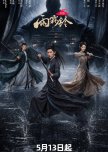
I was waiting for this drama for so long. This is a wuxia drama that remembers what wuxia is supposed to be—not overproduced CGI spectacles with blinding filters and cartoonish costumes—𝘡𝘩𝘢𝘯 𝘡𝘩𝘢𝘰 𝘈𝘥𝘷𝘦𝘯𝘵𝘶𝘳𝘦𝘴 arrived like a long-awaited rainfall on parched earth. This is not a perfect drama. But it is a 𝘴𝘪𝘯𝘤𝘦𝘳𝘦 one. And in today's landscape of assembly-line costume dramas, sincerity itself has become rare.
At first glance, it looks like a straightforward wuxia adventure centred around the legendary Zhan Zhao. A heroic swordsman. A conspiracy. Martial arts sects. A journey across the jianghu.
But beneath that surface lies something much deeper.
This is not simply a story about defeating villains.
It is a story about how good people survive in a world that constantly punishes goodness.
It is about loyalty in an age of betrayal.
It is about the loneliness of righteousness.
It is about the endless conflict between personal feelings and public duty.
And most importantly, it is about how human beings continue choosing kindness even when the world repeatedly proves that kindness is costly.
_____________________________________________________________________
⚔️𝗧𝗛𝗘 𝗥𝗘𝗔𝗟 𝗣𝗥𝗢𝗧𝗔𝗚𝗢𝗡𝗜𝗦𝗧 𝗜𝗦 𝗡𝗢𝗧 𝗭𝗛𝗔𝗡 𝗭𝗛𝗔𝗢
_____________________________________________________________________
The real protagonist is 𝗿𝗶𝗴𝗵𝘁𝗲𝗼𝘂𝘀𝗻𝗲𝘀𝘀 𝗶𝘁𝘀𝗲𝗹𝗳.
Throughout the drama, every major character is forced to answer the same question:
"𝗪𝗵𝗮𝘁 𝗮𝗿𝗲 𝘆𝗼𝘂 𝘄𝗶𝗹𝗹𝗶𝗻𝗴 𝘁𝗼 𝘀𝗮𝗰𝗿𝗶𝗳𝗶𝗰𝗲 𝘁𝗼 𝗿𝗲𝗺𝗮𝗶𝗻 𝗮 𝗴𝗼𝗼𝗱 𝗽𝗲𝗿𝘀𝗼𝗻?"
Some sacrifice wealth.
Some sacrifice freedom.
Some sacrifice love.
Some sacrifice reputation.
Some sacrifice their lives.
The drama repeatedly shows that goodness does not guarantee happiness.
In fact, goodness often invites suffering.
Liu Hongyi dies.
Fan Zhongyu's family is destroyed.
Countless ordinary women are trafficked and forgotten.
Victims are silenced.
Witnesses are murdered.
Truth is buried.
Yet despite everything, some people continue fighting.
That is the central spirit of the drama.
Not victory.
Not revenge.
But perseverance.
_____________________________________________________________________
🐱 𝗭𝗛𝗔𝗡 𝗭𝗛𝗔𝗢 - 𝗧𝗛𝗘 𝗧𝗥𝗔𝗚𝗘𝗗𝗬 𝗢𝗙 𝗧𝗛𝗘 𝗜𝗗𝗘𝗔𝗟 𝗠𝗔𝗡
_____________________________________________________________________
Many dramas create heroes.
Very few create a genuinely admirable man.
Zhan Zhao is one of those rare characters.
He is not interesting because he is strong.
He is interesting because he never stops taking responsibility.
Throughout the drama, he is constantly suffering:
* poisoned
* hunted
* framed
* tortured
* betrayed
Yet he never becomes bitter.
That is what makes him extraordinary.
Most heroes fight because they hate evil.
Zhan Zhao fights because he loves justice.
There is a huge difference.
Even when facing enemies who deserve death, he repeatedly chooses restraint.
Many viewers may interpret this as naivety.
I think it represents something deeper.
The drama is asking:
"𝗜𝗳 𝗿𝗶𝗴𝗵𝘁𝗲𝗼𝘂𝘀𝗻𝗲𝘀𝘀 𝗼𝗻𝗹𝘆 𝗲𝘅𝗶𝘀𝘁𝘀 𝘄𝗵𝗲𝗻 𝗰𝗼𝗻𝘃𝗲𝗻𝗶𝗲𝗻𝘁, 𝗶𝘀 𝗶𝘁 𝘁𝗿𝘂𝗹𝘆 𝗿𝗶𝗴𝗵𝘁𝗲𝗼𝘂𝘀𝗻𝗲𝘀𝘀?"
Zhan Zhao refuses to become his enemies.
He refuses to allow hatred to redefine him.
That is why the story repeatedly places him in impossible situations.
Because true morality only reveals itself when there is a reason to abandon it.
_____________________________________________________________________
🐭 𝗕𝗔𝗜 𝗬𝗨 𝗧𝗔𝗡𝗚 - 𝗙𝗥𝗘𝗘𝗗𝗢𝗠'𝗦 𝗥𝗘𝗕𝗘𝗟𝗟𝗜𝗢𝗡 𝗔𝗚𝗔𝗜𝗡𝗦𝗧 𝗢𝗥𝗗𝗘𝗥
_____________________________________________________________________
If Zhan Zhao represents the law,
Bai Yutang represents freedom.
If Zhan Zhao is responsible,
Bai Yutang is an individual.
If Zhan Zhao is civilisation,
Bai Yutang is human instinct.
And that is why their relationship becomes the emotional core of the entire drama.
The famous Cat and Rat dynamic is not merely comedy.
It is a philosophical debate.
Both men are good.
Both seek justice.
But their methods are completely different.
Bai Yutang constantly challenges institutions.
Zhan Zhao constantly protects them.
Neither is entirely right.
Neither is entirely wrong.
The drama understands that society needs both kinds of people.
It needs those who preserve order.
And it needs those who question order.
Their friendship becomes beautiful because neither tries to change the other.
Instead, they slowly learn respect.
That mutual respect feels more meaningful than many romances.
_____________________________________________________________________
🌸 𝗛𝗨𝗢 𝗟𝗜𝗡𝗚𝗟𝗢𝗡𝗚 - 𝗔 𝗪𝗢𝗠𝗔𝗡 𝗦𝗘𝗔𝗥𝗖𝗛𝗜𝗡𝗚 𝗙𝗢𝗥 𝗛𝗘𝗥 𝗢𝗪𝗡 𝗜𝗗𝗘𝗡𝗧𝗜𝗧𝗬
_____________________________________________________________________
One of the strongest aspects of the drama is Huo Linglong.
She initially appears like a typical adventurous heroine.
But her journey is much more profound.
Everyone attempts to define her:
* her family
* Shao Jizu
* political forces
* martial arts sects
Everyone wants something from her.
Very few ask what she wants.
Her story becomes a struggle for autonomy.
She is not fighting merely against villains.
She is fighting against becoming someone else's possession.
That makes her surprisingly modern despite the historical setting.
She gradually learns that strength is not simply defeating opponents.
𝗦𝘁𝗿𝗲𝗻𝗴𝘁𝗵 𝗶𝘀 𝗰𝗵𝗼𝗼𝘀𝗶𝗻𝗴 𝘆𝗼𝘂𝗿 𝗼𝘄𝗻 𝗽𝗮𝘁𝗵.
_____________________________________________________________________
☠️ 𝗧𝗛𝗘 𝗩𝗜𝗟𝗟𝗔𝗜𝗡𝗦 𝗔𝗥𝗘 𝗣𝗥𝗢𝗗𝗨𝗖𝗧𝗦 𝗢𝗙 𝗛𝗨𝗠𝗔𝗡 𝗗𝗘𝗦𝗜𝗥𝗘
_____________________________________________________________________
One thing I appreciated about this drama is that evil rarely appears as pure evil.
Most antagonists are driven by recognisable 𝘩𝘶𝘮𝘢𝘯 𝘥𝘦𝘴𝘪𝘳𝘦𝘴.
Power.
Fear.
Ambition.
Status.
Greed.
Survival.
The Lord of Xiangyang's conspiracy is not simply rebellion.
It represents what happens when ambition grows beyond morality.
Many villains begin as ordinary people pursuing understandable goals.
But eventually those goals consume their humanity.
The drama repeatedly reminds us:
𝗠𝗼𝗻𝘀𝘁𝗲𝗿𝘀 𝗮𝗿𝗲 𝗻𝗼𝘁 𝗯𝗼𝗿𝗻.
𝗧𝗵𝗲𝘆 𝗮𝗿𝗲 𝗰𝗿𝗲𝗮𝘁𝗲𝗱 𝘁𝗵𝗿𝗼𝘂𝗴𝗵 𝗰𝗵𝗼𝗶𝗰𝗲𝘀.
_____________________________________________________________________
🏮 𝗧𝗛𝗘 𝗛𝗜𝗗𝗗𝗘𝗡 𝗦𝗢𝗖𝗜𝗔𝗟 𝗖𝗢𝗠𝗠𝗘𝗡𝗧𝗔𝗥𝗬
_____________________________________________________________________
Beneath all the martial arts and adventure, the drama contains surprisingly sharp social criticism.
~~~
𝗧𝗵𝗲 𝗙𝗼𝗿𝗴𝗼𝘁𝘁𝗲𝗻 𝗩𝗶𝗰𝘁𝗶𝗺𝘀
The story repeatedly focuses on ordinary people.
Missing women.
Dead constables.
Poor scholars.
Boatmen.
Servants.
Workers.
These people have little power.
Yet they suffer the most whenever powerful individuals fight.
The drama quietly asks:
" 𝘞𝘩𝘰 𝘱𝘢𝘺𝘴 𝘵𝘩𝘦 𝘱𝘳𝘪𝘤𝘦 𝘧𝘰𝘳 𝘱𝘰𝘭𝘪𝘵𝘪𝘤𝘢𝘭 𝘨𝘢𝘮𝘦𝘴?"
The answer is always the common people.
~~~
𝗖𝗼𝗿𝗿𝘂𝗽𝘁𝗶𝗼𝗻 𝗜𝘀 𝗡𝗼𝘁 𝗝𝘂𝘀𝘁 𝗕𝗿𝗶𝗯𝗲𝗿𝘆
The drama presents a more dangerous form of corruption.
Not officials accepting money.
But officials are manipulating the truth.
Cheng Hao is frightening because he understands the legal system.
He weaponises law itself.
This is a much deeper criticism.
The drama suggests that institutions become dangerous when they prioritise power over justice.
~~~
𝗥𝗲𝗽𝘂𝘁𝗮𝘁𝗶𝗼𝗻 𝗩𝗲𝗿𝘀𝘂𝘀 𝗥𝗲𝗮𝗹𝗶𝘁𝘆
Almost every major character suffers because of their reputation.
Bai Yutang is misunderstood.
Zhan Zhao is framed.
Women are silenced.
Victims are ignored.
Truth becomes less important than appearances.
This feels surprisingly relevant even today.
_____________________________________________________________________
🌊 𝗧𝗛𝗘 𝗪𝗢𝗥𝗟𝗗 𝗢𝗙 𝗝𝗜𝗔𝗡𝗚𝗛𝗨 𝗠𝗜𝗥𝗥𝗢𝗥𝗦 𝗛𝗨𝗠𝗔𝗡 𝗦𝗢𝗖𝗜𝗘𝗧𝗬
_____________________________________________________________________
The jianghu in this drama is not romanticised.
It is chaotic.
Dangerous.
Hypocritical.
Yet strangely beautiful.
Just like real life.
Many sects preach virtue while committing atrocities.
Many criminals show greater honour than respected officials.
Many heroes make mistakes.
Many villains tell partial truths.
The world exists in shades of 𝗴𝗿𝗲𝘆.
The drama understands a fundamental truth:
' 𝘏𝘶𝘮𝘢𝘯 𝘣𝘦𝘪𝘯𝘨𝘴 𝘢𝘳𝘦 𝘳𝘢𝘳𝘦𝘭𝘺 𝘦𝘯𝘵𝘪𝘳𝘦𝘭𝘺 𝘨𝘰𝘰𝘥 𝘰𝘳 𝘦𝘯𝘵𝘪𝘳𝘦𝘭𝘺 𝘦𝘷𝘪𝘭.'
Most people exist somewhere in between.
_____________________________________________________________________
🍂 𝗧𝗛𝗘 𝗟𝗢𝗡𝗘𝗟𝗜𝗡𝗘𝗦𝗦 𝗢𝗙 𝗚𝗢𝗢𝗗 𝗣𝗘𝗢𝗣𝗟𝗘
_____________________________________________________________________
One theme repeatedly appears throughout the story.
Good people are lonely.
Liu Hongyi.
Zhan Zhao.
Fan Zhongyu.
Even Huo Linglong.
Doing the right thing often isolates them.
Others mock them.
Exploit them.
Betray them.
Yet they continue.
The drama does not portray goodness as glorious.
It portrays goodness as difficult.
And because of that, it feels authentic.
_____________________________________________________________________
❤️ 𝗥𝗢𝗠𝗔𝗡𝗖𝗘 𝗜𝗦 𝗡𝗢𝗧 𝗧𝗛𝗘 𝗠𝗔𝗜𝗡 𝗦𝗧𝗢𝗥𝗬
_____________________________________________________________________
Ironically, one of the drama's strengths is that romance is not its greatest focus.
The emotional centre is actually trust.
Friendship.
Loyalty.
Shared ideals.
The relationship between Zhan Zhao and Bai Yutang often feels more emotionally powerful than many romantic storylines because it develops through actions rather than words.
𝘙𝘦𝘴𝘱𝘦𝘤𝘵 𝘮𝘶𝘴𝘵 𝘣𝘦 𝘦𝘢𝘳𝘯𝘦𝘥.
𝘈𝘯𝘥 𝘣𝘰𝘵𝘩 𝘮𝘦𝘯 𝘦𝘢𝘳𝘯𝘦𝘥 𝘪𝘵.
_____________________________________________________________________
🌙 𝗧𝗛𝗘 𝗗𝗘𝗘𝗣𝗘𝗦𝗧 𝗠𝗘𝗦𝗦𝗔𝗚𝗘 𝗢𝗙 𝗧𝗛𝗘 𝗗𝗥𝗔𝗠𝗔
_____________________________________________________________________
After finishing all 37 episodes, I think the drama's deepest message is this:
The world will never become perfect.
Corruption will always exist.
Greed will always exist.
Betrayal will always exist.
But that does not mean goodness is meaningless.
The value of righteousness does not come from winning.
The value of righteousness comes from continuing to choose it.
Again.
And again.
And again.
Even when nobody rewards you for it.
That is the lesson embodied by Zhan Zhao.
_____________________________________________________________________
⭐ 𝗙𝗜𝗡𝗔𝗟 𝗧𝗛𝗢𝗨𝗚𝗛𝗧𝗦
_____________________________________________________________________
𝘡𝘩𝘢𝘯 𝘡𝘩𝘢𝘰 𝘈𝘥𝘷𝘦𝘯𝘵𝘶𝘳𝘦𝘴 is not merely a wuxia adventure.
It is a meditation on morality.
A study of friendship.
A criticism of power.
A reflection on justice.
And a surprisingly thoughtful examination of what it means to remain human in an imperfect world.
Its greatest strength is not its martial arts.
Not its conspiracies.
Not even its characters.
Its greatest strength is that beneath every sword fight lies a question about human nature.
And those questions remain long after the final episode ends.
A drama about heroes, villains, friendship, corruption, loyalty, and power—but above all, a drama about the difficult choice to remain righteous when the world gives you every reason not to.
At first glance, it looks like a straightforward wuxia adventure centred around the legendary Zhan Zhao. A heroic swordsman. A conspiracy. Martial arts sects. A journey across the jianghu.
But beneath that surface lies something much deeper.
This is not simply a story about defeating villains.
It is a story about how good people survive in a world that constantly punishes goodness.
It is about loyalty in an age of betrayal.
It is about the loneliness of righteousness.
It is about the endless conflict between personal feelings and public duty.
And most importantly, it is about how human beings continue choosing kindness even when the world repeatedly proves that kindness is costly.
_____________________________________________________________________
⚔️𝗧𝗛𝗘 𝗥𝗘𝗔𝗟 𝗣𝗥𝗢𝗧𝗔𝗚𝗢𝗡𝗜𝗦𝗧 𝗜𝗦 𝗡𝗢𝗧 𝗭𝗛𝗔𝗡 𝗭𝗛𝗔𝗢
_____________________________________________________________________
The real protagonist is 𝗿𝗶𝗴𝗵𝘁𝗲𝗼𝘂𝘀𝗻𝗲𝘀𝘀 𝗶𝘁𝘀𝗲𝗹𝗳.
Throughout the drama, every major character is forced to answer the same question:
"𝗪𝗵𝗮𝘁 𝗮𝗿𝗲 𝘆𝗼𝘂 𝘄𝗶𝗹𝗹𝗶𝗻𝗴 𝘁𝗼 𝘀𝗮𝗰𝗿𝗶𝗳𝗶𝗰𝗲 𝘁𝗼 𝗿𝗲𝗺𝗮𝗶𝗻 𝗮 𝗴𝗼𝗼𝗱 𝗽𝗲𝗿𝘀𝗼𝗻?"
Some sacrifice wealth.
Some sacrifice freedom.
Some sacrifice love.
Some sacrifice reputation.
Some sacrifice their lives.
The drama repeatedly shows that goodness does not guarantee happiness.
In fact, goodness often invites suffering.
Liu Hongyi dies.
Fan Zhongyu's family is destroyed.
Countless ordinary women are trafficked and forgotten.
Victims are silenced.
Witnesses are murdered.
Truth is buried.
Yet despite everything, some people continue fighting.
That is the central spirit of the drama.
Not victory.
Not revenge.
But perseverance.
_____________________________________________________________________
🐱 𝗭𝗛𝗔𝗡 𝗭𝗛𝗔𝗢 - 𝗧𝗛𝗘 𝗧𝗥𝗔𝗚𝗘𝗗𝗬 𝗢𝗙 𝗧𝗛𝗘 𝗜𝗗𝗘𝗔𝗟 𝗠𝗔𝗡
_____________________________________________________________________
Many dramas create heroes.
Very few create a genuinely admirable man.
Zhan Zhao is one of those rare characters.
He is not interesting because he is strong.
He is interesting because he never stops taking responsibility.
Throughout the drama, he is constantly suffering:
* poisoned
* hunted
* framed
* tortured
* betrayed
Yet he never becomes bitter.
That is what makes him extraordinary.
Most heroes fight because they hate evil.
Zhan Zhao fights because he loves justice.
There is a huge difference.
Even when facing enemies who deserve death, he repeatedly chooses restraint.
Many viewers may interpret this as naivety.
I think it represents something deeper.
The drama is asking:
"𝗜𝗳 𝗿𝗶𝗴𝗵𝘁𝗲𝗼𝘂𝘀𝗻𝗲𝘀𝘀 𝗼𝗻𝗹𝘆 𝗲𝘅𝗶𝘀𝘁𝘀 𝘄𝗵𝗲𝗻 𝗰𝗼𝗻𝘃𝗲𝗻𝗶𝗲𝗻𝘁, 𝗶𝘀 𝗶𝘁 𝘁𝗿𝘂𝗹𝘆 𝗿𝗶𝗴𝗵𝘁𝗲𝗼𝘂𝘀𝗻𝗲𝘀𝘀?"
Zhan Zhao refuses to become his enemies.
He refuses to allow hatred to redefine him.
That is why the story repeatedly places him in impossible situations.
Because true morality only reveals itself when there is a reason to abandon it.
_____________________________________________________________________
🐭 𝗕𝗔𝗜 𝗬𝗨 𝗧𝗔𝗡𝗚 - 𝗙𝗥𝗘𝗘𝗗𝗢𝗠'𝗦 𝗥𝗘𝗕𝗘𝗟𝗟𝗜𝗢𝗡 𝗔𝗚𝗔𝗜𝗡𝗦𝗧 𝗢𝗥𝗗𝗘𝗥
_____________________________________________________________________
If Zhan Zhao represents the law,
Bai Yutang represents freedom.
If Zhan Zhao is responsible,
Bai Yutang is an individual.
If Zhan Zhao is civilisation,
Bai Yutang is human instinct.
And that is why their relationship becomes the emotional core of the entire drama.
The famous Cat and Rat dynamic is not merely comedy.
It is a philosophical debate.
Both men are good.
Both seek justice.
But their methods are completely different.
Bai Yutang constantly challenges institutions.
Zhan Zhao constantly protects them.
Neither is entirely right.
Neither is entirely wrong.
The drama understands that society needs both kinds of people.
It needs those who preserve order.
And it needs those who question order.
Their friendship becomes beautiful because neither tries to change the other.
Instead, they slowly learn respect.
That mutual respect feels more meaningful than many romances.
_____________________________________________________________________
🌸 𝗛𝗨𝗢 𝗟𝗜𝗡𝗚𝗟𝗢𝗡𝗚 - 𝗔 𝗪𝗢𝗠𝗔𝗡 𝗦𝗘𝗔𝗥𝗖𝗛𝗜𝗡𝗚 𝗙𝗢𝗥 𝗛𝗘𝗥 𝗢𝗪𝗡 𝗜𝗗𝗘𝗡𝗧𝗜𝗧𝗬
_____________________________________________________________________
One of the strongest aspects of the drama is Huo Linglong.
She initially appears like a typical adventurous heroine.
But her journey is much more profound.
Everyone attempts to define her:
* her family
* Shao Jizu
* political forces
* martial arts sects
Everyone wants something from her.
Very few ask what she wants.
Her story becomes a struggle for autonomy.
She is not fighting merely against villains.
She is fighting against becoming someone else's possession.
That makes her surprisingly modern despite the historical setting.
She gradually learns that strength is not simply defeating opponents.
𝗦𝘁𝗿𝗲𝗻𝗴𝘁𝗵 𝗶𝘀 𝗰𝗵𝗼𝗼𝘀𝗶𝗻𝗴 𝘆𝗼𝘂𝗿 𝗼𝘄𝗻 𝗽𝗮𝘁𝗵.
_____________________________________________________________________
☠️ 𝗧𝗛𝗘 𝗩𝗜𝗟𝗟𝗔𝗜𝗡𝗦 𝗔𝗥𝗘 𝗣𝗥𝗢𝗗𝗨𝗖𝗧𝗦 𝗢𝗙 𝗛𝗨𝗠𝗔𝗡 𝗗𝗘𝗦𝗜𝗥𝗘
_____________________________________________________________________
One thing I appreciated about this drama is that evil rarely appears as pure evil.
Most antagonists are driven by recognisable 𝘩𝘶𝘮𝘢𝘯 𝘥𝘦𝘴𝘪𝘳𝘦𝘴.
Power.
Fear.
Ambition.
Status.
Greed.
Survival.
The Lord of Xiangyang's conspiracy is not simply rebellion.
It represents what happens when ambition grows beyond morality.
Many villains begin as ordinary people pursuing understandable goals.
But eventually those goals consume their humanity.
The drama repeatedly reminds us:
𝗠𝗼𝗻𝘀𝘁𝗲𝗿𝘀 𝗮𝗿𝗲 𝗻𝗼𝘁 𝗯𝗼𝗿𝗻.
𝗧𝗵𝗲𝘆 𝗮𝗿𝗲 𝗰𝗿𝗲𝗮𝘁𝗲𝗱 𝘁𝗵𝗿𝗼𝘂𝗴𝗵 𝗰𝗵𝗼𝗶𝗰𝗲𝘀.
_____________________________________________________________________
🏮 𝗧𝗛𝗘 𝗛𝗜𝗗𝗗𝗘𝗡 𝗦𝗢𝗖𝗜𝗔𝗟 𝗖𝗢𝗠𝗠𝗘𝗡𝗧𝗔𝗥𝗬
_____________________________________________________________________
Beneath all the martial arts and adventure, the drama contains surprisingly sharp social criticism.
~~~
𝗧𝗵𝗲 𝗙𝗼𝗿𝗴𝗼𝘁𝘁𝗲𝗻 𝗩𝗶𝗰𝘁𝗶𝗺𝘀
The story repeatedly focuses on ordinary people.
Missing women.
Dead constables.
Poor scholars.
Boatmen.
Servants.
Workers.
These people have little power.
Yet they suffer the most whenever powerful individuals fight.
The drama quietly asks:
" 𝘞𝘩𝘰 𝘱𝘢𝘺𝘴 𝘵𝘩𝘦 𝘱𝘳𝘪𝘤𝘦 𝘧𝘰𝘳 𝘱𝘰𝘭𝘪𝘵𝘪𝘤𝘢𝘭 𝘨𝘢𝘮𝘦𝘴?"
The answer is always the common people.
~~~
𝗖𝗼𝗿𝗿𝘂𝗽𝘁𝗶𝗼𝗻 𝗜𝘀 𝗡𝗼𝘁 𝗝𝘂𝘀𝘁 𝗕𝗿𝗶𝗯𝗲𝗿𝘆
The drama presents a more dangerous form of corruption.
Not officials accepting money.
But officials are manipulating the truth.
Cheng Hao is frightening because he understands the legal system.
He weaponises law itself.
This is a much deeper criticism.
The drama suggests that institutions become dangerous when they prioritise power over justice.
~~~
𝗥𝗲𝗽𝘂𝘁𝗮𝘁𝗶𝗼𝗻 𝗩𝗲𝗿𝘀𝘂𝘀 𝗥𝗲𝗮𝗹𝗶𝘁𝘆
Almost every major character suffers because of their reputation.
Bai Yutang is misunderstood.
Zhan Zhao is framed.
Women are silenced.
Victims are ignored.
Truth becomes less important than appearances.
This feels surprisingly relevant even today.
_____________________________________________________________________
🌊 𝗧𝗛𝗘 𝗪𝗢𝗥𝗟𝗗 𝗢𝗙 𝗝𝗜𝗔𝗡𝗚𝗛𝗨 𝗠𝗜𝗥𝗥𝗢𝗥𝗦 𝗛𝗨𝗠𝗔𝗡 𝗦𝗢𝗖𝗜𝗘𝗧𝗬
_____________________________________________________________________
The jianghu in this drama is not romanticised.
It is chaotic.
Dangerous.
Hypocritical.
Yet strangely beautiful.
Just like real life.
Many sects preach virtue while committing atrocities.
Many criminals show greater honour than respected officials.
Many heroes make mistakes.
Many villains tell partial truths.
The world exists in shades of 𝗴𝗿𝗲𝘆.
The drama understands a fundamental truth:
' 𝘏𝘶𝘮𝘢𝘯 𝘣𝘦𝘪𝘯𝘨𝘴 𝘢𝘳𝘦 𝘳𝘢𝘳𝘦𝘭𝘺 𝘦𝘯𝘵𝘪𝘳𝘦𝘭𝘺 𝘨𝘰𝘰𝘥 𝘰𝘳 𝘦𝘯𝘵𝘪𝘳𝘦𝘭𝘺 𝘦𝘷𝘪𝘭.'
Most people exist somewhere in between.
_____________________________________________________________________
🍂 𝗧𝗛𝗘 𝗟𝗢𝗡𝗘𝗟𝗜𝗡𝗘𝗦𝗦 𝗢𝗙 𝗚𝗢𝗢𝗗 𝗣𝗘𝗢𝗣𝗟𝗘
_____________________________________________________________________
One theme repeatedly appears throughout the story.
Good people are lonely.
Liu Hongyi.
Zhan Zhao.
Fan Zhongyu.
Even Huo Linglong.
Doing the right thing often isolates them.
Others mock them.
Exploit them.
Betray them.
Yet they continue.
The drama does not portray goodness as glorious.
It portrays goodness as difficult.
And because of that, it feels authentic.
_____________________________________________________________________
❤️ 𝗥𝗢𝗠𝗔𝗡𝗖𝗘 𝗜𝗦 𝗡𝗢𝗧 𝗧𝗛𝗘 𝗠𝗔𝗜𝗡 𝗦𝗧𝗢𝗥𝗬
_____________________________________________________________________
Ironically, one of the drama's strengths is that romance is not its greatest focus.
The emotional centre is actually trust.
Friendship.
Loyalty.
Shared ideals.
The relationship between Zhan Zhao and Bai Yutang often feels more emotionally powerful than many romantic storylines because it develops through actions rather than words.
𝘙𝘦𝘴𝘱𝘦𝘤𝘵 𝘮𝘶𝘴𝘵 𝘣𝘦 𝘦𝘢𝘳𝘯𝘦𝘥.
𝘈𝘯𝘥 𝘣𝘰𝘵𝘩 𝘮𝘦𝘯 𝘦𝘢𝘳𝘯𝘦𝘥 𝘪𝘵.
_____________________________________________________________________
🌙 𝗧𝗛𝗘 𝗗𝗘𝗘𝗣𝗘𝗦𝗧 𝗠𝗘𝗦𝗦𝗔𝗚𝗘 𝗢𝗙 𝗧𝗛𝗘 𝗗𝗥𝗔𝗠𝗔
_____________________________________________________________________
After finishing all 37 episodes, I think the drama's deepest message is this:
The world will never become perfect.
Corruption will always exist.
Greed will always exist.
Betrayal will always exist.
But that does not mean goodness is meaningless.
The value of righteousness does not come from winning.
The value of righteousness comes from continuing to choose it.
Again.
And again.
And again.
Even when nobody rewards you for it.
That is the lesson embodied by Zhan Zhao.
_____________________________________________________________________
⭐ 𝗙𝗜𝗡𝗔𝗟 𝗧𝗛𝗢𝗨𝗚𝗛𝗧𝗦
_____________________________________________________________________
𝘡𝘩𝘢𝘯 𝘡𝘩𝘢𝘰 𝘈𝘥𝘷𝘦𝘯𝘵𝘶𝘳𝘦𝘴 is not merely a wuxia adventure.
It is a meditation on morality.
A study of friendship.
A criticism of power.
A reflection on justice.
And a surprisingly thoughtful examination of what it means to remain human in an imperfect world.
Its greatest strength is not its martial arts.
Not its conspiracies.
Not even its characters.
Its greatest strength is that beneath every sword fight lies a question about human nature.
And those questions remain long after the final episode ends.
A drama about heroes, villains, friendship, corruption, loyalty, and power—but above all, a drama about the difficult choice to remain righteous when the world gives you every reason not to.
Was this review helpful to you?


