

I need season 2
Not really a fan of historical and time travel series, but "Love Upon a Time" hooked me the moment I watched episode 1. NetJames and LatteKim's acting is really good. I look forward to seeing them again in another series. Also, the OSTs of this series are all dope; they deserve to have a concert. But it seems like DMD has already moved on with another project, which is quite sad. I really like this series, but aside from the OST, there's too little content about it, which is quite sad.Esta resenha foi útil para você?

Esta resenha pode conter spoilers
promising start, lackluster writing
I went into this with basically no expectations and yet I was still kind of let down. It's not all bad, and the beginning definitely had potential to turn into something unique and entertaining, but the drama declines very quickly after the characters are fully introduced.For some positives... the acting is good. Shin Hae Sun & Gong Myoung fit their roles well, and Kim Jae Uck & Hong Hwa Yeon do a good job with what they were given as well. The ML wasn't your typical lifeless & emotionless ML like so many other dramas, so that was fun. Shin Hae Sun is a great actress, although I feel like I've seen her in this type of aggressive/unapologetic role before so it didn't really feel like anything new. The 2FL was surprisingly a breath of fresh air when it comes to 2FLs for the first part of the series, up until they completely ruin her character in the later part. The 2ML was tolerable for a little bit until the love triangle started and quickly went downhill from there. The side characters were relatively entertaining despite being the cliche office team surrounding the leads that you'll see in so many of these dramas.
When it comes to the story, I wasn't really that invested in the workplace drama going on with the audit team, which is unfortunate considering it takes up quite a bit of the screentime (as expected since it's the main concept). The segmented audit storylines following different employees and their affairs was interesting at times, but got tiring pretty quickly and honestly was frustrating to watch sometimes as someone who despises cheating and misunderstandings. The FL is the typical capable headstrong leader who comes across as cold and arrogant at the start, but slowly opens up throughout the story. I do feel like she didn't really change as much as I expected up until I stopped watching, and really stayed pretty stagnant in terms of attitude and bluntness, except for when she was with the ML. But even the more lighthearted "romantic" scenes with the ML didn't feel as genuine or real to me, most likely because the FL was so unrealistically headstrong for the majority of the show that it was hard to convince myself that she was actually in love. The ML's character was kind of fun, although very frustrating in the first few episodes. I feel like they kind of sidelined him near the end and gave way too much screentime/story to the 2ML & FL, but maybe it would have turned around if I kept watching to the end.
The 2ML started off okay, but as soon as the love triangle started it all went downhill. I was hoping they wouldn't go the love triangle route with him, but of course they had to. A very talented and good looking actor, but his character became progressively more annoying and frustrating to watch as the series progressed. His one-sided love for the FL was overbearing at times, and completely ruined the vibe and caused so much unnecessary drama that could have instead been used to further the relationship between the two leads and create a more convincing love story. I also couldn't really care less about the relationship between the 2ML & 2FL, even though I did like the 2FL for a bit at the start of the series. They didn't get nearly enough meaningful screentime for me to feel invested at all, and often times the two together just brought down the mood.
As for the 2FL, I admit she had a very promising start. She wasn't your typical 2FL, and the unconventional role and ML/2FL dynamic was interesting. Then they completely ruin her character in the later part of the series by turning her into the cliche revenge-focused 2FL who crosses way too many lines for a guy who is so unlikeable for the majority of the story. What happened to the fun, unconventional, friend dynamic at the start? They manage to forcefully "redeem" the 2ML near the end, and yet the writers completely throw the 2FL under the bus and turn her into a villain. I don't know if her character gets better in the last episode since I stopped watching part-way through episode 11, but incredibly disappointing nonetheless.
I just feel like overall the series had so much potential, but the story started to feel more and more cliche as it progressed, and as soon as the love triangle kicked in and the messy corporate plot started to take up more screentime, it just became such a drag to keep watching. So many of the interactions between characters and the dialogue started to feel forced, the comedy bits weren't really landing, and the corporate drama involving the FL & 2ML was frustrating to watch to say the least. Near the end, it felt like the writers were trying so hard to bring a climactic drama-filled final push, but it mostly centered around the FL & 2ML, and at this point the 2ML was so annoying for most of the series I just couldn't bring myself to care about what happened to him. On top of that, switching up the 2FL into a jealous revengeful villain felt like too much of a dramatic transition that wasn't really hinted at enough or developed enough throughout the series.
Maybe some of my frustrations with this drama would have been resolved in the final episode, but I unfortunately couldn't make it that far. Definitely not a terrible show, despite my lengthy essay of complaints! Just very disappointed considering the promising start.
Esta resenha foi útil para você?

Esta resenha pode conter spoilers
Essa premissa já é super batida nos dramas verticais chineses, mas confesso que ainda gosto kkkkkkk apesar daqui ter deixado alguns plots um tanto quanto exagerados. Os primeiros 10 episódios são muito estranhos, com atuações um tanto quanto duvidosas e beijos horrorosos, e há um beijo de olho aberto que eu fiquei pensando: por que raios o ator não fecha os O.O hahahahhaahha
Masssssssss, eu não sei se depois fui eu quem me acostumei com tudo ou se realmente melhorou hahahah
Os beijos sim, isso eu tenho certeza, melhoraram muito! Para um drama vertical tailandês está ok.
Esta resenha foi útil para você?
Esta resenha pode conter spoilers
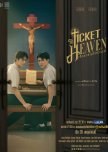
A sincerely moving story
This series is beautiful. So much care was taken while talking about many issues, and I felt moved by how beautifully this story unfolded.While I personally may not be able to relate to queer people who are religious (I decided to leave that path after realising who I was), I truly felt like this series communicated their feelings to me in a very real way.
Tanrak realising that he didn't have to choose between his faith and Barth was heartwarming. The confession scene in the final episode made tears well up in my eyes. Father's role in Tanrak's life made me so emotional — that montage of their hugs throughout the years was so poignant. The inclusion of Auntie Lek, a trans woman who continues to believe in God, and the comfort she brought to a troubled Tanrak felt so important. Barth's conversation with his mom, and the way she told him she loved him more than anything — I feel like that was something he needed to hear to let go of his resentment towards God.
I suppose this review isn't particularly structured, but who cares? I'm just rambling about what I loved about this series.
Barth and Tanrak's love was something that could have easily been cut off had they not had the courage to face it. I'm so glad they faced it. I'm so glad they continued to live and have a beautiful life with each other and with God.
May many other queer people who are struggling with their faith be able to make a decision that soothes their soul. I truly, from the bottom of my heart, wish all of them happiness. Barth and Tanrak, thank you for this beautiful series.
Esta resenha foi útil para você?
To be fair: It's not the actors' fault, all of them delivered a great performance. It's also not a technical issue -- everything was up to the usual J-BL standards. The problem lies with the story and with the characterisations.
There is much ado about what happened back in middle school to seperate the two main characters, an event that has Miyata still in its grip even fifteen years later -- and somehow none of the two is able to address it, not hurt Miyata, and neither suave Iwanaga; even though the latter is quite adamant about rekindling their Whatever-It-Was. They both act as if ths was some great and traumatising event -- but when we finally hear the whole backstory in episode 5, it's actually nothing to speak of, at least not for two men in their thirties, who should have the emotional maturity enough to understand the difference between a teenaged crush and adult love. And yet, whenever they mention their own age in the present, they talk about it as if they are already middle aged, when they are only just over thirty. Thirty is still young!
... overall, the two main characters behave like a fifteen-year-old would imagine people in their thirties to be like, not like actual adults, which made for a very frustrating viewing experience.
Added to that, we get two love rivals in six short episodes, which are about two too many, and a traditional family in the background -- all of it adds to the impression that this story was written by a teenager who has no idea how the adult world works.
Was it good?
In all technical aspects, it was fine. Characterizations were unsatisfying.
Did I like it?
No.
Would I recommend it?
No, there are better second-chance J-BLs out there.
Esta resenha foi útil para você?

First Impression: Zantiis Miss You
Overall: this is an indie series that I think is funded by the resort where the series takes place. 10 minute episodes. Airing on YouTube https://youtube.com/playlist?list=PLahF_xqZb9Rd_iJjXDY2bVZPgFe4-KVeT&si=uqx1HxsoK-qh3WGcWhat I Liked
- nice to turn your brain off
Room For Improvement
- choppy, they ended episode 2 indoors and then suddenly at the beginning of episode 3 were eating (again) outside?
- did not feel chemistry/relationship development before the kiss in episode 3
- they shouldn't have more than 1 couple with the short run time
Esta resenha foi útil para você?
A yearner drama with forbidden love
This bl drama really kept me invested in the show as it was ongoing and had me not only anxious, but stressed out after every episode ended waiting for the next, and that just proves the show overall highly entertaining as well as emotional to watch. The 2 main roles really put on a great story and portrayed these 2 characters with depth.Esta resenha foi útil para você?
Esta resenha pode conter spoilers
When Faith and Love Refuse to Be Opposites
When Ticket to Heaven was first announced during the GMMTV Showcase, it instantly became one of the company's most talked-about projects. The premise alone generated enormous curiosity. A Thai BL set inside a Catholic seminary was a bold concept, especially in a country where Christianity is a minority religion. My biggest question wasn't whether the idea sounded interesting, but whether director P'Aof Noppharnach Chaiwimol could successfully bring such a sensitive and ambitious story to life.Unlike many viewers, I wasn't immediately swept away by the announcement. I wasn't particularly enthusiastic after Gemini and Fourth's previous project, but I felt this series had the potential to redefine what they could do as actors. Looking back now, I'm glad I gave it that chance.
Ticket to Heaven isn't simply another BL romance. It's a deeply reflective coming-of-age drama that explores faith, grief, identity, guilt, sexuality, acceptance and the difficult process of reconciling who you are with what you've been taught to believe. Set in a Catholic seminary in 1996, the story follows Tanrak, a devout seminarian who believes becoming a priest is his path towards seeing his late parents again in heaven. His world is turned upside down when he meets Barth, a rebellious but emotionally vulnerable transfer student carrying wounds of his own. As their friendship gradually grows into love, both young men are forced to confront the painful reality that the institution shaping their lives also condemns the feelings growing between them.
One of the series' greatest achievements is its willingness to tackle themes rarely explored in Thai BL. Religion is never treated as a simple backdrop or convenient obstacle. Instead, faith becomes the emotional heart of the narrative. Rather than presenting easy answers, the series thoughtfully examines religious legalism, institutional expectations, sexuality, forgiveness and whether genuine faith can coexist with romantic love. It trusts its audience to wrestle with these questions instead of simplifying them.
The opening scene immediately caught my attention. Beginning with marriage equality before transporting viewers back to 1996 cleverly frames the entire story as something bigger than romance. It becomes a story about hope, justice and the long road towards acceptance. That opening also creates an underlying mystery that lingers throughout the series. The thirty-year jump had me constantly wondering whether Tanrak would eventually become a priest, lose Barth forever or meet a tragic fate. I was emotionally preparing myself for heartbreak from the very beginning.
P'Aof once again proves why he's one of GMMTV's strongest storytellers. Personally, I think his work is at its best when he has fewer episodes to work with, much like Moonlight Chicken. With only six episodes, Ticket to Heaven remains tightly focused without sacrificing emotional depth. Every frame feels intentional. Symbolism is woven naturally into the cinematography, visual composition and production design, rewarding viewers who pay close attention instead of spelling everything out through dialogue.
The symbolism extends far beyond the visuals. I especially appreciated the hidden meanings behind the protagonists' names. Tanrak can be interpreted as "the representative of love," while Barth references Saint Bartholomew, one of Jesus' apostles. These choices reinforce the central themes of devotion, sacrifice and forbidden love. Even the painting "Ticket to Heaven" carries multiple layers of meaning. It isn't merely an image of someone ascending towards heaven; it becomes a visual metaphor for suffering, longing, sacrifice and the emotional journey both characters must endure.
The writing is remarkably polished throughout. The emotional progression between Barth and Tanrak unfolds naturally, allowing every conversation, glance and quiet moment to deepen their connection. Both characters carry immense emotional pain. Tanrak clings desperately to his faith because it represents the hope of reuniting with his parents, while Barth has lost much of his trust in God after enduring years of trauma and rejection. Watching them slowly become each other's refuge forms the emotional backbone of the entire series.
The line, "I realised that God never helped me at all," hit especially hard. It perfectly captures how grief and trauma can completely shatter a person's faith. Later, when Tanrak questions whether every kind of love brings us closer to God, the series reaches one of its most emotionally powerful moments. These conversations elevate Ticket to Heaven beyond a conventional romance and transform it into an honest exploration of spirituality and identity.
Gemini and Fourth deliver career-best performances. Fourth is extraordinary as Tanrak. This is an incredibly demanding role because Tanrak isn't only wrestling with his sexuality. He's trapped between his faith, his future, his identity and the terrifying belief that loving another man could cost him heaven itself. Fourth conveys all of that with remarkable restraint. His eyes, facial expressions and subtle body language communicate emotions that words never could. He doesn't simply portray Tanrak—he becomes him.
Gemini is equally impressive. Barth could easily have been reduced to the confident, teasing love interest, but Gemini gives him warmth, vulnerability and emotional complexity. Despite everything life has taken from Barth, he remains the character with the greatest capacity to love. His performance feels sincere, grounded and completely believable. He also undergoes an impressive physical transformation for the role, bringing an effortless confidence and charisma that perfectly suits Barth.
Their chemistry is exceptional. Every stolen glance, every playful tease and every lingering silence makes it easy to believe these are two young men slowly falling in love despite desperately trying not to. Even scenes with very little dialogue are filled with emotional tension. The famous bathing sequence is a perfect example. What makes it unforgettable isn't simply the physical intimacy but everything that leads up to it. The silent eye contact, the nervous hesitation and the emotional vulnerability make the eventual kiss feel earned rather than sensational. For me, it's one of the finest and most emotionally satisfying kiss scenes I've seen on television because it represents the release of everything both characters had been suppressing.
Tanrak's internal conflict is beautifully portrayed throughout the series. His growing attraction to Barth isn't presented as simple desire but as something that completely unravels the foundation of his identity. The way he looks at Barth, fixates on him and struggles to suppress his emotions says everything before a single word is spoken. The devastation on his face when he finally accepts that he loves Barth is heartbreaking because he genuinely believes his love is incompatible with salvation. His jealousy, guilt, fear and longing all exist simultaneously, and Fourth conveys every layer with extraordinary nuance.
I also appreciated how honestly the series portrays Barth's unwavering affection. Whether teasing Tanrak, quietly watching him from afar or encouraging him to embrace his true self, Barth remains the emotional anchor of their relationship. His confession becomes the catalyst that finally allows Tanrak to stop running from himself. Rather than leading Tanrak away from faith, Barth ultimately helps him rediscover it in a healthier and more compassionate way.
Technically, the production is excellent. The cinematography is stunning, the Catholic seminary setting feels authentic and refreshingly different, and the soundtrack deserves special praise. Gemini and Fourth are talented musicians in their own right, and the music adds another emotional layer to nearly every major scene. Combined with P'Aof's confident direction, every episode leaves a lasting emotional impression.
I do have a few criticisms. As someone familiar with Catholic liturgy, I noticed a few inconsistencies in the Mass responses, particularly the use of the modern Roman Missal despite the story being set in 1996. That said, these may simply stem from subtitle localisation and are relatively minor.
The English subtitles present a more noticeable issue. Several translations miss important nuances from the original Thai dialogue. During the bathing scene, for example, Barth's teasing about Tanrak's obvious physical reaction is replaced with a random Scooby-Doo joke, which completely changes the intention of the exchange. Likewise, "I am not God's favourite son" would have been more accurately translated as "I am not one of God's beloved sons," a subtle but meaningful difference given the themes of the series. These moments don't ruin the experience, but they do lessen some of the emotional and theological depth for international audiences.
One of the aspects I appreciated most was the ending. Too often, queer stories centred around religion conclude with punishment, separation or tragedy. Ticket to Heaven chooses something far more hopeful. It reminds us that faith and queerness do not have to exist in opposition. Tanrak spends much of the series believing he must choose between God and the person he loves, only to discover that genuine faith was never about denying himself. Barth becomes the bridge that helps him reconcile his spirituality with his identity rather than forcing him to abandon either.
The final reunion with Tanrak's childhood friend beautifully reinforces that message. I appreciated that the series openly shows queer people continuing to pray, believe in God and live lives of faith. That kind of representation matters because it offers hope to viewers who may have been taught that they don't belong in religious spaces.
I also found myself thinking about how much Tanrak changed over the course of the story. At the beginning, he was living almost exclusively for the promise of death and heaven, believing sacrifice was the only path towards God. By the end, he finally understands that love itself can also be sacred. Barth never asked him to abandon his beliefs; he simply showed him that there was never any need to choose between faith and love.
Is Ticket to Heaven a masterpiece? Personally, I wouldn't go that far. The occasional subtitle issues and a few minor historical inconsistencies keep it from being flawless. It also took me a couple of episodes before I was completely invested. However, once the emotional foundation was established, the series became increasingly rewarding with every episode.
Ticket to Heaven is beautifully directed, intelligently written and exceptionally performed. It trusts its audience, embraces complexity and delivers one of the most mature explorations of religion, identity and queer love that Thai BL has offered to date. More importantly, it reminds us that stories about queer people don't always have to end in suffering. They can also end with hope, healing and the quiet reassurance that love and faith are capable of existing side by side.
I sincerely thank P'Aof, Gemini, Fourth and the entire creative team for crafting something so thoughtful, emotionally resonant and genuinely courageous. They didn't simply make another BL series. They created a story that will comfort many people, challenge others and stay with viewers long after the credits roll.
Esta resenha foi útil para você?

Esta resenha foi útil para você?
Esta resenha pode conter spoilers
Una storia d'amore e destino: sono le nostre scelte, non le origini, a definirci
Capisco perfettamente perché questo drama abbia ricevuto recensioni così contrastanti. Se lo si guarda aspettandosi effetti speciali spettacolari, una trama ricca di continui colpi di scena o uno xianxia rivoluzionario, probabilmente si rimarrà delusi.Ma credo anche che molti lo abbiano giudicato per ciò che non è, senza soffermarsi su ciò che vuole realmente raccontare.
Per me The Journey of Chong Zi non è un drama che punta sulla complessità della storia o sulla grandiosità delle sue battaglie. È un drama che racconta, con grande semplicità, un'idea tanto antica quanto universale: una persona è davvero definita dalla propria natura... oppure sono le sue scelte a determinare chi diventerà?
Ammetto che, fino a circa metà serie, il mio voto si aggirava intorno all'8,5. Alcune situazioni sembravano ripetersi, la trama a volte risultava un po' confusa e molti cliché tipici degli xianxia sono effettivamente presenti.
Poi, però, ho iniziato a guardarlo da una prospettiva diversa.
Mi sono resa conto che quella continua alternanza tra immortali e demoni, tra bene e male, tra fiducia e sospetto, non era soltanto un espediente narrativo. Era il vero cuore del racconto.
Gli immortali sono convinti di rappresentare il bene assoluto. I demoni sono intrappolati nella convinzione opposta. Entrambi vivono prigionieri delle proprie certezze e dei propri pregiudizi.
Chong Zi, invece, rompe completamente questo schema.
Il drama ci mostra continuamente come nessuno nasca inevitabilmente buono o cattivo e come siano proprio i giudizi degli altri, le etichette e la paura a spingere le persone verso il destino che tutti hanno già deciso per loro.
Ed è qui che, secondo me, si trova il messaggio più bello della serie.
Non esiste soltanto il bianco o il nero.
Esiste una zona grigia fatta di scelte, dubbi, compassione, errori e possibilità di cambiare.
Un altro aspetto che ho apprezzato molto, e che raramente ho visto citare nelle recensioni, è il ruolo del Regno Mortale.
Ogni volta che immortali e demoni combattono le loro guerre ideologiche, chi paga davvero il prezzo sono sempre le persone comuni. Villaggi distrutti. Famiglie costrette a fuggire. Persone che perdono tutto senza avere alcuna responsabilità in quei conflitti.
Il drama insiste spesso su queste scene, ricordandoci che quando chi detiene il potere combatte per i propri ideali, sono quasi sempre i più deboli a soffrirne le conseguenze.
Ed è proprio qui che, secondo me, il drama assume un significato ancora più universale.
Le grandi guerre, le lotte di potere e gli scontri ideologici vengono quasi sempre decisi da chi sta "ai piani alti", ma a pagarne il prezzo sono coloro che non hanno scelto di combatterle.
È un messaggio semplice, ma estremamente attuale.
Molti hanno definito questo drama "troppo semplice". Personalmente penso che proprio questa sia la sua forza.
Non cerca di impressionare con una filosofia complicata o con una trama piena di misteri.
Prende un concetto molto chiaro e lo sviluppa dall'inizio alla fine con grande coerenza.
Per questo il messaggio arriva.
E resta.
The Journey of Chong Zi non è perfetto. Ha diversi difetti, qualche momento confuso e utilizza molti elementi già visti nel genere. Ma se lo si guarda andando oltre i cliché e gli effetti speciali, si scopre una storia che parla di libero arbitrio, pregiudizio, sacrificio, compassione e della possibilità di scegliere chi diventare, indipendentemente da ciò che gli altri hanno deciso per noi.
Al termine della visione il mio voto è passato da un iniziale 8,5 a un convinto 9, perché mi sono resa conto che alcuni drama colpiscono mentre li stai guardando...
...altri continuano a farti riflettere anche dopo i titoli di coda.
Per me, The Journey of Chong Zi appartiene decisamente a questa seconda categoria.
⚠️ SPOILER SUL FINALE
Il finale è stato ciò che ha fatto salire definitivamente il mio voto.
Per tutta la serie la spada è il simbolo del dovere, del giudizio e della separazione. È attraverso la spada che gli immortali difendono i propri principi, che demoni e immortali continuano a combattersi e che Luo Yin Fan e Chong Zi sono costretti più volte a rinunciare ai propri sentimenti. È ancora una spada a ferirli e a separarli fino all'estremo sacrificio finale.
Ma proprio negli ultimi minuti quel simbolo cambia completamente significato.
I due protagonisti non diventano semplicemente due spiriti qualsiasi.
Diventano lo spirito di una spada.
La prima volta che ho visto questa scena mi sono chiesta: perché proprio una spada?
Negli xianxia le spade sono strumenti di giustizia, di potere o di distruzione e possono sviluppare uno spirito proprio. Qui, invece, accade qualcosa di diverso.
Non nasce uno spirito dalla spada.
Sono loro due a diventare la spada.
Ed è qui che, personalmente, ho trovato uno dei simbolismi più belli dell'intero drama.
Per tutta la loro vita entrambi sono stati trattati come armi.
Luo Yin Fan era la lama perfetta del mondo immortale, l'incarnazione della disciplina e del dovere.
Chong Zi era destinata a diventare l'arma definitiva del mondo demoniaco ancora prima di poter scegliere chi volesse essere davvero.
Entrambi sono stati definiti più dal ruolo che dovevano ricoprire che dalla persona che erano.
Alla fine quel destino si compie solo in apparenza.
Sì, diventano davvero una spada.
Ma non la spada degli immortali.
Non la spada dei demoni.
E soprattutto... non la spada di nessun padrone.
Ed è questo, secondo me, il dettaglio più straordinario del finale.
Per tutta la serie entrambi sono stati utilizzati come strumenti al servizio delle rispettive fazioni.
Alla fine diventano davvero una spada...
ma una spada che nessuno potrà più impugnare.
È quasi come se gli sceneggiatori ci dicessero:
"Volevate trasformarli in armi? Bene. Lo sono diventati davvero. Ma ormai non appartengono più a nessuno."
È una rivincita silenziosa.
Non contro qualcuno.
Ma contro tutte quelle etichette che per un'intera vita li hanno definiti prima ancora che potessero definire se stessi.
Per la prima volta sono davvero liberi.
Liberi dalle fazioni.
Liberi dal destino.
Liberi dai doveri.
Liberi dai pregiudizi.
E forse proprio per questo possono finalmente restare insieme.
La spada che per tutta la storia aveva rappresentato il conflitto diventa il simbolo della loro unione.
Non è più uno strumento di guerra.
Non rappresenta più la vittoria degli immortali o dei demoni.
Rappresenta due anime che hanno finalmente trovato un equilibrio.
Per questo ho trovato il finale profondamente poetico.
Non perché sia tragico.
Non solo perché sia romantico.
Ma perché riesce a trasformare il simbolo che per tutta la serie aveva rappresentato la divisione nell'immagine perfetta della libertà.
La spada che li aveva sempre separati diventa finalmente ciò che li unisce.
E proprio perché quella spada non appartiene più a nessuno, rappresenta il superamento definitivo di tutto ciò che aveva diviso il loro mondo: immortali e demoni, bene e male, dovere e amore.
Per questo credo che il finale non racconti semplicemente il sacrificio di due protagonisti.
Racconta la nascita di un nuovo equilibrio.
Ed è forse questo il messaggio che mi porterò dentro più a lungo.
Non importa da quale mondo proveniamo, quale destino gli altri abbiano scritto per noi o quale etichetta ci venga assegnata.
Alla fine, ciò che ci definisce davvero sono le scelte che facciamo.
Esta resenha foi útil para você?
Criminally underrated series
I didn't read the manhwa so I went into this series totally blind. Such an unexpected delight! Incredible storyline, acting, cinematography, and music. Every episode I'm on the edge of my seat waiting to see what happens next.The biggest applause goes to the main leads, Min and Toptap, who have insane chemistry. A lot of times their emotions were vividly expressed through their eyes alone, and many scenes had me either squealing over their unexpectedly romantic moments or emotionally wrecked by their heart wrenching backstories.
Not a single scene felt overacted or cheesy, which I normally see a lot of in BL series, especially when it comes to NC scenes. Often times I was laughing out loud, and other times I'm trying not to cry. The production team and Min did a fantastic job portraying Sun as both a badass who could easily punch someone's lights out, but yet loyal and endearing in a way that will make you feel genuinely moved and want to root for him. Needless to say, this series is a must watch!
Esta resenha foi útil para você?

Esta resenha pode conter spoilers
After becoming bonded without even knowing each other's true identities, Nakan and Phatsa struggle to adjust to their new reality.Although Nakan genuinely cares for Phatsa, he feels guilty because the bond has taken away Phatsa's freedom. Unable to leave the estate, surrounded by servants but with no one to talk to, Phatsa gradually begins to feel lonely despite being loved and protected.
Nakan tries to ease his loneliness with thoughtful gifts and continues to keep his promise to respect Phatsa's wishes, showing remarkable restraint despite the powerful bond they now share.
What I enjoyed most about this episode is that the relationship isn't rushing forward. Instead, the story focuses on trust, loneliness, and slowly getting to know each other. As Nakan discovers Phatsa's curiosity, stubbornness, and hidden vulnerability, his feelings continue to deepen.
Even after Episode 3, they still haven't crossed that final line—and somehow, that slow burn makes their relationship even more compelling.
Esta resenha foi útil para você?

HongMingi second lead again arggggggggggggh
The drama is boring and I hate that Hongmingi was always the second lead. TBH the chemistry between him and the FL looks like siblings lols. No chemistry at all sorry just my two cents. Maybe give Hongmingi a chance to be the main lead this time because he has soooo much potential. Another drama with boring plot, but i like the ML his good looking though. Maybe this drama is not meant for me. I watched this because of HongMingi shi.Esta resenha foi útil para você?

Fantastic historical CBL!
This is such a great series. The story is interesting and fluid from episode to episode which doesn’t happen all the time in BLs. I loved the story between the main couple and it was refreshing to see how positive it was. They were truly a “green flag” pair. Soulmates in every way. I do wish it were longer because 8 episodes is so short, but with the short length of the series, I think they did an amazing job with the storyline. I was hooked the entire time! The second couple was intriguing and I loved the actors as well. Everyone did a fantastic job!Esta resenha foi útil para você?
 1
1Esta resenha pode conter spoilers
A Story of Faith, Love, and Self-Acceptance
If you are looking for:- a love story shaped by faith, guilt, and healing
- strong acting with layered emotional performances
- beautiful cinematography and a grounded emotional tone
- thoughtful themes of devotion, identity, and self-acceptance
then this series is perfect for you!
=============
Things I like
=============
(1) The acting
The performances in this series are superb. The growth that Fourth Nattawat and Gemini Norawit have shown since My Love Mix-Up TH is very apparent here. With a strong script and solid direction behind them, both actors are able to carry the story with much more emotional depth and complexity, especially in a series like this where so much depends on conveying inner conflict that may not be easy for every viewer to personally relate to.
Fourth Nattawat is impressive in the more introspective scenes, where little or no dialogue is needed. His body language and facial expressions carry complex emotional moments with remarkable control, and he makes Tanrak’s inner world feel believable even in silence. I can easily see him doing very well in theatre or films in the future. That said, Gemini Norawit still takes the cake for me when it comes to the single best acting moment, in the scene with his mother in prison. That scene had so much emotional force, and he handled it beautifully.
(2) Barth and Tanrak feel like gifts sent to each other
What I find beautiful about this story is how Barth and Tanrak feel almost like gifts sent to each other at the right time.
For Tanrak, Barth feels like a gift from God. Having grown up without much loving care from his parents, Barth becomes a source of love that is steady, sincere, and unyielding. He gives Tanrak the kind of warmth and acceptance that he has been missing for so long.
At the same time, Tanrak feels like a gift from God to Barth. After losing faith because of the abuse caused by his father and the pain surrounding his family situation, Barth meets someone who is deeply devoted yet gentle, and through Tanrak, he is reminded that God can still be kind and loving.
That is what makes their relationship feel poetic to me. They are not just lovers who happened to meet, but two people who arrive in each other’s lives carrying exactly what the other has lost, reminding us that the right person can still find their way to us.
(3) The cinematography
This is another strong point of the series. The framing consistently knows where the viewer’s attention should go, so the emotional focus of each scene comes through clearly without unnecessary distractions. The scenery and backgrounds are also used well, and the color palette adds a lot to the mood without ever feeling too heavy-handed.
I also appreciate that the series shows restraint with product placement. There are a couple of moments where it appears, but they never pull me out of the story too much. For a series with this kind of emotional tone, that restraint makes a difference.
============================
Things I wish were different
============================
(1) Tanrak’s inner struggle needed more weight
What I found interesting about Tanrak is that his conflict never really felt like a simple choice between God and Barth. If anything, the series shows that he wants both. He continues to carry his faith with sincerity, while also loving Barth fully and naturally. The way he keeps their notes in the Bible and shares sacred objects with Barth makes it feel less like he sees love as a betrayal of faith, and more like he is trying to hold both parts of himself together.
The final episode does make it clear that this burden never fully leaves him, and I appreciate that the series acknowledges he has not completely forgiven himself. That said, I still wish the emotional and spiritual weight of that struggle had been felt more strongly throughout the journey. Since Christianity shaped so much of Tanrak’s life into adulthood, I expected more sustained pressure, guilt, and inner turmoil around what it means to choose love while stepping away from the path that once defined him.
(2) More time for the story to breathe
This is less a complaint and more a personal wish, but I think this story could have benefited from two or three more episodes. The series already has strong emotional material, and a little more time would have helped flesh out the character arcs in a fuller way, especially for moments and details that were omitted from the novel. I would have liked more space for the “getting to know each other” phase, because at times both of them seem almost starstruck from the moment they meet. A slower build there would have made the emotional progression feel even richer.
The time skip also leaves some important parts of Tanrak’s journey more implied than shown. While some of it is addressed through later conversations, the audience is still left guessing about the depth and shape of his devotion to God during those missing years. That feels important, because his life in Magdalene House shaped him deeply, yet the life he eventually builds with Barth spans an even longer stretch of time. Without seeing more of that transition, it becomes harder to fully grasp how faith, guilt, love, and identity continued to live together inside him across the years.
===========
Best scenes
===========
(1) Barth visiting his mother in prison
One of the best scenes in the series for me is Barth visiting his mother in prison. On the surface, it is already emotionally powerful, but what makes it stay with me is how much it reveals about Barth’s heart. This is the moment where we can really feel how battered both Barth and his mother have been by life, and yet neither of them has fully let go of the other. There is still love, tenderness, and hope between them, even after everything they have suffered.
What makes the scene even more meaningful is that it also becomes part of Barth’s spiritual journey. Through that moment, we see him slowly begin to trust God again and open himself back up to prayer. That shift is handled in a very moving way, because it does not feel sudden or exaggerated. It feels like the beginning of healing. For me, this scene is one of the clearest examples of how Ticket to Heaven ties love, pain, and faith together so beautifully.
(2) The line that says it all
Auntie Lek (the MVP) delivers the line that feels like the main takeaway of the entire series: that you can love God and yourself without having to sacrifice one for the other. That single moment captures the heart of Ticket to Heaven so clearly that it hardly needs any further explanation.
=========
Takeaways
=========
When this project was first announced, I was a little skeptical about whether it could strike a good balance between the core lessons of Christianity and a story centered on homosexuality. In the end, I think the series handled that balance with a great deal of grace and care.
Director Aof Noppharnach already has a strong track record when it comes to delivering thoughtful BL stories, and this series is another solid example of that. It is sincere, emotionally grounded, and careful with the themes it chooses to carry. Fourth Nattawat and Gemini Norawit have also grown a lot as actors, and this series makes that growth very clear. I look forward to seeing what both of them do next, and hopefully one day on the big screen as well.
Esta resenha foi útil para você?


