 Editorials

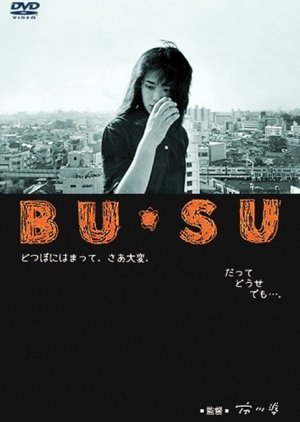
Suzume moved in Tokyo where she's will be live in aunt's house, basically geisha house. She have no interest in any social activity, nor any friendship with classmates. She's not into geisha life style too. When school is up to celebrate it's 100 year anniversary class have to prepare something for culture fest and, after chain of misfortune events, she decides to made it on stage with old dance, somewhat of her mothers legacy. Edit Translation
- English
- magyar / magyar nyelv
- dansk
- Norsk
- Native Title: BU・SU
- Also Known As: BU・SU
- Director: Ichikawa Jun
- Screenwriter: Uchidate Makiko
- Genres: Drama
Cast & Credits
-
 Tomita Yasuko Main Role
 -
 Okusu Michiyo[Aunt]Main Role
 -

-
 Takashima MasahiroTsudaSupport Role
 -
 Shirashima YasuyoSatokoSupport Role
 -
 Fujishiro MinakoKyokoSupport Role








Reviews

"I'm still too young to give up"
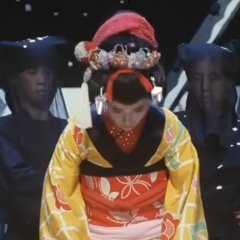
Director Ichikawa Jun’s inaugural film Bu Su (1987), reminded me of Blue Spring (2001) only without the violence. Set around disillusioned high school students with no great prospects for the future it relied as much on mood as it did plot.Morishita Mugiko travels to Tokyo by train alone to start a new life as a maiko while also attending high school. Her aunt runs the house and renames her Suzume. At school, Mugiko silently slides into her class, observing instead of interacting. She walks through the new town filled with unusual people and places. She is demoted to running after the rickshaws when her aunt finds her inability to look up frustrating. During the planning for the school’s 100th anniversary talent show, Mugiko is manipulated into presenting a geisha dance by the class queen bee who has grown jealous of the handsome boy’s attention toward the new sullen girl.
To be called Bu Su was a derogatory name meaning physically or emotionally ugly. Tomita Yasuko was definitely not ugly so it could only be a description of Mugiko’s withdrawn personality. Head down, hair over her face, Mugiko rarely interacted with anyone until one day she stood up for another bu su. Ichikawa captured the isolation a teen could feel when thrust into a room of strangers, knowing teenagers were judgmental and cliquey. Like an alien with three heads and purple skin, Mugiko, attempted to blend into the background as much as possible. We’re told she’d had a rough time in her small hometown, but never learn the source of her difficulties with her mother, school, and father’s death. She slowly made friends with students who were considered odd. What she found was that others were also scared and lonely. She didn’t have a market on insecurity. Her new friends were also seeking meaning in their lives. Was this all there was to life? Despite the social advertising for them, the teens had seen that marriage and jobs weren’t necessarily the answers to happiness.
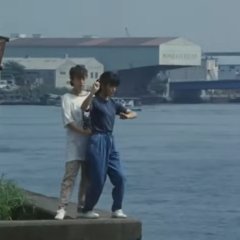
Ichikawa relied heavily on Tomita’s expressive eyes to sell Mugiko’s emotions. There were times his extreme closeups could be disorienting. Yet this first-time film director also had a flare for beautifully framing his compositions. Tokyo was explored, the parts that tourists see and the parts people avoid. If you like Japanese pop music you might enjoy the “modern” score for the time. I’d be remiss if I didn’t mention Okusu Michiyo as the geisha madame/aunt. She gave a lovely performance as the woman who offered Mugiko/Suzume a chance and also watched as her own daughter chose a life outside their world.
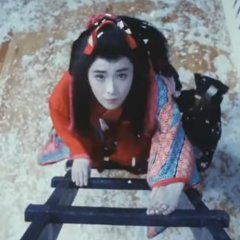
Mugiko chose to perform a scene from the kabuki about Yaoya Oshichi who started a fire (or sounded a false alarm for one) for a chance to see the boy she loved. To master the puppet dance Mugiko had to learn from and rely on others. And she had to learn to look up. Unlike a Hollywood picture, everything didn’t end in cheers and medals for Mugiko and her friends. But even in their failures they gained insight into themselves. Sometimes the past has to be burned down in order to smile at the future. Bu Su wasn’t a perfect film and my score was around a 7.75 which I rounded up to 8.0. I found it flawed and yet also entertaining.
22 May 2026
Explanatory note: Suzume was the FLs maiko name. Much of the film took place with her school friends so to keep things simple in this review I used the name they addressed her by which was Mugiko.
Was this review helpful to you?