


 2
2 1
1 1
1


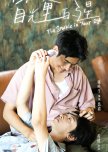
The Sparkle in Your Eye — A Heartbreaking Look Behind the Spotlight
The Sparkle in Your Eye isn't just another BL set in the entertainment industry. It's a drama about what fame can cost, how easily public opinion can destroy someone's career, and how difficult it is to remain true to yourself when your entire life becomes a product. By the end, I was heartbroken.The story follows two actors brought together by circumstances, but the romance is only one part of a much larger picture. What stayed with me most was the constant pressure surrounding them. Every decision is judged, every rumour becomes a headline, and every relationship can be turned into a weapon. The series does an excellent job showing that success in show business often comes at the expense of personal happiness.
Knowing how tightly the entertainment industry is monitored in China, I was honestly surprised this BL was made at all. The drama doesn't openly challenge the system, but it still paints a bleak picture of how careers, public image, and private lives can collide. That alone gives the story an emotional weight that goes beyond the romance itself.
The acting is one of the series' strongest qualities. The two leads build a believable relationship while never losing sight of the pressures surrounding their characters. Their quieter moments are often the most powerful because they feel like brief escapes from a world that constantly demands they perform, even when the cameras are off.
The production also deserves praise. The entertainment industry feels convincing, not glamorous. Instead of romanticising celebrity life, the series constantly reminds us how fragile fame really is. The cinematography supports that contrast well, moving naturally between the polished public image and the loneliness hidden behind it.
Final Thought
The Sparkle in Your Eye is a love story, but it's also a reminder that falling in love can become incredibly complicated when the whole world believes it owns your image. I finished the series with a heavy heart. The romance moved me, but what affected me even more was its portrayal of the sacrifices demanded by show business. It's one of those dramas that stays with you long after the final episode.

I Promise I Will Come Back: Something Happen — A Different Story Worth Telling
Rather than extending TK and Victor's story, Something Happen wisely chooses a different direction by focusing on Victor's twin brother. At first, I wasn't sure that was the right decision because I was still emotionally attached to the original couple. Surprisingly, the special quickly finds its own identity instead of trying to recreate what made the main series so memorable.The story naturally feels smaller in scale, but that's perfectly fine. Instead of revisiting the heartbreak of the original drama, it introduces a new romance with its own emotional journey. I appreciated that the writers resisted the temptation to simply recycle the same formula. This special works best when viewed as a companion piece rather than a true sequel.
The new cast integrates well into the universe, and the performances remain sincere throughout. While it never reaches the emotional intensity of the main series, it doesn't really need to. Its purpose is simply to spend a little more time in a world many viewers had grown attached to.
Final Thought
Something Happen isn't the continuation of I Promise I Will Come Back that some viewers may expect. It's a separate story connected to the same universe, and judging it on those terms makes it much easier to appreciate. It doesn't replace the original, but it offers a pleasant and worthwhile addition for fans who weren't quite ready to leave that world behind.

Season of Love in Shimane — A Pleasant Return Without the Same Emotional Impact
After enjoying Kiseki Chapter 2, I was genuinely happy to return to these characters. Unfortunately, Season of Love in Shimane never gave me the same feeling of discovery. It's nice spending more time with everyone, but the emotional freshness that made the previous chapter so interesting has largely disappeared.The story focuses on continuing the relationships rather than creating new ones, which is a logical direction. The problem is that it rarely surprises. Instead of exploring the characters in significantly different ways, it mostly extends what we already know about them. As a result, the season often feels more like an epilogue than a necessary continuation.
The cast remains likeable, and seeing everyone together again is still enjoyable. Their chemistry hasn't disappeared, but because the emotional foundations were already established in the previous chapter, there are fewer moments that truly stand out. I watched with a smile, but I was rarely moved the way I had been before.
Once again, Japan is beautifully presented. Shimane offers a completely different atmosphere from Tokyo, and the quieter landscapes fit the calmer tone of the story. The production continues to make excellent use of its locations, creating a relaxing atmosphere that remains one of the franchise's greatest strengths.
What I missed most was the sense that every encounter mattered. In Chapter 2, every conversation and every relationship felt like it could change the characters' lives. Here, I mostly felt like I was revisiting people whose journeys had already reached their most interesting point. That's still pleasant, but it's not nearly as memorable.
Final Thought
Season of Love in Shimane is a perfectly enjoyable continuation for anyone who became attached to the characters in Chapter 2. It keeps the same warm atmosphere and likeable cast, but it never recaptures the emotional impact or originality of its predecessor. I enjoyed the reunion, but for me, the journey itself remained much stronger than the destination.
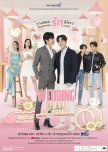
Wedding Plan — A Charming Story That Never Made Me Believe the Romance
The premise of Wedding Plan immediately caught my attention. A wedding planner slowly falling for the groom he's supposed to help marry is a fun idea, and MAME once again proves she knows how to create romances built around unusual situations. The story remains enjoyable from beginning to end, but I never became emotionally invested in the couple the way I expected.The biggest issue is the casting.
Sunny Wannarat is undeniably attractive, but I simply couldn't buy him as Sailom. The character is supposed to be a successful businessman carrying the responsibility of a fake engagement while secretly controlling every aspect of the plan. Instead, Sunny has such a youthful appearance that I constantly forgot he was meant to be this powerful CEO. He looks almost too young for the role, making it difficult for me to believe the authority the script repeatedly tells us he has.
Pak Naphat is naturally funny and brings a great deal of energy to Namnuea. His comedic timing works well, and he makes the character immediately likeable. Unfortunately, whenever the story asks him to express deeper emotions, I felt something was missing. Rather than showing genuine emotional conflict, several important scenes felt performed instead of lived. Because of that, I never fully connected with his emotional journey.
That lack of emotional connection also affects the romance itself.
Individually, both actors are perfectly watchable. Together, however, I never believed they had fallen deeply in love. Their interactions are pleasant, but they rarely create the kind of chemistry that makes you forget you're watching two actors. The relationship often feels more like two people following the script than two people naturally drawn toward each other.
One aspect I did appreciate is the supporting cast. Yiwa and Marine are genuinely memorable, and their storyline gives the series more emotional balance than I initially expected. Instead of existing only to move the main romance forward, they become interesting characters in their own right, adding another perspective to the story.
The production remains faithful to MAME's style. The cinematography is bright, the pacing stays light, and the series never becomes overly dramatic. It's an easy watch with a pleasant atmosphere, even if the soundtrack doesn't leave much of an impression.
Final Thought
Wedding Plan has an original premise and enough charm to remain entertaining throughout, but I never found the central relationship convincing. Sunny and Pak are both likeable actors, yet they never fully disappear into their characters, making the romance feel emotionally distant. It's a cute series that I enjoyed watching, but not one that stayed with me once it was over.

Love Sea: The Home for Lovers — The Characters I Imagined While Reading the Novel
After watching the Thai version, I was curious to see how Japan would approach Love Sea. Surprisingly, this remake ended up feeling closer to the novel I had in my head. The production is obviously smaller, but what it lacks in budget, it makes up for by understanding the characters.The biggest improvement is undoubtedly Kaishin. Kunigami Masato is exactly how I imagined Mahasamut while reading MAME's novel. He's naturally sexy without trying too hard, carries himself with quiet confidence, and has that irresistible charm that makes it believable people constantly fall for him. Unlike the Thai version, where I always felt Mahasamut had been softened too much, this version finally gives the character the charisma and sexual appeal I expected from the beginning.
Nishime Shun is equally convincing as Rakumoto Ai. He perfectly captures the character's vulnerability, awkwardness, and gradual emotional growth without exaggerating any of it. He's incredibly likeable from the very first episode, making it easy to understand why Kaishin slowly falls in love with him. Together, the two leads create a relationship that feels remarkably faithful to the novel.
Another pleasant surprise is the female cast.
Habu Mizuho is absolutely mesmerising as Himeka. She naturally commands every scene she appears in, and it's easy to see why she's already so popular as an idol. Kawazu Asuka also brings a great deal of experience to her role, and her performance adds another layer of credibility to the story. In fact, the women are so memorable here that I barely found myself thinking about their counterparts in the Thai adaptation. This version gives every major character enough presence to feel equally important, regardless of gender.
What surprised me most is that I never felt the quality dropped after the first couple. Usually, when a drama tells two separate love stories, I naturally end up preferring one over the other. Here, that never happened. Both romances kept me invested for different reasons, and I enjoyed following each of them until the very end. That balance is something the Thai adaptation didn't quite achieve for me.
Despite the more modest production, the series never feels cheap. Japan wisely focuses on atmosphere, performances, and character interactions instead of trying to compete with the Thai version's larger scale. That decision pays off because the emotions remain at the centre of every episode.
Final Thought
Love Sea: The Home for Lovers proves that a faithful understanding of the characters matters more than a large budget. Kunigami Masato and Nishime Shun feel exactly like the protagonists I imagined while reading the novel, and the female cast is equally outstanding. While the second couple doesn't quite reach the same level, this remake captures the spirit of MAME's story better than I expected and, in several aspects, even better than the original adaptation.

Love Sea — A Beautiful Adaptation That Softened Its Strongest Character
After reading MAME's novel, I already had a very clear image of Mahasamut in my head. That's probably why Love Sea left me with mixed feelings. The story itself remains excellent, the scenery is breathtaking, and several emotional moments work beautifully. But the adaptation changes one of the most important aspects of the main character, and that decision constantly kept me from fully believing the romance.The story is one of MAME's strongest. Beneath the romance lies a thoughtful contrast between two completely different worlds: one character searching for inspiration while the other has spent his entire life surrounded by the freedom of the sea. Watching those worlds collide is genuinely interesting, and unlike many romance dramas, the relationship grows because both characters gradually change each other rather than simply falling in love.
Visually, this is a gorgeous series. The beaches, islands, and coastal landscapes become part of the storytelling instead of serving as simple postcards. Every episode feels warm, peaceful, and cinematic, making the environment almost another character in the drama. The production quality is exactly what I hoped for from a MAME adaptation.
My biggest problem is Mahasamut.
Fort Thitipong is a likeable actor, and I enjoyed him in Love in the Air. However, I never completely accepted him as this character. In the novel, Mahasamut has the confidence of someone who has spent years charming both women and men without even trying. He's a genuine womanizer whose natural charisma makes it completely believable that people constantly fall for him. Fort, on the other hand, projects a much softer image. He comes across as warm, gentle, and affectionate almost from the beginning. While that's certainly appealing, it isn't the Mahasamut I imagined while reading the novel.
Because of that, part of the character's evolution loses its impact.
The original Mahasamut is someone who appears emotionally untouchable until he unexpectedly falls deeply in love. That contrast is what makes the relationship so satisfying. Here, because Fort already feels sweet and emotionally available from the start, the transformation isn't nearly as dramatic. It's not that he gives a bad performance—I simply don't think he was the ideal casting choice for this particular role.
Peat Wasuthorn once again delivers the stronger performance. Just as he did in Love in the Air, he understands how to portray emotional vulnerability without becoming melodramatic. His quieter scenes often carry more weight than the dialogue itself, making his character easy to sympathise with throughout the series. Whenever the story focuses on his emotional journey, the drama becomes significantly stronger.
The chemistry between the leads is pleasant enough, but I never found it as convincing as their previous pairing. Ironically, they seem more comfortable together as actors than their characters do as lovers. I enjoyed watching them, yet I rarely forgot I was watching a performance.
Final Thought
Love Sea remains a beautiful adaptation with an excellent story and stunning cinematography, but as someone who read the novel first, I couldn't ignore how much Mahasamut had been softened. Fort Thitipong is undeniably charming, yet he never fully captures the irresistible, experienced womanizer MAME originally wrote. Peat Wasuthorn once again carries the emotional side of the drama, making the series worth watching despite a casting choice that never completely convinced me.

Love in the Air: Koi no Yokan — A Remake That Surprisingly Improves One Half of the Story
Whenever a successful BL gets remade, I immediately become sceptical. The original Love in the Air set a very high standard, so I wasn't expecting the Japanese version to compete with it. Surprisingly, it managed to do something I didn't think was possible: I actually preferred the first couple over the Thai version.The production is clearly more modest. You can immediately tell that the budget is much smaller than the original series. The racing scenes are simpler, the locations are less spectacular, and the overall scale feels more intimate. The good news is that none of those limitations really hurt the story. Instead of trying to imitate the Thai production scene for scene, the series embraces a quieter, more character-focused approach that suits the Japanese style surprisingly well.
The biggest surprise is the relationship between Rei and Arashi. Their chemistry feels incredibly natural, and I actually found their romance more believable than Rain and Payu's in the original. The performances are more restrained, allowing the emotional progression to feel smoother and less theatrical. Rather than relying on overwhelming physical attraction, the relationship develops through small gestures and genuine affection, making it easier for me to become emotionally invested.
Unfortunately, I can't say the same about the second couple.
Sky's story was always the emotional heart of Love in the Air, and Peat Wasuthorn delivered one of the most heartbreaking performances I've seen in a BL. That's an incredibly difficult role to recreate, and while the Japanese actors certainly try their best, I never felt the same emotional impact. The trauma, vulnerability, and gradual healing are all present, but they don't hit with the same intensity. The chemistry between the second couple is also less convincing, making several important scenes feel emotionally flatter than they should.
The acting overall is actually very good. The cast understands the quieter style of Japanese dramas and avoids exaggerated performances, which works perfectly for the first storyline. My criticism isn't really directed at the actors themselves but rather at the impossible comparison they have to face. Recreating one of the strongest emotional arcs in modern BL was always going to be an enormous challenge.
Visually, the series makes intelligent use of its smaller budget. Instead of attempting to compete with the original's scale, it focuses on intimate cinematography and character interactions. The result feels more personal than spectacular, and I think that was the right decision. The soundtrack also fits the atmosphere well, even if it never becomes particularly memorable.
Final Thought
Love in the Air: Koi no Yokan proves that a remake doesn't have to copy everything to succeed. I genuinely preferred the first couple over the Thai version because their relationship felt more natural and believable. The second half, however, never reaches the emotional power of the original, making the overall series slightly less impactful. Even so, this is a respectful adaptation that successfully finds its own identity instead of simply trying to imitate one of the most popular BLs of recent years.

Love in the Air — Beautifully Produced, but Not Every Casting Choice Worked for Me
After reading MAME's novel before watching the adaptation, I had very high expectations for Love in the Air. Thankfully, the series gets many things right. The production quality is outstanding, the story remains faithful to the spirit of the novel, and several emotional moments are even stronger on screen than I imagined while reading. Visually, this is easily one of the best-looking BLs I've watched. Some scenes genuinely feel closer to a high-budget film than a television drama.The cinematography deserves special praise. Every frame feels carefully composed, from the racing scenes to the romantic moments and the quieter emotional conversations. The lighting, camera work, and overall visual direction constantly elevate the material, making the series feel much more expensive than most BL productions.
The story also remains one of MAME's strongest. Splitting the drama into two couples works surprisingly well because each relationship explores completely different emotions. Payu and Rain bring the lighter, more playful romance, while Prapai and Sky gradually take the story into much darker and more emotional territory. Rather than feeling disconnected, the two halves complement each other beautifully.
My biggest criticism is the casting of Rain.
Noeul Nuttarat certainly commits himself to the role, and I completely understand why many viewers enjoy his performance. Personally, however, I never found him believable as Rain. His mannerisms are so exaggerated that I struggled to accept the character's initial innocence whenever Payu openly flirts with him. From the very beginning, it felt like Noeul was performing the character instead of becoming him. Compared to the novel, where Rain comes across as naturally naïve rather than theatrical, I felt the adaptation pushed that aspect much too far.
Fortunately, Boss Chaikamon balances the relationship perfectly. His confidence, charisma, and calm presence make Payu exactly the kind of character I imagined while reading the novel. Even when I wasn't fully convinced by Rain, Boss remained consistently believable, and his chemistry with Noeul is ultimately what keeps the first half of the series entertaining.
Then comes the second couple...
For me, Peat Wasuthorn completely steals the show.
Sky is by far the most emotionally demanding character in the series, and Peat delivers a heartbreaking performance. His portrayal of trauma, fear, and vulnerability feels painfully real. Several scenes genuinely made me cry because you can almost feel the weight his character carries every single day. Unlike Rain, Sky feels almost exactly as I imagined him while reading the novel. Every emotional breakdown, every moment of hesitation, and every small step toward healing feels completely earned.
Fort Thitipong also deserves recognition for understanding that Prapai isn't simply a charming flirt. Behind his confidence is someone willing to patiently wait until the person he loves is ready to trust again. Together, Fort and Peat create the strongest relationship in the series, not because it's the most passionate, but because it's built on healing rather than seduction.
The soundtrack isn't particularly memorable, but it supports the atmosphere well enough without ever becoming distracting. More importantly, the series understands when silence is more powerful than music, especially during Sky's most emotional scenes.
Final Thought
Love in the Air is one of the most visually impressive BLs I've seen, with excellent production values and a story that successfully brings MAME's novel to life. While I never completely accepted Noeul as Rain, the performances from Boss, Fort, and especially Peat more than compensate. Peat's portrayal of Sky is one of the most emotional performances I've seen in a BL, and by itself makes this series worth watching.

TharnType 2: 7 Years of Love — Growing Up Doesn't Mean Love Becomes Less Exciting
One thing I appreciated immediately about TharnType 2 is that it doesn't try to repeat the first season. Seven years have passed, and thankfully the writers allow the characters to grow with that time. Instead of watching two young men discovering love for the first time, we're now following an established couple learning how to build a future together. It's a different kind of romance, but one I found just as enjoyable.The story naturally feels more mature. The conflicts are no longer about whether Tharn and Type belong together, but about the challenges every long-term relationship eventually faces. Careers, trust, jealousy, family expectations, and the fear of change all become part of their everyday life. I actually enjoyed that shift because it shows that staying together can sometimes be just as difficult as falling in love.
What continues to carry the entire series is Mew Suppasit and Gulf Kanawut.
Their chemistry is still outstanding.
If anything, they look even more comfortable together than they did in the first season. Every scene feels effortless because they no longer have to convince us that Tharn and Type love each other. We already believe it. The affection between them feels natural, whether they're teasing each other, arguing, or simply sharing quiet moments at home. That's exactly how an established couple should look.
The intimate scenes also deserve credit. Like the first season, they never rely on explicit content to create passion. Instead, it's the trust between the actors and the confidence of their performances that makes every romantic moment believable. Few BL couples manage to create that level of intimacy while keeping it emotionally meaningful rather than simply provocative.
The supporting cast once again brings plenty of energy to the series. Some secondary storylines are stronger than others, but I enjoyed seeing familiar faces return and watching how everyone's lives had evolved over the years. While the focus occasionally shifts away from Tharn and Type for longer than necessary, I never felt completely disconnected from the main story.
Visually, the production remains consistent with the first season. The direction is confident, the pacing rarely drags, and the emotional scenes are given enough time to breathe. The soundtrack isn't particularly memorable, but it supports the atmosphere well without becoming distracting.
If I have one criticism, it's that some of the new conflicts don't feel quite as powerful as those in the original series. The emotional intensity of discovering each other for the first time is naturally impossible to recreate, and a few dramatic moments seem designed more to create temporary tension than to genuinely challenge the relationship. Even so, because the central couple is so convincing, those weaker moments never significantly affected my enjoyment.
Final Thought
TharnType 2: 7 Years of Love proves that romance doesn't end once two characters become a couple. Watching Tharn and Type navigate adult life together was just as rewarding as watching them fall in love. Mew and Gulf once again deliver outstanding performances, and their chemistry remains among the very best in BL. It may tell a quieter story than Season 1, but it's a story that feels honest, mature, and completely worth following.

TharnType Special: Our Final Love — Fan Service Done the Right Way
After everything Tharn and Type went through during the series, I didn't need another major conflict. I simply wanted to see them happy together, and that's exactly what Our Final Love delivers. This special isn't trying to surpass the original story. It's simply a reward for everyone who became attached to the couple.The plot is admittedly very simple. If you're expecting shocking twists or dramatic revelations, you'll probably be disappointed. Most of the special focuses on everyday life, showing what happens after the happy ending. Normally, I would criticise a story for having so little happening, but here it actually works because watching Tharn and Type as an established couple is satisfying enough on its own.
Mew Suppasit and Gulf Kanawut once again prove why they became one of the most talked-about BL pairings. Their chemistry is still exceptional. Every interaction feels effortless, whether they're teasing each other, arguing over something trivial, or sharing quieter romantic moments. Nothing feels forced, and because we've already spent an entire season with these characters, even the smallest scenes carry emotional weight.
One thing I appreciated is that the special doesn't create unnecessary drama simply to justify its existence. Too many sequels invent conflicts that damage the original relationship. Here, the focus remains on the couple themselves. It's warm, romantic, and occasionally funny without ever losing sight of why people fell in love with Tharn and Type in the first place.
That being said, I understand why some viewers might find it slow. There isn't much story beyond spending more time with the characters, and the special clearly prioritises fan service over plot progression. Personally, I didn't mind because that's exactly what I expected from an epilogue.
The production remains consistent with the original series. The direction, cinematography, and performances all maintain the same quality, making the special feel like a natural continuation rather than a separate project.
Final Thought
TharnType Special: Our Final Love is exactly what a special episode should be. It doesn't try to reinvent the story or create artificial conflict. Instead, it gives fans one last opportunity to enjoy Tharn and Type together before saying goodbye. Thanks to Mew and Gulf's outstanding chemistry, that's more than enough to make this a satisfying conclusion.

Love By Chance — A Sweet Romance That Simply Works
Love By Chance isn't trying to reinvent romance. It's a simple university love story, but what makes it so enjoyable is how natural everything feels. The relationship develops at a comfortable pace, the conflicts rarely become frustrating, and most importantly, I actually cared about the characters. Sometimes that's all a good BL needs.The biggest strength of the series is undoubtedly Perth Tanapon and Saint Suppapong. They immediately make Ae and Pete believable as a couple. Perth gives Ae exactly the confidence and protectiveness the character needs without making him feel overbearing, while Saint perfectly captures Pete's innocence and kindness. Their personalities complement each other naturally, making their relationship easy to support from the very beginning.
Their chemistry also feels genuine. Nothing ever looks forced, and even the quieter moments between them are enjoyable to watch. Rather than relying on constant fan service, the series lets the relationship grow through everyday interactions, making the romance feel sincere instead of exaggerated.
The supporting couples are a little more uneven. Some storylines are much stronger than others, and there are moments where I found myself wanting to return to Ae and Pete rather than following the secondary characters. Still, they help create a lively university atmosphere and keep the story from becoming repetitive.
The production is fairly simple, but it suits the tone of the drama. The university setting feels believable, the pacing remains pleasant throughout, and the series knows when to be funny without turning every scene into comedy. The soundtrack isn't particularly memorable, but it supports the story well enough without becoming distracting.
If I have one criticism, it's that the story occasionally plays things a little too safely. There aren't many surprises, and several situations are fairly predictable. However, because the leads are so likeable, I never really minded. I was simply happy spending time with them and watching their relationship develop.
Final Thought
Love By Chance is exactly the kind of BL that leaves you smiling after each episode. It doesn't need complicated twists or unnecessary drama because the chemistry between Perth and Saint carries the entire series. Their relationship feels sincere, the romance is enjoyable from beginning to end, and despite a few predictable moments, it's a very satisfying watch.
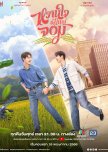
My Sweetheart Jom: Uncut — A Little More Romance, but the Same Overall Impression
Like many Uncut editions, this version simply feels more complete. The additional scenes give the relationship a little more breathing room, some emotional moments flow more naturally, and the romance benefits from a few extra interactions between the leads.That said, none of the added footage changes my overall opinion of the series. Poom Nuttapart still dominates the screen with his natural charisma and intensity, while Saint Suppapong's performance still feels too restrained for a character who should command much more presence. Their chemistry improves slightly thanks to the extended scenes, but not enough to fundamentally change the dynamic.
The story also remains exactly the same. The beautiful countryside setting is still one of the drama's greatest strengths, while the slow pacing and lack of emotional impact remain its biggest weaknesses. The Uncut Version smooths the experience, but it doesn't fix the issues that prevented the series from becoming memorable.
Final Thought
My Sweetheart Jom: Uncut is the version I'd recommend to anyone watching the series for the first time, simply because it feels a little more polished. However, don't expect a different drama. The extra scenes improve the romance, but they don't change the performances, the story, or my overall opinion of the series.

My Sweetheart Jom — One Actor Brings the Fire, the Story Never Does
My Sweetheart Jom is one of those dramas that isn't bad enough to hate but never good enough to become memorable. It has an attractive cast, a pleasant rural setting, and a few interesting ideas, yet nothing ever truly comes together. By the end, I didn't dislike it—I simply didn't feel much of anything.The person who constantly caught my attention was Poom Nuttapart. Every time he's on screen, he radiates confidence and desire. Even in scenes that aren't written to be particularly intimate, he has this intensity in his eyes and body language that makes it look like his character is constantly restraining himself. That's become his trademark. After watching several of his dramas, I honestly think he'd be excellent in a role where his character fully embraces that dominant, emotionally driven energy instead of trying to suppress it. He has a natural magnetism that's difficult to teach.
Saint Suppapong, on the other hand, left me unconvinced. Returning to BL after several years should have been an opportunity to remind everyone why he became so popular in the first place. Instead, I found his performance surprisingly flat. His character is supposed to be an accomplished chef with confidence and authority, yet I never truly felt either. The role needed someone capable of quietly dominating a room. Instead, he often blended into the background while Poom naturally drew the eye. Whether it was the writing, the direction, or simply a role that didn't suit him, the result never reached the level I expected.
That imbalance also explains why the romance never worked for me.
Chemistry isn't just about looking good together. It's about creating the illusion that two people can't stay away from each other. Here, I never fully believed that connection. Poom brought emotional and physical intensity, but it often felt as though Saint was performing on a completely different emotional wavelength. Instead of watching two people gradually fall in love, I often felt like I was watching one actor trying to pull the relationship forward.
The story doesn't help either. The countryside setting is beautiful, and the production makes excellent use of it, but the script rarely gives the characters situations that allow them to grow. Several episodes simply drift along without adding much to the central relationship, making the pacing feel slower than necessary. There are enough ideas here for a good romance, but very few of them are explored deeply enough to become memorable.
Visually, the series is pleasant throughout. The rural landscapes create a warm atmosphere, and the production is consistently polished. Unfortunately, attractive cinematography can't compensate for a romance that never becomes emotionally compelling. By the end, I remembered the scenery more than I remembered the relationship.
Final Thought
My Sweetheart Jom had enough ingredients to become a charming rural romance, but it never found the chemistry or emotional intensity needed to make it truly work. Poom Nuttapart continues to prove he has exceptional screen presence, while Saint Suppapong never quite convinces in a role that demanded much more authority and emotional weight. In the end, the series is perfectly watchable—but also perfectly forgettable.

Knock Out — Living in the Shadow of a Better Sports BL
It's difficult to judge Knock Out on its own because I've already seen what a great combat-sport BL can look like. Wandee Goodday proved that Muay Thai could become much more than a backdrop for a romance. The sport influenced the characters, the story, and even the way the relationships evolved. Unfortunately, Knock Out never reaches that level. Instead of using boxing to create emotional intensity, it often feels like the gloves are simply another prop in an otherwise ordinary BL.The premise had plenty of potential. Boxing naturally creates discipline, sacrifice, pain, and personal growth. It should have been the perfect environment to build a believable romance. Instead, the sport rarely feels essential to the story. Most of the time, it simply provides the setting while the romance unfolds almost independently of it. I kept waiting for the emotional stakes inside and outside the ring to merge, but that moment never truly arrived.
The biggest problem, however, is the chemistry.
I never fully believed the relationship between the two leads. Individually, the actors do a respectable job, and I wouldn't call either performance bad. But together, something is missing. Their romantic scenes never made me forget I was watching actors. I understood what the script wanted me to feel, but I rarely felt emotionally involved. In a genre where the central couple carries almost the entire story, that's a major weakness.
The acting overall is decent, especially during the training and fight sequences. The physical preparation is convincing enough, and the production deserves credit for making the boxing scenes feel authentic. Ironically, I often enjoyed those moments more than the romance itself. Whenever the story focused on the sport, it found some energy. As soon as it returned to the love story, that momentum quickly disappeared.
Another issue is the pacing. Despite taking place in such an intense environment, the series often feels surprisingly slow. Emotional conflicts are repeated several times without really evolving, making certain episodes drag more than they should. I finished the drama feeling that several scenes could have been cut without affecting the overall story.
Visually, the production is perfectly respectable. The gym atmosphere is convincing, the fights are well staged, and the cinematography captures the physicality of boxing nicely. Unfortunately, good production values can't replace emotional investment. By the end, I admired the effort more than I enjoyed the romance.
Final Thought
Knock Out isn't a bad BL, but it's an average one built around a setting that deserved much more. After watching Wandee Goodday, it's impossible not to compare the two, and that's where Knock Out struggles the most. One series made combat sports an essential part of its storytelling. The other simply uses boxing as a backdrop. The result is a perfectly watchable drama that never delivers the emotional knockout its title promises.

Eye Contact (Uncut Ver.) — A Better Journey, but the Same Frustrating Destination
After watching the Uncut Version, it's clear that this is the edition the production originally intended audiences to see. The additional scenes give the relationships more time to develop, certain emotional transitions feel less abrupt, and some conversations finally have the space they needed. The pacing is noticeably smoother, making the story easier to follow and the characters slightly more believable.The romance benefits the most from these additions. The extra interactions between the leads allow their growing feelings to feel more natural instead of jumping from one emotional moment to the next. There are also a few welcome scenes involving the supporting couple, making the overall experience feel a little more complete than the broadcast version.
Unfortunately, the Uncut Version cannot fix what was always the drama's biggest problem.
The ending remains exactly the same.
I was still left staring at the screen asking myself, "That's it? Really?" The story still feels like it stops rather than concludes. None of the extra footage changes that overwhelming feeling of incompleteness. While the journey becomes slightly more enjoyable, the destination remains just as frustrating.
That's a real shame because the actors once again prove they deserved a stronger script. The additional scenes actually highlight their chemistry even more, reinforcing my belief that the cast was never the issue. The problem has always been the writing, which spends too much time building emotional investment without delivering a satisfying payoff.
Final Thought
Eye Contact (Uncut Ver.) is unquestionably the better version of the series. The additional scenes improve the pacing, strengthen the relationships, and make the emotional progression more coherent. But no amount of extra footage can repair an ending that still feels unfinished. If you've never watched Eye Contact, choose this version. If you were disappointed by the original ending, however, don't expect the Uncut Version to change your mind.


