

Série fantástica
Uma das melhores séries que vi ultimamente.O enredo é cativante e a série não tem momentos monótonos.
Gostei da atuação dos 2 protagonistas.
¿Te ha parecido útil esta reseña?
butterflies guaranteed
It's been a long time since I was so smitten by a show's love story unfolding, basically from enemies to lovers. "My Royal Nemesis" offered that and so much more. The plot was good, I got to laugh, I got to cry and most importantly - I was never once bored. The story was a bit messy around 1,5 last episodes, but I'm glad we got a happy ending. I loooooooved Shin Seo-ri's character so much, it was so fresh and the way she was so rebel was very satisfying. Cha Se-gye's character was kind of similar to hers' but it was still fun to see how the two of them tried to untangle their relationship.Also, Lim Ji-yeon as an actress has showed us a different side to her, compared to her role in "The glory" which was very rewarding to see:)
(I haven't watched Heo Nam-jun's other dramas, but I know he has played more villain-y role before as well, so I think if you've seen his other dramas it could be cool to see him in this kind of setting as well!)
Concept-wise it was quite clean and totally understandable story.
1000/10 would watch again!
¿Te ha parecido útil esta reseña?
Almost perfect... until the end.
The beginning was perfect : a healthy relationship, built on trust, respect and setting boundaries that each partner knows to respect. I liked their dynamic, the way their status (a host and a police officer) did not restrain them from falling in love with each other ; The way they took the time to understand what they were both searching for in a relationship.But, seriously, what was that end ??? Why did this perfect relationship turn into a generic story line we already saw a hundred times in 2015 ?
Krit was obsessed with Wayu. He did everything for him, tried to be the perfect man for a guy that was living through hard times. He was so invested in the relationship and was very public about it, even if he said he do not want to. But the next day, he turned into the biggest red flag you will ever see. The disrespect he gave Wayu is NOT romantic. And the worst ? They continue their relationship like it never ever happened.
I saw too many dramas like this ten years ago, so I'm not even taking points out for this. But if you hate miscommunication tropes or whatever toxic drama that can occur in a perfect relationship, this series is not for you, because the last four episodes will make you pull out your hair.
¿Te ha parecido útil esta reseña?
GOOD DRAMA WITH INSANE CHEMISTRY
10 🌟 saw this on netflix and decided to watch it without any expectation at all and grabe? 😮💨 THE CHEMISTRY? THE PLOT? made me love lu yuxiao and hou minghao (hence the username) tbh!!!everyone was talking about this on twt and akala ko another overhyped drama but boy i was wronggg... tagal ko di nakamove on dito tbh to the point na i rewatched it after i finished it BA IS LIW HDJDJSKAJAAJ utang ng pilipinas/10 irerewatch paulit ulit
also the official soundtracks ATEEEEEEEEEEEEEEEEEEE
¿Te ha parecido útil esta reseña?
Cinematic Masterpiece ?
I absolutely love this show so far. I’m already planning snacks for when it’s time to binge it from scratch. The acting from everyone is great but the two leads is phenomenal. The chemistry is insane. As someone who follows pairs that have been working for years this chemistry feels seasoned even though it’s not.Then you add on the actual plot. A movie inside a show. It really is such a unique take and very entertaining. I feel like I’m watching two things at once while everything still feels very connected an easy to follow. They are doing a fantastic job immersing you into the plot of the actual character as well as bringing you into the art of a movie they are making. You can feel the lines blur. The emotions that run past the cut, the lingering in the eyes.. you can feel the desire being built and it’s so captivating.
The production and score as well, you can tell they took time with this. It’s very well made and very cinematic. The music fits with every scene. I haven’t had a moment where the quality or set design or song has pulled me from the world as I watch it and that’s when you know it’s well done.
I can’t wait to watch more. Definitely at the top of my list for 2026 and I’m watching a lot of great shows!
¿Te ha parecido útil esta reseña?
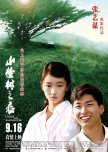
 1
1La rivoluzione silenziosa di un amore impossibile
Quando si pensa al cinema di Zhang Yimou spesso vengono in mente immagini grandiose: eserciti che si muovono come onde sanguinarie, combattimenti coreografati come danze, scenografie monumentali dove ogni dettaglio impressiona lo spettatore. Questo film invece rappresenta quasi un movimento contrario nella sua filmografia: non cerca la grandezza attraverso lo spettacolo ma lavora in sottrazione.È probabilmente uno dei suoi film più semplici in superficie, e proprio questa semplicità che divide ma conquista. Conquista come ritorno alla purezza emotiva dei suoi primi lavori; divide perché vedi un racconto idealizzato, quasi filtrato dalla nostalgia. Perché il regista non vuole raccontare soltanto un amore ma il modo in cui un sentimento può sopravvivere in un ambiente dove persino provare qualcosa diventa pericoloso.
La storia è ambientata negli anni della Rivoluzione Culturale cinese. Jingqiu, una giovane studentessa proveniente da una famiglia politicamente compromessa, viene mandata in campagna per un progetto educativo. Qui incontra Lao San, un ragazzo gentile, paziente, apparentemente lontano dalla durezza ideologica che domina il periodo. Quello che nasce tra loro non è un amore fatto di grandi dichiarazioni o gesti melodrammatici. È un sentimento costruito su attese, piccoli incontri, parole trattenute. Una presenza calma, senza passione. Zhang Yimou elimina quasi completamente la fisicità romantica. In un cinema contemporaneo abituato a rappresentare l’amore attraverso il possesso, il desiderio e l’immediatezza, Under the Hawthorn Tree rappresenta il desiderio come distanza.
Una mano sfiorata diventa un evento. Una camminata insieme diventa intimità. Uno sguardo trattenuto contiene più tensione emotiva di una scena apertamente passionale.
Questa scelta mi è sembrata plausibile e commovente, questa purezza che mostra il ritratto di un’epoca in cui i sentimenti dovevano esistere come vissuti privati, protetti dalla pressione sociale, dall'altro ho avuto spesso il sentore di assistere ad una mitizzazione dell'amore, quasi mitologico nella sua innocenza ed eccessivamente distante dalla complessità reale della giovinezza.
Ma probabilmente il punto del film non è mostrare un amore realistico nel senso moderno del termine. È mostrare come si ricorda un amore. É questo il punto.
La fotografia di Zhao Xiaoding lavora esattamente in questa direzione.
La tavolozza cromatica è estremamente controllata: verdi morbidi della campagna, grigi degli ambienti quotidiani, colori poco saturi che sembrano appartenere più alla memoria che alla realtà.
La natura non viene mostrata come spettacolo bensì come rifugio.
L’albero di biancospino del titolo diventa il centro simbolico dell’opera. Durante la Rivoluzione Culturale viene caricato di significato politico, legato alla memoria e al sacrificio rivoluzionario, ma nel percorso dei due protagonisti assume un significato completamente diverso: diventa il luogo privato di un sentimento che cerca di esistere fuori dalle imposizioni collettive.
Molto interessante l’uso del rosso, già molto caro all'autore.
Zhang Yimou è sempre stato uno dei registi asiatici più attenti alla funzione narrativa del colore. In opere come "Lanterne Rosse" o "Hero" il rosso era dominante, violento, quasi aggressivo. Qui invece appare in maniera più delicata, più spento, quasi amaranto, non esplora, affiora : non è il colore del potere, ma della memoria, del sentimento e della perdita.
Anche la regia segue l'essenzialità: la macchina da presa non forza la commozione con primi piani insistenti, ma osserva. Molte scene sembrano costruite intorno all’attesa: aspettare una lettera, aspettare un incontro, aspettare il momento in cui finalmente qualcosa potrà essere detto.
Il montaggio di Meng Peicong accompagna questa lentezza senza cercare accelerazioni artificiali. Il ritmo può sembrare eccessivamente tranquillo per alcuni spettatori, ma è coerente con il tema centrale: un amore nato in un mondo dove ogni emozione deve procedere con cautela.
La colonna sonora di Chen Qigang segue la stessa strada. Non cerca il melodramma continuo ma interviene nei momenti di maggiore vulnerabilità emotiva. Il film avrebbe facilmente potuto trasformarsi in un racconto strappalacrime, invece spesso sceglie il silenzio.
Il lavoro sugli attori è forse uno degli aspetti più riusciti.
Zhou Dongyu, al suo debutto cinematografico, porta sullo schermo una naturalezza rara. La sua Jingqiu non è semplicemente “innocente”: è una ragazza cresciuta nella paura. La sua prudenza non deriva solo dalla timidezza, ma da un contesto storico in cui un errore può avere conseguenze enormi sulla propria famiglia.
La sua interpretazione vive nei dettagli: lo sguardo abbassato, l’incertezza nel rispondere, il modo in cui sembra sempre trattenere una parte di sé.
Dou Xiao costruisce invece Lao San come una figura quasi fuori dal tempo. Ed è forse qui che nasce una delle critiche più frequenti al film: Lao San è talmente paziente, generoso e devoto da apparire più come un ideale romantico che come un ragazzo reale ma anche questa può essere una scelta narrativa: Lao San non è raccontato con gli occhi neutrali della realtà, ma attraverso la memoria emotiva di chi lo ha amato.
La sua malinconia nasce dal contrasto tra ciò che i protagonisti provano e ciò che il mondo permette loro di vivere. Non racconta un amore impossibile perché manchi il sentimento ma perché a volte la vita concede alle persone il momento giusto quando il tempo a disposizione è già troppo poco.
La grandezza del film sta forse proprio nella sua fragilità. Non cerca di essere complesso, provocatorio o rivoluzionario. Racconta qualcosa di estremamente semplice: due persone che si incontrano e che, per un breve periodo, riescono a creare un piccolo spazio di gentilezza dentro un mondo duro.
Per alcuni sarà troppo sentimentale. Per altri sarà devastante. Per me è stato un Ni, guardo le opere dei grandi registi con distacco perchè mi concentro per coglierne il simbolismo e il senso del messaggio complessivo, ero preparata ad un finale triste.
Zhang Yimou sembra volerci lasciare con una domanda molto precisa: un amore è meno importante se non ha avuto il tempo di trasformarsi in una vita intera?
Forse no.
Forse alcuni sentimenti rimangono proprio perché non hanno avuto il tempo di consumarsi. Perché non hanno conosciuto l’abitudine, la quotidianità, l'usura della novità quando viene macchiata dalla normalità. Restano lì, sospesi in un luogo della memoria dove tutto è ancora possibilità, dove una parola non detta pesa più di mille pronunciate, dove un istante mancato continua a vivere più a lungo di anni interi.
E forse è proprio questa la crudeltà degli amori incompiuti: non finiscono davvero. Non hanno una conclusione contro cui ribellarsi, non hanno una vita vissuta da archiviare. Rimangono domande aperte.
Come si dimentica qualcosa che non ha avuto nemmeno il tempo di diventare reale fino in fondo? Vive nella vastità delle possibilità inespresse.
Guardando *Under the Hawthorn Tree* ho sentito il dolore silenzioso di questa verità. Che a volte non soffriamo solo per ciò che abbiamo perso, ma anche per ciò che avremmo potuto avere. Per quella versione di noi stessi che sarebbe esistita accanto a quella persona e che invece rimane per sempre intrappolata in un futuro mai accaduto.
E forse è questo che rende certi amori così difficili da lasciare andare: non ci manca soltanto qualcuno.
Ci manca la vita che, per un momento, avevamo immaginato possibile.
Dove l'ho visto?
https://mydrama.altervista.org/under-the-hawthorn-tree-sub-ita-2010/
unico con sub ita.
¿Te ha parecido útil esta reseña?

But first, the description of this movie was a bit off. Because the synopsis was actually from the Dream Journey 3, in which it was mislabeled as the first movie on the iQiyi site. And Xie Miao wasn't part of the DJ3.
Anyway, this movie started with a battle between Sun Wukong and White Bone Demon, before which they were suddenly sucked into a magical portal and transported into the present time. Wukong landed in the home of Tang Xiaojian, who resembled his master while White Bone Demon ended up in a nightclub. After another clash with each other, both of them decided on a truce while trying to figure out a way to head back to where they belong.
I didn't realize that Xie Miao had a few other movies where he played as Sun Wukong before Great God Monkey, so I might as well rectify that. This is a pretty interesting take on the JTTW lore, to integrate a modern retelling of the story while also including isekai. And there's also romance included in the movie, aside from comedy... and I have to say that this is the first Sun Wukong romcom I've ever seen!
¿Te ha parecido útil esta reseña?
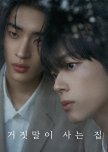
THE LIE WE LIVED IN - REVIEW
Story: The Lie We Lived delivers a captivating blend of mystery, thriller, and romance that remains consistently engaging from start to finish. Its premise feels refreshingly original, offering a welcome break from more predictable BL storylines. The opening scene immediately establishes a tense atmosphere, setting the tone for the suspense-filled journey that follows.One of the series' greatest strengths is its use of cliffhangers. Nearly every episode ends on a gripping reveal or unanswered question, creating genuine anticipation and making it difficult not to immediately start the next episode. Rather than relying on cheap twists, these cliffhangers effectively deepen the mystery and keep the narrative momentum strong.
The flashback sequences also deserve praise. While they initially seem like they might be unnecessary filler, they gradually prove to be essential pieces of the puzzle. Each flashback adds meaningful context to the characters' motivations, relationships, and decisions, making the eventual revelations feel earned and emotionally satisfying. By the finale, every layer of the story comes together seamlessly, making for an immersive and thoroughly rewarding viewing experience.
Acting/Cast: The cast delivered compelling performances, with every character fully committing to the emotional intensity and psychological weight of the story. Kim Seung Beom was the undeniable standout as Seo Yi-Do, portraying the character with remarkable nuance. His expressive eyes alone conveyed layers of pain, suspicion, vulnerability, and determination, making his performance both captivating and emotionally resonant.
Kim Kyung Min was equally impressive as Chu Tae Jeong. Although he didn't initially embody the stereotypical image of a police officer, he won me over through his natural portrayal of Tae Jeong's cheerful personality and slightly gullible yet sincere demeanor. His warmth provided a refreshing contrast to the series' darker atmosphere, making his character easy to root for or even hated by his poor decision in one of the episodes (no spoiler) I really screamed with what he did.
Together, Kim Seung Beom and Kim Kyung Min shared convincing chemistry and effectively portrayed the emotional tension between their characters. However, the romantic development felt somewhat rushed, resembling a whirlwind romance that could have benefited from more gradual progression and deeper exploration. Their connection was believable, but I wish the series had devoted more time to building the emotional layers of their relationship.
The supporting cast also deserves recognition for elevating the series. Each character added complexity, darkness, and toxicity to the narrative, creating a tense and unsettling atmosphere that kept the story engaging and reinforced the psychological stakes throughout. Rage is the name of their game, and they really did increase it every episode.
Music: The soundtrack effectively enhances the emotional impact of the series without ever overshadowing the scenes it accompanies. The background score heightens the tension, suspense, and emotional weight of key moments, adding depth while allowing the storytelling to remain the primary focus.
A standout choice was Lo Que No Dije, which felt like a refreshing departure from the usual Korean-language OSTs commonly featured in K-dramas and BLs. Its melancholic yet emotionally charged sound perfectly complements the series' atmosphere, reflecting the characters' unspoken feelings, lingering tension, and unresolved emotions. Rather than simply serving as background music, it became an integral part of the storytelling and left a lasting impression.
Rewatch Value: The Lie We Lived is still a series I would gladly revisit, particularly for its standout suspense sequences, emotional confrontations, and expertly crafted cliffhangers that kept me on the edge of my seat throughout its run. I also find myself wanting to rewatch Seo Yi-Do and Chu Tae Jeong's romantic moments, as their chemistry felt natural and emotionally grounded. The tension between them was consistently palpable, and the scene where their bottled-up anger gave way to a passionate encounter remains one of the series' most memorable and emotionally charged moments.
However, my enthusiasm is tempered by the ending. Ironically, while the opening scene was one of the series' strongest moments—immediately gripping and setting high expectations—the final scene didn't deliver the same impact. It felt rushed and somewhat underwhelming, leaving me wanting a more powerful conclusion. After consistently ending episodes with memorable cliffhangers, I expected the finale to close the story with the same intensity. Instead, it lacked the satisfying payoff I had hoped for, making this my lowest-rated category despite how much I enjoyed the series overall.
¿Te ha parecido útil esta reseña?
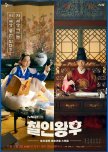
One of the best Kdrama ive ever watched
The mr queen series came to my mind when im looking for a great story, comedy , romance and drama. The show was so amazing that i had to watch it again, because the show is so entertaining it would make you forget that you already watched it. i hope shows like this are still here because it gives strong nostalgia and the feeling of never getting bored each episode. i have grown attached to it and make this review because the main character is very good and amazing.¿Te ha parecido útil esta reseña?
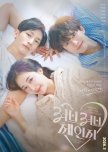
This review may contain spoilers
Putting yourself in other shoes
The drama is very great looking for a body swap drama and i end up watching the whole series with a theme quite unique & suprise. The lesson is that you never know the whole picture unless you are the one facing it in firsthand. That is why i like the drama so much they handled the body swapping theme very well thanks to the portrayal of the artists.¿Te ha parecido útil esta reseña?
The Only Chinese BL This Season That Isn’t Working for Me
I’m watching five currently airing Chinese BLs and four of them are easy 10 out of 10s for me.This was the only one that didn’t click. The intro and ending credits felt far too long, a 20 minute episode already has a 2 minute intro and 7 minute ending credits, so half of it isn't actually watchable content. I've never seen a series with ending credits that are this long.
The plot was confusing, and I never really connected with the characters. Chinese BLs usually deliver for me, so this one ended up being a disappointment.
Now that I’ve reached the finale, my opinion hasn’t changed. I kept hoping it would improve, but unfortunately it never did.
¿Te ha parecido útil esta reseña?
Love Like the Galaxy: Part 2
A 0 usuarios les ha parecido útil esta reseña
This review may contain spoilers
Its Wulei and Zhao Lusi drama
nonton ini gara" wulei dan lusi tapi jdi ketemu liyunrui. kata gw yuan shen mending jadi biksu dehhh, jujurrr lu mo anti romantic tapi udah kecantol shaoshang hhh kasiannbesok lagi zisheng gausah dehh bikin acara balas dendam, gw eneggg liat org mo nikah malah bantai musuh, yaa emg konsepnya bales dendam sih yee cuma gak terima bgtt
udah 56 eps cuma seupil romens nya dan kurang berasa. padahal banyak rangorang gk bisa move on dari ling buyi, gwehh belum tersentuh sama semua basiccc manner si zisheng ini. menurutku, jenderal yg berani mati kaya zisheng satu spesies sama feng suige cumakkk yaaa bodoh kali ini ling buyi udah menghitung jam mau nikah malah begitu terus kudu nunggu 5 tahun breakup buat balikan. 56 eps sebenernya berlebihan bgt buat dibahas semua termasuk org" yg minim efek ke shaoshang..gak pentinggg mending yuan shanjian buat gweeehhhh
¿Te ha parecido útil esta reseña?
This review may contain spoilers
Based on novel
arrange marriage pertama yg ngasih pov si cowo. kayanya selama ini selalu bias ke pov cewe, gak jelasin perasaan si cowo. and i enjoyed the showmo jingli stresss edunnn, ga memaklumi dia ngejar yeli dengan obsesinya. walaupun dia punya cerita sendiri, keluarganya dibunuh, gapunya siapa" lagi..takutt bgt sebenernya arah cerita ini kemana. pertama, keluarga mo jingli dan mo xiuyao difitnah dan dipersekusi. keluarga dan sodara yeli dari lishan academy juga dipersekusi tanpa jelas siapa yang ngasih perintah. terusss ini pasti mau acara balas dendam kan??
i love how in the end of story, semua orang berjuang dalam kesendiriannya masing-masing. mo jingli dengan ambisi dia, ibu suri dengan niatnya menguasai pemerintahan. yeli yang pada akhirnya nyerahin balas dendamnya ke ibu suri pada takdir yang menjemput kematian guo jin. pada akhirnya, mo xiuyao yang mau nemenin yeli, dan yeli yang dapat penyembuhan lewat mo xiuyao. heartfelt story <3
¿Te ha parecido útil esta reseña?
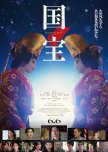
Se per diventare immortali bisogna sacrificare la propria umanità, vinci o perdi?
Kokuho – Il maestro di kabuki, può essere facilmente scambiato, nei suoi primi minuti, per un racconto tradizionale sull’ascesa di un artista. La struttura sembrerebbe quella familiare: un ragazzo proveniente da un mondo lontano dall’arte, un talento naturale, l’incontro con un maestro, la disciplina, il sacrificio e infine il riconoscimento. Una storia di conquista.Lee Sang-il però usa questa aspettativa come proemio: Kokuho non è veramente un film su come si raggiunge la grandezza, bensì un film su cosa la grandezza pretende in cambio.
La storia segue Kikuo Tachibana, figlio di un membro della yakuza che, dopo la morte del padre, viene accolto nella casa di un celebre interprete kabuki. Lì cresce insieme a Shunsuke, figlio biologico del maestro. Entrambi vengono educati alla tradizione degli *onnagata*, gli attori maschi specializzati nell’interpretazione di ruoli femminili nel teatro kabuki.
Fin dall’inizio il film costruisce un conflitto affascinante perché evita la strada più semplice. Kikuo e Shunsuke non sono nemici nel senso convenzionale del termine. La loro relazione vive in uno spazio molto più doloroso: quello tra fratellanza e competizione. Sono due persone che condividono lo stesso amore, lo stesso linguaggio artistico e lo stesso bisogno di essere riconosciute ma il sistema in cui vivono sembra volere concedere l’immortalità solo a uno dei due.
Uno dei temi più potenti del film è infatti il rapporto tra talento ed eredità. Il kabuki è un’arte profondamente legata alla trasmissione familiare, al nome, alla discendenza. Kikuo rappresenta l’elemento di rottura: qualcuno che non possiede il sangue ma possiede il dono. Shunsuke invece porta sulle spalle una condanna opposta: appartiene a quel mondo per nascita, ma deve continuamente dimostrare di meritare ciò che tutti pensano dovrebbe spettargli naturalmente.
Lee Sang-il non prende una posizione comoda in cui vince il talento, anzi, mostra anche la violenza nascosta dentro questa meritocrazia assoluta. Perché scegliere il migliore può sembrare giusto visto dall’esterno, ma cosa succede alla persona che viene giudicata insufficiente? Quanto della sua identità viene distrutto?
La tragedia di Shunsuke nasce proprio qui. Non dalla gelosia superficiale, ma dal lento sgretolarsi dell’immagine che aveva costruito di sé.
Dal punto di vista tecnico, *Kokuho* è uno dei lavori più interessanti del cinema giapponese contemporaneo. La fotografia di Sofian El Fani non si limita a registrare la bellezza del kabuki, ma costruisce due mondi visivi separati:
- il palcoscenico è il luogo dell’eternità, ogni immagine sembra composta come un dipinto: colori saturi, costumi elaboratissimi, trucco bianco che trasforma il volto umano in una maschera simbolica, movimenti studiati fino al millimetro. La macchina da presa rispetta la lentezza del kabuki, non cerca di modernizzarlo con tagli frenetici o movimenti inutili. Lascia respirare il gesto.
È una scelta fondamentale, perché il kabuki vive proprio nell’attesa. Una mano che si solleva lentamente, uno sguardo trattenuto, una posa mantenuta qualche secondo più del naturale: tutto diventa narrazione.
- Quando il film lascia il palco cambia completamente registro. I camerini, le case, gli spazi privati sono più freddi, più vuoti. La fotografia sembra togliere progressivamente calore alla vita reale dei personaggi mentre aumenta la magnificenza della loro vita artistica.
È quasi un paradosso visivo: più Kikuo diventa splendido davanti al pubblico, meno colore sembra rimanere nella sua esistenza privata. Anche il montaggio lavora in questa direzione. Con una durata di quasi tre ore, il film sceglie un ritmo lento, contemplativo, molto distante dalla narrazione occidentale convenzionale. Le ellissi temporali fanno percepire il passaggio degli anni non come semplice avanzamento della trama, ma come erosione. Non vediamo soltanto cosa Kikuo conquista: vediamo cosa il tempo porta via.
Particolarmente interessante è il lavoro degli attori. Ryo Yoshizawa non interpreta la trasformazione di Kikuo attraverso grandi esplosioni emotive, lavora in sottrazione. Il suo personaggio sembra perdere qualcosa scena dopo scena: spontaneità, leggerezza, possibilità di mostrarsi vulnerabile.
È un’interpretazione costruita sul controllo del corpo. E questo dialoga perfettamente con il kabuki stesso, un’arte in cui il corpo non esprime semplicemente emozioni, ma viene disciplinato fino a diventare uno strumento.
Ryusei Yokohama offre invece un contrappunto più fragile e umano. Shunsuke è forse il personaggio attraverso cui il pubblico percepisce maggiormente la crudeltà del sistema. Non è privo di talento, non è indegno, semplicemente vive accanto a qualcuno destinato a brillare più forte.
Anche il comparto sonoro merita attenzione. Il film utilizza il silenzio come elemento narrativo. I momenti più dolorosi raramente sono accompagnati da melodramma musicale: spesso sono vuoti, trattenuti. È una scelta coerente con personaggi abituati a trasformare ogni emozione in rappresentazione artistica invece che comunicarla direttamente, in linea con lo stile del racconto asiatico.
La dimensione sentimentale aggiunge un altro livello alla tragedia. La relazione amorosa di Kikuo mostra forse l’unico spazio dove lui potrebbe esistere senza dover essere “il grande artista”. Lì non deve raggiungere la perfezione, non deve incarnare un ideale, non deve dimostrare nulla ma è costretto a rinunciarvi, non è semplicemente scegliere il lavoro invece dell’amore. È scegliere definitivamente di appartenere più all’arte che alla propria vita.
Una riflessione interessante emersa anche da molti spettatori riguarda proprio il finale: il momento in cui Kikuo raggiunge il massimo riconoscimento e diventa un “Tesoro Nazionale”. In una storia classica sarebbe la scena della vittoria. Qui invece ha qualcosa di profondamente malinconico.
L’applauso arriva, il mondo riconosce il genio, la tradizione ha trovato il suo simbolo. Ma cosa rimane dell’uomo che ha dovuto trasformarsi in quel simbolo?
Una delle letture più efficaci del film è proprio questa: la società celebra il capolavoro, ma spesso dimentica la persona che ha dovuto consumarsi per crearlo. Kokuho non vuole farci applaudire semplicemente un artista arrivato in cima. Vuole farci guardare il prezzo della scalata.
Ed è questo che rende il film universale. Non serve conoscere il kabuki per comprenderlo, perché sotto i costumi magnifici e la tradizione giapponese racconta qualcosa di molto umano: il desiderio di essere eccezionali e la paura che, nel tentativo di diventarlo, si possa perdere proprio ciò che rendeva quella grandezza significativa, se stessi.
Kokuho è un film sulla perfezione, ma soprattutto sulle crepe nascoste dietro la perfezione. Una celebrazione dell’arte che ti lascia con una domanda scomoda: se per diventare immortali bisogna sacrificare la propria umanità, vinci o perdi?
Non per tutti!
DOVE L'HO VISTO?
https://mydrama.altervista.org/kokuho-sub-ita-2025/
¿Te ha parecido útil esta reseña?
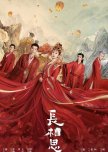
Healthiest Romantasy Cdrama I've Watched as a Woman
First review ever and I hope someone in the Chinese entertainment industry reads this.Firstly I have developed a recent addiction to cdramas in an effort to try and learn about my native culture and country (Chinese Australian).
Unfortunately after watching literally almost the entire top 100 list of cdrama romantasy titles, I have come across a very troubling pattern.
Let's start with the anorexia glorifying stick figures of Chinese women which are both historically inaccurate and dangerous for public health in both the local and global Chinese community.
Not to mention this crazy obsession with height disparities in pairing short, anorexic women with massive 1.9m men.
Or that the idolisation of women who look like they have never even touched puberty borders paedophillia.
This definitely has affected the general public in China given the popularity with weight loss and public accounts with hundreds of thousands of followers who are literally clinically anorexic on RedNote.
It's unhealthy, both on a psychological, physical and also broader societal level.
Let's talk about Lost You Forever. Yang Zi is beautiful, healthy, buxom and yes she is still slim in this drama!! She is what a healthy Chinese woman SHOULD LOOK LIKE. Her figure in this drama should be idolised as opposed to Jiu Jingyi who has had so much plastic surgery you can barely see any facial expressions, or Song Zuer who is now definitely in the anorexia nervosa diagnostic range. She has muscle, she probably has a healthy period every month because to be a fertile woman you have to actually have a minimum percentage of body fat.
It has been incredibly refreshing to see.
The plot is so different, fresh and interesting. Nothing in Romantasy is realistic, and neither is several rich handsome men pining over one originally man now lady.
I love that she is conflicted but also takes her time choosing and sampling the wares.
Out of all of them this is the first one that actually has a reverse harem, and boy is it done well!
The series overall was incredibly fun to watch amongst all the pining and yearning.
Unfortunately the music score really can't beat some of the others however the acting in this drama has been top notch among everyone.
Yang Zi is the best actress I've seen out of all the female actresses so far. The fact that she has remained true to her own face and body puts her at a much higher tier than anyone else.
¿Te ha parecido útil esta reseña?


