

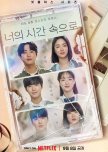
What people thinks
Many people think A Time Called You is just a romance with time travel, but it is much deeper than that. At its heart, it is a story about grief, love, loss, and learning to let go. The time travel is not only a plot device it represents the desire to change the past and save the person you love.The story requires careful attention because many important details are hidden in the dialogue and small clues. Every conversation has meaning, and understanding the timeline is essential. If you pay close attention, the series becomes much easier to follow.
In the end, A Time Called You is not really about changing the past. It is about accepting that some things cannot be changed and finding the strength to move forward while keeping the memories of those we love.
Esta resenha foi útil para você?

Phew, what a ride!
Manager Kim is just a normal average looking middle aged man, a single parent raising a teenage daughter going through her rebellious phase. Problem starts to arise when his daughter Kim Minji is bullied at school by a rich kid. Kim realized his daughter went missing right after the parent meeting with the rich girl’s overbearing parents. Following the leads as he tracks down his daughter, he inadvertently initiated a full blown national security crises when the North Korea noticed his existence and sent an agent to bring him back, which prompted the South Korean Special Missions Department (SMD) to also join the hunt to silence him.I gotta say I am not a fan of So Jisub cuz I found him to be too expressionless and stoney in Doctor Lawyer. I honestly didnt think that he is great as an actor. But this drama managed to change my view. He presented quite a wide range of emotions despite being depicted as a quiet man of little words and actions as Manager Kim. From stoic to anger to sadness to anxiety, he did it all. Everything changed when his daughter plunged into danger which forced him to break out of his disguise and become the man that he is, the most feared Agent 66.
Along with his retired South Korean agent buddies, the eccentric Park Jincheol and Taekwondo gold medalist Olympian, Seong Hansu, Manager Kim bulldozed one obstacle after another set by the North Korean, the rich kid’s ex-gangster dad Ju Gangchan and South Korean SMD agents led by General Jang. Every episode doesnt disappoint as the audience is presented with fight after fights after fights that could keep me at the edge of my seat. The guy who played Ju Gangchan is extremely handsome, though I was a bit disappointed that despite being recounted as extremely scary as a oldtime gangster, Ju really didnt put up much of a fight against Manager Kim. He got squashed every single time.
I really love Kim’s duo sidekick Park and Seong, they really spice up the vibe with their non-stop banter that are comedic in nature. Damn I am so into the crazy-ass armour body Park Jincheol who yells Rock’n’Roll before each fight. 🤣 I commend the screenwriter for coming up with such comedic characters, and that little monologue of Ju Gangchan’s right hand man Chief Nam as he was sent flying out of the truck by Park was so unexpectedly hilarious.
Hoping that they would come up with Season 2.
Esta resenha foi útil para você?
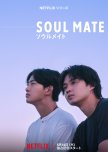
Bromance o Boys Love? “Soul Mate” resta sospeso tra coraggio e prudenza
"Soul Mate", serie giapponese approdata su Netflix il 14 maggio 2026, è stata accolta con molta curiosità, soprattutto da chi si aspettava un Boys Love tradizionale o almeno un bromance più esplicito. In realtà non è né l’uno né l’altro, e proprio questa sua natura sospesa la rende particolare. La storia segue Ryu, un giovane giapponese che lascia il suo Paese per allontanarsi da una situazione emotiva che non riesce a gestire, e Johan, un pugile coreano segnato da un passato difficile e da responsabilità che lo hanno costretto a crescere troppo in fretta. Il loro incontro a Berlino dà vita a un legame che attraversa dieci anni e tre città, costruito più sugli sguardi, sui gesti e sulla presenza reciproca che su parole o dichiarazioni esplicite.È evidente fin da subito che tra i due c’è qualcosa che supera la semplice amicizia, anche se la serie sceglie deliberatamente di non definirlo mai. Questa scelta narrativa crea un’atmosfera fatta di intuizioni e sottintesi, che può affascinare chi ama le storie raccontate per sottrazione. Allo stesso tempo, però, questa reticenza rischia di indebolire alcuni momenti chiave: ci sono passaggi emotivi che avrebbero avuto un impatto più forte se prima fosse stato chiarito, anche solo con un dialogo minimo, cosa provano davvero l’uno per l’altro. È come se la serie chiedesse a noi spettatori di colmare da soli un vuoto che, in certi frangenti, diventa troppo ampio.
Uno degli aspetti più riusciti è il modo in cui la serie gestisce il tempo nella prima parte. Si percepisce la crescita dei personaggi, il loro cambiare città, affrontare nuove fasi della vita, costruire relazioni e routine. È un ritmo che ci permette di accompagnarli passo dopo passo, quasi come se si vivesse insieme a loro. Più avanti, però, la narrazione compie un salto temporale molto ampio, concentrato tutto nell’ultimo episodio. È un balzo che fa capire che sono passati molti anni, ma senza mostrare davvero come i personaggi abbiano attraversato quel periodo. Dopo aver seguito così da vicino le loro difficoltà e le loro rinascite, questo tratto lasciato nell’ombra crea un senso di distanza e toglie un po’ di peso emotivo a ciò che accade nel finale. Non è un vero difetto strutturale, ma una scelta che lascia la sensazione di qualcosa di non del tutto esplorato.
A rendere più ricca la narrazione contribuiscono i personaggi secondari, dalla sorella di Johan all’amica d’infanzia di Ryu, figure che non restano mai sullo sfondo ma che partecipano attivamente alla crescita dei protagonisti. Anche le ambientazioni giocano un ruolo importante: Berlino, Seul e Tokyo non sono solo scenari, ma luoghi che riflettono i cambiamenti interiori dei personaggi. La scelta di mantenere le lingue originali — giapponese e coreano — aggiunge autenticità e profondità, e vale davvero la pena rinunciare al doppiaggio italiano per cogliere tutte le sfumature emotive.
Nonostante questi punti di forza, la serie presenta alcune fragilità. Una delle più evidenti è l’accumulo di eventi drammatici, che si susseguono con un ritmo talmente serrato da lasciare poco spazio alla loro elaborazione. La storia affronta temi pesanti e complessi, ma lo fa senza concedersi il tempo necessario per farli respirare. Il risultato è che alcune svolte narrative, soprattutto verso la fine, arrivano improvvise e vengono risolte troppo rapidamente, quasi come se la serie avesse più materiale emotivo di quanto gli otto episodi potessero contenere. È un peccato, perché con qualche episodio in più certe tematiche avrebbero potuto trovare una collocazione più equilibrata e un impatto più profondo.
Dal punto di vista visivo, la serie è curata con grande sensibilità. La regia utilizza i colori in modo narrativo: toni cupi accompagnano i momenti più duri, colori più tenui emergono nelle scene emotive e delicate, mentre tonalità calde avvolgono la quotidianità domestica, prima a due e poi a quattro, quando la vita dei protagonisti si intreccia con quella di altri personaggi importanti. Alcune scene colpiscono per intensità non tanto per ciò che mostrano, quanto per come lo mostrano: movimenti, luci, silenzi e piccoli gesti che raccontano più di mille parole. Sono momenti che non hanno bisogno di spiegazioni, perché parlano da soli.
Un altro elemento che merita di essere sottolineato è la recitazione, soprattutto quella dell’attore coreano che interpreta Johan. Per gran parte della serie recita in giapponese, e lo fa con una naturalezza sorprendente; ma è quando torna alla sua lingua madre, il coreano, che la sua emotività esplode davvero. Le scene in cui si riappropria della propria lingua sono anche quelle in cui il personaggio è più scosso, più fragile, più autentico. È un dettaglio che arricchisce moltissimo la percezione del suo percorso interiore e che rende il personaggio ancora più credibile.
Il finale arriva forse con un po’ di fretta, e alcune scelte narrative possono sembrare legate a un modo di raccontare che appartiene a un’altra epoca. Eppure, nonostante questo, la conclusione riesce comunque a emozionare. La forza del legame tra i protagonisti emerge con chiarezza, e la scelta di affrontare insieme ciò che resta è rappresentata con delicatezza e dignità. È un finale che, pur con qualche riserva, lascia un senso di compiutezza e chiude la storia in modo coerente con il tono emotivo della serie.
“Soul Mate” emoziona, ma lascia anche la sensazione di un freno tirato: avrebbe potuto osare di più.
Esta resenha foi útil para você?
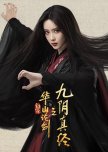
A Timeless Wuxia Masterpiece That Captures the Soul of Jianghu
Duel on Mount Hua: Nine Yin True Sutra is everything a wuxia fan could ask for. It perfectly blends legendary martial arts, emotional storytelling, unforgettable characters, breathtaking cinematography, and spectacular action into one incredible experience. From the opening episode to the finale, the drama never loses its momentum and constantly rewards viewers with exciting twists, emotional depth, and beautifully crafted character arcs.The story is rich and immersive, revolving around ambition, honor, loyalty, revenge, sacrifice, and the pursuit of the legendary Nine Yin True Sutra. Rather than focusing only on battles, the drama explores the emotional struggles behind every decision. Every alliance, betrayal, and confrontation feels meaningful, making the story both exciting and emotionally satisfying. The screenplay is intelligent, with excellent pacing that keeps every episode engaging.
The performances are outstanding. Every actor brings authenticity and emotion to their role, making each character memorable. The protagonists are charismatic, while the villains are complex and compelling rather than simply evil. The supporting cast also shines, adding depth and emotion to the world of Jianghu.
One of the drama's greatest strengths is its action. The martial arts choreography is elegant, creative, and cinematic. Every duel tells a story instead of being just a fight. The swordplay, hand-to-hand combat, internal energy techniques, and legendary martial arts skills are beautifully executed, creating some of the most thrilling wuxia sequences in recent years.
Visually, the drama is absolutely breathtaking. Every scene feels like a traditional Chinese painting brought to life. The mountains, rivers, bamboo forests, temples, and ancient towns create an immersive martial arts world. The costumes are beautifully designed, reflecting each character's personality and martial arts sect, while the detailed sets and excellent cinematography make every frame visually stunning.
The soundtrack deserves special praise. The orchestral score enhances every emotional reunion, heroic battle, heartbreaking sacrifice, and intense confrontation. The opening and ending themes perfectly capture the spirit of classic wuxia, making the emotional moments even more unforgettable.
The direction and production quality are exceptional. The editing is smooth, the visual effects enhance the fantasy elements without becoming distracting, and every battle is filmed with clarity and style. The balance between action, romance, friendship, and political conflict is handled remarkably well, making the drama feel complete in every aspect.
What truly makes this drama special is its heart. Beyond the martial arts and epic battles, it tells a touching story about friendship, destiny, justice, forgiveness, and the sacrifices people make for their beliefs. It reminds viewers why classic wuxia stories have remained timeless for generations.
Overall, Duel on Mount Hua: Nine Yin True Sutra is a magnificent production that excels in storytelling, acting, action choreography, cinematography, music, costume design, world-building, and emotional impact. It successfully honors the legacy of classic Jin Yong-style wuxia while delivering a fresh and unforgettable viewing experience.
⭐⭐⭐⭐⭐ 10/10 – A masterpiece that every wuxia lover should watch at least once.
Esta resenha foi útil para você?
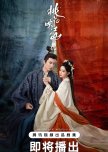
A Beautiful Historical Drama with Strong Leads
Review:The Princess's Gambit is a visually stunning historical drama with gorgeous costumes, beautiful cinematography, and an excellent soundtrack. The political intrigue, strategic mind games, and palace conspiracies make the story engaging from the very beginning.
Meng Ziyi delivers a graceful and intelligent performance as Princess Jiang Taohua. Liu Xueyi is equally charismatic, and both leads bring depth to their characters. While the pacing slows down in the second half and some plot developments feel rushed, the emotional moments and political conflicts keep the drama worth watching
If you enjoy historical romance with a smart female lead, palace politics, and beautiful production quality, The Princess's Gambit is definitely worth your time.
**My Rating: ⭐⭐⭐⭐☆ (8.5/10)**
Esta resenha foi útil para você?
A Masterpiece of Historical Romance!
Review:Blossom is one of the best Chinese historical dramas I have ever watched. The story is engaging from the very first episode, with a perfect mix of romance, political intrigue, family conflicts, and emotional moments. The pacing is excellent, and every episode keeps you wanting more.
Meng Ziyi delivers an outstanding performance as Dou Zhao. She portrays her character with intelligence, elegance, and emotional depth. Li Yunrui is equally impressive, and the chemistry between the two leads feels natural and unforgettable.
The cinematography, costumes, music, and direction are all beautiful, creating an immersive historical atmosphere. If you enjoy smart female leads, strong character development, and slow-burn romance, Blossom is definitely worth watching.
**My Rating: ⭐⭐⭐⭐⭐ (10/10)**
Esta resenha foi útil para você?
Revenge, Romance, and Unshakable Loyalty
Chinese vertical dramas that proves a two-minute episode can still deliver a compelling story. Combining revenge, romance, suspense, and emotional healing, the drama keeps viewers invested from beginning to end. While the revenge plot is gripping, it is the relationship between the two leads that truly carries the series. The story follows Jiang Yu, who spends years pretending to be mentally unstable while secretly waiting for the perfect opportunity to expose those who destroyed her family. When she crosses paths with the powerful He Lian, an unexpected alliance begins that slowly grows into trust and love.The **female lead, Jiang Yu**, is exceptional. She is intelligent, patient, and emotionally resilient. Rather than relying on others to save her, she carefully plans every move, enduring years of hardship to achieve justice. Her ability to switch between appearing vulnerable and revealing her true intelligence makes her one of the more memorable heroines in the short-drama genre. The actress delivers an impressive performance, particularly in scenes where her expressions subtly reveal the pain and determination hidden beneath her carefully crafted disguise.
The **male lead, He Lian**, is equally impressive. At first glance he appears to be another powerful, intimidating man with wealth and influence, but his character quickly develops beyond that stereotype. He is observant enough to recognize that Jiang Yu is far more capable than she lets others believe. Instead of controlling her, he becomes her strongest supporter, protecting her when necessary while respecting her independence. His calm confidence, unwavering loyalty, and willingness to stand beside her through every obstacle make him a refreshing romantic lead.
What makes this drama particularly enjoyable is the chemistry between Jiang Yu and He Lian. Their relationship is built on mutual respect, trust, and understanding rather than endless misunderstandings. Every interaction feels purposeful, and their emotional connection grows naturally as they learn to rely on one another. The romance balances tenderness with tension, creating many memorable moments without overshadowing the central revenge storyline.
The supporting cast does an excellent job portraying the cruelty and manipulation surrounding Jiang Yu's life, making it easy for viewers to root for her success. Each victory feels earned, and watching justice slowly unfold is incredibly satisfying.
Visually, the production is polished for a vertical drama, with attractive costumes, elegant cinematography, and strong performances from the main cast. The pacing remains fast throughout, with very few unnecessary scenes, making it easy to binge-watch in one sitting.
**Pros:**
* Intelligent and resilient female lead.
* Protective yet respectful male lead.
* Outstanding chemistry between the main couple.
* Strong revenge storyline with satisfying emotional payoff.
* Beautiful production quality for a short-form drama.
* Excellent pacing that keeps every episode engaging.
**Cons:**
* Some supporting characters could have benefited from additional development.
* Certain plot twists may feel familiar to experienced viewers of revenge romances.
Overall, *Guai Guai Ru Ju, He Shao Fang Si Jiao Chong* is an outstanding vertical drama that successfully combines revenge, romance, and emotional healing. Thanks to two charismatic leads, strong performances, and a satisfying storyline, it rises above many other short dramas in the genre and is well worth watching for fans of intelligent heroines and devoted heroes.
Esta resenha foi útil para você?

More Than Another CEO Romance
An enjoyable Chinese mini-drama that blends romance, comedy, and emotional growth into a fast-paced story. While the plot follows a familiar contract-marriage style setup, the chemistry between the leads and their character development make it stand out from many dramas in the same genre.The **female lead** is one of the drama's greatest strengths. Rather than being written as a helpless heroine waiting to be rescued, she comes across as hardworking, kind-hearted, and resilient. Even after experiencing betrayal and humiliation, she refuses to let her circumstances define her. She carries herself with dignity, works hard to improve her situation, and gradually earns the respect of those around her. Her emotional journey feels genuine, and it is satisfying to watch her confidence grow as the story progresses.
The **male lead** initially appears to be the typical cold, wealthy CEO, but there is much more beneath his reserved personality. Although he rarely expresses his emotions openly, his actions consistently show that he cares deeply for the heroine. Instead of making empty promises, he quietly protects her, supports her decisions, and stands beside her whenever she faces difficulties. As the drama unfolds, his walls slowly come down, revealing a loyal, dependable, and surprisingly gentle man who values trust more than appearances.
What truly sells the romance is the chemistry between the two leads. Their relationship develops naturally through shared experiences rather than forced misunderstandings. The playful banter, subtle glances, and gradual shift from strangers to genuine partners make their romance believable and heartwarming. The actors also do an excellent job conveying emotion despite the short runtime of each episode.
The supporting characters add enough conflict to keep the story moving without overwhelming the central romance. The antagonists are easy to dislike, making the moments where justice is served especially rewarding.
For a mini-drama, the pacing is surprisingly good. The story moves quickly but still gives enough time for the audience to connect with the main couple. If you're looking for a light romantic drama with satisfying character growth, heartfelt moments, and a couple you'll find yourself rooting for, **Shan Hun Sha Qi Tian You Ye** is definitely worth watching.
Esta resenha foi útil para você?
Shin Hye Sun and Gong Myoung: amazing!
From the first two episodes, I knew it would be a series worth watching until the end! The chemistry between the two leads is fantastic! I adore Shin Hye Sun first and foremost and am trying to catch up by watching all her work, but what about Gong Myoung? I didn't know him very well, but I recently finished watching "Mercy for None" and appreciated his ability to seamlessly transition from one role to the next.In short, I absolutely loved the series, both for its corporate dynamics and its writing. The subject matter is almost classic in the modern corporate world, but it didn't bore me.
Esta resenha foi útil para você?
This is a political intrigue period drama series written for the current jaded, modern audience.
Finally, a period drama that has expansive political intrigue as its main story rather than being window dressing for a romantic relationship. Phoenix Hearts strips off the worst excesses of the idol drama - bloated, patched together story, repetitive boring tropes, actors cosplaying in MV style shoots. What it delivered is a return to basics of good visual storytelling - tightly written plot, fleshed out characters, good acting (by everyone!), and a story that leaves you guessing every single episode.Why Key to Phoenix Heart fits the current audience:
- PACING : the era of long winded, indulgent long stories is over, the modern audience does not have the patience to sit through long story telling or bloated fluff, as evidenced by the prevalent use of the fast forward button. If you don't capture the audience on the first episode or even the first 10-15 minutes, you will lose them. Phoenix Heart delivers a fiery start right from the first 10 minutes of ep 1 (figuratively and literally), took off running and does NOT stop. 3-4 EPs tell a story that any other drama will take 30+ EPs to tell. Every few EPs feel like a finale. But it does not sacrifice coherence, clarity, or character development. It is simply very concise and effective in telling its story.
- TROPES: the current audience has seen everything, all tropes that you can name and variations of them. Phoenix tricked you into expecting one and then it whipped off sideways and left you spinning in the dust. Unlike other series, the audience here does not have omniscient viewpoint, so we're left scrambling to keep up while the multiple chest players' plots crashed on top of each other and the final winner is never quite who you expect. Every episode brings a bombshell reveal that upsets the status quo, and you're left guessing what is going to happen next. And that's how we like it.
- WOMEN'S PORTRAYAL: this series never advertise itself as feminist. And yet all the women in the series, from the women in power, concubines, down to the female guard and maidservant has their own purpose in life that does not revolve around men. They do not do petty power struggle within the household, they are not invisible or two dimensional dolls whose sole purpose is to advance the plot. They have their own strength and abilities, pursue their own career, with or without a man in their life. When they do have a partner, it is because they choose to do so. While there is no lack of arranged marriages here (in fact the two leads are in an arranged marriage), they do not lose their autonomy or ambition after or become a fixture of their husband. There isn't any deliberate focus on the matter, they simply and matter-of-factly show you what competent, confident women look like, and it's more powerful than any feminist slogans.
Phoenix Key does not have a lot of budget, and in some areas it shows. Some sections are 'told' rather than 'shown', some plots can benefit from further fleshing out and a few scenes that require more people can look a bit sparse. However it does not detract from what it delivers - a fully cohesive story that grips you to the end, a diverse range of characters that you will fall in love with, and an impression that stays with you long after the final scene is aired.
Esta resenha foi útil para você?
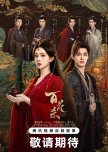
Arrogance Isn't Strength: Why This Drama Failed Me
I really tried hard to give this drama a fair chance, but I just couldn't continue watching it. Here are the main reasons:**1. The Female Lead (FL)**
I have no problem with arrogant or confident female leads—in fact, I enjoy dramas with strong female protagonists. However, there's a huge difference between being strong and being unrealistically overpowered.
The FL behaves as if she's an empress who is superior to everyone around her. She constantly acts like she's more intelligent than experienced officers and professionals, solving every case as though no one else is competent. It feels unrealistic rather than impressive.
Another thing that bothered me was the way she treated marriage. The story makes it seem as though marrying her is some kind of golden opportunity for any man, which made her character come across as excessively self-important.
A strong female lead should earn the audience's respect through well-written character development, intelligence, and realistic struggles—not by acting like she's above everyone else or immune to consequences. She even breaks rules and behaves as if the laws don't apply to her, yet the story rarely holds her accountable.
I love dramas with powerful female leads, but I also want other characters to be equally well-written. A compelling story is one where both the male and female leads are capable, challenge each other, and grow together.
Even more importantly, the villains should be genuinely intimidating. The best dramas are those where the enemies are so powerful that even both the ML and FL have to think carefully before making a move. That creates real tension and makes every confrontation exciting.
**2. The Male Lead (ML)**
The ML was the most disappointing character for me. Instead of coming across as mature or charismatic, he felt completely obsessed with the FL.
The way he constantly chased after her reminded me of a child desperately trying to get a lollipop. His behavior felt immature rather than romantic, and it made his character difficult to take seriously. Instead of developing naturally, his entire personality seemed to revolve around winning the FL's attention.
Overall, the drama had the potential to be good, but the unrealistic portrayal of the FL and the immature characterization of the ML made it difficult for me to stay invested.
At this point, I'm genuinely conflicted about whether I should continue watching. I started this drama with high expectations, but the more episodes I watch, the more I find myself disliking it. I'm hoping the character development improves later on, but right now it's becoming increasingly difficult to stay invested.
Esta resenha foi útil para você?
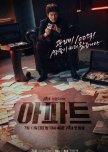
The Apartment Job Review: Great Chemistry, Wrong Genre for Me
This is a good drama, but I ended up dropping it because it just wasn't my kind of show.I already knew it wasn't a romance or rom-com. The genres are Thriller, Mystery, Comedy, and Crime, but lately I've been in the mood for lighthearted romance, so I was hoping this drama would surprise me. After watching so many edits on Instagram, I thought the leads had amazing chemistry and decided to give it a chance.
And honestly, the chemistry is there. The leads work really well together, but the drama never turns that chemistry into an actual romance. It's always the non-romance dramas that give us the best chemistry.
The cast fits their roles perfectly, and the performances are really good. The story is engaging if you enjoy mystery, crime, and thriller dramas. It just wasn't what I was looking for at the moment.
If you're a fan of thrillers, mysteries, and crime dramas with great character dynamics, The Apartment Job is definitely worth checking out. Just don't go in expecting a romance.
Esta resenha foi útil para você?
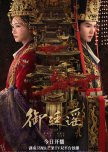
faded hearts was better
I watched this because I fell in love with the main lead in faded hearts. Chen Zhe Yuan is a great actor and one of my favorites, I just wish the storyline and the entirety of the show started off better than it did, yeah it was good but I feel like his character coulda been more ruthless and bold, but again it’s just starting out but I love how the male lead he played in faded hearts was. he gave zero fuqs and I just wish they would make more male leads like that especially ones who defy decrees, and kick butt.Esta resenha foi útil para você?
Esta resenha pode conter spoilers
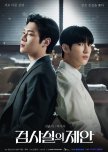
Too short for a good story.
The story was good, and everything flowed smoothly until the final episode. Initially, I thought Sergeant Song was the suspect's son, but the final episode showed Prosecutor Kyuho becoming very suspicious, and my suspicions shifted. When Prosecutor Kyuho called Chaeha to the office, she met Sergeant Song instead. Were they in league? The ending was too short, and there was still a lot to discuss.Aside from that, I give a thumbs up to the director and producers for creating this series; it truly was a non-mainstream storyline. The chemistry between the actors was great, and the interplay between hatred, revenge, and love was very interesting. Especially seeing Taeseon who is always jealous when he sees Chaeha with Sergeant Song 😂
Esta resenha foi útil para você?

Has to be Watched!
At first you might think that this is just a simple and unselfish web drama, but you are completely wrong. As the name suggests, this drama is about youth, love, parental pressure, university pressure, etc., which young people can completely identify with. Although the actors are mostly rookies and idols, they played their roles well.Don't pay attention to the ratings because this series is worth more than that; it just has to be watched!
Esta resenha foi útil para você?


