


ma serie refuge ..
plus je regarde des séries plus je m’aperçois que les séries que je préfère sont celles où il y a de vrais interconnexions entre divers personnages au sein d’un village, je m’amuse à regarder les petites querelles de village, les amours naissants, les dissensions , les disputes et comme dans le village de Astérix, tout le monde se réconcilie autour d’un bon repas, et bien WELCOME TO SAM DALRI C’edt un peu cela, 2 personnes qui se connaissent depuis l’enfance , l’un qui aime tellement son village qu’il ne voudra pas le quitter , l’autre qui a mal vecu son enfance dans cette île et ne rêve que de partir, les années font qu’ils tombent amoureux x mais la fin des études décidera de la suite des événements , cela fera des heureux et des malheureux …j’aime tellement cette serie que je l’ai vu 2 fois et ça me va, j’espère un jour pouvoir le montrer à ma femme.
je vous recommande donc cette serie exceptionnelle,
au fait ?!? quelqu’un peut il me dire si SHIN HYE SUN a deja jour dans un serie ratée ???? j’en doute …
¿Te ha parecido útil esta reseña?

This review may contain spoilers
Better spend your 2 hours for something else
Suffer the same plot holes and idiotic moments as every other zombie themed shows that predate it.Zero story and very weak characters. It's just a fast pace of events showing a small group of people running from the zombies, while occassionally getting into heated arguments and do stupid shit that get them killed.
Film maker told us that she's supposed to be a reknown bio-tech professor, but they failed miserably to deliver that premise at all. It's a shame really.
Having Jun Ji-Hyun and Ji Chang-Wook as the main casts ain't gonna save this garbage.
1 star rating from me.
¿Te ha parecido útil esta reseña?

La fin de la vengeance chère !
Deux ans d'attente interminable pour la suite de Gedou no Uta en drama. Ce manga en 15 volumes, dont DMM TV voulait faire l'une de ses séries phares en 2024, a pris son temps pour nous offrir une conclusion aux événements de l'épisode 6 de la première saison. Au moins, les plus impatients auront pu feuilleter l'œuvre de Watanabe Daisuke, parue en 2016.Pour fêter les dix ans du manga, DMM TV nous livre donc une nouvelle fournée de six épisodes, à regarder avec le plus grand esprit critique possible. L'ultra-violence et les scènes insoutenables sont bien de retour, mais le propos sur la vengeance et la justice prend une nouvelle dimension avec l'omniprésente Congrégation du Petit-Déjeuner.
Alors que Kamo et Tora rendaient leur justice de manière presque artisanale, voilà qu'apparaît une sombre organisation de rang mondial, décidant en son sommet qui mérite ou non de mourir. La saison relègue alors Sonoda et la vengeance qui l'accompagne au second plan. Après la question « Peut-on se substituer à la justice ? », la série nous demande désormais : « Peut-on déléguer sa vengeance à une multinationale? »
Cette loi du talion vendue au Prisunic pousse Kamo à s'interroger sur ses propres actes et lui confère une humanité qui contraste avec les agissements sans âme de cette pieuvre tentaculaire. Si tous ses membres sont devenus des exécutants par désespoir, victimes inconsolables d'un drame, chacun semble avoir perdu l'idéal qui a présidé à sa création. Argent, pouvoir, influence : plus rien ne semble réellement différencier cette organisation d'une mafia.
Le personnage magistralement interprété par Baba Fumika prend alors une toute nouvelle dimension et s'impose comme la véritable star de la saison. Minami Sara, pourtant présentée un temps comme le troisième membre de la librairie, est finalement très peu présente à l'écran. Des personnages hauts en couleur lui volent constamment la vedette.
Mizobata Junpei est glaçant de froideur, mais également touchant face à une Ano qui cache particulièrement bien son jeu. La plupart des épisodes sont consacrés à expliquer les liens entre les différents protagonistes. À travers flashbacks et révélations, l'aide apportée aux victimes se réduit comme peau de chagrin dans cette saison 2. Il semble bien loin le temps où chaque épisode était consacré à une victime avant de se conclure par une mise à mort des plus sordides.
Cette deuxième saison répond à de nombreuses questions, mais son format nous laisse une nouvelle fois sur notre faim. Si de nouveaux grands antagonistes apparaissent, laissant la porte ouverte à une suite, elle tente également de conclure certains arcs narratifs de manière trop expéditive.
On attendait davantage de mystère autour de Sonoda, dévoilé jusque-là à doses homéopathiques et nous invitant sans cesse à réfléchir sur sa personnalité. Malheureusement, quelques maladresses dans sa conclusion viennent gâcher une partie de notre plaisir malsain de voyeurs.
La série reste déconseillée aux moins de 16 ans. Toujours dérangeante, elle continue d'interroger notre rapport à la justice et à la violence. Elle s'autorise également quelques tranches de vie réjouissantes entre nos deux justiciers et leur fille adoptive.
On oublie souvent de le rappeler, mais Gedou no Uta est aussi une série sur la famille. Kamo retrouve une certaine stabilité auprès de Tora et de Nanako, qu'il considère comme sa propre famille. D'autres cellules familles sont abordées, souvent dysfonctionnelles, parfois mafieuses. Mais au bout du compte, la famille reste la famille.
¿Te ha parecido útil esta reseña?

the fog that never lifts
there's a difference between disappearing and dissolving. when someone dies of old age, illness, accident they disappear. they vanish from the world all at once and leave a hole in the exact shape of the person they were. but when someone is executed for having the wrong thoughts, for dreaming of a different world, for daring to imagine that person doesn't disappear. they dissolve. they become fog. they become the air other people breathe without knowing where it came from.the film follows one impossible week in the life of a girl who traveled to taipei to retrieve her brother's body. but what chen yu-hsun understands and this is what separates a good film from a film that stays with you is that the body was never the point. the body is just the reason yue leaves home. what she finds along the way is something else entirely: a world that punishes memory, that charges you for the right to grieve, that turns mourning into bureaucracy and pain into a fee. taipei isn't a city in this film. it's a system. and the system has no interest in letting you hold onto who you lost.
but people find a way. they always do. chao kung-tao is proof of that a broken man who still extends his hand, not out of pure kindness but for the most human reason possible: he's been in the hole before and he knows what it feels like. the connection between the two of them isn't pretty or clean. it's necessary. and necessity, in this film, is worth more than anything.
fifty years later yue is still looking. not for her brother she knows where he is. she's looking for the week she survived, the man who helped her survive it, the version of herself that held the watch with both hands and kept walking even without knowing where she was going. trauma doesn't go away. it just learns to live inside you quietly.
the fog never lifts. but with time you learn to see through it.
¿Te ha parecido útil esta reseña?
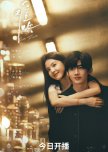
The First Frost: A Healing Drama That Made Sang Yan My Standard
It's been quite a long time since I last watched Chinese dramas. I've mostly been watching K-dramas, but lately many of them have started to feel repetitive, so I decided to switch to Chinese dramas for a change. Also, there haven't been many new dramas from the actors I usually like.I ended up watching The First Frost because I was drawn to the visuals of the lead actor and actress on the poster. Before this, I didn't know either Bai Jingting or Zhang Ruonan, so I watched it with no bias or expectations at all. Since this was the first drama I'd seen featuring them, I could judge it purely on its own merits.
Their acting was truly amazing.I was so captivated by Bai Jingting's detailed and nuanced acting that I can't even imagine anyone else playing Sang Yan. His performance was incredibly convincing and brought the character to life in such a natural way.
The way he portrayed Sang Yan was so good that Sang Yan has become my ideal standard. I genuinely feel that the acting was exceptional, and he delivered one of the best performances I've seen.
I also think the story is an excellent healing drama. It delivers comfort and emotional healing in a very meaningful way.
I believe that if someone had a person who loved them the way Sang Yan loves Wen Yifan, they could eventually overcome all the difficulties and trauma they had experienced in life, just as Wen Yifan did. The drama made me feel that genuine love, support, and understanding can help a person heal and move forward from even their deepest emotional wounds.
¿Te ha parecido útil esta reseña?

This drama is definitely worth watching and I highly recommend it.
It's refreshing to watch another drama where the female lead really acts and fights like a true villain. Chen Duling is such a great actress, and she really gives me goosebumps every time I see her on screen. The plot is quite unique and new to me. It is not your typical romance and every episode keeps me on the edge of my seat. I am so invested in the story that I just want to keep watching until the very end. The chemistry between Chen Duling and Zhou Yiran is undeniable. Their dynamic is intense, electric, and so addictive to watch. I really can’t wait to see how this amazing drama unfolds.¿Te ha parecido útil esta reseña?

SO UNHINGED LIKEE
okay so this movie had me absolutely LOSING it the whole time. the ml was giving such unhinged autistic energy like bro has never had a normal conversation in his life and i was EATING it up. Their whole vibe was 2 'smart' idiots learning to communicate for their life. IT WAS MESSY BUT I LOVED IT. The studying scenes where she tryna be normal and he's just existing loudly, following her like a little puppy and the way he pulls a Spider-Man to jump anywhere had me on the floor. but the FINAL SCENE?? girl really said "i cant hit ball to save my life but i CAN and WILL launch myself at this man's mouth with sniper precision" like PLS the physics were not physicsing the way she literally FLEW to kiss him it had me cracking ONGG. she was out here doing olympic-level mouth targeting while failing basic P.E.The side characters were also unginged like no one literally NO ONE was normal in this movie except for the cousin - a bit ig. I'd rewatch it anyday if I just wanna have a disastrous laugh
¿Te ha parecido útil esta reseña?
This review may contain spoilers
Breathtaking!
Just completed the first 4 eps. And my first thought is that it's breathtaking. The visuals and aesthetics are absolutely wow, and the pacing is fast without being confusing. I think they did an amazing job setting the mood and the plot.And the mind games are quite good also! The FL tricks not just the other characters but also the watchers, which I loved. But it does get a little confusing, and I'm not sure if that's intentional or not? Because each time she deals with the others, she pretends to lose only to take them by surprise. So in ep 4, when she actually loses, it wasn't apparent at all. Her stabbing the palace worker and getting agitated at Xiao Xun , I was kinda still waiting for a counterattack, like everything was part of her plan. It wasn't until the last few mins of her convo with the ML that I wasn't sure she had actually slipped. Or maybe she didn't, and she's just reeling the ml in. Maybe the future eps will show it, im not sure.
And the twists, they are really good but come so fast that it doesn't let you fully immerse. Not bad though, just something I noticed...
And im not sure is it just me or the fl's eye makeup is kinda weird? idk its kinda scary and makes the emotions look weird? CDL does do a amazing job but yeah the eye makeup is really throwing me off. And ZYR. Man is really slaying his role. And as usual he has more chemistry with blood than anything else lol.
Also speaking of chemistry, I don't really feel the promised sizzling chemistry yet, especially compared to both actors' previous work with their co-leads. Maybe its because according to the plot they dont fully trust each other. yet and aren't on each others side. But honestly, the eye to eye shots, i couldnt feel the apparent chemistry at all, esp with CDL's eye makeup ruining the entire shot for me.
But plotwise i think its quite a good start. I would honestly love it more if she also tricks everyone including the ml, instead of getting nerfed for the ml to scoop in and save her. Honestly i would prefer it if the ml on his side also tries to trick her and then they meet each other halfway. But i think 24eps is too short to pull it. But yeah! 4 eps is too short to judge. But so far so good! ^^
¿Te ha parecido útil esta reseña?
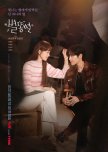
Predictable romcom with enemies to lovers plot line
So if I had to say one thing before I mention anything I really wanted to watch this back in 2022 when it aired but back then but never really got around to watching it, and then I just saw online that this wasn’t the most memorable watch. So for whatever reason I just didn’t. But now that I actually had time to catch up on some of the series, that I really wanted to watch, I finally got around to starting this show.So yes, as a lot of other people have written it’s not the most memorable watch it’s very typical romcom for its time and still now a couple years after it’s released. It’s very typical enemies to lovers why we see the two main characters slowly fall for each other it’s got it ups and downs and it’s got some great twists. Honestly, I care more of the music throughout the show, but that’s not even a part of the plot. It’s just OST. And I love Kyuhyun who made one of them.
Well, back onto the review part I feel like this one definitely had potential to be better than what it actually was but it just kind of falls flat in the sense that it’s you know stereotypical romcom enemies to lovers type of plotline so it’s very predictable. But I might just have also set my standards too high if a plot is too predictable it’s hard for the actress to make it better.
Overall, I don’t regret watching this, but it’s not one I scream and yell for that I’d really wanna rewatch, it also didn’t really have me on the edge of my seat or crying my eyes out in anyway so maybe just take that into consideration if you’re considering this drama.
¿Te ha parecido útil esta reseña?
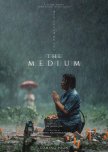
This review may contain spoilers
Poon! Like literally just why?
Okay so first things first. This movie didn’t attract me by the cover or name. And had I watched sooner if i knew it was thai. I'm no new audience to thai entertainment, but thai movies are an exception. I just run after Hollywood horrors.So when i saw Poon in the cast list 👀
I knew i had to give it a try!!
Cause? ........
Hell yeah bruhh your sis right here who just burned down the house while making a cake (almost) is a freaky sneaky .... ting ting ting.....
Guessed right ✅️ A BL FANNNNNNNNNN
so when i say i can watch all the movies with bl actors casted in them... I'm not kidding.
So yesterday I thought to give this movie a try cause I shot every other interesting looking horror on hotstar. And this one was free so ... why not?
Finally getting started with the review after my yapping (sorry 😔)
Okay so I watched this movie for Poon.
[Poon is a thai actor under gmmtv, a bl actor who worked in perfect 10. Liners with Perth and in my romance scammer with Ohm and in we are with Marc]
Yeah for the 3rd time 🙄 sorry
I watched it for him only to realize in the very few minutes that HE IS DEAD!!! Great 👍
Then i thought yeah he'd probably be the ghost sure why not.. right?...
Again! No!!
The only camera work and appearance he had was of his character named Mac with just the pictures!!!!.. atleast they shoud have shown the backstory. But then the story wasn’t even about him like not even the slightest. He was just there to distract the plot and build a disturbing plot hole.
So yeah this part was sad.
But anyways what's more unsettling to me is his character Mac had incest with his sister. If you don't know...just Google it like I did.
That was disturbing for me.
The main character who could be the savior, died. Like just died literally? In sleep? On the day before ceremony ?? Of all days?.
The acting of Mink was really good. I could genuinely feel the creepiness and jumpscares when she was on camera.
I'm looking forward to watching more of her works.
Noi's character had a good depth but left me messy . Maybe she was just too guilty.
Also Wiroj and his ancestral line?.. i don't get that part.
Like the story had so many links interlinked. The ancestral curse, the incest between siblings, the faith of Ba yan and also at the end it was like nothing? No godess just empty faith? So many spirits caught her without any purpose? The stroy was overall on faith and deeds. But i think instead of so many small confusing dots they could have chosen a single plot twist. Like Nim not actually dying and Ba yan's energy actually saving everyone. Or even without god they could have saved someone.
Everyone just died. Like that.
Also i couldn't understand why Manit's wife opened the door. Like the cameraman actually showed us her baby sleeping in the crib. Why'd she do that. Was that intentional or was she possessed?
Weird thing is ' the cameraman never dies '... didn't work here. The cameraman/men actually ended up dying. Like all of them...brutally.
I enjoyed it regardless of how little i could understand.
Ofcourse I'm no expert i just enjoy watching horror and bl.. so combined.. boom.
It was a good one for sure might watch it again with friends. The culture, faith, happening, quite similar to indian culture. Can relate.
Half way through the story and I was thinking to watch it with family or cousins. But then the cctv clip...AHEMm... Hell nah bruh. Glad i watched it alone.
But would surely watch it with my cousin sisters on some movie might.
Overall you can give it a try. Some might actually like it. But atleast give it a one time watch.
¿Te ha parecido útil esta reseña?
That's great
Aches to Crown is interesting from the start. I love revenge dramas, so I enjoyed this one a lot. The story kept me curious, and the script was amazing. The actors and actresses were very talented. I especially loved Zhou Yiran and Cheng Duling. The strong female lead was my favorite part. I can't wait to see what happens in the next episodes.¿Te ha parecido útil esta reseña?

O acolhimento e a leveza em forma de drama
Azure Spring não é um K-drama ruim, mas definitivamente é uma obra que pode não agradar a todos devido ao seu estilo e formato particular. Por trazer uma narrativa que resgata aquela atmosfera de histórias leves, tranquilas e cotidianas, algumas pessoas podem achá-lo um tanto lento ou sem grandes reviravoltas. No entanto, a verdade é que ele não foi feito com o intuito de ser maratonado de uma vez só.Para quem pretende dar o play, vale um aviso importante: não comece a assistir esperando um romance convencional. Aqui, a relação entre os protagonistas é construída com base no apoio mútuo e no acolhimento. São duas pessoas lidando com feridas não curadas e traumas do passado que encontram, um no outro, a força necessária para buscar o autocuidado, o crescimento pessoal e um novo sentido para suas vidas. No fim das contas, é uma história simples, onde o enredo se resume inteiramente a uma palavra: resiliência.
Confesso que decidi dar uma chance a este drama motivada principalmente pela presença do ator principal no elenco Kang Sang-joon. Eu o conheci em Flex X Cop e me encantei pelo seu trabalho de lá. Vê-lo assumir o papel de protagonista em uma produção tão sensível como esta foi uma enorme felicidade, e eu sabia que precisava ir lá demonstrar o meu apoio.
Sabendo que o K-drama é adaptado de um webtoon, confesso que sempre fico com um pé atrás. Ultimamente, quando a Coreia do Sul anuncia adaptações desse tipo, bate aquela desconfiança de que as coisas não serão bem feitas e a frase "agora tu me assombrou!" logo vem à mente. Como não li a obra original, não posso opinar sobre a fidelidade da adaptação, então minha análise se baseia estritamente na experiência que o drama entrega por si só.
No geral, Azure Spring é aquele tipo de K-drama que depende muito da experiência individual de cada espectador para ser julgado. Para mim, ele não chegou a ser marcante o suficiente para entrar no meu Top 5 de melhores do ano de 2026, mas ainda assim vale muito a visita.
Se você é fã de uma estética cozy (aconchegante), misturada com a calmaria do litoral, do mar e da praia, é uma excelente opção. Com episódios curtos de aproximadamente 30 minutos, é uma história leve que você termina de assistir num piscar de olhos.
¿Te ha parecido útil esta reseña?
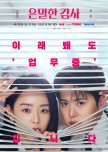
This review may contain spoilers
"I heard it through the grapevine (and I saw the photo too)."
Skillfully navigating the territory of workplace rom-coms, “Filing for Love” reveals its narrative maturity by gradually moving beyond the genre and its familiar simplifications to explore a far more complex reality: a working environment where surveillance, intrusion into private life, relentless competition, and the cult of productivity ultimately reshape even human relationships. Beneath its romantic dynamics and the inevitable conventions of the genre lies a surprisingly bitter reflection on contemporary loneliness, burnout, professional alienation, and the price many people are forced to pay when work ceases to be merely a part of life and becomes its absolute center.Through Team 3, seemingly relegated to the margins of the corporate hierarchy and tasked with handling the company's most uncomfortable and embarrassing issues, “Filing for Love” constructs a remarkably meaningful microcosm. The investigations that shape the first half of the story portray an environment in which work invades every aspect of existence, gradually transforming Haemu into a kind of city-state where people live, love, betray, and suffer almost exclusively within its boundaries.
While the first half of “Filing for Love” seems primarily concerned with the more intimate implications of work—surveillance, workplace relationships, burnout, loneliness, and the struggle to balance professional and personal life—the second half gradually broadens its scope, evolving into something close to a corporate political drama. Succession battles, reputation management, media pressure, and corporate restructuring become the natural extension of a theme that had been present from the very beginning: the company as a totalizing system, capable of extending its influence far beyond the workplace and permeating every aspect of individual existence.
Another interesting aspect of “Filing for Love” lies in its decision to subvert one of the most established dynamics of Korean workplace rom-coms. While the genre has accustomed viewers to the powerful CEO and the subordinate employee, the series instead places a woman in a position of authority, with the men around her forced to navigate that reality. The drama, however, carefully avoids reducing this choice to a simple reversal of roles. Its real interest seems to lie in the dynamics generated by power itself, regardless of the gender of the person who holds it.
When a relationship develops within a hierarchical structure in which one person has the authority to transfer, promote, or dismiss the other, the central issue is not whether that person is a man or a woman, but the imbalance of power that inevitably emerges. It is within this delicate equilibrium that Joo In-ah takes shape as one of the most compelling and well-realized characters in the entire series.
Joo In-ah (played with remarkable depth by the excellent Shin Hae-sun) is arguably the most fascinating character in the entire series. From her very first appearance, she is presented as a feared figure within the Haemu Group: an uncompromising executive, obsessed with rules and seemingly devoid of empathy. Yet, episode after episode, “Filing for Love” patiently dismantles this initial perception. In-ah is neither a moralist nor a cynic in the traditional sense of the term; rather, she is a radically pragmatic woman, accustomed to viewing the world through the lens of consequences and responsibilities.
Behind the feared executive, however, emerges a deeply lonely woman who lives an almost ascetic existence, accepts being misunderstood in order to carry out her work according to her own principles, and has turned isolation into a form of self-preservation. It is no coincidence that one of the most revealing aspects of her character emerges through her relationship with art. The woman who spends her days hidden behind regulations, disciplinary procedures, and an intimidating reputation chooses to expose herself in the most vulnerable way possible by posing as a model for an art class.
It is precisely this tension between strength and fragility, control and the need for understanding, that makes Joo In-ah one of the drama's most compelling characters. Her journey is not about learning to be strong—she has always been strong—but about gradually lowering her defenses and allowing herself the possibility of finally being seen for who she truly is.
No Ki-joon (portrayed with considerable charm by Gong Myoung) initially embodies the archetype of the perfect employee: capable, well-liked, efficient, and seemingly destined for a successful career. The series, however, quickly dismantles this surface image by exposing the vulnerabilities hidden behind the company's so-called "golden boy." His transfer to Team 3 marks the beginning of a profound identity crisis. Ki-joon has built much of his self-worth on professional achievement and the recognition he receives within the company, to the point where he can no longer distinguish between what he does and who he is. Through his character, “Filing for Love” explores one of the most insidious consequences of performance-driven culture: the risk of reducing one's identity to a professional role and gradually losing any sense of self beyond it.
Unlike many male protagonists in the genre, Ki-joon is not defined by his social status or his ability to wield power over others. His journey is instead that of a person who gradually learns to look beyond appearances, abandoning hasty judgments and preconceived notions. It is this willingness to constantly question his own assumptions that ultimately becomes his most defining quality throughout the story.
Jae-yeol (Kim Jae-young, delivering a measured performance perfectly suited to the role) is arguably the most tragic character in the entire series. In a more conventional drama, he would have been the classic second male lead destined to stand in the way of the main couple. Filing For Love, however, takes a far more interesting approach, turning him into a deeply human and melancholic figure. Every aspect of his life seems marked by a different form of deprivation: a strained relationship with a father who never considers him good enough, his mother's illness, a marriage shaped more by strategic interests than genuine affection, A-jeong's unrequited love, and, above all, his unresolved bond with In-ah.
More than an antagonist, Jae-yeol comes across as a man trapped within expectations that others have created for him. Heir, son, husband, executive: every role is imposed upon him before he has the chance to choose it for himself. Even his relationship with In-ah seems to belong more to the realm of regret and unresolved memories than to any genuine possibility in the present. In this sense, the character comes to embody one of the drama's most bittersweet ideas: success, power, and privilege do not necessarily guarantee freedom. On the contrary, they can become a cage just as suffocating as any other.
His character arc is particularly effective because the drama gradually abandons the idea of using him merely as a source of romantic tension. As the story progresses, Jae-yeol ceases to be an obstacle between the protagonists and instead becomes a symbol of everything In-ah and Ki-joon are trying to avoid: a life shaped by duty, compromise, and resignation. His personal journey ultimately takes on the contours of a quiet tragedy, one that inspires far more compassion than hostility.
A special mention should also go to A-jeong (Hong Hwa Yeon), a character the series uses to explore yet another form of loneliness and inadequacy. Ki-joon's former girlfriend and hopelessly in love with Jae-yeol, she lives constantly in the shadow of relationships that never achieve true reciprocity. Her desire to be seen and acknowledged is further complicated by a clear sense of inferiority toward In-ah, whom she perceives as unattainable both professionally and romantically. More than an antagonist, A-jeong remains the portrait of a person desperately searching for attention and belonging, enriching the broader mosaic of emotional fragility that runs throughout the series.
Through its protagonists, the series finds its most authentic voice. Beneath the romantic dynamics and the inevitable conventions of the genre, “Filing for Love” ultimately reveals itself as a story about individuals searching for a place to belong: Ki-joon seeks recognition and validation, In-ah a sense of peace that always seems just out of reach, Jae-yeol a form of legitimacy beyond the role imposed upon him by his family, and A-jeong a love that might finally be returned. Even its lightest and most entertaining moments rest upon a surprisingly bitter reality shaped by burnout, social pressure, isolation, and professional identities that gradually come to overshadow personal ones.
One of Filing for Love's greatest strengths lies in the way it develops the relationship between its two protagonists. Their romance is not born from immediate attraction or romantic destiny, but from a gradual process of mutual understanding and the slow abandonment of preconceived judgments. In the early episodes, Ki-joon sees In-ah much as everyone else at Haemu does: as a cold, uncompromising, and almost inhuman woman. His initial investigation into her affairs is driven by a desire to expose her, to find proof that something darker lies behind that carefully controlled façade. Yet the closer he gets to her, the more he discovers the exact opposite: a deeply lonely person, willing to endure the misunderstanding and resentment of others in order to do what she believes is right.
The drama charts this transformation through a series of subtle shifts in perspective. At first, Ki-joon watches In-ah in order to expose her; later, he watches her in order to understand her; eventually, he watches her because he is drawn to her.
Viewed in this light, the portrait Ki-joon creates carries far greater significance than the first kiss or any of the drama's more overtly romantic moments. If the paper clip symbolizes the birth of complicity, the portrait marks the birth of love.
For the first time, Ki-joon does not merely desire In-ah—he truly sees her, offering her a reflection of herself freed from the defenses behind which she has hidden for years. This is not a story of conquest, but one of mutual recognition: the story of a woman who has learned to live behind a suit of armor and a man who, little by little, stops looking at the armor and finally begins to see the person beneath it.
In this sense, “Filing for Love” is not truly a workplace rom-com, but a series about loneliness that uses the rom-com format as its narrative vehicle. Love is not presented as the culmination of one's existence or as a simple romantic reward, but rather as the possibility of escaping, if only for a moment, the structural loneliness generated by a system that measures a person's worth almost exclusively through productivity.
Just as the series seems to have fully embraced its most distinctive identity, some of its limitations begin to emerge. The ambition that expands the narrative from the microcosm of Team 3 to the internal power struggles of the Haemu Group enriches the story, but also accumulates a number of conflicts and subplots that the finale struggles to handle with the same care displayed earlier on. A certain repetitiveness in some of the investigative storylines, along with a few more conventional romantic detours, foreshadows a conclusion that resolves several of its most compelling tensions a little too quickly. More than the resolutions themselves, what leaves some room for reservation is the limited attention given to their aftermath.
Without reaching the excellence of the very best Korean workplace rom-coms, and despite a finale that simplifies and accelerates many of the tensions carefully built up along the way, “Filing for Love” remains a series that stands out for its thematic maturity, the quality of its character writing, and its ability to use romance as a vehicle for exploring something broader and more universal. It does not always fulfill every promise it makes throughout its journey, yet its reflection on contemporary loneliness, professional identity, and the need for belonging retains a sincerity that is rare within the genre. The journey does not always lead to the most satisfying destinations, but it remains far more interesting than most of the paths offered by traditional workplace rom-coms.
7½
¿Te ha parecido útil esta reseña?
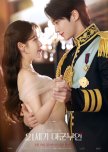
“Perfect Crown” – Una favola imperfetta ma irresistibile
Se cercate una storia capace di appagare occhi e cuore, “Perfect Crown” è, appunto, “perfetta”.
Questa serie coreana in dodici episodi, debuttata su Disney+ il 10 aprile e conclusa il 16 maggio 2026, è già diventata un fenomeno discusso ovunque: amata per la sua bellezza visiva, criticata per le sue libertà storiche. E, come spesso accade, proprio le polemiche ne hanno amplificato la visibilità.
---
Di cosa parla davvero?
I protagonisti, interpretati da IU (Sung Hee-joo) e Byun Woo-seok (Principe Yi Ahn / Seong-won), provengono da mondi lontani ma condividono lo stesso destino: vivere intrappolati nel proprio ruolo sociale. Lei, pur ricchissima, resta una “comune cittadina” senza titoli; lui, amatissimo dal popolo, è un principe privo di reale potere politico. Il loro matrimonio nasce come un accordo strategico, ma la vita a corte li trascina in intrighi, ferite emotive e una lotta contro un sistema che li soffoca. Quella che doveva essere un’alleanza di facciata si trasforma presto in un amore intenso, capace di sfidare classi sociali, aspettative e destino.
---
Una serie che vuole essere tutto… forse troppo
Il drama intreccia commedia, romance e intrighi politici, ma non sempre con equilibrio. Le prime puntate ci accolgono con una commedia leggera che sfuma in una favola romantica — esattamente ciò che il titolo promette. Poi, all’improvviso, la serie vira verso un thriller di palazzo, con misteri da risolvere e una critica sociale sempre più evidente.
Non è un male, sulla carta: c’è varietà, ritmo, colpi di scena. Ma in soli dodici episodi questa ambizione finisce per diluire il vero cuore della storia.
È una storia d’amore? Sì. E se si fosse concentrata soprattutto su quello, avremmo avuto la classica favola principesca che molte di noi sognano fin da bambine. Invece, il voler inserire così tanti elementi ha impedito di approfondire davvero temi e personaggi che meritavano più spazio.
---
Eppure… funziona comunque
Nonostante i limiti della sceneggiatura — soprattutto negli ultimi tre episodi — non riesco a non dare una valutazione più che positiva. Perché ciò che “Perfect Crown” fa bene, lo fa benissimo: le musiche sono piacevoli e coerenti con l’atmosfera fiabesca, le scenografie e i costumi sono un trionfo visivo che restituisce lusso, storia e regalità, e l’intera messa in scena ha una cura estetica che conquista.
Anche il cast contribuisce in modo decisivo. Byun Woo‑seok sembra nato per interpretare un principe: elegante, magnetico, semplicemente bello, con quella presenza scenica che cattura lo sguardo senza sforzo. IU gli dà ottimamente il contrappunto, e il suo personaggio compie un percorso molto interessante: parte con un’energia frizzante, provocatoria, quasi impertinente, per poi maturare in una figura più sensibile, consapevole e generosa. Questa evoluzione è resa con naturalezza e misura, e la sua interpretazione accompagna perfettamente il cambiamento. Tra i due la chimica è innegabile: ogni scena romantica è carica di attrazione e complicità, e questo rende la loro storia ancora più coinvolgente. Attorno a loro si muove un gruppo di comprimari che, pur non sempre valorizzati come avrebbero meritato, aggiungono spessore al racconto: la Regina Madre, intensa e credibile nel ruolo di antagonista; la famiglia di Sung Hee-joo, che sorprende con sfumature più calde del previsto; il nipotino, piccolo erede al trono, che porta momenti di tenerezza autentica; e i collaboratori fidati, la cui complicità cresce in modo spontaneo e piacevole da seguire.
Ho letto critiche sulla recitazione di Byun Woo‑seok, ma non le condivido. Il personaggio richiedeva un’aria controllata, misteriosa, apparentemente distante ma interiormente fragile, e lui questa sfumatura l’ha resa con misura. Alcune scene — la commozione sincera con lei, o la dolcezza spontanea con il nipotino — mostrano una sensibilità che va oltre la semplice “bellezza da principe”.
E sì, lo ammetto, essendo donna l’occhio cade spesso sul bel principe. Ma mi si può biasimare?
---
Le pecche che si possono perdonare
Alcuni eventi si susseguono troppo velocemente, lasciando la sensazione che la storia avesse ancora molto da dire. Alcune svolte narrative arrivano in modo improvviso, senza il tempo necessario per maturare davvero, e questo rende meno incisive idee che, con un respiro più ampio, avrebbero potuto risultare potenti e significative. Lo stesso vale per la gestione dei personaggi secondari: pur ben introdotti, vengono talvolta liquidati con una rapidità che smorza il peso delle loro azioni, soprattutto nel caso dei villain, la cui risoluzione appare più affrettata che costruita.
A questo si aggiunge un cambio di tono molto marcato: dalla commedia romantica si passa agli intrighi di palazzo, e poi ancora a una critica sociale che emerge quasi all’improvviso, senza un percorso graduale che la renda del tutto credibile. Anche il finale, pur piacevole, accelera bruscamente verso una nuova quotidianità che avrebbe meritato più spazio per risultare davvero naturale. Tutto ciò non rovina la serie, ma lascia la sensazione che alcune idee — buone, a volte ottime — non abbiano avuto il tempo di respirare.
La serie aveva due strade: concentrarsi su un unico tema — il romance — oppure trattare tutto, ma con più episodi. Così com’è, sembra voler abbracciare molto più di quanto dodici puntate possano contenere. Con qualche episodio in più, o con una scelta più netta sul tono, sarebbe potuto nascere un piccolo capolavoro.
Ma possiamo chiudere un occhio a tutto ciò? Sì. Queste pecche si possono perdonare perché, nonostante le accelerazioni narrative e qualche svolta poco approfondita, la serie riesce comunque a coinvolgere, emozionare e restare impressa. Il merito è soprattutto dei due protagonisti, che reggono l’intera storia con una chimica irresistibile e una presenza scenica capace di compensare le fragilità della sceneggiatura. Anche quando la trama corre troppo, loro due mantengono saldo il filo emotivo, rendendo credibili passaggi che, sulla carta, avrebbero richiesto più tempo per maturare. È per questo che, pur riconoscendone i limiti, è difficile non volerle bene.
---
Le polemiche: giustificate o eccessive?
Sono rimasta sorpresa — e sinceramente colpita — dalla ferocia delle critiche che hanno travolto “Perfect Crown” dopo gli ultimi episodi. Alcune inesattezze storiche e linguistiche hanno scatenato un’ondata di indignazione tale da portare prima alla modifica di una scena chiave e poi addirittura alla sua censura. In rete circolano voci insistenti sulla possibilità che la serie venga rimossa dalle piattaforme internazionali, e il clamore mediatico è stato così forte da costringere gli attori a pubblicare lettere di scuse che, nella loro formulazione, sembrano quasi una prostrazione pubblica.
E qui non posso fare a meno di pensare che, se proprio si riteneva necessario un mea culpa pubblico, semmai avrebbero dovuto scusarsi gli sceneggiatori o il regista, non gli attori che si sono limitati a interpretare un ruolo.
Rispetto profondamente ogni cultura e sensibilità – ed è noto quanto la Corea resti particolarmente attenta su questo versante storico‑politico – ma non posso nascondere quanto questa reazione pubblica mi abbia lasciata interdetta. In fondo stiamo parlando di una serie televisiva che, pur ambientata in una Corea monarchica, ha sfumature fiabesche e un tono che non pretende di essere un trattato storico. Una tirata d’orecchie per le imprecisioni sarebbe stata comprensibile — e forse doverosa, da parte di uno sceneggiatore che avrebbe potuto documentarsi meglio sul proprio Paese — ma la severità del giudizio e le conseguenze che ne sono derivate mi sembrano eccessive rispetto alla natura dell’opera.
Eppure, è innegabile che il clamore sia stato enorme. Non so se davvero arriveranno a rimuovere la serie, ma il solo fatto che se ne discuta così seriamente è, per me, sorprendente.
---
Conclusione
Alla fine, il mio 8 nasce da ciò che “Perfect Crown” è riuscita a trasmettermi, più che da ciò che le manca. Pur tenendo sullo sfondo tutto ciò che ha accompagnato la sua uscita, ciò che conta per me è l’emozione che mi ha dato. “Perfect Crown”, con i suoi limiti narrativi, mi ha regalato momenti di autentica emozione, una cura estetica impeccabile e due protagonisti capaci di creare un legame credibile e coinvolgente. Per questo, nonostante le imperfezioni, “Perfect Crown” per me merita un voto alto: non perché sia una serie priva di difetti, ma perché è una storia che mi ha lasciato qualcosa. E quando una serie riesce a farlo, il mio giudizio non può che rifletterlo.
---
¿Te ha parecido útil esta reseña?
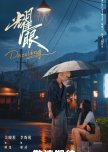
Dazzling is Speed and Love Lite
Dazzling is Speed and Love Lite, and I have to say, I am extremely disappointed. Chinese writers seem to have a strange obsession with family dating plots, and this show is no exception. It's just plain weird to see the main leads, who are family even though not blood related, have romantic feelings for each other.The storyline is completely unrealistic when it comes to relationships. We're expected to believe that the male lead has stronger feelings for a woman he's known for just a month, over the second female lead who he's known for 2 years. It just doesn't make sense. Same goes for Female lead blue ticking the guy she known for years for a guy she known for month
And don't even get me started on the jealousy subplot in episodes 10 and 11. The male lead's behavior was cringey and embarrassing when he interrupted the female lead's reunion with her friend from Beijing. It felt like a humiliation ritual rather than a romantic gesture.
The male lead's savior complex is also frustrating to watch. He's still a kid and shouldn't be shouldering the responsibility of taking care of his whole family his mother should take some burdens off him.
Overall, "Dazzling is Speed and Love lite" is not my kind of drama. I wouldn't recommend it to anyone looking for a believable and engaging storyline.
¿Te ha parecido útil esta reseña?


