

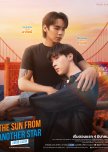
The Sun from Another Star
A 0 usuarios les ha parecido útil esta reseña
Honest opinion
First things first, this is going to be a hard review for me. I will be honest that I have a hard time separating my opinion as someone who read the novel, especially that TSFAS is my favorite BL novel.Watching it was very special to me. To see Arthit and Daotok not just in my imagination but literally as real people. Them choosing Ngern and Oat to do this is the best part. They were able to portray ThitDao well. And of course, we also got the best person for Direk — Jab. Other cast also did a good job, especially our Mae Min. I think my only negative take with the casting was Dao’s two fathers. I can’t see the chemistry and the actors’ connection with the characters.
As I said, it’s hard for me not to compare it to the novel, but I still believe that they were able to make it a good series. The story is still there. They were still able to make me cry with DoMin and the hidden sadness of Arthit.
But one thing I really noticed were those small things that were not included in the series. For others, it might be small, but those were what ThitDao was made of. Those small details that show Arthit’s gentleness and vulnerability. That show why Dao is Dao. The little moments that show how genuine and magical their love is. I love the Arthit that I saw in the series, but he was not the Arthit I fell in love with while reading the book. It’s missing some small elements, but then again, those small things are the reason why I love Arthit and Daotok so much.
Overall, I still appreciate the series for what it gave and how it brought the story to life. It may not be exactly how I imagined it, but it still holds a special place in my heart. And maybe that’s okay, because some stories are just meant to feel different when they leave the pages and become real.
¿Te ha parecido útil esta reseña?
subrang ganda
episode 1 palang nakakatawa na subrang ganda ...🥰🥰🥰🥰🥰🥰🥰🥰🥰🥰🥰🥰🥰🥰🥰🥰🥰🥰🥰🥰🥰🥰🥰🥰🥰🥰🥰🥰🥰🥰🥰🥰🥰🥰🥰🥰🥰🥰🥰🥰🥰🥰🥰🥰🥰🥰🥰🥰🥰🥰🥰🥰🥰🥰🥰🥰🥰🥰🥰🥰🥰🥰🥰🥰🥰🥰🥰🥰🥰🥰🥰🥰🥰🥰🥰🥰🥰🥰🥰🥰🥰🥰🥰🥰🥰🥰🥰🥰🥰🤣🤣🥰🥰🥰🥰🥰🥰🥰🥰🥰🥰🥰🥰🥰🥰🥰🥰🥰🥰🥰🥰🥰🥰🥰🥰🥰🥰🥰🥰🥰🥰🥰🥰🥰🥰🥰🥰🥰🥰🥰🥰🥰🥰🥰🥰🥰🥰🥰🥰🥰🥰🥰🥰🥰🥰🥰🥰🥰🥰🥰🥰🥰🥰🥰🥰🥰🥰🥰🥰🥰🥰🥰🥰🥰🥰🥰🥰🥰🥰🥰🥰🥰🥰🥰🥰🥰🥰🥰🥰🥰🥰🥰🥰🥰🥰🥰🥰🥰🥰🥰🥰🥰🥰🥰🥰🥰¿Te ha parecido útil esta reseña?
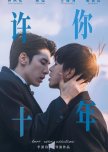
I’d be a bit bias because I love these two so much.. but.. it’s a bit disappointing!
It was a Lin Feng Song show tbh. He carried the whole series through his acting.The two main actors’ chemistry has always been there since they’ve known each other for 10 years and they live in the same house at some point (not sure if they still live together).
Story was under developed, not new (the biggest disappointment!). Overall, it was good. Give it a watch
¿Te ha parecido útil esta reseña?
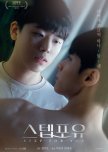
If you like subtle and slow, this is it.
This short film was more emotionally charged than some whole series I've seen. I am going to think about that kiss for a long time. It was just one kiss but the passion and tenderness were there. You can see the tension building as it goes. Watch this and let it reset your outlook on bl if you have found the most recent released shows to be cold or distant with no chemistry. This has that in spades.¿Te ha parecido útil esta reseña?
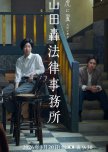
Yamada Todoroki Law Office
A 0 usuarios les ha parecido útil esta reseña
Yone's story immediately after the war
This drama is a follow-up special to the great summer asadora of 2024, Tora ni Tsubasa written by the same screenwriter, Yoshida Erika. It focuses on Yone's experiences from the fire-bombing of Tokyo through to the formation of her law partnership with Todoroki. It is set a very grim time in the history of Japan, and shows how some very dark moments in her life shaped Yone's character in the later episodes of Tora ni Tsubasa.There is some overlap with the cast of the asadora, but Yone's friend-group from law school is mostly only shown in flashbacks taken from the previous series. Ito Sairi as Torachan does appear for an utterly delightful scene at the end of the special, but mostly the special focuses on Yone, her old boss Masuno and her sister Natsu (who is played by a different actress than in the asadora, but that role was much smaller than in this special). Tozuka Junki also reprises his role as Todoroki, but only for a few scenes after the emotional denouement of the special.
Dio Shiori as Yone is excellent as usual as the fiery (probably) non-binary future lawyer. She delivers on a couple of emotionally devastating scenes. And Hirayama Yusuke has much more to do than in the previous series, and acquits himself well.
The scene with Torachan is a must-watch for fans of the previous series, and if you are not up for all of this comparatively dark special, you can safely go to 1:07:29 and watch the last four minutes. All in all, the special is a good exploration of Yone's character and provides some deeper insights into her life.
¿Te ha parecido útil esta reseña?
This review may contain spoilers
Are you the one? In this drama, everyone thinks they are.
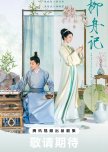
This drama thrives on a very specific brand of chaos—the kind where misunderstandings aren’t just plot devices, they’re practically a shared dialect. Everyone is talking, but no one is talking about the same thing, and somehow the miscommunication becomes its own comedic ecosystem. The “coded” matchmaking sabotage is peak example: a room full of people pretending to be subtle while Cui Xing Zhou (Zhang Wan Yi) casually dismantles every potential suitor with the confidence of a man who refuses to let fate—or common sense—interfere with his plans.And he’s not even the only chaos agent. Lord Huaiyang and Lord Zhennan together are a two‑man improv troupe. One look exchanged and suddenly they’re spinning synchronized lies like seasoned con artists who’ve been doing this since childhood. They’re “brothers in crime” in the most affectionate sense—two men who should be stabilizing the kingdom but instead are destabilizing every social situation with comedic precision. Their dynamic alone could carry a spin‑off.
Zhang Wan Yi, of course, is the anchor of this madness. He’s mastered the art of deadpan chaos: a general with spine‑straightening authority one moment, a fake husband with sitcom timing the next. He’s juggling a real household, a fake household, a woman with amnesia, and a kingdom trying to kill him—and still finds time to flirt mid‑fight scene. This is his natural habitat: half battlefield, half rom‑com.
Wang Chu Ran, meanwhile, gets her redemption arc—not in the story, but in my viewer memory. After barely surviving Fireworks of My Heart (dropped like a hot potato), I assumed she was the problem. Turns out it was the writing. Here, she’s expressive, grounded, and once her memory returns, absolutely badass. Liu Mian Tang goes from confused houseguest to sharp, capable partner who doesn’t need saving—she contributes, strategizes, and stands her ground. She’s not a decorative FL; she’s a force.
The ensemble of six leads is surprisingly balanced. Yuan Yu Xuan’s Shi Xue Ji is elegance with teeth—strategic, resilient, and never sanctimonious. She uses her intelligence like currency, not decoration. And Chang Hua Sen as Zi Yu? The man pines like it’s a salaried position. I didn’t even recognize him without his long wavy mane from A Journey to Love (the hair had its own fanbase). His character is flawed but human, and the drama lets him be both.
What I appreciate most is the couples’ dynamic: equal footing. No one is dragging dead weight. Each pair shares burdens instead of creating them. They’re independent, competent, and when they rely on each other, it’s contribution—not sabotage. It’s refreshing to see relationships where both sides bring something to the table instead of one person doing emotional or narrative heavy lifting while the other flounders.
Emotionally, the show also taps into a pet peeve of mine: characters who push away the person who loves them, only to regret it later. This drama plays with that dynamic, but at least it acknowledges the emotional cost. If you keep rejecting someone, don’t be shocked when they finally believe you.
And then there’s the politics—because no historical C‑drama is complete without a royal court that treats competence like a threat. Lord Huaiyang gets sent to the battlefield so often it stops feeling like duty and starts looking like attempted murder. Yet he survives every scheme like he’s contractually obligated to.
What grounds the drama, though, is its commentary on loyalty. The opportunistic relatives who show up only when convenient, the fair‑weather allies, the ones who vanish at the first sign of trouble—they’re contrasted sharply with the few who stay, who protect without calculating benefit. That’s the emotional spine beneath the comedy.
A clever, chaotic, unexpectedly heartfelt ride—and honestly, I enjoyed every minute.
¿Te ha parecido útil esta reseña?
Estar Apasionadamente Enamorado
A 1 usuarios les ha parecido útil esta reseña
Chen LuZhou is a walking green flag
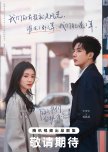
Although this drama was a slow start, it turned out to be a beautiful story with great character development. No unnecessary misunderstandings, just simply a thoughtful and thoroughly enjoyable love story! It deserves a much higher rating! And the music is simply beautiful. The second couple love story didn't dominate and take over the show at all.¿Te ha parecido útil esta reseña?

18th Rose: o florescer agridoce do primeiro amor
18th Rose: o florescer agridoce do primeiro amorO que é um primeiro amor bem sucedido? É quando ele dura para toda a vida ou quando, pelo tempo que dura, é regado a amor e apoio que te ajudam a amadurecer, dando valor ao tempo e às pessoas? É complexo pensar que a vida muda tão rápido e que o trajeto às vezes vira de curso mesmo quando temos o trajeto todo programado, como o Titanic, que tinha um grande sonho antes de bater com aquele iceberg, mas que deixa não só memórias feridas, mas um grande legado para todos. O filme filipino 18th Rose, me fez refletir bastante quanto o amor na adolescência é importante, e o quanto as amizades precisam acontecer, tal qual o apoio nos momentos mais lindos e nos mais difíceis.
Pensando bem, quando me pedem para definir o que é 18th Rose, inicialmente poderia pensar em descrevê-lo como um “romance adolescente entre dois opostos que não se suportam e acabam se aproximando”, ademais, ele não é sobre isso, este é um filme de amadurecimento, de pessoas que ainda estão aprendendo a lidar com suas próprias emoções enquanto enfrentam a transição entre a juventude e a vida adulta, jovens que precisam compreender o valor das relações antes que seja tarde demais, e que, no meio desse processo, descobrem que amar alguém não é sobre troca, mas sobre presença. É uma história que explora de forma sensível e, por vezes, melancólica, que por meio de temas como pertencimento, ausência, expectativas e realidade, constrói uma narrativa leve sobre um primeiro amor que, independentemente de durar ou não, sempre deixa marcas profundas.
A produção conta sobre dois jovens que ainda estão tentando entender seu lugar no mundo, seja através de sonhos idealizados, como no caso da Rose com sua festa de debut, ou através de buscas mais dolorosas, como a do Jordan ao tentar se reconectar com um pai que nunca esteve presente. A história se passa na cênica Romblon, onde acompanhamos o encontro desses dois opostos que, inicialmente, não se suportam, mas acabam se envolvendo em um acordo que pode beneficiar ambos: enquanto Rose enxerga em Jordan uma forma de tornar sua tão sonhada estreia inesquecível, ele vê nela uma oportunidade de encontrar um caminho para sair daquele lugar onde nunca sentiu que pertencia. A partir disso, a convivência entre os dois passa a se intensificar, transformando pequenos conflitos em aproximações e criando, entre implicâncias, descobertas e momentos compartilhados, uma conexão que cresce de forma gradual enquanto eles atravessam juntos essa fase de transição entre a juventude e a vida adulta.
Rose (Xyriel Manabat) é uma jovem sonhadora, intensa e de coração grande, que carrega em si uma necessidade quase urgente de ser vista, reconhecida e celebrada, e é justamente por isso que sua festa de debut possui um significado tão profundo em sua vida. Para além de uma simples comemoração, aquele momento representa tudo aquilo que ela acredita ser, ou pelo menos, tudo aquilo que deseja afirmar para si mesma e para os outros. A Rose vive com essa energia vibrante, sempre cercada de pessoas, sempre oferecendo amor em excesso, mas, ao mesmo tempo, existe nela uma certa ingenuidade ao acreditar que pode organizar seus sentimentos e relações como se fossem trocas, como se tudo pudesse ser construído a partir de acordos bem definidos. E é nesse ponto que sua trajetória começa a se desenvolver, pois, ao longo da narrativa, ela passa a entender que amar não é sobre negociar presença, mas sim sobre permanecer mesmo quando não há garantias.
Vejo a Rose como uma rosa vermelha em seu estado mais simbólico, aquela que carrega beleza, intensidade e paixão, mas também espinhos que podem ferir, não por maldade, mas como uma forma de proteção. Assim como ela cuida de suas próprias rosas, tentando fazê-las florescer da melhor forma possível, também tenta cuidar das pessoas ao seu redor, mesmo sem perceber que nem tudo depende apenas dela. E, ao mesmo tempo, é impossível não traçar um paralelo com a Rose de Titanic, seu filme favorito, pois ambas compartilham esse espírito livre, esse desejo de viver intensamente e de romper com aquilo que esperam delas, ainda que estejam inseridas em realidades completamente diferentes. No entanto, enquanto a Rose de Titanic encontra sua libertação ao se desprender de tudo, a Rose de 18th Rose encontra seu crescimento ao compreender que não pode controlar tudo, e que, às vezes, florescer também significa aceitar aquilo que não pode ser mudado.
Enquanto isso, Jordan (Kyle Echarri) surge na narrativa como esse elemento de ruptura, alguém que chega deslocado, fechado e, à primeira vista, até mesmo arrogante, mas que, na realidade, carrega uma batalha interna muito mais silenciosa do que aparenta. Sua função dentro da história vai muito além de ser apenas o interesse romântico de Rose, ele é o contraponto emocional dela, alguém que não acredita em pertencimento porque nunca verdadeiramente o sentiu. Sua trajetória é marcada por essa busca constante por validação de um pai ausente que ele não vê desde a infância, mas que ainda assim dita, mesmo à distância, a forma como ele vive, se comporta e até se enxerga. Jordan vive tentando se encaixar em uma memória, em uma expectativa que nunca foi confirmada, e isso faz com que ele se isole, evitando criar laços por medo de rejeição e, principalmente, por não se sentir digno de permanecer.
Se Rose é a rosa em sua forma mais vibrante, Jordan também pode ser visto como uma rosa, mas em um estágio diferente, uma que cresceu cercada por espinhos mais rígidos, mais visíveis, que afastam qualquer tentativa de aproximação. Seus espinhos não são agressivos por natureza, mas são uma defesa construída ao longo dos anos, uma forma de evitar se machucar novamente. Ele rejeita antes de ser rejeitado, se distancia antes de criar vínculos, e transforma sua solidão em uma zona de conforto, mesmo que isso o impeça de florescer. Ao mesmo tempo, é inevitável não traçar um paralelo entre Jordan e o Jack de Titanic, não apenas pela referência direta no nome, mas pela essência que ambos carregam. Assim como Jack, Jordan é alguém que vive à margem, que não se encaixa completamente em lugar nenhum e que carrega uma liberdade que, na verdade, esconde uma falta de raízes. No entanto, enquanto Jack representa alguém que ensina a viver sem amarras, Jordan está no caminho inverso, ele precisa aprender a criar laços, a se permitir ficar, a entender que pertencimento não é algo que se encontra pronto, mas algo que se constrói.
E é justamente nesse ponto que a relação entre ele e Rose começa, de fato, a ganhar forma. O encontro dos dois, marcado por aquele momento inicial com o adubo, não funciona apenas como uma situação cômica ou um primeiro contato desajeitado, mas sim como um símbolo do que viria a ser a base da relação deles. Assim como o adubo, que à primeira vista parece algo incômodo, sujo e até indesejado, mas que é essencial para o crescimento de uma planta, a presença de um na vida do outro surge de forma caótica, inesperada, mas profundamente transformadora. A partir dali, o que começa como implicância e resistência vai, pouco a pouco, se tornando aproximação, e essa convivência constante passa a nutrir ambos de maneiras que eles mesmos não compreendem de imediato. Com isso, Rose, com sua intensidade e insistência, se torna esse “adubo” na vida de Jordan, empurrando-o para fora do seu isolamento, fazendo com que ele, mesmo relutante, comece a se abrir para o mundo ao seu redor, criando laços, formando amizades e, aos poucos, encontrando um lugar onde ele pode, finalmente, permanecer. Ao mesmo tempo, Jordan também exerce esse papel na vida de Rose, pois é através dele que ela começa a enxergar que nem tudo pode ser planejado ou negociado, que as relações não funcionam como acordos e que amar alguém envolve aceitar suas dores, seus limites e, principalmente, suas escolhas.
E é nesse equilíbrio que a relação deles se fortalece, pois, mesmo em meio às diferenças, eles se tornam apoio um para o outro, compartilhando momentos leves, mas também estando presentes nos momentos mais difíceis, sem abandonar, sem recuar. E o que há de mais bonito nessa relação é justamente essa construção gradual, onde o sentimento não surge de forma abrupta, mas cresce a partir da convivência, do cuidado e da presença constante. Eles se provocam, se desafiam, mas também se acolhem, criando um vínculo que vai além do romance, se tornando um espaço seguro onde ambos podem ser vulneráveis sem medo. E, assim como o adubo que, silenciosamente, permite que a rosa floresça, eles vão, aos poucos, ajudando um ao outro a crescer, transformando aquele encontro inicial caótico no início de algo que, mesmo sendo simples, carrega uma profundidade emocional enorme.
A partir dessa relação que se constrói de forma tão orgânica, também conseguimos enxergar como a presença de um transforma não apenas o outro, mas tudo ao redor deles. Jordan, que antes chegava à cidade carregando esse sentimento de não pertencimento, criando barreiras e até mesmo afastando as pessoas antes que elas pudessem se aproximar, começa, pouco a pouco, a se integrar, e isso não acontece por grandes gestos, mas sim através dessas pequenas interações cotidianas que vão se acumulando. Com a ajuda de Rose, ele passa a criar conexões reais, conquistando não apenas colegas, mas pessoas que genuinamente torcem por ele, e isso muda completamente a forma como ele enxerga aquele lugar que, no início, parecia apenas um ponto de passagem. Essa transformação traz uma reflexão muito sensível sobre como, muitas vezes, o pertencimento não está no lugar em si, mas nas relações que construímos dentro dele.
Ao mesmo tempo, a trajetória de Rose também ganha novas camadas, pois, ao acompanhar de perto a dor de Jordan e sua busca por algo que nunca se concretiza, ela começa a compreender que nem tudo pode ser resolvido com esforço ou insistência. Para alguém que sempre acreditou que poderia “organizar” suas relações e fazer com que tudo acontecesse conforme o planejado, esse choque, aliado com uma notícia inesperada, fazem com a realidade se torne um ponto crucial de crescimento. Rose passa a entender que amar alguém não significa mantê-lo ao seu lado a qualquer custo, mas sim apoiá-lo em seu caminho, mesmo quando esse caminho a distância dele. E é nesse momento que sua visão sobre sua própria vida também começa a mudar, pois aquilo que antes parecia ser o centro de tudo, sua festa, seus planos, suas expectativas, dá espaço para algo muito mais profundo: o reconhecimento das pessoas que sempre estiveram ao seu lado e o valor dos momentos compartilhados com elas.
Por mais que eu tenha me conectado profundamente com 18th Rose, não estou dizendo que ele seja um filme isento de falhas, pois, me senti perdida em algumas questões relacionadas aos personagens, principalmente no que envolve o Jordan e o seu pai, no entanto, não é um ponto negativo que tira muitos pontos da produção, além disso, senti falta de personagens secundários mais presentes, melhores desenvolvidos ou, ao menos, com mais falas.
Não tem como falar de 18th Rose sem mencionar o quanto a fotografia e os elementos simbólicos caminham juntos na construção dessa narrativa. O filme utiliza uma paleta que remete diretamente aos anos 2000, com tons levemente saturados, luz natural e cenários simples que transformam o cotidiano em algo quase nostálgico, como se cada cena carregasse uma memória. As ruas de Romblon, os trajes escolares, as lan houses e até os pequenos encontros entre os personagens são registrados de forma a valorizar o ordinário, reforçando a ideia de que são nesses momentos aparentemente simples que a vida realmente acontece. Contudo, para além dessa estética, o filme constrói suas analogias de forma muito clara através das rosas, que não representam apenas a tradição do debut, mas funcionam como uma extensão direta da protagonista e da própria narrativa.
As rosas, assim como a própria Rose, carregam beleza e delicadeza, mas também espinhos, e isso se reflete nas relações construídas ao longo da história, que, por mais que sejam doces e acolhedoras, também possuem suas dores e dificuldades. Além disso, a presença do adubo, que aparece logo no início do filme, não é apenas um elemento pontual, mas um símbolo que se estende por toda a narrativa, representando esse crescimento que nasce do desconforto, do inesperado e, muitas vezes, do caos. É interessante perceber como o filme utiliza esses elementos de forma sutil, sem precisar explicá-los diretamente, permitindo que quem assiste construa suas próprias interpretações a partir das imagens e das situações apresentadas. Dessa forma, a fotografia não apenas complementa a história, mas se torna parte essencial dela, ajudando a transmitir emoções, reforçar simbolismos e dar ainda mais profundidade a uma narrativa que, mesmo simples em sua estrutura, se mostra extremamente rica em significado.
Além disso, é impossível não destacar o quanto o filme também se torna uma porta de entrada para o cinema filipino, que muitas vezes acaba sendo deixado de lado quando falamos sobre produções asiáticas. 18th Rose não apenas entrega uma história envolvente, mas também apresenta um recorte cultural muito rico, seja através de seus costumes, de sua ambientação ou da forma como retrata o cotidiano desses jovens. Existe uma autenticidade muito grande na forma como tudo é construído, desde os diálogos até os cenários, e isso faz com que o filme não pareça apenas uma história ficcional, mas sim um reflexo de uma realidade que, embora específica, consegue se conectar de forma universal com quem assiste.
Através de uma narrativa simples, mas carregada de sensibilidade, 18th Rose constrói uma história sobre dois jovens que se encontram em um momento de transição e, sem perceber, se tornam essenciais no processo de crescimento um do outro. Mais do que um romance adolescente, o filme se estabelece como uma jornada sobre amadurecer, sobre aprender a lidar com expectativas que nem sempre se concretizam e, principalmente, sobre reconhecer o valor das pessoas enquanto ainda é possível compartilhá-las. Cada personagem possui seu próprio tempo de florescer, suas próprias dores e suas próprias formas de amar, e o filme respeita isso, não apressando seus processos e permitindo que tudo aconteça de forma natural, mesmo quando isso significa aceitar finais que não são exatamente como gostaríamos.
No fim, 18th Rose é sobre isso, sobre florescer, mesmo em meio às incertezas, sobre entender que algumas pessoas entram em nossas vidas como aquele “adubo” inesperado que, apesar do desconforto inicial, nos ajuda a crescer, e sobre aceitar que nem todo amor foi feito para durar, mas isso não diminui sua importância. É uma história que encontra beleza na simplicidade, que emociona sem precisar exagerar e que permanece, de forma silenciosa, muito depois que termina, como toda memória boa costuma fazer.
Siga: https://doramaticadoramas.com.br/
¿Te ha parecido útil esta reseña?
This review may contain spoilers
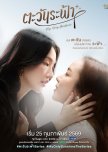
Great potential, I got a lot of expection, but it didn't meet them. I did expect a lot more of "impossible/hidden" love but I only got miscomunication, jealous for nothing and drama over nothing. I hated the whole hidden twin plot..
At first I love how Flint was acting but after a few episode she just treat Sun as her possession. + I hate how Sun forgive Flint so easly
I only kept watching for the secondary couple but they weren't that much on screen.
(PS: Can we fcking stop show assault on screen between main characters???)
¿Te ha parecido útil esta reseña?
The couple was really cute and I really like both character.
I love to see maried moms.
- 1 pts for the acting of Lilin, sometimes I feel like she only can do 1 face and I didn't like it.. But overoll I didn't pay much attention to it
¿Te ha parecido útil esta reseña?

This review may contain spoilers
At first, I was really into it. Tim was so much a manipulator that I even forgot he was not totally sincere... They were really cute and I did enjoy the first part.
But as soon as the truth was told, I don't know.. Maybe I wish it was more angsty.. It was not that great..
I'm disappoint because It wasn't bad, just half of the drama is not that good..
¿Te ha parecido útil esta reseña?
Plot and Storyline is Superb
I've been watching some of the vertical dramas, and I came to like Wang Gege and watched it; the plot is really interesting and entertaining. I love the chemistry and the storyline. No overacting villains at all. A must watch and a rewatch for me. Satisfied how the story goes and how it ends. No dead episodes.¿Te ha parecido útil esta reseña?
You're human, but you're not humane.
We Are All Trying Here is, at least so far, an exceptional show. Everything from the acting to the writing to the music feels cohesive and intentional. Koo Kyo Hwan and Go Youn Jung deliver particularly strong performances, bringing a level of nuance that really elevates the screenplay.What stands out most is how the characters operate on two distinct levels. On the surface, their emotions and personalities are expressed with clarity and subtlety through the actors’ performances. But with a bit more thought, there’s a deeper layer of complexity—motivations, contradictions, and internal conflicts that aren’t immediately obvious but feel carefully constructed. There is also a lot more to uncover about each person, each going through their own struggles, which grips us as the viewers into watching more.
The show also approaches emotion in a really fresh way through the concept of the “emotion watch.” It’s a creative device that adds a unique lens to how feelings are expressed and understood, making emotional moments feel both controlled and strangely revealing.
The dynamic within the “eight group” is particularly interesting. They often come across as emotionally unintelligent, or at least unequipped to handle their own feelings in a mature way, always blaming Hwang Dong Man for their problems. There’s also a noticeable fragility beneath their interactions: many of them seem to carry a kind of inflated yet brittle ego, constantly needing validation to maintain a sense of superiority that doesn’t quite hold up under scrutiny. Even the smallest confrontation with truth unsettles them, which adds tension to their relationships and makes their interactions feel both frustrating and revealing.
edit: his "friends" are honestly so dumb
¿Te ha parecido útil esta reseña?

VOS: Countless People and Moments, Endless Meetings and Goodbyes.
As always, dramas by Edward Guo are crafted with incredibly high standards. I’m the type who is quite stingy when it comes to giving a 10, because for me, it’s rare for a drama to truly balance all aspects. Sometimes the visuals are stunning but the story is just average, or the story is strong but the cinematography doesn’t fully satisfy me. But Veil of Shadows... this is what I call an all-in production. Cinematic visual, costumes, story, acting, emotion—everything feels top-tier. And honestly, this is already the third Edward Guo drama I’ve given a 💯 😌✨👏🏻From the very beginning, Edward Guo’s signature atmosphere is immediately present—dark, poetic, and artistic with a strong dramatic touch. There’s a consistent melancholic tone from start to finish, making every conflict feel deeper rather than something that simply passes by. The CGI is not just CGI—it becomes an essential part of the storytelling. The fantasy world feels alive, immersive, and sometimes even hauntingly beautiful. Even small details like fog, lighting, and transitions between worlds are executed so smoothly that everything feels seamless. Every visual effect is not just for aesthetic appeal, but also to strengthen the emotions in each scene, especially during moments of loss and sacrifice.
As for the costumes, there’s no need to question them💅🏻 Huang Wei never fails in bringing a drama to life through costume design. They don’t just deliver luxury—they carry storytelling within them. Layer by layer, texture, color, and embroidery all reflect a world that is both grand and mysterious. There’s an elegance, but also a coldness that perfectly matches the tone of the story. Even subtle changes in costumes can reflect character development and their position within the narrative. Every character has a strong visual identity, making each scene feel like a living painting.
From the very first episode, I immediately loved the character Lu Wuyi❣️🦊 Especially the scene where she indirectly drives Wu Shiguang away hahaha—every word she says seems harmless, yet is actually full of intention and subtly makes others follow her lead. The way she plays with words is so refined—soft and gentle, but not in a “pure and kind” way. It’s alluring, yet still controlling. Uhhh it’s hard to describe, honestly😖 Her voice alone is incredibly captivating—Lu Wuyi is exactly the kind of fox spirit I’ve always imagined. Not just pretty and playful, but also calculating. Completely mesmerizing 😳♥️🦊🥀
Because of this drama, I became curious about Ju Jingyi. I do remember watching some of her previous dramas, but her performance there didn’t stand out as much as it does here, so it’s no surprise that my ratings for those were fairly standard 😂 Here, however, I was genuinely surprised by how skillfully she portrayed Lu Wuyi. Maybe her potential hadn’t fully shown before—whether due to script choices or other factors, I’m not sure. But one thing is clear: in this drama, Ju Jingyi truly shines✨
Then there’s Ji Ling… I was honestly amazed by the plot twist. At first, I thought Ji Ling was the ninth dragon who refused to give his power to the tenth dragon. But then… I cried during his arc. His story as a simple village fox who quietly carried such a heavy burden is deeply heartbreaking. And that’s exactly what makes his sacrifice feel even more profound. When everything is revealed, you realize—he has been fighting alone all this time, without many people truly understanding him… well, except Lu Wuyi 😌♥️🦊 Ji Ling fulfilled his duty, but at a great cost. He is the definition of a layered character, written with incredible depth and detail.
I also really love how the relationship between Wu Shiguang and Wu Wangyan develops while they live as Changhao and Qingyi in the illusion world. They don’t just pass through in search of the star stone—they truly live there. Decades spent together, sharing space, sharing life—and slowly, without realizing it, they become husband and wife in the truest sense. Their feelings grow naturally, never forced by the plot. Whether you are a fox spirit or a human, consistent interaction will eventually make you accept one another. I also appreciate how their emotions are written realistically. They don’t constantly deny their feelings just for the sake of conflict. There is struggle, there is hesitation, but it all feels human. Unlike some dramas where characters remain stubborn for too long, here they grow and learn to be honest with their emotions. That’s what makes their relationship feel more mature and meaningful.
Another strong element is the OST. Chinese drama OSTs are known for their meaningful and story-aligned lyrics 😌✨ and the OST in VOS truly feels like a natural extension of the narrative. It’s not just background music, but an emotional continuation of each scene. The lyrics align beautifully with the characters’ journeys, expressing what cannot always be conveyed through dialogue and adding even more emotional depth. Combined with its melancholic yet grand arrangement, enriched by traditional Chinese instruments, the OST deepens the atmosphere and makes every moment more impactful.
Lastly, one of the most distinctive elements that always appears in Edward Guo’s works—whether in MJTY, FOF, or VOS—is the strong theme of brotherhood and familial bonds 🤝🤝. Whether it’s comrades, brothers, or sisters, these relationships are always written with warmth and sincerity. Edward Guo consistently reminds us that family is not just about blood, but about those who support you, stand by you, and give you strength in both sorrow and happiness.
This is a drama that needs to be rewatched to fully grasp and appreciate all its details. There’s so much foreshadowing that only truly hits once you know the full story. Things that seemed simple at first turn out to carry significant meaning in the end.
Overall, Veil of Shadows is not just visually stunning, but also emotionally deep and rich in detail. This is not the kind of drama you can simply leave behind after finishing—it’s the kind that stays with you, making you want to return and uncover the small details you might have missed. Veil of Shadows feels like a perfect pink thunder in Ji Ling's ring that hits you at once—it strikes without warning and when you realize, it settles deep in your heart...💍🌑🌙⚡🦊🥀
Veil of Shadows makes you remember once again,
that life is probably just
endless meetings and goodbyes,
countless people and moments...🌬️🍃
Leaves you in silence after the end,
make your chest ache,
make silence feel louder,
make you miss something you never had...🧸🌑
¿Te ha parecido útil esta reseña?
Beast Mode Activated
Back with Season 2, the chemistry remains strong, natural, and genuinely warm; they feel like family. Character-wise, it works too: the main guy is strong but a bit naïve, not particularly street-smart, more of a genuinely good person trying to survive in a pretty brutal world. That contrast actually lands well.The plot, though, is where it gets a bit shaky. Compared to the first season, this one feels more monotonous, less layered. I can forgive a lot if the story is logical and the relationships are properly built — and to some extent, that’s still there — but what didn’t sit right with me was the overall tone. It leans heavily into hopelessness. No matter what they do, they seem stuck, powerless, unable to protect themselves or others.
The story is ordinary, and the narrative is not an original idea. Just like many action based dramas, Season 2 follows the same pattern. However, the action sequences are terrific and that's what keep you engaged. Even though the storyline is neatly wrapped up at the end, it leaves a slightly bitter aftertaste.
Overall, If you liked the first season, you’ll probably enjoy the character dynamics here as well. Just don’t expect the same level of plot depth. I’m curious and waiting for the next season though.
My Rating : 7.6/10
¿Te ha parecido útil esta reseña?


