

 1
1Quando la buona fotografia non sostituisce la sceneggiatura....
Mi adatto al tono che viene usato per descrivere(o forse proporre?) questo lavoro: un'esperienza quasi mistica. Riuscire a trasformare 24 episodi in un unico, interminabile rallenty è un'impresa che merita rispetto, si deve dire. Dopo averlo visto, ho rivalutato Lezioni di piano, dove Jane Campion riesce a creare più tensione con un dito che sfiora un tasto del pianoforte di quanta The Forbidden Flower ne costruisca in 24 episodi.La serie promette un "erotismo raffinato e rivoluzionario" 🤣. Dopo averci mostrato una protagonista che si "accende" durante uno shampoo (bada bene, c'è solo un frame che mostra il movimento miracolistico di lui con i polpastrelli dietro le orecchie) , mente sulla propria età, manipola chiunque pur di inseguire il protagonista e invade sistematicamente ogni suo spazio, ci prepara finalmente al momento tanto atteso: un bacio di pochi secondi, fotografato come se fosse l'evento romantico del secolo. Evidentemente, il resto dell'erotismo è solo proposto con quache frame sparuto qua e là per farvi arrivare all'episodio 9.
La fotografia è molto buona. Così buona da tentare disperatamente di convincerci che sotto quei controluce dorati, quei verdi ipersaturi e quei tramonti perfetti si nasconda una sceneggiatura altrettanto luminosa. Non è così! Una bella confezione può valorizzare un buon prodotto ma non può riempire una scatola vuota.
I personaggi sono costruiti con un'economia narrativa encomiabile.
Lei ruota quasi esclusivamente attorno a lui. Lui, invece, attraversa la serie con la determinazione di una pianta ornamentale: non decide, non reagisce, non conduce mai davvero la relazione, prima fissa , poi ridacchia. Se l'intento era rappresentare un uomo combattuto, il combattimento si è svolto interamente fuori campo.
Anche il conflitto con la madre avrebbe potuto essere interessante. Peccato che madre e figlia finiscano per assomigliarsi più di quanto la serie sembri rendersi conto: entrambe controllano, manipolano, mentono e cercano di imporre la propria volontà sugli altri. La differenza è solo anagrafica (piccole cougar crescono).
Poi arriva il finale. Tragedia. Lacrime. Fiori. Voce fuori campo. Ma una tragedia nasce quando il pubblico sente di perdere qualcuno che ha imparato a conoscer, non c'è alcuna progressione drammatica.
Straordinarie interpretazioni: è raro vedere un protagonista maschile così fedele alla propria cifra espressiva, la mantiene identica per tutta la serie. Lei, invece, trasmette perfettamente il concetto di "voglio quest'uomo a ogni costo", tuttavia il perché non si sa.
La madre, infine, ci ricorda che anche il melodramma più acceso può sempre essere recitato un po' più sopra le righe (non credo di aver mai visto un'attrice così priva di doti o talento).
La protagonista è la migliore, persino di un attore di 46 anni che dovrebbe avere esperienza, fascino, magnetismo ma tutti lo osannano perché con la canotta sta davvero bene, dimenticando che un uomo di quell'età dovrebbe quanto meno lasciare il segno con i dialoghi, o la profondità emotiva di chi ha vissuto davvero (e invece zero).
La protagonista pur essendo un po' migliore rispetto al resto del cast manca di naturalezza e propone una certa artificiosità, quando corre nel vicolo sotto la pioggia cade, due volte, e in entrambe le volte si vede proprio che non inciampa bensì si getta a terra da sola.
Nell'episodio 9 quando crolla dal sonno con una pianta in grembo si appoggia sulla spalla di lui (prima piano come se il sonno la prendesse, poi di colpo si getta in un movimento che puzza di studiato in modo pazzesco).
Rimangono una fotografia di alto livello, un paio di belle inquadrature e tanta estetica.
Il problema è che il cinema, e la televisione, non sono album fotografici.
ULTIMO APPUNTO: LA MALATTIA
La protagonista ha una malattia che, a giudicare da ciò che vediamo, sembra curarsi a colpi di tonici e passeggiate romantiche. Corre, salta, prende pioggia, mare e sole come se avesse una lieve anemia, salvo ricordarsi di essere gravemente malata quando la sceneggiatura ha bisogno di un colpo di scena. Non funziona così.
Ho visto persone morire di quel male... (capitoli tristi della mia vita ma conosco benissimo la condizione). So bene che ogni paziente è diverso, ma qui la malattia appare più come un espediente narrativo che come una condizione vissuta. Se vuoi costruire una tragedia, devi convincermi che quella tragedia esiste anche prima dell'ultimo episodio.
Esempio: in Marry My Husband il deterioramento fisico non è un dettaglio estetico, entra nella recitazione, nella postura, nello sguardo, nel trucco. L'attrice appare progressivamente emaciata, pallida, debilitata. Non serve trasformare ogni malato in uno scheletro, ma serve dare peso alla malattia. Qui, invece, sembra che vada e venga a seconda del bisogno della sceneggiatura (se non hai capito il tipo di condizione o morbosità scrivi in pvt che non voglio spoilerare).
📸 🌅 Devo riconoscere un merito alla serie: alcuni frame e riprese dall'alto (probabilmente con droni) sul mare sono davvero suggestive. In più di un'occasione, lingua a parte, ho avuto la sensazione di trovarmi davanti a una produzione thailandese. La fotografia sfrutta molto bene la costa tropicale, la vegetazione e la luce naturale, regalando immagini di notevole impatto visivo. È probabilmente l'aspetto migliore dell'intera opera.
APPROFONDIMENTO TECNICO : 🎞️
Dal punto di vista formale, il drama sembra l'equivalente audiovisivo di un profilo Instagram perfettamente filtrato. La regia punta tutto sulla seduzione dell'immagine: controluce costanti, profondità di campo ridottissima, bokeh, tramonti dorati, rallenty e un color grading esasperato che porta verdi, gialli e rossi a un livello di saturazione quasi irreale. È una scelta precisa, non un errore , l'iper-saturazione serve a trasformare la realtà in un ricordo idealizzato, una dimensione sospesa in cui la vita appare più intensa proprio perché destinata a svanire (come contrapposizione). Anche il pesce che muore a livello simbolico anticipa, come mesto presagio, cosa aspettarsi in finale.
Il problema è che questa estetica finisce per combattere contro la storia invece di sostenerla.
La protagonista è affetta da una malattia che dovrebbe incombere su ogni scena, eppure l'immagine continua a esplodere di luce, colori e vitalità. Corre, prende pioggia, mare, sole, passeggia per ore, cade, si rialza, scorrazza ovunque e, a parte qualche capogiro strategicamente inserito quando la sceneggiatura si ricorda della malattia, sembra godere di una salute invidiabile. La fotografia sembra avere più paura di mostrare il decadimento fisico che di perdere credibilità narrativa.
Eppure il contrasto fra vitalità visiva e morte imminente avrebbe potuto funzionare: il cinema usa spesso il colore come contrappunto emotivo ma, perché questo accada, il contrasto deve generare tensione, non cancellare il problema.
La simbologia, poi, viene ripetuta fino allo sfinimento. Fiori ovunque. Lei dipinge quasi esclusivamente fiori in boccio, lui è un orticoltore, la casa è invasa da piante, ogni inquadratura sembra voler ricordare allo spettatore che il fiore rappresenta la femminilità, il risveglio del desiderio, la fioritura sessuale e il passaggio dall'adolescenza all'età adulta. Il simbolo, però, funziona quando viene dosato. Se viene ripetuto ossessivamente, smette di essere simbolo e diventa ridondante didascalia, non sostenuta dalla sceneggiatura perché di maturità in lei non ne ho vista molta.
Lo stesso vale per il continuo richiamo all'arte. La serie sembra voler attribuire un'aura artistica a ogni quadro dipinto dalla protagonista ma le opere che vediamo sono sorprendentemente anonime. È come se bastasse inquadrare una tela, un fiore e una tavolozza per evocare profondità. L'arte, però, non è un elemento scenografico: dovrebbe raccontare qualcosa del personaggio, della sua evoluzione, del suo sguardo sul mondo. Qui rimane un accessorio decorativo, proprio come gran parte dell'impianto visivo.
Alla fine resta la sensazione che la regia confonda continuamente l'estetica con la profondità.
LEGGI QUI:
E ora mi rivolgo direttamente a te che stai leggendo! Sì, proprio a te che hai dato 9 a questo drama perché ti hanno venduto l'idea di un'opera "erotica" e ti sono bastati due baci e qualche rallenty in controluce. Il paradosso è che, alla fine, è persino più casto di molti altri c-drama realizzati sotto censura.
1) Quando assegni un 9 a una sceneggiatura del genere, fai un torto a quelle opere costruite con personaggi sfaccettati, dialoghi memorabili e una scrittura cesellata scena dopo scena.
2) Quando lo paragoni a Lolita, non stai rendendo omaggio a Nabokov: stai banalizzando un romanzo in cui la tensione nasce dalla lingua, dalla manipolazione, dall'ambiguità morale e da una raffinatezza stilistica che riesce a evocare il desiderio con una singola figura retorica. Qui, invece, HAI SCAMBIATO il rallenty ipersaturato con la profondità.
3) E quando mi parli di "erotismo travolgente", mi viene il dubbio che tu non abbia mai visto un vero film erotico. Se vuoi un punto di partenza, prova "L'amante" di J. J. Annaud. Scoprirai che l'erotismo non nasce da una ragazza che stringe le cosce durante uno shampoo ma da una regia che sa costruire desiderio, tensione e sottotesto.
Lezioni di piano, L'amante di Lady Chatterley, L'amante di Annaud e qualche decennio di cinema erotico a seguire ha dimostrato come il desiderio si costruisca con la scrittura, non con il color grading.
Le musiche? Gradevoli ma una , non vi siete neanche accorte, che è la colonna sonora del kdrama while you were sleeping, viva l'originalità!!!
Esta resenha foi útil para você?
The chemistry between the leads was amazing and felt very natural. Ryo especially stood out to me. His facial expressions were so good, whether he was happy, sad, or emotional. Sometimes he reminds me of Ji Sung, but most of the time he looks like Jung Il-woo. He expressed every feeling naturally, and his performance really made my heart flutter.
If you're looking for something light, cute, and heartwarming without too much angst, I definitely recommend this drama. It's a simple but enjoyable watch with lovable characters, great chemistry, and a romance that will leave you smiling.
Esta resenha foi útil para você?
Absolute GEM !
Emotional rollercoaster with plenty of laughter, conspiracy, intelligent main leads. Very memorable drama that makes you want to rewatch it the moment you finished watching it ! Great chemistry between the main leads, great acting and very interesting story with multiple plot twist on the way.Esta resenha foi útil para você?
It's a thriller, people. The claustrophobic kind...
The Lie We Lived In aired as a series comprised of eight episodes running about 20 minutes apiece. Its total running time levels out around 2.5 hours. In other words, about the same length as many feature films. And given the story it unspools, it likely would have worked well as a motion picture. (I watched the 8 episodes in one sitting, which amplified my sense of consuming a film.) Many fans arrived expecting a BL, and if I were to grade it solely on that basis, I might come in a few points lower. But I think what makes The Lie a compelling watch is the way it adopts the attributes of a suspense thriller above all else. The tension between these characters is less the romantic variety--though that works as well--but more the fact that everyone is lying to everyone else about just about everything. And if any of these lies get exposed, murder would plausibly follow.The two main characters are a contract killer and a cop. The killer arrives at a secluded house to perform his job. Literally in the middle of the act, he gets a call from his employer: keep the victim alive until a missing phone is located. Just as he tidies up from the initial fracas, the victim's childhood chum shows up expecting to stay for a week. He mistakes the killer for the victim's sibling (who conveniently left home a dozen years earlier), and the two take up an uneasy co-habitation. The killer must maintain the subterfuge of pretending to be someone else, a masquerade made more perilous once he ascertains that the visiting chum is actually a detective. He peppers the "brother" with endless questions once it's clear his friend isn't home as expected. And once he determines that the man living in his friend's house is not, in fact, the brother, the tension ratchets up. Killer's employers expect him to eliminate all evidence (meaning, kill the cop), but he still needs to find the phone. Meanwhile, he also keeps insisting to the cop that the friend is not a saint. With nearly the whole series set in a single location, the co-habitation between cop and killer feels claustrophobic. For me, that single set amplified the story's innate tensions. These men lived in such close quarters, each with secrets kept from the other, that the expectation of being found out dominates the mood.
As with most mystery stories, the loose ends never quite tie up neatly, but this isn't the type of mystery built around intricate plotting. The suspense provides most of the entertainment here. Whose misdirection will be exposed first? The writers did a commendable job writing each episode toward a cliffhanger ending. (That is one way we know it was written as a series rather than as a film.) The romantic tension that sparks between the two is, in true BL style, a bit too quick and easy but their mutual attraction is necessary to the plot. Each man will make choices that run counter to his professional instincts because of that attraction, so the BL element is also rather central. The reviews for this series have meandered all over the map, but I think the thing provides a solid diversion. Would I have thought so if I had had to wait week-to-week for a new 20 minute installment? Perhaps not. All the more reason to blast through in one single marathon sitting. Less time for the shortcomings of the mystery to take root in your brain.
Esta resenha foi útil para você?
Another taynew banger <3
I love taynew's chemistry in all the series that they have acted in and this series did not disappoint. It's a romantic comedy with insane chemistry. It's a must watch if u r craving a fun romcom. I love the concept of not being able to date someone because their social status is higher than yours. It tackles the social stigma in a very beautiful way. I am not really a huge fan of the side couple but I don't hate them either. The story isn't too complicated and very light hearted. Can't wait for more episodes to release!!Esta resenha foi útil para você?
Esta resenha pode conter spoilers
Solide historische Serie mit grandioser Optik – aber als BL leider enttäuschend
49 mit je 40 Minuten Episoden für eine zensierte BL Produktion ist sehr ungewöhlich, aber die Länge bindet den Zuschauer auch mehr an die Figuren und die Geschichte.Die Geschichte per se war gut, obwohl es einige Teile unnötig, in die Länge gezogen oder verwirrend waren.
Die Charaktere sind liebenswert und wachsen einem von Folge zu Folge immer mehr ans Herz, auch wenns sich einige manchmal sehr kindisch für ihr Alter benehmen.
Look & Atmosphäre
Optisch ist die Serie super. Kostüme, Make-up und die Kulissen sind erstklassig geworden – vor allem, wenn man bedenkt, dass das Ganze während der Corona-Krise gedreht wurde!
Ein kleiner persönlicher Minuspunkt: Mit dem traditionellen Operngesang konnte ich nicht viel anfangen, das klang für mich eher wie Gekreische. Aber hey, es gehört nun mal zur Story und wurde handwerklich gut umgesetzt.
Das "BL"-Problem
Wer hier ein zensiertes BL-Drama im Stil von The Untamed oder Word of Honor erwartet, wird leider enttäuscht werden. Die "versteckten" Hinweise auf eine Romanze sind ein absoluter Tropfen auf den heißen Stein. Auf 49 Folgen kommen vielleicht acht winzige Szenen, die man auch nur bemerkt, wenn man weiß, dass es sich eigentlich um eine BL Geschichte handelt. Dass Cheng Feng Tai verheiratet ist, macht es für BL-Fans nicht gerade leichter. Viele wundern sich, wie die Serie die Zensur umgehen konnte – mich wundert es ehrlich gesagt überhaupt nicht, weil kaum noch was vom BL übrig ist.
Was mich storytechnisch gestört hat (Achtung, Spoiler!)
Die Sache mit der Schwester: Warum sagt Shang Xi Rui seiner Schwester nicht einfach, wer er ist? Nur weil sie keine Operndarsteller mag, gibt er seine Rolle als großer Bruder an einen Wildfremden ab und verschenkt auch noch das Familienamulett? Das war für mich absolut unverständlich.
Chen Renxiangs Tod: Warum bringt er sich mitten auf der Bühne vor dem ganzen Publikum um? Und das nicht mal wegen seiner gebrochenen Beine, sondern wegen Herzschmerz. Das war mir viel zu melodramatisch und für die eigentliche Hauptstory total irrelevant.
Das Minen-Drama: Die ganze fette Action-Szene in der Mine, in der der japanische General stirbt und Cheng Feng Tai schwer verletzt wird, war im Grunde umsonst. Es sollte eine große Kriegswende sein, aber danach hat sich gefühlt gar nichts Relevantes verändert. Schlecht geschrieben und unnötig.
Das Ende: Offene Enden sind okay, aber die letzte Szene war einfach nur verwirrend. Man sieht Shang Xi Rui zum Bahnhof rennen – nur um dann zu merken, dass das nur eine Wunschvorstellung/Illusion von Cheng Feng Tai war. Warum zeigt man ihn nicht einfach direkt am Bahnhof? Das hätte völlig gereicht, anstatt den Zuschauer so zu verwirren.
Fazit: Die Story an sich ist gut, auch wenn einiges unnötig in die Länge gezogen wurde. Man darf nur nicht mit der Erwartung rangehen, hier eine gute zensierte BL-Liebesgeschichte zu sehen. Wer historische Dramen und tolle Bilder mag, kann aber definitiv mal einen Blick riskieren!
Esta resenha foi útil para você?
Heartwreckingly beautiful
The story is absolutely beautiful, even though it is sad, heartwrecking and made me cry moe than once.The actors fit their roles really well and have a really good chemistry, although there aren‘t many interactions.
Furthermore, the music is well-chosen and fit the scenes perfectly, the production quality is really high as well.
In my opinion, this is a must-watch if you like dramas with a deep lore and which are an emotional rollercoaster without soapy and cringy love-stories. However, I wouldn‘t recommend you to watch this if you are looking for a comfort drama with many intimate scenes and soap-opera feeling, because the drama really evolves around the tragic story of the FL‘s sister and the lovestory isn‘t really in the first place here.
This is my first review, so if you‘ve come this far, please give me feedback on how I can improve it :)
Esta resenha foi útil para você?
buena para empezar pero básico
fue de los primeros kdramas que vi y recuerdo que me encantó pero con el tiempo otros dejaron la vara alta, pero sigue siendo un buen clásico, historia y cliché que hasta la fecha amo pero hay parejas que me engancharon más, es un imperdible, lo recomiendo para las que nos gustan sin tanto drama pero igual con la misma trama vamos a ir encontrando algunos con más química, la parrja prota hacen buen match de eso no hay queja.es bueno pero no lo vería de nuevo porque ya no cumpliría mis expectativas
Esta resenha foi útil para você?
Esta resenha pode conter spoilers
Key to the Phoenix Heart (2026) — Review
Watching Key to the Phoenix Heart (2026) was a pleasant surprise that kept me invested from beginning to end. I initially expected another historical drama built around an arranged marriage, palace intrigue, and political conflict, but it offered much more than familiar tropes. The series stands out by placing equal emphasis on its intricate political narrative and the emotional growth of its characters. As the story unfolds, it explores themes of trust, loyalty, sacrifice, and resilience against a backdrop of rebellion and shifting alliances. With strong performances, thoughtful writing, and polished production, Key to the Phoenix Heart delivers a compelling and emotionally rewarding experience that lingers long after the final episode.Hou Ming Hao delivers a compelling performance as Xiao Wu Yi, the cold, calculating commander of the Northern Army. From his very first appearance, he commands attention with a quiet yet commanding presence. Beneath his stern exterior lies a man driven not only by ambition but also by an unwavering sense of duty toward his people and the stability of the realm. What impressed me most was how naturally his character evolves throughout the series. Initially, he views alliances including marriage as strategic necessities, but as circumstances change, he gradually learns the value of trust, loyalty, and genuine companionship. Hou Ming Hao portrays these emotional shifts with remarkable restraint, allowing subtle expressions and quiet moments to reveal Xiao Wu Yi's growing vulnerability. His calm authority during military discussions and political confrontations makes every scene engaging, while his emotional transformation gives the character remarkable depth.
Ai Mi is equally captivating as Xie Jia Yu, the intelligent, resourceful, and financially driven daughter of the Grand Tutor. Her sharp wit and pragmatic approach to survival make her one of the drama's greatest strengths. Rather than portraying her as simply clever, the writing gives her emotional depth and allows viewers to understand the reasons behind her cautious nature. Ai Mi balances confidence, vulnerability, and humor beautifully, creating a heroine who feels both capable and relatable. Watching Xie Jia Yu gradually open herself to trust while remaining true to her intelligence makes her journey especially rewarding.
The chemistry between Hou Ming Hao and Ai Mi is one of the drama's greatest strengths. Despite their real-life age difference, their chemistry is natural and they share a natural and convincing on-screen connection that never feels forced. Their performances complement each other beautifully, making every interaction feel genuine and emotionally engaging. From their early moments of mistrust and cautious exchanges to the gradual development of trust, understanding, and affection, their relationship unfolds at a satisfying pace. Their subtle expressions, quiet conversations, and unwavering support for one another make their romance feel authentic, heartfelt, and well-earned. Together, they bring warmth and emotional depth to the story, making Xiao Wu Yi and Xie Jia Yu one of the most memorable aspects of the series.
The supporting cast significantly enriches the narrative. Members of the royal court, military officers, political rivals, and family members all have distinct motivations that create an intricate web of loyalty, betrayal, and ambition. Rather than serving as background characters, many receive meaningful development that complements the protagonists' journey. Their personal struggles reinforce the drama's central themes of sacrifice, redemption, and the consequences of power. The family dynamics, in particular, provide emotional grounding amid the larger political conflicts, making the story even more compelling.
The production quality remains consistently impressive throughout the series. The costumes are beautifully crafted and reflect each character's status while remaining appropriate to the historical setting. The cinematography effectively contrasts the elegance of the royal palaces with the harsh realities of military camps and battlefields, creating a visually immersive experience. Action sequences prioritize strategy and emotional stakes over excessive spectacle, making every confrontation feel purposeful. Meanwhile, the musical score enhances both intimate character moments and major turning points without ever overpowering the story.
The pacing is generally well balanced. The early episodes efficiently establish the world, introduce the central conflicts, and develop the main characters before gradually expanding into larger political schemes. While the middle portion occasionally slows due to extended court intrigue and strategic discussions, these moments ultimately strengthen the narrative by building tension and providing a satisfying emotional payoff.
What resonated with me most was the drama's commitment to character-driven storytelling. Xiao Wu Yi's transformation from an emotionally distant military strategist into someone capable of trust and genuine partnership feels authentic because every change is supported by meaningful experiences. Likewise, Xie Jia Yu's journey demonstrates that intelligence is not merely a tool for survival but also a path toward compassion, understanding, and meaningful human connection. Together, their evolution from reluctant political partners into devoted lifelong companions feels sincere and emotionally rewarding. Their growing ability to understand each other's pasts, strengths, and vulnerabilities strengthens both their relationship and the overall narrative.
Beyond its romance, Key to the Phoenix Heart thoughtfully explores themes of duty, loyalty, sacrifice, and the ever-changing nature of power. The rebellion serves as more than just a backdrop; it actively shapes the characters' choices, testing their convictions and forcing them to grow. The drama embraces moral complexity without reducing conflicts to simple notions of right and wrong, making the political storyline feel engaging and believable. By the final episodes, the resolutions provide emotional closure that feels well earned after everything the characters have endured.
The series is not without its flaws. Some political subplots occasionally revisit familiar historical drama tropes and could have been condensed to improve momentum. A few emotional moments might have carried even greater impact with additional buildup, and the middle portion experiences slight pacing dips. However, these minor shortcomings are outweighed by the consistently strong performances, thoughtful writing, engaging character development, and satisfying emotional payoff.
Overall, Key to the Phoenix Heart is a rewarding historical drama that successfully balances political intrigue with heartfelt character development. Its greatest strength lies in the gradual evolution of its central relationship, allowing love, trust, and partnership to develop naturally rather than through forced romantic moments. Supported by memorable performances, beautiful production design, and meaningful themes, the series stands out through its emotional depth and strong storytelling. For viewers who enjoy intelligent protagonists, slow-burn romance, intricate political conflicts, and satisfying character growth, this drama is well worth watching. It left me genuinely invested in its characters long after the final episode, making it an easy recommendation for fans of historical dramas.
I HIGHLY RECOMMENDED!
Esta resenha foi útil para você?
Wanted to continue loving it so much,but ......
I would start off by saying I actually loved the 1st half. They were adults with kind of adults brain and everything was going soo well, and bam!!!!!!it all suddenly goes downhill.I wanted to love it soo much,but the ending was abysmal. The later half was not bad but not as good as the first one .
Their courting phase was soo cute and I could literally see sparks fly with every little hand graze and eye-smiles. And then suddenly as soon as they got together in a relationship...... the chemistry just vanishes away!!! Idk ,I somehow feel that the drama was shot backwards. In their relationship era they feel like strangers,and strangely,in their courting era they have the most electric chemistry!!
A bit of spoiler here,
The wife was never shown.
Neither, the reason y she left. It was just like,well one day she left,but why??? We never got to know it. It felt like a plotline ,just to show how great of a person he is. I had a feeling that the mum wasn't ready for the baby,but they never explored on it.
Okayish watch,could watch for a slow burn love story.
Esta resenha foi útil para você?
The Journey Was Beautiful, the Ending Felt Cautious
This is my first time writing a review, to the point that I actually created an account just to post it.I'm a huge fan of series that take the time to build their atmosphere/colorgrade and immerse you in its characters. When a story feels nostalgic and emotionally grounded, it makes me happy and this series definitely did that.
I'm a casual viewer. I don't usually analyze how a story was written or whether it's based on real events or entirely fictional. I simply judge it by how it's presented.
The trailer hooked me based on the setting, the timeline, and the overall tone, I expected a more realistic approach with a bittersweet or even tragic ending. I knew this series would rely heavily on its characters and their emotions, and both lead actors did a wonderful job portraying love, guilt, sadness, and yearning. Every emotion was visible in their eyes, and that was one of the strongest aspects of the show.
However, around Episode 5, I started feeling that instead of going down the path of emotional angst I was expecting, the story shifted toward a happier resolution. Don't get me wrong, I was happy with how things turned out. It just didn't feel as impactful as it could have been. It almost felt like the writers chose the safer route as if they didn't want to fully commit to the emotional weight the story had been building.
Episode 6 was emotional in its own way, but I couldn't shake off feeling that there was more to it that never made it to the screen. It felt as though parts of the emotional journey had been trimmed away, whether because the production wanted to avoid a truly tragic ending or because they were hesitant to explore those darker emotions.
Despite that, it's still a beautiful story. The atmosphere, the performances, and the emotions stayed with me, and it's a series I'll genuinely cherish. I just wish it had been a little bolder with the ending it seemed to be building toward.
Esta resenha foi útil para você?
Esta resenha pode conter spoilers
Is the hype justified? Kinda...
I like dark (and at times toxic) romance but I do have some things that will immediately turn me off a story. Now, where I draw the line is pretty subjective, I enjoyed "To My Shore", which arguably crosses similar if not worse moral lines.I suppose it's because in "Double Helix" it seems like Yi Chen had no possible power in or outside of their relationship. (Although Lu Feng's devotion could imply that in their dynamic, Yi Chen had the upper hand, this is not the case.)
Yi Chen is punished for doing just about anything Lu Feng doesn't agree with. And Lu Feng's treatment of him was domineering and abusive. Using his superior resources, physical strength and ruthlessness to manipulate and psychologically torture Yi Cheng and hold him captive.
And yet Yi Cheng gives him countless chances despite Lu Feng doing nothing to atone for them until going to therapy and ultimately in-patient care (which he is basically forced into by way of ultimatum.) His actual improvement shown with a montage in the very last episode. And I also don't feel great about justifying his behaviour somewhat with "mental illness".
I worry about the people I see defending Lu Feng online. You're more than allowed to like the character/enjoy a toxic ship but to justify his entirely selfish and abusive behaviour is concerning.
I gave the show 6 stars despite loathing the storyline because I really liked the second couple (Yi Chen's brother did nothing wrong besides his initial homophobia, he was right to protect his brother imo). The show's production quality was quite satisfactory and I honestly enjoyed the performance from Lv Si Tong and Ayden Sng.
I look forward to their next project because I do think they're talented and have great chemistry. This show just really went downhill for me story/character wise.
Esta resenha foi útil para você?
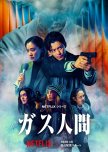
The Villain I Wasn’t Ready to Feel Sorry For....
I had already set a reminder to watch this series as soon as it came out, but when it finally premiered, I still hadn’t finished the series I was currently watching. So, of course, I had to marathon that one just so I could start this one sooner 😂 Thankfully, it was worth the effort. The first few episodes took their time building the mystery, but the strange idea of a man who can transform into gas and commit murders on live television immediately caught my attention. It felt dark, unsettling, and different from the usual crime thrillers I have watched.What impressed me the most was how the series slowly turned its villain into such a tragic and emotionally complicated character. It never tried to justify his actions, but it made me understand how pain, exploitation, and a corrupt system shaped him into the person he became. Uta Uchida was especially impressive as the Human Vapor. I honestly could not believe this was his acting debut because his screen presence was so strong, even when he barely spoke. Shun Oguri and Yu Aoi were also amazing, and the emotional connection between the characters gave the story much more depth than I expected. The visual effects were surprisingly realistic, and the background music made every tense or emotional scene hit even harder. Also, Ellie, My Love is definitely going into my playlist now.
The pacing did feel a little slow in the middle, and I think the story could have been told more tightly in fewer episodes. Some parts also left me wanting clearer explanations, especially about the secret organization and what they were actually trying to accomplish. Still, once the tension picked up, I became completely invested in the mystery and the characters. Overall, this was a pleasant surprise. Dark, emotional, visually impressive, and much more heartbreaking than I expected.
Esta resenha foi útil para você?
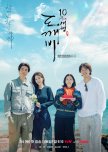
Guardian: The Lonely and Great God 10th Anniversary
1 pessoas acharam esta resenha útil
Gong Yoo deserved more respect
I have finished watching this show. In comparison to the Coffee Prince reunion where the cast members and production obviously know how to respect the veteran, this Goblin one showed how rude some of the cast members are and the way they edited Gong Yoo in this show. Kim Goeun in particular makes fun of Gong Yoo a lot and bosses him around when the opportunity arises. Gong Yoo is the protagonist of the show. He deserves more praise for his hardwork. Heck, he rested for two years after this drama and he was the only one out of the cast members who actually won a prestigious award for his role as Kim Shin.Esta resenha foi útil para você?
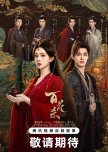
She was already dangerous before she died.
Zoey Meng is back in another leading role in a series named Blossoms. Coincidence? I think not. At this point, she's the Queen of Blossom dramas in my books.The series has only just begun, but I'm already overly optimistic and hoping it lives up to its promising start.
The premise itself isn't new: a woman's clan is massacred, she dies, and is given another chance at life. What immediately caught my attention, however, was the character reversal.
Rebirth dramas often begin with a kind-hearted, naive heroine who returns determined to seek revenge. Here, it's the complete opposite. The woman who dies is already calm, composed, intelligent, and calculating. She deliberately uses her own death as part of a larger plan to avenge those she loves. The person she later inhabits, on the other hand, is the innocent and sheltered one. It's a refreshing twist that I haven't come across in the dramas I've watched so far.
Zoey Meng does complete justice to the role. She portrays a woman who is cold, calculating, and remarkably composed, with an uncanny ability to read people and anticipate their motives and actions several steps ahead.
What I'm most curious about is why she was brought back. Who gave her this second chance, and for what purpose? That's the mystery I'm most eager to see unfold.
The romance has also been handled surprisingly well in these opening episodes. Although the Crown Prince is clearly and hopelessly in love with her, he doesn't allow those feelings to cloud his judgment or distract him from his responsibilities. He steps in only when absolutely necessary, making him feel calm and dependable rather than obsessive. He Yu has captured that balance beautifully so far.
The other character who has piqued my interest is the Fifth Prince, Xiao Changqing. On the surface, he appears to be a man devoted to his departed wife, but I don't think it's that straightforward. The series has already hinted that he is ambitious, meticulous, and decisive. I have a feeling there's a much larger scheme unfolding around him, and I'm looking forward to discovering where his story leads.
Esta resenha foi útil para você?


