

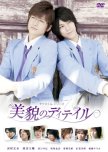
Takumi-kun Series 3: The Beauty of Detail
0 people found this review helpful
This review may contain spoilers
The Japanese series continues with the third film, where the first clouds form between the Takumi - Gii duo. But I still confirm that this series is not for everyone and requires an open mind and that the rules set in the first part are followed here. It is still a fragile Japanese product, where the processing and sound (music) were nice, the reviewer in front of me is apparently deaf and the main motto is love between two boys. But ... in addition to the shonen-ai motifs from this third volume to the last, there is already a yaoi motif, albeit to a limited extent ...In the third year of school, Takumi is no longer accommodated with his love Gia. After returning from the US, he has changed, including his appearance, and is appointed the head of the student dormitory on the third floor. Gii becomes cold towards others, but also towards Takumi, He even suggests that they stop seeing each other for a while. Takumi's contact phobia is back in full force...
Japonská série pokračuje třetím filmem, kde vznikají mezi duem Takumi - Gii první mráčky. Stále ale potvrzuji, že tato série není pro každého a vyžaduje otevřenou mysl a že se zde dodržují pravidla nastavená v prvním díle. Pořád se jedná o křehký japonský produkt, kde bylo pěkné zpracování i zvuk (hudba), recenzent přede mnou je zřejmě hluchý a hlavním mottem je láska mezi dvěma chlapci. Ale ... kromě motivů šónen-ai od tohoto třetího dílu až do posledního je zde už i motiv yaoi, i když v omezené míře ...
Ve třetím ročníku školy již není ubytován Takumi se svou láskou Gii. Ten po návratu z USA se změnil, včetně vzhledu a je jmenován šéfem studentské koleje ve třetím patře. Gii se stává chladným k ostatním, ale i k Takumi-mu, Dokonce mu navrhuje, aby se přestali na čas vídat. Takumiho kontaktní fobie znovu nastupuje v plné síle ...
Was this review helpful to you?
Čtvrtý díl Takumi-kun nijak nesklouzl dle mého názoru s kvalitou dolů, i když nejvíce času věnuje dvojici Misu -Shingyouji. Stále citlivě a japonsky tradičně popisuje příběhy chlapců na chlapecké škole Shidou, vlastně jsme v uzavřeném "okruhu", kde nevystupuje žádná dívka. Herecky velmi solidní a musím ocenit, že tentokráte pusinky Misu-Shingyouji jsou šťavnaté a plné.
Was this review helpful to you?
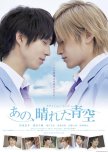
Takumi-kun Series 5: That, Sunny Blue Sky
0 people found this review helpful
When I was preparing for this series, I wanted to read the reviews to prepare a little for the series. The only reviewer covered all five volumes but they gave me nothing at all, they are totally about nothing, to rate why he gave the sound sometimes 2 sometimes 3, they do not express themselves at all and the Japanese style of yaoi and shonen-ai manga that was made for a Japanese audience and not for a few scumbags from Central Europe, messing with fairy tales.
Závěrečný díl této japonské série si myslím, že po herecké stránce byl nejsolidnější, rovněž příběh hlavní postavy už tolik nesvazoval. Hudba byla jako vždy dobrá a použita citlivě tam, kde měla být. Jen drobnost - tvůrci nenaučili Takumiho ani nejzákladnější věc, jak tahat správně smyčec po strunách, když "hrál na housle", ale je to nepodstatná drobnost. V tomto posledním díle už převažují jasně prvky yaoi (ale jen decentně) nad šónen-ai. Nevím proč po prvním díle tvůrci sáhli po změně hereckého obsazení obou hlavních hrdinů, mě se naopak představitel Gii-a z prvního dílu líbil herecky i vzhledem daleko více.
Když jsem se chystal na tuto sérii, tak jsem si chtěl přečíst recenze, abych se na sérii trošku připravil. Jediný recenzent se věnoval všem pěti dílům, ale nedaly mi vůbec nic, jsou totálně o ničem, k hodnocení, proč dal za zvuk někdy 2 někdy 3, se nevyjadřují vůbec a japonský styl yaoi a šónen-ai mang, který byl vyroben pro japonské publikum a ne pro pár zabedněnců ze střední Evropy, si plete s pohádkami.
Was this review helpful to you?
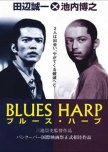
Já nejsem úplně divák Miikeho filmů, neboť je to trošku mimo můj vkus. Nicméně i přesto jsem poznal, že to určitě není béčkový film a času za zhlédnutí nelituji, takže doporučení jednoho recenzenta zde jsem vůbec nebral v potaz. U příběhu malinko snižuji hodnocení, neboť střílečky, mlácení a zabíjení já nemusím a též za gay složku, která sem tam prosvitla, ale byla mizivá. Ostatní aspekty byly solidní, rozhodně se mi moc líbily obě hlavní postavy a jejich herecké ztvárnění, celkově mi vychází solidní průměr.
Was this review helpful to you?
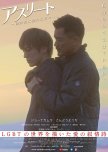
Kaido Kohei, bývalý závodní plavec (ve skutečnosti herec Nakamura Joe, který ve svých 45 letech vypadá naprosto dokonale) žije běžný život se svou ženou a dcerou až do doby, kdy dcera má promovat a manželka se rozhodla se s ním rozvést. Kaido se setkává s Yutakou, mladíkem, u kterého začne přechodně bydlet. Setkávají se zde dva světy vysloužilého postaršího plavce, žijícího doposud poklidným hetero životem a mladého gaye, který chce žít podle svého. Pěkně zahráno, příběh pro mě malinko skřípěl v tom, jak ti dva naprosto odlišní lidé k sobě stále hledali cestu, zpracování bezva a těm, kterým nevadí japonské filmy, mohu jen doporučit....
Was this review helpful to you?
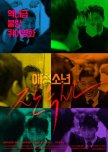
Film mi úplně nesedl, nebyl dle mého gusta, cítil jsem při sledování jakousi mírnou prázdnotu, i když popisuje tři období homofobního Young-Taeka. Střední školu a první setkání s mladým studentem, který šukal s jeho otcem, potom vysokou školu a jeho gay seniora, který byl do něj "udělaný" a vojnu, kde ho chtěl přeříznout jeho bisexulání seržant. Snímek chtěl ukázat, jak se dokáže částečně homofob změnit a začít alespoň trošku tolerovat sexulání menšiny a za to si ho cením. Ale jakým způsobem to tvůrci předvedli, je pro mě jen akorátním průměrem.
Was this review helpful to you?
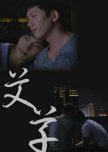
But the film is not only about a gay son, as written in the Details about the film. It is a psychological probe into a multi-generational and incomplete Taiwanese family headed by mother Ai-Tsao. She must gradually cope not only with the growing suspicion that her son is gay and with a greedy mother (grandmother, very well played) who pays attention to the social "conventions" of Taiwanese society in the first decade of the twenty-first century, but also with her daughter, who returns from studies abroad and, as a single mother, brings home a black girl (whom she conceived while studying with a dark-skinned man, with whom she then did not agree on living together). In fact, even the mother herself (Ai-Tsao) did not live a conventional life. Maybe someone will find the story slow and long-winded, but it didn't seem like that to me, and on the contrary, it nicely conveyed the not-so-simple fates of several characters through film.
Was this review helpful to you?

So goodbye, Julio and Ligayo (the actors of the main characters are still alive today).
"Nejlepší filipínský film všech dob". Tak to už dle mě dávno neplatí. Ano, mohu jej zařadit mezi ty lepší filmy této země, tolik v minulosti zkoušené nesmírnou chudobou, kterou už zaseli tehdejší španělští kolonizátoři a dokonali Američané. Na druhé straně ale tento stát je jediným ostrovem křesťanství v moři buddhismu, taoismu a z jihu se ne něj valícího islámu, mnozí obyvatelé mají ve svých jménech slovní části a nebo celá slova španělská a mluví úplně jinak, než okolní země včetně toho, že druhým jazykem po filipínštině a tagalogštině je filipínská angličtina. Film mi dal hodně, ale už se na něm projevil zub času. Nejvíce si vážím zprostředkování tehdejší doby, chudoby, nedostatku práva a zločinnosti, solidních hereckých výkonů. Příběh také není špatný. Horší je to se samotným pocitem, vnímáním celého příběhu, neboť jsem měl k dispozici jen velmi špatnou kopii, jinak by byl jistě daleko hlubší.
Tak sbohem, Julio a Ligayo (herci hlavních postav dodnes žijí).
Was this review helpful to you?

The acting is solid, the Asian theatricality in the norm and the already very familiar Pinoy style of processing for me. I originally wanted to give a six for the music, but in the end I gave it a point more when the film's songs are played at the end of the film, especially the tender Akala ko ay ako - Ford Valencia.
Novotou vonící filipínský film o osudu dvou mladých mužů Gene-ho a Marka mě zaujal a také rozesmutnil. Škoda, že je konec takový, jaký je, protože může navozovat u většinové společnosti dojem, že tak by to u dvou gayů mělo být ...(?).
Herecké výkony solidní, asijská teatrálnost v normě a pro mě již velmi známý styl pinoy zpracování. U hudby jsem původně chtěl dát šestku, ale nakonec o bodík více, když na konci filmu jsou uvedeny filmové písně, především něžná Akala ko ay ako - Ford Valencia.
Was this review helpful to you?
Was this review helpful to you?
 1
1Languid Countryside Friendship
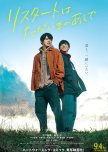
Cute and simple, but it used clichéd short-cuts to tell the story and was ultimately not that memorable. I didn't feel like I wasted my time on this, and it did bring a gentle smile to my face, but I won't watch it again. You might enjoy it if you're in the mood for something gentle, innocent, straightforward, sometimes cute, and with a focus on parental figures and finding purpose.The acting was decent but the actors weren't given that much to work with. Most characters are pretty 1-dimensional. We learn more about Yamato by what other people say about him in exposition than anything else. That's telling and not showing a story, so it's hard to feel emotionally engaged with it. The main character, Mitsuomi, fairs a bit better because the story follows him, but his character arc is, sadly, very predictable with nothing new.
The pacing is languid, which suits the characterization of the countryside vs the city, but the end wraps up so quickly that there's a noticeable imbalance in the arc of the story, character, and relationship progression. The soft cinematography with naturescapes as cut scenes suits the mood, but I can easily see why some people find this movie too slow.
The lead actors are able to convey a basic, growing friendship with unexpected curiosity for more, but the screenplay gives them very little beyond that. The character interactions are written simply so there's not much depth to their self-discovery and not much sense of romance.
Using instrumental British Isle folk songs (like The Water Is Wide) for the background music was an interesting choice. It goes with the countryside theme, but it felt odd to me. Probably because my mind could'nt disassociate what I recognized from the culture it came from to let it blend fully with this Japanese story.
Was this review helpful to you?

definitely unexpected
Finding the right words to review this movie is a challenge. While doing homework with a friend, we casually chose it as background noise and ended up fully engaged. It defied my expectations; what seemed like a lighthearted romcom turned out to be surprisingly bold and humorous. Although some moments made me cringe, the overall humor and unexpected twists made it an enjoyable watch. It's like a more amusing, laid-back version of Fifty Shades of Grey in the romcom genre. Definitely worth a watch!Was this review helpful to you?

Unbelievably patriotic historical setting
Extremely good screenplay that covers the whole background story of the political situation within sports, plot is rich enough to highlight the hardships of getting into the marathon competition itself, pacing is smooth throughout the movie and the details are so precise that you could really feel the significant amount of pressure along with the journey of the team, more so for its patriotic reason. The buildup for the marathon race has amazing suspense with soundtrack that's thumpingly brilliant, and I've cried so many times watching it. The production value is simply too high for this movie.Was this review helpful to you?

Cozy & Cute
This was an adorable and amusing movie. I laughed a lot at Holland's character. Holland has the cutest and purest smile I've ever seen.This movie (and show I guess) had a cozy, low key, winter at the beach, feel. The script could've been stronger and the character connections as well.
The actors did a great job. The plot wasn't much on the excitement meter, but despite this and the minimal script, the story was still conveyed to us.
I wish it had been longer and more detailed, but it's worth a watch!
Was this review helpful to you?
Unfortunately, it was not up to expectations... boring
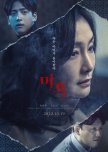
This South-Korean supernatural thriller is a surprising addition to the Tallinn Black Nights First Feature Competition. Directed by novelist and screenwriter Kim Jin-young as her feature debut, the film plays out like a formulaic thriller borrowing tropes from East Asian cinema as well as from Hollywood. Fast-paced to the point of being unable to deliver any character depth, it twists and turns with energy, but loses control under the weight of its own relentless movement. It presents us with the muddied narrative of a mother’s guilt over the loss of her paraplegic son, Han-byul. The father, a Reverend in an unspecified Christian church, blames the mother for having fallen asleep while her four children (including Han-byul) were playing near a lake after a picnic. When she awoke, Han-byul’s wheel-chair was empty and his body was floating in the water. Was she fully asleep? Could it be that she willfully turned a deaf ear to her own child’s cries before death? After the child is buried, the Reverend is convinced that the mother’s sins will be pardoned if they adopt an orphan, as a good deed to repent. They soon start taking the steps necessary to adopt the visually-impaired Isaac, but, once formalities are over, the young child finds it difficult to settle in the Reverend’s house, finding the behaviour of the three other children especially inauspicious.The Other Child plays with an intriguing array of themes – the Christian faith in South-Korea, the guilt-complex of a mother after the loss of a paraplegic son, the ways in which religious texts can be interpreted by indoctrinated children. But the narrative never takes the leap necessary to explore any of these themes to any satisfactory level. It briskly glides over the surface of its best ideas, resulting in a film only interested in existing as a pure exercise in terror. It is regrettable, then, that the film should also fail from a purely stylistic standpoint. Indeed, its technical qualities are extremely shaky: the cinematography is glossed over with a lush filter which exaggerates all colours, removing all actions from reality. The visual effects sporadically appearing in the horror sequences are also of very poor quality. The story-telling is convoluted and unfocused, with characters appearing out of the blue to reveal vital plot elements, while our protagonists act in ways that seem to defy all existing motivations. The viewer struggles to navigate a world where all that is set up in the beginning turns into something else entirely.
The director Kim Jin-young should be praised for her work with the young child actors who all deliver very accomplished performances, especially given the faults of the screenplay. While the cinematography suffers in general from looking too inauthentic, the scenes at the lake are especially well-photographed, giving the film its only memorable images. These scenes also present us with a gorgeous selection of costumes worn by the three children, who look particularly eerie when singing near the blue backdrop of the lake. These shots will stay firmly fixed onto the viewers’ retina. It is unfortunate that the quality shown during these scenes is not sustained throughout the rest of the film, for, overall, The Other Child is a very disappointing genre film, which brings together themes, characters and events that seem to constantly elude its grasp.
Was this review helpful to you?


