

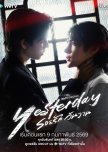
Ambitious, messy, and darker than expected
It genuinely tries to do something different from the usual BL formula. From the beginning, the story feels heavier, more emotionally unstable, almost uncomfortable at times, and that darker tone is probably what kept me invested even when the execution started falling apart.The dynamic between Veir and Kelvin carries the entire drama, their chemistry is intense in a way that constantly keeps you on edge, especially because their relationship often feels more rooted in obsession, dependency, and emotional damage than actual romance. Kelvin in particular stands out because there’s something deeply unsettling about him, but also strangely compelling. At the same time, the series struggles a lot with its structure.
The constant jumps between timelines make the emotional progression feel fragmented, and there were moments where I understood what the story wanted me to feel without actually feeling it myself. As the plot expands into family conflicts and power struggles, it sometimes loses focus on the emotional core, and some developments feel rushed or underexplained. There’s clearly a strong idea underneath everything, especially in how it approaches trauma and dysfunctional relationships, but I couldn’t stop thinking about how much better it could have been with tighter writing and more consistent pacing.
Even with all its flaws, though, it’s still the kind of drama that leaves an impression because of how bold and emotionally chaotic it chooses to be
¿Te ha parecido útil esta reseña?
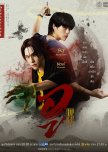
WU Is Great
It was exactly what I needed 🙏🏻 The cast and acting were amazing, the cinematography was stunning, and the CGI was on point. The soundtrack fit every scene perfectly, and the color grading made everything even more beautiful. The story was incredibly interesting and immersive , it kept me hooked the whole time.¿Te ha parecido útil esta reseña?
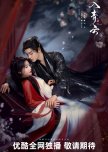
This review may contain spoilers
plot twist that I never expected ....
I just have to say, "Love in the Epic Clouds" really surprised me in the end. At first, the drama didn’t feel like much, those first 10 episodes were kind of slow, and I thought it was going to be just another simple romance. But wow, the last 15 or 20 episodes completely turned it around. The story got so rich, and the emotional weight just grew and grew. I'm definitelyI loved the main characters, JBZ and MY/MX they both might have annoyed some people in terms of lying but they had their reasons and I cannot blame the writer for making them do that. I read a lot of reviews saying how they felt the romance got last few episodes, but I beg to differ. I think the plot twists got so heavy that they had to slack off on the physical romantic side but the emotions and feelings between the characters never slowed down. I also think they got even stronger towards the end, and everything was well put. This is how every xianxia c-drama goes, the carefree playfulness reduces as the plot gets heavier and characters mature that is why people felt sad but I think this is what keeps people hooked to watch dramas and sometimes even learn from these.
STL/CY was definitely a cute guy but I could anticipate that he would be the antagonist later in the end of the drama, I just couldn't figure out how. Even though he was very pathetic, the entire ride was so worth it. I get why he would do that, but at the same time he should have stopped the obsession, because all he ever truly wanted was freedom and recognition. He should have moved on with the idea that even if 1000 people are against me there is 1 person who believes I can do it. But he took this sentence in the wrong idea, and brought his own demise.
I knew MQB wouldn't last the entire drama, but 2 antagonist was quite a lot and could have reduced on that matter. Thats where many people thought was boring, but regardless they somehow managed to pull the another 2 plot twists towards the end.
What kept me hooked was that they didn’t give everything away early; the character backstories unfolded bit by bit, and I was really left wondering until the end. Honestly, I wish they had trimmed some of the side plots; it felt like a few episodes dragged, and maybe we could’ve had a bit more background early on.
Still, ESQ was my ABSOLUTE FAVORITE. he was such a cute cat and even when he was sidelined, I knew he’d come back. And Master She, was a blast, his humor kept me smiling the whole time. All the side characters were really sweet, especially TJ. I'm happy she didn't act like another pathetic for JBZ which I realized later that she just wanted to protect Jixing Abyss and not hurt the people. I really love how they made her another honest and proud female character to stand on her own terms. Initially, I thought YX could be another hurdle, but no I think they dropped the idea mid way 😂. XM story was very annoying, I think that entire plot was useless and wasn't required. anyways, they progressed and moved on cause he was the most non-relevant character genuinely. they could have added something else and not dragged MQB part so much.
The whole drama’s humor was just perfect; it felt so real, never forced. And the visuals, WOW, the costumes, the scenes, the whole aesthetic, were just gorgeous. In the end,
If anyone is thinking to drop, I really recommend sticking with it, for me it turned into something really special. The dramas' last few episodes are worth watching especially if you are a mature drama watcher and don't complain on tiny things that actually helped the drama become better. I'm just glad I didn't drop it mid way
¿Te ha parecido útil esta reseña?
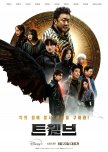
Mi aspettavo di meglio
Twelve è un drama coreano di otto episodi che è andato in onda nel 2025 sul canale KBS2.Prima di entrare nel vivo della recensione, vorrei aprire una parentesi su una questione, in parte un po’ polemica: la distribuzione italiana.
Questo progetto è approdato in molti Paesi sulla piattaforma Disney+, cosa che però non è avvenuta in Italia.
Se inizialmente, infatti, Disney+ Italia aveva dato largo spazio ai drama, alcuni anche con doppiaggio in italiano per la gioia di molti spettatori, nell’ultimo periodo questa politica si è drasticamente ridotta.
Non solo il doppiaggio italiano ormai è diventato un’utopia, ma vengono distribuiti solo i drama originali "Disney Star Original" e con alcune limitazioni: i drama coreani arrivano, ma non sappiamo quanto durano le licenze; i drama giapponesi non sono tutti; l’unica serie taiwanese giunta da noi è stata tolta e i thailandesi non sono mai arrivati in catalogo.
Sicuramente dietro a queste scelte ci saranno delle ragioni commerciali ben precise e studiate, ma è un vero peccato che venga ridimensionato un palinsesto che si stava dimostrando più che valido e promettente.
Tornando a Twelve, il drama aveva tutte le carte in regola per essere un piccolo gioiello.
La trama unisce ambientazioni moderne con leggende orientali: i protagonisti sono i dodici segni zodiacali dell’oroscopo cinese che, al giorno d’oggi, devono affrontare una nuova battaglia.
Un mix di attualità e fantasy, proprio come piace alla maggior parte dei drama addicted e che poteva risultare una miscela perfetta.
A rendere questo progetto ancora più appetibile vediamo nomi di attori importanti come Park Hyung-sik (Soundtrack #, Happiness, Strong Woman Do Bong Soon, Hwarang), Seo In-guk (Death’s Game, Hello Monster) e Na In-woo (Marry My Husband), solo per rammentare i primi che mi vengono in mente.
Tuttavia emergono fin da subito dei problemi e il primo che percepiamo è forse la mancanza di un tocco più intimo e delicato nella sceneggiatura; viene presentata una storia d'amore, ma non è spiegata al meglio, come non sono approfondite le vicende passate dei personaggi.
Per questo motivo, e per il fatto che la storia passata viene svelata in maniera lenta con pochi minuti per episodio, lo spettatore fatica ad affezionarsi ai protagonisti e ad enfatizzare con loro, finendo per rimanerne distaccato.
Sicuramente, se il drama avesse goduto di qualche episodio in più, la narrazione avrebbe respirato meglio, spiegando retroscena e dando più spessore a personaggi che sembrano un po' buttati lì, senza troppi approfondimenti.
Produttore, sceneggiatore e protagonista è Ma Dong-seok (Train to Busan, The Soul-Mate) e questo drama sembra, appunto, scritto e prodotto per enfatizzare le sue qualità.
Il talento di Ma Dong-seok è indiscutibile sia nelle scene d’azione come lottatore, sia come attore in generale, e proprio per questo non c’era bisogno di sottolinearlo ulteriormente.
Anzi, a mio avviso, riducendo le scene di combattimento (in cui comunque Ma Dong-seok è stato impeccabile, anzi, oserei dire fichissimo), la storia ne avrebbe beneficiato perché si sarebbe potuta sviluppare in modo migliore.
Questa eccessiva attenzione verso l’attore si riflette anche negli altri dettagli: i costumi e gli effetti speciali che ruotano intorno a lui sembrano più curati rispetto a quelli degli altri personaggi; alcuni abiti e alcune parrucche, soprattutto riguardanti la storia nel passato, davano l’impressione di essere più trascurati rispetto ai suoi.
Molto carina, invece, l’idea di far indossare ai personaggi degli abiti che riescono in qualche modo, per stoffa o per colore, a ricordare in maniera immediata l’animale dello zodiaco che interpretano: ad esempio Ma Dong-seok sfoggia spesso una tuta tigrata e Ko Kyu-pil indossa maglioncini color rosa maialino.
Non comprendo, infine, perché circondarsi di un cast stellare come questo se poi si riduce i loro ruoli a semplice spalle del protagonista.
Riprendendo i tre nomi menzionati sopra: Na In-woo è solo un ruolo di supporto che appare in pochi minuti all’interno del drama, tanto che la sua presenza si può considerare un cameo; Seo In-guk è quasi la spalla un po’ goffa del personaggio protagonista Tae-san, ruolo che gli riesce benissimo, ma ci aveva abituati a tutt’altro; Park Hyung-sik, infine, per metà del drama osserva la città dall’alto di un palazzo. A mio avviso, è un talento un po’ sprecato, anche se vederlo con i neri abiti di O-gwi, con tanto di mantello, piume da corvo e capelli lunghi, è un’immagine che non ha prezzo.
In conclusione, Twelve è un’occasione sprecata: la serie è godibile e si fa guardare, ma aveva tutte le carte in tavola per regalarci fuochi d’artificio, invece è stata solo una piccola fiammella.
¿Te ha parecido útil esta reseña?

Drama studiato nei minimi dettagli... e si vede!
Mesi ricchi per i fan di Takeru Sato: dopo l’uscita del film "Cells at Work" su Netflix e il drama "Sposa mio marito" su Prime, approda su Netflix anche la serie "Glass Heart".Tratto da una serie di light novel, il cui primo volume è uscito nel 1993, "Glass Heart" è un drama di dieci episodi fortemente voluto dall’attore, che ne è perfino co-produttore.
Takeru Sato, infatti, si è innamorato del romanzo non appena l’ha letto, al punto da desiderare di crearne un live-action. Ha rimandato, però, fino a quando non è stato sicuro di avere l’esperienza e le risorse necessarie per realizzare un adattamento che rendesse giustizia al cartaceo. Non solo, ha anche seguito personalmente le audizioni.
E gli sforzi si vedono tutti.
Non è facile spiegare il perché questo drama meriti di essere visto, la cosa migliore sarebbe guardarlo. Personalmente mi sono bastati cinque minuti per innamorarmene, per la precisione quando la protagonista, una giovane batterista che è stata appena buttata fuori dalla propria band, decide di mettersi a suonare la batteria, a piedi nudi, sotto un temporale, con le gocce di pioggia che danzano ogni volta che le bacchette toccano il rullante.
La poesia che troviamo in questo primo episodio non viene meno mai. Tutto è perfetto. Ogni fotogramma è studiato nei minimi particolari. E con “tutto” intendo proprio tutto.
La fotografia e le inquadrature sono particolarissime e cambiano a seconda se i personaggi sono sopra o al di fuori del palco.
Quest’ultime scene sono quasi intime con messe a fuoco inusuali, luci soffuse e colori tenui.
Le scene esplodono, invece, quando suona la musica grazie a composizioni dinamiche, cambi di prospettiva veloci, colori vividi, inquadrature a campo lungo sul pubblico e primi piani su strumenti musicali, tanto che sembra di star seguendo un vero e proprio video musicale.
Ogni volta sembra di assistere ad un concerto, e questo grazie alle tante accortezze avute.
Non solo sono state necessarie tantissime comparse, ma anche le canzoni sono state registrate dal vivo e non ri-doppiate in seguito.
Come ogni singolo suono, ogni rumore, ogni silenzio, ogni pausa ha un significato preciso all’interno dell’episodio, anche le canzoni non fungono solo da cornice della storia, ma ne diventano ogni volta parte integrante, creando uno scorcio da cui poter spiare nelle emozioni dei personaggi: le canzoni, coinvolgenti e bellissime, tanto da finire presto in ogni playlist, sono state realizzate grazie alla partecipazioni di artisti come Yojiro Noda dei RADWIMPS e Taka degli ONE OK ROCK.
La band TENBLANK, protagonista in "Glass Heart", ha debuttato davvero nel mondo reale: l’album è uscito il 31 luglio 2025 in versione digitale e il giorno successivo in versione fisica.
Per questo motivo, ma soprattutto per rendere le riprese del drama ancora più realistiche e non ricorrere a controfigure, gli attori protagonisti hanno investito oltre un anno per imparare a suonare realmente i propri strumenti.
Il cast è straordinario e ogni scelta perfetta.
L’attrice protagonista Yu Miyazaki è stata bravissima a dare equilibrio al suo personaggio, che risulta forte e determinato, ma anche fragile e sensibile al tempo stesso.
Takeru Sato, nei panni di Naoki, si è spogliato dell’immagine da bravo ragazzo con dolcevita a collo alto. Qui ha rivestito il ruolo di musicista bello e dannato (di cui ci aveva dato un assaggio nel live-action di "The liar and his love") con felpe oversize e cappellini sempre diversi, ma tutti invidiabili.
Keita Machida è Sho, il calmo e riflessivo chitarrista della band, per smettere di fumare ha spesso il plettro tra le labbra, cosa che unita ai capelli lunghi, lo rende estremamente affascinante.
Jun Shison interpreta il pianista Kazushi, personaggio molto sfaccettato che ha una bellissima crescita all’interno del drama: da personaggio quasi secondario, diventa un punto cardine nella band, come, del resto, desiderava Naoki.
Tutti gli attori sono stati estremamente versatili, ma chi spicca di più in assoluto è sicuramente Masaki Suda nel ruolo del frontman Toya della band rivale, gli OVER CHROME. È impressionante come questo ragazzo ogni volta riesca a interpretare e fare suoi personaggi completamente diversi, e qui dà vita a un cantante ipnotico, folle e provocatorio.
Un po’ come il ritmo di questa serie, che risulta assolutamente coinvolgente, "Glass Heart" alterna momenti più introspettivi e silenziosi quando si focalizza sui personaggi, a scene intense e travolgenti quando sono presenti gli strumenti. Quest’alternanza fa in modo che la serie non risulti mai lenta, ma emozionante, anche nelle parti in cui si prende il tempo per raccontarci le retrospettive e il passato dei personaggi.
Nonostante la serie sia tratta da una storia pubblicata negli anni ‘90, questo drama risulta sorprendentemente attuale. Le difficoltà a cui vanno incontro idol e band per debuttare risultano essere molto contemporanee.
Le nuove tecnologie, come l’uso degli smartphone, sono amalgamate in maniera saggia all’interno della trama, non risultando mai troppo eccessive.
Eppure qualcosa che ci riporta indietro nel tempo è presente: non è niente di tangibile, resta quasi una sensazione, ma si capisce che questa storia non è nata ai tempi di oggi, portando con sé un fascino passato.
Anche la parte sentimentale è dosata bene, non diventando mai il cardine portante della storia, che resta sempre la musica, e lasciando spazio ad altri sentimenti: si ha modo di approfondire, infatti, tante e sfaccettate relazioni diverse da quelle amorose, dal rapporto tra fratelli, al legame che lega i membri di una band.
Del resto, la scena per me più emozionante riguarda proprio l’amicizia vera e forte che unisce i personaggi di Naoki e Sho.
"Glass Heart", in realtà, è questo, ma molto altro: è una serie imperdibile, soprattutto per chi ama il genere musicale, ma anche per chi vuole emozionarsi con una regia impeccabile, una sceneggiatura sorprendente e personaggi ben caratterizzati.
Ben lontano da avere qualche difetto, forse l’unico è proprio quello di finire troppo in fretta, tanto da desiderarne una seconda stagione o almeno la novel edita in Italia.
¿Te ha parecido útil esta reseña?
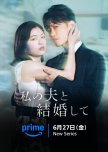
Watashi no Otto to Kekkon Shite
A 0 usuarios les ha parecido útil esta reseña
“Sposa mio marito” è una coproduzione tra Giappone e Corea con la sceneggiatura di Oshima Satomi e la regia di Ahn Gil-ho. Tratto dalla web novel originale, è stato però ribadito fin da subito la volontà di non voler creare un remake, ma una trasposizione adatta al pubblico giapponese.
Questo e il fatto che presenta numerose differenze rispetto alla trasposizione coreana fanno in modo che lo spettatore si possa godere entrambe le versioni senza annoiarsi e senza avere l’impressione di vedere una copia dell’altro.
Fin da subito il drama giapponese anticipa, grazie a dei flashback, alcuni dettagli che nella versione coreana vengono svelati piano piano, a storia già ingranata, fattore che incuriosisce maggiormente lo spettatore.
Inoltre l’ambientazione è ben curata: i protagonisti lavorano in un’azienda di prodotti alimentari tradizionali, ed è così che i due visitano magnifici locali e pasticcerie tradizionali, assaggiando dolcetti tipici dai colori bellissimi e dalle forme eleganti che fanno venire l’acquolina in bocca. Il tutto contornato da inquadrature e luci splendide.
Un tocco adorabile è stato il cambiamento dell’animale chiave della storia rispetto alla trasposizione coreana: da un tenero gatto rosso ad una piccola tartaruga, che nella cultura nipponica ha un grandissimo significato, soprattutto legato alla longevità della vita. Oltretutto è un simbolo ricorrente nel drama perché il padre di Misa donava spesso alla protagonista dei piccoli origami a forma di tartaruga; forse gesto ancora più poetico rispetto alla versione coreana, in cui il padre lasciava alla figlia la paghetta con un cuoricino disegnato sopra alla banconota, ma meno immediato, per cui Misa, protagonista giapponese, fa più fatica ad associarlo al papà rispetto a Ji-won, protagonista coreana.
Il drama giapponese apporta, sì, delle modifiche, ma con il fine di adattare la storia alla propria cultura e lasciando intatta (o quasi) la trama principale.
Sottolineo "quasi" perché un enorme cambiamento è stato fatto. Il drama giapponese è composto da 10 episodi da un’ora, fattore che mi aveva fatto ben sperare che questa versione riuscisse a trattare tutti gli argomenti in modo adeguato, ma senza inserire momenti morti o parti piatte; in realtà non viene presentato uno dei personaggi chiave della storia, ovvero, Yu-ra: fidanzata del protagonista, scelta ovviamente dal nonno senza consultare il diretto interessato, come per tutti i CEO che si rispettino, e che nell’originale è un personaggio chiave della storia.
Non mettendola in scena, si alleggerisce la trama da ulteriore drammaticità e cattiveria, ma ne semplifica anche le regole del viaggio nel tempo che qui vengono sintetizzate al massimo, rischiando così di non essere comprese appieno.
La mancanza di Yu-ra rende, oltretutto, un po’ scontata la parte finale, avendo un personaggio in meno su cui verte la ruota del destino; questo fattore è stato uno dei motivi per cui l’episodio numero nove è risultato pesante. Se si aggiunge il fatto che l’intera puntata sia incentrata sul genere thriller, senza interruzioni, si ha la sensazione che l’episodio duri molto di più, appesantendone la visione.
Si perde così un po’ la poesia che caratterizza questo drama, cosa che ritroveremo solo nella seconda parte del decimo episodio.
In generale, l’adattamento del 2025 ha reso la storia più “giapponese”, integrandola al contesto culturale.
Riuscire in un intento del genere non è mai semplice, poiché si rischia di snaturare la storia.
Sicuramente alcune scelte le ho apprezzate meno di altre: ad esempio, contrariamente alla versione coreana e al webtoon (le uniche opere per me accessibili), la protagonista giapponese, Misa, non scappa dall’ospedale ancora in pigiama per capire dove sono finiti i soldi che servivano per le sue cure, ma chiede un giorno di libera uscita per indagare sul cambio di destinatario dell’assicurazione la cui beneficiaria doveva essere sua nonna. Tralasciando il dettaglio sull'esistenza o meno di giorni di libera uscita per i ricoverati malati di cancro, questo è un cambiamento che può sembrare banale, ma la scena coreana di lei in pigiama alla ricerca di un taxi è diventata quasi iconica. Nel drama giapponese è come se la protagonista debba avere un comportamento più maturo e responsabile, quasi a voler sottolineare che, anche davanti alla malattia, non bisogna abbandonarsi ai propri istinti.
Anche l’atmosfera generale è, appunto, diversa: nella serie coreana, soprattutto nei primi episodi, si percepisce un forte senso di tensione, dovuto alla rabbia provata dalla protagonista.
Qui, invece, questa sensazione si attenua, regalandoci anche momenti di calma.
Misa, addirittura, arriva quasi a colpevolizzarsi per non aver capito prima i pensieri e i comportamenti della sua migliore amica, arrivando quasi a giustificarla e a chiederle perdono.
In definitiva, tutto risulta più delicato e intimistico.
Questo fattore non deve per forza essere letto come un difetto, anzi, quest’atmosfera risulta forse più consona ai drama giapponesi.
In conclusione “Sposa mio marito” è un drama adatto anche a chi ha già visto la versione coreana e, ora come ora, non ci sono davvero più scuse per non iniziarne la visione: proprio come il cugino coreano, dopo un primo periodo in cui era disponibile solo con i sottotitoli, ora è stato inserito anche il doppiaggio italiano!
¿Te ha parecido útil esta reseña?
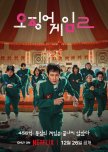
Squid Game 2: fra tante polemiche e hype, ecco la mia opinione!
Squid Game è sicuramente un drama che non ha bisogno di presentazioni visto il successo mondiale. Ma facciamo un passo indietro e ricordiamo dove eravamo rimasti.Nel finale della prima stagione, Gi-hun -con un’improbabile colore di capelli rosso acceso che, come dichiara il regista Hwang Dong-hyuk, è stato inspirato da Hanamichi Sakuragi, protagonista di Slam Dunk- è all’aeroporto in procinto di partire per andare a far visita a sua figlia.
Però qualcosa lo blocca: dall’altra parte dell’aeroporto vede lo stesso uomo misterioso, che lo ha reclutato in passato come giocatore, che sta sfidando nuovamente un passante a ddakji (il gioco con la carta ripiegata di colore rosso o blu) e decide di tornare indietro.
Ed è proprio così che si apre la seconda stagione, con un Gi-hun che non si è arreso e continua a cercare questo uomo misterioso che gioca a ddakji. Il suo intento? Tornare nell’isola e, una volta al suo interno, fermare il gioco.
Inutile dire che il protagonista riuscirà ad essere nuovamente un giocatore, sempre con il suo numero 456.
Qui incontra nuovi e interessanti giocatori, persone disperate che farebbero di tutto per riuscire a cambiare la situazione economica delle loro vite.
Se nella prima stagione, tuttavia, avevamo personaggi che potevano rispecchiare condizioni più generali, come ad esempio l’extra-comunitario che lavorava in nero o chi aveva perso tutto per scelte finanziarie sbagliate, in questa stagione ci vengono presentati dei giocatori che sono strettamente legati alla società coreana, come se il regista stesso volesse denunciare gli aspetti negativi del suo Paese.
Infatti, oltre a una variegata rappresentazione di diverse generazioni date, per esempio, dalla ragazza-madre incinta che sta rischiando il tutto per tutto per donare un futuro al nascituro, e dalla vecchia madre che scopre che anche suo figlio ha accettato di giocare per poter ripagare i loro debiti, vengono presentati Myung-gi (n. 333), Thanos (n. 230) e Hyun-ju (n. 120).
Myung-gi è un YouTuber che elargisce consigli riguardo a investimenti e criptovalute: una figura che, forse, a noi sembrerà un po’ strana, ma è largamente diffusa in Corea del Sud, dove in molti ascoltano vari YouTuber per i propri investimenti finanziari. Ovviamente le stime del numero 333 non erano molto appurate, altrimenti non sarebbe diventato un giocatore; anzi, nel gruppo ci sono persone che hanno seguito, con insuccesso, i suoi suggerimenti e che vorrebbero fargliela pagare.
Thanos è una delle figure più chiacchierate di questa seconda stagione: ormai tutti sappiamo che l’attore stesso che lo ha interpretato, T.O.P., ha avuto una storia molto simile a quella presentata dal suo personaggio.
T.O.P., pseudonimo di Choi Seung-hyun, era il rapper di uno dei gruppi più famosi in Corea (e non solo), ovvero i "Big Bang". Dopo essere stato accusato di uso di sostanze stupefacenti, si era allontanato dai riflettori, almeno fino a Squid Game.
Thanos ha una storia simile: è un rapper che si è sciupato con la droga, tanto da dimenticarsi sul palco il testo di una sua canzone.
Un personaggio di cui, invece, non si è sentito parlare abbastanza è quello di Hyun-ju, transgender ed ex soldato delle forze speciali.
Premetto che sono rimasta colpita fin da subito dalla duttilità dell’attore che interpreta la numero 120, ovvero Park Sung-hoon, già conosciuto su Netflix per il ruolo di Jeon Jae-jun, infame antagonista nel drama The Glory.
Ma ciò che mi è rimasto più impresso è il fatto che anche la storia di Hyun-ju sembra ispirata da fatti di cronaca: nel 2020, Byun Hui-su, arruolata come uomo, si sottopose all’intervento di riassegnazione di genere; lei avrebbe voluto continuare la sua carriera militare, ma fu costretta a lasciare l’esercito portandola a compiere un gesto estremo.
Hyun-ju finisce sull’isola perché ha bisogno di fondi per completare la sua transizione; in più di un’occasione si dimostra più “uomo” e più coraggiosa di molti giocatori, come ad esempio del numero 388 che si vanta di far parte dei Marines. Si rivela anche la più empatica: è, infatti, l’unica che aiuta il nostro protagonista a finire il gioco Un, due, tre… Stella! proprio come aveva fatto Ali nella prima stagione. È nuovamente una minoranza sociale a salvare Gi-hun.
I parallelismi con la serie originale non finiscono qui, anche l’impostazione è più o meno la stessa, anche se in questa stagione sembra avere un’impronta più cruda.
I primi episodi sono sempre conoscitivi: viene presentata una società ben lontana dalla sfavillante Corea che siamo soliti vedere nei drama, con persone che vivono ai margini della società e il cui desiderio di guadagnare annebbia completamente il loro pensiero.
Se nella parte iniziale della prima stagione, però, i personaggi facevano avanti e indietro dall’isola, con un ritmo incalzante che aumentava sempre più la tensione, la seconda stagione ci presenta prima il mondo esterno per poi, solo successivamente, spostarsi nell’area di gioco con le sue scale colorate e le sue stanze bambinesche in cui si disputano giochi mortali.
Anche in questo nuovo round di giochi bisogna avere un occhio di riguardo per il giocatore 001: ormai sappiamo che dobbiamo diffidare di questo numero! Interpretato da Lee Byung-hun, mi ha fatto piacere vedere che questo attore abbia potuto dimostrare al mondo la sua bravura e versatilità, anche se mi dispiace che sia servito Squid Game per farlo conoscere a più spettatori possibili, considerando la mole di progetti a cui ha lavorato (molti suoi film, tra l’altro, sono arrivati anche doppiati in italiano anni fa).
L’ordine dei giochi sembra essere simile. In entrambe le stagioni si parte con Un, due, tre… Stella!
Si continua con un gioco di squadra, dove la collaborazione è importante: nella prima stagione (dopo i dalgona per la precisione) abbiamo il tiro alla fune, mentre nella seconda abbiamo il Pentathlon con cinque giochi coreani tipici dell’infanzia.
Seguono due giochi che vanno a scardinare l’idea di squadra che si è formata con il gioco precedente, lasciando inevitabilmente indietro qualcuno: le biglie e il corrispettivo del nostro Girotondo.
Quest’ultimo ci regala un’altra canzoncina che ci resterà in testa per giorni! Se dopo la visione della prima stagione continuavamo a ripetere Mugunghwa kkochi kkochi pideon nal (molto probabilmente pronunciandolo male), dopo aver visto il gioco del Mingle, canteremo per settimane Dunggeulge Dunggeulge (anche questo probabilmente pronunciandolo male).
Una differenza sostanziale fra le due serie, però, è evidente: nella seconda stagione ci viene presentata Kang No-eul, ex soldatessa nord coreana. Lei non è una giocatrice, bensì una guardia. Scopriamo, così, che anche dietro alle maschere e alle tute rosa ci sono persone che possono avere difficoltà economiche e che accettano questo ingaggio per svariati motivi. Lei si ritroverà nell’isola, faccia a faccia con una persona che lavorava nel suo stesso parco divertimenti: lui indosserà la tuta del giocatore numero 246, lei sarà la guardia 011.
Il personaggio, invece, che in questa stagione mi è piaciuto meno, è proprio quello a cui mi ero appassionata nella prima: il detective Hwang Jun-ho. Caratterizzato precedentemente da intuito e iniziativa, soprattutto nelle ultime puntate qui è apparso sottotono, non riuscendo a leggere situazioni che per lo spettatore risultano ovvie.
Nonostante questo, Squid Game 2 risulta essere un buon drama che riesce a mantenere la giusta dose di tensione fino alla fine.
Il regista Hwang Dong-hyuk, in questa seconda parte della storia, si concentra meno sui giochi all’interno dell’isola, ma ci regala una rappresentazione della società capitalista molto chiara: la competizione si fa sempre più grande e il divario fra ricchezza e povertà non diminuisce, anche perché i ricchi non vogliono che diminuisca, dopotutto, questo divario per loro risulta alquanto comodo.
Lui non dà risposte, non è il suo intento e lo ha sottolineato più volte. Vuole solamente rappresentare la società e spingere il pubblico a domandarsi se questo è proprio quello che vogliamo.
Ma forse un piccolo messaggio ce lo ha lanciato: Gi-hun continua ad affrontare i giochi a modo suo, aiutando il prossimo e avendo fiducia nelle persone.
¿Te ha parecido útil esta reseña?

chaotic, confusing, and somehow still entertaining?
For a mini drama, the story was actually more interesting than a lot of others in this format, at least it tried to do something with the mystery and the marriage setup instead of relying only on romance. But at the same time, the plot felt off almost the entire time, like things kept happening without enough buildup or explanation, and the drama just expected you to go along with it. The ending especially caught me off guard, not necessarily in a good or bad way, just very unexpected compared to the tone of the rest of the story. Honestly, modern Chinese short dramas never fail to leave me speechless somehow. If it’s not an absolutely insane storyline, then it’s the most random unfolding of events possible.¿Te ha parecido útil esta reseña?

Historia de amor en los años 70
A 1 usuarios les ha parecido útil esta reseña
What a delicious drama!!
What a delicious pleasure. When you have a good production and good actors, everything else is secondary. However, in this case, not only are the production and main leaders good, but also the screenplay, secondary characters, and music are good, resulting in a lovely drama.There is no need for extraordinary actions; only tiny, real, human moments to capture attention and show real love in probably one of the hardest moments in China’s history. Despite edulcorating the history, under the lines you can appreciate a subtle criticism of that period, which is very well received from the outside.
Overall, a delicious drama that I won’t get tired of watching and won’t get old over time. One of my favourite dramas, no doubt.
¿Te ha parecido útil esta reseña?
This review may contain spoilers
how do i do ?
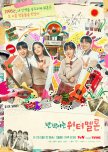
So, you're telling me it's over! You're telling me I'll never rediscover it? Please tell me I'll get over it in a week.This drama is what got me back into it. I was feeling a bit nostalgic, and it drew me in.
It was exactly what I needed to get back into the drama sphere, a cute and colorful interlude in my life.
The slice-of-life plus music group combo is so satisfying, as we saw with Hospital Playlist (let's talk about that drama, it was so, so good!). Honestly, I didn't expect to enjoy it so much, and you end up getting so attached to the characters.
Their little stories of relationship hiiii, oh my god, stop being so damn fucking cute!
I'd rather warn you, you get a little caught up in it too, you feel like you could make music yourself. It's inspiring, this group of friends making music together. Okay, so this is a really sweet series that's so easy to watch and makes even the rainiest days a little brighter. But don't be fooled by appearances; there are times when the rain doesn't just come from the sky.
But that makes the journey into the world of this drama even cooler.
Yes, as you can see, I'll always have this drama in my heart.
So colorful and cute! VIVA LA VIDA!
🎵I got a drama way over town that's good to me oh yeah🎵
now let me cry alone and found a new drama to forget that i'am sad
¿Te ha parecido útil esta reseña?
This review may contain spoilers
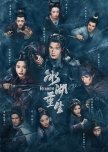
Rebirth? Try Re-Mess. 40 episodes. All watched. None forgiven.
I watched all forty episodes of Rebirth so you don't have to. You're welcome. Send help.I came in loyal. I left bewildered. Rebirth promised to be the sequel Princess Agents fans had been waiting years for and instead delivered something so baffling it felt like a different show that accidentally borrowed the character names.
Let's start with the obvious: zero chemistry between the leads. Zero. The male lead gave it his all genuinely, the man was doing his best but when the romantic tension between your leads could be measured in negative numbers, even great acting can't save the ship. They looked like polite colleagues at a costume gala, not two people the story expects you to root for across forty episodes.
And the female lead. Bless her, she tried. But the writing handed her a character so determined to make the worst possible decision at every single fork in the road that I found myself physically talking to my screen. No. No, don't go in there. Oh, she went in there. Irrational choices can work in drama when the emotion behind them makes sense here they just felt like the script needed to stretch another three episodes.
Speaking of which: the pacing. Choppy doesn't cover it. Episodes lurched between flashbacks and present-day scenes with the smooth flow of a trolley with three broken wheels. By episode fifteen I'd lost the thread entirely, and by episode thirty I'd accepted that the thread was never coming back. Whole subplots appeared, made ominous promises, and quietly dissolved into nothing. The "Princess" secondary character spent most of her screen time being relentlessly toxic fine if there's payoff, not fine when there isn't.
Imagine expecting a luxurious feast and getting handed a sandwich that's somehow also on fire and structurally unsound.
What did work? The two saving graces? The costumes and the acting. The wardrobe is historically accurate, regionally precise, genuinely good someone was clearly pouring their soul into every stitch while the writers freestyled on a deadline. And the cast? Doing God's work with catastrophically bad material. Both deserved a far better show to live in. The visuals and sets were beautiful. And the male lead, separated entirely from the romantic storyline, had moments of real magnetism. He deserved better material. The entire cast did.
The ending? Both leads die. We watched forty episodes of messy, incoherent plotting for a conclusion that can be summarised as "everyone loses." I respect a brave ending in principle. I do not respect this one, because the journey to get there made no sense either.
Verdict: Beautiful to look at. Painful to follow. Watch Princess Agents, read the novel, and let Rebirth remain in whatever ashes it chose to end in. It's right there in the title, really it burned itself down.
Was this review helpful? 👍 Maybe not for you but for me it was cathartic to write
¿Te ha parecido útil esta reseña?
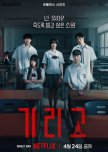
This review may contain spoilers
A free app that comes with a deadly cost
A drama revolving around themes common to growing-up teenagers: love, hate, drama, betrayal, and of course the involvement of social media and the immediate subsequences. Meanwhile, the app, called Girigo and initially only created for a school project, grants everyone a wish, but demands the users life within 24 hours. It captures the ambigious effect of the phone and its app's integrated into it. These serve as a quick satisfaction for its user but fades as quickly within its transcience existence as an entertaining reality. Consequently, the app articulates a warning message: to not indulge in short-term pleasure and hasty decisions. As such, the drama gets it quite right and loads the phone with the proper signifiers: realities shifted into social media, exposure through phones, swift fullfilment aided by apps. However, these seemingly positive aspects share the common consequences which engender hatred, violence and mobbing.From a narrative perspective, the app and the message it conveys are therefore entirely compelling. However, one key aspect that the drama simply overlooks is the world-building. The world feels cut off, and all the actions feel isolated. Generally speaking, the events seem to lack consistency and appropriate detail: were the school or the girls from the past not investigated, and has everything remained untouched between their suicide and the moment when the teenagers from the present solve the mystery? A huge leap on the part of the creators, in which the police, parents, school staff and people in general do not seem to act in accordance with the events happening around them and affecting them. Only the main characters take action, whilst the rest continue as if nothing has happened
¿Te ha parecido útil esta reseña?
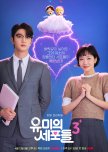
I was so excited for this!! How can someone in love being so calm?
First of all, I'm surprised by how Kim Goeun has chemistry with literally all of her co-stars. It's not something every actors can do. Had mentioned giggling and kicking my feet. I thought I was going to be disappointment because of Kim Jaewon and his stoic acting style but thankfully it didn't happen. He needs to improve ofcourse but this is his best performance so far in my opinion. Another cute kdrama into the world of romance kdramas to watch and I absolutely love it. I totally get why everyone went bonkers for this.¿Te ha parecido útil esta reseña?
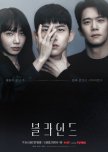
This review may contain spoilers
absolute masterpiece but can be quite annoying
i loved the whole series it had such great thriller it kept me on my toes the whole time, i literally watched this series from day till night to know how the plot unfolds. it was so frustrating to use my brain and think about who did whatwhen i was watching the series i thought of a lot of things i would say here like "this character was so annoying i could not stand them" "how did they think of this plot it makes no sense" "why did they add that part it has no explanation" but i like how everything was well explained in the end. still, idk if it is because i watched the whole series almost in one sitting or not but the ending did not satisfy me. the one thing that goes way against my morals is the antagonists killed people who had nothing wrong in their whole life. i can understand they were tortured and thus have a very sad past but still not an excuse.
good one i had more hopes cuz i saw huge hype or twt and mdl
¿Te ha parecido útil esta reseña?
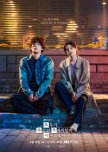
Art, Failure, and the Small Death of Other People’s Success
We Are All Trying Here is one of the best K-dramas I’ve seen in a long time. Not because it’s “important” or relentlessly realistic, but because it feels so alive and so aware of itself at the same time.The acting is incredible across the board, but especially Dong-man. It’s one of those performances where after a while it stops feeling like acting at all. He never drops character for even a second. There’s no visible effort, no actorly “look how damaged and chaotic I am” energy. He just completely inhabits the role. And considering how difficult the character is — funny, pathetic, intelligent, cruel, charismatic, self-deluding, deeply wounded — it would have been so easy to tip into caricature. But he never does. Dong-man always feels like a real person rather than a type.
The female lead is equally good. She feels fully real in herself rather than just existing to soften or redeem him. Even small reactions and silences in this drama feel inhabited.
It’s also beautifully shot, but in a very self-aware way. The drama constantly points at cinematic language while using it — the strident guitar cue, the “heroine takes control of her life” moment, the artistic suffering, the dramatic framing — and then fully commits to it anyway. It almost feels like a drama about dramas sometimes, or filmmaking talking about filmmaking while it’s happening. It absolutely knows how good it is.
Normally that kind of thing would annoy me or create distance, but here it somehow works because the self-awareness becomes part of the pleasure. We’re engaged rather than fully immersed. The drama stands slightly outside itself, watching itself perform, while still managing to move me emotionally.
Some people will probably call it bleak because the themes are harsh: abandonment, suicide, alienation, shame, failure, loneliness. But it never feels completely heavy to me. Partly because of the humour, partly because of the self-awareness, but mostly because there’s something fundamentally redemptive underneath it all.
There are really two redemptive movements happening throughout the story. One is potential slowly ripening — potential in talent, creativity, relationships, forgiveness, growth. The drama is very interested in the possibility that people can still become more than the worst thing they’ve done or the life they currently seem trapped inside.
The other is recognition. People slowly start understanding themselves more clearly. Motivations get named. Defences get exposed. Characters are constantly acting and reflecting at the same time. The drama understands how much cruelty comes from fear, humiliation and hurt rather than simple evil. People become monstrous one moment and deeply sympathetic the next.
It’s also one of the sharpest portrayals of jealousy I’ve seen. Not cartoon jealousy, but the painful ordinary kind — the small part of us that wants our friends to succeed, but not quite more than us. The film industry becomes a perfect setting for this because success is so unstable and comparative. People love each other, admire each other, resent each other and compete with each other all at once.
That’s probably what I find most moving about it. Nobody is flattened into hero or villain. Everyone is trying, failing, hurting each other, performing versions of themselves, wanting to be seen, and still reaching toward connection anyway.
¿Te ha parecido útil esta reseña?


