

Sweet but average
This will be one of my short reviews. I realize that it's a waste of time to try to give all the reasons I didn't like something, so I prefer to focus on what I like and write long reviews for the dramas I loved. So from now on anything that gets less than a 7 gets a short review.The tory has been done a million times but I still love that kind of story so I stared with enthusiasm. I loved the FL especially in high school, the actress did a great job. For some reason I didn't like that much later. No idea why, I just liked more her vibe in high school.
The problems isn't her, though. It's the ML. I don't have anything specific to blame him from other than I didn't find there was much chemistry between the leads and also he was too boring, too average. I get the shy thing, I'm the shyest person out there, but it's not something that attracts me in dramas. To be honest, I'm not sure if he played well the role or not. I guess he did, but at some point I stopped caring.
The plot itself was boring and after a while it was a struggle to get through. The main problem the lack of true romance. Everything was too calm, too proper, too mild. I wanted more life in their romance.
I liked the rest of the characters and I was happy to see everyone happy in the end. It just wasn't interesting enough and I expected more after the first few episodes. I still think the ML was the issue. He wasn't good enough to be the ML. He didn't match the FL.
Esta resenha foi útil para você?
BL Drama no Shuen ni Narimashita: Crank Up Hen
1 pessoas acharam esta resenha útil
Short funny and sweet
You can watch it on GagaOOLala: https://www.gagaoolala.com/en/videos/3919/i-became-the-main-role-of-a-bl-drama-2023-s01e01I rewatched it to refresh my memory before watching season 2 and wanted to say my opinion on it. It is not a bad series, but it isn't anything crazy. Just a funny short series to watch when you want something easy and good but nothing special.
Things I liked:
1. Humor. That is the biggest thing this series relies on, and honestly it is not bad and pretty enjoyable.
2. Soundtrack. I personally really liked it.
3. Side couple. While we haven't seen that much of them, I really liked them together.
Things I disliked:
There isn't necessarily anything that stood out to me.
Esta resenha foi útil para você?
Esta resenha foi útil para você?

"Chikan!!!" to Iwareta, Tanaka-san
0 pessoas acharam esta resenha útil
I don't think another vertical drama will top this
Watched on the FOD Short app with English subs!The title gave me pause, but I decided to do a trust fall after seeing the cast list, and I'm so glad I did! Out of the vertical dramas I've watched, this is the only one so far that felt like it actually understood how to make a *vertical drama* instead of trying to make a standard drama that happens to be vertical. The locked-room mystery/hostage situation-esque concept worked perfectly for the format by keeping everything contained and leaving enough intrigue to hook you into the story while not dragging things out to fill a run time. I appreciated that it didn't get too much into the weeds about the fantastical parts of the premise and instead focused on the fun back-and-forth between the characters, which again was bolstered by the vertical format because it allowed for close-ups with quick, snappy cuts to hold your attention.
The writing and the performances of the cast further elevated this from competent to great! The characters were distinct and lively, and the comedy actually made me laugh. I liked that everyone seemed to have a brain, even the sillier characters - the group harbored just the right amount of suspicion towards Tanaka, and Tanaka navigated his predicatment in a way that felt believable. The cast had nice chemistry, and I especially loved Hachimura Rintaro in his role. Even the slight romance, although pretty unrealistic, was surprisingly sweet. It might be too soon to say, but I think if I had to pick just one vertical drama to recommend to anyone, it would be this one.
Esta resenha foi útil para você?
Esta resenha pode conter spoilers
Un build-up de folie... pour ça ?
Avec "Notes from the Last Row", je dois avouer que je ne savais absolument pas dans quoi je m'embarquais... 😂 Mais je dois avouer que dès le premier épisode, Choi Hyun-wook m'a clairement captivée 🤩 !!! Lee Gang dégage une aura de fou, avec ce côté calme, mystérieux et impossible à cerner. Il ne fait pas grand-chose, mais tu sens immédiatement qu'il y a quelque chose derrière son regard. Clairement, lui comme Choi Min-sik m'ont vraiment convaincue 👍🏻J'ai aimé que le drama joue énormément sur les doutes. J'ai passé une bonne partie du visionnage à me poser 1000 questions... 😂 Lee Gang disait-il la vérité ?!? Était-il réellement un manipulateur ?!? Existait-il vraiment ?!? Est-ce que tout ça n'était finalement que le fruit de l'imagination de Mun Oh ?!? J'ai même commencé à me demander si notre écrivain n'était pas tombé dans une sorte de « folie littéraire ». J'ai adoré cette partie-là parce que le drama est arrivé à me faire douter de ce que je regardais et de ce qui était réel ou non...
Au finale... Lee Gang existe bien 😉 et on est finalement sur une "vengeance", ou plutôt une façon complètement tordue de remettre Mun Oh à sa place... Alors, j'ai compris sa motivation, avec leur première rencontre qui l'a profondément blessé et il a voulu retourner contre Mun Oh cette obsession qu'il avait pour les histoires... Mais malgré tout, j'ai trouvé son motif assez faible comparé à tout ce que Mun Oh avait perdu dans cette histoire. 😅 On parle quand même d'une machination qui va complètement bouleverser sa vie, sa carrière et ses relations... Du coup, même si je "comprends" le pourquoi, j'ai eu du mal à trouver la vengeance vraiment proportionnelle à ce qui s'était passé entre eux 🤷🏼♀️
Et c'est finalement là que j'ai eu ce petit goût de « tout ça pour ça ?!? »... 😬 Parce que le build-up était vraiment bon !!! Le drama lance plein de possibilités, il m'a fait imaginer mille scénarios, il installe aussi une ambiance psychologique vraiment intéressante... mais au moment d'apporter les réponses, j'ai trouvé que ce qu'il proposait était beaucoup plus simple que ce que toute cette construction me laissait espérer... 😮💨
Par contre, j'ai beaucoup aimé la dernière scène entre eux, parce qu'elle m'a fait comprendre que Mun Oh n'était pas réellement sorti de cette fascination... Après tout ce qu'il vient de vivre, il suffit que Kang lui propose une nouvelle histoire pour qu'il soit de nouveau intrigué 🫢 Et je trouve ça assez ironique, parce qu’il il pensait observer et exploiter l'élève assis au fond de la classe, mais au final, c'est lui qui est devenu le personnage de l'histoire de Kang... et l'explication de Kang concernant le pourquoi il s'assoit au dernier rang prend tout son sens 👍🏻
Au final, je ressors avec un avis assez partagé... J'ai vraiment apprécié les acteurs, l'ambiance, le côté psychologique et surtout cette capacité du drama à m'avoir fait douter de tout. Choi Hyun-wook m'a clairement impressionnée 😍 et pour moi c'est l'un des gros points forts du drama. Mais j'aurais aimé que le fond soit à la hauteur du build-up...
Bref, ce n'est pas un mauvais drama, il avait de très bonnes idées et une vraie identité, mais pour moi, il manque ce petit quelque chose dans la résolution pour que je puisse vraiment dire que j'ai adoré... ✌🏻
Esta resenha foi útil para você?
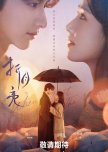
I am waiting for this drama for almost 2 years since it was anounced.
My expectations for this drama is sooo soooo high that i cannot tell.All i can say is that this drama is hooked me up since it released its first trailer. And its cast i meant wow man.
Obviously not just beacuse of its cast i plan to watch this drama but bcz of Lin yi and Lu yuxiao. I love their actibg so much. In the last couple of dramas. For example Love between the lines and top of that Love in the clouds both these dramas of Lu yuxiao were excellent and in both of them she performer and nailed it. And in this drama by looking at this trailer i can tell that chemistry between main leads is exceptionally great. And i am already shipping them.
I have also watched the other two dramas, i.e Hidden love and My one of the favourite drama in this trio shared universe The First Frost because of the shared universe is also one of the reasons that i am looking towards this drama. (人•͈ᴗ•͈)(◕ᴗ◕✿)(◕ᴗ◕✿)(◕ᴗ◕✿)(◕ᴗ◕✿)(◕ᴗ◕✿)(◕ᴗ◕✿)(◕ᴗ◕✿)(◕ᴗ◕✿)ʘ‿ʘʘ‿ʘʘ‿ʘʘ‿ʘʘ‿ʘʘ‿ʘʘ‿ʘʘ‿ʘʘ‿ʘʘ‿ʘʘ‿ʘʘ‿ʘʘ‿ʘʘ‿ʘʘ‿ʘʘ‿ʘʘ‿ʘʘ‿ʘʘ‿ʘʘ‿ʘʘ‿ʘʘ‿ʘ◌⑅⃝●♡⋆♡LOVE♡⋆♡●⑅⃝◌
Esta resenha foi útil para você?
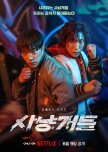
une plongée viscérale dans la violence
Je me suis enfin lancée dans cette serie dont on me parle depuis tellement longtemps, j’avais toujourd hésite, je ne sais pas pourquoi, et enfin … je découvre une tuerie absolue, parce que BLOODHOUNDS c’est un plongeon visceral dans la violence générée par la vengeance ! c’est avant tout un uppercut qui laissera groggy.Ce qui m’a scotché, c’est cette alchimie électrique entre Woo Do-hwan et Lee Sang-yi, d’autant plus que Lee sang yi, j’avais pas l’habitude de le voir dans C’e type de role, j’avais en mémoire HOMETOWN CHA CHA CHA 🤣🤣🤣.
Mais la, leur fraternité de ring, cette loyauté sans faille mêlée d’humour, transcende le simple buddy movie, on y croit, on vibre avec eux, on encaisse chaque coup à leurs côtés.
Mais quel bain de sang ???!!! La série n’épargne personne. Cette violence crue, cette pluie de personnages attachants fauchés en plein vol, laisse un goût amer et une tristesse réelle. On s’attache, ils meurent. C’est brutal, et pourtant ca reste prenant.
Le seul bémol au tableau selon moi, l’éviction scénaristique brutale de Kim Sae-ron, aussi brutale que les coups dans la série. Son personnage etzit tellement prometteur mais s’évapore sans explication, créant un vide et un déséquilibre visible en milieu de saison. Une disparition qui fragilise la narration, mais ne parvient heureusement pas à briser la beauté sauvage de cette fraternité.
Une série électrique, imparfaite, mais terriblement humaine.
Alors kiffez !
Esta resenha foi útil para você?
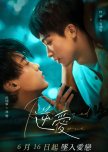
This is one of my favourite bl ever?
I gave this series a 10/10 because I truly believe it deserves it. Since it's a Chinese BL, I expected it to be good, but I watched every episode with a bit of fear in my heart, wondering if it might get cancelled. Thankfully, that didn't happen, and I'm so glad I got to enjoy the whole story. I highly recommend this series to anyone who's thinking about giving it a try. It's definitely worth watching!Esta resenha foi útil para você?
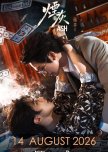
My first Hong Kong film
As someone who practically dried up the Chinese film industry of all good films to watch, watching my first Hong Kong -dialect film that I watched (which is also Chinese) was singularly one of the most uncomfortable and unusual experiences of my life, because the balance of the difference of the dialect to the similarity of the language kept messing with my head.That being said, Ash is my all-time favorite HK films so far.
My severe lack of trust in synopsis and trailers led me to watch this series completely blind, and it did not disappoint.
I am someone with very loose criteria for the relationship of the mls, and as long as there is no DVs, cheating etc. I am pretty ok. But I will admit, that the first episode may or may not have come pretty close to that border... But again, I am not here to tell you what to watch or what not to watch; you either trust the process or thoroughly ruin the movie being overly cautious.
...To each their own.
The thing that captivates me here is the sort of masculinity and dependence that both mls have (not that not having either is a bad thing...), and the lack of overly emotional arguments or scenes.
It just really messes with my head and makes me wonder if they are going to stay together or if its going to be some kind of revenge thing or something....
It's also the way that it defies practically every other norm of bls... There is kiss scenes in the FIRST EPISODE, there is arguments and fights and every other thing that bls are absolutely terrified of doing in the first scene.
I really thing the entire story of the first two episodes can be stretched out into the whole series itself if need be, and the directness of the film is very pleasing to an impatient like me.
So, watch it or not... It was good for me, but at the same time, I will not trust online movie reviews for anything, but you won't lose much trying it out (except maybe your sanity... ;) just kidding)
Esta resenha foi útil para você?
Emotional distance has quietly taken over his heart.
What I enjoyed most about *Ban Shu Lao Gong* wasn’t the usual romance of two people slowly falling in love. It was watching a husband who believed he understood exactly what his marriage was gradually discover that his wife had become far more important to him than he ever intended.The **male lead** is the character who made this drama interesting for me. In the beginning, he approaches his marriage almost like an arrangement with clearly defined boundaries. He is controlled, emotionally restrained, and very comfortable convincing himself that whatever attraction or attachment he feels toward his wife is simply part of being married.
Love, however, has a funny way of slipping past all those carefully constructed explanations.
Little by little, his actions begin contradicting what he tells himself.
He notices her more.
He becomes concerned about her feelings.
He reacts when she pulls away.
He becomes possessive and jealous without wanting to admit why.
And most importantly, he begins doing things for her not because she is simply **his wife**, but because somewhere along the way she has become **his person**.
That was my favorite part of his character. There isn't one magical moment where he suddenly announces, *“Oh, I'm in love.”* His feelings creep up on him. The audience can see what is happening long before he can.
The **female lead**, meanwhile, gives the relationship its emotional heart. She isn't merely there waiting for her husband to figure himself out. She has her own feelings, disappointments, expectations, and limits. Being married to someone physically present but emotionally difficult to read creates a loneliness of its own. She wants something genuine—not simply the title of wife or the responsibilities that come with marriage.
Their relationship becomes especially interesting when the emotional balance begins to shift. At first, he seems to have all the control because he believes he can keep feelings neatly separated from marriage and physical attraction. But the more emotionally independent she becomes, the more unsettled he becomes.
And the poor man still doesn't understand why. 😂
That's where the ML's character development really worked for me. He doesn't necessarily learn how to love because someone teaches him. **He learns by loving her.**
Protecting her becomes natural.
Missing her becomes natural.
Wanting her attention becomes natural.
Caring whether she's happy becomes natural.
Then eventually he has to face the uncomfortable truth: all those things he has been explaining away aren't obligation, habit, possessiveness, or simple attraction.
**He's in love with his wife. **
I also liked that the FL doesn't need some huge transformation to make him fall for her. He slowly begins seeing the value of the woman who was already beside him. The change happens within **him**.
That makes their romance much more satisfying.
For me, *Ban Shu Lao Gong* is less about watching two strangers fall in love and more about watching a man unknowingly build an emotional attachment to his own wife until one day there is nowhere left for him to hide from his feelings.
The funniest and sweetest part is that everyone—including the viewers—can practically see him falling...
**except him. **
And when a cold, controlled ML finally realizes that the woman he thought he could keep at an emotional distance has quietly taken over his heart?
Yeah. That's exactly the kind of character downfall I watch these short dramas for. 😂❤️
Esta resenha foi útil para você?
Esta resenha pode conter spoilers
The story follows Lin Zhixia, a genuinely gifted girl with an extraordinary IQ, and Jiang Yubai, her childhood friend and fellow top student. They meet during their school years and gradually become an important part of each other's lives, moving from classmates and friends to something deeper as they grow up. Their story follows them through school, university and the various obstacles that eventually force them apart before bringing them back together. Its biggest strength is actually how comfortable it feels to watch.
It's warm.
It's fluffy.
It's funny without trying too hard.
And sometimes that's exactly what I want from a drama.
Lin Zhixia was easily one of my favorite things about the drama.
I really liked having a female lead whose intelligence isn't simply there so the male lead can constantly rescue her. She's academically exceptional, extremely logical and often struggles with the social side of things because she doesn't always understand how other people think or why they behave the way they do. Sometimes she can be blunt, socially awkward and completely oblivious to things that seem obvious to everyone else. And honestly? Some of those moments were hilarious.
What I appreciated most was watching her learn things that can't be solved with intelligence.
Math is easy for Lin Zhixia. People? Not so much. Friendship, jealousy, romance, misunderstandings and emotional vulnerability are all things she has to learn through experience rather than simply figuring them out instantly.
And that made her growth much more interesting to me than another story about a flawless genius who is always ten steps ahead of everyone else.
Jiang Yubai is basically the perfect counterpart to Lin Zhixia.
He's intelligent too, but his personality is almost the opposite of hers. He's much more socially comfortable, outgoing and capable of navigating the complicated world of teenage friendships and relationships. Where Lin Zhixia struggles to understand people, Jiang Yubai seems to understand people naturally. That difference creates a really nice dynamic between them. They don't simply fall in love because the script says they're the male and female leads. They genuinely like each other as people first. There's friendship underneath the romance, and you can actually feel that history between them. They're comfortable together. They tease each other. They help each other. They compete. They get annoyed with each other.
And then, slowly, that friendship starts becoming something else.
This is a sweet, light-hearted coming-of-age romance. t's about growing up, figuring out friendships, learning how to communicate, falling in love and slowly becoming adults alongside someone who has known you since you were young.
And it does that pretty well. I loved the warm atmosphere, the playful interactions, the friendship between the leads and the fact that their romance develops naturally rather than being built entirely around dramatic misunderstandings.
Most importantly, I had fun watching it.
Esta resenha foi útil para você?

I Watched “Great Escape 6” for the Puzzles… and Nearly Died Laughing Instead ?
Let me start by saying: the production is INSANE. We’re talking movie-set quality—haunted sets that look real enough to get a mortgage, dark mazes that actually make me squint at my screen, and puzzles so clever I feel intellectually attacked. The set designers deserve a raise and a therapy session.But let’s be real—I’m not here for the riddles. I’m here for the jump scare Olympics, and Peng Yu Chang and Chen Zhe Yuan are taking home ALL the gold medals.
I don’t know what happened to these two in a past life, but when an NPC pops out, Peng Yu Chang doesn’t just scream—he ascends. His soul leaves his body, does a backflip, and takes 3 business days to return. The man folds like a lawn chair. He grabs onto ANYONE within arm’s reach like a koala on caffeine. And Chen Zhe Yuan? Oh, his eyes go wider than the production budget. He doesn’t run—he teleports backward. The sheer theatricality of their fear is Oscar-worthy. I rewound their reactions 47 times. My abs hurt from laughing.
And who do they cling to like terrified baby chicks? Bibi, our queen of calm. While these two are having an existential crisis in a dark corridor, Bibi is literally solving a 5-digit code with one hand and patting their heads with the other, looking mildly annoyed. She’s the human anxiety blanket. The brains. The brawn. The babysitter. I love her.
Then we have Wowkie Zhang—the self-proclaimed “big brother” who is absolutely, positively, 100% ALSO a scaredy cat. But bless his heart, he’s trying SO hard to be supportive. He’ll be shaking like a leaf, voice cracking, but still yelling “It’s okay! I’m here!” while hiding behind Bibi right next to Peng Yu Chang. True leadership.
And Xu Kai—oh, Xu Kai. You can see him mentally preparing: “I am brave. I am a warrior.” Then an NPC breathes, and his macho facade crumbles like a stale cookie. He flinches harder than a chihuahua in a thunderstorm. The effort is there, buddy. The results are not. And I am here for every second.
Bottom line: If you want intellectual stimulation, watch a documentary. If you want to see grown men in their prime get reduced to screaming puddles of jelly over a cardboard zombie, while a tiny genius girl rolls her eyes and solves a Rubik’s cube in the dark—THIS IS THE SHOW. 10/10. My soul has left my body from laughter. Please send help. And season 7. 🫣👻
Esta resenha foi útil para você?
 1
1 1
1Oltre il "dohyo": il lato scomodo del Sol Levante.
J-drama sportivo ambizioso nelle intenzioni ma essenziale nella forma, che parte da un'idea estremamente interessante: usare il sumo come lente attraverso cui osservare una fetta di Giappone lontanissima dall'immagine patinata, ordinata e tecnologica che ci viene abitualmente servita. Niente neon, niente metropoli-acquario notturne, niente quartieri impeccabili o estetica minimal-zen: invece un paese sporco, periferico, impoverito, fatto di case anguste e vissute, di persone marginalizzate, fallite, emarginate, che vengono inglobate da un sistema rigidissimo in cui disciplina, tradizione e violenza finiscono per confondersi. Le heya, i dormitori, gli spazi comuni, i locali e le strade non sembrano set costruiti per comunicare povertà: sembrano luoghi realmente abitati, consumati dal tempo e dalle persone. E la povertà, qui, non viene trasfigurata in una versione esotica del wabi-sabi, non diventa elegante o contemplativa: rimane povertà, con il suo degrado, il suo disagio, la sua mancanza di prospettive. Persino i personaggi sono abbrutiti dai problemi, e proprio questa assenza di idealizzazione è una delle cose più realistiche che abbia trovato fra i tanti drama visti finora.La stessa operazione di disincanto viene compiuta sul sumo, sport nazionale tanto radicato nella cultura nipponica da essere trattato quasi come una religione, con il dohyo come santuario. La serie non si limita a mostrare uomini enormi che si spingono fuori da un ring, ma prova a restituire la complessità di un universo regolato da rituali, gerarchie e tradizioni, dietro cui emergono però il nonnismo travestito da metodo di allenamento, la violenza gerarchica, l'abuso di potere, la misoginia, la subordinazione quasi assoluta dei più giovani ai superiori. Il rispetto per la tradizione può così ribaltarsi in legittimazione della brutalità, la disciplina in forma di controllo. Non tutto ciò che viene mostrato corrisponde alla quotidianità di ogni rikishi (wrestler) la serie concentra volutamente situazioni e personaggi estremi, ma alcune di quelle dinamiche hanno riscontri reali, e questo rende il quadro molto meno fantasioso di quanto potrebbe apparire a chi non conosce quel mondo.
È osservando questo mondo che la serie raggiunge i suoi momenti migliori, perché fa capire quanto sia semplicistico considerare i rikishi solo uomini obesi che si spingono sul dohyo. Sono atleti che arrivano a portare sul proprio corpo 100, 150, 200 kg, pagando un prezzo fisico enorme su ginocchia, anche, caviglie, articolazioni e la serie mostra proprio questo costo attraverso i corpi, gli infortuni, il logoramento. Eppure, galileanamente, quei corpi si muovono: corrono, saltano, si abbassano, resistono agli urti, frenano, spingono, affrontando allenamenti massacranti di 4 ore. La massa non elimina l'atletismo, lo rende semplicemente qualcosa di molto diverso da ciò che siamo abituati a vedere in altri sport. Particolarmente interessante è la resa dello shiko, lo squat ripetuto ossessivamente per rafforzare gli arti inferiori e sviluppare la capacità di spingere, frenare, arrestare con potenza l'avversario; così come il momento quasi sacrale che precede il combattimento, quando i rikishi entrano nel dohyo, vengono presentati come figure rituali e portano le mani a terra — gesto che dichiara la disponibilità a iniziare ed esclude la falsa partenza. Un dettaglio minimo che, nel contesto della serie, diventa affascinante perché trasmette rispetto e lealtà. Per chi segue il sumo reale è però evidente che i combattimenti in scena sono molto più scenografici, spettacolari e volutamente scorretti di quelli autentici, spesso rapidi, tecnici, quasi "tranquilli".
Più ci si addentra in questo mondo, più si percepisce la sua ritualità: una tradizione di circa 1500 anni, con una gerarchia rigidissima al cui vertice sta lo yokozuna, titolo che non indica semplicemente il "più forte" ma comporta un'aspettativa di reputazione, condotta e dignità adeguate al rango — e il fatto che nella storia del sumo solo 72 uomini l'abbiano raggiunto ne restituisce la rarità e il peso quasi sacrale. Per certi versi considero il sumo il padre putativo degli sport da combattimento, perché racchiude in forma antichissima gli elementi fondamentali del contatto: peso, equilibrio, spinta, resistenza, esplosività, tecnica, controllo dello spazio, capacità di sfruttare il corpo dell'avversario contro se stesso. Peccato che la serie dia moltissimo per scontato: usa una quantità enorme di termini tecnici senza spiegarli — alcuni deducibili dal contesto, altri no — e qui Netflix avrebbe potuto fare molto meglio, perché sarebbero bastate poche spiegazioni contestuali per permettere di comprenderne davvero la componente tecnica; così invece un prodotto capace di far conoscere il sumo al mondo rischia di restare, almeno in parte, un prodotto locale.
Il problema di Sanctuary è che quando esce dal dohyo e deve costruire i propri personaggi, perde solidità. Enno è un protagonista costruito secondo una formula quasi da manga sportivo, anche esteticamente ed espressivamente: aggressivo, arrogante, privo di disciplina, entra nel sumo quasi per necessità — riscattare il locale del padre perso per debiti — e scopre progressivamente un talento fuori dal comune. Funziona bene come motore narrativo immediato, soprattutto perché il suo atteggiamento irriverente collide con un ambiente fondato su gerarchia, disciplina, tradizione; il suo modo di combattere è deliberatamente provocatorio, scorretto, quasi anarchico, e questa componente crea una tensione efficace fra un pubblico che si diverte davanti alla sua imprevedibilità e un establishment che lo considera una minaccia da punire, piegare, estromettere e, sul finale, quasi distruggere. Funziona bene come protagonista, ma non viene sviluppato come personaggio psicologicamente complesso: la serie racconta il suo trauma senza svilupparlo davvero. Madre disturbata e sessualizzata, rapporto problematico con la povertà, senso di colpa ossessivo verso un padre vittima di un paese che non perdona gli errori — tutto questo dovrebbe costruire la sua identità, ma viene usato più per spiegare perché sia diventato quel che è che per mostrare il processo attraverso cui potrebbe cambiare.
Lo stesso problema riguarda Shizuuchi, probabilmente il personaggio col maggior potenziale drammatico,interpretato da un vero ex lottatore di sumo. Il contrasto fra la mole mostruosa e una tenerezza quasi infantile è efficace, e il passato progressivamente rivelato dà un senso diverso alla sua violenza; eppure anche qui la serie confonde la quantità di trauma con la profondità del personaggio. Shizuuchi ha una storia terribile, è capace di ferocia impressionante e insieme di una sensibilità disarmante — come quando resta incantato davanti a un ciliegio in fiore — ma avrei voluto vedere molto di più il processo attraverso cui queste due parti convivono in lui: la serie mi dice che è un uomo segnato, non sempre riesce a farmelo vivere. Vale anche per Ryuki, di cui vediamo solo alcuni momenti che suggeriscono il peso della pressione sulle sue spalle. Sanctuary sembra avere continuamente in mano materiale sufficiente per costruire figure tridimensionali, e scegliere invece di usarlo per produrre banale melodramma:la materia prima è spesso ottima ma la sceneggiatura non ha la pazienza di trasformarla in vera profondità psicologica.
Il caso più evidente è Kunishima. La giornalista avrebbe potuto essere più di una funzione narrativa perché rappresenta lo sguardo esterno sul mondo del sumo: una donna rabbiosa e anticonformista, danneggiata professionalmente da un trasferimento, che entra suo malgrado in un ambiente fortemente maschile e si scontra con gerarchia, sessismo, corruzione, frustrazioni proprie. Ma la serie non costruisce davvero il suo percorso: dopo appena 2 interazioni con Enno, per giunta poco significative, sembra improvvisamente "prendersi" di lui, e da quel momento il ragazzo diventa il centro della sua motivazione senza che la sceneggiatura si preoccupi di spiegare perché. Eppure lì si intravede un'idea interessante Kunishima sembra una persona emotivamente anestetizzata, appiattita nella propria vita, che attraverso Enno e la sua vitalità brutale ricomincia a provare qualcosa ma la serie suggerisce questa dinamica senza svilupparla, così quello che poteva essere un vero risveglio emotivo resta una funzione narrativa: lo sguardo esterno sul sumo, veicolo della componente giornalistica legata all'evoluzione della scuderia Hensho.
Altra debolezza: troppi temi per8episodi. Complotto giornalistico e istituzionale, JSA, sponsor, interessi economici, corruzione, minacce, pseudo-esorcismi, ricatti, scandali — sembrano a tratti appartenere a un secondo dramma mai integrato davvero con quello sportivo, che nella sua brevità e nel suo ritmo lento e descrittivo avrebbe già avuto materiale sufficiente per raccontare magnificamente il sistema del sumo, senza accumulare ulteriori livelli di complotto. Ancora più problematica è la rappresentazione femminile: la serie vuole mostrare la misoginia e la subordinazione delle donne in un mondo profondamente maschile, ma finisce talvolta per riprodurre gli stessi stereotipi che vorrebbe criticare. Nanami è la caricatura dell'arrivista sessualmente esibita e interessata al denaro; la madre di Enno è figura volutamente repulsiva e predatoria; la madre di Ryuki è vittima che arriva a usare il proprio corpo per proteggere il figlio, finendo ulteriormente umiliata; persino Kunishima, che avrebbe dovuto rappresentare autonomia professionale, viene progressivamente definita soprattutto dal proprio coinvolgimento emotivo. Resta una domanda amara: la serie sta mostrando donne che si sono adeguate al ruolo assegnato loro dagli uomini, oppure sta riproducendo, senza accorgersene, lo stesso sguardo che pretende di criticare? E queste donne sono diventate così per sopravvivere a quello "sguardo" o le trattano in quel modo perchè moralmente abiette e degradate.
Sul piano recitativo il giudizio è positivo, con riserve. Le preparazioni fisiche sono notevoli, e il corpo di Ichinose Wataru diventa parte integrante della costruzione di Enno e non semplice elemento estetico: l'attore ha preso circa 45 kg, una trasformazione enorme che contribuisce moltissimo alla credibilità del personaggio. Non sono però rimasta colpita dalla gamma espressiva del cast: non credo basti giustificarla dicendo che "la recitazione giapponese è così", mi sembra piuttosto una scelta di registro che in più momenti diventa limitante. Enno oscilla fra tre stati fondamentali — preoccupato, ferito, incazzato — e quando deve esprimere emozioni più complesse la variazione è dichiarata più che costruita per sfumature. Shizuuchi ha un contrasto più interessante, potendo passare dalla dolcezza alla violenza, ma lavora anche lui su una gamma relativamente ristretta; Ryuki, che inizialmente avevo trovato interessante, mi ha convinta sempre meno,funzionale al ruolo, ma privo della profondità che giustificherebbe un salto verso ruoli più importanti, e forse è per questo che resta relegato a parti secondarie in drama di basso livello.
La regia è l'aspetto più povero: narrativa, funzionale, minimalista. Dettagli, primi piani, campi larghi, qualche piano sequenza, e nei combattimenti l'insistenza su rallenty, slow motion, dettagli anatomici per restituire la fisicità del sumo — ma quasi mai la sensazione che una scena sia concepita attraverso un linguaggio visivo originale. Racconta, non interpreta: ottima per un docudrama, meno convincente per una serie che vorrebbe insieme sviluppare una storia complessa, parlare delle contraddizioni di un paese, inserire parentesi crime e thriller, costruire percorsi di formazione. La fotografia mi è sembrata più curata — coerente, concreta, capace di restituire la materialità di ambienti e corpi senza estetizzarla. Ed è qui che si vede quanto una grande regia possa cambiare la percezione di un'attrice: penso a Koyuki, indimenticabile ne "L'ultimo samurai" a oltre vent'anni di distanza, e il confronto mi ha fatto riflettere sul potere del cinema nel costruire un'immagine. Nel film di Edward Zwick appariva quasi sospesa, idealizzata, avvolta da una fotografia morbida che la rendeva, ai miei occhi, quasi una divinità; qui è una donna interessante, credibile, ordinaria, ripresa con sguardo molto meno estetizzante — non solo per i vent'anni trascorsi, ma a dimostrazione di come una regia altissima possa trasformare un'attrice in un'immagine memorabile, e una regia più asciutta e documentaristica rinunci del tutto a costruirle attorno quell'aura quasi mitica che il grande cinema sa creare. Stesso discorso per la musica, quasi assente per gran parte della serie e presente soprattutto nei momenti clou dei combattimenti, con percussioni e tamburi dal forte carattere rituale — forse taiko — ma troppo poco presente per diventare parte dell'identità della serie.
Eppure, nonostante tutte queste riserve, c'è un'altra cosa che Sanctuary racconta molto bene: l'assenza di empatia. Quando un rikishi viene massacrato non assistiamo a una vera esplosione di considerazione umana nei suoi confronti: i compagni lo deridono, quelli dell'altra scuderia approfittano della sua debolezza durante il keiko, e persino chi gli sta intorno sembra reagire più alle conseguenze sportive della sua condizione che alla sofferenza di un essere umano. È una scena orribile proprio perché mostra che il mondo è paese, e che certi concetti nipponici di empatia e di profondo sentire sono prescrizioni augurali più che realtà fattuali.
Poi mostra una condizione difficile da definire: Kunishima e l'oyakata sembrano persone appiattite nella propria esistenza, che hanno smesso di provare davvero qualcosa; Kunishima si risveglia attraverso Enno e il suo modo di combattere, l'oyakata dice "sento qualcosa", Shizuuchi, che per tutta la vita ha conosciuto soprattutto violenza e sopravvivenza, si ferma a guardare qualcosa di delicato e fragile come un ciliegio. Sono forse i momenti più belli della serie, perché suggeriscono che il vero tema non sia diventare più forti o conquistare il dohyo, ma tornare a sentire. E questo rende ancora più interessante la contraddizione di un Giappone che ama vendersi attraverso armonia, rispetto, educazione, ordine, attenzione all'altro, mostrato qui attraverso un ambiente in cui la forma del rispetto può convivere con una sostanziale incapacità di prendersi cura dell'individuo: si possono avere rituali impeccabili, gerarchie precise, inchini, disciplina e controllo del comportamento, e insieme non accorgersi che qualcuno davanti a te sta soffrendo. Una società apparentemente organizzata e regolata può essere, allo stesso tempo, emotivamente disumana, e alla fine il bisogno di tornare a sentire davvero.
Il risultato complessivo è quindi quello di una serie che non considero eccezionale dal punto di vista cinematografico, e che soprattutto non riesce a sviluppare i propri personaggi con la profondità che il materiale avrebbe consentito. È però una serie interessante, perché mostra un Giappone raramente rappresentato, con le sue contraddizioni, le sue crudezze, persino la sua difficoltà a riconoscere l'altro. Prende una tradizione sportiva apparentemente immutabile e ne mostra la violenza, il machismo, la dimensione economica, il prezzo fisico e umano, senza ridurre il sumo a una semplice storia di riscatto sportivo. Alla fine, purtroppo non ha investito nei suoi personaggi tant'è che mi ha intrigata più il mondo che ha mostrato dei personaggi che lo abitano; tuttavia quando una serie riesce a farti guardare uno sport che prima poteva sembrarti soltanto un gruppo di uomini enormi che si spingono dentro un ring, quando ti fa vedere quanto lavoro, dolore, disciplina, tecnica e tradizione esistano dietro quei corpi e, contemporaneamente, ti mostra le contraddizioni del sistema che li produce, allora qualcosa ha funzionato.
Esta resenha foi útil para você?
A masterclass in character writing...
I'm kind of at a loss for words...This was such an insanely superior drama, I can't believe people don't recommend it very often and it's not rated as highly as a lot of below-par romcoms on here.
I found the characters extremely well developed by the writers, which was truly so impressive and so above my expectations.
The written contrast between the ML and FL was so interesting to see, how one tends to avoid blame while the other takes on others' blame, and the way they circled each other and balanced those traits out and grew as people. Something about that felt so literary, it kind of reminded me of the character development you see in Jane Austen novels, but considering the fact that Wuthering Heights was referenced multiple times in this, I guess there was more Bronte to it than Austen.
The other interesting part is character X (who I will not name, to not spoil it for anyone)'s descent into madness. It was an absolute rollercoaster to see. That development felt SO natural and organic but so shocking at the same time, some scenes with X had me gasping at 5am and pausing to talk to the invisible cameras in my room.
This was an absolute 10/10 watch and I recommend it to anyone who appreciates excellent writing.
Esta resenha foi útil para você?
 1
1Minus color, plus menace
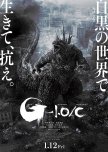
Godzilla Minus One/Minus Color was the same film as Godzilla Minus One yet different with the lack of color. Harkening back to the original in 1954, Gojira's appearance felt even more menacing. Watching him wreak havoc on Tokyo in B & W was reminiscent of OG Godzilla and more of a documentary feel for as everyone knows, people in the 1940s lived in black and white . For this film they not only removed the color but used a masking technique to make each frame have the quality of an artistic still photograph. It took my brain a while to process it. I'm used to watching old black and white films and the look of GMO/MC was different, clearer, with more depth. At first it was jarring as even the shadows were more defined and darker. So while it didn't have the same soft black and white appearance as the original it was an interesting new take on Minus One. If you enjoyed Minus One and the 1954 original, this version is definitely one to try.Below is my review for Godzilla Minus One from 2024:
When I saw the Toho logo my heart jumped with joy knowing Godzilla was back home where he belonged. In Godzilla Minus One he was no longer a comic character playing catch with a giant lobster or the King of the Kaiju restoring balance to the Earth. He was a destroyer and an indictment on humankind’s hubris and a reminder of the horrors of war. If Japan was at level zero after WWII, Gojira put them at minus one when he surfaced from the depths of the ocean with a terrible judgement.
Near the end of WWII, Shikishima Koichi is a kamikaze pilot who lands his plane on a small island held by the Japanese ostensibly for engine trouble. It’s not long before the mechanics realize he has run away from the fight. They don’t have long to berate him when they are attacked by a monster the locals call Gojira. When Shikishima freezes once again, he is labeled a coward by the only other survivor. Back home he is reviled by a sister for returning alive, as she blames the country’s problems on his failure. Koichi takes in a woman with an orphaned baby, unable to throw them out when Noriko makes herself at home. The war isn’t over for Koichi as he is paralyzed with regret, guilt and PTSD and unable to move on with his life. When Gojira heads for Japan, the pilot will have a second chance to redeem himself and his honor.
Godzilla Minus One succeeded in two areas. Firstly, they went back to Gojira’s mythology and his evolution from nuclear testing. Gojira was personification of the fear and memory of atomic weapons, something the people of Japan had suffered horrifically from. He was also a punishment for Japan’s militaristic era and the damage done to others and their own people. This monster claimed his territory with a fearsome rage. Capable of regenerating, modern weapons were all but useless against him. Secondly, for one of the first times since the original, there were compelling human characters with interesting stories seamlessly woven into Gojira’s appearance and threat. Too often, the humans were dead weight in Toho’s Gojira films saddled with mediocre actors and dialogue. Koichi was a complicated character and his boat buddies were developed enough to remember them. Noriko as a character was thinly but heroically drawn. Even the characters who reviled Koichi came around to being more well developed.
If there was one flaw, the horrors of the war were laid solely at the government’s feet, which categorically absolved the rank and file from atrocities committed during the war. And yes, the government had the “best ability of spinning and hiding information from the masses”. The government also, “...treated our lives too cheaply...Tanks with insufficient armor, poor supply chains-leading to starvation and disease…and fighter planes without ejection seats…as well as kamikaze and suicide attacks.” The characters emphasized living for their country and its future instead of dying for it even as they bravely faced a seemingly indestructible foe.
For a film made for 15 million dollars (USD), it looked far richer. The special effects were excellent whether it was Gojira’s atomic breath, miniatures, ships, or buildings crumbling like houses made of cards. Gojira himself, was frighteningly majestic and terrifying. Able to regenerate, he did come across as a vengeful god. This film deservedly earned an Oscar for Visual Effects. One last little production note--Sato Naoki is credited as the composer but some of the score was a reworking of Ifukube Akira's iconic Godzilla theme.
Not since the original Godzilla (1954) have I enjoyed a Big G film this much. Gojira was a merciless, destructive force, created by unnaturally splitting atoms. The people of Japan united not to fight to the death against this formidable opponent but to use all of their abilities in a battle that would ensure that they could live for their future. In the face of this harbinger of death, there were those who found redemption, love, and healing. Good job Toho! You made a film worthy of the original and a wonderful way to celebrate Gojira’s 70th anniversary.
2 June 2024
Esta resenha foi útil para você?


