

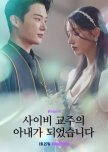
Becoming the Wife of a Dark Cult Overlord
0 pessoas acharam esta resenha útil
Esta resenha pode conter spoilers
Ketika diuji oleh 2 pilihan; Sekte sesat "Utopia" atau dunia luar yang "Jahat"
Jujur, gw nonton ini cuman buat Ki Hyun Woo (gweh abis nonton Jun & Jun). Awalnya skeptis bakalan bagus atau ngga yaa, eh ternyata ceritanya menarik coy!Gimana kalo pacar kalian yg kelen sayangi tu, turns out adalah member sekte sesat??! bukan cuma member, tapi sekaligus Cucu pendiri sekte! *kaget*. Apakah kalian bakal tetep setia dengan dia dalam artian, cinta buta.. atau.. milih jadi waras dan dibekali dengan common sense mencoba cara untuk kabur?. Itulah POV kalo kelen jadi Heejin. Pacarnya yang perfect itu, tubuh gagah berotot vibes sugar daddyhh aw aw yg kuat diranjang, beuhh sempurna kan? eh eh ternyata orang licik yang njebak orang luar masuk ke sekte dia, Heejin lah orang yang dijebak itu. Berapa kali coba dia alesan "tunggu sampe kita keluar dulu bebb nanti kujelasin", 기다려-gidaryeo taekk lah mau sampe kapan digantung oleh jawaban "기다려"(tunggu ya bebb)? tai asu lah. Udah bener insting Heejin buat kabur, dibantu detektif hot nan perebut hati bernama isak tu (jujur gw kira endingnya Heejin pacaran ma isak, ahh ngasi harapan palsu ni directornya).
ENDINGNYA NGE-GANTUNGGG fakkklah peliii pelii. harusnya sambung S2 ga sih? tapi gaada info apa apa tuh di MDL. aiyah memang harusnya jgn berharap ma vertical series lho *nada ah tong upin ipin*. Kan katanya Yohan dah ditangkep ya, kira-kira sapa lah tu yang ngetok pintunya Heejin ya? gw kira kan si isak, gw kira dia ekting aja gitu pura pura jd member sekte gitu tapi pas Heejin buka pintu, kenapa dia se-shock itu? ada apakah gerangan? apakah kejadian dia diculik diawal series bakal terulang?. Duhh kenapa harus digantung siiihh syebel.
Oiya sekte-sekte yang ngasih janji-janji manis bak hidup didunia "Utopia" tuh ternyata banyak di korea sana, gw yakin ni series juga hmm.. "sindiran"? apakah series ini secara tidak langsung merupakan sindiran akan banyaknya sekte sesat dikoriyah? soalnya aku inget tuh ada Sekte yang dibentuk tahun 1950-an yang menjanjikan pengikutnya hidup tanpa kelaparan eh tapi sumbang duit dulu (ya iyalah siapa yg ngga gila duit ya kan? sekte-sekte kan pasti intinya butuh funding yang besar, demi kesejahteraan... pendirinya.. hmm ironis). Dan parahnya lagi para member sekte di-brainwash kalo dunia luar itu jahat dan liar.. padahal.. hm.. i have no right to judge ya tapi kalo sekte sekte sesat kan ujung-ujungnya cuma buat memakmurkan pendiri nya doang, yaa apa bedanya sama dunia luar yang dicam "jahat"?. Terkadang sesuatu yang jahat itu ada pada hal yang terdekat dari dirimu. Ini yang dirasakan sama karakter Kang Mina di series ini. Dia (kayaknya) dari kecil udah tumbuh di padepokan sekte itu, dia ampe bilang ke Heejin kalo dunia luar itu dunia fana yang jahat. Begitu dia dibawa kabur sama detektif isak, beuhh langsung ga tahan dia sama nikmat duniawi (dia langsung belanja banyak barang ampe tangan kiri-kanan nya full tas belanja wkwkkwkwkw).
Ya intinya ini series ada ngasih pelajaran moral juga sih, Yohan tu kayaknya kan hm.. lonely yah.. dia begitu Heejin kabur darinya, dia langsung ngerasa jadi orang paling "lonely", paling terpojok, paling tak punya siapa-siapa. Eh bambang! siapa yang suruh lu ngebunuh ayah ama ibu mu sendiri? buat apa bunuh ayahmu kalo ujung2 nya you just ended up being the same thing as him u fool fuckkk xD. Karakter ter red flag tapi tiap gw ngeliat dia tuh gw kayak lonte jir gw berasa awhhh daddyyhhh tusuk aku dongg (maafkan keliaran gweh ges).
uda ah sekian, intinya ini Clifhanger makanya rate dari gw jelekk.
Esta resenha foi útil para você?
Esta resenha pode conter spoilers
What I admire most about Double Helix is that it never feels the need to explain away its characters or ask the audience to forgive them. Instead, it presents their choices with brutal honesty and leaves us to wrestle with the consequences ourselves. In an era where many dramas are eager to tell us who deserves our sympathy, Double Helix trusts us enough to arrive at our own conclusions.The story is compelling because it understands that the most devastating conflicts rarely begin with hatred. They begin with love expressed in unhealthy ways, with fears that go unspoken, and with people who genuinely believe they are protecting the ones they care about. That is why the emotional tension feels so authentic. No one wakes up intending to destroy the people they love, yet through pride, fear, silence, and desperation, that's exactly what happens.
I found the narrative remarkably disciplined in the way it builds its emotional stakes. It never relies on convenient coincidences or exaggerated villains to keep the story moving. Instead, every major turning point grows naturally from the personalities and emotional limitations of its characters. Looking back, I realized that almost every heartbreaking moment had been quietly foreshadowed through earlier conversations, choices, or unresolved wounds. The tragedy doesn't feel written. It feels inevitable.
Another aspect I appreciated was the drama's refusal to isolate trauma from accountability. It explains why people become controlling, emotionally withdrawn, or self-destructive, but it never suggests those behaviours are acceptable simply because they come from pain. That balance is incredibly difficult to achieve, and Double Helix handles it with far more maturity than many dramas that attempt similar themes.
My main criticism is that the series occasionally overestimates how much emotional repetition is necessary. Once the audience understands the psychological patterns driving the characters, revisiting similar conflicts can begin to feel more exhausting than illuminating. The emotional foundation is already strong enough that the story doesn't always need to reinforce it through another cycle of suffering.
I also think the resolution could have benefited from one or two additional episodes devoted purely to emotional recovery. The drama is meticulous in depicting how trust deteriorates, how resentment accumulates, and how trauma changes the way people love. Naturally, I expected the same level of patience in exploring how those wounds begin to heal. While the ending worked for me, it left me wanting a deeper examination of rebuilding rather than simply reaching reconciliation.
Even with those flaws, I found myself completely absorbed from beginning to end. Not because I needed to know what happened next, but because I needed to understand these people. Every episode challenged my assumptions, complicated my judgments, and reminded me that human behaviour is rarely as straightforward as we'd like it to be.
That's why Double Helix resonated with me. It's a story that refuses easy villains, easy forgiveness, or easy resolutions. Instead, it offers something much more valuable: a thoughtful exploration of how love, trauma, and personal responsibility become intertwined in ways that are often painful, contradictory, and profoundly human. It falls just short of perfection due to its pacing, but its emotional intelligence and narrative ambition make it one of the most memorable BLs I've watched
Esta resenha foi útil para você?
Esta resenha pode conter spoilers
What stayed with me after finishing Double Helix wasn't a particular scene or plot twist. It was the overwhelming feeling that every tragedy in this story could have been prevented, yet somehow never could have been. That's the paradox at the heart of the drama, and it's what makes it so compelling.The writing understands that people don't make life-changing decisions in isolation. Every choice Lu Feng and Cheng Yichen make is informed by years of emotional conditioning, family pressure, fear of abandonment, guilt, and unresolved trauma. By the time the story reaches its most devastating moments, nothing feels random or forced. You're not shocked because the plot surprises you. You're heartbroken because you realize there was almost no other way these characters could have arrived there.
One of the drama's greatest strengths is its patience. It doesn't rush to explain its characters or ask the audience for immediate sympathy. Instead, it slowly builds an emotional framework where even the most frustrating decisions become understandable. I found myself repeatedly changing my perspective, not because the story was rewriting its characters, but because it kept revealing pieces of them that had always been there. That's a sign of confident storytelling.
I also appreciated how the narrative refuses to separate love from responsibility. Love is never portrayed as an excuse for harmful behaviour, nor is it presented as something powerful enough to erase years of emotional damage. Again and again, the series reminds us that intentions and consequences are two very different things. Someone can love deeply and still cause irreversible pain. That moral honesty gives the story far more weight than a traditional romance.
If I have a criticism, it's that the drama occasionally lingers too long in its own heartbreak. There are moments where another emotional confrontation adds less than a quiet conversation or a moment of self-reflection would have. The characters are already complex enough that they don't always need another crisis to prove it. Sometimes the strongest scenes are the ones where nothing dramatic happens at all.
I also think the final episodes deserved more room to breathe. The story spends so much time showing how trust is broken, identities are reshaped, and relationships collapse under the weight of accumulated pain. I wanted the process of healing to feel just as gradual. The ending satisfied me emotionally, but I couldn't help wishing the recovery had been explored with the same level of detail as the suffering.
Even so, these are relatively small criticisms compared to what the drama accomplishes. Double Helix isn't memorable because it's tragic. It's memorable because every emotional turning point feels earned. Every mistake has consequences. Every consequence changes the people involved. And by the end, you don't simply understand what happened. You understand why it happened, why it hurt so much, and why none of the characters could remain the same afterward.
That, to me, is what great storytelling looks like. It doesn't manipulate your emotions. It earns them. Despite a few pacing issues, Double Helix is one of the most emotionally coherent and psychologically engaging BLs I've watched
Esta resenha foi útil para você?
Esta resenha pode conter spoilers
Some stories ask you to empathize with their protagonists. Double Helix asks you to empathize with people who continually disappoint you. That, to me, is its greatest achievement.This is a story that refuses to offer emotional shortcuts. Every time I thought I had a character figured out, the narrative revealed another layer that forced me to reconsider my judgment. Not because it was trying to justify harmful behaviour, but because it understood that human beings are rarely driven by a single emotion. Love, fear, guilt, resentment, obligation, and loneliness often exist simultaneously, and Double Helix captures that contradiction with remarkable confidence.
What makes the story so compelling is its refusal to separate the past from the present. Every conversation carries the weight of previous choices. Every silence says as much as the dialogue itself. Rather than treating trauma as something characters eventually "get over," the drama portrays it as something that quietly influences every decision they make. As a result, the conflicts never feel random. They feel inevitable, even when they're painful to watch.
I particularly appreciated that the series never relied on simplistic emotional manipulation. Instead of creating villains to move the plot forward, it allows the protagonists' unresolved fears and emotional limitations to become the conflict. The greatest obstacle isn't whether Lu Feng and Cheng Yichen love each other. It's whether they know how to love without repeating the patterns that have defined their lives for so long. That distinction elevates the story far beyond a conventional romance.
Where the drama loses a little momentum is in its middle stretch. By that point, the emotional foundations of the characters are already well established, yet the narrative occasionally revisits similar confrontations instead of allowing those emotions to evolve. The repetition doesn't weaken the themes, but it does make certain episodes feel slower than they needed to be.
I also felt the resolution could have been given more breathing room. The story is meticulous when depicting emotional damage, yet comparatively restrained when depicting emotional repair. After investing so much time in showing how trust is broken, I wanted to spend longer watching that trust being rebuilt. The ending is satisfying, but I couldn't help feeling that the healing deserved the same patience as the heartbreak.
Even with those criticisms, Double Helix never stopped being engaging because it was never driven by plot alone. It was driven by character. Every decision, every setback, and every reconciliation emerged naturally from who these people were, rather than from what the story needed them to do. That kind of psychological consistency is rare, and it's what kept me invested from the first episode to the last.
For me, Double Helix succeeds because it recognizes that the most compelling stories aren't about perfect people making the right choices. They're about deeply imperfect people trying, failing, hurting each other, and slowly learning to confront the parts of themselves they've spent years avoiding. It isn't a flawless drama, but its emotional intelligence, layered storytelling, and refusal to offer easy answers make it one of the most memorable BLs I've watched.
Esta resenha foi útil para você?

Esta resenha pode conter spoilers
Another fireworks with Wang Chu Ran, worse than previous ones.
The first kiss is drunk. Her trauma from her ex and her refusal to expose her feelings again is implied but never developed. His fear of commitment and his path past it is also implied but never developed.The second lead, who lives with his parents, gets a better character arc than either main lead.
The subplot of a child being almost magically cured of autism frustrated me most. I generally don’t mind propaganda when the story earns it, but this one didn’t.
Also FL had such a stressful work my blood pressure was up, I watch dramas to rest from my office life, and this drama was not relaxing at all, it’s all about stress of office life
Esta resenha foi útil para você?
Esta resenha foi útil para você?
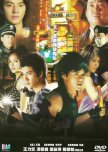
Now we're playing with power, Nintendo Power!
Finding out that The Avenging Fist was originally supposed to be an adaptation of Tekken filled me with an indescribable joy. Naturally, it should have been a winner; I mean, it's Wong Jing doing an unofficial video game adaptation. Unfortunately, Future Cops, this is not. A convoluted homage to sci-fi classics, or at least one that tries to look like it, utilising extensive CGI and a production design motif that can only really be known as a neon metropolis, there's certainly a video game look to this glossy spectacle. The over-the-top design is quite welcome; the all-powerful gauntlet is a literal Power Glove after all, as it puts us in the right mood for the action fluff to follow and while the action is Corey Yuen's department, his trademark fluid choreography is muted beneath camera tricks and VFX plug-ins. What's left is serviceable enough fighting, but it's certainly not the main attraction here. This really is pure spectacle if nothing else, a well-produced mishmash of comic book platitudes and overused plot devices. Looks are seemingly more important than anything else to director Andrew Lau. Fantastic visuals are one thing, but being flooded with them at the expense of everything else leaves little room for excitement or empathy, especially when you proudly boast about the appearances of Sammo Hung and Yuen Biao, only to then criminally underuse them. Biao at least gets to shine as a villain, albeit a frustratingly mute one at that, while Sammo is dripped out in some truly incredible costumes, the very shiny metal hat is a feast for the eyes, I want one. It's a shame that most of the new guard can't compare; they might look pretty, Gigi Leung and Kristy Yang especially, but largely lack the presence and Peking Opera chops of their older counterparts. Far more fascinating in its failures than it ever is in its successes, The Avenging Fist is certifiably insane, building itself on some classic Hong Kong action tropes but never seems to find a footing on any of its one thousand elements, crashing and burning in such a spectacular fashion that it's almost praiseworthy in its disastrous ways.Esta resenha foi útil para você?
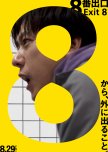
I knew I would like this
I am a bit of a fan of psychological horror and liminal spaces…so i felt like this would be something I’d enjoy. it got to the point rather quickly, which I really liked a lot…I heard that it was based on a game and wondered how they would do it being a 90 minute film but that didn’t seem to be an issue. By the time he noticed he was in a loop, i knew I’d start loving it…once he ran into the walking man and he was just smiling, i was hooked. some people were saying it’s an anti abortion film but I didn’t get that at all. that seems straw grasping to me and looking for something that doesn’t really exist.🤷♀️Esta resenha foi útil para você?
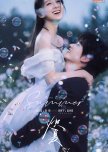
A summer like no other
I think the hardest part of watching Never Ending Summer was waiting for new episodes to drop. I couldn't wait for the series to finish, so I watched it while it was still airing and honestly, I don't regret it one bit.This drama took me on such an emotional ride. It made me smile, cry, and even get frustrated at times. More than anything, it made me wish I had experienced a summer like the one Lu Xixiao and Zhou Wan shared.
Their story was so beautiful and heartfelt that I couldn't help but get attached to them. The cast did an amazing job bringing these characters to life. They're still young actors, but their performances proved they're more than just pretty faces, they have real talent.
The chemistry between the leads was absolutely insane, and even the second couple was so lovable that I never felt the urge to skip their scenes.
I'm beyond satisfied with Never Ending Summer. It's no surprise that it stayed at No. 1 on iQIYI throughout its run, and I honestly wouldn't be surprised if it continues to be one of the platform's most-loved dramas.
To L and Wan, thank you for letting us be part of your story. Through every setback and every heartbreak, you still found your way back to each other. Thank you for giving us a love story that will stay with me long after this summer ends. 💙☀️
Esta resenha foi útil para você?
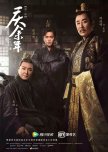
Ye Qingmei is a character we barely see in the drama, but she's the source of everything. Every character is connected to Ye Qingmei; she's the reason all the characters are involved and the complications arise, making the drama incredibly captivating.
Almost every cast member delivered a superb performance.
Chen Dao Ming and Wu Gang deserve special mention for their acting.
Personally, I loved the chemistry between Fan Xian and Wang Qi Nian.
The child actor, Finn Han, who was probably only 9 years old at the time, playing young Fan Xian, also gave a fantastic performance.
I loved everything about this drama. After finishing it, I had to stop watching Chinese dramas for two or three weeks because other dramas I tried weren't as enjoyable.
Esta resenha foi útil para você?
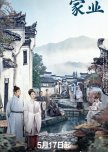
 1
1"La via dell'inchiostro".. una 'docuserie' a scopo propagandistico (drama di regime)
Ho iniziato questo lavoro con aspettative molto alte, mal abituata dai lavori di Yang zi (una delle mie attrici preferite a cui credo di non aver mai dato un voto inferiore al 7,5, professionista validissima anche nella selezione delle sceneggiature).Sulla carta aveva tutti gli elementi per essere un grande drama storico: una protagonista femminile forte interpretata da una vera attrice, un'ambientazione originale legata alla produzione dell'inchiostro Hui durante la dinastia Ming, una storia familiare complessa, una componente revenge e un protagonista maschile con un passato doloroso e un conto aperto con i propri nemici.
Purtroppo, più la storia avanza, più ci si rende conto che è un'opera che ha scelto chiaramente quale fosse il suo vero protagonista: l'inchiostro!!!!!!
Ed è qui che, secondo me, nasce il grande limite di questo drama.
La valorizzazione della tradizione cinese, dell'artigianato e del patrimonio culturale è sicuramente un elemento interessante. La produzione dell'inchiostro viene raccontata quasi come un'arte spirituale, qualcosa che contiene l'anima e la dedizione del suo creatore. Il problema è che questa tematica, invece di accompagnare la narrazione, finisce spesso per sostituirla, potrete assistere a puntate intere che mostrano come gli artigiani impazziscano letteralmente, perdendo il lume e la ragione per produrre un nuovo nerofumo o una resina per innovare una ricetta.
Per oltre 2/3 della serie si ha la sensazione di assistere più a un docudrama sull'inchiostro Hui e sulle dinamiche di un clan familiare che a un vero drama storico con personaggi in evoluzione. Le scene dedicate alla bottega, alle tecniche, ai problemi produttivi, alle rivalità commerciali e ai discorsi sulla rettitudine e sull'onore diventano estremamente ripetitive. Il messaggio è chiaro fin dai primi episodi, ma viene ribadito continuamente fino a togliere spazio allo sviluppo emotivo.
LA PROPAGANDA DELLA CINA 🇨🇳: Un aspetto che per me è impossibile ignorare è la fortissima componente ideologica dell'opera. The Heir non mi è sembrato semplicemente un drama storico sull'inchiostro, ma quasi un manifesto celebrativo di un certo ideale culturale cinese contemporaneo.
Qui l'inchiostro non è un elemento narrativo: è il protagonista assoluto. I personaggi, i sentimenti, la vendetta, persino la storia d'amore finiscono per diventare secondari rispetto alla celebrazione della tradizione e dell'eredità culturale.
Per 42 episodi il messaggio viene ripetuto fino allo sfinimento: essere retti, essere onorevoli, sacrificarsi, mettere da parte i desideri personali, lavorare senza distrazioni (per non creare problemi), proteggere il clan, preservare ciò che gli antenati hanno lasciato.
Dopo un certo punto non sembra più la crescita di un personaggio, ma una lezione morale.
La protagonista ideale non è una donna che cerca prima di tutto la propria felicità, ma qualcuno che deve diventare il simbolo della dedizione assoluta: sopportare, resistere, non deviare mai dalla missione, trasformare il proprio talento in un servizio verso la famiglia e verso una tradizione più grande di lei.
La romance stessa viene sacrificata, e non casualmente. Il messaggio sembra essere che l'amore, la realizzazione personale e il desiderio individuale siano elementi secondari rispetto al dovere. Prima viene il lavoro, prima viene l'eccellenza, prima viene l'eredità culturale.
La serie sembra continuamente ricordare allo spettatore: non dimenticate da dove venite, proteggete ciò che è vostro, non lasciate che il passato venga contaminato, mantenete viva la grandezza della tradizione. Personalmente, ho percepito più un'opera celebrativa e didattica che un vero racconto umano.
Il messaggio ha finito per divorare la storia ed è troppo palese che è un'opera di Regime in ogni passaggio: canti tradizionali, motti ripetuti come mantra, conoscenza della cultura, delle tradizioni, della cucina, di Huizhou, valori che vengono reiterati e proposti come desiderabili.
C'è un passaggio che illustra l'ipocrisia ambivalente dell'atteggiamento della Cina nei riguardi delle donne: Ronghua nel suo percorso di redenzione dice: "Vi prego di .... , poi se vorrete potrete rimproverarmi o picchiarmi, vi lascerò fare". Una donna può emanciparsi ma deve essere sotto sotto sempre obbediente e poco incline a lamentarsi, picchiare una donna va bene se sbaglia (e se il metro è dell'uomo l'azione esecrabile è soggetta al capriccio di lui). Bella roba!
Il problema non è parlare della tradizione cinese, lo diventa se la storia è al servizio del messaggio.
Alla fine The Heir sembra meno interessato a raccontare Li Zhen come persona e più interessato a trasformarla in un modello: disciplinata, instancabile, moralmente irreprensibile, pronta a mettere tutto il resto in secondo piano per un obiettivo superiore.
Per questo la mia impressione è stata quella di un drama fortemente allineato a una narrativa istituzionale: celebrazione delle eccellenze cinesi, recupero delle radici, glorificazione della disciplina e della collettività sopra l'individuo, Troppo spesso ho visto il messaggio prima dei personaggi.
Li Zhen è una protagonista interessante: intelligente, determinata, competente, una donna che cerca di affermarsi in un mondo dominato dagli uomini e dalle regole del clan. Tuttavia, la sua crescita viene raccontata quasi esclusivamente attraverso la sofferenza e la perseveranza con uno schema di scrittura ripetitivo. Per troppi episodi assistiamo a umiliazioni continue nei confronti suoi e della sua famiglia, mentre i personaggi continuano a tornare verso chi li ferisce in nome del dovere familiare e della tradizione, cambiano i soggetti, non cambia la dinamica abusiva, umiliante, di sopraffazione.
Un altro elemento centrale della narrazione è la famiglia Li, ma anche qui la scrittura non sempre riesce a trovare il giusto equilibrio.Il drama cerca chiaramente di raccontare una famiglia imperfetta, segnata da gerarchie rigide, interessi personali, rivalità interne e dal peso delle tradizioni. Il problema è che, per buona parte della storia, il rapporto tra Li Zhen e il clan diventa estremamente frustrante da seguire.
Le umiliazioni subite dalla protagonista e dal suo ramo familiare sono troppe, troppo frequenti e troppo ripetitive. Dopo un certo punto non generano più rabbia o coinvolgimento emotivo nello spettatore, ma solo stanchezza, perché la dinamica sembra ripetersi senza una reale evoluzione. Anche il nonno della protagonista mostra una certa ambivalenza, si allontana da lei ad un certo punto dimostrando di essere sempre devoto alla famiglia, più che alla nipote.
La protagonista dimostra continuamente il proprio valore, salva più volte la famiglia e contribuisce alla sopravvivenza dell'attività, ma il riconoscimento arriva molto tardi e dopo una quantità di ostilità che rende difficile accettare completamente la riconciliazione successiva.
Il problema non è rappresentare una famiglia tossica. Il problema è come viene narrata, e credetemi è una famiglia disfunzionale e frustrante come poche se ne vedono e quanto tempo gli viene dedicato (80%).
In questo senso, i personaggi che funzionano meglio sono la madre di Li Zhen, il fratello e la cognata. Sono tra i pochi rapporti familiari che trasmettono davvero sostegno, calore e un senso di appartenenza autentico.
Anche la nonna è pensata come una figura positiva e probabilmente vorrebbe richiamare quel tipo di matriarca saggia e protettiva che abbiamo visto in opere come The Story of Minglan. Tuttavia, il confronto per me è impietoso. La nonna di Minglan era una vera matriarca: aveva autorità, presenza, capacità di leggere le persone e soprattutto interveniva quando necessario. Era affettuosa, ma mai passiva. Il rapporto con Minglan era costruito attraverso gesti quotidiani, protezione, educazione e una fiducia reciproca cresciuta nel tempo, ed è proprio per questo che risultava così tenero e commovente.
In The Heir, la nonna rimane spesso troppo osservatrice. La sua saggezza viene raccontata più che dimostrata attraverso azioni decisive, e questo rende il legame con Li Zhen meno potente di quanto avrebbe potuto essere, l'attrice inoltre pur avendo esperienza non mi ha fatto impazzire e mi ha annoiata. Ancora una volta il problema non è l'idea, ma l'esecuzione.
Il ritmo è probabilmente il problema principale: una storia lenta non è necessariamente una storia noiosa. Esistono drama meravigliosi costruiti sui silenzi, sulle relazioni e sui piccoli cambiamenti. Qui, però, il problema non è la lentezza, ma la mancanza di progressione. Troppe scene sembrano confermare qualcosa che sappiamo già invece di aggiungere un nuovo livello alla storia. Dall'episodio 28 io ho visto a velocità 1,5 x per superare la diluizione e la stagnazione dell'opera. Quando è finito ho tirato un sospiro di sollievo.
La componente revenge, che poteva essere uno degli aspetti più interessanti, arriva troppo tardi e non viene costruita con la precisione necessaria. Luo Wenqian aveva tutto il potenziale per essere il conte di montecristo cinese: un uomo intelligente, segnato dal passato, con una vendetta personale da portare avanti. Han Dongjun funziona molto bene nelle pochISSIME scene in cui il personaggio può respirare, soprattutto quando interagisce con Li Zhen, mostrando dolcezza, imbarazzo e un interesse trattenuto.
Il problema è che la sceneggiatura gli concede pochissimo spazio (20 minuti in tutto sarà il tempo che gli viene riservato in 32 ore di drama per farvi capire). Per molte ore di visione sembra quasi un personaggio secondario nella sua stessa storia, oso dire che l'antagonista ha più spazio. Il rapporto con Li Zhen cresce lentamente, forse troppo lentamente, e quando finalmente arriva il momento in cui la loro relazione dovrebbe emozionare davvero, per molti spettatori il coinvolgimento è già stato consumato dall'attesa (almeno per me è stato così).
La romance è presente, ma è estremamente sacrificata e centellinata. Non servivano grandi scene romantiche o passionali, ma servivano più momenti condivisi, più dialoghi, più costruzione emotiva. Il risultato è una coppia con potenziale che non raggiunge mai completamente il proprio payoff emotivo.
Anche gli intrighi, purtroppo, non sempre funzionano.
Ci sono diverse scelte narrative che danno la sensazione di una sceneggiatura poco rifinita. Il problema non è il singolo evento, perché quasi tutto può trovare una spiegazione se lo spettatore prova a costruirla da solo. Il problema è proprio questo: troppo spesso è lo spettatore a chiedersi come mai una scelta piuttosto che un'altra, una buona sceneggiatura dovrebbe far sembrare ogni conseguenza inevitabile. Altro limite della scrittura è aver depotenziato gli altri per celebrare Li Zhen, Molti l'hanno paragonata come intelligenza e acume alla protagonista di the double, ma in the double gli altri non venivano resi scemi per mostrare quanto fosse SPLENDIDA LEI . Qui sì! Persino il suo partner è un uomo sveglio, strategico, con acume ma privo della sua dialettica e intraprendenza, debole se lo paragoniamo, ma sin dal principio (sin da quando era bambino).
Alcuni passaggi sembrano esistere perché la trama deve arrivare in un determinato punto, la causalità è subordinata all'obiettivo narrativo. Esempio (Senza spoiler) fine episodio 22 - stessa dinamica inversa episodio 24 senza che ci sia una causa che motivi il cambio di atteggiamento.
Alcuni cambiamenti improvvisi di atteggiamento nella famiglia Li risultano poco naturali. Personaggi che prima condannano Li Zhen arrivano poco dopo a sostenerla senza una progressione causale abbastanza forte. Alcune informazioni importanti vengono trattenute per anni e rivelate solo quando servono alla trama, più per creare un colpo di scena che per una reale motivazione interna ai personaggi.
Anche alcune rivelazioni finali sono interessanti sulla carta, ma indeboliscono retroattivamente alcuni rapporti di potere. Quando un colpo di scena viene rivelato, dovrebbe farci pensare: “Ora tutto ha senso”. Qui, invece, a volte viene spontaneo chiedersi: “Allora perché prima quei personaggi subivano dai potenti se avevano il coltello dalla parte del manico?”.
Dal punto di vista tecnico, invece, il drama è abbastanza valido.
La fotografia è molto curata, elegante e pulita, anche se utilizza uno stile abbastanza classico. Non è una regia fortemente estetica fatta di rallenty, piani zoom particolari, bokeh e immagini quasi pittoriche come altri storici recenti; sceglie una messa in scena più sobria, ordinata e rilassante, coerente con il tono dell'opera.
I costumi sono belli e accurati, ma non raggiungono secondo me l'eccellenza di altri grandi storici cinesi. Sono funzionali, raffinati, ma non indimenticabili. Qualche errore nel casting e nelle unghia a mandorla di 4 cm di due attrici (figlia del comandante Yan e Sorella Cuiqiao).
La recitazione è uno degli aspetti migliori di questo lavoro:
- Yang Zi conferma ancora una volta la sua capacità di rendere naturali le emozioni. È precisa, credibile, capace di comunicare molto anche attraverso piccoli cambiamenti dello sguardo e dell'espressione. Tuttavia, anche una grande interpretazione non può risolvere completamente i problemi di ritmo e scrittura, inoltre mi sto rendendo conto di un aspetto che sta iniziando a deludermi: se la raffronto con Mu Dan, o qualche altro personaggio da lei interpretato in questi anni, non trovo grosse differenze sostanziali, altre attrici meno precise come resa emotiva differenziano maggiormente il personaggio, lei ha sempre lo stesso modulo espressivo.
Sottolineo che non è la sua migliore interpretazione: non mi ha convinto al 100% in tutte le scene, in alcune ha una forza espressiva straordinaria, in altre ,tipo un evento al rientro da Nanchino in episodio 32, quando apprende al risveglio di un fatto riguardante la nonna... non mi ha convinto.
Il resto del cast è generalmente buono, con alcune interpretazioni più convincenti (Li Jingdong e Tian Biangcheng ), Elvin Han meritava più spazio, nelle poche scene a sua disposizione è sempre stato preciso e credibile, puntuale nella resa espressiva ed emotiva. E' un attore che lavora per sottrazione quindi lo stile recitativo è minimalista, lavora moltissimo con lo sguardo e la modulazione della voce.
La celebrazione dell'inchiostro, della famiglia, dell'onore e della perseveranza diventa più importante dei personaggi stessi. La serie vuole raccontare un ideale ma dimentica troppo spesso che sono i conflitti, le trasformazioni e le emozioni a rendere memorabile una storia, le emozioni ci sono : ci sono degli archi di redenzione interessanti, vendette poco soddisfacenti ma i rapporti tossici, la noia legata all'inchiostro , le ripetizione dei valori a scopo indottrinamento,così pervasiva da risultare palese, hanno prosciugato tutto.
È un'opera che rispetto (fino ad un certo punto) più di quanto abbia amato. Non l'ho amata, per niente, l'ho finita in fretta per togliermela davanti, che non migliora anche se cambia ogni tanto, qualche episodio di respiro c'è ma è breve.
Finale: positivo ma anche posto in modo ambivalente e qui ho conferma che il senso di questo lavoro era il MESSAGGIO, 15 minuti di scene del passato per chiudere un cerchio e concentrarsi sui rapporti famigliari,30 secondi alla evoluzione del rapporto con il protagonista maschile, resa in modo così ambivalenti che molti hanno frainteso il senso. Come si può dare un 7 a un disastro del genere?
Un drama consigliato a chi ama le storie sulla tradizione, l'artigianato e il recupero del patrimonio culturale cinese, se sei cinese probabilmente lo amerai, se sei progressista, femminista e hai visto altri drama storici ti farà per lo più sbadigliare
Esta resenha foi útil para você?
Esta resenha pode conter spoilers
Beautiful story
I watched the last ten episodes of Our Generation in one go, starting Friday evening and finishing Saturday morning. That alone says a lot about how strongly the final stretch pulled me in.The pacing in the middle of the story felt slower, and at times it was harder to keep moving forward. But the beginning and especially the final ten episodes were wonderful.
I have read many comments criticizing both the female lead and the male lead: one for chasing too much, the other for running away too much. But as an “objective” viewer, I found that dynamic to carry one of the drama’s most powerful messages.
Throughout Qiaoxi’s life and self-discovery journey, Yingtao was deeply important to him. When things were difficult at home or with his cousin, she became a lifeline—his light at the end of the tunnel. Some viewers criticize her for continuing to pursue him, especially after he left her before the Hong Kong arc. But even as viewers, we could sense that something was wrong with him during their farewell scene. Yingtao explains this beautifully to Yejun during their conversation on the hotel roof: because of the way Qiaoxi spoke and how he seemed to feel that night, she knew she needed to find him.
That was beautiful to me.
Yingtao could be that resilient partly because of how she was raised. She had parents who loved and supported her unconditionally. She was not taught that her worth depended only on achievement. She had the freedom to fail, make mistakes, and find her own way because she always had a safety net in her parents.
Qiaoxi had the opposite experience. People also criticize him for not groveling enough at the end, but I do not understand why there always has to be a score to settle between two people who love each other. As viewers, we can see his struggles and understand the mindset behind his choices. Since childhood, he was expected to be perfect in order to deserve his parents’ love. He was not allowed to fail, and he lived as someone else’s replacement.
In Yingtao’s family, she was the center of her parents’ universe—the mighty “sun.” In Qiaoxi’s case, he was the backup project, the “moon” living under an eclipse, constantly overshadowed by his brother. He was not allowed to dream or make mistakes. During the Hong Kong arc, he had to give up his newly found dreams and freedom because there was no adult he could truly rely on. For once, he dared to dream and reclaim his own life, but life had other plans. For him, it became easier to bottle everything up and survive one day at a time.
I loved Zhang Linghe’s acting in this drama. He portrayed both the more immature Qiaoxi and the later, anguished version of him beautifully. I believed his misery and internal struggles. I felt his pain throughout the Hong Kong arc. His demeanor and facial expressions were superb.
I am happy I watched this drama because it portrays the imperfect lives of human beings while still giving hope that wounded souls can find healing and happiness. It left a deep impression on me.
Esta resenha foi útil para você?
Esta resenha pode conter spoilers
There are dramas that keep you watching because they're unpredictable, and then there are dramas that keep you watching because every answer only leads to more questions. Double Helix belongs to the latter. It isn't driven by suspense alone. It's driven by an endless curiosity about its characters. Every episode peels back another layer, revealing that what initially appeared to be a simple decision was actually shaped by years of fear, longing, regret, and emotional conditioning.The narrative's greatest strength is its confidence in slow revelation. It never rushes to explain its characters, nor does it ask the audience to judge them too quickly. Instead, it gradually reconstructs their emotional histories, allowing earlier scenes to take on entirely different meanings as new information comes to light. By the end, I found myself thinking less about what happened and more about why it happened, which is a testament to how carefully the story is constructed.
I also admired how the drama refuses to isolate individual actions from the systems surrounding them. Family expectations, power dynamics, social pressure, guilt, and unresolved trauma are never treated as background elements. They actively shape every major decision in the story. As a result, the conflicts rarely feel manufactured. They feel like the inevitable outcome of people trying to survive circumstances they never chose.
What elevates Double Helix even further is its willingness to embrace contradiction. It allows love to coexist with resentment, vulnerability with pride, and devotion with harm. Rather than forcing its characters toward moral clarity, it lets them remain inconsistent, conflicted, and painfully human. That complexity made it impossible for me to reduce anyone to a hero or a villain, even when I strongly disagreed with their choices.
My only reservation is that the drama occasionally becomes too committed to emotional repetition. Once the central themes have been firmly established, a few conflicts revisit familiar territory instead of expanding upon it. These moments don't undermine the story, but they do soften its momentum. Likewise, I would have welcomed a slightly longer denouement. After spending so much time deconstructing trust and intimacy, I wanted to witness a more gradual reconstruction of both.
Still, these are relatively minor criticisms in the context of what the drama accomplishes. Few series trust their audience enough to engage with uncomfortable questions instead of providing comfortable answers. Double Helix never asks us to choose a side. It asks us to recognize how easily love can be shaped by fear, how deeply the past can influence the present, and how difficult genuine healing truly is.
For me, that's what makes this story so memorable. It doesn't merely tell a romance. It dissects one. It examines every fracture, every contradiction, and every consequence with remarkable patience and empathy. Even though the pacing occasionally wavers, the emotional and psychological richness of the narrative more than justifies a 9/10. It is a story that lingers because it refuses to simplify either love or the people who experience it.
Esta resenha foi útil para você?
Esta resenha pode conter spoilers
Just finished A Journey to Love and I have thoughts. A lot of them, actually.
Going in I already knew Liu Yuning was the reason I'd stick around even if the plot went sideways, and honestly? He didn't let me down. Ning Yuanzhou is exactly the kind of male lead I keep hoping to find and rarely do — steady, quietly loyal, not an idiot, and he actually treats the people around him like they matter instead of just being a brooding wall with a sword. There's a specific kind of restraint in how Liu Yuning plays him that sells the whole "strong but soft for the people he loves" thing without it ever feeling forced. Every scene where Yuanzhou has to choose between duty and the people he cares about hit different because of how he underplays it. No unnecessary yelling, no over-the-top angst, just this guy quietly carrying the weight of it all. That's hard to pull off and he made it look easy.The chemistry between the leads is genuinely one of the better ones I've seen in a while. It builds slow, it feels earned, and it never tips into the cringe territory a lot of cdramas fall into where the romance feels bolted on. You believe these two would go through hell for each other because the show actually takes the time to show them going through hell together first.
Plot-wise, the twists kept me hooked for most of the run. The political scheming, the betrayals, the way alliances kept shifting — it never got boring, and there were a couple of turns I genuinely didn't see coming. Visually it's gorgeous too. The costumes, the sets, the way they shot the wider battle and travel scenes, all of it looked like real money was spent and real care was put in. This is a drama that clearly wanted to be beautiful and mostly succeeded.
So why isn't this a 9 or 10 for me? The ending.
Look, I get wanting a twist. I get wanting to surprise the audience. But hiding a fake death from us as viewers, only to reveal later that it wasn't real, isn't a twist done right when it comes at the cost of everything that should've come after it. I didn't just want the "gotcha" moment, I wanted the payoff. I wanted to actually sit with these characters in the aftermath, see the family together, see them happy, see the quiet domestic scenes that shows like this usually earn after dragging you through so much loss. Instead it felt like the show cashed in its emotional chips on the reveal itself and then rushed past the part where we're supposed to actually feel the relief. As a fan who sat through everything these characters went through, I wanted to see them get to breathe. That's the whole point of getting invested in a story like this — not just surviving the tragedy, but watching them live in the after.
It's a shame because everything leading up to it was strong enough to deserve a better landing.
Overall: 7.5/10. Would still recommend it, especially if you want a well-shot wuxia with a genuinely great male lead and a romance that actually earns its weight — just go in knowing the ending might leave you wanting more than it gives you.
Esta resenha foi útil para você?
Esta resenha pode conter spoilers
The biggest surprise Double Helix had in store wasn't its twists or its romance. It was the realization that every event in the story was quietly building toward something inevitable. Looking back after finishing the series, I couldn't find many moments that felt accidental or included merely for shock value. Every interaction, every conflict, and every separation left behind emotional consequences that continued to shape the narrative long after the scene had ended.What makes the story so compelling is its remarkable sense of continuity. The past is never treated as something the characters simply "move on" from. Instead, it becomes an active force that dictates how they interpret love, trust, rejection, and forgiveness. The series constantly reminds us that people don't react to the present alone. They react to every unresolved memory they carry into it. That makes even the smallest conversations feel layered with meaning.
I also appreciated how the drama never relied on a single source of conflict. The relationship between Lu Feng and Cheng Yichen isn't destroyed by one misunderstanding or one antagonist. It's gradually eroded by pride, fear, family expectations, emotional repression, and two completely different ways of coping with pain. Because the conflicts emerge from character rather than convenience, they feel tragically inevitable instead of artificially constructed.
Another strength is the way the narrative continuously shifts the audience's perspective. Early judgments rarely survive later revelations. Characters you initially blame become easier to understand once their emotional burdens are exposed, while characters you instinctively defend are forced to confront the consequences of their own choices. The story never manipulates the audience into changing sides. Instead, it expands your understanding until simple moral judgments no longer feel sufficient.
If I have one criticism, it's that the series occasionally becomes too attached to its emotional cycles. Certain conflicts revisit familiar ground without significantly advancing the characters or the themes. While these moments remain emotionally convincing, they slightly interrupt the otherwise excellent narrative momentum. A more restrained approach would have made the story even more impactful.
I also felt the final chapters deserved a little more space. After investing so much time in demonstrating how trauma fractures trust, identity, and intimacy, I wanted the healing process to receive the same careful attention. The ending works emotionally, but it arrives sooner than I expected considering the depth of the wounds that preceded it.
Even with those shortcomings, Double Helix achieves something I rarely experience. It transforms emotional investment into intellectual engagement. I wasn't just wondering what would happen next. I was constantly asking why each character believed their choices were the only ones available to them. Few dramas inspire that level of reflection.
For me, that's the mark of exceptional storytelling. It isn't about unpredictable twists or constant suspense. It's about creating characters whose emotional journeys are so coherent and psychologically grounded that you remain invested even when you know they're about to make the wrong decision. Double Helix accomplishes exactly that, making it one of the most compelling and emotionally layered stories I've watched this year.
Esta resenha foi útil para você?


