

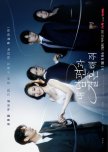
Unexpected twist
I was initially hesitant to start "Marry My Husband" because it's well-known that Park Min Young's projects often have a similar storyline. Her character is traumatized as a child, and a small boy helps her, leading to her falling for him. This plot line repeats itself across many of her dramas, and even though she is a talented actress, watching her portray the same character type repeatedly can become boring. Despite my reservations, I decided to give this drama a chance after receiving numerous recommendations, and I must say, it was spectacular!I had read a few chapters of the webtoon a long time ago, so I had some idea of the story. However, by the time I decided to watch the drama, I had forgotten most of the details.
The story features supernatural time travel, which adds a satisfying twist, especially in the context of revenge dramas. The characters are interesting and unique, evolving in ways that make them increasingly unpredictable as the story progresses. This dynamic is what made the narrative so engaging.
Regarding the acting, I enjoyed Park Min Young's performance; however, the actress who played her best friend and nemesis, truly shone in her role. She was remarkable as the evil best friend, and considering her past controversies due to bullying allegations, it’s clear that she was channeling her own experiences into the character. It's unfortunate that such a talented is wasted due to her poor choices.
As for Park Min Young, my feelings about her are mixed. The first drama of hers that I watched captivated me, but after seeing a few more, I noticed that they all followed the same plot line, which became tedious. My belief has always been that whichever drama you watch first will be the one you love, while the others will feel like mere copies. However, in this drama, she made an impressive comeback and delivered a phenomenal performance.
Esta resenha foi útil para você?
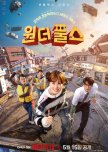
// This shall be your KDrama cleanser!
/ Not trying to hype up this much but I enjoyed it. There were some stalling scenes/episodes, yes. But the substance of the series made up for what seemed as lackluster. Great so far, to me, at least./ Love the OSTs used. I need that instrumental!
/ Going back to normal KDrama format again for the next one.
Esta resenha foi útil para você?
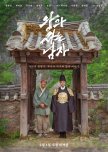
È un film che mi ha piacevolmente stupita. Non serve conoscere il periodo storico coreano per seguirlo, perché il contesto viene spiegato in modo talmente semplice e chiaro che è facile entrare subito nella vicenda.
La storia è ispirata a figure realmente esistite. Il protagonista è il re Danjong, una figura storica molto amata in Corea. Danjong è spesso considerato uno dei sovrani più legittimi dell'intera storia della dinastia Joseon. Suo nonno era il grande re Sejong, mentre suo padre era Munjong, il figlio maggiore di Sejong. Danjong era a sua volta il figlio maggiore di Munjong: una linea di successione praticamente impeccabile. Fu il primo caso di questo genere nella storia di Joseon e, anche successivamente, è difficile trovare un esempio altrettanto perfetto di legittimità dinastica.
Danjong sale al trono alla morte del padre quando è ancora giovanissimo. Nel film ha dodici anni; alcune fonti storiche riportano, invece, dieci o quattordici anni, ma in ogni caso si tratta di un’età molto giovane. Sua madre era morta poco dopo averlo dato alla luce.
Il suo vero problema, però, era avere uno zio rispetto al quale Scar della Disney sembra quasi niente: il Gran Principe Suyang. Quest'ultimo riesce infatti a usurpargli il trono e a mandarlo in esilio in un remoto villaggio di montagna, un insediamento rurale sperduto e poverissimo situato nella valle montana di Cheongnyeongpo, a Yeongwol.
Il capo villaggio, Eom Heung-do, è un uomo piuttosto credulone: quando gli viene detto che ospitare un nobile esiliato porterà prosperità e ricchezza alla comunità, ci crede immediatamente e fa di tutto per avere Danjong nel suo villaggio. Peccato che non si tratti di un nobile qualunque, ma del re deposto. La sua presenza, quindi, non promette necessariamente ricchezze; anzi, all’inizio rappresenta anche un peso, perché deve riferire costantemente alla corte imperiale ciò che accade al giovane sovrano in esilio.
Naturalmente c'è anche una parte romanzata. Il film sviluppa l'amicizia tra l'ex imperatore e gli abitanti del villaggio, una comunità povera che vive principalmente di caccia e raccolta. Nessuno di loro sa leggere né scrivere perché non hanno avuto modo di studiare e nel villaggio non sono presenti alcun tipo di libri, e Danjong cercherà di aiutarli.
La storia si conclude seguendo gli eventi storici reali. L'ultima scena, in cui vediamo il capo villaggio compiere una determinata azione, sembra essere basata su fatti realmente accaduti. Secondo alcuni scritti, l'uomo visse poi nascosto con la propria famiglia fino alla sua morte per timore di rappresaglie da parte del re.
Il film raggiunge pienamente il suo obiettivo: mi ha appassionata a tal punto che, una volta terminata la visione, sono andata subito a cercare informazioni sulla vera storia di Danjong. Considero questo un aspetto davvero positivo, perché opere come questa permettono di avvicinare anche chi vive al di fuori della Corea alla storia e alla cultura di questo paese.
Danjong è interpretato dal giovanissimo Park Ji-hoon, ex membro del gruppo idol Wanna One, che è riuscito ancora una volta a stupirmi. Ogni volta che lo vedo in un ruolo diverso rimango colpita dalle sue capacità e dalla sua versatilità, tanto che, in un primo momento, non l'avevo nemmeno riconosciuto nel film. Qui appare maestoso negli abiti imperiali; lo avevo già visto in Weak Hero Class mentre distribuiva pugni a destra e a manca, e prima ancora in At a Distance, Spring Is Green con i suoi boccoli biondi e l'aria da cucciolotto. Sono davvero curiosa di scoprire quanto riuscirà ancora a crescere come attore.
Come già detto, Danjong è una figura storica molto cara ai coreani. Proprio a causa della sua vita tragica e commovente, compare in innumerevoli opere di fantasia, tra cui romanzi, serie televisive, film e perfino fumetti. Tra gli esempi più noti troviamo The Face Reader e The Princess's Man. Chissà che non lo rivedremo presto protagonista di un'altra opera dedicata alla sua storia.
Esta resenha foi útil para você?

Shinya Suzuki è come la rumba: passionale e sfacciato.
Non potrebbero essere più diversi, eppure sono due mondi destinati a incontrarsi e così facendo cambieranno per sempre le loro vite.
10DANCE è un live-action di produzione Netflix con Keita Machida e Ryoma Takeuchi protagonisti, tratto dall’omonimo manga di Satou Inoue. Nonostante sia un film sensuale e ipnotico, non è una pellicola priva di difetti.
La storia racconta di due ballerini, Sugiki secondo a livello mondiale nella categoria dei balli da sala e Suzuki campione giapponese dei balli latino-americani. Su idea di Sugiki, decidono di aiutarsi a vicenda per partecipare alla gara 10Dance dove i ballerini dovranno esibirsi in 10 tipi diversi di ballo.
Il film ha un ritmo lento e si prende i suoi tempi per far appassionare lo spettatore, ma la storia funziona fino a un certo punto.
Premettendo che non ho avuto la possibilità di leggere il manga, quindi non so se è un problema che si può riscontrare anche nel cartaceo, ciò che mi ha impedito di godermi appieno il film risulta come è stato caratterizzato il personaggio di Sugiki.
Lui si presenta come un ballerino rigido, che fatica a comunicare le sue emozioni e proprio per questo le due decisioni e la sua crescita personale non è chiara, anzi alcune volte è lasciata all’interpretazione dello spettatore che deve capire cosa sta provando o pensando. Le sue emozioni sono nascoste e vengono fuori in maniera inattesa, in modi impensabili. È un personaggio sfaccettato che probabilmente porta qualche cicatrice passata, ma nel film viene dato solo un assaggio: più che spiegazioni, vengono dati degli indizi con cui lo spettatore può ricostruire il puzzle.
Se Suzuki si plasma e smorsa i suoi difetti per adattarsi al ritmo, ai movimenti di ballo e al carattere di Sugiki, quest’ultimo sembra fare solo un passettino in avanti rispetto ai dieci fatti dall’altro, o comunque due passi avanti e uno indietro.
È Sugiki che guida, sempre. Proprio per questo la tensione emotiva, che è presente in tutto il film, è sempre composta e controllata. Come nel ballo, anche nella vita Suzuki dà importanza alla tecnica e ai risultati, mentre Sugiki cerca di insegnarli a seguire l’istinto e la passione.
La mancanza di un’esplosione emotiva, però, è proprio ciò che rende questa tensione così potente. I movimenti dei corpi durante il ballo sono il vero linguaggio dei sentimenti: sono i gesti a parlare.
In questo la regia esegue un lavoro magistrale seguendo da vicino i ballerini e mettendo in primo piano le mani che si muovono sul copro del proprio partner di ballo: una stretta più forte, le dita che scivolano poco più in basso del fianco o un tocco sulla schiena.
Lo scontro fra due mondi che sembrano non capirsi dà vita a un turbamento emotivo, fatto da frustrazione, ma soprattutto di attrazione. Le emozioni crescono ad ogni passo di ballo.
A sottolineare tutto ciò, si aggiungono i silenzi e gli sguardi evitati, oltre a quelli dati a debita distanza, solo quando uno è sicuro che l’altro non può vedere.
In questa danza di emozioni, in cui i personaggi ballano con i loro sentimenti in un tira e molla di passini, i due attori protagonisti sono impeccabili. I loro movimenti sono precisi, sensuali, ipnotici.
Il film funziona grazie all’interpretazione di Keita Machida e Ryoma Takeuchi, alla loro chimica palpabile e ai loro movimenti durante i balli che sono carichi di erotismo.
La parte dei balli è fortemente realistica, facendo solo intuire il lavoro che i due attori devono aver fatto per poter recitare in questa pellicola.
Tutto ciò, purtroppo, non è bastato a soddisfare le (forse troppo alte) aspettative: lo spettatore attende che la tensione emotiva raggiunga il suo culmine e che finalmente esploda e spera di vedere realizzata la passione e il desiderio dei protagonisti, ma si arriva con il fiato sospeso all’ultima scena rimanendo delusi.
La crescita di Sugiki è lenta, minima e ridotta agli ultimi minuti di visione, lasciando intendere che forse c’è molto altro da raccontare.
La storia d’amore sembra rimanere incompiuta, forse perché anche il manga è ancora in corso e tante vicende devono essere ancora affrontate, ma nella pellicola si sente la mancanza di qualcosa.
E non solo nel finale: anche nella parte raccontata nel film si ha la sensazione che qualcosa sia stato tolto, forse a causa di tempistiche ristrette dovute alla pellicola.
In conclusione, 10DANCE si fa guardare più per l’interpretazione degli attori che per la storia stessa che aveva un bel potenziale, ma non sfruttato a pieno.
Esta resenha foi útil para você?
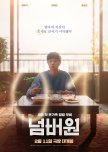
Al protagonista, infatti, appare un numero ogni volta che mangia alimenti cucinati dalla mamma, convincendosi che si tratti di un conto alla rovescia verso la fine della vita di lei.
La paura e il timore di perdere questo affetto per lui così caro lo spingono ad allontanarsi sempre di più, senza rendersi conto — almeno inizialmente — di tutto l’amore che sta perdendo, dei momenti unici e irripetibili che non torneranno mai più.
Il piccolo elemento fantasy non è altro che un espediente per raccontare il rapporto madre‑figlio in modo naturale e delicato.
“Mamma” è la prima parola che pronunciamo quando abbiamo bisogno d’aiuto, ed è proprio dalla madre (e dalla sua cucina che riscalda la pancia e il cuore) che il protagonista tornerà nel momento del bisogno.
Straordinario, come sempre, Choi Woo‑shik, che ci regala un’altra performance bellissima e sincera, confermandosi un attore eccezionale e versatile.
Esta resenha foi útil para você?
Il filo conduttore che descrive la vita del personaggio resta quello dei treni, spesso in ritardo, e dei passaggi a livello che sembrano allontanarlo sempre di più dalle relazioni.
Se nell’anime domina l’angoscia costruita attorno all’attesa di un incontro destinato a non avverarsi, nel live‑action questa tensione emotiva è presente, ma in maniera più attenuata.
Anche il finale trasmette sensazioni leggermente differenti. Nell’anime permane un senso di tristezza e rammarico per un ragazzo che non è riuscito a lasciarsi alle spalle il passato, che si è chiuso in sé stesso per non soffrire nuovamente e che finisce per sprecare rapporti e occasioni inseguendo il ricordo di un amore perduto.
Nel film, invece, la stessa identica conclusione — ambientata sempre in prossimità di un passaggio a livello — lascia intravedere una nota di speranza, grazie all’espressione finale del protagonista.
Esta resenha foi útil para você?
“Once We Were Us” è un remake del film cinese “Us and Them”, quest’ultimo disponibile su Netflix con i sottotitoli in italiano.
Un incontro inaspettato fra due ex‑amanti fa riaffiorare agrodolci ricordi passati. Come la prima volta che si sono conosciuti, Jeong‑won ed Eun‑ho si trovano sullo stesso mezzo di trasporto, che però subisce un imprevisto. Saranno così costretti a condividere l’ultima camera disponibile in hotel, passando la notte a ripensare a quando erano un “noi”, fra malinconia e rimpianti.
Il film si presenta come un racconto realistico e quasi distaccato di una storia d’amore che termina non tanto per mancanza di sentimenti, ma perché la realtà è troppo dura; tutto è raccontato in maniera così oggettiva e misurata, senza lasciare spazio ai drammi, che l’epilogo della loro storia appare quasi più toccante.
La chimica fra i due attori è davvero palpabile. Sia Koo Kyo‑hwan che Mun Ka‑young sono stati eccelsi nell’interpretare i loro personaggi in due momenti molto diversi della vita.
Significativo è anche l’uso dei colori e del bianco e nero, che non si limita a far capire quale piano temporale stia osservando lo spettatore: il passato, legato alla giovinezza — un’età ricca di sogni e speranze — è rappresentato a colori; il presente, invece, è raffigurato in bianco e nero.
Non sono solo i colori ad avere un valore simbolico, ma anche alcuni oggetti all’interno della pellicola: la poltrona che tanto piaceva alla protagonista, ad esempio, dovrà essere lasciata fuori dalla nuova casa e buttata via, proprio come le sue speranze e i suoi sogni.
È consigliata la visione accompagnata da un pacchetto di fazzoletti.
Esta resenha foi útil para você?
Esta resenha pode conter spoilers
Questa recensione non contiene spoiler sul finale, ma potrebbe anticipare alcune vicende.L’agenzia di viaggi "K‑drama" ci offre un pacchetto vacanze che ci porterà in giro per il mondo: Corea, Giappone, Canada e Italia; il tutto rimanendo comodamente seduti sul divano.
Le vicende di Come si dice "Amore"? seguono l’interprete Joo Ho‑jin, che parla fluentemente tante lingue come inglese, giapponese e italiano, e la star internazionale Cha Moo‑hee, che si appoggerà alla sua traduzione per girare un programma.
Paesi diversi, culture diverse, lingue diverse. Eppure, nonostante la presenza di un ottimo traduttore, non sempre la comunicazione è chiara.
"Sai quante lingue ci sono nel mondo, signor Interprete? […] Ci sono tante lingue quante sono le persone. Ognuno parla la sua lingua. Ecco perché le persone fraintendono e si offendono a vicenda."
(cit. Kim Young‑hwan)
Il linguaggio non è solo questione di parole: quando si parla e si ascolta, ognuno porta con sé il proprio bagaglio di esperienze, le proprie emozioni e le proprie interpretazioni. Può capitare che, anche parlando la stessa lingua, non si riesca a capirsi l’un l’altro. Ed è questo uno dei temi fondamentali di Come si dice "Amore"?.
E a proposito di lingua: il primo consiglio che mi sento di dare è guardare il drama in lingua originale.
Il protagonista in alcuni episodi parla in italiano e il doppiaggio ci impedisce di comprendere il cambio di lingua, creando confusione.
In un episodio in particolare, per evitare fraintendimenti, si è addirittura trasformata un’orchestra italiana in spagnola, proprio per ovviare al problema della traduzione, ma generandone così un altro.
In generale, comunque, l’adattamento italiano non è stato dei migliori.
Oltre al problema dell’italiano, è presente anche quello della lingua giapponese che in alcuni dialoghi è doppiata e in altri no, confondendo ulteriormente lo spettatore.
Quindi, nonostante io sia spesso pro‑doppiaggio, in questo caso mi sento di sconsigliarlo.
Dopo aver deciso con quale lingua affrontare questo viaggio, possiamo partire per nuove mete: posti stupendi e meravigliosi, alcuni molto vicini a noi.
L’Italia — e la mia Toscana — è quella che risalta di più per bellezza e fascino!
Luoghi come Civita di Bagnoregio, Perugia, Siena, i colli del Chianti e la bellissima libreria Giunti Odeon di Firenze (anche se nel drama è stata spostata in Canada) ci fanno sentire il mondo dei drama coreani più vicino a noi.
La fotografia è meravigliosa. I luoghi sono bellissimi, ma la regia è riuscita a renderli ancora più belli con riprese stupende e panoramiche mozzafiato che fanno da cornice a questa storia.
In questo percorso siamo accompagnati da personaggi interpretati da attori eccezionali.
Il protagonista è impersonato dall’affascinante Kim Sun‑ho che, per me, può ricevere la cittadinanza italiana ad honorem anche subito: oltre a parlare giapponese e inglese, si è dovuto cimentare anche in tantissime battute in italiano.
Non è da meno nemmeno Ko Yoon‑jung, che aveva il difficile ruolo di interpretare due personalità completamente diverse e ci è riuscita con grande impatto: con un solo sguardo riuscivamo a capire chi era chi.
E cosa dire del principe del romanticismo? Non solo uno dei personaggi scritti meglio, con una crescita ben leggibile, ma l’interpretazione di Sota Fukushi è stata fantastica; ancora una volta ci incanta e ci stupisce (anche grazie ad alcune frasi pronunciate in coreano).
Ciò che disturba il nostro viaggio è una presenza un po’ inquietante che si mette sotto i riflettori soprattutto dal settimo episodio: Do Ra‑mi, la zombie del film interpretata dalla protagonista Cha Moo‑hee, prende vita diventando quasi una sua personalità alternativa.
Oltre a diventare un personaggio ingombrante, Do Ra‑mi non era poi così necessaria ai fini della trama: sono presenti già molti aspetti e vicende che potevano essere approfondite, e aggiungere un altro personaggio così importante ha solo portato a una conclusione in cui nessuno dei temi è stato sviluppato in modo adeguato.
Il fattore stesso di un’altra personalità che si fa largo nella mente della protagonista è un tema interessante, poche volte visto sul piccolo schermo coreano — vi consiglio di recuperare Heal Me, Kill Me se vi interessa l’argomento — ma qui è trattato in modo superficiale e non sviluppato al meglio, togliendo spazio ad altre problematiche che potevano essere approfondite.
In conclusione, fate la valigia e preparatevi a partire; godetevi le prime sei tappe di questo viaggio e prendete le restanti sei nel modo giusto: gustatevi i paesaggi, amate i protagonisti e sorvolate sulla trama e sulle sotto‑trame non gestite al meglio. Perché, nonostante tutto, il costo vale il viaggio.
Esta resenha foi útil para você?
A Masterpiece of World-Building and Storytelling
Joy of Life is, without question, the only drama I’ve given a perfect 10/10. One of its greatest strengths is its incredibly rich world-building. Every faction, political force, martial arts system, and character feels like part of a living world with its own history and rules. The story is layered with clever schemes, sharp dialogue, and long-term payoffs that make every episode rewarding.The cast is phenomenal. With so many veteran actors in major roles, the performances are consistently outstanding. Special credit also goes to the child actor who plays the young male lead—both his appearance and mannerisms match the adult version so well that the transition feels completely natural. That’s genuinely some of the best child casting I’ve seen.
Another highlight is the emotional core of the drama. Rather than focusing only on romance, Joy of Life shines in its portrayal of family and found-family relationships. Some of the strongest emotional moments come from bonds between people who aren’t related by blood, making those connections feel even more meaningful.
The martial arts system is another aspect I loved. Instead of making the protagonist overpowered from the beginning, the drama carefully develops his growth step by step. Watching him become stronger through experience, strategy, and perseverance is far more satisfying than simply giving him overwhelming power. Combined with beautifully choreographed fight scenes, it creates an exciting and believable progression.
The soundtrack deserves praise as well, especially the unforgettable opening theme performed by a legendary singer, which perfectly sets the tone for the series.
If I had to point out one weakness, it would be the romance. Compared to the political intrigue, family relationships, and world-building, the love story feels less developed. However, considering the sheer scale and ambition of everything else the drama is trying to accomplish, it’s a flaw I can easily overlook.
For me, Joy of Life sets the standard for historical fantasy dramas. Brilliant writing, unforgettable characters, exceptional acting, immersive world-building, and satisfying character growth make it a rare series that excels in almost every aspect. This is an easy 10/10 and one of the best Chinese dramas I’ve ever watched.
Esta resenha foi útil para você?
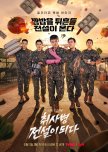
Becoming a Cooking Soldier Legend
21 pessoas acharam esta resenha útil
Esta resenha pode conter spoilers
Cooking drama with military setting and strong comedy
For me it started really strong, the comedy is really good and food scenes are superb. Military is very good setting for this as i could believe most shenanigans which happens there and characters are very relatable. Lead actor Park Ji Hoon is strong as ever and Lee Hong Nae is superb at supporting them. I feel like all the other characters were bit on the background noise levels and i couldn't say much about them, other than maybe Lee Sang Yi who does seem to excel in comedies.I'd have to admit that throughout the serious plot line was super underwhelming and i think it failed to connect me at any level, i get what it tried to do but every time i almost started to care about it comedy overwhelmed it and it just lost its flow with me. Thus latter part where it tried to do turn more serious, it fell kinda flat and i just didn't care for the latter half as much as the start.
Ending was another underwhelming part, it seems like they've already sold the 2nd season and didn't really care to do too much of a big bang for the season 1 ending, if someone told me this would've continued next week i could believe you. Villain so bad, i don't really have anything say about him, kinda non-character. Secondary villain was better by a wide margin but he got dealt earlier already.
Conclusion
Top tier comedy but falls flat at its serious message, strong lead and second lead while side characters kinda fell flat. Villain was bad and didn't really offer any ''scares'' during the drama, so i didn't have any delusions that main character wouldn't win.
I'd give it 8/10, it was 9/10 but the obvious season 2 launch soft ending brought it down.
Esta resenha foi útil para você?
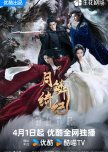
Please get comfortable with confusion - you'll be rewarded
Veil of Shadows is one of those shows that can blow your mind and in a good way. The synopsis does not do it justice, but I don’t think one can describe this story properly other than to oversimplify.The cinematography was better than any Hollywood film I’ve seen recently. Amazingly beautiful work…….watch this show just for the incredible film work.
I love this drama…..it is exactly my kind of story.
STORY
Veil of Shadows is about five characters that must figure out who they really are and where they came from…..full stop.
These five characters interact with each other and a whole host of individuals that force them back into answering those two questions.
The actual story is told in flashbacks. This may be difficult for some to process. Personally, I’m not a fan of flashbacks but it was done in such a way that layers of the mystery of who everyone was were peeled away with each flashback.
Get comfortable with flashbacks and this story will take you for a roller coaster ride.
CHARACTERS
I suppose Lu Wu Yi is the lead character….not sure as all 5 are on screen quite a bit. Ju Jing Yi had me captivated from the beginning. Is she a bad guy or is she a good guy? Frankly, other than Joseph Zeng’s character, that question could be asked of pretty much every character that graces the screen.
Chen Du Ling plays Wu Wang Yan, Lu Wu Yi’s nine-tailed fox sister. The two “foxy” ladies meet up with the other three lead characters, Wu Shi Guang (Joseph Zeng), Ji Ling (Tian Jia Rui), and Li Jie (Yan An) at the Wei mansion to solve a demon problem.
All five were powerfully portrayed but Yan An STOOD OUT! He did a fabulous job (and fabulous abs). My eyes were glued to the screen every moment he was on. Tian Jia Rui created an equally compelling character from beginning to end. I hope he wins some award for this, because now I want to see everything he’s acted in.
Ju Jing Yi and Chen Du Ling made me love them from the beginning. Their sisterly bond was so believable that I wondered if these two women were close friends in real life. Truly, I was fascinated by both performances and vow to watch them in other dramas.
SOUNDTRACK
I LOVED this soundtrack. I will be downloading the Liu Yuning song for sure (best one yet). Spectacular music all the way through. The chanting thing they had going on in the background during climatic moments was out-of-this-world.
REWATCH VALUE
I will be rewatching this for sure. There are several support characters that need more than one watch to understand their place in this fantasy world. I love Xia Zhi Guang from other shows and enjoyed his guest role. I want to experience his character again, just to relive his impact to the storyline.
OVERALL
I believe if the viewer is someone who can keep an open mind and go with the flow, the current rating is too low. The characters, cinematography, the music make it worth at least a 9.0 on MDL.
Esta resenha foi útil para você?
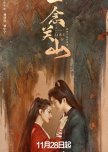
Esta resenha pode conter spoilers
An Outstanding Adventure Undone by a Frustrating Finale
A Journey to Love completely deserves the hype it received when it first aired. The drama is gripping from the start, featuring a memorable cast of characters, exciting political schemes, and some of the best action choreography in recent costume dramas. Both the male and female leads are refreshingly competent—not just as fighters but as strategists. Instead of relying on misunderstandings or plot armor, they solve problems with intelligence, making their partnership one of the drama’s biggest strengths.Unfortunately, the final episodes are where everything falls apart. A tragic ending isn’t the problem—this is a story set during wartime, so death is expected. The problem is how those deaths are written. The first one or two major sacrifices among the diplomatic mission feel meaningful and believable, but once the story shifts into the final war arc, the writing becomes increasingly forced. One particularly baffling scene has the second leads sharing a romantic horseback ride, smiling and enjoying a peaceful moment in the middle of a battlefield. The tonal shift is so strange that it completely breaks the immersion, only for the male supporting lead to die almost immediately afterward. It feels manufactured purely for shock value rather than as a natural consequence of the story.
The endings for the main couple are even harder to accept. Throughout the drama, both leads are established as exceptionally capable survivors. Yet the script suddenly bends its own rules just to ensure they cannot have a happy ending. The female lead, in particular, feels completely out of character. She spends the entire series proving her resilience, surviving impossible situations and living on despite unimaginable loss. Then, in the end, the drama suggests she no longer has the will to live simply because the male lead is gone. That decision contradicts everything the story had spent dozens of episodes building. Instead of feeling tragic, it feels unearned.
A Journey to Love remains an excellent drama for most of its run thanks to its engaging characters, thrilling action, and clever storytelling. If the finale had stayed true to the characters it had so carefully developed, this could easily have been a 9.5 or even 10. Instead, the final stretch sacrifices logic and character consistency for tragedy, leaving me with an 8/10 despite how much I enjoyed everything that came before.
Esta resenha foi útil para você?
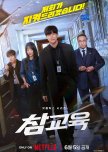
Esta resenha pode conter spoilers
# MyDramaList Review**Headline:** A Disastrous, Cringe-Inducing Power Fantasy That Robs the Real Victims of Their Voice
**Status:** Finished Watching
**Spoilers:** Yes
**Language:** English
### My Ratings
* **Overall:** 1.0 / 10
* **Story:** 1.0 / 10
* **Acting / Cast:** 1.0 / 10
* **Music:** 1.0 / 10
* **Rewatch Value:** 1.0 / 10
### The Review
I completely forced myself to finish all 10 episodes of this show, and it is hands-down one of the most frustrating, poorly conceived dramas I have ever watched. If you are looking for a meaningful story about school life, bullying, or systemic reform, stay far away. This show is nothing more than an edgy, unrealistic adult savior fantasy that completely misses the point of what makes school stories compelling.
#### The "Cringe Teacher" Problem
The absolute worst part of this entire show is the Educational Rights Protection Bureau (ERPB). Watching Na Hwa-jin, Im Han-rim, and Bong Geun-dae crash into these schools like some knock-off Special Forces superhero squad is pure, unadulterated **cringe**. The show tries so hard to make these adult teachers look cool, badass, and dark when they interfere in student bullying. Instead, it just looks ridiculous.
Every time Na Hwa-jin stands in a classroom smirking, delivering an edgy monologue before physically assaulting a minor, I rolled my eyes. It feels like it was written by an adult who has a bizarre, power-tripping revenge fantasy against teenagers. The adult characters are completely unlikable, overpowered caricatures who never face real stakes because the plot completely bends over backward to make them look right.
#### The Victim Should Have Been the Protagonist
This show completely robs the actual victims of their agency. **I desperately wanted the victim students to be the actual protagonists of this story.**
Instead of watching a traumatized student find their inner strength, learn to stand up for themselves, navigate the harsh realities of school social hierarchies, or grow as a human being, the narrative completely pushes them into the background. The victims are treated like helpless, pathetic props just to justify the ERPB coming in to throw punches. We don't get to see the kids overcome anything; we just watch a grown man with Special Forces training beat up a bunch of high schoolers. It’s lazy writing and completely unsatisfying.
#### A Trainwreck of Cartoonish Plotlines
Every single arc across this timeline is cartoonishly exaggerated to try and make you root for the ERPB's extreme methods:
* **The Politician’s Son & Cyber-Clout Influencer:** The villains are completely one-dimensional. A teenager running a school like a military dictator? A girl destroying lives entirely for internet fame without any real nuance? The show lacks any understanding of real human psychology.
* **The "Monster Parents" and Drug Conspiracy:** Shifting the blame to toxic parents and underground academic drug rings just felt like an over-stuffed mess. The escalation from simple school bullying to a massive, multi-million dollar juvenile mafia run by Assemblyman Hwang Gi-tae was utterly laughable.
* **The "Going Rogue" Finale:** Episode 10 was the final nail in the coffin. The government freezes the ERPB, so these grown adults decide to go completely rogue and launch an off-the-books assault on a student-run syndicate. It completely throws away any realism the show pretended to have left.
#### The Toxic "Philosophical" Core
The show tries to pass itself off as deep by claiming that "true education requires accountability" and that the Juvenile Act just breeds monsters. In reality, it’s just an excuse to glorify violence and state-sponsored fascism in schools.
The acting across the board was stiff and over-the-top, the music was generic and forgettable, and the rewatch value is absolute zero. This is a massive miss. Avoid it at all costs unless you want to watch adults have a massive power trip over fictional teenagers.
Esta resenha foi útil para você?
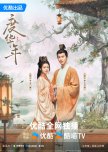
Unconvincing Performances
I dropped The Princess Royal after a few episodes. At first, it looked promising—the cast was full of familiar faces, and the production quality was clearly impressive. The costumes, cinematography, and overall visual presentation gave the impression of a well-crafted historical drama.Unfortunately, the acting, especially from the female lead, completely took me out of the story. Both protagonists are supposed to be people who have already lived one lifetime and are given a second chance, yet the female lead never convincingly portrays that maturity. Instead of someone shaped by years of experience and regret, she often comes across as immature and emotionally impulsive. That performance made it difficult to believe in the character’s backstory or emotional journey.
From what I’ve heard after dropping the drama, the later episodes place increasing emphasis on the second male lead, which left many viewers frustrated. While I can’t judge those episodes firsthand, it reinforced my decision not to continue.
In the end, The Princess Royal earns 7/10 from me mainly because of its polished visuals and high production value. Sadly, beautiful cinematography can’t compensate for weak storytelling and a lead performance that never convinced me.
Esta resenha foi útil para você?
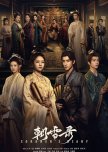
Beautiful Cast, Disappointing Mystery
I dropped Coroner’s Diary after the second case because, as a mystery drama, it simply failed to keep me interested. The investigations felt bland, the cases lacked suspense, and the solutions were too straightforward to leave any real impact. There was little sense of tension or clever deduction, making each case feel surprisingly forgettable.From what I’ve seen in later reviews and discussions, I don’t regret dropping it. Many viewers felt the writing became even weaker as the story progressed, with increasingly questionable logic and a portrayal of women that often leaned toward outdated stereotypes of the “ideal” traditional woman. Whether intentional or not, those elements made the drama even less appealing to me.
The only reason I’m giving it 6/10 instead of a lower score is the cast. The actors are undeniably attractive, and the production looks polished. Unfortunately, good-looking leads can’t make up for weak mysteries and disappointing writing. If you’re watching primarily for compelling detective cases, this one is easy to skip.
Esta resenha foi útil para você?


