
 K-Drama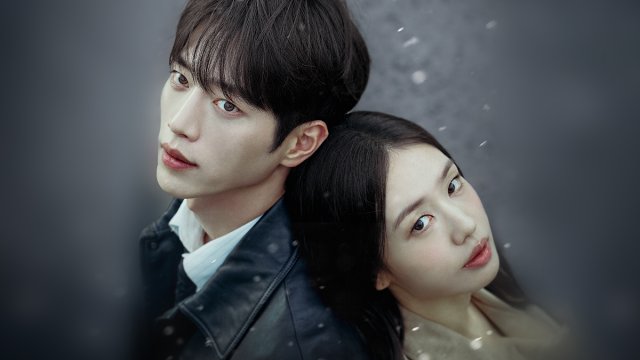

A Quietly Disturbing Look at Modern Life
New Normal is an interesting, if somewhat uneven, film that follows the lives of six different people, with each story unfolding through chapter-style storytelling. This structure works well because it gradually offers insight into each character’s life while emphasizing how disconnected people can be from one another, even while living side by side in the same world.One of the film’s strongest aspects is its cinematography and overall presentation. The way the movie is shot reinforces its central theme: everyone appears to be living ordinary, routine lives on the surface, yet there are darker and more complicated events happening beyond what others can see. That sense of hidden reality creates an unsettling atmosphere throughout the film.
The ending, however, is where the movie becomes more divisive. It takes a very nuanced and ambiguous approach, which makes the story feel intentionally unresolved. While the final revelations and the group chat sequence provide enough context to understand why certain individuals were being targeted, the film leaves many questions unanswered. Not seeing the aftermath or consequences of those events may frustrate some viewers, especially since no one is truly held accountable and life seemingly continues as normal.
At the same time, that unresolved feeling appears to be deliberate. New Normal leans heavily into the idea that real life rarely provides complete closure or easy answers. People move on, mysteries remain unsolved, and the world continues regardless. Whether that approach feels thought-provoking or unsatisfying will likely depend on the viewer.
Overall, I neither loved nor disliked the film. It presents some compelling ideas and creates an effective atmosphere, even if its storytelling choices do not always fully land. One thing that stood out, intentionally or not, was the soundtrack, which often felt strangely placed and unexpectedly comedic at times.
Was this review helpful to you?

The Men Scolded the Woman Who Bothered Me
3 people found this review helpful
Samsung Commercial
The title “The Men Scolded the Woman Who Bothered Me” is both a spoiler and complete summary of this short web film/Samsung commercial. I would say “men” and “woman” was stretching things as most behaved like high school students instead of employees at a major company.Ji Hie’s first day at work doesn’t go well when she returns a wallet to a stranger on the street. The stranger accuses her of stealing the 50,000 won that had been in the wallet. Joo Hyun tells her off and then goes to work and gossips with the other members of his team, including Joo Mi who used to bully Ji Hie mercilessly in high school. Sure enough, Ji Hie walks in and is introduced as the newest member of the team. Joo Mi thinks she can pick up where she left off torturing Ji Hie, but will everyone buy her victim performance?
The film contained a long product placement for Samsung in the middle of the short film. The end credits were also all about their Galaxy products. I’m not against companies making short films that feature their products, the Philippines’ Jollibee famously makes very touching short film commercials. This commercial, on the other hand, was completely graceless. The acting was below average and the bullying storyline was clumsily handled. At one point, in order to highlight a Galaxy product and resolve a conflict, they stepped into absurdity. Everyone was pretty to look at and Samsung was the focal point so it probably succeeded in its goals despite appearing very amateurish. However, I just found myself rolling my eyes at the denouement, completely uninspired to purchase their high-tech equipment. Better luck next time Samsung, maybe get Jollibee on the phone and see who they use to make their commercials.
28 May 2026
Was this review helpful to you?

This review may contain spoilers
One of the best horror movie
The story is amazing, and we can see throughout the entire movie that Panor was the light in darkness. Unfortunately, that principle was worse than Satan, and this type of person deserves this painful ending. We can see the true love bond between Piak and Panor; both🫶were working very instinctively. I mean, at the beginning of the movie, Piak thought that she was the murderer of his mother, but even after that, he saved her from molesters, and in the end, he saved her again from Panor's father. Because of his help, she was able to defeat the evil.Was this review helpful to you?
one of the most tender, sincere, genuine explorations of trauma in queer men
this was absolutely brilliant. incredibly profound and poignant. one of the most tender, sincere, genuine explorations of trauma in queer men.the film perfectly encapsulates how, as mackinnon once put, in sex, “the acted upon is feminized, is the ‘girl’ regardless of sex, the actor correspondingly masculinized.” then, it follows that feminized queer men experience and compartmentalize male violence in similar ways to women, while also facing different challenges in a world where their existence is often only allowed through degradation and criminalization.
this film understands something its modern counterparts that try to tackle similar themes of gay hookup culture and “toxic” relationships very rarely get right: romanticizing violence is a trauma response. desires produced under patriarchy (and capitalism) interact with one’s positionality and relevant social capital and may manifest as desire to own, desire to harm, or desire to be owned and harmed.
ah lan repeats how the convict loves her executioner and he says, “we love you. we have no other choice.” a lot of queer men, like a lot of women, have not known love but have experienced being sexually desired. in fact, it is often the only kind of attention they receive from the people they expect to be loved and cherished by. being sexually desired and then experiencing sexual pleasure through that interaction corrupts their understanding of intimacy and “love.” like ah lan, who has been traumatized with many such interactions, one, then, starts seeking attention through danger, violence, domination. when recounting an experience of rape, ah lan says he resisted but later yielded and then he was filled with pleasure: “is it not what making love is all about?” similar to the workings of the gay conversion therapy he was exposed to at the hospital, the euphoric feeling of sexual pleasure becomes associated with violence and domination, which he cross checks with societal narratives about love, and it doesn’t seem to get challenged at all.
what i find particularly poignant about the aforementioned quote from ah lan is that he acknowledges “we have no other choice.” similar to a lot of women, a lot of gay men strive for male recognition, the legitimizers of the world and all worldly things. “we have no other choice” because it is men who have the power to define things and violence is usually the only form “love” ever arrives in from them.
i also loved the scene where ah lan is once again recounting an experience where he was abused and it goes like this: are you crazy? i love him. you’re sick. no, i’m gay. i love him. i thought this simple dialogue had quite a lot of depth as it showed ah lan’s understanding of homosexuality, at least the position he occupied in his sexual (or any) relations with men, as submissive, engaged in self-erasure, and barely human. it’s almost as if he said when you’re gay, It’s Just What Happens. this is just what “love” looks like when you’re gay.
moreso, the film is not interested in making the policeman’s repression easy to sympathize with because, at the end of the day, isn’t it that they’re suffering from the same thing? yet, their proximity to power completely changes their positionality and he gets to resort to violence whenever he cannot manage his feelings and channel it all onto ah lan’s body.
i loved how they used hands as a narrative motif that carried touch in relation to desire and longing and belonging. i also thought ah lan’s characterization was utterly interesting. incredibly imaginative yet so restrained. the self-performance was melancholic but self-assured and strong at the same time; it felt like he was deeply aware of his suffering and it felt like he was sustained by the self-performance.
i think the sad part about it all was ah lan’s desire to be loved without having any idea of what it is or what it might feel like. he spoke of love without possessing a healthy emotional language for it, without ever being allowed any room for it. true intimacy and love become impossible in the existence of such hierarchy yet the yearning to be touched emotionally remains.
women and queer people often struggle with this but if domination is the only language through which you can receive attention, and desire, and pleasure, it naturally becomes hard to distinguish love from violence, especially when you haven’t been afforded the power of defining.
Was this review helpful to you?

This review may contain spoilers
Wanted more
She wants to use any means to make her fall in love either her… will what’s in her bag make them fall in love or make them stop being friends.I love friends to lovers this has so much potential. I just don’t like forced love it feels gross but this series skirts away from that. The plot twist was so good.
I wanted to get the build up of them being friends and them being together, and even parts of this being expanded. this just feels like a snippet of a great movie or drama.
Was this review helpful to you?

What a action-packed rollercoaster!
It gave me chills! The way they were after her :/ Ending could be little bit better with more romantic scenes!! Not everyone has to die!! But overall it was a worth watching movie for me!! Pim, Thana and Sivakorn were the stars for me, their characters fully suit them! Whereas, Toni was a perfect villain, he scared the hell outta me throughout the movie and that guy who played transgender was way too scary too man!9/10
Was this review helpful to you?
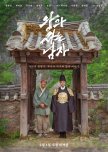
he DID NOT deserve that.
"i beg you. with your own hands, send me across the river."the acting. OUTSTANDING. park jihoon never fails to surprise me with his acting. they deserved all the awards that they got from this.
i thought that i wouldn't cry when i watch this... but it broke my heart. y'all could've just stabbed me instead and it would hurt less.
he was just 16. yes, 17 in korean age, but still, 16. he was dethroned, exiled, and he even had to witness his loved ones die with his own eyes. he couldn't risk it again. at first, he made sure he was detached from the exile village people. but then, they became the reason why he wanted to live, and serve people. they were his last straw. in the end, he'd rather die in the hands of his loved ones, than the ones who betrayed and exploited him. that was his dying wish. it took 241 years, for him to be restored as king danjong... 241 years. he died not knowing that he was restored as king 241 years later.
P.S. don't make them touch cgi ever again.
Was this review helpful to you?
This review may contain spoilers
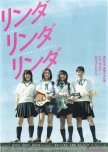
Still singing Linda Linda Linda out loud
Linda Lind LINDA is definitely one of those Japanese movies that are tucked into someone’s old cassette hidden in an old shoebox and on random Sundays it takes you on a journey.Overall, the movie is simple but really enjoyable. My only negative remark about this movie is that since the accident starts just 3 days before the cultural festival, the amount of things that happen feels way too much to wrap up in 3 days. I wish they had about 2 weeks; it would have consolidated their thoughts and feelings and made an impactful friendship.
Overall, the movie starts in a very odd way; we don’t see the main event that led to the band falling apart, but the movie starts after the problem has already happened, so you’re kind of thrown in the middle trying to understand what is happening. Also, in the first 40 minutes of the movie, the dialogues were so little that there was so much silence, and I wish they had more dialogues. For someone who never watched Japanese movies, this movie would be very confusing because I think you need to have a bit of understanding of Japanese school culture through movies or anime to understand it, as the movie does not have many dialogues giving context.
However, I did like the way the character of the Son represented us, the audience, asking and wondering things as we don’t get much explanation for why the band broke up or some of the backstoryabout the girls, so maybe this was also the point, leaving that air of confusion that being a high schooler brings.
The best part of the movie is definitely the music. Although they were in a band that fell apart, the bandmates had to reorganize and even learn a new instrument, and with a singer who can’t really speak much Japanese, it takes us through a journey of learning music and appreciating it. The music is definitely one of the best parts, and as the movie ends, the performance really was so much excitement.
It is a good movie about making friendships and music, but I just wish it had a bit more context and more dialogue. I certainly enjoyed watching it a lot, but again, I do think a wider audience will fnd it diffiuclt to grasp but Japan cinema lovers will appreciate this.
P.s. you will be stuck with Linda Linda Linda in your head for weeks,
Was this review helpful to you?

This review may contain spoilers
Amazing start, messy middle, exhausted ending
The natural disaster part is so good, it’s tense and I really love the mother son relation. The special effects are so good. But this movie is all over the place with the simulation and AI aspect is horrible and drags the movie runtime out. Halfway through I thought the movie was done and I was so shocked. It would’ve been amazing as a classic disaster movie with groundhog day elements instead of doing too much and falling flat on its faceWas this review helpful to you?
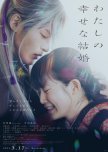
beautiful
i loved this one. i loved the story. i loved the actors. everything. the only part i don’t like is that it was to short. i need more of them. this was too short. i also would like a more detailed explanation about the bugs?! the chemistry was great between the leads. the rest of the characters felt a bit rushed and just pushed into it. i probably should take points off for all that. but I really loved the story and the chemistry between the leads. for someone like me who never read the books or heard of the story, it was confusing but as I said, the rest made up for it. i just want moreWas this review helpful to you?
This review may contain spoilers
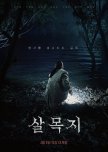
Trapped Between Reality and Hallucination
Salmokji: Whispering Water is an intriguing horror film. After doing some research I found out that it’s inspired by the urban legend surrounding the Salmokji Reservoir in South Korea, located in Yesan County. According to local stories, fishermen and residents have historically avoided the area after dark due to the reservoir being built over an old cemetery, which may have contributed to the ghost stories and supernatural rumors. The film uses this eerie real-world background effectively, creating an unsettling atmosphere from the very beginning.The story follows a production crew that returns to Salmokji for a reshoot, only for strange and disturbing events to begin unfolding shortly after their arrival. From there, the film gradually pulls both the characters and the audience into a psychological spiral where reality becomes increasingly difficult to distinguish from illusion.
One of the film’s strongest elements is how it manipulates perception. Each twist and unsettling moment creates a lingering sense of inevitability, making viewers feel as though something terrible is always about to happen, the question is simply when. The narrative unfolds in a way that demands attention, as even small details can become important later on. Missing certain moments may leave viewers confused, but that confusion feels intentional, mirroring the paranoia and uncertainty experienced by the characters themselves.
While the film succeeds in building tension and psychological unease, it does have its flaws. The rules and limitations surrounding the ghost are never fully explained, which leaves some supernatural aspects feeling underdeveloped. Although many of the jump scares rely on familiar horror clichés, a few still manage to be effective due to their delayed timing and execution. However, the film struggles with character development. Because of the limited runtime and focus on atmosphere, the audience never truly forms a strong emotional connection with most of the characters outside of recognizing or liking the actors portraying them.
Another frustrating aspect is the characters’ constant willingness to split up despite witnessing obvious supernatural events firsthand. At times, their decisions feel more like plot devices than believable human reactions. Additionally, while the premise is compelling, the story does not expand deeply enough on its mythology or themes, leaving several ideas feeling only partially explored.
Overall, Salmokji: Whispering Water is an enjoyable psychological horror film that thrives more on mystery and uncertainty than outright terror. It is not particularly frightening or deeply unsettling, but it does create an eerie atmosphere that keeps viewers engaged. Those looking for a layered psychological experience may appreciate it more than viewers searching for a fully developed horror story with clear answers.
Theory:
Personally, I do not believe anyone truly escaped Salmokji. My interpretation is that whoever survived became trapped within the reservoir’s supernatural cycle, endlessly believing they escaped only to “wake up” and realize they are still there. The hallucinations continue until the ghost ultimately claims them. The ending gives the impression of an endless loop, a cycle of false hope and psychological torment.
At the same time, since the film has an open ending it allows viewers to form and have their own interpretations. That ambiguity is likely intentional, making the ending one of the movie’s more interesting aspects despite its lack of concrete answers.
Was this review helpful to you?
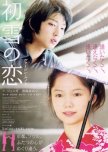
My point of view on 'Virgin Snow' movie — A Quiet, Nostalgic Love Story
I had been searching for this movie for years, mainly because Lee Joon Ki is one of my favorite actors. Finally watching Virgin Snow felt really special.Even though it follows a simple love story between two people from different countries, the movie carries a strong sense of nostalgia.
What I loved most was its innocence and peaceful atmosphere and it feels gentle, pure, and quietly emotional in a way that stays with you. <3
Was this review helpful to you?
This review may contain spoilers
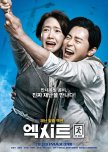
Well, it's a great escape movie, very action-packed. The original idea was great, and the execution was as expected from an escape movie. There was a mixture of comedy, even though it was mostly actions. The story has a lot of plot armours. Two main leads pulled ridiculous moves and survived multiple times. However thanks to the good directing, they were able to cover it up and it was really thrilling. Jo Jung Suk did really well here, outshining everyone including YoonA. She didn't look like a female lead at all here, I must say. He even had a better backstory while YoonA's character didn't get at all. The storyline was missing the part why they both stopped climbing in the first place. I didn't get why they kept running with gas mask on when there wasn't any gas around, even when knowing the mask was limited. On the other hand, the visual effects team had done well here.Overall it's a good show to watch if you're seeking an action-packed story.
Was this review helpful to you?
Careful of water. This movie is teaching ud lesson
Kim hyeyoon at it again. the facial expression, and the actors acting, this is best movie of 2026 the sounds and the movie is tlo scary. This director really knows how to cast the actors, hyeyoon well done, salmoji is really scary and good to watch, i recommended for you to watch, is ten ten, pls produce alot of movies like this and cast kim hyeyoon, the chemistry with the lead actor id amazing.Was this review helpful to you?

Thus Spoke Kishibe Rohan: At a Confessional
0 people found this review helpful
This review may contain spoilers
Wow…
Man these Kishibe Rohan movies are really something else… who comes up with this stuff? It is utterly BIZARRE and I’m here for it. So this Japanese guy comes to Italy as a laborer and meets this other poor tortured Japanese laborer (how many Japanese are there in Italy? Probably not a lot, what’s the likelihood? Oh well..) who hasn’t eaten for 5 days. Well instead of offering him a sandwich when he asked for food, the mean laborer pretends to give him a sandwich and then takes it away and forces him to do his share with the promise of earning that sandwich. He is so cruel to his fellow Japanese man, and the poor tortured laborer basically fall down the stairs from extreme weakness and dies. Then as the mean Japanese laborer watches, the dead laborer’s spirit comes and curses the mean guy, saying at the height of his happiness he will meet his worst downfall. But did this incident change the mean guy into a good person with humility? No way. He is just as mean as he always was. And he is hit with one stroke of luck after another- the happiness curse, which is an ominous sign that something terrible is about to happen. So the mean guy tries to subdue and suppress his happiness by always tying himself with omens of bad luck like black cats and broken mirrors, but they don’t exactly work which just shows that those bad omens are also a lie.Kishibe Rohan happens to hear this mean guy’s confession in a booth at a church in Venice. I thought it was kind of funny because it’s possible that neither of them were Catholic as far as the viewer knows, and if it was a real priest, he would have started with the invocation of the Christian trinity and ending the confession with an absolution of sins, but he just remained silent. And the mean guy was just like “Can I be saved?” lol… that should have been a clue that whoever was listening was not a priest. And Rohan also happened to be Japanese hah what are the chances? The mean guy wears a mask during his confession and I thought that was interesting- the symbolism of masks throughout the movie and the setting of Venice complements that.
Well there is this grotesque scene with the spirit of the tortured dead Japanese man coming back in the form of his daughter’s tongue which is so weird and off putting that I had to remove a star just for that scene- it was so unnecessary in my opinion- they could have done that same concept but with some other visuals, because this was just gross. But anyways, Rohan was awesome as always, and I feel like he was just caught in this weird situation and dragged into it, along with the mean guy’s daughter who is also bound by the same curse. Then for some reason Rohan seems to be hit with the same happiness curse as well. But Rohan is a rather comforting reassuring presence in a. Weird chaotic world, and that’s why his character is just so awesome. Takahashi gives life to that character in a way no one else could. And I love how he comes to Italy and starts speaking in Italian like his software just updated, and the same thing with French in the last movie. And he reads people like books because well.. everywhere you go, people are the same. So he is confident in himself no matter where he goes. H elbows who he is and is not swayed by the culture or its people. I like that.
As for the mean Japanese guy, his confession was essentially useless not just because he wasn’t talking to a priest nor received absolution, but rather because he had no remorse for what he had done, and had not changed himself at all. He was still the same terrible person, just trying not to die from the curse, and he was ready to ruin a anyone’s life including his own daughter’s in order to not die from the curse.
What was the moral of the story? I suppose none, except for seeing how Rohan stayed in his worn center the whole time, even though he helped people, he didn’t lose who he was to the curse, Italy, or any person.
Was this review helpful to you?


