

De bons ingrédients, mais le four a cramé.
Je suis extrêmement déçue. Je n'ai pas pour habitude de noter et commenter des drama que je n'ai pas fini.Le plus frustrant est que le drama avait tous les ingrédients pour réussir : un casting solide, un budget conséquent, un contexte républicain intéressant, une intrigue mêlant romance, espionnage et secrets familiaux, ainsi que des personnages dont le passé donnait envie d'en savoir plus.
Malheureusement, l'exécution est un échec à presque tous les niveaux. La réalisation est très faible, les effets spéciaux et les fonds verts cassent constamment l'immersion, la mise en scène est caricaturale, la musique est beaucoup trop appuyée et les scènes censées être intenses finissent souvent par paraître artificielles. Même le jeu d'acteurs, pourtant assuré par des acteurs que j'apprécie habituellement, m'a semblé desservi par la direction artistique.
Le scénario de base reste prometteur, notamment avec le réseau d'espionnes et le contexte politique, mais la forme prend constamment le dessus sur le fond. Au bout de cinq épisodes, je n'avais plus envie de découvrir la suite.
Bref pour qu'un drama me mette autant en colère c'est que le potentiel est gâché au dernier degré
Cet avis était-il utile?

Absolute Value of Romance
0 personnes ont trouvé cette critique utile
Cette critique peut contenir des spoilers
Je ne m'attendais pas à autant rire devant ce drama...
Avec "Absolute Value of Romance", on suit Yeo Eui-Ju, une lycéenne qui mène une double vie 🥷. Le jour, c'est une élève tout ce qu'il y a de plus normale, mais la nuit, elle écrit des web-romans en secret... et plus précisément des histoires de BL 🤣 . Sauf que tout part complètement en vrille lorsque quatre nouveaux professeurs débarquent dans son lycée... Forcément, avec une imagination comme la sienne, chaque petit détail devient une nouvelle scène à écrire 🤩...Je vais pas mentir... au bout de dix minutes, je me suis dit : "OK... ce drama est complètement barré." 😅 Et soit tu montes dans le train dès le départ, soit tu peux le drop tout de suite... Ici, il ne faut clairement pas chercher du réalisme. Le drama assume totalement son humour absurde, ses situations improbables et son côté "WTF". Personnellement, c'est exactement ce qui m'a plu. Je crois que ça faisait longtemps qu'une comédie ne m'avait pas autant fait rire.
Bon... petite confession 🤫, avec des profs comme ça, ma scolarité aurait clairement pris un autre tournant. Je détestais les maths à l'époque... mais avec Ga Woo-Su comme prof, je pense que j'aurais été beaucoup moins pressée que la sonnerie retentisse 🤭
Concernant les personnages, celle qui porte ce joyeux bazar sur ses épaules, c'est Kim Hyang-Gi 🫶🏻. C'était la première fois que je la voyais dans un drama, et franchement quelle bonne surprise !!! J'ai trouvé qu'elle avait une énergie très communicative, ses expressions sont hilarantes... franchement belle découverte. On sent qu'elle s'amuse dans son rôle... et du coup ben moi aussi 😜.
J'ai beaucoup apprécié les quatre professeurs aussi. Déjà parce qu'ils ont tous une personnalité bien différente, mais surtout parce qu'ils dégagent une vraie complicité ensemble 😍. Je ne sais pas pourquoi, mais ils m'ont plusieurs fois fait penser aux "F4" de "Meteor Garden". Chacun apporte son petit truc, mais celui qui m'a complètement conquise, c'est Ga Woo-Su 🫰🏻. Son côté ultra sérieux mélangé à une maladresse presque involontaire m'a fait rire plus d'une fois... Il a ce petit côté lunaire qui le rend vraiment attachant.
Mais... ce que j'ai vraiment le plus kiffé durant mon visionnage, c'est le décalage permanent entre ce qu'Eui-Ju s'imagine et ce qui se passe réellement... J'ai vraiment rigolé 😂
J'ai vu sur des groupes, etc, que certaines personnes étaient mal à l'aise avec le fait qu'Eui-Ju "fantasme" sur ses professeurs. Honnêtement, ça ne m'a pas dérangée... Qui n'a jamais eu un petit crush sur un prof au lycée ?!? 🤭 Bref, j'ai trouvé que le drama faisait attention à ne jamais franchir la limite. Les professeurs restent professionnels du début à la fin et n'alimentent jamais ses "fantasmes". Au final, c'est surtout son imagination qui crée toutes ces situations plus ou moins cocasses 🤗.
Par contre, j'ai un peu moins accroché à l'arc autour de Ha Su... Jusqu'à ce moment, le drama était juste là pour faire rire sans prise de tête, et j'ai trouvé que cette intrigue venait casser cette bonne humeur 😬... J'aurais préféré qu'il reste fidèle à sa vibe complètement déjantée jusqu'au bout. Même la fin m'a donné cette impression d'aller un peu trop vite... même si, au fond, ça reste assez cohérent avec le rythme du drama, j'aurais aimé savoir ce que chacun devient... 😞
Au final, j'ai vraiment passé un super moment devant "Absolute Value of Romance" 👍🏻. Alors oui, ce n'est clairement pas un drama qu'il faut prendre au sérieux, mais je pense que c'est justement ce qui fait tout son charme. Avec ses épisodes d'une trentaine de minutes, il se binge en un rien de temps et fait parfaitement le job quand on a juste envie de déconnecter et de rigoler un bon coup 🙂. Franchement, si vous acceptez son délire, il y a de grandes chances que vous vous laissiez embarquer vous aussi dans cette folie complètement assumée. ✌🏻
Cet avis était-il utile?

Un Arc-en-Ciel de Nostalgie
La vie est parfois cruelle. Voir un nouveau GTO, 25 ans après le début de ma carrière de Great Teacher, me fait vraiment prendre un sacré coup de vieux.Comme toute la génération X (oui, Burger King, c'est la génération X, pas les boomers, les années 80 !), j'ai découvert GTO à l'âge d'or des mangas en France, à la fin des années 90, début des années 2000. À cette époque, jeune professeur que j'étais, je cherchais de l'inspiration pour comprendre une jeunesse biberonnée à la PlayStation et aux Pokémons.
S'il y a une chose que GTO m'a apprise, c'est qu'un adolescent reste un adolescent et qu'un adulte reste un adulte. Ce dernier sera toujours en décalage, quelle que soit l'époque dans laquelle il enseigne ou la posture qu'il adopte pour tenter de leur ressembler. En revanche, s'il reste proche de ses élèves, s'il cherche à les comprendre, s'il s'intéresse à leurs envies, à leurs attentes et à leurs rêves, alors il sera malgré tout en phase avec eux.
Et voilà qu'à 50 ans, le bel âge, Onizuka reprend du service devant des lycéens le nez constamment plongé dans leurs tablettes et désormais coachés par l'intelligence artificielle. Pourtant, il conserve le même humour potache d'ancien yankee des années 90. Mais cet humour fait-il encore mouche aujourd'hui ?
Cela dépend beaucoup de votre état d'esprit. Il y a évidemment le facteur nostalgie, qui touchera avant tout les générations ayant grandi avec GTO. Sorimachi Takashi reprend son rôle à la perfection et n'a absolument rien perdu des mimiques qui lui ont permis d'incarner avec autant de fidélité le personnage du manga, et surtout celui de l'anime. Lorsqu'il se cache derrière un poteau, grimace ou tente maladroitement de rattraper un élève qui veut mettre fin à ses jours, tout est fidèle au matériau d'origine et rappelle une foule de souvenirs.
Comme beaucoup de Français au début des années 2000, je n'avais pas eu l'occasion de découvrir le drama, mais l'anime était déjà exceptionnel. Et ne pas avoir vu la série originale n'est finalement pas un problème : on comprend immédiatement qu'Onizuka a vécu heureux avec Fuyutsuki Azusa durant ces vingt-six dernières années, à l'écran comme dans la vraie vie.
En revanche, pour les générations plus jeunes, des millennials jusqu'à la génération Alpha, le personnage risque d'être plus clivant. Sa familiarité excessive, ses blagues lourdes, son besoin permanent de créer un lien avec ses élèves, tous ces comportements que l'on qualifierait aujourd'hui de... « hara ». Pourtant, GTO dénonçait déjà le harcèlement scolaire, l'éclatement de la cellule familiale ou encore les violences entre élèves et au sein des familles. Le manga abordait ces sujets avec une étonnante modernité alors que la société préférait encore détourner le regard.
Et le voici désormais dépassé par le monde qu'il a lui-même contribué à faire évoluer. Vous serez sans doute, comme moi, touché par son sentiment d'exclusion face à une société qu'il ne comprend plus totalement. Un peu à l'image de la série Extremely Inappropriate!, où la génération de l'ère Shōwa se sent déclassée avant de réaliser que, dans le fond, les êtres humains n'ont pas tant changé que cela.
Rien n'a véritablement changé non plus dans la mise en scène, et c'est peut-être la principale faiblesse de ce nekketsu sensei drama. Aujourd'hui, GTO ne souffre plus seulement de la comparaison avec son illustre prédécesseur, mais avec tous les dramas qui se sont inspirés de lui. Une classe qui le déteste, un élève différent à sauver à chaque épisode, une relation qui se construit progressivement jusqu'à faire de cet élève un allié d'Onizuka… Cette structure, quasiment inventée par Toru Fujisawa, peut désormais paraître bien trop classique, voir de l'âge de pierre.
Des œuvres comme 3 Nen A Gumi ou Assassination Classroom, pour ne citer que les plus célèbres de la décennie précédente, ont modernisé mainte fois cette formule. Face à elles, ce nouveau GTO semble parfois appartenir à une autre époque.
Mais c'est précisément cette volonté de retrouver l'esprit du GTO des années 90 qui rend la série si attachante. Oui, elle joue à fond la carte de la nostalgie, mais le contraste entre Onizuka et ses jeunes collègues est tellement marqué que chaque épisode devient un véritable plaisir. Mention spéciale à Nukumi Meru qui, dans le rôle d'une jeune enseignante de la génération Z, assume avec beaucoup d'autodérision tous les clichés de son époque.
Bien sûr, nous sommes face à une sitcom portée avant tout par ses acteurs et pas grand chose d'autre. Les adolescents sont attachants, l'ambiance rappelle énormément les sitcoms des années 80 et 90 que l'on regardait en rentrant du lycée, jusque dans le générique. J'ai surtout le sentiment que cette série a été produite avec énormément d'amour et de nostalgie, davantage pour rendre hommage à une œuvre culte et à une époque que dans un simple objectif commercial.
D'autres séries récentes exploitent aujourd'hui cette formule avec davantage de maîtrise et d'ambition, et je vous laisserai établir vous-même la liste. Mais, pour ceux qui ont grandi avec Onizuka, retrouver ce vieux professeur au grand cœur reste un plaisir difficile à bouder.
Cet avis était-il utile?
Cette critique peut contenir des spoilers
Un potentiel inexploité
Le thème principal m'intéressait beaucoup mais j'aurais mieux fait d'éviter le synopsis de GagaOolala qui est tout simplement un résumé spoilant toute l'histoire.Dans l'ensemble j'ai apprécié mon visionnage mais dans le détail, plusieurs choses m'ont déçues.
Tout d'abord le sujet principal inexploité et qui n'aura servi à rien, la maladie de "Xiao He". J'aurais pu arrêter la série quand j'ai vu comment ils ont traité ce moment. ça m'a mis en colère sur le moment même car il y avait tellement de possibilités et de choses à faire.
Pour la suite c'est pareil, je n'ai rien contre le surnaturel mais ici, il ne sert à rien si ce n'est essayer de nous forcer quelques larmes à la fin (c'est raté pour moi).
Et dans la même idée, la tristesse de Jun-jia aurait pu être beaucoup plus développée mais ils ont fait le choix de le faire passer d'un état de tristesse intense à une reprise joyeuse de la vie en un épisode.
Comme j'ai dit, ce n'est pas mauvais et j'ai apprécié la série dans son ensemble car les acteurs sont mignons et que le rythme de la série est agréable mis à part l'un ou l'autre moment de répétition.
La musique aide pas mal aussi car elle est très belle et bien utilisée, un vrai plaisir.
Au final, j'en retiens un bon moment mais avec une énorme frustration, d'une série qui aurait pu être incroyable mais se contente d'être agréable.
Cet avis était-il utile?
Cette critique peut contenir des spoilers
Déception.
Franchement, je n’ai pas du tout aimé ce drama.À la base, je l’ai commencé uniquement parce que Kim Young-kwang est l’un de mes acteurs préférés, mais même lui n’a pas réussi à me faire apprécier le kdrama 💀
Déjà, Sum… je suis désolée mais je ne l’ai vraiment pas aimée. J’ai eu l’impression qu’elle ne servait pas à grand-chose pendant une bonne partie de l’histoire. Et l’amitié entre les trois filles ? Je l’ai trouvée vraiment vicieuse, je n’ai pas du tout accroché à leur dynamique.
Et la femme en fauteuil roulant, Gi eun… son obsession pour Yun-o m’a vraiment fatiguée. Je comprends qu’elle veuille le retrouver après ce qui lui est arrivé, mais j’ai trouvé que ça prenait énormément de place et qu’à force, ça devenait juste lassant.
Globalement, j’ai trouvé le drama extrêmement long et assez ennuyant. J’ai même fini par me forcer à regarder les derniers épisodes juste parce que je ne voulais pas avoir l’impression d’avoir regardé tout ça « pour rien »
ET LA FIN ??? PARDON MAIS POURQUOI ? Yun-o lui dit qu’il l’aime et elle le tue ??? J’étais juste devant mon écran en mode « c’est quoi cette fin de merde ??? » Je n’ai vraiment pas aimé.
Et parlons des scènes sexuelles… elles étaient BEAUCOUP trop présentes à mon goût et surtout, je ne voyais pas toujours ce qu’elles apportaient à l’histoire. Si le but était simplement de montrer certains aspects du personnage de Yun-o, ça aurait très bien pu être fait de manière plus subtile. Là, j’ai trouvé certaines scènes tellement longues et insistantes qu’elles finissaient par me sortir complètement de l’histoire. À la limite du porno par moments, franchement
Bref, grosse déception pour moi. J’avais commencé ce drama pour Kim Young-kwang et je l’ai terminé en me demandant pourquoi je m’étais infligé ça
Cet avis était-il utile?
Cette critique peut contenir des spoilers
avis sincère
Une histoire qui peut être perturbante à première vue finissant par nous toucher. Le sujet de l'inceste aurait pu changé mon impression mais comme ça n'a pas été le cas, j'ai su apprécié ce drama. On trouve des acteurs talentueux, interprétant parfaitement leur rôle et une intrigue captivante. Tout ça baignant dans une musique immersive. Tout est beau et parfait si on met de côté cette partie dérangeante. Elle n'occupe pas tant de place qu'on pourrait le croire et qu'on comprend viteCet avis était-il utile?

Agent Kim Reactivated
0 personnes ont trouvé cette critique utile
Kim, le maître de taekwondo et Rock & Roll : le trio parfait
J'attendais Agent Kim Reactivated avec tellement d'impatience. J'avais commencé le manhwa bien avant l'annonce du drama et je l'avais vraiment adoré, donc j'avais un peu peur d'être déçue par l'adaptation... mais au final, elle a largement dépassé mes attentes.L'histoire suit Kim, un ancien agent d'élite qui a tout quitté pour vivre une vie tranquille avec sa fille. Mais lorsque celle-ci disparaît, il n'a pas d'autre choix que de reprendre du service et de replonger dans un monde qu'il pensait avoir laissé derrière lui.
Ce que j'ai le plus aimé, c'est le trio formé par Kim, le maître de taekwondo et Rock & Roll. Je les ai adorés tous les trois. Leur dynamique était juste parfaite, ils m'ont fait rire du début à la fin et j'ai adoré voir leur complicité évoluer au fil des épisodes.
Mais ce que j'ai encore plus aimé, c'est le côté émotionnel. J'avais tellement hâte que Kim retrouve enfin sa fille. Le suspense est vraiment bien amené et chaque épisode donne envie de lancer le suivant. Je trouve que le drama équilibre très bien l'action, l'humour et l'émotion.
Par contre... les méchants m'ont tellement énervée ! Ils sont vraiment détestables, mais c'est aussi ce qui les rend réussis. J'ai aimé que le drama montre jusqu'où certaines personnes riches et puissantes sont prêtes à aller pour protéger leurs intérêts. Sans être caricatural, ça met en avant une facette très sombre de ceux qui pensent que l'argent et le pouvoir leur permettent de tout faire, quitte à écraser les autres.
En tant que lectrice du manhwa, je suis vraiment heureuse de cette adaptation. J'ai retrouvé tout ce qui m'avait plu dans l'œuvre originale tout en prenant énormément de plaisir à découvrir cette version en drama. Pour moi, c'est une adaptation réussie que je recommande sans hésiter.
Cet avis était-il utile?
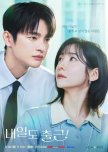
À demain au bureau !
0 personnes ont trouvé cette critique utile
Cette critique peut contenir des spoilers
Une romance sympa dans un drama qui manque clairment d'élan...
Avec "Tomorrow at Work", on fait la connaissance de Cha Ji-Yoon, une employée présente dans la même entreprise depuis plusieurs années. C'est une femme sérieuse, compétente et appréciée de ses collègues. Elle traverse une période compliquée... jusqu'au jour où elle se retrouve à travailler sous les ordres de Kang Si-Woo, un chef d'équipe aussi brillant qu'insupportable 😅.Au premier abord, Si-Woo a tout du collègue qu'on préférerait éviter... franc, perfectionniste, parfois un peu cassant. Autant dire que leur collaboration démarre sous haute tension 🤣. Mais derrière cette façade froide se cache un homme bien plus attentionné qu'il n'en donne l'impression.
Je vais être honnête... si je suis allée jusqu'au bout, c'est avant tout grâce à eux ❤️.
Leur relation est clairement ce qui m'a le plus plu. Alors, ici on est loin d'un coup de foudre expédié en deux épisodes... Les sentiments prennent leur temps, ils se construisent au fil des discussions, des petites attentions... J'ai beaucoup aimé ce jeu de "sous-entendus" qui apporte énormément de douceur à leur romance.
Et puis... ça faisait longtemps... 🤣 Le drama assume pleinement les grands classiques de la rom-com : le parapluie, les rapprochements maladroits, les instants dans l'ascenseur... Des scènes qu'on connaît par cœur, mais qui fonctionnent toujours quand elles sont bien amenées 🫰🏻
Malheureusement, je trouve que la romance finit elle aussi par s'essouffler dans la seconde moitié... 😔 Une fois leurs blessures et leurs peurs installées, j'ai parfois eu l'impression que le drama répétait le même schéma... ils se rapprochent, doutent, prennent leurs distances... puis recommencent. À force, leur évolution perd un peu de son impact selon moi.
Ji-Yoon m'a également laissée un sentiment partagé au fils des épisodes... Je comprends complètement ses hésitations au vu de son passé et de ses blessures. En revanche, certaines de ses réactions m'ont parfois frustrée 😬. Elle dit accepter le passé de Si-Woo, puis semble finalement avoir du mal à composer avec une partie de celui-ci... Tout comme, elle affirme vouloir vivre pleinement leur relation avant de reprendre ses distances quelques instants plus tard... Bref, j'ai parfois eu du mal à suivre son évolution.
En revanche, tout ce qui gravite autour de leur histoire m'a beaucoup moins convaincue... 🤗 Les intrigues liées à l'entreprise avaient pourtant de quoi être intéressantes. Entre la rivalité des équipes, les histoires de sabotage, l'intelligence artificielle... il y avait matière à construire quelque chose de prenant. Pourtant, je ne me suis jamais vraiment sentie investie... J'avais la sensation que ces intrigues servaient surtout à remplir les épisodes plutôt qu'à enrichir l'histoire des personnages... 🤷🏼♀️
J'ai ressenti la même chose avec une bonne partie des personnages secondaires. Peu m'ont réellement marquée, à l'exception du père de Ji-Yoon ❤️. J'ai beaucoup aimé la relation qu'il entretient avec Si-Woo, leur amitié de longue date et ce lien presque "paternel" apportent un petit plus au drama. En revanche, toute l'intrigue autour de No-Ah ne m'a jamais vraiment embarquée... J'avais parfois l'impression qu'elle était là parce qu'il fallait ajouter une histoire supplémentaire... Franchement j'ai retrouvé ce sentiment à plusieurs reprises au fil des épisodes...
Je pense sincèrement que le drama aurait gagné à être un peu plus court. Son point fort réside clairement dans son couple principal, et j'aurais préféré qu'il se concentre davantage sur eux plutôt que de multiplier des intrigues professionnelles qui, au final, ne m'ont jamais passionnée.
La fin reste fidèle à ce que promet une rom-com, avec la traditionnelle demande en mariage qui vient conclure leur histoire 💍. C'est mignon, cohérent et ça referme correctement leur parcours.
Au final, "Tomorrow at Work" est une rom-com agréable, mais qui repose entièrement sur son couple principal. Si-Woo est sans hésiter le personnage qui m'a donné envie de poursuivre le drama, et sa relation avec Ji-Yoon offre de jolis moments grâce à son côté mature, réaliste et plein de douceur ❤️. En revanche, j'ai trouvé que tout ce qui entourait cette romance manquait de relief... Avec des intrigues professionnelles que j'ai trouvé peu captivante. Pour moi, la seconde moitié tourne en rond, et j'ai fini par ressentir un vrai manque de dynamisme.
Pour finir, je dirais que j'ai passé un petit moment sympa devant ce drama, mais je ressors avec ce sentiment qu'il avait le potentiel de proposer bien plus...✌🏻
Cet avis était-il utile?

Convenience Store Venus
0 personnes ont trouvé cette critique utile
Cette critique peut contenir des spoilers
tellement rafraîchissant ….
Un gérant de supérette timide engage une jeune fille sans diplôme … qui n’est autre que la fille qu’il a aidée des années plus tôt.L’alchimie du duo principal est purement et simplement électrique, j’ai tellement aimé leur fraîcheur, ainsi que le côté pétillant et badass, ainsi que l’humour de Kim Yoo Jung … elle crève litteralement l’écran dans cette serie !! Ji Chang Wook égale à lui même, y’a t il une serie ou il est mauvais sérieux ???
Mention spéciale à la mère de Dae-hyun, Kim Sun-young, qui délivre encore et comme d’habitude une prestation énorme dans un personnage secondaire, ses scènes avec Saet-byul, où elle la traite comme sa propre fille, sont tellement touchantes.
En gros, c’est une comédie romantique légère et irrésistible, portée par des acteurs au sommet de leur charme. Une pépite à binge-watcher sans prise de tête !
Cet avis était-il utile?

La corruption pour les nuls
Faire un bon polar n'est pas donné à tout le monde, et ce n'est certainement pas le casting qui en fait l'intérêt. Réunir Takahashi Issey et Saitoh Takumi ne présage donc pas forcément du meilleur. Tous deux sont capables du pire selon leurs rôles et le mystery drama. Souvent teinté de fantastique, ils héritent également de personnages aux pouvoirs improbables ou aux personnalités artificiellement mystérieuses, frôlant parfois le ridicule. La réalisation de leurs séries est elle aussi très inégale, au point de donner parfois l'impression qu'ils signent certains projets uniquement pour remplir la gamelle, en livrant le strict minimum dans leur interprétation.Je n'attendais donc absolument rien de Hanzaisha: Criminal, surtout avec un titre aussi générique. Pourtant, la série a totalement balayé mes préjugés.
Soyons clairs, c'est le meilleur thriller de l'été. Mais attention, il est sans concession. Ici, pas de romance, pas de fantastique, seulement un véritable polar comme on n'en fait presque plus. Adapté du célèbre roman d'Ai Ota, il mêle enquête policière, politique et grandes entreprises, dans un univers où la corruption gangrène tous les échelons. Sa narration, construite sur plusieurs lignes temporelles, lui a longtemps valu la réputation d'être quasiment impossible à adapter à l'écran. Le format en série était donc la meilleure solution, et le résultat est une réussite.
Les personnages, tout en retenue, paraissent profondément humains. Les blessures subies lors d'une bagarre ne disparaissent pas d'un épisode à l'autre, les hématomes restent visibles et les personnages continuent d'en souffrir plusieurs épisodes plus tard. Ces petits détails renforcent considérablement le réalisme. Les scènes du quotidien, comme les repas ou les moments de fatigue, participent également à cette impression de vérité et c'est tout juste si on ne les voie pas faire caca. On se rapproche tellement du réel que certaines séquences, notamment les faux reportages de l'épisode 2 criants de vérité, glacent le sang sans jamais montrer la moindre image des victimes. La musique reste discrète, voir minimaliste, mais tellement stressante. La série parvient ainsi à nous faire croire entièrement à son histoire, malgré quelques coïncidences parfois un peu trop téléphonées. Rappelant, pour nous faire de temps en temps respirer, qu'on est en face d'une fiction.
Chaque épisode met également en avant de nouveaux personnages, parfois présents uniquement le temps d'un seul épisode, mais suffisamment développés pour devenir crédibles, attachants ou profondément détestables. L'épisode 2, par exemple, délaisse presque totalement les protagonistes principaux, qui ne réapparaissent que très discrètement dans le troisième épisode, lui même consacré à d'autres personnages qui auraient put être les héros de la série. Ce choix narratif rend pourtant l'enquête encore plus passionnante, tant il enrichit progressivement l'univers et les enjeux.
Il est finalement dommage que tous les épisodes aient été mis en ligne simultanément, même si Prime a tout de même fait l'effort de garder les deux derniers pour une semaine après, histoire de buzzer un peu. Une diffusion hebdomadaire aurait sans doute favorisé les théories et les discussions tout au long de l'été, plutôt que d'encourager le binge-watching, pratique trop développée dans notre société de consommation, capitaliste et corrompue par l'argent roi.
Cet avis était-il utile?
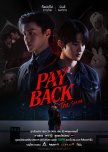
Le karma est un créancier honnête…
Payback délaisse le schéma classique de la vengeance pour explorer une dimension plus profonde et émotionnelle. Au fond, la véritable victoire n'est-elle pas de faire la paix avec soi-même ?Sun (Min Thanakorn Wichanukhor) entre dans l'industrie animé par une soif de vengeance. Au fil de l'histoire, il affronte ses propres démons et trouve en Kajorn, Sky et Jay une forme d'apaisement qu'il s'était interdit de ressentir depuis la perte de son frère et de sa mère. Sa quête de vengeance se transforme lentement en un chemin de guérison.
C'est grâce aux personnes qu'il rencontre que ce changement débute. Kajorn (Khunnote Jirapat Uttamanan) et Sky (Shogun Paramee Thesdaroon) apportent une lueur d'espoir et de chaleur dans l'atmosphère sombre de l'industrie. Pour moi, c'est en voyant ces deux personnes formidables tenter d'avancer dans un milieu hostile que le cœur de Sun s'ouvre à nouveau. Son sentiment de protection s'éveille : envers Sky, qui lui rappelle son petit frère, et envers Kajorn, le premier à lui montrer du soutien et croire en lui.
Jay (Toptap Jarukit Kaewmoonrueang) est un directeur charismatique, froid, qui privilégie la stratégie à l'émotion. Contrairement à Sun, il est parfaitement conscient de ses blessures et de ce qu'il attend du poste qu'il occupe. C'est un personnage complexe qui m'a laissé dans l'incompréhension plusieurs fois, notamment vis-à-vis de son comportement envers Sun. Pourtant, c'est aussi un homme blessé en quête de vérité, mais aussi de vengeance.
Sun est un gars ordinaire qui se confronte à Jay, habitué du milieu et qui n'est pas ordinaire. Leur alliance, d'abord purement transactionnelle, se transforme pour devenir l'essence de l'un et de l'autre. Si le carburant de Jay est la haine, celui de Sun est la culpabilité. Ensemble, ils forment un couple imparfait, mais complet, où chacun trouve la paix en confrontant et soignant ses propres blessures.
Les personnages sont indispensables à Payback ! En changer un, c'est faire s'écrouler toute la série. Le casting est exceptionnel, apportant encore plus de force à l'univers.
Min dépeint un jeune homme ordinaire qui gagne en maturité et apprend à faire la paix avec lui-même. Son émotion lorsqu’il prend conscience qu’il n’est plus seul est magnifique. Toptap incarne un homme intense et profond aux motivations déterminées. Khunnote et Shogun deviennent la bienveillance et les petites touches de lumière dans une industrie sombre. Fuaiz prouve encore une fois qu'il est l'un des acteurs les plus talentueux de sa génération. Klot transpire le mépris et le dégoût, tandis que Gandhi apporte une merveilleuse touche comique.
Toute l'histoire s'articule autour d'une même racine afin de former un seul et même bloc. Rien n'est inutile. Par exemple, on pourrait croire que l'arc de Sky est purement transitoire. En réalité, c'est le déclic qui réveille l'instinct protecteur de Sun.
L'ambiance de la série renforce cette profondeur. Les scènes d'abus sont nombreuses dans des salles obscures avec une musique assourdissante, sur des banquettes qui puent sûrement la fumée, l'alcool et le sexe, et qui ont été témoins de beaucoup trop de choses. N'attendez pas que ce drame vous ménage. Payback traite principalement de la culpabilité, de la vengeance et de l'absence de sentiments.
L’épisode final est parfait. L’aventure fut tortueuse, mais ils ont tous trouvé leur véritable chemin. Voir le karma frapper les méchants reste une sensation terriblement gratifiante.
Mon unique reproche relève davantage de certaines scènes qui sont une retranscription visuelle de l'écrit. En découvrant des captures de l'œuvre originale, ce sentiment s'est confirmé avec des reproductions quasi identiques. Je comprends le souhait de rester fidèle à l'œuvre, notamment dans des scènes clés, mais ce qui fonctionne pour une lecture visuelle ne signifie pas pour autant que cela s'adapte tel quel en live-action. Cela dit, c’est une remarque futile qui n’empêche pas d’apprécier pleinement Payback.
J'ai aimé Payback, du début à la fin, même lorsque je doutais de la direction que cela prenait. Un second visionnage dans quelque temps me donnera à nouveau du grain à moudre, et j'aime ça. Certaines œuvres sont là pour ça : être vues, appréciées, revues, appréciées d’autant plus, et ainsi de suite. C’est le tout premier 9.5 que j’attribue à un drama thaïlandais. Ça en dit long sur l’impact de cette série sur moi. Elle le mérite.
En bref, j'attendais de Payback une histoire de vengeance brute et intense. J'y ai trouvé un chemin vers la guérison et la paix avec soi-même, saupoudré d’une vengeance qui a délicieusement mijoté pendant dix épisodes. Après tout, le karma réclame toujours son dû.
Cet avis était-il utile?
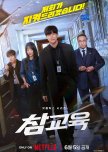
Que ça vous serve de leçon !
0 personnes ont trouvé cette critique utile
Cette critique peut contenir des spoilers
Une histoire qui dénonce par la satisfaction
Teach You a Lesson est un drama que j’avais très envie de regarder depuis un moment. Comme il mêle plusieurs thématiques dont je raffole, à savoir les injustices, le harcèlement scolaire, la corruption, la violence et surtout la vengeance, j’étais presque obligée de le regarder. Et quand je me suis enfin lancée, je ne m’attendais pas à ce que ce soit aussi incroyable.Dès le premier épisode, on attaque avec un cas de harcèlement scolaire particulièrement violent qui débouche sur un suicide, une école corrompue jusqu’à la moelle et une sorte de milicien certifié qui débarque pour remettre de l’ordre en distribuant quelques valseuses aux mauvais éléments. On ne fait pas mieux en matière d’entrée en scène. En grande amatrice de récits où les victimes obtiennent enfin justice et où les bourreaux reçoivent la monnaie de leur pièce, cette série était littéralement faite pour moi.
Ce que j’ai particulièrement apprécié, c’est que Teach You a Lesson aborde le harcèlement et les violences scolaires sans chercher à les enjoliver. Le drama semble se dérouler dans une Corée où l’autorité des enseignants s’est complètement effondrée et où certaines failles institutionnelles ont laissé élèves, professeurs et parfois même parents totalement démunis. C’est dans ce contexte qu’intervient le BDDE, un comité disposant d’une autorité exceptionnelle pour rétablir l’ordre dans les établissements les plus problématiques. Et à sa tête, nous avons Na Hwa-jin, qui ne prend absolument aucun gant. Il faut dire que notre cher inspecteur était autrefois capitaine des forces spéciales, alors le petit caïd de lycée qui se prend pour un gangster, c’est presque une promenade de santé. Hwa-jin a trop de flow. Il est capable de mater une trentaine d’élèves, de lâcher des dobermans sur de jeunes criminels, de séquestrer un parent pour lui imposer le même rythme de vie qu’à son enfant et même de se pointer chez un homme politique et de le menacer sans sourciller. Sa pédagogie repose beaucoup sur la loi du Talion : si les mots ne suffisent plus, il vous fera expérimenter personnellement les conséquences de vos actes. Et je ne vais pas mentir, il n’y a rien de plus jouissif que de voir un adulte disposant enfin de l’autorité nécessaire rendre œil pour œil, dent pour dent à des bourreaux persuadés d’être intouchables.
Pourtant, réduire Na Hwa-jin à un justicier qui distribue des baffes serait une immense erreur. Derrière son visage fermé et ses méthodes moralement plus que discutables se cache un homme profondément empathique, particulièrement sensible à la souffrance des victimes et de leurs proches. Il ne répond d’ailleurs pas systématiquement à la violence par la violence : il observe, tente de comprendre et adapte toujours sa « leçon » à la personne qu’il a en face. C’est un personnage qui m’a énormément touchée par sa droiture, sa morale et cette volonté presque viscérale de protéger ceux que les institutions ont abandonnés. Et lorsque son passé nous est enfin dévoilé, tout prend une autre dimension. Sa femme, enseignante, a été assassinée par l’un de ses élèves, Cho Gyu-cheol. Une perte qui l’a détruit et lui a laissé une soif de vengeance qu’il contient difficilement. J’avais justement peur, au début, que le drama ne développe jamais le passé de son protagoniste et se contente d’en faire un homme badass mystérieux. Autant dire que mes craintes ont été pulvérisées. Hwa-jin porte sa femme dans chacune de ses interventions. Ses paroles, sa conception de l’éducation et sa volonté de protéger les victimes sont devenues une partie de lui. Mais il porte également sa mort comme une plaie qui n’a jamais cicatrisé.
Par ailleurs, ledrama évite intelligemment de détailler une seule problématique et dresse plutôt un vaste portrait des dérives liées au milieu éducatif. Harcèlement, gangs recrutant des lycéens, cyberharcèlement, fausses accusations détruisant la vie des enseignants, parents abusifs, impunité de certains mineurs, jeux d’argent ou encore pression scolaire poussée jusqu’à la maltraitance : la série ratisse extrêmement large sans perdre son fil conducteur. J’ai notamment été particulièrement marquée par cette mère qui impose à son fils de travailler de quatre heures du matin à minuit, lui fait manger pendant ses révisions pour ne pas perdre de temps et lui administre des stimulants malgré les dommages irréversibles causés à son cerveau. Le plus tragique reste que ce pauvre garçon, totalement conditionné, ne fait qu’obéir parce qu’il veut rendre sa mère fière. C’est là que le drama fonctionne particulièrement bien : derrière le côté grisant de la vengeance et les méthodes parfois complètement lunaires du BDDE se cache une véritable myriade de scènes émotionnelles qui prennent aux tripes.
Mais le véritable fil rouge reste évidemment l’affaire des pilules et Cho Gyu-cheol. Peu à peu, Hwa-jin découvre que des substances saisies dans différents établissements ressemblent étrangement à celles que sa femme avait consignées dans son carnet avant sa mort. Celui qu’on nous avait présenté comme un adolescent amoureux ayant tué son enseignante n’a en réalité jamais agi sous le coup d’une pulsion. Il avait prémédité son assassinat parce qu’elle risquait de révéler son trafic, calculé la peine qu’il encourrait en tant que mineur et utilisé son enfance difficile ainsi qu’une fausse obsession amoureuse pour obtenir des circonstances atténuantes. Deux années de prison n’étaient, pour lui, qu’un coût acceptable avant de reprendre ses activités. Un véritable Moriarty en culotte courte qui, une fois libéré, parvient en quelques jours à relancer son trafic à l’échelle nationale et à monter un plan particulièrement retors pour provoquer la dissolution du BDDE. Face à lui, Hwa-jin se révèle finalement bien plus Sherlock Holmes que simple machine à distribuer des valseuses. Il va jusqu’à frapper volontairement le meurtrier de sa femme et sacrifier la réputation du BDDE pour lui donner l’illusion d’avoir gagné, le laisser reprendre son trafic en toute confiance et ainsi récolter les preuves nécessaires pour le faire tomber.
Cette confrontation permet surtout de conclure magnifiquement l’arc personnel de Hwa-jin. Lors de leur dernier combat, grièvement blessé, il finit par prendre l’ascendant sur Cho Gyu-cheol. Celui-ci le provoque une dernière fois et l’incite à le tuer. Et Hwa-jin est prêt à le faire. Pourtant, au dernier moment, le souvenir de sa femme arrête son geste. J’ai trouvé cette scène particulièrement belle, car ce n’est pas simplement sa compassion ou sa morale qui le retiennent : c’est elle. La femme dont il a porté la mort pendant toutes ces années devient finalement celle qui l’empêche de se perdre définitivement. Tuer Gyu-cheol aurait été lui obéir une dernière fois et lui permettre de transformer le mari de sa victime en meurtrier. En renonçant, Hwa-jin semble enfin faire la paix avec lui-même sans pour autant oublier sa femme. Et j’ai également beaucoup aimé la relation qu’il entretient avec son beau-père, le ministre à l’origine du BDDE. Ces deux hommes ne pouvaient pas se supporter avant son mariage, mais le deuil les a profondément rapprochés. Le père a perdu sa fille, Hwa-jin sa femme, et ils sont progressivement devenus la famille qu’il leur restait. Le ministre avait autrefois empêché son gendre de tuer Gyu-cheol ; des années plus tard, lorsqu’il voit Hwa-jin revenir à moitié mort après leur affrontement, c’est à son tour de perdre tout contrôle et de vouloir faire la peau au meurtrier. Une relation discrète, mais qui m’a énormément touchée.
Enfin, impossible de ne pas avoir un petit mot pour Im Han-rim et Bong Geun-dae, les deux subordonnés de Hwa-jin. D’un côté, une ancienne des forces spéciales légèrement psychopathe, autrefois victime de harcèlement et recueillie par Hwa-jin, à qui il faut rappeler qu’ici, on ne tue personne et que, si l’envie lui prend, elle doit écrire trois fois « patience » dans sa main. De l’autre, un petit geek timide et effacé, maître de l’infiltration, capable de se rendre extrêmement utile auprès des lycéens comme de l’équipe… mais aussi de devenir accro aux jeux d’argent et de s’endetter de vingt millions de wons en une nuit parce qu’il pensait pouvoir battre les probabilités. Leur petite romance improbable, née après un kidnapping et une faute professionnelle impliquant une fringale, apporte une touche d’humour bienvenue. En particulier lors de l’épilogue, lorsqu’ils essayent eux-mêmes de donner une leçon au nouveau lycée où ils vont faire la loi. Ils essayent de jouer au dur, mais c’est leur patron qui leur sauver la mise face à des lycéens.
En bref, Teach You a Lesson est un drama qui m’a captivée du début à la fin. J’ai regardé les dix épisodes quasiment d’une traite tant la série réussit à mêler émotion, action, humour et critique sociale sans perdre son efficacité. Les différentes affaires permettent d’aborder de nombreuses problématiques liées au milieu scolaire et aux failles institutionnelles, tandis que le fil rouge autour du trafic de drogue apporte une véritable continuité à l’ensemble. J’ai particulièrement aimé Na Hwa-jin, aussi impressionnant dans l’action que touchant par sa droiture, son empathie et la douleur qu’il porte. Une série badass, jouissive et profondément humaine qui réussit à être beaucoup plus riche que son simple concept de justicier distribuant des baffes. Bref, une Masterclass comme on en fait rarement.
Cet avis était-il utile?
Cette critique peut contenir des spoilers
Une vengeance inachevée
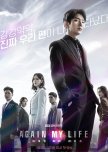
Lorsque je suis tombée sur Again My Life, c'était complètement par hasard. Mais il comportait les deux mots magiques qui suffisent généralement à attirer toute mon attention : régression et vengeance. Autant dire que je n'ai pas hésité bien longtemps avant de me lancer. Et je dois reconnaître que j'ai passé un très bon moment devant cette histoire, qui m'a tenue en haleine grâce à son dynamisme et ses nombreux rebondissements.Le drama suit Kim Hi Wu, un procureur qui, malgré son modeste statut, n'a pas peur de s'attaquer aux plus puissants lorsque ceux-ci utilisent leur influence pour écraser les autres. C'est quelqu'un qui ose faire ce que beaucoup n'oseraient jamais tenter. Malheureusement, à force de défier plus fort que lui, il finit par en payer le prix ultime. Sa mort marque pourtant le véritable début de l'histoire puisqu'il obtient une seconde chance en revenant plusieurs années dans le passé avec tous ses souvenirs. Dès lors, son objectif est simple : reconstruire sa vie de manière à empêcher les tragédies qu'il a connues et, surtout, faire tomber celui qui tirait toutes les ficelles dans l'ombre.
Jusque-là, autant dire que c’est un scénario qui a tous les atouts pour me plaire. Je dois toutefois avouer que le début du premier épisode m’a demandé un petit temps d'adaptation. On nous plonge directement dans le quotidien de Kim Hi Wu sans réellement nous expliquer qui il est ni quelles sont les raisons profondes qui le poussent à agir. On comprend rapidement qu'il est prêt à tout pour faire respecter la justice, quitte à employer la manière forte,mais il manque cette dimension émotionnelle qui permet de véritablement s'attacher à lui. C'est finalement après sa mort et sa régression que le drama prend une tout autre ampleur. On découvre progressivement son passé, notamment la perte de ses parents, les regrets qu'il nourrit envers eux et cette culpabilité d'avoir toujours gardé une certaine distance avant de les perdre. À partir de ce moment-là, son désir de changer le futur devient bien plus personnel. Il ne s'agit plus seulement de faire tomber un homme politique corrompu, mais également de réparer ses propres erreurs, de profiter d'une famille qu'il n'avait jamais vraiment su apprécier à sa juste valeur et de vivre une vie qu'il ne regrettera plus.
J'aurais néanmoins aimé que cet aspect soit encore davantage exploité. Le drama revient très vite à ses thèmes principaux : les jeux de pouvoir, les chiffres, les pots-de-vin, les alliances politiques et la corruption. C'est passionnant, mais cela laisse parfois les émotions au second plan. En dehors, des retrouvailles avec ses parents, le seul véritable moment qui m’a profondément touchée c’est lorsque Park Sang Man manque de mourir. Cette scène est véritablement bouleversante en particulier lorsque Kim Hi Wu et à son chevet à l’hôpital , et ça nous rappelle tout le potentiel émotionnel que possède la série lorsqu'elle accepte enfin de ralentir un instant. C'est précisément pour cette raison que j'aurais aimé retrouver davantage de passages de cette intensité au fil de l'histoire.
Toutefois, sans cet aspect un peu plus sentimental et une énorme ellipse de plusieurs années sortie de nulle part, l’histoire se démarque par son récit et son dynamism. Ce que j'ai particulièrement apprécié, c'est la manière dont Kim Hi Wu construit sa vengeance. Il ne fonce jamais tête baissée. Il tisse patiemment sa toile sans que personne ne réalise ce qu'il est réellement en train de faire. Petit à petit, il coupe les soutiens de Cho Tae Seob, utilise parfois ses propres ennemis pour gagner en influence et protège les personnes qui avaient souffert dans sa première vie. J'ai également aimé le fait qu'il comprenne très vite qu'il ne pourra pas vaincre un homme aussi puissant en restant à l'extérieur du système. Pour détruire un monstre, il doit entrer dans son monde, apprendre à jouer selon ses règles et donner l'impression qu'il est devenu l'un des leurs, sans jamais franchir la ligne rouge. Il veut seulement se fondre dans la masse suffisamment longtemps pour les faire tomber de l'intérieur. Toute cette partie stratégique fonctionne extrêmement bien et rend les affrontements beaucoup plus intéressants que de simples confrontations physiques.
Mais la structure globale de la série m’a également posé un petit problème. Pendant une grande partie des épisodes, on a presque l'impression de jouer au boomerang. Kim Hi Wu fait tomber un pion, Cho Tae Seob récupère immédiatement un nouvel allié. Il détruit un réseau, un autre apparaît aussitôt. À force, cela donne parfois l'impression de couper la queue d'un lézard qui repousse sans cesse. Sur le moment, cela ne m'a pas réellement gênée parce que chaque rebondissement reste absolument captivant. Mais c'est justement parce que cette montée en puissance dure aussi longtemps que j'attendais une conclusion beaucoup plus satisfaisante.
En effet, c’est malheureusement là que le drama me laisse sur ma faim. Toute cette longue préparation aboutit finalement à une résolution que j'ai trouvée beaucoup trop rapide. Non seulement Cho Tae Seob parvient à s'échapper, mais le scénario introduit en plus Elle a toute fin un nouvel antagoniste sorti de nulle part, comme s'il fallait absolument préparer une suite. Je n'ai absolument aucun problème avec les fins ouvertes. Au contraire, j'aime beaucoup lorsqu'une œuvre laisse volontairement certaines portes entrouvertes. Mais encore faut-il que la quête principale donne malgré tout l'impression d'avoir réellement abouti. Ici, j'ai surtout eu le sentiment que toute cette longue partie d'échecs n'offrait finalement pas la récompense que le spectateur attend depuis le premier épisode. Après avoir passé seize épisodes à voir Kim Hee Woo élaborer minutieusement son plan, j'avais simplement envie d'obtenir cette fameuse "vengeance" finale que le drama semblait promettre depuis le début. Et je suis restée frustrée de ne jamais l'obtenir.
Je regrette par ailleurs que certains éléments soient restés sans suite, notamment Han Ji Hyun. On comprend progressivement qui elle était avant sa mort et on devine qu'elle est devenue une sorte d'ange de la mort, mais le drama ne va jamais réellement au bout de cette idée. Son rôle reste finalement assez flou alors qu'il aurait mérité une véritable conclusion. J'ai eu exactement la même impression concernant la famille de Kim Hi Wu. Toute la première partie insiste énormément sur les regrets qu'il nourrit envers eux et sur sa volonté de profiter pleinement de cette seconde chance. Que son entourage fasse pleinement partie de sa vie, à chaque étape cruciale. Pourtant, une fois devenu procureur, ces interactions deviennent de plus en plus rares, en dehors de quelques repas familiaux. C'est dommage, car cette relation constituait justement l'un des piliers émotionnels de sa nouvelle vie.
Au final, Again My Life est un drama que j'ai pris énormément de plaisir à suivre, vraiment c’était un régal. Malgré un démarrage un peu lent, il m'a captivée grâce à son rythme, ses nombreux rebondissements, ses personnages et toute sa dimension stratégique. On ne s'ennuie pratiquement jamais tant Kim Hi Wu semble toujours avoir plusieurs coups d'avance sur ses adversaires. En revanche, cette impression de tourner parfois en rond finit par devenir frustrante lorsque la conclusion ne récompense pas réellement toute cette attente. Ce n'est pas tant la fin ouverte qui m'a dérangée que le fait d'avoir eu le sentiment que la quête du protagoniste n'avait pas reçu l'aboutissement qu'elle méritait. Après tout ce chemin parcouru, j'attendais une victoire plus marquante, plus définitive et surtout plus satisfaisante. C'est probablement ce qui m'empêche d'en faire un véritable coup de cœur, malgré tout le plaisir que j'ai pris à regarder cette série.
Cet avis était-il utile?
Cette critique peut contenir des spoilers
Une romance qui a oublié son époque…
When the Orange Falls, est un drama qu’il me tardait vraiment de commencer. D’une part parce qu’il s’agissait d’une romance similaire aux ennemies to lovers, un trope que j’apprécie toujours beaucoup lorsqu’il est bien exploité. D’autre part parce que l’histoire se déroulait dans une période historique. Certes, il ne s’agit pas d’une époque très ancienne, mais ce simple contexte suffit généralement à apporter un charme particulier et une atmosphère différente des romances contemporaines. Malheureusement, si je pensais que la série allait véritablement s’appuyer sur cette période de l’histoire, je me suis finalement retrouvée devant un scénario beaucoup plus classique que ce que j’espérais.L’histoire nous raconte la rencontre de deux garçons portant exactement le même nom. Devenus voisins, ils développent immédiatement une relation qui ressemble d’abord à une rivalité. Enfin… une rivalité toute relative, parce qu’à peine échangent-ils un regard que l’on comprend déjà où le scénario souhaite nous emmener. Ils passent davantage leur temps à se lancer des regards débordant de d’amour qu’à réellement se détester. On est finalement beaucoup plus proche d’un “qui aime bien châtie bien” que d’un véritable affrontement entre deux personnalités incompatibles. Cependant si l’un prend rapidement conscience de ses sentiments tandis que l’autre mettra un peu plus de temps à comprendre ce qu’il ressent réellement.
J’ai beaucoup apprécié la manière dont leur relation se construit au départ. J’aime énormément les romances qui naissent simplement de quelques regards, de longs silences et de petits gestes du quotidien. Il n’y a pas forcément besoin de grandes déclarations lorsque deux personnages dégagent déjà autant de tendresse simplement en partageant le même espace. C’est d’autant plus touchant que leurs situations familiales sont totalement opposées. D’un côté, Ko Song est un garçon particulièrement solitaire dont les parents semblent presque absents de sa vie. De l’autre, Ko Nueng grandit dans une famille chaleureuse, présente et aimante. Naturellement, il commence à inviter Ko Song chez lui afin qu’il puisse lui aussi profiter de cette ambiance familiale qui lui manque tant. Cette opposition fonctionne très bien et apporte beaucoup de douceur à leurs premiers rapprochements. J’ai également beaucoup aimé leur petite bande d’amis qui apporte régulièrement une touche de légèreté et de bonne humeur au récit.
En revanche, une fois la romance réellement lancée, j’ai trouvé que certains comportements perdaient en cohérence. C’est particulièrement le cas de Ko Nueng. Pendant plusieurs épisodes, tout laisse penser qu’il attend exactement ce qui finit par arriver. Pourtant, lorsque Ko Song l’embrasse enfin, il réagit comme si celui-ci venait de commettre quelque chose d’impensable. Il le fuit, lui en veut et finit même par prétendre qu’il ne le considère que comme un simple ami… alors que tout, absolument tout dans son comportement jusque-là racontait l’inverse. Et lorsque Ko Song décide finalement de prendre ses distances, c’est cette fois Ko Nueng qui se met en colère. Toute cette mise en scène m’a semblé inutilement artificielle, d’autant plus que l’épisode suivant les voit déjà s’embrasser de nouveau. Ce faux conflit m’a davantage donné l’impression de créer du drama pour créer du drama que de développer naturellement leurs sentiments.
La suite semble poursuivre ce chemin. Après la période de lune de miel arrivent les inquiétudes concernant l’université. Ko Song travaille sans relâche afin de réussir son entrée en faculté de médecine tandis que Ko Nueng, lui, ne supporte plus l’école et ne sait toujours pas quelle direction donner à son avenir. L’un privilégie son avenir, l’autre souhaite simplement profiter du temps qu’il leur reste ensemble. Ce désaccord est plutôt crédible et permet enfin d’aborder un conflit reposant sur leurs personnalités respectives plutôt que sur un simple malentendu. Si j’ai apprécié que le drama prenne le temps de montrer les conséquences de leurs résultats, leurs réactions, leurs discussions et leurs doutes, j’ai encore une fois eu beaucoup plus de mal avec l’ampleur dramatique que le scénario cherche à donner à cette séparation alors qu’ils vont finalement étudier dans la même ville… et même vivre ensemble. Là aussi j’ai eu le sentiment que la série amplifiait artificiellement une situation qui ne le nécessitait pas vraiment.
Mais mon plus grand regret concerne le contexte historique lui-même. Visuellement, il est très réussi. Les décors, les costumes et la palette de couleurs créent une ambiance particulièrement douce et poétique (même si il aurait fallu doser la apparition de la bande-son originale par moment). Mais dans les faits, cette époque n’a pratiquement aucune influence sur le déroulement de l’histoire. Les romances pourraient se dérouler aujourd’hui que cela ne changerait presque rien. Pourtant, venant du même studio que Ticket to Heaven, je m’attendais justement à ce que cette période de transition soit utilisée pour montrer les difficultés qu’une relation homosexuelle pouvait rencontrer à cette époque. Ici, les familles semblent accepter sans difficulté que leurs fils aient des petits amis, comme si ce contexte historique n’avait absolument aucune incidence sur leur quotidien. Finalement, j’ai eu l’impression de regarder une romance contemporaine simplement habillée avec des costumes d’époque. C’est dommage, car le potentiel dramatique existait réellement et aurait permis d’apporter beaucoup plus de profondeur à l’ensemble.
Au final, When the Orange Falls reste un visionnage très agréable. Les différentes romances sont adorables, les personnages sont incroyablement mignons, et j’ai sincèrement pris plaisir à suivre leur évolution. Pourtant, j’en ressors avec un sentiment assez mitigé. Mon compteur émotionnel n’a jamais réellement été stimulé comme je l’espérais. Le contexte historique promettait une histoire plus complexe, plus douloureuse et plus ancrée dans la réalité de son époque, mais le drama choisit finalement de rester dans une romance assez classique où les principaux conflits demeurent relativement superficiels. J’ai passé un très bon moment devant cette série, mais je ne peux m’empêcher de trouver dommage qu’elle n’ait jamais osé exploiter pleinement tout le potentiel que son univers semblait pourtant lui offrir. C’est une jolie romance, pleine de douceur et de personnages attachants, mais il lui manque cette profondeur émotionnelle qui aurait pu la rendre véritablement marquante.
Cet avis était-il utile?
Mademoiselle Chun Est une Avocate
0 personnes ont trouvé cette critique utile
Cette critique peut contenir des spoilers
Pour passer le temps
Quelques moments agréables mais c'est un drama qu'on oublie vite une fois terminé.Le point fort est, pour moi, la dynamique du trio Tu Mi, Wu Wei et Zheng Yuan. À partir du moment où ils se séparent les épisodes perdent en rythme et en intérêt. (Wu wei et Zheng Yuan fonctionnent aussi très bien quand ils sont en duo)
Les cas défendus par Tu Mi auraient pu être intéressants mais ils ont trop souvent des rebondissements tirés par les cheveux. Les avocats des parties adverses sont présentés de façon caricaturale, on comprend bien que tout ça n'est là que pour faire passer Tumi pour un petit génie de la loi, mais c'est maladroit.
Le pire est sans doute la romance. C'est complètement bancal, ça semble être écrit par quelqu'un qui voulait absolument mettre du sentiment dans l'histoire mais sans savoir comment s'y prendre.
Le résumé nous suggère que les personnages masculins vont s'intéresser à Tumi et qu'elle va devoir choisir. Ce n'est absolument pas le cas. Zheng Yuan a de l'estime pour elle en tant qu'avocate en herbe, il se comporte en mentor et Tumi le respecte en tant que tel. 0 ambiguïté entre ces deux-là. Le peu d'alchimie qu'on peut sentir entre elle et un perso masculin c'est avec Wu wei ; et c'est dû uniquement au jeu de l'acteur. Tumi ne répond pas du tout à l’intérêt qu'il lui porte. Et d'un seul coup Wu wei ne s'intéresse plus à elle et la traite comme une simple connaissance qu'il soutient. Et absolument personne autour d'eux ne trouve ce revirement soudain étrange et ne se pose de questions. Au final le seul pour qui Tumi développe des sentiments c'est pour Ye Cha, et ça sort littéralement de nulle part. Ce n'est pas crédible pour deux sous et le fait qu'elle soit subitement prête à se sacrifier pour lui rend la chose encore plus ridicule.
Même s'il y a d'autres problèmes je crois que le drama aurait gagné à laisser tomber l'aspect romance, c'est clairement son gros point faible. Le fait que l'actrice qui joue Tumi soit particulièrement inexpressive en est un autre...
L'histoire avait 40 épisodes à l'origine, seuls les 20 premiers ont été diffusés mais je ne crois pas qu'avoir la deuxième moitié aurait pu rattraper les défauts de la 1ère.
Cet avis était-il utile?


