


i actually enjoyed it?
It’s honestly not as bad as people made it out to be. I went in expecting the worst because of all the criticism, but I was pleasantly surprised.Sure, there are a few cringey scenes, but I genuinely think that’s part of its charm rather than a dealbreaker.
Not every series has to be flawless to be enjoyable.
Boss and Noeul absolutely nailed their roles, as they always do, and their chemistry carried so many moments. It might not be their best series, but it’s definitely far from being a bad one. People judged it way too harshly before giving it a real chance.
P.S. It honestly feels like a soap opera to me and that’s not even a bad thing.

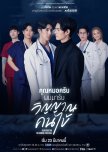
Newsroom chaos, unresolved feelings, professional disasters, & 2 ex-bfs being forced to work 2gether
How do you review The Ex-Morning when your main memories are television studios, passive-aggressive professionalism, and KristSingto looking at each other like they were personally funding therapy industries worldwide?This series really looked at the second-chance romance genre and said, "What if we added career implosions, workplace tension, unresolved heartbreak, and enough longing to power Bangkok?"
Pathaphi was once one of the biggest names in broadcast journalism.
Then life happened.
Career setbacks happened.
Bad decisions happened.
And suddenly the man who used to be the story was becoming one himself.
Then came Tamtawan.
His ex-boyfriend.
His producer.
His problem.
His solution.
The universe truly looked at these two and said, "Communication failed the first time, so let's try mandatory proximity."
Honestly?
Cinema.
Krist brought so much pride, vulnerability, frustration, and quiet loneliness to Phi that watching him slowly unravel felt painfully human.
And Singto as Tamtawan?
The king of restraint.
The emperor of unresolved feelings.
The CEO of saying "I'm over it" while very clearly not being over it.
Watching these two navigate old wounds, unfinished conversations, and feelings that never actually left gave us some of the best emotional tension in recent Thai BL.
Because this wasn't first love.
This was harder.
This was the person who already knows your worst habits, your biggest fears, and exactly how you take your coffee.
This was history.
And history is messy.
The newsroom setting deserves its flowers too.
The deadlines.
The broadcasts.
The production meetings.
The absolute panic of live television.
Everything felt fast, stressful, and alive in exactly the way newsrooms should.
And can we talk about the people behind the camera?
Director Lit Phadung Samajarn understood exactly what this story needed: restraint. The series never rushed the reconciliation, never forced forgiveness, and trusted the audience enough to sit in the discomfort of two people who still mattered enormously to each other despite everything that happened between them.
The production teams at GMMTV and Dream Dimension built a world that felt authentic, busy, and lived in, where careers mattered just as much as relationships and where love didn't magically solve every problem overnight.
The cinematography leaned into studio lights, city nights, and quiet moments between broadcasts, while the soundtrack arrived precisely when viewers had almost regained emotional stability.
Almost.
The Ex-Morning wasn't trying to be flashy.
It wasn't trying to reinvent second-chance romances.
It simply understood one very important thing:
There is something uniquely devastating about loving someone twice.
This wasn't enemies-to-lovers.
This wasn't rivals-to-lovers.
This was ex-boyfriends-to-"oh no, the feelings survived the breakup."
10/10.
Would absolutely survive newsroom chaos, make terrible decisions in the name of love, and watch these two idiots fall in love with each other for the second time all over again.
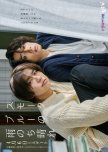
Could have been an easy 10
From the very first ep i devided this is a 10/10 series for me, it's one of those beautiful Japanese dramas that focus on characters and their interconnected relationship with people and their lives.Sadly it moves in a linear motion, after a few episodes it just shows random stuff happening with no messages or anything, I'm not saying everything should jave a moral value but the things happening oit of no where, then we move on to the next random thing as of nothing happend is just odd.
I know this is "adults' relationships" so yeah, we cry it out and move on, but i think they should have added any sort of meaning behind what happens.
Not saying it's a bad show, I'm just explaining why ot dropped from 10 to 8 for me.
I love that they showed normal-looking adults, unlike other shows that just show pretty boys with too much makeup, and too many fan services scenes.
The two talents that lead the show are amazing they carried the whole show gracefully and delivered an amazing performances.
Highly recommended show ~~
What do we do with the time we're given?
Some BLs are about falling in love.Dear Doctor, I'm Coming for Soul was about what happens when love arrives exactly where life ends.
Because beneath the romance, beneath the supernatural elements, beneath the hospital setting, this was a story about mortality.
About grief.
About acceptance.
About the impossible weight of knowing that no matter how hard we fight, some people cannot be saved.
Dr. Prakan dedicated his life to keeping people alive.
Then he met Tua Phee.
The soul reaper responsible for guiding them away.
One spent his days fighting death.
The other had learned to live beside it.
And somewhere between hospital corridors, impossible choices, and conversations about life that only make sense when you're confronted with death, they found each other.
Watching Prakan slowly understand that medicine cannot win every battle while Tua Phee learned that some connections are powerful enough to transcend even death itself gave us one of the most unique relationships in Thai BL.
Nut and Karn brought a quiet kind of chemistry to these roles.
Not explosive.
Not dramatic.
Comforting.
The kind of chemistry that feels less like watching two people fall in love and more like watching two souls recognize each other.
And honestly?
That somehow made it hurt even more.
But what truly made this series special was its humanity.
The patients weren't plot devices.
The families weren't background characters.
Every life that passed through the hospital mattered.
Every goodbye mattered.
Every loss mattered.
The series understood something many medical dramas forget:
Every patient is someone's entire world.
And can we talk about the people behind the camera?
Director Phadej Onlahung understood exactly what this story needed: restraint.
The series never rushed its emotional moments.
It trusted silence.
It trusted grief.
It trusted viewers to sit with uncomfortable emotions rather than immediately moving on from them.
The hospital became more than a setting.
It became a place where hope and heartbreak existed side by side every single day.
The cinematography reflected that beautifully.
The bright hospital rooms.
The quiet hallways at night.
The moments where life and death seemed separated by nothing more than a doorway.
And the soundtrack?
Gentle.
Melancholic.
Beautiful.
The kind of music that stays with you long after the episode ends.
Dear Doctor, I'm Coming for Soul wasn't simply a BL.
It wasn't simply a supernatural drama.
It was a meditation on life itself.
On how precious time is.
On the people we leave behind.
And on the idea that perhaps love doesn't end simply because life does.
This wasn't doctor × grim reaper.
This was someone who saves lives learning to make peace with death, and someone who walks beside death learning how beautiful life can be.
10/10.
Would absolutely walk those hospital halls again, cry over strangers I'll never meet, and let this story remind me to appreciate the people I still have all over again.
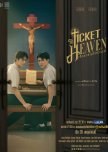
Religion, grief, identity, first love, & an emotional sniper hiding behind beautiful cinematography.
Somewhere along the way, Ticket to Heaven stopped being a BL for me.It became one of the best dramas I've ever watched.
Not one of the best BLs.
Not one of the best queer stories.
One of the best dramas.
Period.
Because what this series understood so beautifully is that some stories are bigger than romance.
This was a story about faith.
About grief.
About identity.
About guilt.
About family.
About the terrifying loneliness of feeling like the person you are and the person the world expects you to be cannot exist in the same room.
And somehow, it managed to tell that story with so much compassion that it never felt interested in choosing sides.
It simply asked questions.
Difficult questions.
Painful questions.
Questions that don't have easy answers.
And then it trusted us enough to sit with them.
The performances never felt like performances.
They felt lived in.
The silences spoke louder than the dialogue.
The quiet moments somehow carried more weight than the dramatic ones.
Every look felt important.
Every conversation felt necessary.
Every scene felt like it had something to say.
And then there was P'Aof.
At this point, I genuinely believe that man wakes up every morning and chooses emotional devastation as an art form.
Because once again he proved that some of the most powerful stories aren't built on spectacle.
They're built on people.
On emotions.
On the spaces between words.
The direction never tells you what to feel.
It simply opens the door and invites you in.
The cinematography was beautiful without ever feeling showy.
The music knew exactly when to step forward and exactly when to disappear.
The writing respected its characters enough to let them be complicated, messy, and human.
That's rare.
And that's why this story lingers.
Years from now, I probably won't remember every scene.
But I'll remember how it made me feel.
I'll remember the ache.
The hope.
The fear.
The quiet moments that somehow felt enormous.
There are good BLs.
There are great BLs.
And then there are stories that outgrow the genre conversation entirely.
For me, Ticket to Heaven belongs in that last category.
10/10.
Not because it was perfect.
But because it felt honest.
And sometimes honesty leaves a bigger mark than perfection ever could.
And yes.
I am still very much in love with P'Aof for giving us stories like this.
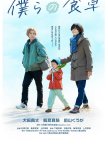
Shared meals, quiet healing, & proof that food might actually be a love language.
How do you review Our Dining Table when your main memories are homemade lunches, warm kitchens, and Yutaka getting emotionally adopted by an entire family?This series really looked at the slice-of-life genre and said, "What if we replaced drama with cooking, added emotional healing, and let food do most of the talking?"
Yutaka could eat alone just fine.
At least that's what he kept telling himself.
Then one lunch break, one rice ball, and one overly friendly little brother later, his life changed completely.
Honestly?
Cinema.
Hozumi Yutaka was carrying loneliness so quietly that even he had gotten used to it.
Then the Ueda brothers appeared and collectively decided that solitude was no longer an option.
Minoru offered him companionship.
Tane offered him unconditional love and approximately eighty percent of the show's emotional damage.
The child weaponized cuteness and none of us stood a chance.
Inukai Atsuhiro brought so much gentleness and vulnerability to Yutaka that watching him slowly relearn what family and belonging could feel like was incredibly moving.
And Iijima Hiroki as Minoru?
The king of quiet affection.
The emperor of acts of service.
The CEO of saying "I care about you" entirely through food and worried glances.
Watching Minoru and Yutaka grow closer through shared meals and ordinary moments gave us one of the softest romances in recent Japanese BL.
Because this wasn't a story about grand gestures.
It was a story about asking:
"Have you eaten yet?"
And somehow meaning:
"I care about you."
The meals became conversations.
The kitchen became a safe space.
The dining table became home.
And honestly?
That's the kind of romance that stays with you.
Then there was Tane.
The tiny sunshine child.
The world's greatest wingman.
The unofficial captain of this ship.
Half of the relationship progression happened because Tane looked at these two emotionally repressed adults and decided he would simply do it himself.
Legendary behavior.
And can we talk about the people behind the camera?
The directors understood exactly what this story needed: quiet.
The series never rushed.
It let moments linger.
It trusted silence.
It trusted glances.
It trusted viewers to understand that sometimes the most important things happen between words.
The cinematography deserves special praise.
The sunlight through windows.
The steam rising from food.
The small apartment kitchens.
The family dinners.
Every frame felt warm enough to live inside.
And the soundtrack?
The audio equivalent of coming home after a long day.
Our Dining Table wasn't trying to shock you.
It wasn't trying to emotionally destroy you.
It wasn't giving you mafia shootouts, corporate conspiracies, or time loops.
This was comfort.
Premium-grade comfort.
This was lonely office worker × single dad energy without the actual dad × emotional support child.
This was a story about family.
The family you're born into.
The family you lose.
And the family that quietly finds you when you're not looking for it.
10/10.
Would absolutely learn to cook with them, get emotionally attached to every meal, and let Tane adopt me into the family all over again.
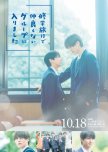
Tbh, every introvert watching this series had at least 1 moment of thinking: Oh no. That's me.
How do you review School Trip: Joined a Group I'm Not Close To when your main memories are secondhand embarrassment, unexpected friendships, and Asahi looking like he wanted the ground to swallow him whole for approximately half the series?This show really looked at every introvert's worst nightmare and said, "What if we made it gay?"
Asahi Hioki arrived at the school trip fully prepared to spend the entire time quietly existing in the background.
The universe looked at those plans and laughed.
Suddenly he finds himself grouped with the school's social elite.
The popular kids.
The influencers.
The "how do you have this much confidence at seventeen?" crowd.
Otherwise known as:
The Four Heavenly Kings.
And among them?
Watarai.
Charming.
Popular.
Dangerously good at making Asahi nervous.
The kind of person who walks into a room and somehow convinces everyone else to relax immediately.
Unfortunately for Asahi, this included him.
Watching Asahi slowly go from "please don't perceive me" to actually enjoying himself became one of the most satisfying parts of the series.
Because beneath all the awkwardness, this wasn't just a romance.
It was a story about belonging.
About realizing that maybe people like you more than you think they do.
About discovering that stepping outside your comfort zone doesn't always end in disaster.
Sometimes it ends in friendship.
Sometimes it ends in love.
And sometimes it ends with you accidentally getting adopted by an extrovert.
A tale as old as time.
The chemistry between Asahi and Watarai felt incredibly natural.
The teasing.
The awkward silences.
The tiny moments of courage.
The way Watarai seemed to understand Asahi long before Asahi understood himself.
It all felt wonderfully human.
And can we talk about the people behind the camera?
The production team understood exactly what this story needed: sincerity.
The school trip setting wasn't just a backdrop.
It became a character in itself.
The bus rides.
The shared hotel rooms.
The sightseeing stops.
The late-night conversations that only happen when you're away from home with people who suddenly feel a little less like strangers than they did that morning.
The cinematography leaned into warmth and nostalgia, making the entire series feel like a memory you haven't made yet but somehow miss already.
And the soundtrack?
The audio equivalent of your favorite high school memory.
School Trip: Joined a Group I'm Not Close To wasn't trying to reinvent the coming-of-age genre.
It didn't need to.
This wasn't mafia politics.
This wasn't corporate conspiracies.
This wasn't emotional warfare.
This was social anxiety × popular boy with excellent adoption instincts.
This was awkward smiles, shared experiences, and discovering that maybe you're not as alone as you thought you were.
10/10.
Would absolutely join the wrong group, panic for three business days, become emotionally attached to everyone involved, and watch Asahi get adopted by extroverts all over again.

JoongDunk chemistry somehow gets stronger.
How do you review Dare You to Death when your main memories are red string conspiracy boards, sleepless detectives, and JoongDunk staring at each other like they were trying to solve the case through eye contact alone?This series really looked at the mystery thriller genre and said, "What if we added serial murders, psychological games, rivals-to-lovers detectives, and enough tension to power the national grid?"
A college student dies after a party.
Then another body appears.
Then another.
And suddenly everyone is lying, everyone is hiding something, and trusting literally anybody feels like a terrible life decision.
Enter Captain Jade and Inspector Kamin.
Two detectives.
Two completely different approaches to solving crimes.
One shared inability to stop arguing for more than five consecutive minutes.
Naturally, they were perfect for each other.
Joong as Jade delivered confidence, sarcasm, and just enough emotional repression to keep therapists employed for years.
And Dunk as Kamin?
The king of stubborn determination.
The emperor of doing things by the book.
The CEO of pretending professional boundaries still existed.
Watching them slowly move from rivals to partners to something much more complicated became one of the best parts of the series.
Because apparently solving murders together is an excellent team-building exercise.
Who knew?
And then there was the supporting cast.
The suspects.
The victims.
The friends hiding secrets.
The classmates with questionable alibis.
Every episode made you trust someone and immediately regret it five minutes later.
The plot twists?
Illegal.
Absolutely illegal.
Every time you thought you knew who the killer was, the series politely laughed in your face and handed you three new suspects.
And can we talk about the people behind the camera?
Director Jade Bunyoprakarn understood exactly what this story needed: tension. The kind that sits in your chest and refuses to leave. The series balanced mystery, horror, romance, and psychological thriller elements without losing momentum for a second.
The cinematography deserves special praise.
The dark hallways.
The flashing police lights.
The interrogation rooms.
The crime scenes that somehow felt claustrophobic even when they weren't.
Every frame felt like it was hiding a secret.
And the soundtrack?
An accomplice.
Absolutely guilty of aiding and abetting emotional distress.
Every song arrived exactly when your blood pressure had finally returned to normal.
The writers somehow managed to turn a deadly truth-or-dare game into one of the most addictive mysteries in recent Thai BL while never losing sight of the emotional core of Jade and Kamin's relationship.
Dare You to Death wasn't a BL.
It wasn't a crime drama.
It wasn't a thriller.
It was anxiety.
Premium-grade anxiety.
This was detective × detective, trust issues × unresolved feelings, and "we're trying to catch a killer but unfortunately we're also catching feelings."
10/10.
Would absolutely pin evidence to the murder board, accuse the wrong suspect seventeen times, and watch Jade and Kamin argue their way into love all over again.
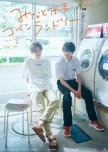
This feels like remembering a summer you never actually had.
How do you review Minato's Laundromat when your main memories are spinning washing machines, awkward flirting, and Minato spending an entire season losing arguments against a teenager with unlimited determination?This series really looked at the slice-of-life romance genre and said, "What if we replaced drama with vibes, added a laundromat, and weaponized yearning?"
Akira Minato inherited a small neighborhood laundromat and was fully prepared to spend the rest of his life quietly folding clothes and avoiding emotional vulnerability.
Then Shintaro Katsuki walked through the door and immediately made that everyone else's problem.
The man saw an attractive laundromat owner and apparently decided persistence was a lifestyle choice.
And honestly?
Respect.
Nishigaki Sho brought so much warmth, awkwardness, and quiet loneliness to Minato that watching him slowly open himself up to love felt incredibly rewarding.
And Kusakawa Takuya as Shin?
The king of confidence.
The emperor of flirting.
The CEO of looking at someone like they hung the moon and then acting surprised when they noticed.
Watching Shin patiently chip away at Minato's walls while Minato continuously attempted—and failed—to remain unaffected became one of the most entertaining parts of the series.
Their relationship wasn't built on grand declarations or dramatic twists.
It was built on small moments.
Sharing meals.
Walking home together.
Conversations in front of washing machines.
The kind of ordinary moments that somehow become extraordinary when you're with the right person.
And can we please talk about the side characters?
Asuka understood the assignment.
Sakuma understood the assignment.
Honestly, everyone in this town seemed personally invested in making sure Minato stopped running away from his feelings.
Community effort.
We love to see it.
And can we talk about the people behind the camera?
The directors understood exactly what this story needed: patience.
The pacing was slow, intentional, and wonderfully unhurried.
The series trusted silence.
It trusted small gestures.
It trusted the audience to sit with the characters instead of rushing them toward the next plot point.
The cinematography deserves special praise.
The summer sunsets.
The quiet streets.
The laundromat lights.
The feeling of warm evenings that you somehow know you'll miss before they've even ended.
Every frame felt nostalgic.
And the soundtrack?
The audio equivalent of sitting outside at sunset with nowhere you need to be.
Minato's Laundromat wasn't trying to shock you.
It wasn't trying to emotionally destroy you.
It wasn't trying to save the world.
This was comfort.
Pure, gentle comfort.
This was a story about timing.
About courage.
About allowing yourself to want something even when you're scared of what happens next.
This wasn't enemies-to-lovers.
This wasn't rivals-to-lovers.
This was laundromat owner × human embodiment of persistence and sunshine.
10/10.
Would absolutely spend an entire summer at that laundromat, become emotionally attached to the entire neighborhood, and watch Minato lose the battle against his own feelings all over again.
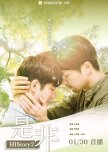
Domestic fluff
How do you review HIStory2: Right or Wrong when your main memories are school lunches, homework help, and Shi Yi Jie looking at Fei Sheng Zhe like he had personally solved world peace?This series really looked at the BL genre and said, "What if we skipped the misunderstandings, skipped the unnecessary drama, and went straight to marriage energy?"
Shi Yi Jie was a university professor, a single father, and a man whose life revolved around schedules, responsibilities, and taking care of everyone around him.
Then came Fei Sheng Zhe.
His student.
His teaching assistant.
His accidental co-parent.
And somehow, his peace.
Naturally, chaos followed.
But not the dramatic kind.
The domestic kind.
The "who's picking up the kid from school?" kind.
The "did you eat yet?" kind.
The "I bought your favorite food on the way home" kind.
The dangerous kind that makes viewers start looking at apartment listings together.
Watching Sheng Zhe slowly become part of Yi Jie's little family wasn't just adorable.
It was healing.
Fandy Fan brought so much warmth, patience, and quiet affection to Sheng Zhe that it was impossible not to root for him.
And Chris Wu as Yi Jie?
The king of exhausted single dads.
The emperor of acts of service.
The CEO of realizing he's in love approximately six business months after everyone else figured it out.
Their relationship wasn't built on grand confessions or dramatic gestures.
It was built on ordinary moments.
Cooking dinner.
Helping with homework.
Sharing responsibilities.
Choosing each other in small ways every single day.
And somehow, those moments felt bigger than any dramatic kiss scene ever could.
Then there was You You.
The emotional support child.
The tiny matchmaking genius.
The true captain of this ship.
Honestly, half the relationship progression happened because that child understood the assignment better than the adults did.
And can we talk about the people behind the camera?
Director Adiamond Lee understood exactly what this story needed: softness.
The pacing was gentle.
The conflicts felt realistic.
The emotional moments were allowed to breathe.
The production team understood that not every love story needs to be loud to be memorable.
Sometimes all you need is a kitchen table, a family dinner, and people slowly realizing they belong in each other's lives.
The cinematography leaned into warm lighting and cozy spaces, making every scene feel intimate and lived in.
And the soundtrack?
Comfort food in audio form.
HIStory2: Right or Wrong wasn't trying to reinvent romance.
It wasn't trying to emotionally destroy you.
It wasn't giving you mafia shootouts or corporate conspiracies.
This was domestic bliss.
Premium-grade domestic bliss.
This was professor × teaching assistant × tiny child who was clearly running the household.
10/10.
Would absolutely babysit You You, help with homework, and watch these two accidentally build a family all over again.
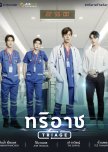
It was 1 of the smartest, most ambitious, & most underrated BLs of its generation.
How do you review Triage when your main memories are hospital corridors, impossible choices, sleep deprivation, and Dr. Tin repeatedly attempting to fight fate itself?This series really looked at medical dramas and said, "What if we added time loops, moral dilemmas, emotional trauma, and enough stress to lower the average viewer's life expectancy?"
Tin was an exhausted emergency room resident trying his best to save people in a system that didn't always make saving them possible.
Tol was the patient he couldn't save.
At least not the first time.
Or the second.
Or the tenth.
And suddenly, one failed resuscitation turned into an endless cycle of trying to answer a single impossible question:
How many times would you rewrite your own life to save someone else?
Tee Thanapon brought so much desperation, exhaustion, and determination to Tin that by the halfway point it genuinely felt like we were trapped inside the time loop with him.
Every failed attempt hurt.
Every small victory mattered.
Every reset felt heavier than the last.
And Tae Darvid as Tol?
The man somehow managed to be frustrating, charming, vulnerable, and heartbreaking all at the same time.
Watching Tol slowly become more than just "the patient who dies" and turn into a fully realized person worth fighting for made the emotional payoff hit even harder.
But what truly makes Triage special is that the romance never overshadows the story.
And the story never overshadows the romance.
They grow together.
Tin isn't trying to save Tol because he loves him.
He falls in love because he keeps choosing to save him.
Again.
And again.
And again.
The supporting cast deserves just as much praise.
The doctors.
The nurses.
The friends.
The patients.
Everyone felt important because in a hospital, everyone is somebody's entire world.
And can we talk about the people behind the camera?
Director A Natthaphong Wongkaweepairod understood exactly how to balance medicine, mystery, romance, and science fiction without allowing any one element to overpower the others.
The pacing felt relentless in the best possible way.
Every answer created three new questions.
Every revelation forced you to rethink everything you thought you understood.
The writers somehow turned complicated timelines and paradoxes into a story that remained emotional and deeply human at its core.
The hospital itself became a character.
The fluorescent lights.
The empty hallways.
The late-night shifts.
The constant feeling that life and death were separated by seconds.
The cinematography captured all of it beautifully.
And the soundtrack?
Absolutely guilty of malpractice.
Every song arrived precisely when your heart was becoming stable enough to suffer again.
Triage wasn't simply a medical drama.
It wasn't simply a romance.
It wasn't simply science fiction.
It was a story about choice.
About regret.
About the unbearable weight of responsibility that comes with caring about someone.
And about the terrifying realization that sometimes loving someone means accepting that you cannot save everyone.
This wasn't doctor × patient.
This wasn't strangers-to-lovers.
This was "I have watched you die more times than I can count and I will still choose to try again."
10/10.
Would absolutely get trapped in the time loop, fail every medical exam imaginable, and watch Tin challenge fate itself all over again.
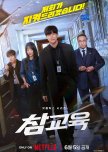
This drama is really good. I would love to see a sequel.
This drama is really good. I heard that the cases shown were actually based on true story, which made it more interesting to watch. It felt very satisfying to see how they resolve each cases. And I really like the cast specially Kim-Mu-Yeol who played Inspector Na-Hwa-Jin. His character looks so serious and scary but he still managed to make it very charismatic and funny. I would love to see a sequel to this drama.
Sweet family comedy
Such a sweet family comedy with good values and learning emotional maturity. I enjoy watching when all ages are the characters. Parents including their teenagers are featured in this series. Only 16 episodes and that is just perfect.It is relaxing and even emotional at times to see some relationships grow and mature.

Engineering students collecting soulmates like Pokémon cards
How do you review Perfect 10 Liners when your main memories are mentor lines, engineering chaos, six men falling in love, and an alarming amount of emotional support friendships?This series really looked at university BLs and said, "What if we gave you three love stories for the price of one and made you emotionally attached to all of them?"
First came Arc and Arm.
Or as I like to call them:
Human golden retriever × man desperately trying to maintain his composure.
Force and Book once again proved that chemistry should probably be considered a renewable energy source. Arc's flirting skills deserved an award while Arm spent most of the series trying—and failing—to resist him.
Then came Yotha and Gun.
The quiet one and the sunshine one.
The emotionally unavailable one and the human embodiment of patience.
Perth and Santa delivered a relationship full of tenderness, understanding, and enough yearning to keep the entire fandom employed. Their story quietly became one of the softest parts of the series.
And then there was Faifa and Wine.
Chaos.
Pure, beautiful chaos.
Junior and Mark somehow managed to be adorable, hilarious, and emotionally devastating at the exact same time.
By the end of the series, it genuinely felt less like watching couples and more like watching one giant found family slowly come together.
The friendships were just as important as the romances.
The seniors.
The juniors.
The mentors.
The friend groups.
Everyone felt like they belonged in each other's lives.
And honestly?
That's what made the series work.
And can we talk about the people behind the camera?
Director New Siwaj Sawatmaneekul understood exactly what this story needed: warmth.
The series never tried to reinvent the wheel.
Instead, it leaned into friendship, comfort, and character relationships, allowing every couple enough space to grow into their own story.
The production team at GMMTV and Studio Wabi Sabi created a university world that felt lively, welcoming, and lived in—a place where friendships mattered just as much as romance.
The cinematography kept things bright and comfortable, while the soundtrack somehow managed to make every confession and every lingering look hit twice as hard.
Perfect 10 Liners wasn't trying to be groundbreaking.
It didn't need to be.
This wasn't mafia politics.
This wasn't emotional warfare.
This was comfort television.
Premium-grade comfort television.
This was seniors adopting juniors, friends becoming family, and six idiots accidentally finding the loves of their lives along the way.
10/10.
Would absolutely join the mentor line, become emotionally attached to the entire engineering faculty, and watch all three couples fall in love all over again.

Managed to make gangsters, violence, and domesticity coexist so beautifully,
How do you review Kiseki: Dear to Me when your main memories are Ai Di threatening people, Chen Yi suffering, and Bai Zong Yi and Fan Ze Rui looking at each other like destiny owed them something?This series really looked at the gangster romance genre and said, "What if we added found family, trauma, loyalty, murder investigations, emotional repression, and enough yearning to power Taiwan?"
Bai Zong Yi was just trying to survive.
Fan Ze Rui walked into his life and immediately made that significantly more complicated.
One was carrying responsibilities he never asked for.
The other was carrying loneliness he never knew how to talk about.
Somehow, they became home for each other.
Louis Chiang brought so much quiet strength and vulnerability to Zong Yi that watching him slowly trust someone enough to let them in felt incredibly rewarding.
And Nat Chen as Fan Ze Rui?
The king of protective instincts.
The emperor of acts of service.
The CEO of saying "be careful" in approximately seventeen different ways.
Watching Ze Rui and Zong Yi build a relationship based on trust, loyalty, and mutual understanding gave us one of the most mature romances in Taiwanese BL in recent years.
But then there was Chen Yi and Ai Di.
Or as I like to call them:
The reason half the fandom lost all sense of emotional stability.
Ai Di arrived wearing bright colors, carrying years of unspoken love, and choosing violence as his preferred communication style.
Chen Yi responded by being emotionally unavailable for approximately eighty percent of the series.
The yearning?
Professional level.
The pining?
Olympic standard.
Jun and Louis Chiu somehow managed to make every argument feel like a confession and every quiet moment feel like a heartbreak waiting to happen.
The supporting cast helped create a world that felt dangerous, complicated, and strangely warm despite the criminal underworld setting.
And can we appreciate the people behind the camera?
Director Sen Jou understood exactly how to balance crime drama, romance, action, and humor without allowing any of them to overshadow the others.
The action scenes felt grounded.
The emotional scenes hit hard.
And the comedy arrived precisely when viewers needed to remember how to breathe again.
The cinematography deserves special praise.
The neon lights.
The city streets.
The restaurants.
The late-night conversations.
Every frame felt cinematic while still allowing the characters to remain the focus.
And the soundtrack?
A criminal accomplice.
Absolutely guilty of emotional manipulation.
Kiseki: Dear to Me wasn't simply a gangster romance.
It was a story about family.
The families we're born into.
The families we choose.
And the people who stay beside us when the world becomes too heavy to carry alone.
This wasn't sunshine × grumpy.
This wasn't enemies-to-lovers.
This was noodle shop owner × gangster heir and emotionally constipated bodyguard × tiny menace in designer clothes.
10/10.
Would absolutely eat at the noodle shop, join the found family, and watch Ai Di terrorize Chen Yi with love all over again.


