

Esta resenha pode conter spoilers
A mix between Reply 1988 and 25 21
This drama was the kind of drama that makes you feel like you are part of the friends group portrayed in the show 🥹🥹🥹 The feeling this drama gave me was similar to the feeling I had while watching Reply 1988, which is my favorite drama! The found family aspect is tearjerkingly heartwarming, the romance is tender, pure and innocent, and the fantasy is whimsical and well-thought-through ☺️In general I really like dramas set in the past, especially the 80s and 90s.
I also really loved the setting of the present in Hongdae ☺️ It made me reminisce about my trip there in summer 2024 😍😍😍
I really loved all the characters. Fake Se-Gyeong was a bit annoying sometimes at the beginning but it quickly changed to the better.
I also really liked how it ended. I had some alternative ideas in my head for how it could have ended but I really like this ending. It’s rare for me to like the actual ending of a show more than what I have envisioned 😂😂😂
The only thing that was missing was that I wished that Fake Se-Gyeong had re-opened her grandfather’s music shop Viva La Musica ☺️☺️☺️ That would have been the perfect ending… But nonetheless it was still great!
I also really liked how Cheong-Ah could resolve her relationship with her father 🥹 That was so heartwarming!
in general I laughed and cried a lot in this drama! Ie-chan and Cheong-Ah were hands down my favorite characters 😍😍😍 Their love story was just so sweet and tender 🥹🥹🥹
As for the romance between Eun-gyeol and fake Se-Gyeong I wasn’t as invested tbh 😅😅😅 But it was still nice!
And ofc since this is a music drama, the OST was amazing! Some of the sound design reminded me of American movies from the 90s and early 2000s as well. But it worked well with this drama ☺️😍😍
I can only recommend this drama!
Esta resenha foi útil para você?
Esta resenha pode conter spoilers
Need a Season 2 ASAP
I love the show...but the ending like WTF i hate cliff hangers...please give us a Season 2
I love the couples
i need to know the dad's history
i need to see where & how the couples develop over time
what happens to the town
do the towns people stop seeing him as a jinx
does wang get the surgery
so many unanswered question
Esta resenha foi útil para você?
Esta resenha pode conter spoilers
I was prepared to give this a 10 but wasn't prepared to be given a 7
I was expecting sooo much more from this. It's a great concept that requires several episodes and not just 10 but since this is a BL, they're allergic to that but somehow won't mind a 50-episode Kdrama.What really ruined this drama was the length. They've shortened and cut A LOT from the novel that it literally shows you how rushed it is. They did not even properly show how they proved the innocence of Chaeha's father by interviewing Pro Joo's brother. They didn't even show Chaeha and Pro Joo's date! I am so mad that they had a good material but didn't utilized it better.
As for the acting, they're fine. But I feel like Chaeha's actor could be better. He is very stiff.
Also, the reason why I don’t like watching kdramas or KBL is their cinematography. Like is Korea allergic to textured skin? Why do Korean dramas like to make the people poreless? It's giving 360 beauty filter.
I'm torn to say if this is a step up for a KBL or another let-down disguised as a step-up. Because yes, the kissing scenes here definitely on another level compared to other KBLs but on the other hand, the plot, the cinematography, the acting, and everything else are not.
Esta resenha foi útil para você?
This IS a BL
I've read several reviews claiming that this isn't a BL, and from what I can gather it's because Johan and Ryu don't have the typical on-screen physical intimacy that we've grown used to. But, they have the same amount of on-screen sex as the straight couple: none. However, I don't see anyone denying that relationship. Johan and Ryu have emotional intimacy, they express deep care for each other, the compromise and negotiate, they make decisions based on their independent and mutual wants and needs, and they plan life events together. Without spoiling key plot points, I want to stress how sweet, loving, and understanding their relationship is. It is a beautiful story, and the lack of NC scenes does not take away from their connection.Esta resenha foi útil para você?
Subpar, illogical and childish plot, which is very common in manhwa
The show relies entirely on a tired, cliché storyline disguised as a "secret agent dad" trope, dragging out a painfully predictable plot across its episodes. The pacing is a total snooze, relying on low-stakes tension with an outcome that will leave you wanting to fall asleep instead of watching. Why do they keep inserting unfunny comedic relief into a serious story dealing with school bullying? Also the author is reportedly a member of일베 Ilbe , a controversial South Korean online community associated with far-right politics and offensive content.Esta resenha foi útil para você?
Great story, but lacks chemistry!
Overall this is series is a bit underrated. I admit, the first two episodes were somewhat annoying. This was due to the fact that the characters introduced were really not likable in any way. I found that two of the three protagonists just had no personality ... but Na In Woo saved this series for me. Kaya Kiyohara and Ryo Narita really didn't add too much for the entertainment, at least early on. Their characters just seemed so boring and no chemistry toward each other at all.In Woo's characters brought life to the series. And although So Ha doesn't appear to be a nice guy early on, give it time. He proves to be the most down to earth, positive guy in the story.
By the time episode 4 happens, we're introduced to some new antagonists and several sub plots to the main story. It gets so much better from that point on. As you get deep into the drama, everything really gels together, making for a pretty entertaining series. I think the only complaint late in the story would be, the fact the true antagonists really don't get the retribution they deserve. They're treated to kindly. I guess if it was a darker series, they might have seen a more harsh punishment.
All in all. it was good entertainment, and gave us an ending that was very satisfying.
Esta resenha foi útil para você?
Can We Still Judge the Movie?
I never reviewed Real when it came out in 2017. Back then, I simply accepted it for what it was: an unusual psychological film that wouldn't appeal to everyone. Nearly ten years later, with everything surrounding Kim Soo Hyun and after reading countless comments describing it as "the worst Korean movie ever made," I decided to watch it again.What surprised me the most wasn't the movie itself. It was the reviews.
I spent some time reading opinions from different years before rewatching it. The reviews from 2017 were already divided, but most people talked about the cinematography, the confusing narrative, the symbolism, or the performances. As the years passed, especially after 2025, the discussion seemed to shift. Instead of talking about the film, many reviews focused almost entirely on Kim Soo Hyun, Sulli, or the explicit scenes. It made me wonder how many people were actually reviewing Real, and how many were reviewing the people in it.
Then I watched the movie again.
Honestly... I expected something much more explicit.
For years I had heard people describe Real as if it were one of the most shocking Korean films ever made. After finally revisiting it, I couldn't help comparing it to American and European productions I've watched over the years. Series like Queer as Folk contain scenes that are considerably more explicit, yet they rarely generated the same level of outrage. Real is certainly intended for adults, but the controversy surrounding those scenes feels far bigger than the scenes themselves.
Looking back, I still don't think Sulli deserved the criticism she received simply for accepting this role. Whether someone enjoys the film or not, actors shouldn't become the target of public anger for performing scenes that are part of the director's artistic vision.
That doesn't mean Real is a misunderstood masterpiece.
Far from it.
The film is ambitious, sometimes to its own detriment. Director Lee Sa Rang clearly wanted to create something where reality, identity and memory constantly overlap, leaving the audience unsure of what is actually happening. I appreciate films that trust viewers to think for themselves, but Real occasionally mistakes confusion for complexity. There were moments where I felt intrigued, and others where I simply wished the story would communicate its ideas more clearly.
Visually, however, I think the film deserves far more credit than it usually receives.
The neon lighting, the carefully designed sets and the dreamlike atmosphere create an identity that immediately separates Real from more conventional Korean crime films. Even when the narrative loses me, I never felt the production became lazy. Every frame looks intentional. Whether you enjoy the story or not, it's difficult to deny the amount of work that went into creating its visual style.
Kim Soo Hyun was also, in my opinion, a good casting choice.
His role demands constant shifts between confidence, vulnerability and psychological instability, and I think he handles those changes well. Ironically, after everything that's happened over the past few years, I found myself paying less attention to him than I expected.
Instead, Lee Sung Min completely stole the film.
I've admired him for years, and Real reminded me once again why. He has an incredible ability to dominate every scene without raising his voice or overacting. He isn't the kind of actor people usually describe as glamorous, yet his presence is genuinely intimidating. Every time he appeared on screen, I found myself watching him more than anyone else.
Maybe that's what makes revisiting Real in 2026 so interesting.
The film itself hasn't changed.
What has changed is the audience.
Whether consciously or not, many people now seem to approach Real carrying opinions about its actors before the opening scene even begins. I don't think that's unique to Korea, but I do think it's particularly visible here. We often separate artists from their work in Western cinema, while in Korea the public image of an actor can dramatically reshape how older projects are perceived.
Final Thought
I don't think Real deserves the reputation it has today, but I don't think it deserves to be called a masterpiece either. It's an ambitious psychological thriller with impressive visuals, solid performances and a story that sometimes becomes too complicated for its own good.
If you decide to watch it, my only advice is this: try to judge the film itself, not the headlines you've read over the past few years. Whether you end up loving it or hating it, I think that's the fairest way to experience one of Korea's most controversial films.
Esta resenha foi útil para você?
12 episódios já resolviam isso
The Golden Spoon é um dorama com uma proposta muito interessante, mas que, na minha opinião, sofre bastante com o ritmo. A história poderia facilmente ter sido condensada para 12 episódios. A primeira metade foi extremamente cansativa para mim, com muitos acontecimentos que pareciam enrolar mais do que desenvolver a trama. Só fui realmente fisgado na segunda metade, quando os conflitos ficaram mais interessantes e as consequências das escolhas dos personagens começaram a aparecer.O final também me decepcionou. Prefiro finais concretos, que respondem às principais perguntas e encerram a história de forma satisfatória. Não sou muito fã desse estilo mais aberto ou ambíguo, que deixa espaço para várias interpretações.
Apesar disso, continuei assistindo principalmente por causa da atriz Jung Chae-yeon, que foi um dos grandes motivos para eu não abandonar o drama.
-- Personagens --
- Lee Seung-cheon (protagonista)
Foi um protagonista que me irritou durante boa parte da história.
* Na primeira metade do dorama, praticamente só toma decisões ruins. Na segunda metade ele melhora um pouco, mas continua sendo bastante ingênuo.
* Se autossabota diversas vezes.
* É muito inconsequente e raramente pensa nas consequências das próprias escolhas.
* Tem dificuldade para lidar com os problemas da melhor maneira possível e acaba prejudicando pessoas que não mereciam.
* Passa boa parte do tempo reclamando da própria pobreza, mas, em muitos momentos, parece falar mais do que agir. Faltou iniciativa e maturidade em várias situações.
- Oh Yeo-jin
De longe, uma das personagens que menos gostei.
* Extremamente inconveniente.
* É aquele tipo de personagem que, inexplicavelmente, aparece em todos os lugares e sempre acaba envolvida nos acontecimentos.
* Egoísta e pensa quase exclusivamente em si mesma.
* Acaba namorando Park Jang-gun, um dos valentões da história. Na minha visão, os dois combinam perfeitamente: um praticava bullying e a outra sempre buscava vantagem própria.
* Mesmo causando diversos problemas ao longo da trama, praticamente não sofre consequências. É o clássico tipo de personagem que espalha o caos e, ainda assim, termina em uma posição favorável.
- Na Ju-hee
Minha personagem favorita do dorama.
* Foi a personagem que apresentou a evolução mais satisfatória.
* Conseguiu dar a volta por cima por mérito próprio e conquistar um bom emprego, ao contrário do protagonista e do Tae-yong, que passaram boa parte da história presos às consequências da colher dourada.
* Sempre enxergou e apoiou a melhor versão do protagonista, mesmo quando ele próprio não conseguia perceber isso.
- Hwang Tae-yong
Gostei bastante do desenvolvimento dele.
* Foi um personagem coerente e bem construído.
* Mesmo tendo a oportunidade de escolher o caminho mais fácil e se apegar à riqueza proporcionada pela colher dourada, não deixou que isso definisse quem ele era.
* Demonstrou mais maturidade do que o protagonista em diversos momentos da história.
Considerações finais
The Golden Spoon tinha potencial para ser um dos melhores doramas do gênero de fantasia e troca de identidades, mas acabou sendo prejudicado pelo ritmo lento da primeira metade e por algumas decisões frustrantes dos personagens, especialmente do protagonista.
Ainda assim, a segunda metade consegue elevar bastante a qualidade da história, tornando os conflitos mais interessantes e fazendo valer o tempo investido. Não foi um dorama que me marcou pelo final, mas sim pela boa ideia que tinha em mãos e pelo desenvolvimento de alguns personagens, principalmente Na Ju-hee e Hwang Tae-yong.
Esta resenha foi útil para você?
Give it a chance. Don’t drop it yet!
Flawed editing and messy pacing? Yes. Still watching every single second for the plot and the cast? Absolutely!If you dropped it after episode one, this is your sign to pick it back up—Overdo really finds its footing and gets better with every single episode in my opinion. That intense chemistry between Zhang Linghe and Wang Churan is just too good to ignore, and I'm ready to dive back into all the messy love, hate, and second-chance tension. Hoping it delivers this time.
Also, the plot is heating up and I am officially hooked.
Let's see what happens next..
Esta resenha foi útil para você?
The best costume drama!
The plot is fast-paced and full of twists, which kept me hooked throughout. I also really loved the chemistry between the leads. Even without any kissing or intimate scenes, you can still feel the emotions and connection between them.The fight scenes, especially the 火刀, were so well done. I heard Hou Minghao did all the action scenes himself without using a stunt double, which made them even more impressive.
This is a drama I genuinely recommend, not just because I'm a fan. ❤️
Esta resenha foi útil para você?
An excellent historical drama starring Bai Lu & Ryan Cheng.
PLOT: The female lead, a disciple from the Mount Li Academy, descends from her mountain home (where she had been confined by the Empress Dowager) to marry Prince Ding—the male lead—who is injured and wheelchair-bound. Their relationship develops gradually, even as both pursue their own hidden agendas. As events unfold, the couple discovers how they have become entangled in the power struggles for the throne.+++ Bai Lu & Ryan Cheng are, as always, phenomenal and fantastic.
+++ Excellent cast: all the actors are talented and bring engaging characters to life (even the villains are not one-dimensional).
+++ Beyond the usual tropes of power struggles, war, and inner-court politics, the story explores mental health—something exceptional for a historical drama.
+++ The soundtrack (OST) is outstanding.
+++ Masterful production: lighting, framing, effects, sets, costumes, CGI, fight and war scenes... Flawless.
### No sweet romantic scenes (barely one or two kisses).
### The finale (happy ending) is a bit disappointing and flat.
=> An excellent historical drama with an exceptional lead couple.
*********************************************************
Excellent drama historique avec Bai Lu & Ryan Cheng
PLOT: La FL, discipline de l'académie XX, descend de sa montagne (scellée par l'impératrice douairière) pour épouser le Prince Ding, le ML, blessé, en fauteuil. La relation va se construire peu à peu, bien que chacun poursuive son agenda caché. Le couple va découvrir au fil des évènements, comment ils ont été pris dans les luttes de pouvoir pour le trône.
+++ Bai Lu & Ryan Cheng sont, comme toujours, phénoménaux, fantastiques.
+++ Excellent cast : tous les acteurs sont talentueux et donnent vie à des personnages attachants (même les Villains ne sont pas manichéens).
+++ Hormis les plots habituels de lutte pour le pouvoir, la guerre, la gestion des cours intérieures, la story explore la santé mentale, ce qui est exceptionnel dans un drama historique.
+++ Les OSTs sont exceptionnelles.
+++ La réalisation est magistrale : lumières, cadrages, effets, décors, costumes, CGI, scènes de fight et de guerre, ... No flaws
### No sweet scenes (à peine 1 ou 2 kisses)
### Final (happy ending) un peu décevant, plat.
=> Un excellent drama historique, avec un CL exceptionnel.
Esta resenha foi útil para você?
Unapologetically Raw, Complex, and Thought-Provoking
This is, hands down, THE BEST drama series I have watched. The narrative was jam packed with complexities that engaged and challenged my analytical thinking. It was brilliant to use a stage with an audience to deliver asides to the viewers. This drama addresses thorny nuanced issues exposing the insane cultural expectations placed on women and men as they navigate relationships in contemporary times. I loved watching the evolution of these relatable characters as they become aware of their core values, develop their own perspectives on life, and build genuine connections with each other. This show would make a fantastic case study or group discussion piece for analyzing character motivations and psychological growth.
Esta resenha foi útil para você?
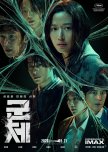
New concept bad execution
A new concept compared to most of the zombie movies/dramas but i think the writing kind of fell midway. It definietly had potential to be atleast better than this + there was no strong emotion regarding any of the characters even jcw. No such jumpscare or suspence for what will happen next. In my opinion the last 15-20 min saved the movie. The characters were weak for me to feel anything for them. The best i can give is 6.5 for the new concept and the end part. I'd still recommend it to my frnd.Esta resenha foi útil para você?
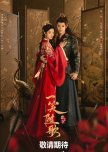
FATED JUDAS- Quando lo stile prende il sopravvento sulla narrazione
Il titolo della recensione è volutamente provocatorio , Giuda non allude soltanto ai tradimenti che attraversano la trama da parte di persone vicine e care ai due protagonisti ma ad una storia che finisce per tradire se stessa. Tradisce le proprie ambizioni artistiche, il tono tragico che vorrebbe assumere e, soprattutto, il linguaggio cinematografico che tenta di appropriarsi con innovazioni senza sempre comprenderne la funzione.Il problema dell'opera è una scrittura derivativa ( da almeno 6 drama storici- wuxia) che propone dei contenuti senza svilupparli fino in fondo.
La struttura narrativa costruisce un continuo gioco di specularità, i due protagonisti percorrono traiettorie quasi simmetriche: entrambi vengono traditi dalla persona di cui si fidano maggiormente, entrambi riportano ferite che modificano il loro destino, entrambi sperimentano la perdita della memoria, entrambi sono costretti a ridefinire la propria identità. Anche le coppie secondarie finiscono spesso per vivere, a ruoli invertiti, le stesse dinamiche emotive (Feng Xiyang e Xia Jinshi) quindi ha uno scopo , non è un cliché ripetuto , come scriveva qualcuno.... .
L'idea della specularità è probabilmente l'intuizione migliore dell'intera serie. Il problema è che resta quasi sempre un meccanismo strutturale più che un vero tema filosofico.
Lo stesso accade con gli altri argomenti affrontati. La guerra, il rapporto fra genitori e figli, il peso delle aspettative familiari, la memoria, il desiderio femminile qui mostrato con una certa modernità, il sacrificio, la responsabilità politica. Tutti elementi presenti. Nessuno realmente approfondito.
La sensazione costante è stata quella di assistere a una sceneggiatura che accumula temi invece di svilupparli.
Dal punto di vista narrativo l'opera aggiunge molto poco a un panorama ormai saturo di wuxia romantici. Dopo decine di produzioni storiche cinesi viste negli ultimi anni, è difficile non riconoscere una costruzione fortemente derivativa. Le dinamiche ricordano Rule the World; l'estetica visiva e sonora richiama spesso Fangs of Fortune; alcune scelte iconografiche – dai morsi sul collo alla costruzione predatore-preda fino all'erotizzazione della violenza – evocano apertamente un immaginario vampiresco che riporta inevitabilmente a Twilight.
Il revenge finale con la resa dei conti e la strage finale a casa del cattivo di turno Love like Galaxy e l'utilizzo di ipersaturazioni a contrasto e primi piani che stravolgono il volto, The Double.
Naturalmente il problema non è l'influenza, potrebbero essere citazioni. Tutto il cinema vive di influenze. Il problema nasce quando il mosaico non genera un'identità nuova.
Paradossalmente è proprio la regia a rappresentare il punto più interessante e, contemporaneamente, la maggiore occasione mancata. È evidente il desiderio di sperimentare:
Color grading fortemente saturo.
Flare luminosi.
Primi piani estremi.
Montaggio sincopato.
Sound design continuamente enfatizzato attraverso riverberi, code vocali e trattamenti artificiali delle voci.
Persino il dolly zoom (il cosiddetto Vertigo effect), caro a Hitchcock e presente dal 1960, finalmente compare in più occasioni , per la prima volta forse in un drama cinese. WOW !
Il Vertigo effect, ossia quel doppio effetto che consiste nell'avvicinare o allontanare il soggetto a fuoco e porre l'effetto opposto sullo sfondo, non nasce come semplice abbellimento estetico. È una figura retorica del linguaggio cinematografico. Tradizionalmente visualizza una frattura percettiva, una perdita di controllo, uno shock, un improvviso mutamento psicologico, può essere utilizzato per paranoia, sovvertimento, insomma avvisa che sta per accadere qualcosa dissociando i due piani: uno si avvicina e l'altro si allontana, una soluzione molto elegante e ormai realizzabile anche con la telecamera dello smartphone e un programma come CUPCUT.
In questo lavoro, in un paio di sequenze il suo utilizzo appare coerente con il vissuto dei personaggi.
In altre, invece, sembra trasformarsi in una firma stilistica applicata indipendentemente dal contenuto drammatico della scena.
Durante una frattura emotiva fra padre e figlio, ad esempio, la costruzione dell'inquadratura comprime lo spazio (l'inquadratura zoomma sui volti), anziché enfatizzare la distanza relazionale, producendo un'immagine suggestiva ma semanticamente poco coerente.
Una regia moderna che conosce gli strumenti del linguaggio cinematografico, ma che troppo spesso li utilizza come ornamento invece che come veicolo di significato.
Lo stesso discorso riguarda l'impianto estetico generale: l'opera oscilla costantemente fra un drama a sfondo storico e un idol drama (zero credibilità storica).
I costumi recuperano suggestioni delle popolazioni tibetane, per quanto riguarda la fazione avversaria, mentre trucco, contouring, sopracciglia perfettamente scolpite, manicure rosse e fotografia ipersatura appartengono chiaramente a un immaginario contemporaneo, stessa cosa per le scarpe con zeppe interne e polsiere in ecopelle ben visibile.
Il risultato costruisce un ibrido che finisce spesso per compromettere la credibilità del mondo rappresentato.
Persino il sound design contribuisce a questa impressione. Le voci vengono frequentemente trattate con riverberi e code artificiali che dovrebbero conferire maggiore epicità ai protagonisti. In realtà producono spesso l'effetto opposto: ricordano costantemente allo spettatore la presenza della post-produzione, interrompendo l'immersione narrativa.
Anche sul piano attoriale il cast appare discontinuo.
Li Qin sostiene gran parte del peso emotivo della serie con un'eroina finalmente desiderante, capace di scegliere, combattere e manifestare apertamente il proprio desiderio senza essere ridotta alla classica figura femminile passiva. Una sorta di Nikita dei tempi antichi sebbene troppo coreografica nei duelli. È probabilmente il personaggio meglio scritto dell'intera opera.
Chen Zheyuan, invece, non è affatto il pessimo attore che alcuni hanno descritto, ma nemmeno il protagonista carismatico necessario per sostenere un progetto così ambizioso. Alterna momenti convincenti ad altri molto più opachi, probabilmente penalizzato anche da una regia che privilegia continuamente l'immagine alla costruzione interpretativa. Un trucco eccessivamente levigato con un contouring a macchie ben visibile, una bocca che ricorda il becco di un'anatra, un volto quasi immobile in alcune sequenze e un'estetica troppo patinata finiscono inoltre per indebolire la credibilità di un personaggio che dovrebbe incarnare un generale temprato dalla guerra.
Peggiore è la prova da parte del cast secondario, in particolare dell'interprete di Murong Junior, la cui recitazione si riduce spesso a una successione di smorfie enfatizzate da un montaggio ossessivamente frammentato.
Mi sono chiesta più volte se il problema fosse davvero il cast o, piuttosto, la direzione data agli attori. La sensazione è che la regia abbia privilegiato costantemente la costruzione dell'immagine rispetto alla costruzione dell'interpretazione. Molti personaggi finiscono così per rifugiarsi in un repertorio di smorfie, sguardi esasperati e pose, senza raggiungere una reale credibilità emotiva.
Chen He Yi in "Perfect Match" (serie netflix, non a caso) aveva dimostrato di possedere un registro più naturale e sfumato; qui, invece, sembra costretto entro una recitazione caricata, quasi illustrativa, lontana dal suo potenziale. Lo stesso vale per diversi antagonisti, che raramente trasmettono quella sottile inquietudine che dovrebbe accompagnare un buon villain.
Anche Chen Zheyuan, pur non essendo affatto l'attore disastroso che qualcuno ha dipinto, non riesce a sostenere il peso del protagonista con il carisma necessario. Alterna momenti convincenti ad altri sorprendentemente anonimi, ma continuo a pensare che la responsabilità non sia esclusivamente sua. Un altro interprete avrebbe probabilmente migliorato il personaggio, senza però risolvere il problema principale dell'opera.
La tensione narrativa soffre dello stesso limite. I colpi di scena non sorprendono perché la regia sembra conoscere perfettamente i codici del thriller ma li utilizza in maniera troppo scoperta. Quando Murong Yao compare nascosto dietro la tenda lo spettatore esperto capisce. La messa in scena insiste così tanto sull'occultamento dell'identità che finisce, paradossalmente, per indicare allo spettatore dove guardare. I tradimenti, gli inganni e le rivelazioni perdono così gran parte della loro forza perché risultano intuibili fin dai primi episodi.
Lo stesso accade con la costruzione della tensione erotica. La regia ricorre continuamente a un repertorio fisico: combattimenti che diventano corteggiamenti, morsi sul collo, corpi che si sfiorano, prese, cadute, giri, personaggi posti in braccio, fermo immagine sugli sguardi. È un'estetica che cerca costantemente di suggerire desiderio attraverso la fisicità ma finisce spesso per sostituire l'intimità con la coreografia.
E qui emerge inevitabile il confronto con Joy of Life, dove bastava un semplice baciamano di Zhang Ruoyun, una pausa nel dialogo o un cambio quasi impercettibile dello sguardo perché si percepisse immediatamente la nascita di un sentimento. Nessun rallenty, nessun morso, nessuna spettacolarizzazione del contatto fisico. Solo recitazione, scrittura e tempi scenici.
Fated Hearts sembra credere che l'intensità emotiva possa essere costruita accumulando stimoli visivi e sonori; Joy of Life dimostra invece che basta un gesto minimo, quando è sostenuto da una scrittura solida e da interpreti diretti con precisione.
La regia avrebbe dovuto pretendere molto di più dai propri attori invece di coprirli con artifici visivi, perché il cinema può emozionare anche con un primo piano immobile se l'attore sente il personaggio. Quando invece ogni scena cerca disperatamente di stupire, il rischio è che lo spettatore finisca per ammirare il meccanismo senza credere davvero alle emozioni che dovrebbe raccontare.
Eppure non è stato un brutto drama.
È una serie che si guarda con piacere, mantiene un buon ritmo e possiede un'identità visiva riconoscibile. Semplicemente, non riesce mai a raggiungere il livello di profondità che continuamente promette. Vuole essere tragedia, ma mantiene spesso il tono del melodramma. Vuole essere innovativa, ma costruisce la propria identità attraverso suggestioni già viste. Vuole parlare della guerra, della memoria, del destino e del tradimento, ma preferisce quasi sempre l'immagine alla riflessione.
Alla fine resta un'opera esteticamente ambiziosa, tecnicamente curiosa, narrativamente derivativa e incapace di dare ai propri artifici una reale necessità espressiva, la regia è stata visionaria ma priva di coerenza espressiva, gli effetti nel cinema nascono per raccontare, suggerire, indicare, stessa cosa per l'impianto sonoro di un film, o di un'opera. Qui hanno confuso l'enfasi con il cinema.
Voto: 6,7/10. Un drama gradevole, a tratti visivamente affascinante, ma che confonde troppo spesso la ricerca stilistica con il linguaggio cinematografico e l'ambizione con la profondità.
Esta resenha foi útil para você?
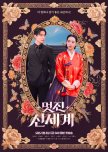
Esta resenha pode conter spoilers
Came for the chaotic romance, stayed despite the boardroom snooze-fest.
If My Royal Nemesis was purely a rom-com, it would be an easy 10/10. The absolute strongest point of this drama is the hilariously chaotic main couple. Seeing the main leads step out of their signature "villain eras" to actually play positive characters is a massive treat, and they absolutely slay their roles. Their chemistry is off the charts, and I loved every single interaction they had. (I mean, THE WRIST KISS?! Hello?? I am still recovering).But alas, this is a K-drama, which means we must endure the obligatory corporate filler. Enter: the company drama, the evil cousin, and the evil bambi-eyes female suitor. She spends most of the show trying to force a marriage, only to pull a sudden 180 at the end to help the male lead. Honestly? I couldn’t have cared less about these parts. And the secondary "couple"? No comment...
The villains also suffered from some weird writing choices. They gave the main bad guy a son to make him multi-dimensional, but it just felt forced. Was I supposed to sympathize with him because he has a kid he barely even sees? Weird flex, but okay.
As for the time-travel/isekai aspect, it started nice but frankly bored me toward the end. Something about their Joseon-era connection just didn't click, and I had a hard time buying into their feelings in the past timeline.
Finally, we need to talk about the angst. I feel like the writers wanted to break a Guinness World Record for the most tearjerker tropes crammed into one show. Seriously, give it a break, y'all! Halmoni deserves to live too.
Rating: 8.5/10 (Romance: 10/10 | Corporate Plot: 2/10
Esta resenha foi útil para você?


