
 Editoriales
 1
1 1
1Oltre il "dohyo": il lato scomodo del Sol Levante.
J-drama sportivo ambizioso nelle intenzioni ma essenziale nella forma, che parte da un'idea estremamente interessante: usare il sumo come lente attraverso cui osservare una fetta di Giappone lontanissima dall'immagine patinata, ordinata e tecnologica che ci viene abitualmente servita. Niente neon, niente metropoli-acquario notturne, niente quartieri impeccabili o estetica minimal-zen: invece un paese sporco, periferico, impoverito, fatto di case anguste e vissute, di persone marginalizzate, fallite, emarginate, che vengono inglobate da un sistema rigidissimo in cui disciplina, tradizione e violenza finiscono per confondersi. Le heya, i dormitori, gli spazi comuni, i locali e le strade non sembrano set costruiti per comunicare povertà: sembrano luoghi realmente abitati, consumati dal tempo e dalle persone. E la povertà, qui, non viene trasfigurata in una versione esotica del wabi-sabi, non diventa elegante o contemplativa: rimane povertà, con il suo degrado, il suo disagio, la sua mancanza di prospettive. Persino i personaggi sono abbrutiti dai problemi, e proprio questa assenza di idealizzazione è una delle cose più realistiche che abbia trovato fra i tanti drama visti finora.La stessa operazione di disincanto viene compiuta sul sumo, sport nazionale tanto radicato nella cultura nipponica da essere trattato quasi come una religione, con il dohyo come santuario. La serie non si limita a mostrare uomini enormi che si spingono fuori da un ring, ma prova a restituire la complessità di un universo regolato da rituali, gerarchie e tradizioni, dietro cui emergono però il nonnismo travestito da metodo di allenamento, la violenza gerarchica, l'abuso di potere, la misoginia, la subordinazione quasi assoluta dei più giovani ai superiori. Il rispetto per la tradizione può così ribaltarsi in legittimazione della brutalità, la disciplina in forma di controllo. Non tutto ciò che viene mostrato corrisponde alla quotidianità di ogni rikishi (wrestler) la serie concentra volutamente situazioni e personaggi estremi, ma alcune di quelle dinamiche hanno riscontri reali, e questo rende il quadro molto meno fantasioso di quanto potrebbe apparire a chi non conosce quel mondo.
È osservando questo mondo che la serie raggiunge i suoi momenti migliori, perché fa capire quanto sia semplicistico considerare i rikishi solo uomini obesi che si spingono sul dohyo. Sono atleti che arrivano a portare sul proprio corpo 100, 150, 200 kg, pagando un prezzo fisico enorme su ginocchia, anche, caviglie, articolazioni e la serie mostra proprio questo costo attraverso i corpi, gli infortuni, il logoramento. Eppure, galileanamente, quei corpi si muovono: corrono, saltano, si abbassano, resistono agli urti, frenano, spingono, affrontando allenamenti massacranti di 4 ore. La massa non elimina l'atletismo, lo rende semplicemente qualcosa di molto diverso da ciò che siamo abituati a vedere in altri sport. Particolarmente interessante è la resa dello shiko, lo squat ripetuto ossessivamente per rafforzare gli arti inferiori e sviluppare la capacità di spingere, frenare, arrestare con potenza l'avversario; così come il momento quasi sacrale che precede il combattimento, quando i rikishi entrano nel dohyo, vengono presentati come figure rituali e portano le mani a terra — gesto che dichiara la disponibilità a iniziare ed esclude la falsa partenza. Un dettaglio minimo che, nel contesto della serie, diventa affascinante perché trasmette rispetto e lealtà. Per chi segue il sumo reale è però evidente che i combattimenti in scena sono molto più scenografici, spettacolari e volutamente scorretti di quelli autentici, spesso rapidi, tecnici, quasi "tranquilli".
Più ci si addentra in questo mondo, più si percepisce la sua ritualità: una tradizione di circa 1500 anni, con una gerarchia rigidissima al cui vertice sta lo yokozuna, titolo che non indica semplicemente il "più forte" ma comporta un'aspettativa di reputazione, condotta e dignità adeguate al rango — e il fatto che nella storia del sumo solo 72 uomini l'abbiano raggiunto ne restituisce la rarità e il peso quasi sacrale. Per certi versi considero il sumo il padre putativo degli sport da combattimento, perché racchiude in forma antichissima gli elementi fondamentali del contatto: peso, equilibrio, spinta, resistenza, esplosività, tecnica, controllo dello spazio, capacità di sfruttare il corpo dell'avversario contro se stesso. Peccato che la serie dia moltissimo per scontato: usa una quantità enorme di termini tecnici senza spiegarli — alcuni deducibili dal contesto, altri no — e qui Netflix avrebbe potuto fare molto meglio, perché sarebbero bastate poche spiegazioni contestuali per permettere di comprenderne davvero la componente tecnica; così invece un prodotto capace di far conoscere il sumo al mondo rischia di restare, almeno in parte, un prodotto locale.
Il problema di Sanctuary è che quando esce dal dohyo e deve costruire i propri personaggi, perde solidità. Enno è un protagonista costruito secondo una formula quasi da manga sportivo, anche esteticamente ed espressivamente: aggressivo, arrogante, privo di disciplina, entra nel sumo quasi per necessità — riscattare il locale del padre perso per debiti — e scopre progressivamente un talento fuori dal comune. Funziona bene come motore narrativo immediato, soprattutto perché il suo atteggiamento irriverente collide con un ambiente fondato su gerarchia, disciplina, tradizione; il suo modo di combattere è deliberatamente provocatorio, scorretto, quasi anarchico, e questa componente crea una tensione efficace fra un pubblico che si diverte davanti alla sua imprevedibilità e un establishment che lo considera una minaccia da punire, piegare, estromettere e, sul finale, quasi distruggere. Funziona bene come protagonista, ma non viene sviluppato come personaggio psicologicamente complesso: la serie racconta il suo trauma senza svilupparlo davvero. Madre disturbata e sessualizzata, rapporto problematico con la povertà, senso di colpa ossessivo verso un padre vittima di un paese che non perdona gli errori — tutto questo dovrebbe costruire la sua identità, ma viene usato più per spiegare perché sia diventato quel che è che per mostrare il processo attraverso cui potrebbe cambiare.
Lo stesso problema riguarda Shizuuchi, probabilmente il personaggio col maggior potenziale drammatico,interpretato da un vero ex lottatore di sumo. Il contrasto fra la mole mostruosa e una tenerezza quasi infantile è efficace, e il passato progressivamente rivelato dà un senso diverso alla sua violenza; eppure anche qui la serie confonde la quantità di trauma con la profondità del personaggio. Shizuuchi ha una storia terribile, è capace di ferocia impressionante e insieme di una sensibilità disarmante — come quando resta incantato davanti a un ciliegio in fiore — ma avrei voluto vedere molto di più il processo attraverso cui queste due parti convivono in lui: la serie mi dice che è un uomo segnato, non sempre riesce a farmelo vivere. Vale anche per Ryuki, di cui vediamo solo alcuni momenti che suggeriscono il peso della pressione sulle sue spalle. Sanctuary sembra avere continuamente in mano materiale sufficiente per costruire figure tridimensionali, e scegliere invece di usarlo per produrre banale melodramma:la materia prima è spesso ottima ma la sceneggiatura non ha la pazienza di trasformarla in vera profondità psicologica.
Il caso più evidente è Kunishima. La giornalista avrebbe potuto essere più di una funzione narrativa perché rappresenta lo sguardo esterno sul mondo del sumo: una donna rabbiosa e anticonformista, danneggiata professionalmente da un trasferimento, che entra suo malgrado in un ambiente fortemente maschile e si scontra con gerarchia, sessismo, corruzione, frustrazioni proprie. Ma la serie non costruisce davvero il suo percorso: dopo appena 2 interazioni con Enno, per giunta poco significative, sembra improvvisamente "prendersi" di lui, e da quel momento il ragazzo diventa il centro della sua motivazione senza che la sceneggiatura si preoccupi di spiegare perché. Eppure lì si intravede un'idea interessante Kunishima sembra una persona emotivamente anestetizzata, appiattita nella propria vita, che attraverso Enno e la sua vitalità brutale ricomincia a provare qualcosa ma la serie suggerisce questa dinamica senza svilupparla, così quello che poteva essere un vero risveglio emotivo resta una funzione narrativa: lo sguardo esterno sul sumo, veicolo della componente giornalistica legata all'evoluzione della scuderia Hensho.
Altra debolezza: troppi temi per8episodi. Complotto giornalistico e istituzionale, JSA, sponsor, interessi economici, corruzione, minacce, pseudo-esorcismi, ricatti, scandali — sembrano a tratti appartenere a un secondo dramma mai integrato davvero con quello sportivo, che nella sua brevità e nel suo ritmo lento e descrittivo avrebbe già avuto materiale sufficiente per raccontare magnificamente il sistema del sumo, senza accumulare ulteriori livelli di complotto. Ancora più problematica è la rappresentazione femminile: la serie vuole mostrare la misoginia e la subordinazione delle donne in un mondo profondamente maschile, ma finisce talvolta per riprodurre gli stessi stereotipi che vorrebbe criticare. Nanami è la caricatura dell'arrivista sessualmente esibita e interessata al denaro; la madre di Enno è figura volutamente repulsiva e predatoria; la madre di Ryuki è vittima che arriva a usare il proprio corpo per proteggere il figlio, finendo ulteriormente umiliata; persino Kunishima, che avrebbe dovuto rappresentare autonomia professionale, viene progressivamente definita soprattutto dal proprio coinvolgimento emotivo. Resta una domanda amara: la serie sta mostrando donne che si sono adeguate al ruolo assegnato loro dagli uomini, oppure sta riproducendo, senza accorgersene, lo stesso sguardo che pretende di criticare? E queste donne sono diventate così per sopravvivere a quello "sguardo" o le trattano in quel modo perchè moralmente abiette e degradate.
Sul piano recitativo il giudizio è positivo, con riserve. Le preparazioni fisiche sono notevoli, e il corpo di Ichinose Wataru diventa parte integrante della costruzione di Enno e non semplice elemento estetico: l'attore ha preso circa 45 kg, una trasformazione enorme che contribuisce moltissimo alla credibilità del personaggio. Non sono però rimasta colpita dalla gamma espressiva del cast: non credo basti giustificarla dicendo che "la recitazione giapponese è così", mi sembra piuttosto una scelta di registro che in più momenti diventa limitante. Enno oscilla fra tre stati fondamentali — preoccupato, ferito, incazzato — e quando deve esprimere emozioni più complesse la variazione è dichiarata più che costruita per sfumature. Shizuuchi ha un contrasto più interessante, potendo passare dalla dolcezza alla violenza, ma lavora anche lui su una gamma relativamente ristretta; Ryuki, che inizialmente avevo trovato interessante, mi ha convinta sempre meno,funzionale al ruolo, ma privo della profondità che giustificherebbe un salto verso ruoli più importanti, e forse è per questo che resta relegato a parti secondarie in drama di basso livello.
La regia è l'aspetto più povero: narrativa, funzionale, minimalista. Dettagli, primi piani, campi larghi, qualche piano sequenza, e nei combattimenti l'insistenza su rallenty, slow motion, dettagli anatomici per restituire la fisicità del sumo — ma quasi mai la sensazione che una scena sia concepita attraverso un linguaggio visivo originale. Racconta, non interpreta: ottima per un docudrama, meno convincente per una serie che vorrebbe insieme sviluppare una storia complessa, parlare delle contraddizioni di un paese, inserire parentesi crime e thriller, costruire percorsi di formazione. La fotografia mi è sembrata più curata — coerente, concreta, capace di restituire la materialità di ambienti e corpi senza estetizzarla. Ed è qui che si vede quanto una grande regia possa cambiare la percezione di un'attrice: penso a Koyuki, indimenticabile ne "L'ultimo samurai" a oltre vent'anni di distanza, e il confronto mi ha fatto riflettere sul potere del cinema nel costruire un'immagine. Nel film di Edward Zwick appariva quasi sospesa, idealizzata, avvolta da una fotografia morbida che la rendeva, ai miei occhi, quasi una divinità; qui è una donna interessante, credibile, ordinaria, ripresa con sguardo molto meno estetizzante — non solo per i vent'anni trascorsi, ma a dimostrazione di come una regia altissima possa trasformare un'attrice in un'immagine memorabile, e una regia più asciutta e documentaristica rinunci del tutto a costruirle attorno quell'aura quasi mitica che il grande cinema sa creare. Stesso discorso per la musica, quasi assente per gran parte della serie e presente soprattutto nei momenti clou dei combattimenti, con percussioni e tamburi dal forte carattere rituale — forse taiko — ma troppo poco presente per diventare parte dell'identità della serie.
Eppure, nonostante tutte queste riserve, c'è un'altra cosa che Sanctuary racconta molto bene: l'assenza di empatia. Quando un rikishi viene massacrato non assistiamo a una vera esplosione di considerazione umana nei suoi confronti: i compagni lo deridono, quelli dell'altra scuderia approfittano della sua debolezza durante il keiko, e persino chi gli sta intorno sembra reagire più alle conseguenze sportive della sua condizione che alla sofferenza di un essere umano. È una scena orribile proprio perché mostra che il mondo è paese, e che certi concetti nipponici di empatia e di profondo sentire sono prescrizioni augurali più che realtà fattuali.
Poi mostra una condizione difficile da definire: Kunishima e l'oyakata sembrano persone appiattite nella propria esistenza, che hanno smesso di provare davvero qualcosa; Kunishima si risveglia attraverso Enno e il suo modo di combattere, l'oyakata dice "sento qualcosa", Shizuuchi, che per tutta la vita ha conosciuto soprattutto violenza e sopravvivenza, si ferma a guardare qualcosa di delicato e fragile come un ciliegio. Sono forse i momenti più belli della serie, perché suggeriscono che il vero tema non sia diventare più forti o conquistare il dohyo, ma tornare a sentire. E questo rende ancora più interessante la contraddizione di un Giappone che ama vendersi attraverso armonia, rispetto, educazione, ordine, attenzione all'altro, mostrato qui attraverso un ambiente in cui la forma del rispetto può convivere con una sostanziale incapacità di prendersi cura dell'individuo: si possono avere rituali impeccabili, gerarchie precise, inchini, disciplina e controllo del comportamento, e insieme non accorgersi che qualcuno davanti a te sta soffrendo. Una società apparentemente organizzata e regolata può essere, allo stesso tempo, emotivamente disumana, e alla fine il bisogno di tornare a sentire davvero.
Il risultato complessivo è quindi quello di una serie che non considero eccezionale dal punto di vista cinematografico, e che soprattutto non riesce a sviluppare i propri personaggi con la profondità che il materiale avrebbe consentito. È però una serie interessante, perché mostra un Giappone raramente rappresentato, con le sue contraddizioni, le sue crudezze, persino la sua difficoltà a riconoscere l'altro. Prende una tradizione sportiva apparentemente immutabile e ne mostra la violenza, il machismo, la dimensione economica, il prezzo fisico e umano, senza ridurre il sumo a una semplice storia di riscatto sportivo. Alla fine, purtroppo non ha investito nei suoi personaggi tant'è che mi ha intrigata più il mondo che ha mostrato dei personaggi che lo abitano; tuttavia quando una serie riesce a farti guardare uno sport che prima poteva sembrarti soltanto un gruppo di uomini enormi che si spingono dentro un ring, quando ti fa vedere quanto lavoro, dolore, disciplina, tecnica e tradizione esistano dietro quei corpi e, contemporaneamente, ti mostra le contraddizioni del sistema che li produce, allora qualcosa ha funzionato.
¿Te ha parecido útil esta reseña?
A masterclass in character writing...
I'm kind of at a loss for words...This was such an insanely superior drama, I can't believe people don't recommend it very often and it's not rated as highly as a lot of below-par romcoms on here.
I found the characters extremely well developed by the writers, which was truly so impressive and so above my expectations.
The written contrast between the ML and FL was so interesting to see, how one tends to avoid blame while the other takes on others' blame, and the way they circled each other and balanced those traits out and grew as people. Something about that felt so literary, it kind of reminded me of the character development you see in Jane Austen novels, but considering the fact that Wuthering Heights was referenced multiple times in this, I guess there was more Bronte to it than Austen.
The other interesting part is character X (who I will not name, to not spoil it for anyone)'s descent into madness. It was an absolute rollercoaster to see. That development felt SO natural and organic but so shocking at the same time, some scenes with X had me gasping at 5am and pausing to talk to the invisible cameras in my room.
This was an absolute 10/10 watch and I recommend it to anyone who appreciates excellent writing.
¿Te ha parecido útil esta reseña?
 1
1Minus color, plus menace
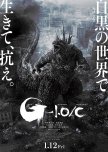
Godzilla Minus One/Minus Color was the same film as Godzilla Minus One yet different with the lack of color. Harkening back to the original in 1954, Gojira's appearance felt even more menacing. Watching him wreak havoc on Tokyo in B & W was reminiscent of OG Godzilla and more of a documentary feel for as everyone knows, people in the 1940s lived in black and white . For this film they not only removed the color but used a masking technique to make each frame have the quality of an artistic still photograph. It took my brain a while to process it. I'm used to watching old black and white films and the look of GMO/MC was different, clearer, with more depth. At first it was jarring as even the shadows were more defined and darker. So while it didn't have the same soft black and white appearance as the original it was an interesting new take on Minus One. If you enjoyed Minus One and the 1954 original, this version is definitely one to try.Below is my review for Godzilla Minus One from 2024:
When I saw the Toho logo my heart jumped with joy knowing Godzilla was back home where he belonged. In Godzilla Minus One he was no longer a comic character playing catch with a giant lobster or the King of the Kaiju restoring balance to the Earth. He was a destroyer and an indictment on humankind’s hubris and a reminder of the horrors of war. If Japan was at level zero after WWII, Gojira put them at minus one when he surfaced from the depths of the ocean with a terrible judgement.
Near the end of WWII, Shikishima Koichi is a kamikaze pilot who lands his plane on a small island held by the Japanese ostensibly for engine trouble. It’s not long before the mechanics realize he has run away from the fight. They don’t have long to berate him when they are attacked by a monster the locals call Gojira. When Shikishima freezes once again, he is labeled a coward by the only other survivor. Back home he is reviled by a sister for returning alive, as she blames the country’s problems on his failure. Koichi takes in a woman with an orphaned baby, unable to throw them out when Noriko makes herself at home. The war isn’t over for Koichi as he is paralyzed with regret, guilt and PTSD and unable to move on with his life. When Gojira heads for Japan, the pilot will have a second chance to redeem himself and his honor.
Godzilla Minus One succeeded in two areas. Firstly, they went back to Gojira’s mythology and his evolution from nuclear testing. Gojira was personification of the fear and memory of atomic weapons, something the people of Japan had suffered horrifically from. He was also a punishment for Japan’s militaristic era and the damage done to others and their own people. This monster claimed his territory with a fearsome rage. Capable of regenerating, modern weapons were all but useless against him. Secondly, for one of the first times since the original, there were compelling human characters with interesting stories seamlessly woven into Gojira’s appearance and threat. Too often, the humans were dead weight in Toho’s Gojira films saddled with mediocre actors and dialogue. Koichi was a complicated character and his boat buddies were developed enough to remember them. Noriko as a character was thinly but heroically drawn. Even the characters who reviled Koichi came around to being more well developed.
If there was one flaw, the horrors of the war were laid solely at the government’s feet, which categorically absolved the rank and file from atrocities committed during the war. And yes, the government had the “best ability of spinning and hiding information from the masses”. The government also, “...treated our lives too cheaply...Tanks with insufficient armor, poor supply chains-leading to starvation and disease…and fighter planes without ejection seats…as well as kamikaze and suicide attacks.” The characters emphasized living for their country and its future instead of dying for it even as they bravely faced a seemingly indestructible foe.
For a film made for 15 million dollars (USD), it looked far richer. The special effects were excellent whether it was Gojira’s atomic breath, miniatures, ships, or buildings crumbling like houses made of cards. Gojira himself, was frighteningly majestic and terrifying. Able to regenerate, he did come across as a vengeful god. This film deservedly earned an Oscar for Visual Effects. One last little production note--Sato Naoki is credited as the composer but some of the score was a reworking of Ifukube Akira's iconic Godzilla theme.
Not since the original Godzilla (1954) have I enjoyed a Big G film this much. Gojira was a merciless, destructive force, created by unnaturally splitting atoms. The people of Japan united not to fight to the death against this formidable opponent but to use all of their abilities in a battle that would ensure that they could live for their future. In the face of this harbinger of death, there were those who found redemption, love, and healing. Good job Toho! You made a film worthy of the original and a wonderful way to celebrate Gojira’s 70th anniversary.
2 June 2024
¿Te ha parecido útil esta reseña?
Love on a Single Log Bridge
A 1 usuarios les ha parecido útil esta reseña
This review may contain spoilers
Better than expected
Most shows I come across are either recommended to me by my wife or I see reels about them on IG. I stumbled onto this show by way of IG.It pulled me in from the beginning, and at one point, I thought that the FL would annoy me enough to drop the show. But it turned out better than I though it would. I definitely enjoyed the comedy aspect of the this Romcom. You'll definitely find yourself laughing more than expected.
This show also did a lot of back and forth between the current timeline and the past, but I feel like it was cut in at the right time, so it doesn't feel like it interrupts the flow of the show.
I also thought they did a good job casting present ML/FL that looked visually similar to the past, or youth, ML/FL. This show has a good cast, even saw some new faces that I didn't recognize, but they did a great job with their performance.
¿Te ha parecido útil esta reseña?

Wasn't worth the squeeze
What drew my attention to this show was a reel I saw on IG. The firs episode felt like it would turn out to be a good one, but episodes 2 & 3 didn't pull me in like I was hoping. I'm not interested in pushing my way through the subsequent episodes, especially considering that my watchlist is really loaded, and growing daily.¿Te ha parecido útil esta reseña?
I don’t care, it was good
I liked this very much. The leads had great chemistry. Their relationship was based on friends to lovers and their friendship still remained even when they got together. I think that is important.Ep 9 when Seong Moo came in the came in the pic, had me hollering 😭🤣😅 the jealous scenes took me out!!!
The dedication of the movie had be tearing up 😭 like why??? It was sweet but sad.
Yes, the Su Bin was kinda selfish but hey, he came around and loved that the FL chose herself. And he wasn’t mad at all. He finally understood why she needed to go.
¿Te ha parecido útil esta reseña?

Fourever You Part 2 (Uncut Ver.)
A 0 usuarios les ha parecido útil esta reseña
3 very different stories
I love the cast of part 1 but i found it very slow, i did a rewatch before starting part 2 and felt the same as i did 1st time, slow, but wow do i love Earth and Bas and wish they had more projects together.For the first arc, honestly the 1st 2 episodes are maybe my favourite of the whole series, i cried and was seriously worried for what was ahead. I love Tonfah and Phoon as a couple, but if you watch expecting a full trauma filled 8 episodes you will be disappointed as the momentum of the trauma drops after the 1st 2, there are still moments but not like there was in those, it then focuses on relationship building and Phoon coming out of his shell. Overall enjoyable, but i'm a sucker for the drama, and wish there was more retribution.
Arc 2, another great couple, i was interested in the story and loved Meen and Do, i just feel like they went 'whoops we forgot about the ghost story' as it kind of fell off mid-way, quite a lot feels unanswered in the side plots in this arc, but another good character growth story, although most unrealistic part is the med-school plot, the ghosts are more realistic, but it was cute.
Arc 3, probably my favourite, which i think is rare for this as the ratings are a lot lower, but the writing feels sustained throughout, the character growth is great, story is interesting and ties a few things together, also love Suer and Nao's friends to lovers slow burn. We know there is no romance from season 1 so the tension isn't there, allows you to just watch their friendship grow. I do wish there had been more of their actual relationship episodes, but can't have everything.
Overall a solid show and i would definitely recommend watching, but it's not one i will rush to rewatch as can be slow for someone that loves some hurt/comfort dramas.
¿Te ha parecido útil esta reseña?
This Rating is Based on Pure Entertainment Value
While I was excited when the trailer was released, I did not expect to enjoy the drama this much. Contrary to a lot of the reviews, there was not a boring moment for me in the drama. While this is far from perfect, it is definitely an all-round entertainer in my humble opinion.STORY
The weakest aspect of the drama for sure. Though the emotional, romantic and comedic moments shine the tone of the plot lacks consistency. As some comments have pointed out, the drama tries to be a lot of things at once. While this was not a problem for me I can see why some people might appreciate more consistency. However, the pacing was good without unnecessary drama for the sake of it.
Bonus point for the action sequences (expect quite a lot of them), so well edited and choreographed, and Jung Haein was brilliant in them.
ACTING/CAST
The cast really carried the drama. No matter how silly, unrealistic, cringe or cartoonish a plot point was the actors really gave life to the characters and made whatever was happening that much more believable. Ha Young's acting is slightly wobbly sometimes, she delivers emotional and comedic scenes really well but needs some improvement in other areas. But I loved seeing her as a leading lady and the naturalness of the chemistry between her and Jung Haein was a definite highlight. Must mention Heo Sungtae as Baek Sanggil was stellar. His delivery gave much needed depth to what could have been flat villain character.
Bonus points for the character dynamic between the two main leads. It has been a while since I have watched the calm and quiet guy with the bright and bubbly girl. Jang Taeha's love towards Go Eunsae is shown in actions and gestures rather than spoken out loud and he is a man of few words, but he's not a grumpy silent type of character. Go Eunsae contrasts that beautifully, she loves loudly and unapologetically and it is refreshing to see a female lead like that, reminiscent of Im Sol from Lovely Runner for me.
If the negative reviews are holding you back but you love a good campy Kdrama I suggest you give this one try. It is definitely worth a shot, can always drop it if you are not entertained ;)
¿Te ha parecido útil esta reseña?
A Journey With No Uncertainty
I dropped Dream to You after episode 6. When the series ended, I went straight to the finale and watched only the last three minutes.Happy ending. They reconciled, overcame their traumas, and ended up together.
And I immediately wondered: did anyone really expect anything different?
If I can skip six entire episodes and arrive at exactly the destination I expected, then the ending carries no real narrative uncertainty.
Which raises a more important question: what could possibly happen during those six episodes that would genuinely change the fate of this couple?
Probably plenty of things happened to them. But there is a difference between events happening and a story creating narrative uncertainty.
Some people will say that the journey was what mattered.
And I agree—when the journey offers something worth discovering.
But when that journey is built around conflicts, traumas, and narrative devices we have already seen countless times, while the destination remains obvious from miles away, predictability isn't really the problem.
The problem is that there was no compelling reason to make the journey.
¿Te ha parecido útil esta reseña?

The Judge from Hell (2024)
A 0 usuarios les ha parecido útil esta reseña
une prota et une histoire satisfaisant !
Premier drama de ce type que je regarde et ce fut une agréable surprise !L'histoire étaiy satisfaisante a mort, superbement bien ficelé, les personnages principaux ont une évolution tellement cohérente de leurs sentiments, façon de penser.
J'ai découvert l'actrice principale avec cette performance et wow wow wow, je suis devenu fan tout de suite, son jeu est parfait, émotionnellement et elle degage tellement de charisme
Bref c'est un 10/10 pour moi j'espère tellement une saison 2 !
¿Te ha parecido útil esta reseña?

yearning day and night....♥️❤️? The Male lead is fine shytt??
the intense chemistry between the leads is actually insane and seriously the male lead is literally anime character 🥵 the faceeahhhhhhh......🥵🥵🥵 so damn hottt
worth watching my favvv🫶🏻♥️
the speed and love the drama hold is damn hottt and intense....
if your looking for something hot , intense, slow burn romance then this it is 🥰...
...... yearning day and night ⛅🌛
the drama and male lead who driven evryone at the end of December ahhhhhhhhhhhhhhhhhhhhhhhhhhhhhhhhh🔥🥵🥵🥵🥵
must watch this..
if you don't you're missing a masterpiece 🫶🏻🔥
¿Te ha parecido útil esta reseña?
This review may contain spoilers
Poignant, sad, and yet hopeful....with some really stellar storytelling and acting
A beautiful slice-of-life tale with flawed, mostly insecure, incessantly evasive and predictably coward queer men, running away from taking a chance at happiness and love ...and yet, our protagonist finds a way to get a foothold on life....finds the courage to be authentic, to breathe, to express and to be unafraid.....keeping hope alive, even when wading through all the bleakness of life's uncertainties and crueltiesThe script, camerawork, colouring and editing...all of them are bang on, with not an ounce of flab anywhere...and the acting is absolutely stellar
Cho You Hyun is stunning in his act as Cheol Jun, a young, vulnerable, gay man who has deflected from North to South Korea, looking to find a foothold, a life and finding himself...as he cautiously explores the gay scene in Seoul as a quiet, introverted and sensitive misfit in the scene, he meets Yeong Jeon, superbly portrayed by Kim Hyun Mok....as they start getting to know each other as part of a gay group, they start off with misfires...the situation gets further compounded by insecurities, jealousy and self-doubts.....and when they are finally able to face the truth, the usual cowardice shows up and Yeong Jeon chooses to run instead of finding the courage to accept their truth and take a chance on their love...
Its both angering and heartbreaking, particularly because you are reminded of all the times you did the same - running away instead of taking a chance, even though you knew there was a real possibility.... simply because you never want to lose and face your own insecurities of not being enough, letting love slip through for the fear of losing it in future ....damn the cowardice!!!
Cho You Hyun, however, finds the courage to confess, to not flinch and then offer that spark of courage to others like him.....he finds a way to get admitted to a college, go back to the gay community space and gets past his inhibition to sing his heart's song...
The rawness and vulnerability of the storytelling makes it beautifully poignant... I also loved that so much of what goes on in this movie is via expressions, backdrops, and silences...which aptly underlines the unspoken, hidden and repression of a queer life at the margins
This is really stunning and one of the best for me in the recent times.....and that beautiful end-song gave me goosebumps....if there is hope, we go on.....
¿Te ha parecido útil esta reseña?
This review may contain spoilers
A whirlwind of emotions
🚨SPOILER ALERT🚨Whenever my girl has the slightest moment of happiness life just hits her with a 'BOOM ENOUGH HAPPINESS FOR THIS YEAR(which literally lasts for a day or even a few hours). Next year same time okay?'
The show is incredibly appealing.
You go from one episode to another cause you want to know what's next.
The FL went through so much yet unlike most dramas, she's the one who saved herself and paved her way.
Although people found out she's not the actual Lady OK, due to her significance and impact on the people, she was not banished or anything.
Some might say she got all the punishment needed because she impersonated someone, I don't think so.
From the very beginning, she suffered so much, just because she's poor. She never did anything that would make her suffer this much. Additionally, lady OK herself was the one who told her before she died to impersonate her, so anything that happened was never her fault.
For someone whose very emotional, I couldn't stop crying throughout the series, yet some moments they were genuine and you could laugh with them(however, you know what's coming after this laugh is somber).
RECOMMENDED for the individuals who love historical k-drama's
¿Te ha parecido útil esta reseña?
This review may contain spoilers
Un Amore Sfumato di Blu
La serie asiatica BL Blue Lips si rivela un autentico gioiello visivo ed emotivo, capace di incantare lo spettatore fin dalle prime scene grazie a una fotografia straordinaria dominata dalle sfumature del blu, che dipingono un'atmosfera notturna, malinconica e incredibilmente suggestiva tra i neon dei locali e le ombre della città. Al centro di questo universo visivo brilla l'immensa bravura dei due attori protagonisti, Wei Linyu e Lan Shaoyun, che interpretano con una sensibilità fuori dal comune due anime tormentate e spezzate dalla vita. La loro è una storia profondamente commovente, sospesa tra il dolore della malattia e la ricerca di giustizia, capace di toccare le corde più intime del cuore senza mai scivolare nel banale. A rendere indimenticabile questo racconto è la chimica passionale ed elettrica che si accende tra i due protagonisti, un legame magnetico, intenso e travolgente che brucia sullo schermo e regala momenti di pura e vibrante emozione.¿Te ha parecido útil esta reseña?
This review may contain spoilers
Agradável
Se o cinza dos dramas densos ou o peso dos dias difíceis exauriram sua reserva de serotonina, este K-drama surge como o antídoto perfeito. É um abraço quentinho em forma de série, feito sob medida para quando a gente só quer se entregar a um romance leve, luminoso e abertamente meloso.A trama entrega com louvor o que se propõe: um amor grudento, delicioso de acompanhar e sem vergonha alguma de ser fofo. Claro, o roteiro dá suas escorregadas e não economiza nos velhos e conhecidos clichês — mas, convenhamos, quando o clichê é embalado com afeto, ele deixa de ser um defeito e vira conforto.
O grande charme da obra reside em sua protagonista. Ela ostenta o sorriso mais inabalável e radiante que já passou por um drama que assisti. É verdade que em certos momentos você vai encarar a tela e se perguntar: “Minha querida, qual é a lógica dessa atitude?” — mas, no segundo seguinte, ela abre aquele sorriso apaixonado, faz mais uma declaração desarmante e ganha nossa complacência imediata. O carisma dela simplesmente atropela qualquer furo de roteiro.
Provavelmente este é o drama com a maior densidade de sorrisos e declarações de amor já registrado por mim. Uma comédia romântica vibrante que lembra o espectador de uma verdade simples: às vezes, tudo o que precisamos é de uma história que nos faça sorrir feito bobos do primeiro ao último episódio.
¿Te ha parecido útil esta reseña?


