


A Flawed Romcom That Still Hit All the Right Notes for Me
strong 8.5/10People complain about it, but I honestly enjoyed it. The drama tries to touch on identity, trust, and the idea of family that is not based on blood. These themes are present, but they stay in the background because the main focus is still the romcom. They add a bit of flavor, yet they are not the reason anyone watches this. The real draw is the chemistry, the tropes, and the comfortable chaos.
It also hits several of my personal favorites like shotgun relationship, cohabitation, and amnesia. These tropes usually come with certain predictable funny scenes that repeat across many dramas. Here, they actually created some fresh ones. Not jokes, but situational moments that felt new instead of recycled. It made the whole thing more enjoyable.
The tempo of the drama starts slow. The amnesia arc drags a little, but once it ends, the story suddenly shoots forward and moves much faster. Some viewers complained about the length. I get that. If it had ended around episode 10 and skipped the last two, it would have still worked fine. The amnesia part could have been shorter too, but at least it gave us plenty of cohabitation moments and bonding scenes.
Overall, maybe it does not objectively deserve such a high score, but it hit my personal likes, and that is why it worked so well for me.
Esta resenha foi útil para você?

meaningless showy Kwood thing
What is the message of this drama?The plot is showy and unusual but there is no meaning to anything.
It is just watching mindlessly for fun , glorifying a killer as a good person
The meta message is good, the society is messed up so we exalt even Vincenzo bc he helps fight the corruption
But beyong that, there is no deeper exploration of this issue
It is very Kwood,
and I dislike wasting time like that
Esta resenha foi útil para você?
Doku Koi: Doku mo Sugireba Koi to Naru
0 pessoas acharam esta resenha útil
Woah My heart is doing flips
I'm not sure why this was rated quite low but to be honest i enjoyed this series very much. It's light hearted, not much angsty but it is fast paced. I love the characters and the plot, though i do wish that we have more content. I do recommend watching this if you're bored or you need something to watch after a heavy angsty bl. This will cure you a hundred percent :)Esta resenha foi útil para você?
I did not expect a portrayal of sex between a minor and his brother's friend (salaryman so not a minor) but I am glad with the way the relationship was handled as the older man was calm and discussed stopping the relationship several times.
The intimacy between the main couple is very light with only a few kissing scenes. The last episode is the highlight in my opinion. I recommend it to watch.
Esta resenha foi útil para você?
Inspiring
This series for me brought so much depth, emotion and realism throughout that you could relate easily to what each character was going through as the story eased so beautifully into each situation. The actors were phenomenal in their roles, despite the emotionally taxing scenes.....the range of emotions leaving me breathless at times, especially watching the two main leads.All in all I was truly captured by this series that dealt with this heartwarming series so well. I wonder definitely recommend watching this from beginning to end.
Esta resenha foi útil para você?

Esta resenha pode conter spoilers
When all the homies gay
This is gonna be one of my longest reviews ever lol, so prepare yourself if you actually wanna read it. I am a very long term GMMTV fan, since 2019, BUT, I have ever since We Are aired refused to watch it. And the only reason was my lack of motivation. But I am a huge Narawin so I kinda had to, since this is my last show left to watch with PPW. The fact I have consumed thousands of hours media of PPW, without watching this is kinda insane. I finally got over it and yeah, watched it. I honestly regret not watching this series earlier. It's sweet, adorable and it has this found family vibe, which I am a huge fan of.Beginning with PondPhuwin or PhumPeem, their chemistry is as always amazing. The enemies to lovers trope actually really suits them and I am begging gmmtv to give them another series with this trope. Even though I've been a Narawin for a long time, I still forget Pond had longer hair at some point. He just looks so much younger, not bc of his hair but also his features. What I keep noticing about Phuwin, he is always in a sort of way into art, in every single series I've watched. The way PPW kissed so many times before even dating bahhahaha. And they like "I'm hungry" yeah bro u hungry fr. Sometimes Peem really irritated me because he has this annoying complaining and mean personality. He has his reasons but I would never be friends with him honestly.
I was a bit too late when it comes to WinnySatang. I've seen their series but I just never really became a fan. But watching this after their pair break up kinda makes me sad. I know they're just a pair and not a real couple, but I do like them together as a pair. Honestly I am not a fan of QToey. I love Q as mental support but I think what Chain and Toey and the rest of the group planned was toxic as hell. Like they're making Q feel upset and even if it's by accident, I'm just not a fan of it. I understand it was testing but... no. I feel like Q and Peem are adorable together and they're such nice friends.
I am a hugeeeee AouBoom fan. I loved them so much in this series and I can't describe it. This series together with Only friends: dream on have to be my favourite AouBoom series. Gmmtv really mistreats them as a pair and I feel like they just have way more potential than gmmtv gives them. I am sooo excited for Billionaire Biker as well. I love how Tan is the biggest idiot ever and he makes every moment in We are feel fun. I love his stupid flirting. As for Khaofang, I love him because he feels like the MOST relatable character ever. My whole personality is the same as his. It's so funny because I genuinely understand how he feels in certain moments.
Okay then MarcPoon. Another broken pair but one that I never really got familiar with. I love Poon but if I am honest I have no idea about Marc. I think their chemistry was alrighttt in we are but I'm not a huge fan. Pun was funny as a character and he did make me laugh. As for Chain, I'm not sure why but he wasn't very outstanding. I feel like ChainPun were a very normal couple compared to the others and they also had less screen time. I said before that I don't like how Chain and Toey flirted with each other and I just felt bad for Q and Pun.
Title has to stop playing annoying roles. EVERY SINGLE TIME his face even appears on screen I know he's gonna be playing an annoying character who gets between a couple. Also please tell me why I felt this very strange chemistry going around Beer and Kluen?? The moment when Toey saw Kluen met was so funny. It was kinda how I saw PhumPeem in the series. Toey didn't seem to like Kluen trying to pull Peem. I love seeing Godji so much. When I see her I know a series is gonna be good. Her as an aunt was adorable and I know she was shipping Phum and Peem. I also really like how she was like the comfort adult in the series and everyone loved her. And seeing JJ in here is also amazing.
Even though I liked We Are, I am kinda getting tired of the whole friendship bl's lately. Although I think friendships are super cute and funny, they easily bore me. I am also turning older and it feels like I often watch things for 13-15 yr olds. And I am saying this as an 18 yr old. I feel like we are was for a younger audience even if it included NC but this is maybe just my own perspective. I also am a bit bored of the school drama's SPECIFICALLY those subject. It's always and I mean always engineering, art and then architecture.
The songs in We are are just amazing. It was so funny when Pun tried to sing but hit every wrong note. But jokes aside I am in LOVE with แค่ในวันนั้น (Truth in the Eyes). It's one of my favourite Thai songs. The lyrics is soooo sweet. It can't be more romantic than this. I'm not the biggest fan of เรามีเรา (WE ARE) but I LOVE the MV. It's adorable. We are delivered good songs but my fav has to be Truth in eyes.
Also Phuwin's and Winny's pulled back hair reminds me of me because my hair is getting too long to even see shit so I usually do it like his hahaha. Overall, this was amazing. I loved it. The whole series gives me this sort of weird nostalgia and the friendship is so adorable. Genuinely, where do I find my friend group full of gays?? I loved it, even if I was a bit bored by certain episodes.
Esta resenha foi útil para você?

Possessed by Episode 4, Exorcised by Episode 10
I don't write reviews anymore. I've retired from this. And yet — here we are.I clicked on this randomly, expecting nothing, and got possessed. Genuinely could not put the remote down. Early on, this show had it ALL: two grown, emotionally mature adults who brace yourselves actually talk to each other?? A ghost-whispering heiress and a case-cracking, ghost-fearing prosecutor, tackling mysteries together like a competent team instead of a walking cliché. I was ready to build a shrine.
And then. THEN.
Somewhere around the midpoint, the show got bored of its own excellent premise, ditched the ghost-detective duo energy, and full-body-swapped into a Queen of Tears cosplay except with the political intrigue of someone who googled "chaebol drama plot generator" five minutes before the table read. If this had simmered underneath the main story from episode one, fine, I'd have respected the slow burn. Instead it just... swerved. Hard. No signal, no indicator, just straight off the narrative highway.
Every character who was so carefully built in the first act proceeds to nosedive. The villains? All bark, borrowed moves from a 2003 K-drama villain starter pack, zero actual menace. The second-lead guy is a walking red flag that everyone sees waving and just... collectively decides not to deal with. Chef's kiss avoidance.
And the finale oh, the finale. One rushed episode goes "so THIS is why everything happened," slaps on every trope in the cliché cookbook, and calls it closure. It's wrapped like a gift, sure shiny paper, nice bow except the box was already broken before they started wrapping.
But through all of it , the leads shine. Park Eun-bin does the thing she always does, effortlessly gliding between icy heiress, haunted mess, and giddy romantic without ever breaking the illusion. And watching Yang Se-jong is genuinely a treat the man commits so fully to the ridiculousness, the fear, the swoon, that he makes even the shakiest plot beats watchable. Their chemistry is criminally good, and honestly? These two deserve a drama that actually knows what to do with them. Give them a rewrite and a script that respects its own premise, and I'd sign up in a heartbeat. And also all the other actors did a veryy great job too. especially Seong Wu, exciteddd for him!
And can we talk about the OST? Genuinely beautiful — moody, cinematic, exactly what this show's atmosphere deserved even when the plot didn't. DK of SEVENTEEN's "Stay With Me" in particular hit way harder than a mid-drama chaebol subplot has any right to make me feel.
Esta resenha foi útil para você?
Esta resenha pode conter spoilers
Realistic Tearjerker
Few shows have this sort of impact on me. While I am an avid fan of tearjerker dramas like When Life Gives You Tangerines, sometimes they are filled with melodrama. The Bond is, however, unique. In fact, it hits too close to home to remind me of certain aspects of my own family life. I love that the MCs are smart and not dumb. They are completely aware of their surroundings and people. In spite of that, like most people, they sometimes obscure their minds, hoping, wanting, and choosing to believe in a better future. Burdened by their poverty and a bad father, they continue to make choices, which they know they might regret in the future. Their helplessness and persistence are heartbreaking. Yet their bond persists.Overall, great acting, storyline, set design and visuals. Truly complex and imperfect characters.
This reminds me of Shameless (US) to a certain extent, but hits a lot closer to home.
Spoiler: I am glad that the elder brother did not die in the end, else it would have broken something in me.
Esta resenha foi útil para você?
A Winter Sun Wakes the Wind in Spring Hills' Dream
0 pessoas acharam esta resenha útil
Esta resenha pode conter spoilers
What a Beautiful Experience
It's at times like this that I realize, once again, how limited my vocabulary is. How little I know how to put my feelings into words. I truly lack the words to properly explain how beautiful this story is.While I may not have connected with Zelia's (the director) previous drama, 'Secrets Happened on the Litchi Island ' (I think it might have been too metaphorical for me), I totally fell in love with this one. The cinematography is top-notch, no doubt. But stepping away from that, I think the parts that moved me the most were
1. Chang Yang & Qinglang love story - It's one of those fairy tale love stories. The once-in-a-lifetime kind. The sort that makes me go 'You know what, maybe being in love isn't so bad. Maybe I should look into this love thing,' and then I remember that these are fictional characters and go back to thinking about making money😭. The characters are written so well, but I think the actors help sell them beyond what the script could. The acting is so good and the chemistry absolutely palpable, even with their fade-to-black NC scenes.
PS.
a. I want to thank the director and the actors (who will never see this review) for giving me actual kissing. Proper make-out scenes. Despite CBLs flooding the market, most kissing scenes leave much to be desired. They do this thing where it's one character attacking the other's mouth, as the 2nd party sits/stands there being devoured. Isn't kissing supposed to be reciprocal? Thank you, Zelia and team, for giving me structural reciprocity in kissing!!!
b. As an 'acts of service' girlie, Lord, where is my Chang Yang? The amount of love, attention, dedication, and protection that he gave his Qing Lang is just.... *insert dreamy sigh here*
2. Social Commentary - I LOVE stories that delve into this. Perhaps this is why I enjoy thrillers so much. This drama doesn't shy away from it.
📸Most of the commentary in this is about being gay in the public eye. Where you can be gay on screen, and the people will love you for it, but you can not be gay IRL. Being gay for pay is cool, but gay for real? Nah. Too much. Not acceptable. They will flame you for it
📸It's about the toxicity of fan culture. The same people who praise you one minute will be quick to jump at the chance to pull you down. How the same people who claim to love you and wish you happiness will ignore your happiness for theirs. You can be happy, you can be in a relationship, but it has to be in the way they dictate. I appreciated how this drama took a chance to call out toxic shippers in the BL fandom. People be crazy out here, and I love that Zelia chose to show how absolutely insane, stupid, and selfish these people can be.
I enjoyed how the drama also shows how what we see is not what actually goes on behind the scenes. It's another reminder that the information that fans get is not only curated but highly filtered
📸 It's about society's view on being gay - Progressive as we claim to be, this drama highlights how most corners of society are all talk on the subject of homosexuality. Qing Lang had to retire, and ChangYang had to go make a name for himself so they could finally be together. The former had to give up what he loved, and the other had to put his life in danger for 5 whole years to give themselves a chance to be together. A part of me wonders if they suffered so much because they were in the upper echelon of society. How different would the journey of their love have been if Chang Yang's family did not have political connections and enemies? If Qing Lang was not the 'best actor' that he was?
📸The grey (sometimes really dark) areas - This is about the 2nd CP. Watching Qi Hao Yu have to sleep with that sponsor was... I did not like that feeling. It was especially hard to watch that, not only knowing that this is something that happens IRL, but I'd just finished watching Payback. Another show that touches on how these sponsor relationships work and the predatory nature of them. Lord, it was a lot.
Some things I did not like or understand - i.e., why the story rating is 9/10
🍃Episode 13, specifically the end
Just..., why? The ending of that episode left me feeling so hollow. I went online to look for discussions to try and better understand the why. The most common explanation I saw stated that Qing Tian's death was linked to the Buddhist belief (or maybe the belief of the people in the area where they were shooting the documentary? Someone correct me if I'm wrong) that death is the beginning of life. That because of Chen Zhu, Qing Tian had been 'dead' for those 4 years. That his death on that mountain meant that he got to be alive/start living.
Maybe it's because I am not a practitioner of this religion, but that explanation failed to 'console' me. IMO, Qing Tian had just decided to start living again. Remember his conversation that night with Wenshu? When he asked him to wait for him? What was that conversation if not a sign that he wanted to move on with his life? To live again?
Or perhaps his death was also a message about the fragility of life... Personally, I don't know, nor will I pretend to understand. When I watched that episode, I felt like his death was gratuitous. And that feeling remains to date.
🧑🏻❤️🧑🏻The 2nd couple - Connecting with them was really hard. I watched all their scenes and not once did I find myself thinking, 'I would love it if they ended up together.' Han Lu largely used Qi Hao Yu for money and fame, the same way that Shi Yu Hao had previously used Changyang. Han Lu wanted to make money off their CP and did what he could to do so.
Remember how he orchestrated that kiss in the rain and for the video to leak? Although sometimes his feelings for Qi Hao Yu seemed real, I constantly found it icky how he used their mutual feelings for money. I'm not sure why Qi Hao Yu stayed with him. Was it love? If it was, these are the times when I think that love alone isn't enough. It's not behaviour I would stand for, and thus I did not like them together.
Final Thoughts:
i. I think those behind the scenes in the BL industry need to take a page from this drama. It is a perfect example not only of a beautiful love story but also a romantic plot with a message. Yes, you can give us boys kissing and simultaneously provide a message through the story.
ii. My message to the ordinary viewer: yes, give the story a try. The love story between Chang Yang and Qing Lang deserves to be seen, and the social commentary is very important.
PS. If any parts of the plot seem confusing, I highly suggest you go to the ChineseBL subreddit. Each week would go on there after completing the episodes to find discussion posts. There were multiple posts where people provided so much context, largely from the novel as well as Chinese culture and Buddhist beliefs, which helped me better understand so much of what isn't quite well explained in the drama
Esta resenha foi útil para você?
Eccellenza contemplativa, evasiva sul piano umano...
La bellezza dell' Essere qui, ora e basta!Due titoli mi son venuti in mente per questo film, interessante, di Wim Wenders.
Alcuni film raccontano una storia e altri chiedono di stare dentro una storia, quasi di abitare per qualche ora il ritmo con cui respirano i loro personaggi, e Perfect Days appartiene decisamente a questa seconda categoria, perché Wim Wenders costruisce il suo film togliendo ogni orpello invece di aggiungere, eliminando progressivamente tutto ciò che normalmente consideriamo necessario perché una vita cinematograficamente possa sembrarci interessante: non ci sono grandi eventi, ambizioni da inseguire, svolte narrative costruite per sorprenderci, né tantomeno una progressione drammatica ma ci sono un uomo, il suo lavoro, una casa essenziale, qualche libro, delle vecchie cassette, una macchina, gli alberi, la luce che filtra tra le foglie e una serie di giornate che sembrano ripetersi quasi identiche, e proprio questa ripetizione diventa il dispositivo attraverso il quale Wenders prova a ricordarci qualcosa che la nostra esistenza occidentale, continuamente proiettata verso ciò che deve ancora accadere, sembra aver dimenticato: che anche il presente, preso sul serio, può BASTARE!
Hirayama, il protagonista, pulisce i bagni pubblici di Tokyo e lo fa con una cura quasi rituale, senza vergogna, senza lamentarsi e soprattutto senza quell’atteggiamento da vittima redenta che sarebbe stato comodissimo attribuire a un personaggio collocato socialmente in una posizione così marginale; Wenders, al contrario, gli restituisce una dignità piena, perché il lavoro non è presentato come un incidente da cui liberarsi ma come qualcosa che può essere svolto bene, con attenzione, precisione e persino una forma di piacere, e questa scelta, che potrebbe sembrare semplicissima, contiene in realtà una piccola provocazione nei confronti di una cultura nella quale tendiamo a misurare la qualità della vita attraverso ciò che possediamo, ciò che produciamo, il prestigio del nostro lavoro e soprattutto ciò che desideriamo.
Piccola curiosità: il progetto da cui il film nasce era legato ai bagni pubblici del Tokyo Toilet Project, strutture quasi futuristiche progettate con particolare attenzione all’architettura e alla qualità dello spazio ma Wenders trasforma quel contesto quasi pubblicitario in una riflessione molto più ampia sulla cura del bene comune e sulla possibilità che anche un gesto insignificante possa avere la propria dignità.
La sua idea di felicità non ha nulla di spettacolare e, proprio questo ad un pubblico occidentale, può risultare destabilizzante. Hirayama non sembra avere bisogno di molto: lavora, ascolta musica, legge, mangia qualcosa in un parco, fotografa gli alberi, compra libri usati, sviluppa le fotografie, torna a casa e ricomincia il giorno dopo. Non c’è ossessione per l’auto-realizzazione, necessità di trasformare ogni esperienza in un progetto, l'ansia di lasciare un segno, e persino la sua passione per la fotografia non sembra finalizzata a diventare qualcosa: fotografa le chiome degli alberi, conserva le immagini, le archivia, e basta. La macchina fotografica non è uno strumento per costruirsi un’identità artistica ma semplicemente un modo per guardare meglio e vedere come cambia la realtà se cambi i filtri con cui l'osservi (bellissima metafora dei percorsi terapeutici).
È una concezione del presente che il film rende attraverso una regia estremamente controllata, fatta di inquadrature fisse, tempi dilatati, ripetizioni, ellissi e variazioni minime all’interno di una struttura circolare, con Wenders che rinuncia quasi programmaticamente a manipolare lo spettatore attraverso il montaggio e preferisce lasciargli il tempo di accorgersi delle cose. Non è difficile riconoscere l’ombra di Ozu (grandissimo sceneggiatore e regista giapponese; esattamente come il cognome di alcuni protagonisti dei film di Yasujiro Ozu, soprattutto Tokyo Story). Il protagonista di Tokyo Story è Shukichi Hirayama. Wenders ha scelto consapevolmente quel cognome come omaggio al regista e, proprio come Ozu, utilizza una grammatica cinematografica che privilegia la contemplazione all’azione; ma c’è anche qualcosa di profondamente "wendersiano" nella centralità dello spazio urbano, del viaggio in automobile, della musica e dello sguardo rivolto verso ciò che normalmente attraversiamo senza vedere.
Il vero pezzo forte, però, per me è la fotografia di Franz Lustig, perché Perfect Days sarebbe un film molto diverso, forse persino un film anonimo, se non avesse quella capacità quasi ipnotica di trasformare la luce, le superfici, gli interni e soprattutto gli alberi in materia narrativa. La Tokyo di Wenders non è quella delle skyline, non è una città costruita per impressionare lo spettatore straniero con neon, folle e tecnologia ma una città laterale, fatta di sottopassaggi, parchi, distributori automatici, strade percorse ogni mattina, piccoli ristoranti e bagni pubblici che diventano oggetti di design; e dentro questa città la luce assume un valore quasi esistenziale, soprattutto nei momenti di "komorebi", quando la luce del sole che attraversa le foglie degli alberi creando continuamente configurazioni diverse, effimere e irripetibili.
È un’immagine bellissima perché contiene, in fondo, tutto il film: la luce non si conserva, non si possiede, non si può riprodurre e proprio per questo Hirayama la guarda. La fotografa, sì, ma sa anche che quella fotografia non potrà restituire davvero ciò che ha visto. È un uomo che sembra aver imparato a riconoscere il valore delle cose prima che diventino ricordi.
Eppure, nonostante l'altissimo valore artistico della resa ccon valenza simbolica, la mia valutazione si ferma a 7,5.
Poiché Perfect Days è un film bello, raffinato, intelligente, rilassante, tecnicamente ben fatto e dotato di una sensibilità non comune, ma non sono riuscita a trovare quel famoso fattore X che lo trasformi, ai miei occhi, da film molto riuscito a film straordinario. Posso capire perfettamente perché abbia conquistato così tanti critici e spettatori, e persino perché per qualcuno possa essere diventato una sorta di piccolo manifesto esistenziale, una pellicola da riguardare nei momenti in cui la vita sembra troppo rumorosa; tuttavia, personalmente, quella meraviglia assoluta che molti vi hanno trovato io, mio malgrado, non l’ho provata. Ho provato piacere, calma, curiosità, una certa commozione, persino una forma di gratitudine per il modo in cui il film guarda le cose, ma non quella ferita emotiva profonda che trasforma un film contemplativo in un’esperienza indimenticabile.
E credo che dipenda anche dal modo in cui Wenders costruisce Hirayama. Film e drama, nelle loro imperfezioni, mi hanno insegnato molto su me stessa, un po’ come Montale suggeriva quando scriveva «ciò che non siamo, ciò che non vogliamo»: spesso è attraverso ciò che riconosciamo negli altri, o che al contrario sentiamo profondamente estraneo a noi, che arriviamo a capire chi siamo. Ebbene, io ho bisogno delle relazioni, di viverle, di attraversarle, di vedere e sentire l’altro, pe percepire una sensazione di completezza.
Qualcuno ha interpretato l'esistenza del protagonista come una forma estrema di libertà: un uomo che ha eliminato il superfluo, che non pretende più nulla dal mondo, che ha imparato a godere delle piccole cose e che sembra aver raggiunto quella serenità che noi inseguiamo attraverso mille complicazioni inutili. Ma, man mano che il film lascia emergere qualcosa del suo passato, quella serenità comincia a diventare più ambigua, perché ci rendiamo conto che Hirayama non è semplicemente un uomo che ha scelto l’essenziale: è anche un uomo che si è ritirato (tema nipponico molto attuale).
E questa differenza, per me, è fondamentale. La sua vita ha radici, ma non ha evoluzione.
Ed è proprio in questo universo di senso che trovo particolarmente interessante il motivo ricorrente degli alberi, perché Wenders mostra continuamente qualcosa che cresce contrariamente al protagonista sembra aver deliberatamente smesso di farlo. Gli alberi affondano le loro radici, cambiano con le stagioni, si espandono, generano rami nuovi e continuano a vivere senza bisogno di interrogarsi sul significato della loro esistenza; Hirayama, invece, ha costruito una vita perfettamente regolata nella quale il cambiamento è quasi completamente escluso. Le sue giornate sono diverse soltanto per quelle piccole variazioni che il mondo introduce dentro una struttura immobile.
E allora la sua pace può essere letta in due modi: come saggezza oppure come rinuncia.
Il film, intelligentemente, non decide per noi ma lascia allo spettatore il senso che vuole dargli.
La solitudine di Hirayama è infatti molto più ambigua di quanto possa sembrare a una prima visione. Non è la solitudine disperata di chi desidera ardentemente qualcuno e non ce l’ha, ma nemmeno la solitudine trionfante dell’individuo completamente autosufficiente. È una solitudine abitata, organizzata, resa confortevole attraverso rituali e piccoli piaceri, una solitudine nella quale l’uomo ha imparato a stare perché probabilmente stare altrove gli costerebbe troppo. Quando il passato riemerge, attraverso la sorella, la nipote e gli altri frammenti della sua vita precedente, improvvisamente comprendiamo che quell’essenzialità non è necessariamente il punto di partenza di Hirayama, ma potrebbe essere il risultato di una chiusura dolorosa ma necessaria.
Ed è qui che, personalmente, ho pensato a un Salvatore Quasimodo. Non perché Hirayama sia un escluso sociale, né perché Wenders lo rappresenti come una creatura respinta dal mondo ma perché esiste qualcosa di profondamente quasimodiano nel modo in cui questo uomo guarda la vita da una posizione laterale, appartata, quasi invisibile, riuscendo a cogliere una bellezza che gli altri, immersi nella normalità quotidiana, non vedono. Anche se pensiamo all'omonimo campanaro di Hugo, Hirayama è contemporaneamente dentro e fuori dal mondo: ne fa parte, lo serve, lo attraversa ogni giorno ma sembra non appartenervi completamente.
E Wenders non ha bisogno di santificarlo. Hirayama può essere gentile, ma non è un guru; è disciplinato, ma non è un asceta; è sereno, ma non è necessariamente felice; ama la solitudine ma non significa che non conosca la solitudine come dolore. Persino il suo rapporto con gli altri è fatto di incontri brevi, casuali, spesso destinati a non diventare nulla, e proprio per questo straordinariamente realistici. Un bambino smarrito, un collega molesto, una ragazza, una nipote, una donna incontrata in un locale: piccole interferenze nella geometria perfetta delle sue giornate che non devono necessariamente trasformarsi in relazioni per avere un significato.
Forse è questo il punto in cui Perfect Days non mi convince: non ci insegna che dobbiamo vivere come Hirayama, perché sarebbe una conclusione temeraria ma vivere per se stessi , e basta, mi sembra l'unica soluzione rimasta al protagonista che non pare però averla scelta consapevolmente, o meglio che in parte l'abbia subita.
La stessa pellicola sembra quasi cadere nella trappola che denuncia. È talmente bello nel mostrarci questa esistenza rarefatta, talmente preciso nel fotografare la luce tra le foglie, talmente elegante nel costruire i rituali quotidiani, che rischia a sua volta di estetizzare la semplicità, trasformandola in un oggetto cinematografico raffinato ma vuoto. La vita di Hirayama è semplice, sì, ma è anche una vita accuratamente filtrata dalla macchina da presa: non vediamo realmente la fatica materiale della sua professione, non vediamo quasi mai la parte sporca e sgradevole del lavoro, e persino i bagni pubblici sembrano spesso opere d’arte più che luoghi nei quali qualcuno deve effettivamente pulire ciò che gli altri lasciano. È una scelta coerente con la poetica del film, ma anche una delle ragioni per cui si percepisce una certa idealizzazione a discapito del realismo.
Una menzione particolare a Koji Yakusho, che, con grande padronanza, recita per sottrazione.
Il suo volto diventa una superficie sulla quale Wenders proietta tutto ciò che il personaggio non dice, e soprattutto nel finale, quando la maschera di Hirayama sembra incrinarsi e felicità e dolore finiscono per convivere nella stessa espressione, il film trova finalmente quella densità emotiva che fino a quel momento aveva soltanto preparato. È una prova attoriale notevole proprio perché non cerca mai di spiegare il personaggio, ma lascia che siano gli occhi, i gesti, il modo di respirare, il sorriso e soprattutto le variazioni quasi impercettibili del volto a raccontarci ciò che le parole non raccontano. Non sorprende che Yakusho abbia vinto il premio per la miglior interpretazione maschile a Cannes.
Perfect Days, quindi, per me non è un capolavoro, ma è uno di quei film che fanno bene, preferisco una definizione meno spettacolare, ma più onesta.
È una visione rilassante senza essere vuota, contemplativa senza esserlo completamente, filosofica senza trasformarsi in un trattato, e soprattutto capace di ricordarci che esiste una bellezza enorme nelle cose che non consideriamo abbastanza importanti da guardare davvero. Un caffè preso ogni mattina, una canzone ascoltata su una vecchia cassetta, il bucato, un libro, una fotografia, un albero mosso dal vento, la luce che attraversa le foglie per qualche secondo e poi scompare.
Non occorre granché per vivere ma il film, forse più sottilmente di quanto sembri, ci suggerisce anche che non occorre granché per smettere di vivere davvero.
Ed è questa ambivalenza, più della sua celebrazione della semplicità, ad avermi interessata. Perché Hirayama ha trovato un modo per stare nel tempo, ma non necessariamente per andare avanti nel tempo; ha imparato a vivere il presente, ma forse proprio per non dover più fare i conti con ciò che il passato gli ha tolto e con ciò che il futuro potrebbe ancora chiedergli.
Gli alberi continuano a crescere.
Hirayama, invece, ha potato le radici... .
E forse la perfezione dei suoi giorni sta proprio lì, in quella sottile e bellissima contraddizione: può essere meraviglioso imparare finalmente a stare dove si è, purché quella pace non diventi il nome elegante che diamo alla rinuncia a diventare qualcun altro.
PS. CHIARISCO CHE I VOTI ASSEGNATI AL CINEMA D'AUTORE NON SONO QUELLI DEL DRAMA, IL MIO 7,5, PER DIRE, NON CORRISPONDE AL 7,5 DI KUNNING PALACE, GIOCANO SU DUE CAMPIONATI DIVERSI . Come le serie negli sport. Per essere più chiara nella scala dei drama questo film sarebbe un 9,8 .
Ps. Lo trovate su raiplay con doppiaggio in italiano, io ho preferito prime, a noleggio (si paga) per goderlo in lingua originale.
Esta resenha foi útil para você?
Achievement and Money Is Not Matter In Love
The story is about a young man who can't freely do anything because got stricted by his mother. His mother wants him to be the best achiever in everything, especially math. But the problem is that the young man is seperated to their childhood friend that later on they meet.There is a young woman that actually already fall in love with him since child but he's gone at new year party and never meet him again after several years later. Then there are lot of incident happened to the young man, That's where the story becomes interesting.
True love will be shown in several last episode :)
Esta resenha foi útil para você?
Fast Paced
Currently watching ep. 5 - at first the fast paced throws me off. But it's not a bad thing, it's just the directing, as we often havr slow storyline. This is kind of main focus on story with no side quest. Which if you get over the initial adjustment, will be enjoyable.My complain for now is the episodes are short but it's okay as it's compact in a good way. Just that, why the ending credits are so long. But that's not much
***
Ep.6 - acting is so good. The story line nails it too in terms of psychological trauma and pdst. That assistant is irritating.
***
Ep.7 - just gonna sat I can't dislike the gfs or soon to be ex tbh. Like I don't tolerate cheating thus the story will remain 9.5 for me. The short hair girl is so beautiful and elegant. The long hair one is just so pitiful. I'm so sorry. Please find a better man than this two scoundrel you Queens.
***
Completed: Perfection in every way. It nailed all the necessary ingredients and delivered us the perfect series.
A definitely must watch to all bl watchers.
Esta resenha foi útil para você?

There will be a lot of emotions when watching
An incredibly powerful and emotional project that will leave a lasting impression. The sheer number of characters was daunting at first; I even started getting lost in the names, but I got through it! The acting, the script, the direction, the atmosphere, and the location design were all top-notch! I was so overcome with emotion, and I shed so many tears... I dreaded watching the last 10 episodes until the very end... I kept dragging it out and rewatching the previous ones. The finale was truly impressive! It's definitely a worthy project that I'll be rewatching and recommending to others!Esta resenha foi útil para você?

Quan Neng Shao Nv, Li Wan Kuang Lan
0 pessoas acharam esta resenha útil
Esta resenha pode conter spoilers
The Person in the Mirror (2025) is a great romance miniseries with ML: Fang Zheng Nan (as Yu Jing Zhi) and FL: Wu Jia Lu (as Su Mian) in the leadings couple's doles. The cast did a good job bringing their characters to life and the leading couple had a fascinating rapport and, once they become a real couple, their affinity gave way to an impassioned romantic chemistry. The male and female lead are both intelligent and determined, the male lead is understanding and supportive of the female lead which has a mischievous appearance and cocky attitude but, deep inside, she is lovely and thoughtful. The male family is quite hilarious and bring a charming and funny tone to the story. Overall, this drama offered romance, tragedy, comedy, and a bit of mystery that made the story interesting and quite entertaining; enjoy it!In the meantime, you can watch the drama on YouTube under the caption: "全家寵愛養女卻對她這個真千金棄之敝履,她直接斷親和這群人渣說拜拜,轉身嫁給京圈太子爺郁瑾知,那個禁慾高冷没有女人敢靠近的豪門公子哥,偏偏對她嬌寵無度溫柔繾綣!【全能少女,力挽狂澜】 #短剧 #甜宠" [G.Trans.: The whole family doted on their adopted daughter but treated their real daughter like dirt. She cut ties with these scumbags and said goodbye, turning around to marry Yu Jinzhi, the princely heir of the capital's elite circle—cold, restrained, and untouchable, yet completely indulgent and tender with her! [Almighty girl, turning the tide] #ShortDrama #SweetRomance] (https://www.youtube.com/watch?v=pWa-BWV7q-E)
Esta resenha foi útil para você?
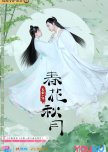
Ridicules story...
While high-concept fantasy romances can be a lot of fun, *Love Better Than Immortality* struggles heavily with its narrative execution. The plot often feels ridiculous, relying on absurd setups, forced tropes, and illogical character decisions that make it difficult to stay invested in the story.
Between the messy pacing and a convoluted script, the storytelling falls flat and tests your patience. While the actors do what they can with the material they were given, the weak and poorly structured plot holds the entire series back from being a truly enjoyable watch.
Esta resenha foi útil para você?


