

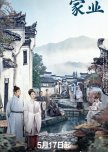
a journey through the world of ink
finished 8.5/10 ⭐I liked the drama, especially considering it's a story focused on the making and creation of the ink... yangzi is a wonderful actress and I want to see more dramas from her in the future, The rest of the cast also did an excellent job... if I had any criticisms, it's that the last 10 episodes felt like filler and some scenes bored me... the villains It took them a long time to get their justice, and I felt it wasn't enough. Plus, the main characters were only truly happy in the last five minutes of the drama... But anyway, I enjoyed it and recommend it 🥰
Esta resenha foi útil para você?
Esta resenha pode conter spoilers
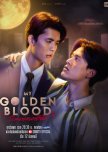
Big bad wolf and his damsel in distress
YouTube playlist: https://www.youtube.com/playlist?list=PLszepnkojZI6dCriKkjM96prEY5v2NhtuGMMTV's Twilight-Wannabe. Not as bad as some people make it out to be, but not good either. An alright one-time watch that is only enjoyable if you turn off your brain.
Things I liked:
1. Cute moments.
2. Tonkla. Nice and supportive friend.
3. Insane chemistry.
4. Plot twist. Genuinely made this series much better in my opinion.
Things I disliked:
1. Special effects.
2. Main character acting like a child for the majority of the series.
3. The fact that Mark was looking after the main character since he was just a baby feels extremely predatory.
4. A LOT of inconsistencies throughout the series. For example, vampires are supposed to be way stronger and faster than humans, yet on multiple occasions Tong overpowers them.
5. No explanation for anything. To put it bluntly, the whole plot doesn't make any sense.
* You want to know more about vampires?
Too bad, enjoy a two-minute explanation that makes absolutely no sense.
* Want to know more about the golden blood, its lore, and where it's originating from?
Well, good luck with that one since nobody is explaining it to you.
The whole writing is pure nonsense!
It really wouldn't take that much to spend an extra few days or even hours to develop a more interesting and meaningful story that actually makes sense.
6. Nakan's death was so unnecessary, like let's be real.
Esta resenha foi útil para você?
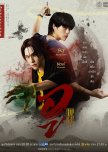
The New Peak of GMMTV!!!!!!!!!!!!!
WU is hands down the best GMMTV series ever made. Every aspect of this show is exceptional. The acting is on another level, and Sky and Nani's chemistry is absolutely electric. The OSTs are incredible, the cinematography is stunning, and so many scenes will leave you with goosebumps.The cast is stacked with talented actors, and every one of them delivers. What I love most is the vibe—it reminds me of the best Chinese bromance dramas, the kind of stories I can never get enough of.
I already thought High School Frenemy was peak, but WU somehow managed to surpass it. This world has so much more to offer, and it deserves a Season 2. I genuinely don't want this story to end.
Esta resenha foi útil para você?
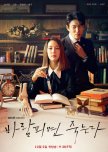
Ending hints Soo-ho + Yeo-joo will be a couple. Yeo-joo takes it slow. Want season 2
The ending strongly hints that Yeo-joo and Soo-ho will eventually be together.Yeo-joo isn't necessarily playing hard to get; she's just cautious and wants to take things slowly. Soo-ho seems to understand that, which is why he smiles—he realizes she isn't rejecting him, and he's willing to keep pursuing her at her pace.
----------------------
The smile from Soo-ho at the end can definitely be read as:
- He realizes Yeo-joo isn't rejecting him.
- He understands that she's the type of person who won't rush into a relationship.
- He's willing to keep pursuing her because he now believes there's hope.
Esta resenha foi útil para você?
Esta resenha pode conter spoilers
Could be better!
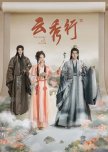
I have to admit this drama had been on my list for years because of Deng Wei. But I also like the whole casts in general, and seeing them altogether is such a pleasure. I'm super happy to watch this one after it was shelved for three long years. Even after watching and I do have disappointments, I am grateful that we are able to watch it finally. And I am now relieved it is over. I will still recommend it to those who like the cast, not mind old school feel unserious drama.The good thing is that I do like Deng Wei's character Zheng Shi&Lou Qi Yan a lot. It is just precious to see Deng Wei in this vibe, the cunning man who is morally gray although he had people he genuinely care that is his grandfather and Fan Yun. Moreover, him being a merchant is a bonus charisma. I am really glad to him together act with venteran actor who played his grandfather. Their scenes are my favorite in this drama, although they are brief the emotions were played out so well that made me impressed. (as well as the whole Zheng clan in Jing City arc in few last episodes is the most enjoyable for me), And maybe because I am a little bias, I am actually a little sad that he was loser in love here. Besides I also wished to be more convinced why he fell in love with her aside from he was fond of her playing erhu. And oh that ending tragedy of his doesn't make sense and after all this is a lighter tone drama, they should not cut the ending scene of him coming back at all. This is one of main reasons why I cut score from my rating.
(I'd love to see Deng Wei take more more projects as ML in upcoming days).
P.S I am very delighted with Liu Yuning song being played at his last scene. This song is truely for Zheng Shi.
I just finished Mysterious Lotus Case book not so long ago, and generally very fond of Joseph Zeng there. I like his acting in general. But I will blame the character writing here. That is absolutely feel like something is lacking. Joseph could bring out Qi Zheng, the character to a fun young emperor who looks idiot but is actually smart. I actually do appreciate on Fan Yun(female lead) and inspired to do as her. However the drama fail to convince me about his wholly being smart with him folllwing and stalking female lead to a ton. (I don't mind this in some other dramas but in this one it is unnecessary and feels more annoying than touching.) Moreover, they also make him jealous in such petty way throughout to the ending episode that didn't even stop when the other person was dead alread. And yeo the likely promisng of his back story seems cut outecd. This is another main reason I do cut some scores.
As for Fan Yun, I have less connection with her. I should be cheering her in her journey to being female official, that brings equality to woman in Rosy Cloud. I couldn't go in details for now why I think I am doubtful of sometimes as a smart woman. Besides while she thought about reforming on people and gender equality, why couldn't she open up her heart to someone who support her. And she looked so " icy cold" towards romance that it is so difficult cheer the main couple in the series or let say I do not see development as much as I want to see. And this is another one of three main reasons why I cut some scores out. Li Yitong is beautiful and cute, especially in A Dream Within A Dream back then. If her upcoming dramas are interesting I would like to try too.
All in all the main plotline is actually strong, the drama tells it in an a little unengaging way with choppy editing and some plot random plot that got loss such more scene for Male Lead background story, the random brief appearing of Tian Xi sister, and the whole scene of main cp sticking in burning house and he kissed and made her play erhu is rather ridiculous than romantic,.etc
Other than that I quite enjoy many support scenes such as 2nd CP scene in which she chased him and he finally give in. I like Riley and DaiLuWa chemistry. They need a good drama together as main cp. I adore the the elders who look after Qi Zheng. The man in mask I think is charismatic. The two main subordinates of Qi Zheng are fun , especially Tian Ji Rui character who lack sense of direction. And the Wei bro who play flute in lead life in his way. I think i want to see more of these character. I'd say apart my bias Zheng Shi, they are (their acting) main reasons why it is mostly enjoyable.
Okay..I will finish my review for now. This drama has excellent casting from main to support but choppy in storytelling. The production on cinematography is generally fine for me but it is bit old school and low budget. The costume are beautiful and the songs are nice. Nonetheless I feel this story of a inspiring woman who fight for human rights and woman rights is not touching enough. It actually failure for me as a love story. But i do have certain that keep me till the end and that I enjoy of. So overall I will rate it 7.5/10.
****************************
My previous review
**
I am now half way through The Legend of Rosy Clouds. It was such a long waited drama. I believe many of us come to watch this show because we like the casts. We had been waiting for this to come out for three years. Despite all the low ratings, once this one meets the right audience, it's going to be a worthy watch and absolutely entertaining.
This drama is old school. Visually, it would mostly remind us of those older dramas before 2020s. There are certain themes that might be turn of to modern audience such reverse heram, male leads stalking and chasing and courting female lead who is hard to get, because she has other proirity. These theme are more common back then even though nowadays we have them too, they are more subtle. For me who used to watch these types before , I am very fine with these stuffs in TV dramas.
Our female lead, Fan Yun was a teacher and born not so rich. She had this compassion towards people equality. She wants to promote gender equlity in which she wants to become official at government office to inspire others. She was successful in persuading the governor, our male lead establishing commoners being able to take exam to became government official. Its obvious, our male lead fell in love with her and willing support her ideas and policy change in 9 cities he governing. There is also a second male lead who did fall for Fan Yun after hearing her music. The man who hold two identities. One noble, and another ruthless merchant. This is a love triangle indeed, that one needs to lose.
Apart from our three main characters, we also get the second couple which is very refreshing. That is Gao Ran and Wei Shi San, in which she did chase him throughout. And when she had to stop. He missed her. This second cp is super cute. Riley Wang and Dai Lu Wa chemistry is superb.
So far this drama doesn't really have evil hateful villain so far. All the characters have their own point of view in life. Changing policy sometimes tak e times. And sometimes people wont want to change when their lives are seen as good already.
The acting from the whole cast is majestic. But i do have to admit this drama suffer bad edits and cuts that can turn off some audiences too. However, the main plotline is still understandable which is why I won't ever say this is a bad drama.
The drama is light and comedy even with some politics and some of point of views to think about if you catch it. But not in a very serious way. And all the characters had their funny side. I normally like easy going drama and I like casts here so this drama is just for me. Im very happy we can watch it after all the issues in three years. I recommend it to anyone who likes the casts, likes comedie, noting minding being old school. Just try it.
Esta resenha foi útil para você?
Awesome
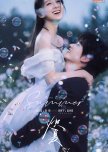
Wow this drama was truly awesome, the story line the characters, the emotions everything Jay came together nicely.Was I truly liked was zhu wan dressing it was just right fit and it somehow was made for character. Lu bike was really great as well.
The side characters were good and i liked the fact they never divorced but it seemed to find each other again.
It would have been nice to see the father arrested or at least have his sons watch him get arrested. But it come together rather well.
Esta resenha foi útil para você?
10/10 Excellent BL drama
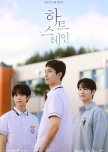
10/10 Excellent BL dramaPlease ignore the hate comments-this show is a hidden gem. It's short, super cute, and incredibly calming. There's no drama, no unnecessary tension-just wholesome fluff and heartwarming moments. The visuals are soft and aesthetically pleasing, with a gentle color palette that adds to the relaxing vibe. The characters are lovable and well-designed, making it easy to get attached to them. It's the perfect show to unwind with after a long day. You'll feel genuinely happy and comforted after watching it. If you're in the mood for something light, sweet, and uplifting, definitely give this one a try!
Esta resenha foi útil para você?
Esta resenha pode conter spoilers
A great Chinese counterfeit with Chinese flavor - hilariously funny
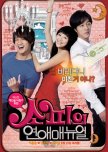
This is delightful! it is super crafty... lmao Chinese imported So Ji Sub to be THE hot guy, and then put a Chinese ML who looks like So Ji Sub somewhat but is not that well kept beautiful you know the deal with Korean skin and working out .... THis is 2009 movie but it has guys' bathroom scene just wrapped in a towel - I guess other dramas copied this one? So Ji Sub was SML and did not have to act much.... besides the towel scenes...On the plus side, Chinese ML is a pretty good actor and is incredibly CHARMING and convincing as a hot lover. Highly recommended. If you want to see a really hot Chinese guy, this ML beats all the anorexic looking androgenous skinny pale boys with make up that are currently the rage in China. Those kids are ... nothing. Watch this drama to see a real one :)
Also this was before being skinny was so fashionable, So Ji Sub looks amazing in that towel, and also Anna actress looks WOW amazing. What a body. Also, the FL actress has nice legs you can see she walks and exercises, the legs are toned.
Also there are lots of Hwood tricks, including the names of the Chinese in the drama - Sophie, Gordon, Anna, .... and the facial gestures that look like Hwood...
BUT as usual, Chinese did a great copycat counterfeit and made it their own, this is actually hilarious and has that off hinge humor like Stephen Chow movies from Hong Kong, and I love it. It is really fun.
I just watched a phenomenal Chinese Counterfeit with real Chinese flavor and it is totally hilarious. Sophie's Revenge 2009 Chinese rom com with So Ji Sub as 2ML. He did not have to act much besides parade around in towel. But Chinese ML is his copy lmao but does not look that well kept, however, is a very good actor and super charming and really a hot lover. A lot better than the girly pale skinny guys with make up in current cdramas... The movie has Stephen Chow from Hong Kong humor, I love it. Link in spoiler
I really dislike most cdramas and cmovies bc they have the pompous overdramatic serious feel of a military parade, BUT once in a blue moon when Chinese make something good it is EXCEPTIONAL
Esta resenha foi útil para você?
10/10 This Series Is So Good! (MIGHT CONTAIN SPOILERS)
10/10 This Series Is So Good! (MIGHT CONTAIN SPOILERS)I have no idea whether Heesu In Class 2 is based an a novel, a graphic novel or a web toon. I went in and watched it with zero expectations and i ended up so happy that i gave it a chance. The last episode made me confess to my crush as well
To be honest, the finale felt like a mid season
finale. I felt like i needed more because it ended as soon they got together. Another season a bit more focused on our main leads would be such a great idea, and if they do it, i hope they keep Lee Jin Hee for the soundtrack because the music was fantastic. Korean Bls are so good and i'm obsessed. I hope we get more of them in 2025.
Esta resenha foi útil para você?
A Beautiful Story That Deserved a Better Goodbye
I really enjoyed A Splendid Match overall. The drama had a lot going for it, beautiful cinematography, gorgeous costumes, a solid cast, and leads with amazing chemistry. The romance was sweet without feeling overly cheesy, and I liked that the relationship was built on trust and mutual respect. The political and family conflicts kept things interesting, and for the most part, the pacing was good.The cast also did a fantastic job. Even the supporting characters felt memorable, and many of them had storylines that made you care about what would happen to them. That's actually why the ending was so disappointing.
My biggest issue is that the ending felt way too rushed. After spending dozens of episodes developing these characters and their relationships, the finale wrapped everything up so quickly that it barely gave the audience time to process anything. It honestly felt like the story was cut short.
Several important character arcs never received the resolution they deserved. There were relationships that needed proper closure, lingering conflicts that were brushed aside, and supporting characters whose endings were either implied or completely skipped. Instead of giving us satisfying conclusions, the drama seemed to jump straight to the finish line.
It's frustrating because the journey was genuinely enjoyable. The writers spent so much time building the world and making us emotionally invested in these characters, only to rush through the part where all that investment should have paid off. Even just one or two more episodes could have made a huge difference by giving everyone the closure they had earned.
That said, I don't think the rushed ending ruins the entire drama. The performances, chemistry, visuals, and emotional moments throughout the series are still worth watching. I just wish the finale had slowed down enough to let the story breathe and properly conclude the characters' journeys.
Esta resenha foi útil para você?
Esta resenha pode conter spoilers
Horribly Dull. Not for a lover of the original OVA
How does one turn Rurouni Kenshin into the most lifeless, boring soulless rendition ever? Watch this movie!The fight scenes like the duel between Kenshin and Okita Souji are cool- undoubtably they must be incredibly difficult to execute.
The second half is better than the first- that part reminds me of the original story. Still it’s not the same and doesn’t evoke the same emotion as the anime.
This version is more “star studded” than the first one I saw (2012)- with Chishiya —I mean Nijirō Murakami and Takahashi Issey in the cast. The first thing I noticed what this woman’s horrible makeup job- with this white patchy powder on her face. It looks like some cheap makeup did that, her hair is a mess and her lipstick is all over the place. What on earth?
And what’s up with the Indian classical style flute? This is Rurouni Kenshin not the Ramayana! It’s totally out of place. The director is totally out of his element here.
Esta resenha foi útil para você?
10/10 Bad to Bed
10/10 Bad to BedBad to Bed is one of those series that becomes even more rewarding the more attention you give it. Rather than telling its story in a straightforward way, it carefully weaves together memories and present-day events, allowing viewers to gradually uncover the characters’ emotional journeys. I actually enjoyed piecing everything together, as it made every revelation feel more impactful and satisfying.
What truly sets the series apart is its emotional depth. Instead of focusing only on romance, it explores healing, trauma, mental health, and the importance of finding someone who accepts you completely. The relationship develops with sincerity and patience, making every emotional breakthrough feel earned and meaningful.
The performances are heartfelt, bringing authenticity to characters who carry emotional scars while learning to open their hearts again. The cinematography and atmosphere perfectly complement the reflective tone of the story, creating a mature and intimate viewing experience that stays with you long after the final episode.
This isn’t a series built around flashy moments or constant fan service. It’s a thoughtful romance that values emotional connection above everything else. For viewers looking for a meaningful BL with beautiful storytelling, strong performances, and a touching message about love and healing, Bad to Bed is absolutely worth watching. An emotional hidden gem that deserves far more recognition and an easy 10/10.
Esta resenha foi útil para você?
10/10 Uncle Unknow
10/10 Uncle UnknownI honestly think Uncle Unknown deserves far more appreciation than it has received. Even with its short episodes, the series manages to tell a touching and memorable story that focuses on emotions rather than unnecessary drama. Instead of rushing through the romance, it delivers meaningful moments that gradually build the connection between the characters, making every scene feel sincere and heartfelt.
One of the biggest strengths of the series is its simplicity. The compact format keeps the story easy to follow while allowing viewers to focus on the relationship at its center. The cast brings warmth and sincerity to their roles, and despite the limited runtime, they create believable chemistry that makes you want to see more of them together.
The production embraces a modest and intimate style that fits the tone of the story perfectly. Rather than relying on extravagant visuals, it lets the characters and their emotions take center stage. Every episode feels like a small piece of a larger love story, leaving a lasting impression despite its brief duration.
If you’re looking for a sweet, emotional, and easy-to-binge BL, Uncle Unknown is definitely worth your time. It’s a hidden gem that proves you don’t need a huge budget or long episodes to tell a heartfelt romance. A charming series that left me smiling from beginning to end and deserves a perfect 10/10.
Esta resenha foi útil para você?
10/10 Phro Khitthueng
10/10 Phro KhitthuengPhro Khitthueng is a delightful companion story that expands the world fans already know and love while bringing its own unique charm. Even if some familiar characters have different names, it doesn’t take away from the experience. Instead, the series focuses on what truly matters: lovable couples, heartfelt romance, and plenty of entertaining moments that make every episode enjoyable.
The chemistry between the couples is one of the biggest highlights. Whether you’re rooting for Can and Tin, Ae and Pete, or discovering new favorite pairings, every relationship has its own personality and emotional appeal. The interactions feel warm, funny, and genuine, making it impossible not to smile while watching.
I especially enjoyed how lighthearted the series is. It balances comedy, romance, and friendship in a way that creates a comforting atmosphere without losing the emotional moments that BL fans love. The cast delivers charming performances, and it’s wonderful to spend more time with characters that have become so memorable over the years.
For longtime fans of the Love By Chance universe, this is a rewarding watch, while newcomers can also appreciate its sweet storytelling and lovable cast. It’s a feel-good BL filled with heart, laughter, and romance, making it an easy series to recommend. A wonderful addition to the franchise and an easy 10/10.
Esta resenha foi útil para você?
Esta resenha pode conter spoilers
Um clichê confortável
Se você está em busca de um dorama que é um clássico das romcom, esse é o certo.Tem drama, tem comédia, tem romance, tem amizade e tudo isso na medida certa.
O casal é apaixonante, mas não cai naquele clichê clássico da mocinha coitada e o do CEO frio, muito pelo contrário, Sa-rang é extremamente forte, competente, sabe seus limites, sabe se comunicar, tem amigas que ajudam de verdade e consegue dar a volta por cima.
Won é um clássico filhinho de papai extremamente rico, mas por ser o filho do segundo casamento, cresceu em um lar um pouco instável. Cresceu não acreditando em sonhos, até cruzar o caminho da Sa-rang e começar a lutar por ele. É um filhinho de papai que não tem problemas em se rebaixar ou fazer algo que "não seria pra ele". Gostei muito do desenvolvimento dos personagens.
Gosto muito dos amigos dos personagens, as meninas principalmente. São não entendi porque a amiga casada continuou naquele casamento terrível. Entendi que divórcio é uma questão, aparentemente, mas todo mundo muito feliz e ela com aquele traste. Não sei se gostei.
Quanto aos demais gostei da finalização, achei coerente.
De forma geral, é um bom dorama pra passar o tempo e ver um casal se apaixonando e SE COMUNICANDO (!!!), nada é um grande problema para eles, pois eles conversam. Isso é lindo. Outro dorama parecido com esse no quesito comunicação é Her privaty life, não tem a química de Sorriso Real, mas adoro casais maduros.
Assistam! Vale a pena!
Esta resenha foi útil para você?


